
This Area's Housing
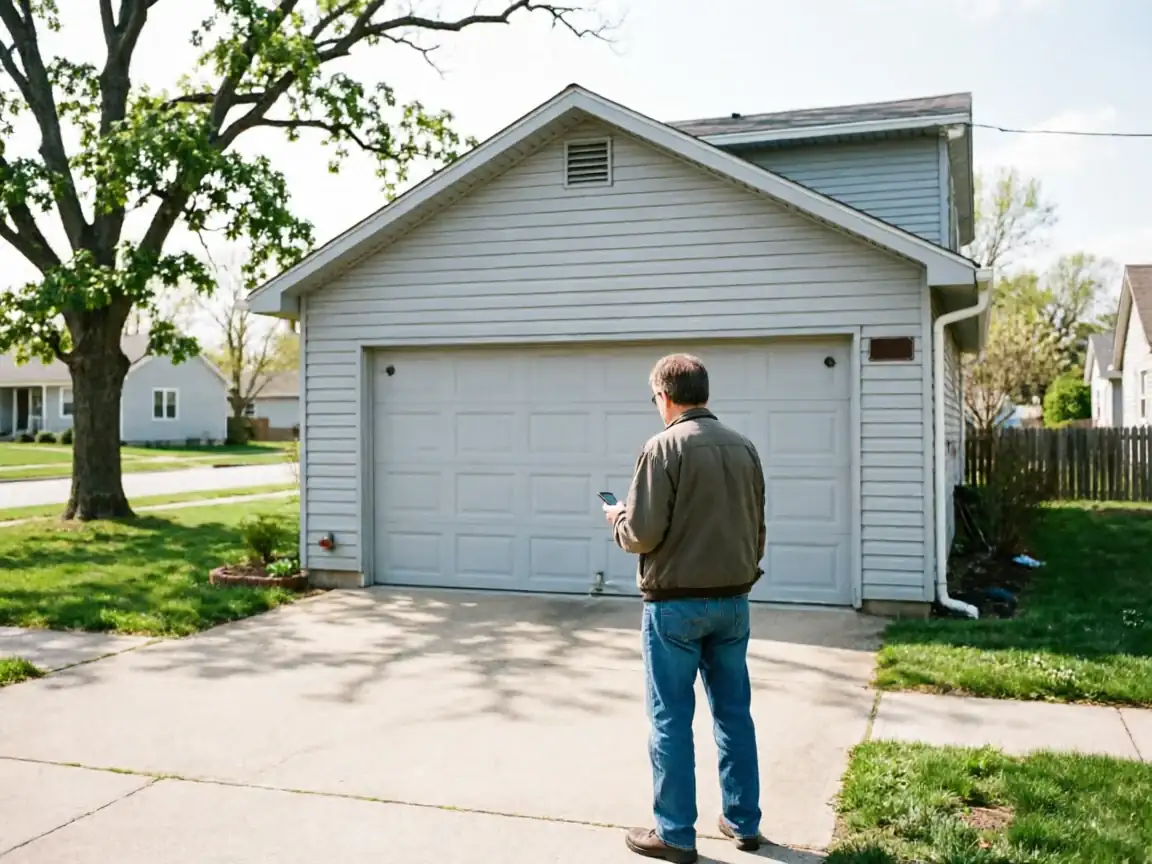
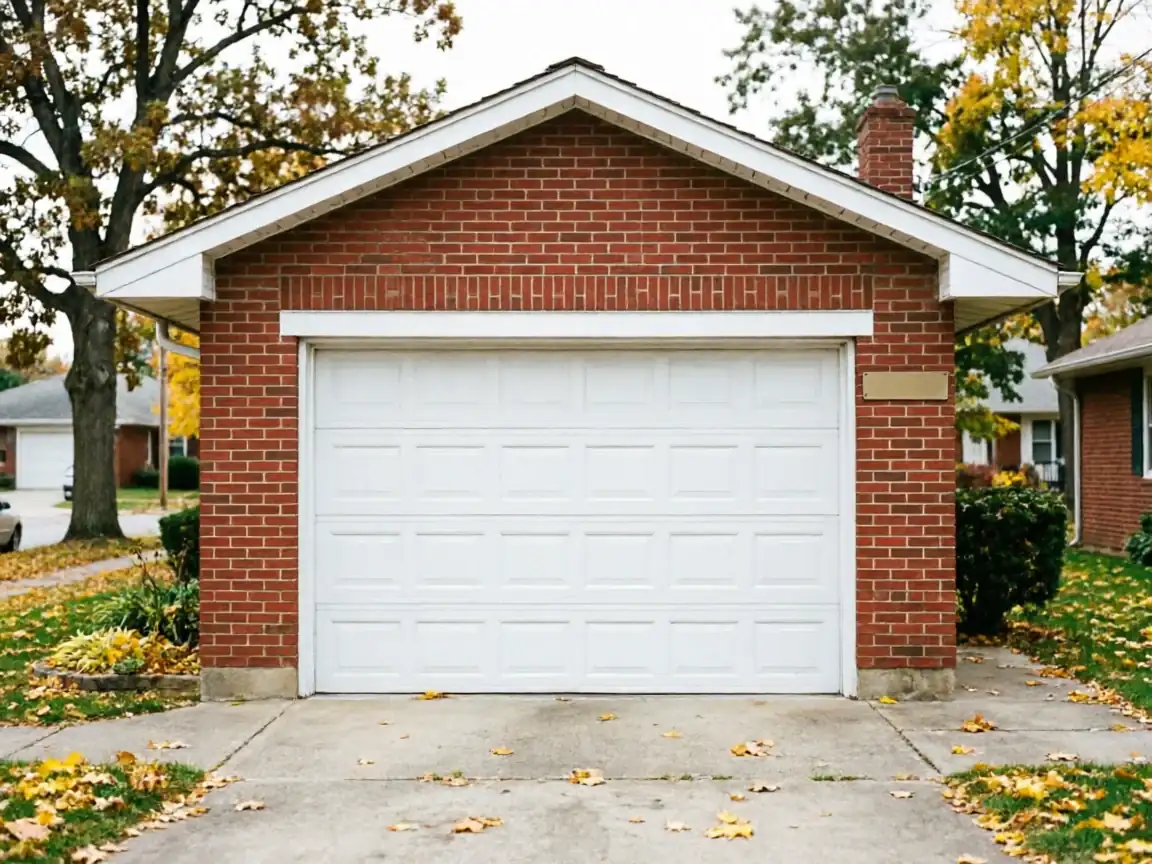
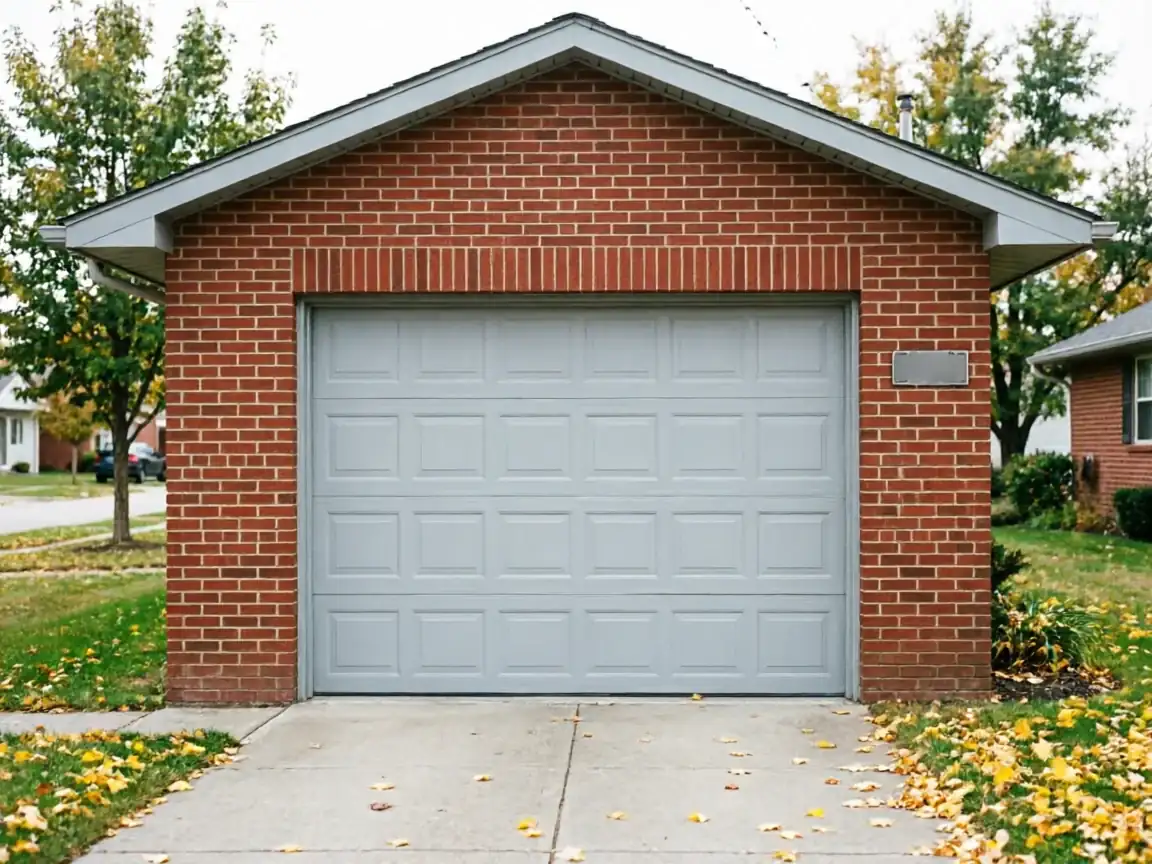
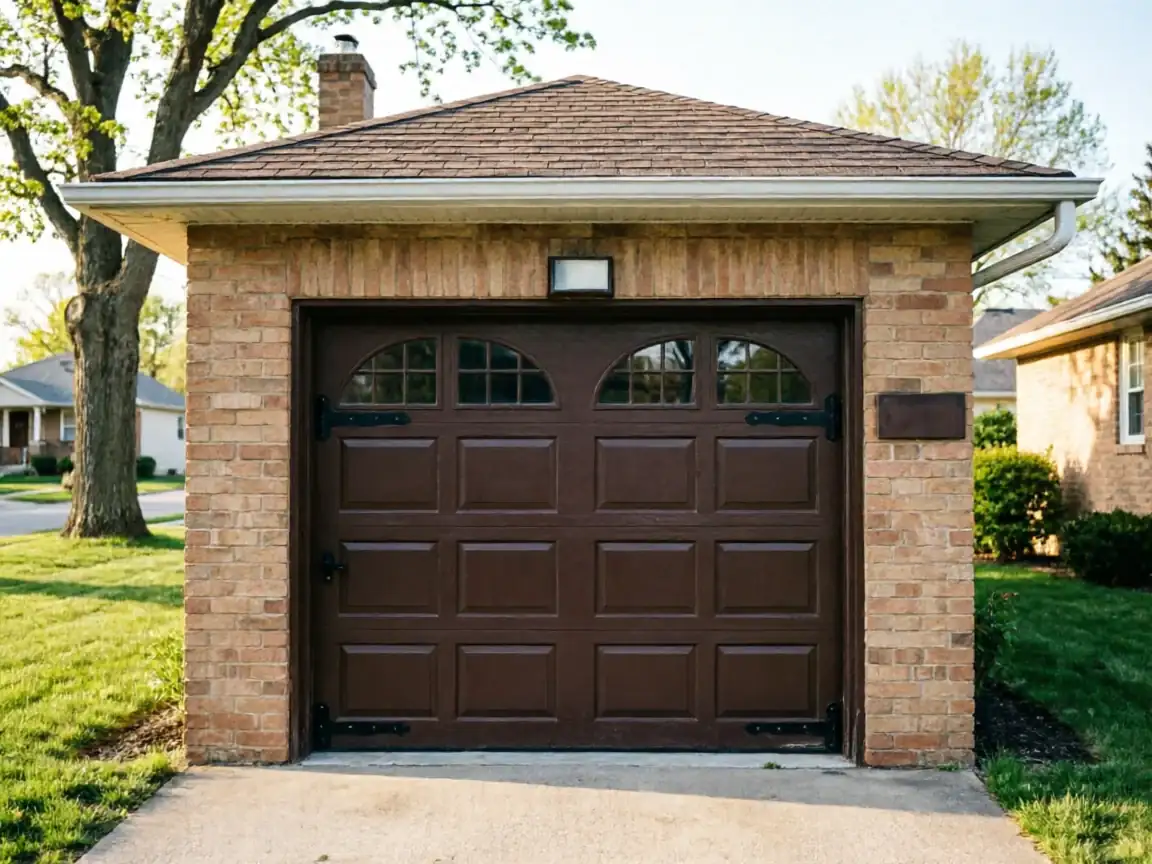
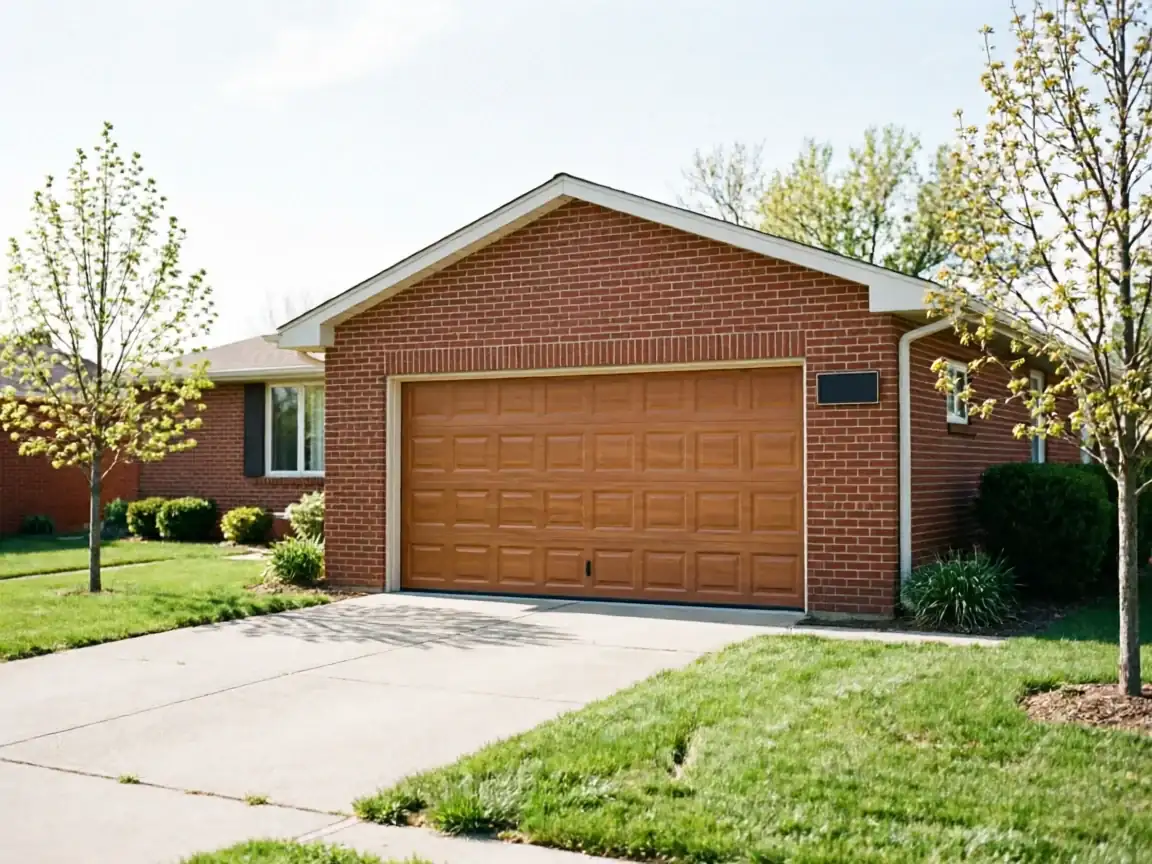
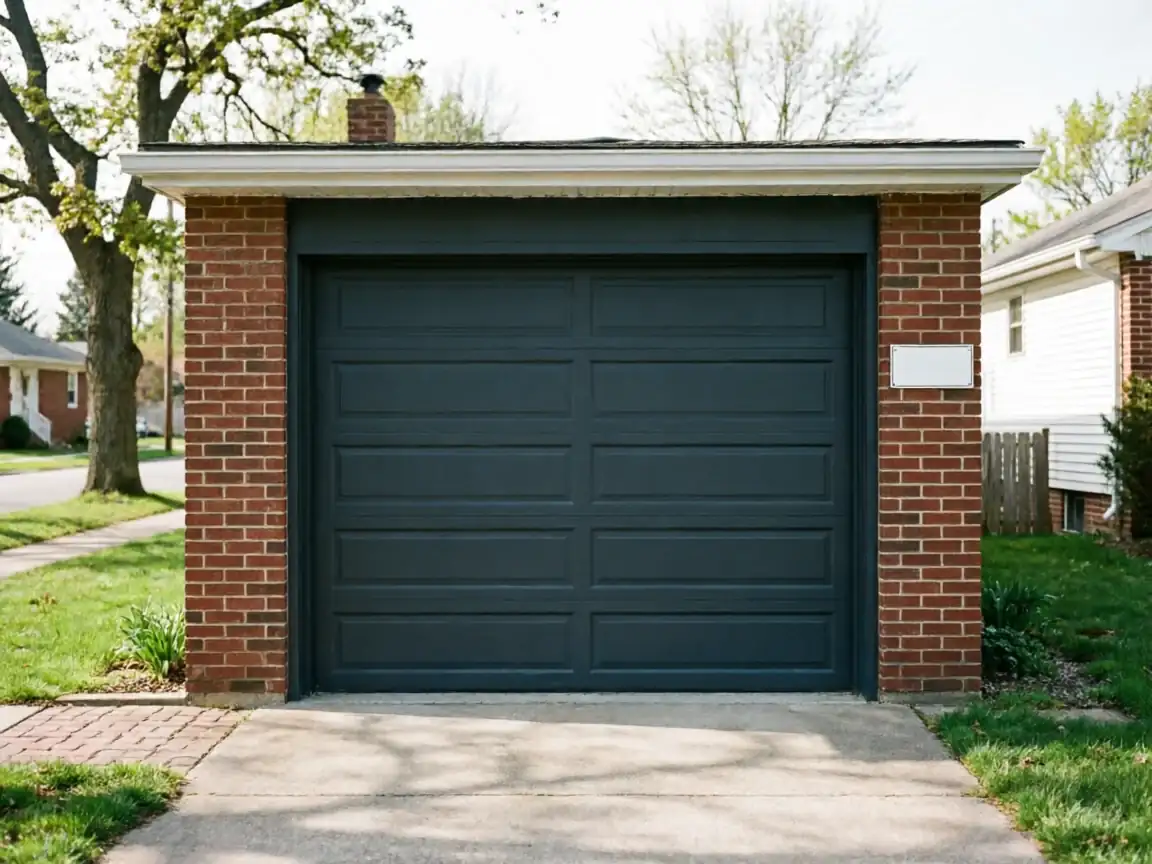
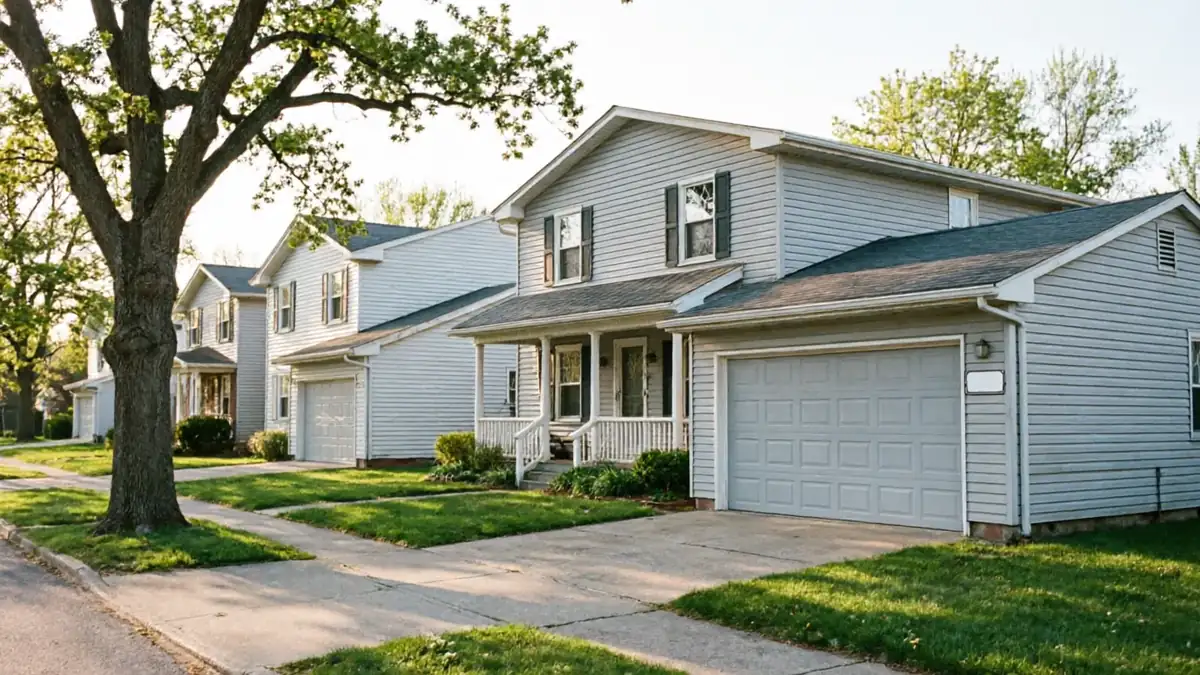
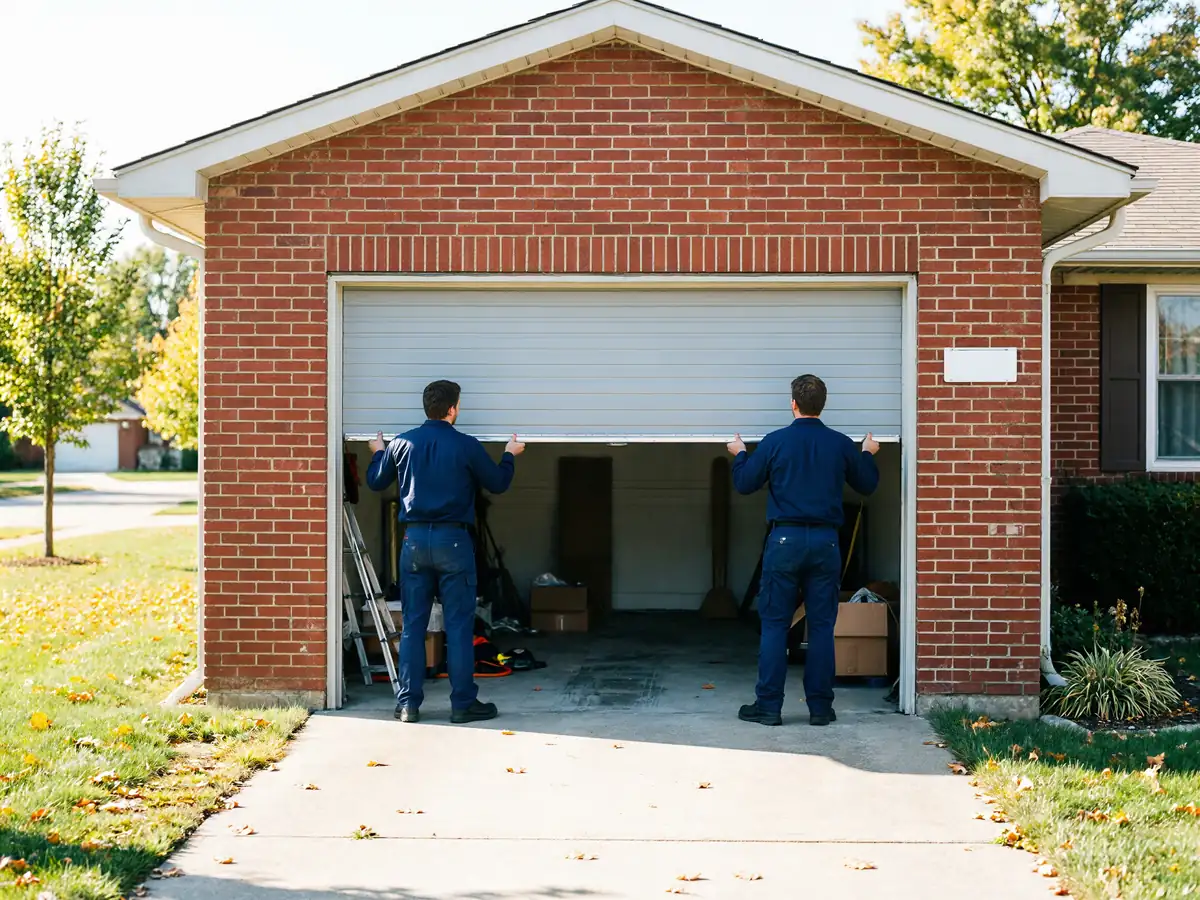
Fisher sits apart from a lot of the Champaign-area stock we work on. The median build year here runs around 1974, newer than the broader service area's 1978 median and solidly inside the 1956-2000 window the whole county falls into. That matters because a house built in the early-to-mid 1970s usually came with a different door and hardware setup than the pre-1960s farmhouses or the 1990s subdivisions we see elsewhere. With about 595 households in Fisher, this isn't a big town, and it isn't a town of identical tract houses either - it's a stretch of mid-70s construction with the torsion hardware and panel styles that era used. Median household income here runs around $92,697, higher than the wider service area's $81,703, which tends to show up as more owners opting to replace an aging door outright rather than keep patching it. We don't guess at what's behind your wall before we see it, but knowing the build era tells us what to expect when we pull the truck up - whether that's original steel sectional doors nearing the end of their service life, or openers from a first-generation chain-drive retrofit.
Old Streets and New Ones
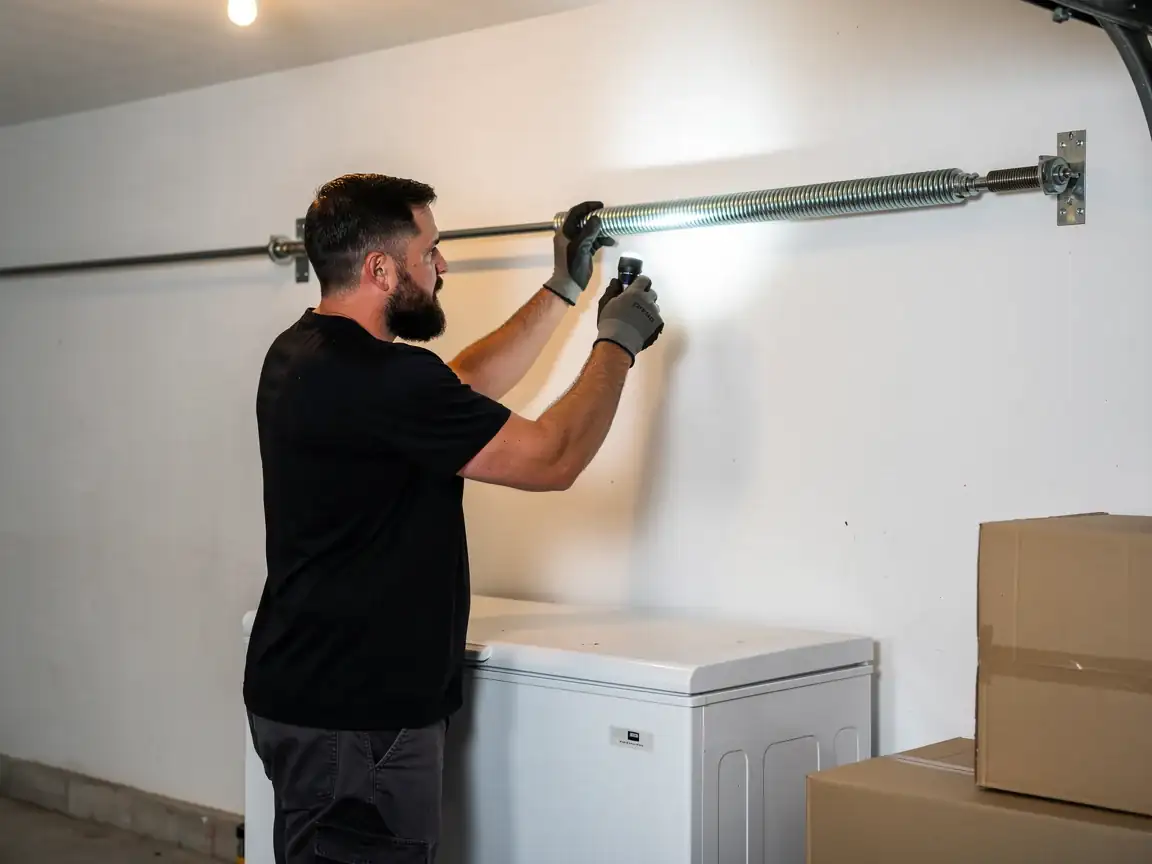
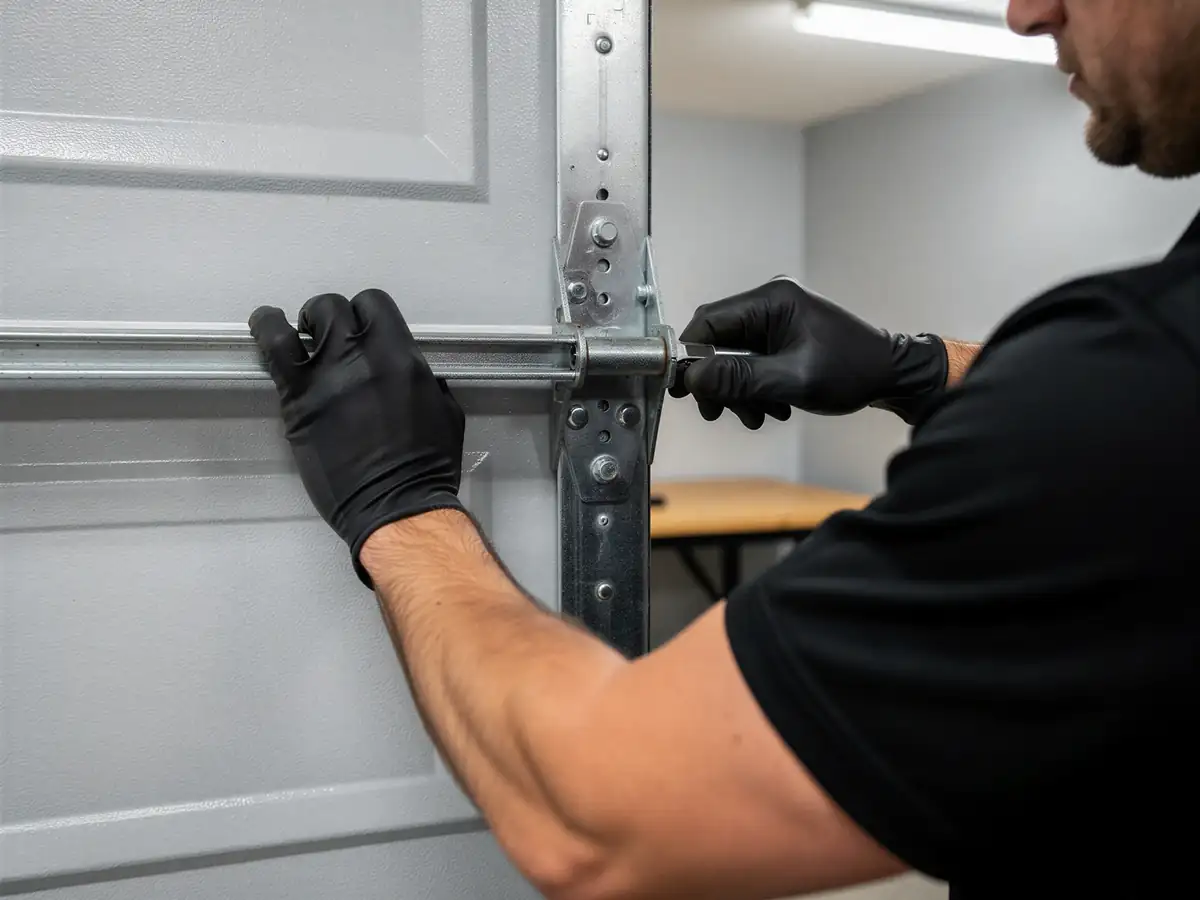
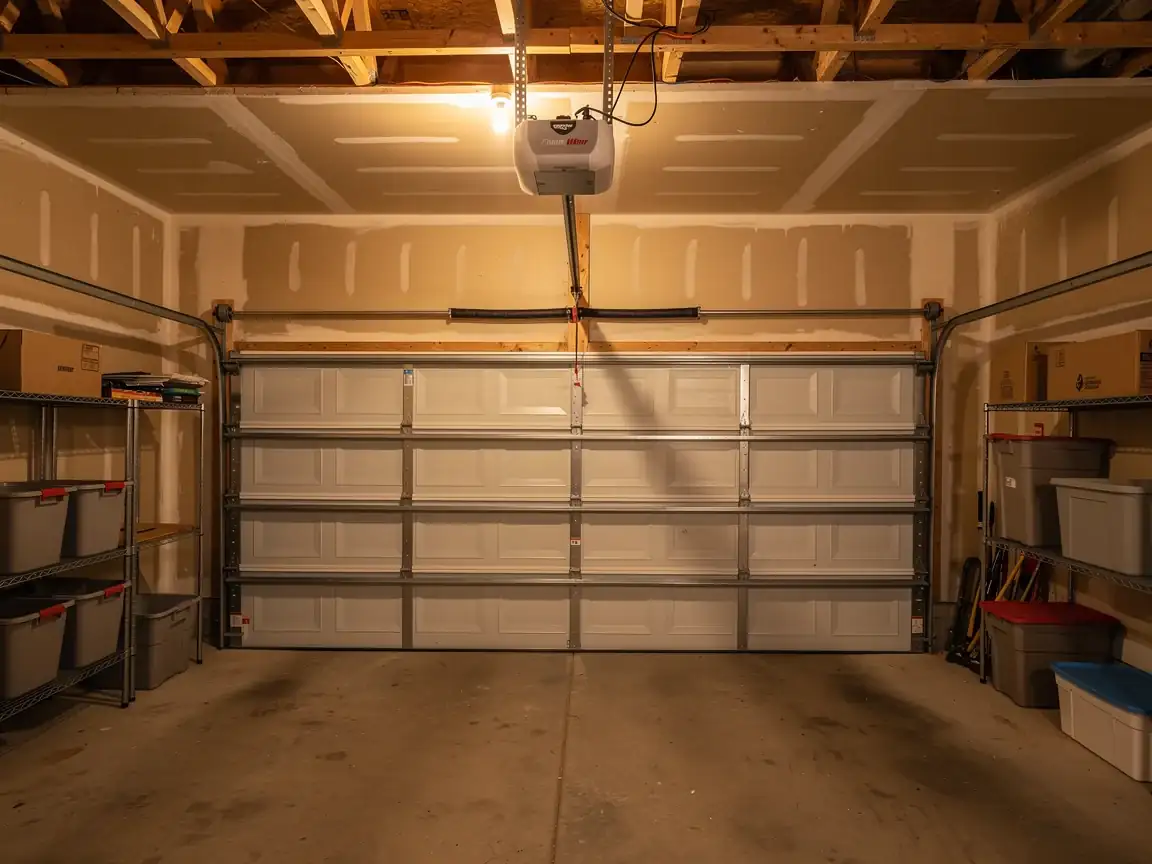
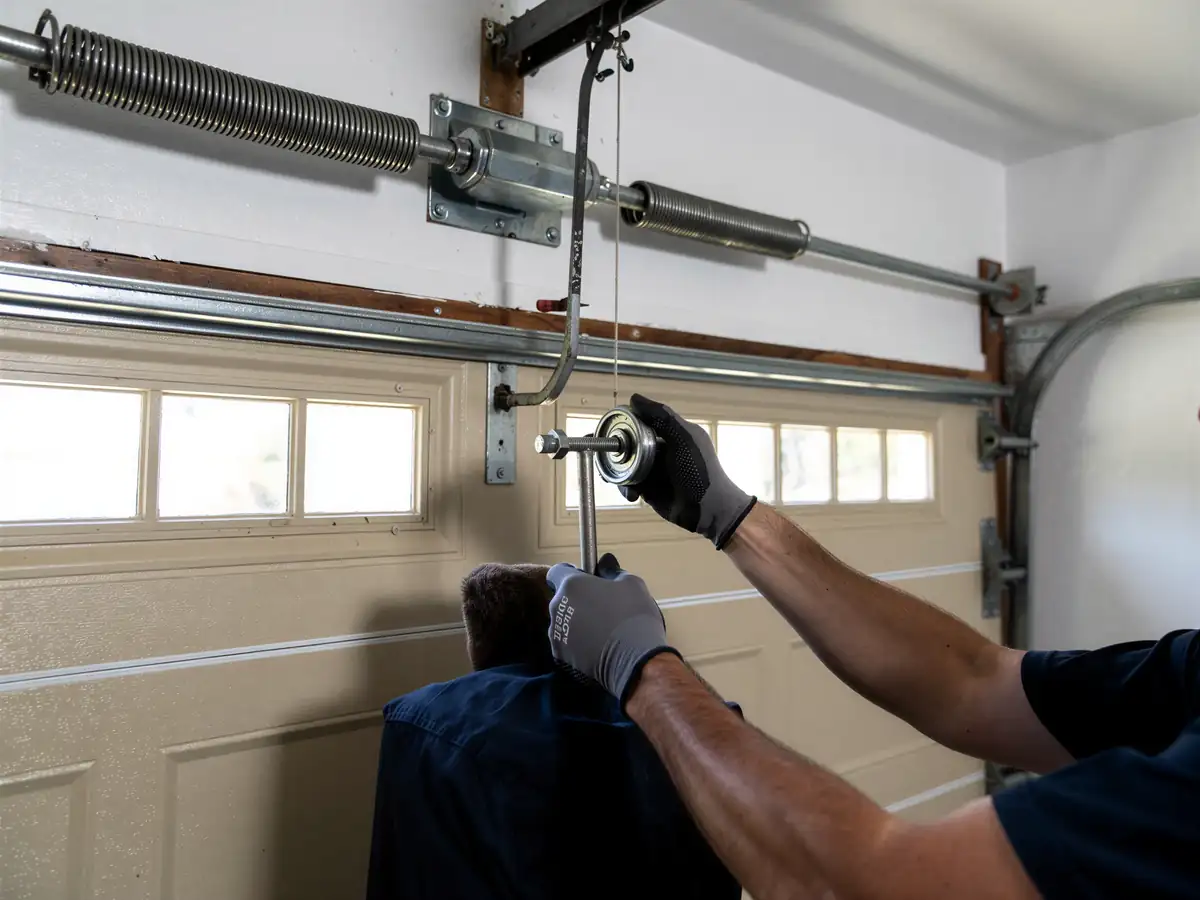
A town built mostly in one stretch of years doesn't age evenly. Doors installed when a house was new in the early-to-mid 1970s are now pushing fifty years old if they haven't been swapped, and a lot of them have been swapped at least once by now - which means we see a mix on the same block: original steel doors with pitted tracks next to mid-2000s replacements with newer openers bolted onto old framing. The honest limitation here is that we can't tell you which one your house has without looking at it. What we can say is that houses from this build era commonly used torsion springs sized for heavier wood-core doors, and when a homeowner swaps in a lighter insulated steel door later without re-rating the spring, the door ends up out of balance - slamming down or creeping back up on its own. That's one of the more common calls we get from homes in this age range, and it's a cheap fix if you catch it before the opener burns out trying to compensate.
How That Shows Up in the Door
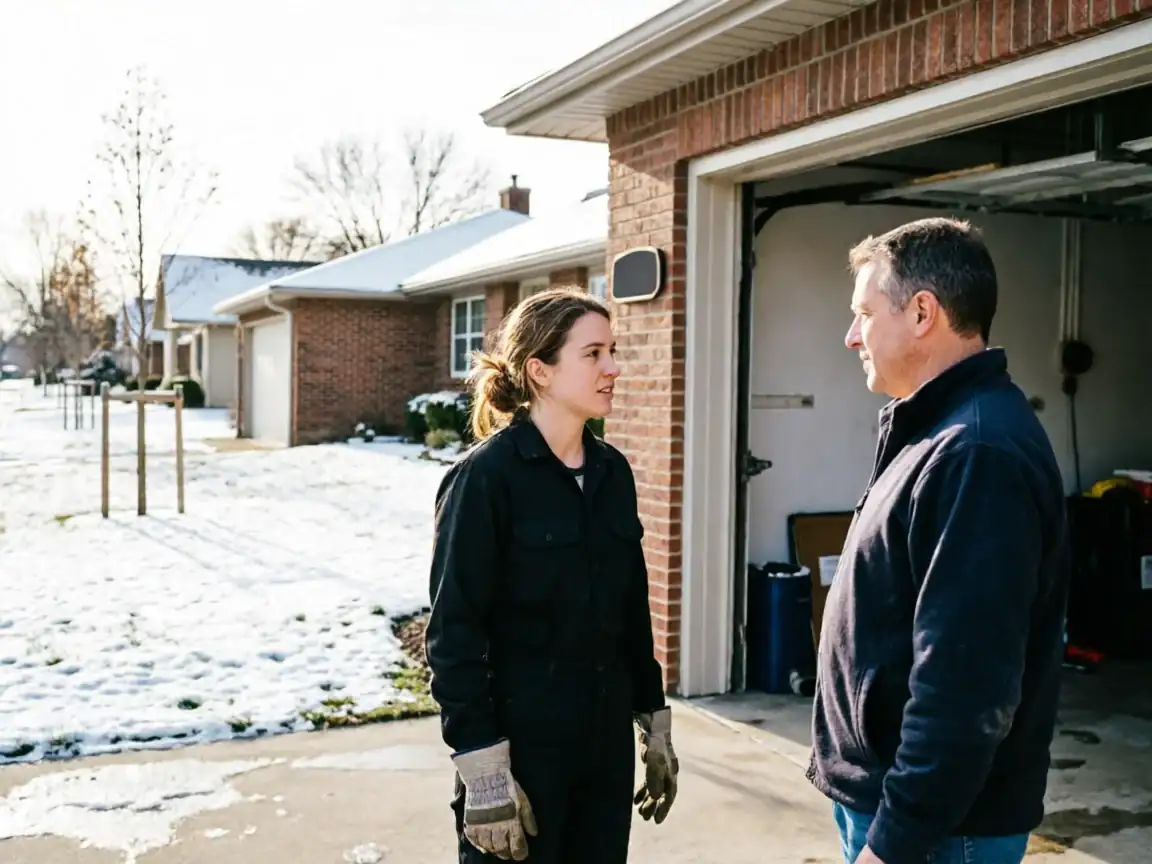
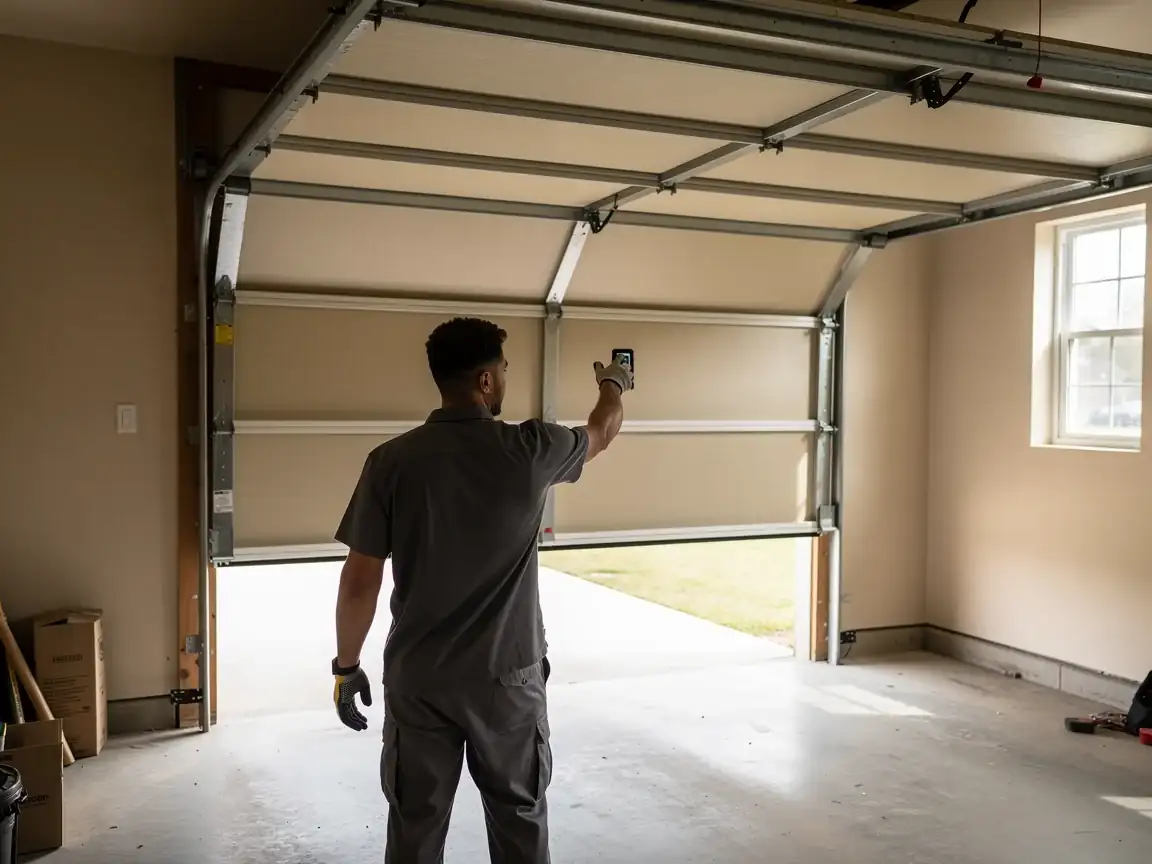
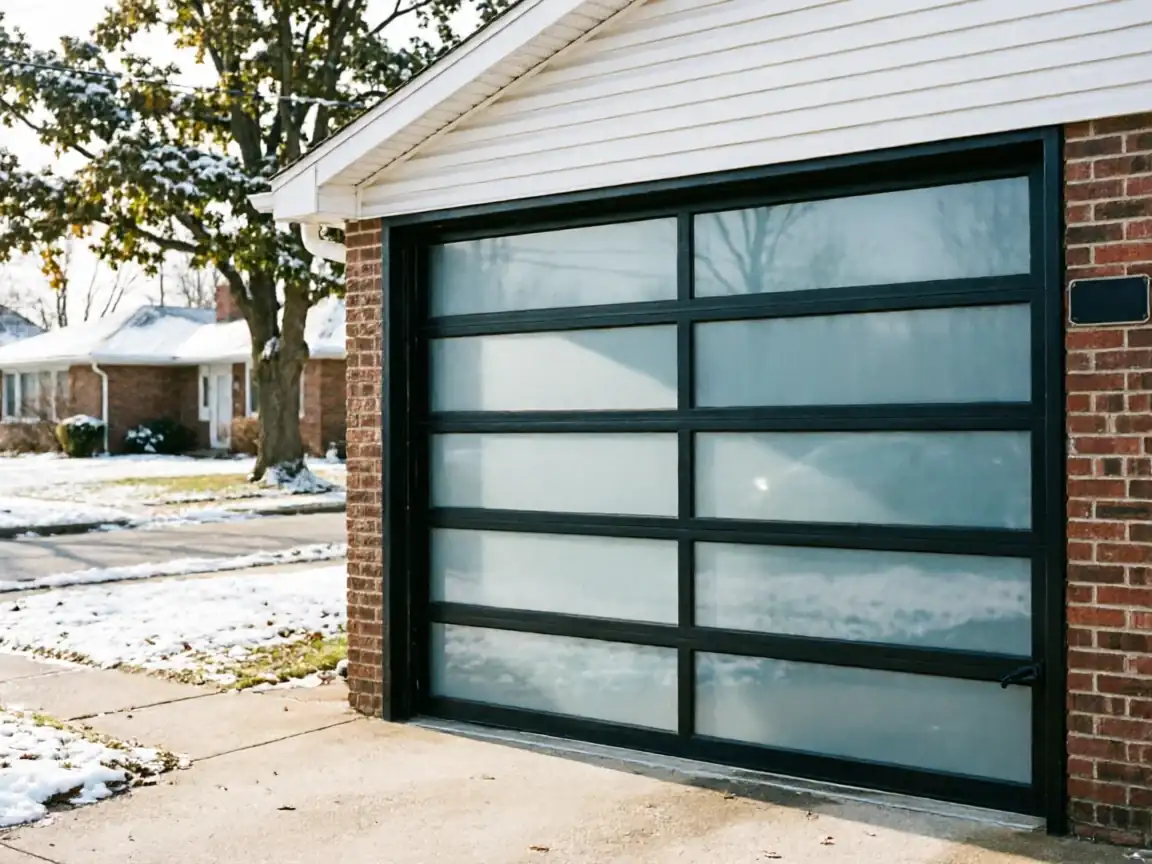
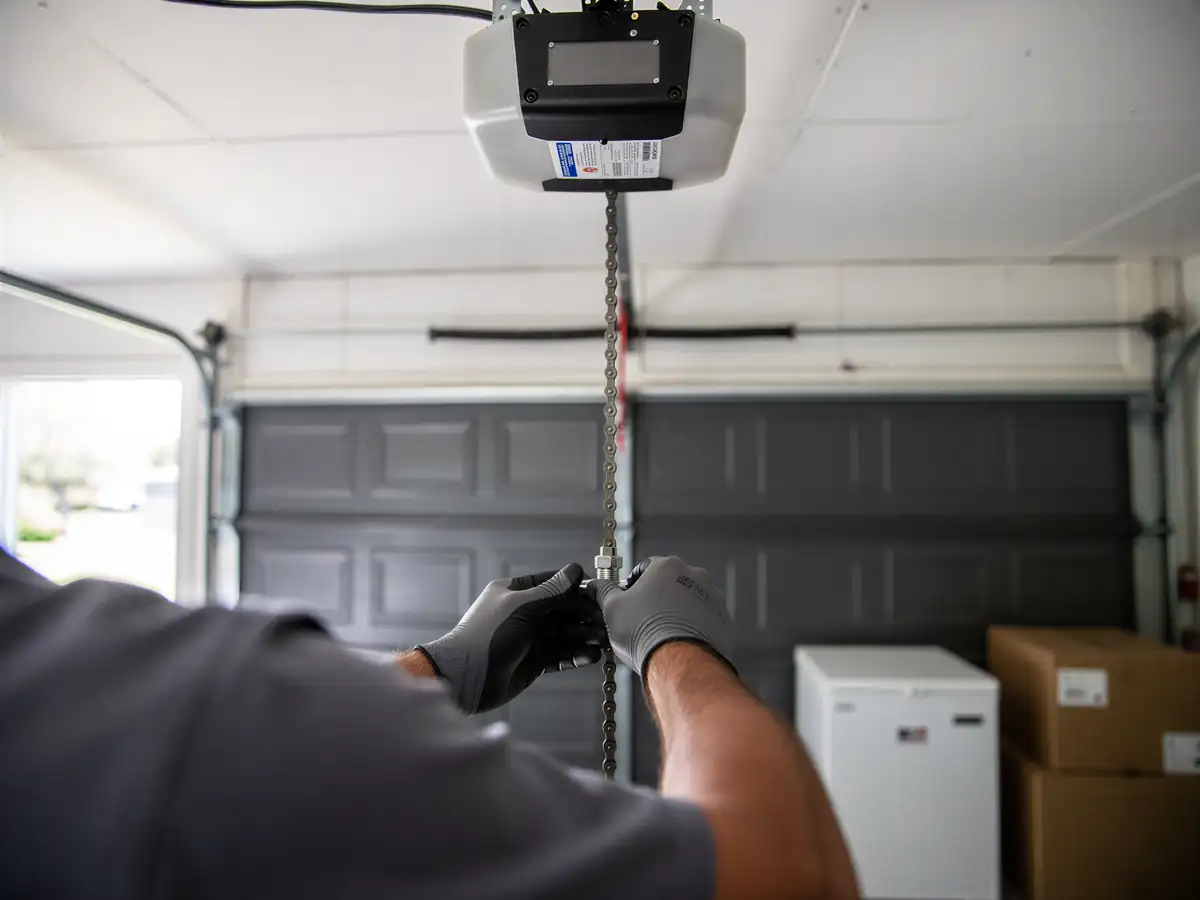
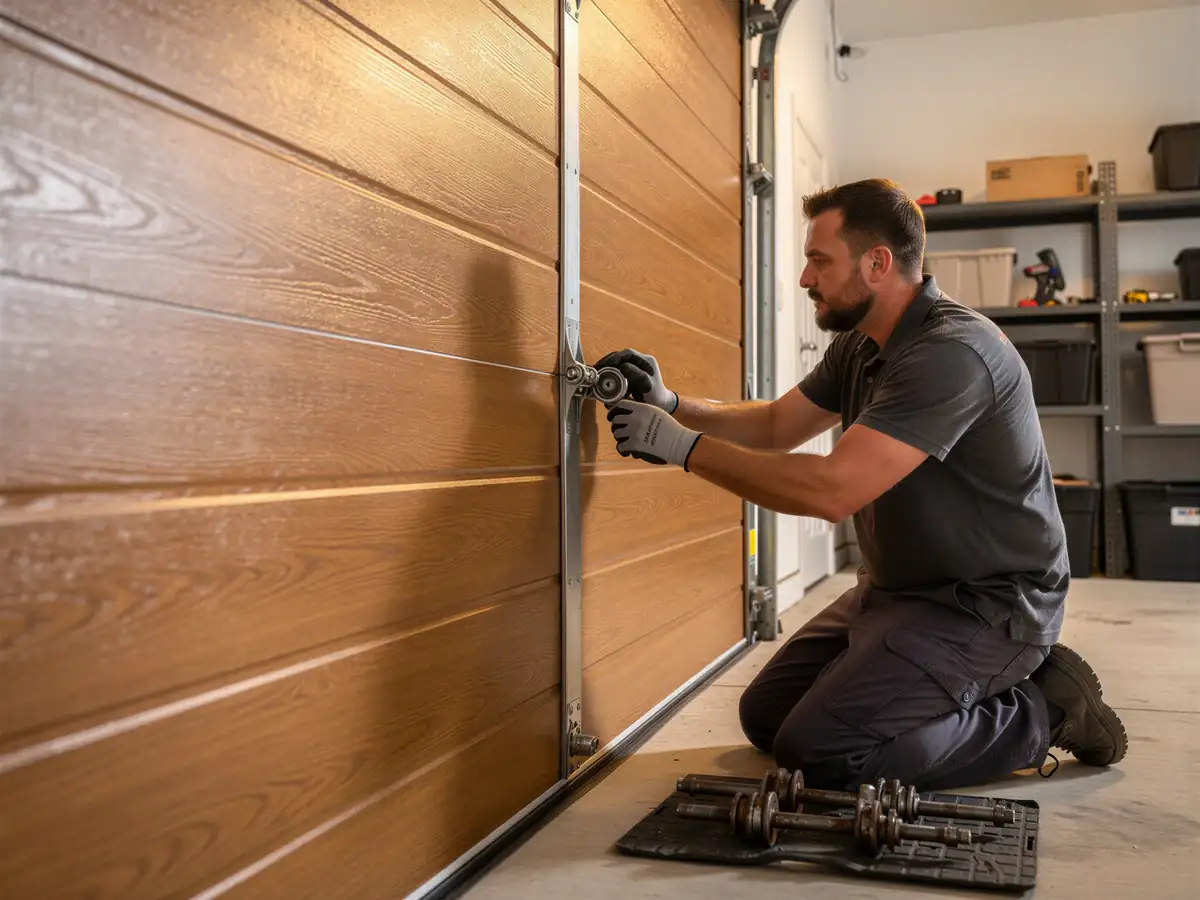
Cold-moderate winters are the backdrop for every door in this area, and houses built around 1974 often still have the weatherstripping details - or lack of them - that were standard for that decade. Bottom seals on older steel doors harden and crack after enough freeze-thaw cycles, letting cold air and meltwater under the door, which then refreezes against the bottom panel and track. On a 1970s-era door that's never been resealed, that's usually the first thing we check on a winter call. Openers from this build era, if original, are long past any reasonable service life and are a safety issue as much as a convenience one - no modern auto-reverse sensor, no battery backup. We'll tell you straight if a repair on a door this old is throwing good money after bad versus just replacing the unit; sometimes the spring job is worth it, sometimes the whole door and opener need to come out together.