What to Check
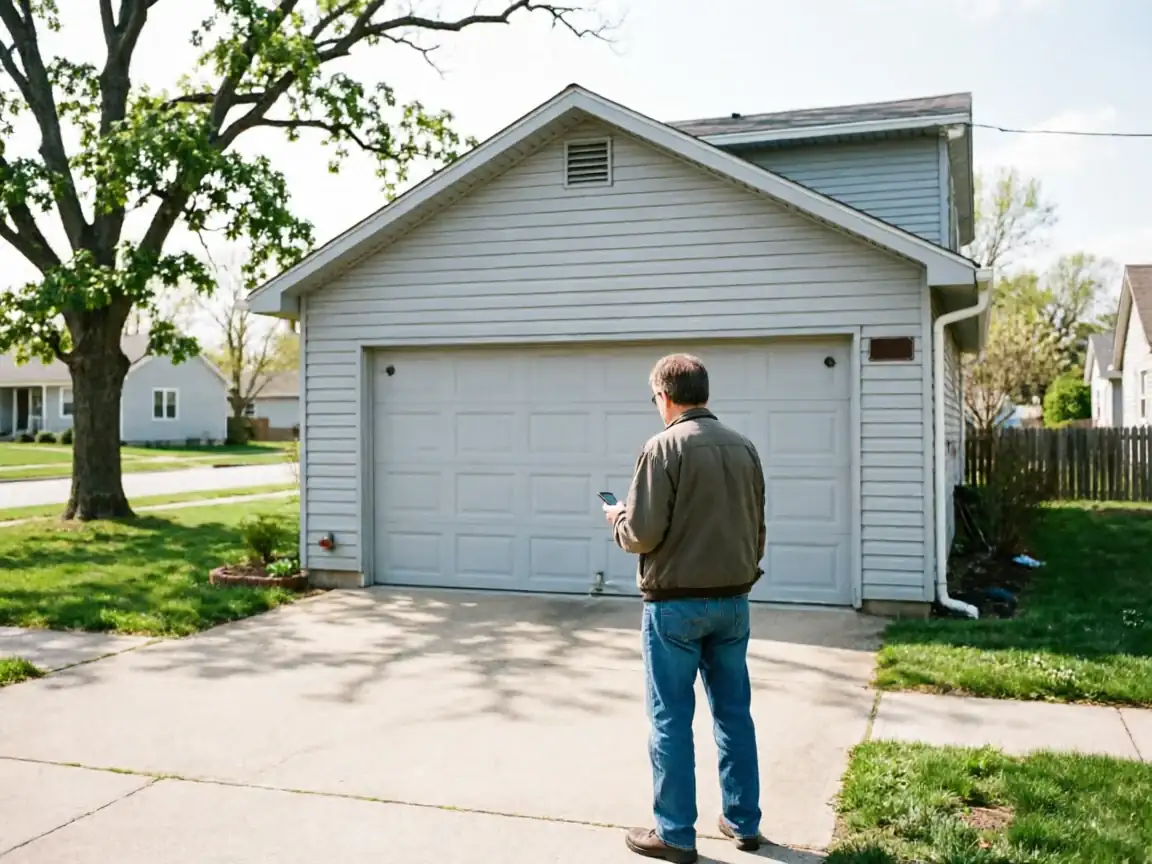
Most of the houses we work on in this area went up between 1956 and 2000, with the thickest band of construction in the 1960s and 70s across all twelve communities we cover. That matters because a door from that era is almost never on its original spring, and it's a coin flip whether a prior owner replaced it with matching hardware or whatever the supply house had that week.
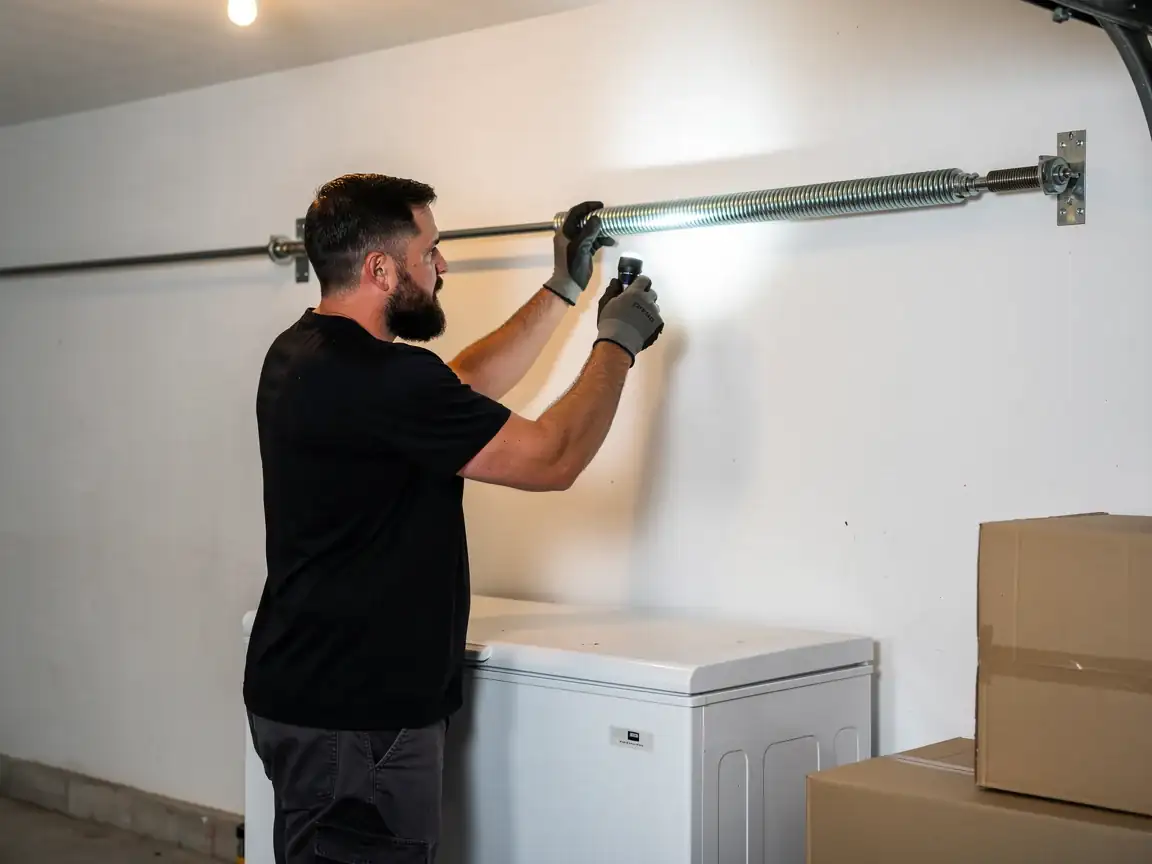
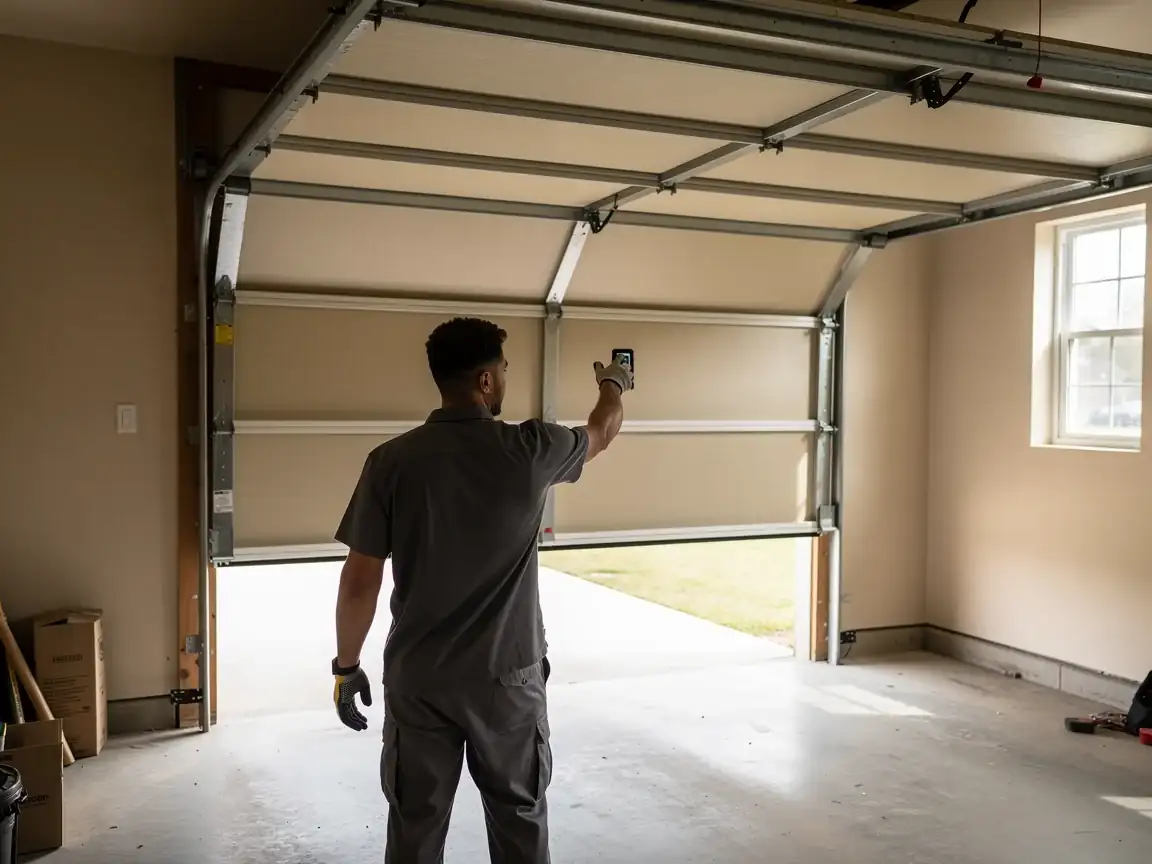
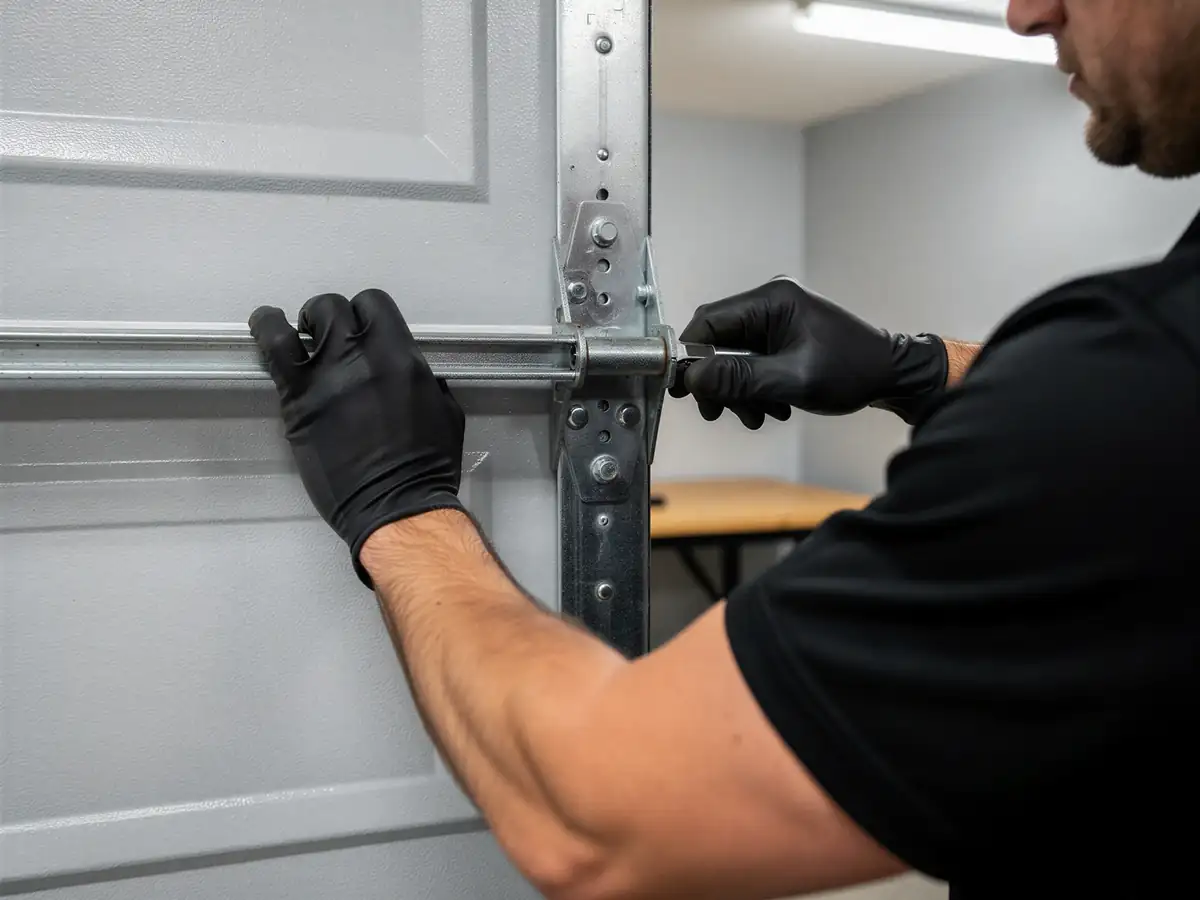
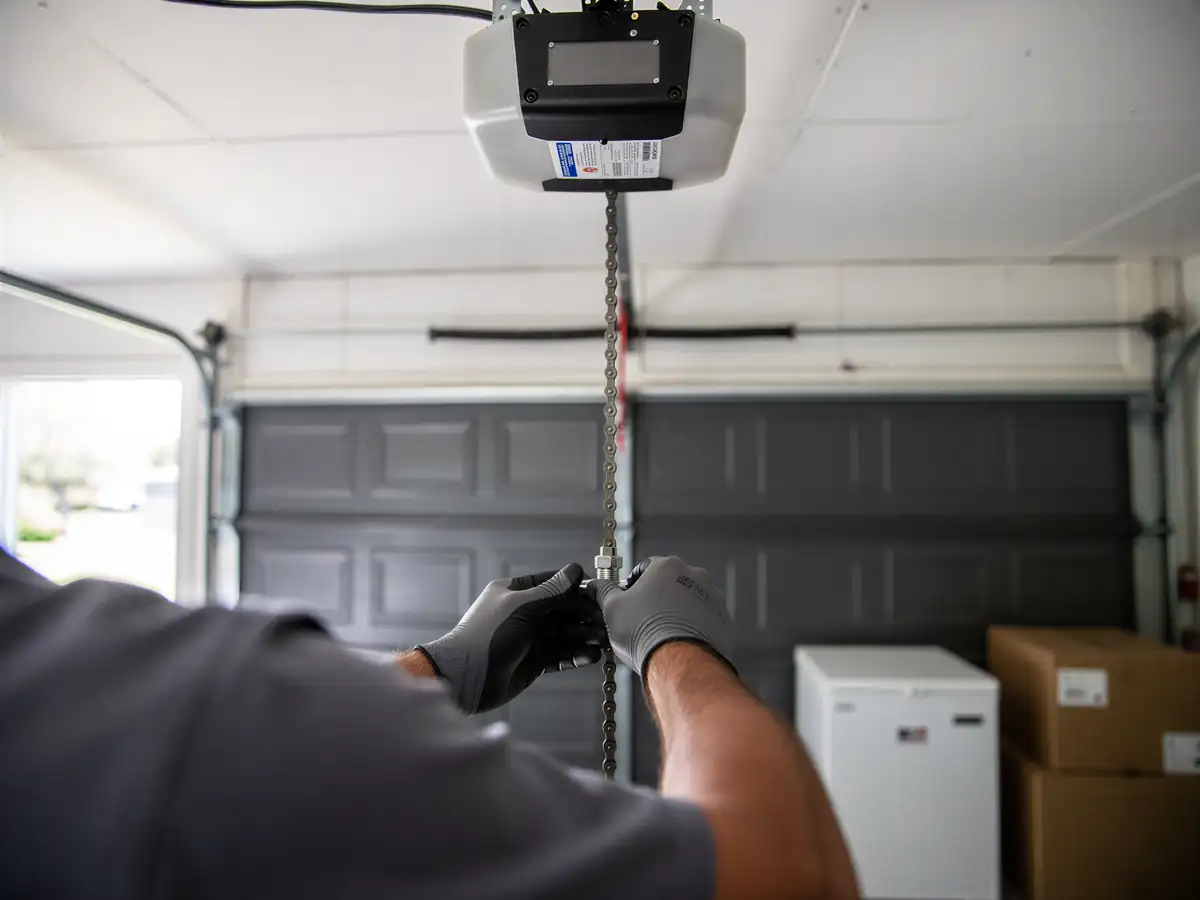
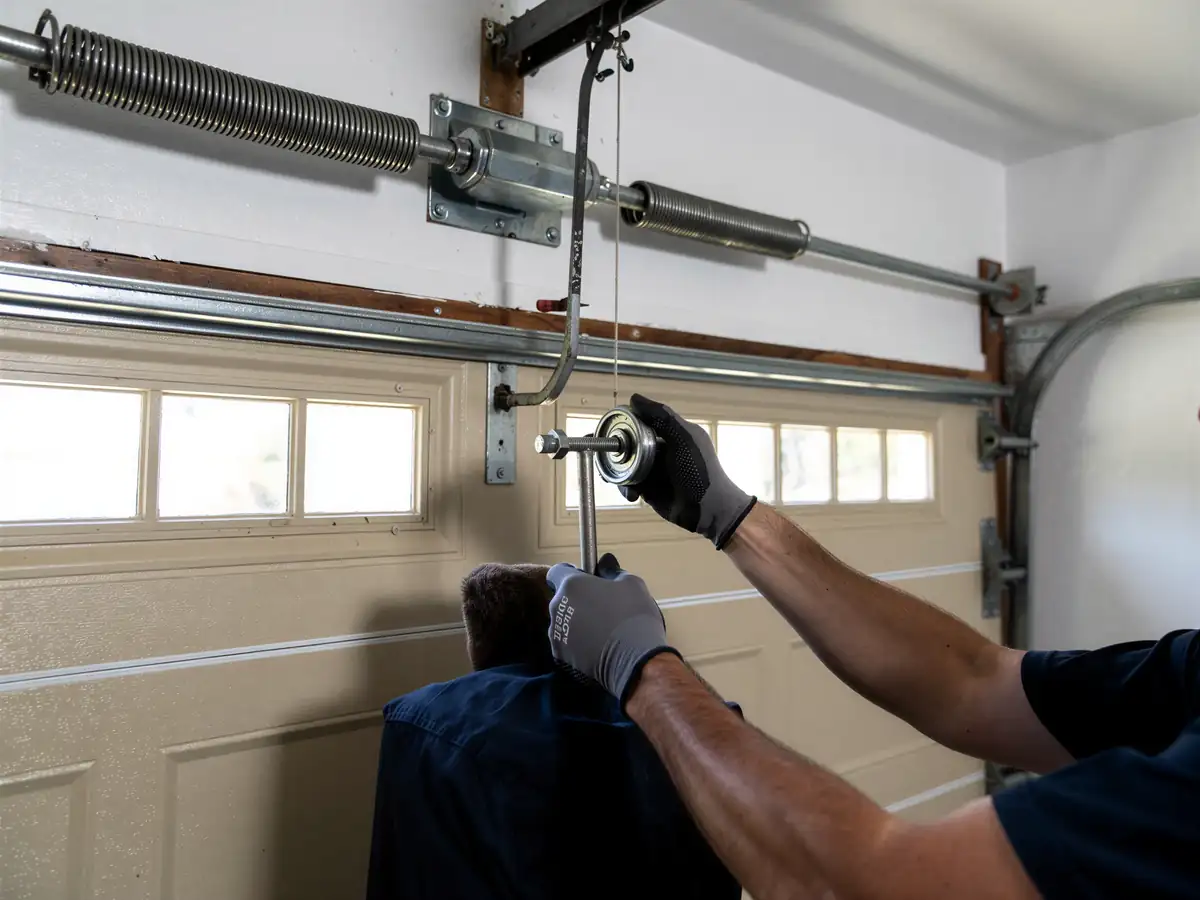
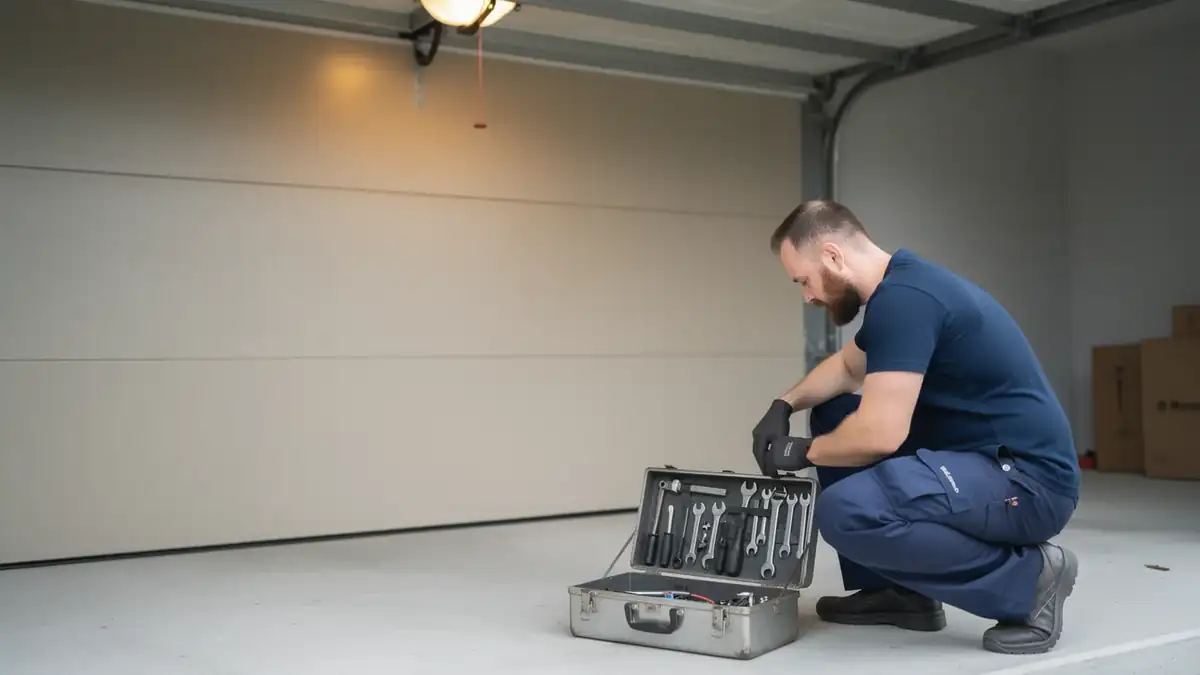
On a call, we start at the spring - torsion or extension, and whether the cable drums match the door weight. Then the track: on a house this old, the bracket mounts have usually been drilled and redrilled over the decades, and alignment drifts more than people expect. We check the rollers for the pitting that steel rollers get after forty-plus years, the bottom seal for cracking, and the opener's force settings, since a lot of original openers from that build window have been swapped at least once but rarely recalibrated afterward.
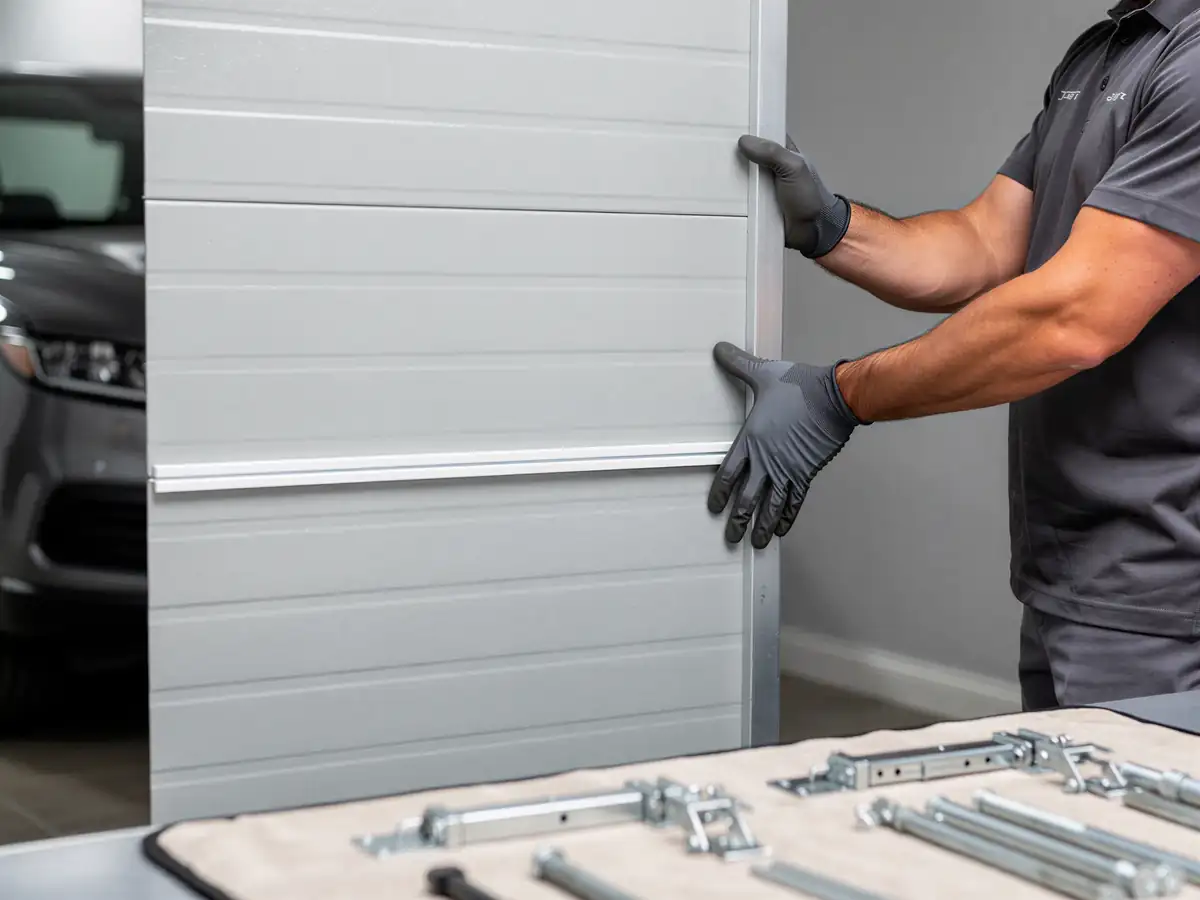
We also look at the panels themselves. A door from the 1970s is usually steel, sometimes with foam that's broken down inside the skin. You can't always tell from outside. A technician who skips opening the bottom panel on a house this old is skipping the part that actually tells you something.
What You Pay
We don't post a flat number here because the spread between a spring replacement and a full door swap is too wide to be honest about otherwise. What we can tell you is what drives the number: whether the spring is torsion or extension, whether the drums and cables need replacing alongside it, and whether the opener still has life left or is also due.
Across the area we serve - 36,992 households, with 13,187 of those in owner-occupied houses - a good share of the work is repair rather than replacement, because the underlying door and frame on a 1960s or 70s house are often still sound even when the spring or opener isn't. Replacement gets more common on doors that were never upgraded past their original single-layer steel.
Median household income here runs around $81,703, which is part of why we quote the job before we touch anything rather than charging by guesswork afterward. One honest limitation: if a part is unusual - an older extension-spring pulley system, for instance, from a setup nobody's made in decades - it may need to be ordered, and that adds a day or two we can't shorten.
What the Weather Here Does to It
Champaign sits in a cold-moderate climate band, not the deep-freeze end of the spectrum
But enough that steel contracts noticeably by January. A track that's a quarter inch out of true in October will often bind by February, because the metal pulls tighter against the rollers as it cools.
Springs feel it too
Torsion springs lose a bit of lift in cold temperatures, so a spring that was marginal in September can fail outright on a cold morning - which is why January and February are when we see the most snapped-spring calls. The same cold also stiffens nylon rollers and dries out rubber bottom seals, which is why a door that closed quietly all summer starts thumping once it's cold.
We don't get the extreme freeze-thaw cycling of a harsher climate zone
So foundation and slab movement isn't usually the culprit here the way it might be elsewhere - which keeps a lot of our calls to the door and hardware rather than the opening itself.
What Is Going On
When a call comes in, we're usually trying to answer one question first: is this the spring, the track, or the opener. On a house from this area's typical build era, those three things tend to fail in that order, roughly every couple of decades, which is why a door that's original to a 1970s house is often working through its second or third spring by now.
We take calls from the immediate area and from Savoy and Urbana nearby, out to Mahomet, Lake of the Woods, and Tolono, and as far as Monticello, 17 miles northeast, and Villa Grove, 18 miles south. The drive doesn't change what we check, but it's part of what a trip out actually covers once you're past the closer towns like Thomasboro, Sidney, St. Joseph, Rantoul, and Fisher.
We don't do cosmetic work - repainting or cladding a door that's structurally fine isn't something we take on. If the door's sound and just looks dated, that's outside what a service call from us covers.