This Area's Housing
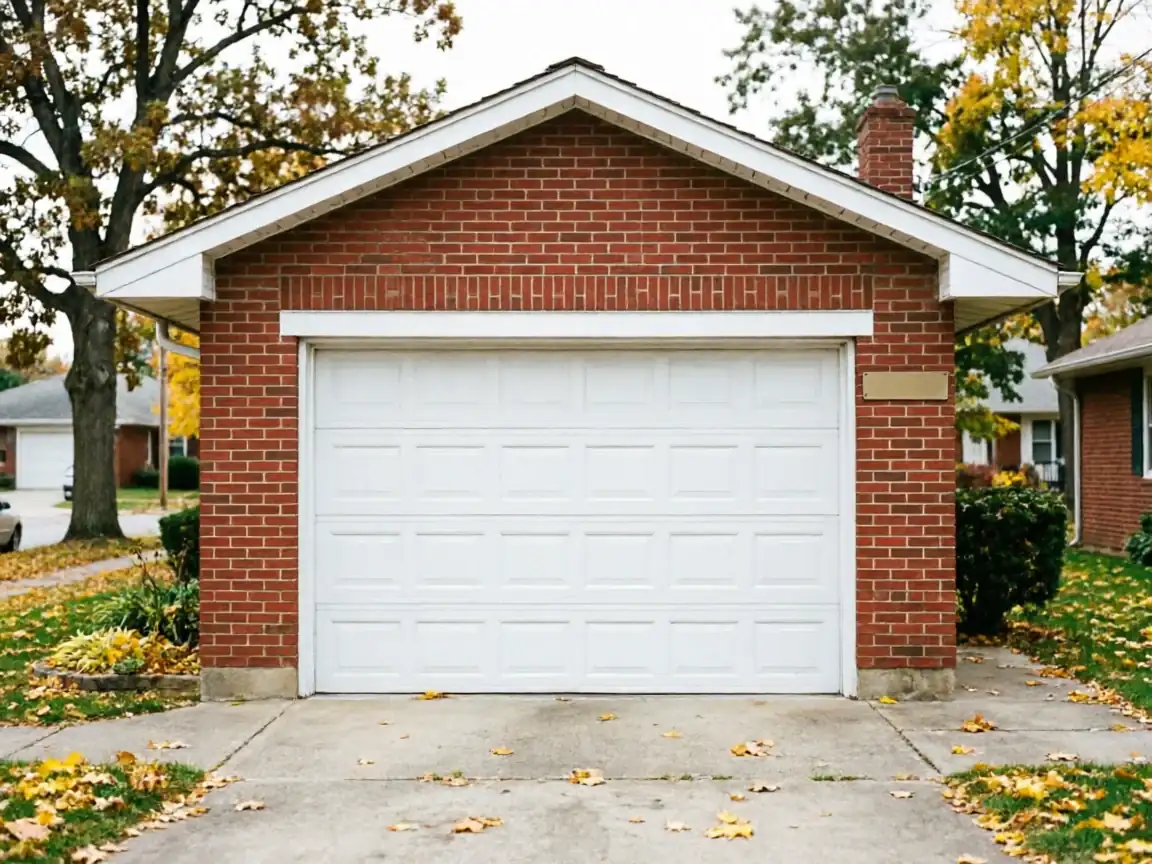
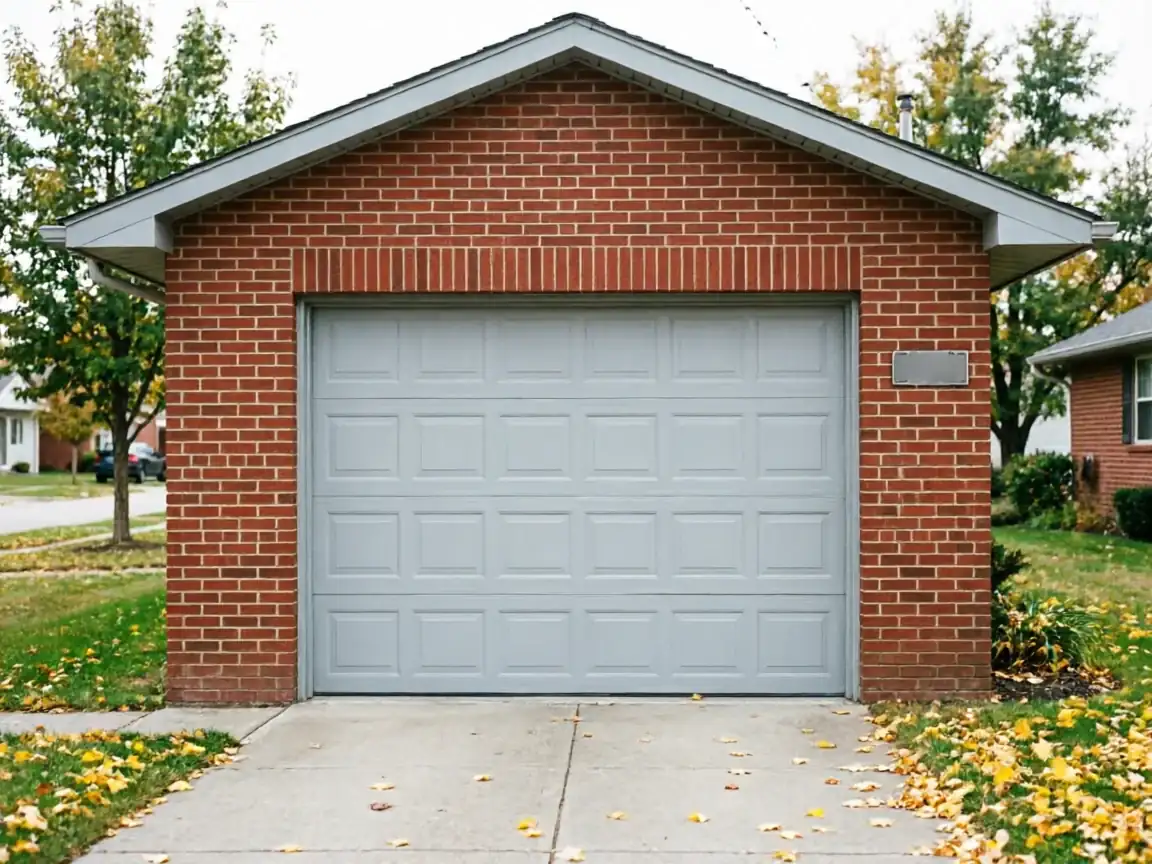
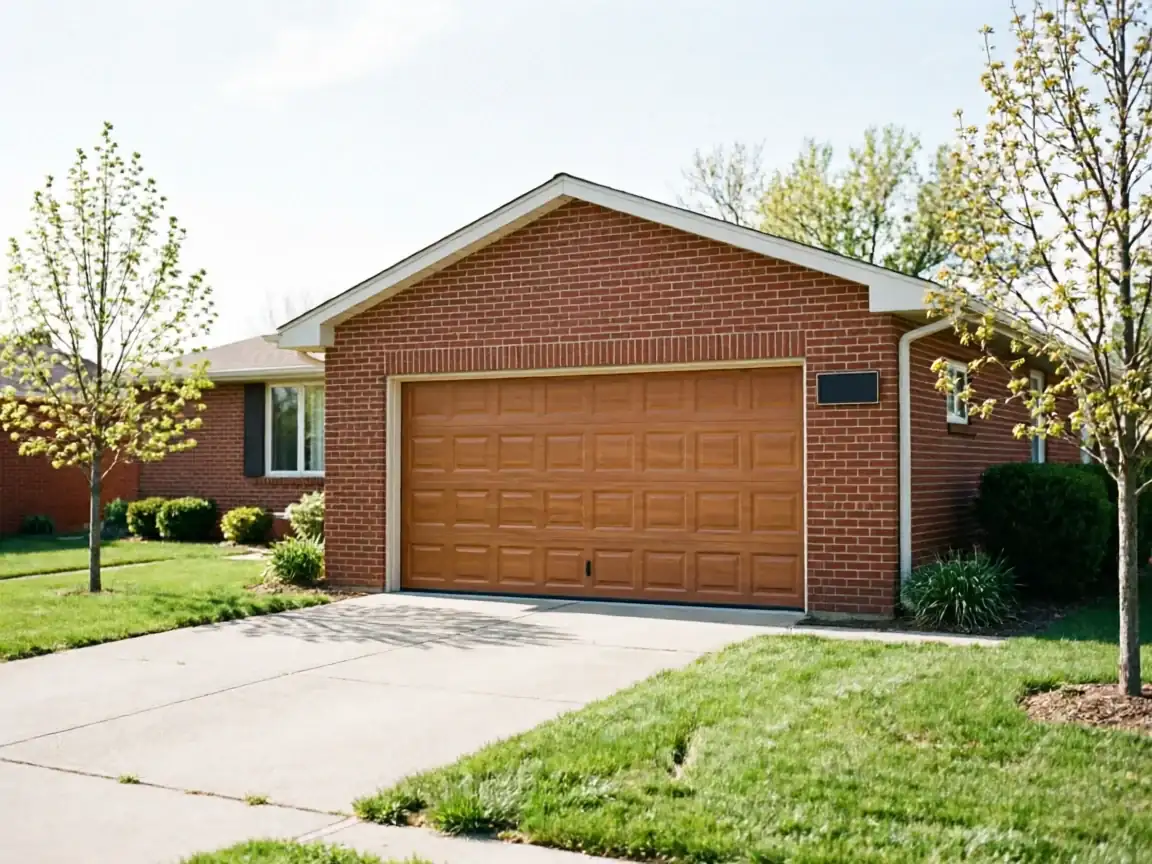
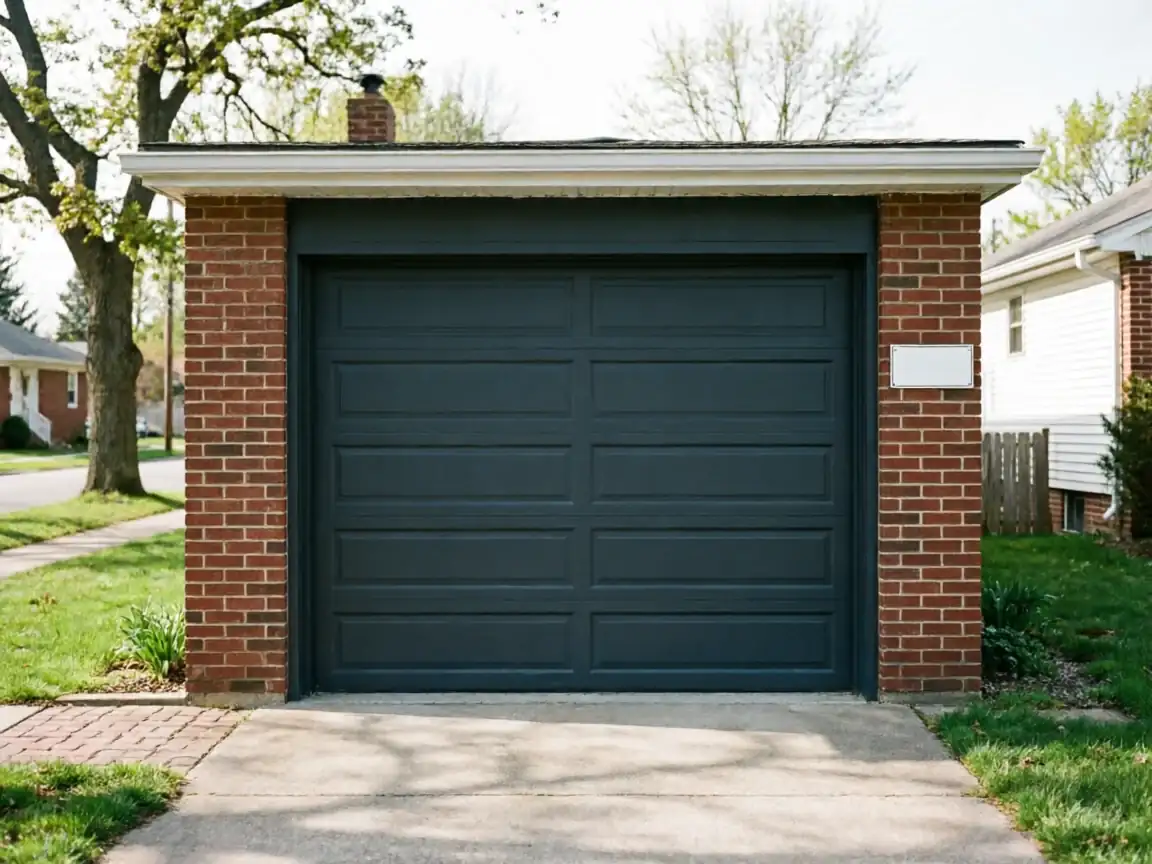
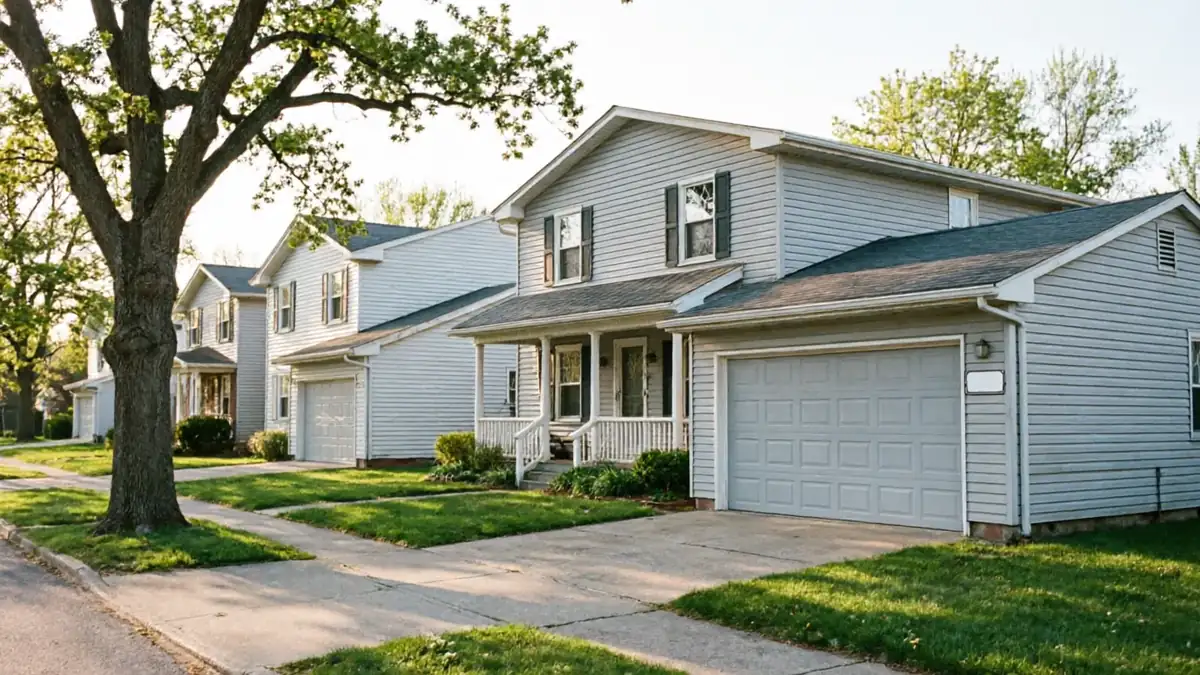
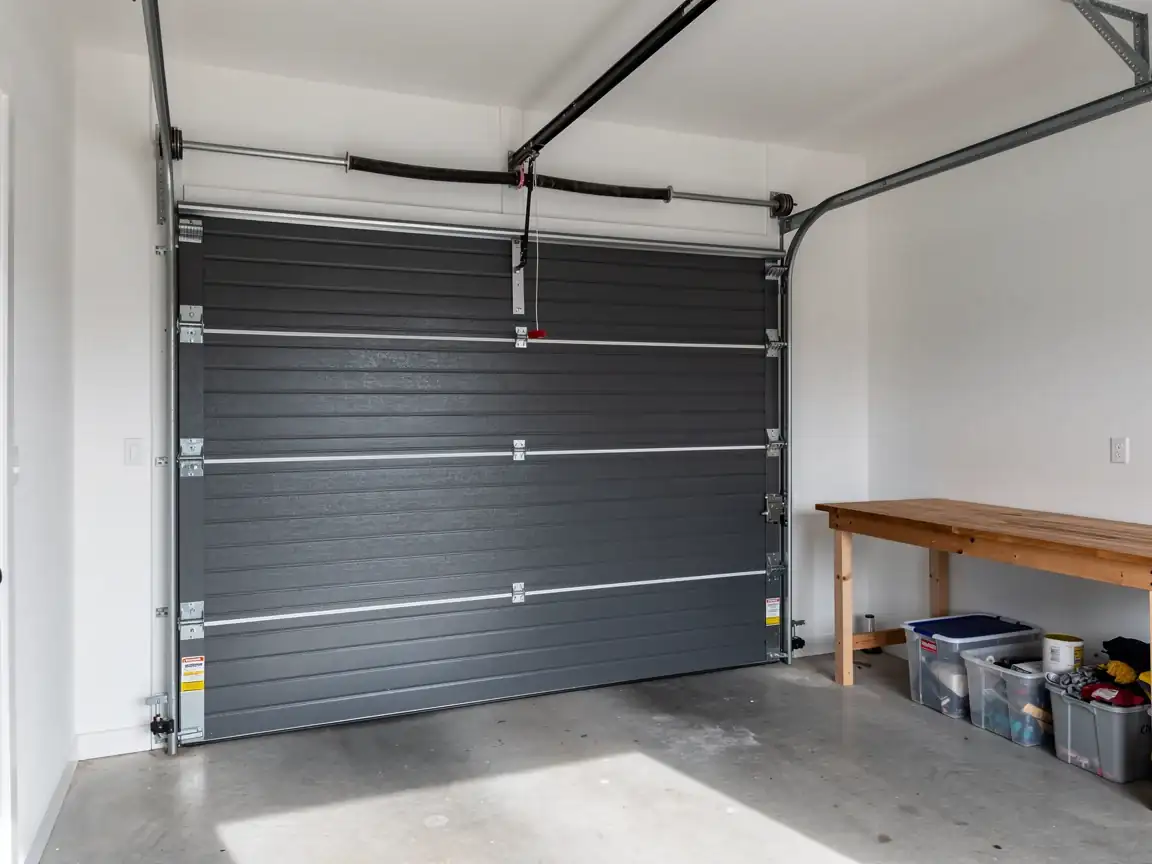
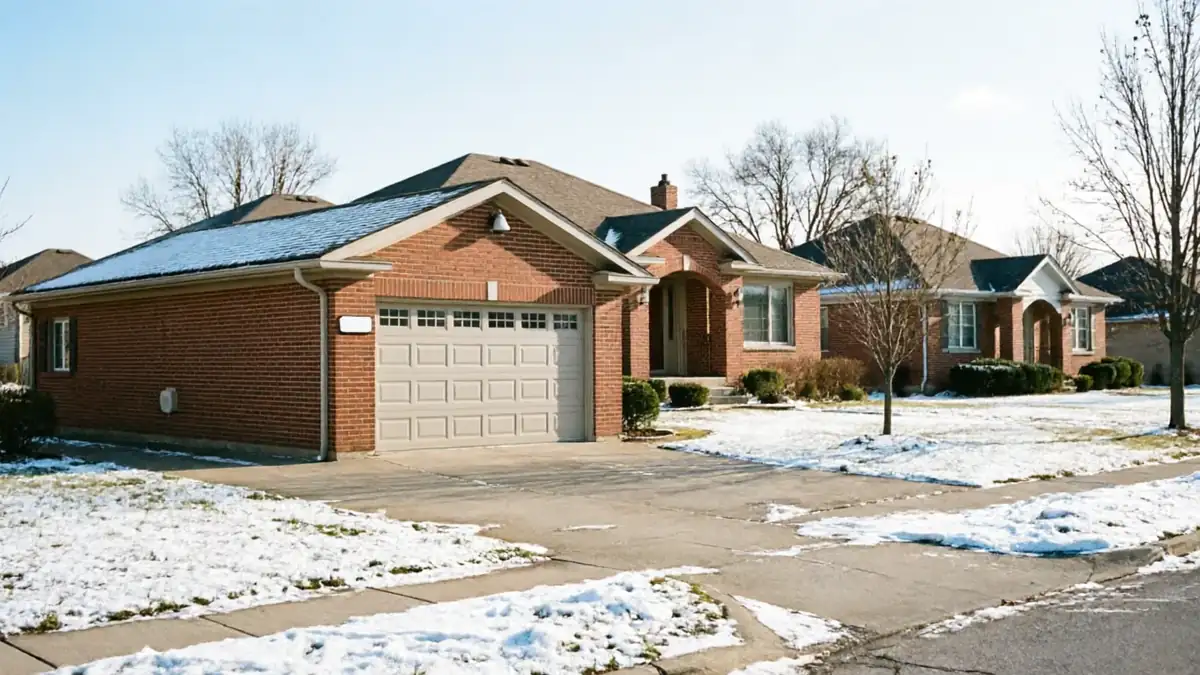
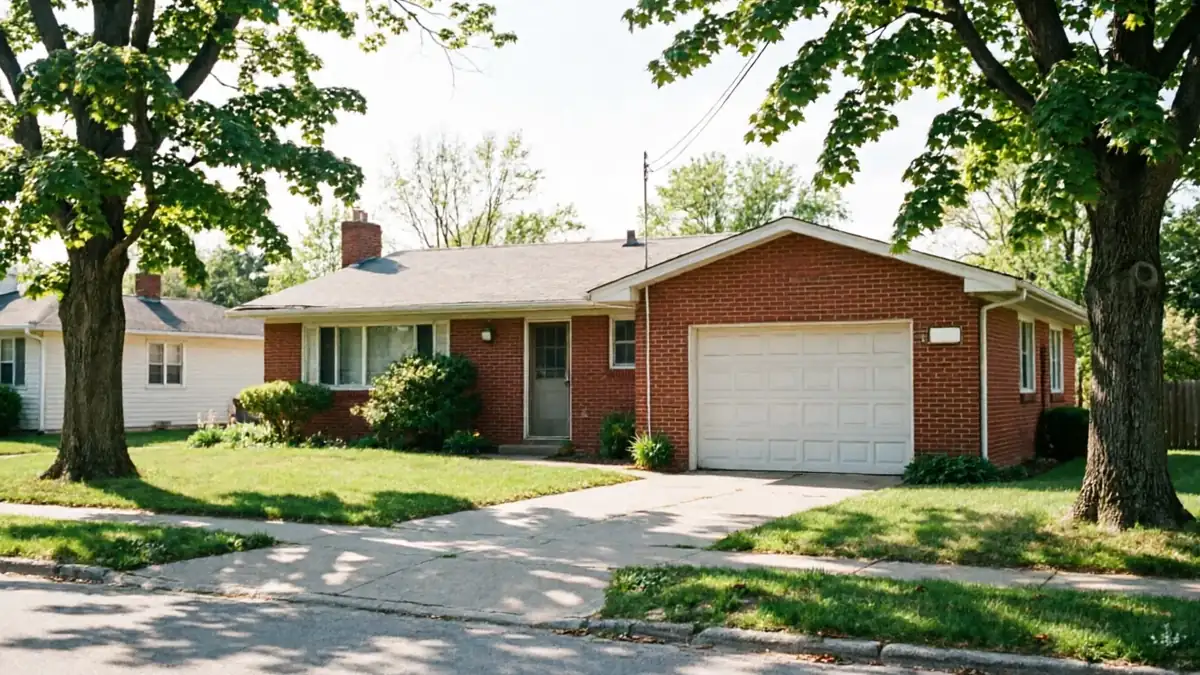
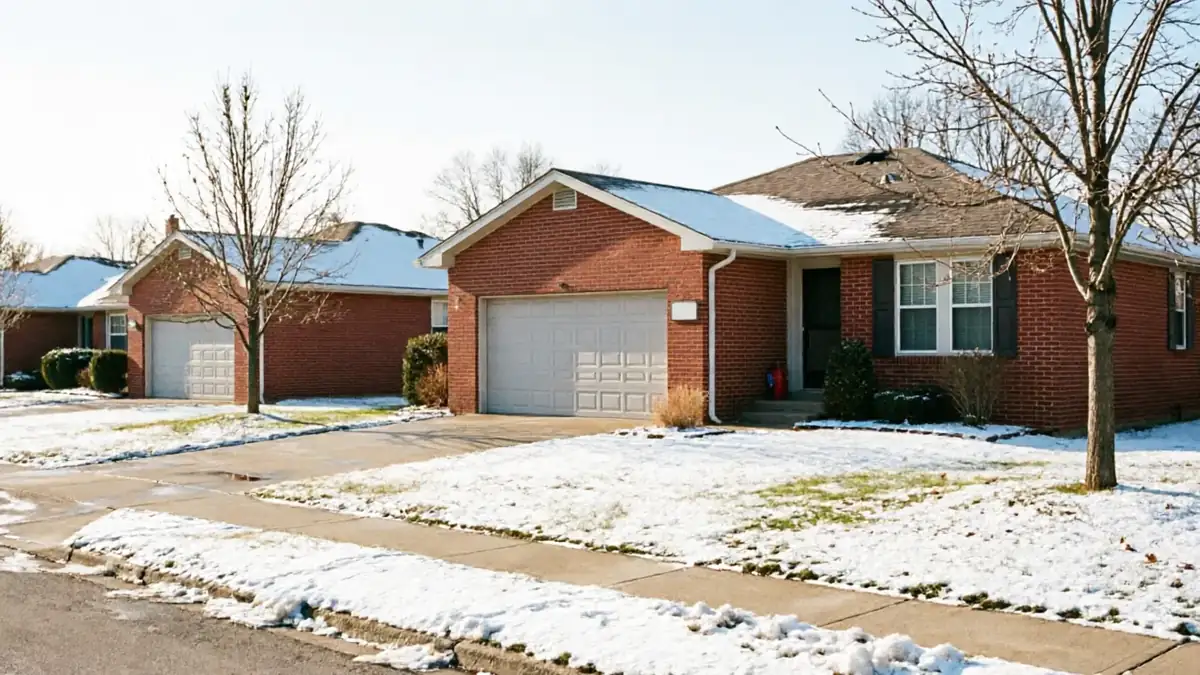
Mahomet's median year built sits around 2000, which puts it well ahead of the broader Champaign service area, where the median is 1978 and most stock dates from the 1960s and 70s. That gap matters more than it sounds. A door built in 2000 is a different animal than one built in 1965: steel panels instead of wood, extension or torsion springs sized for insulated sections, and openers with circuit boards rather than simple relay logic. With roughly 3,251 households here, you've got a town that largely skipped the oldest failure patterns we see closer to Champaign's core neighborhoods - the ones with original one-piece doors and hardware nobody stocks anymore. Mahomet's median household income, at $114,904, also runs well above the service-area median of $81,703, and we see that reflected in the doors themselves: more insulated steel, more belt-drive openers, fewer bare-bones builder-grade units left untouched since installation. None of that means nothing breaks. Springs still fatigue, rollers still wear, openers still lose their logic boards. It just means the failure you're calling about is more likely a worn part on a reasonably modern door than a structural problem with an old one.
Old Streets and New Ones
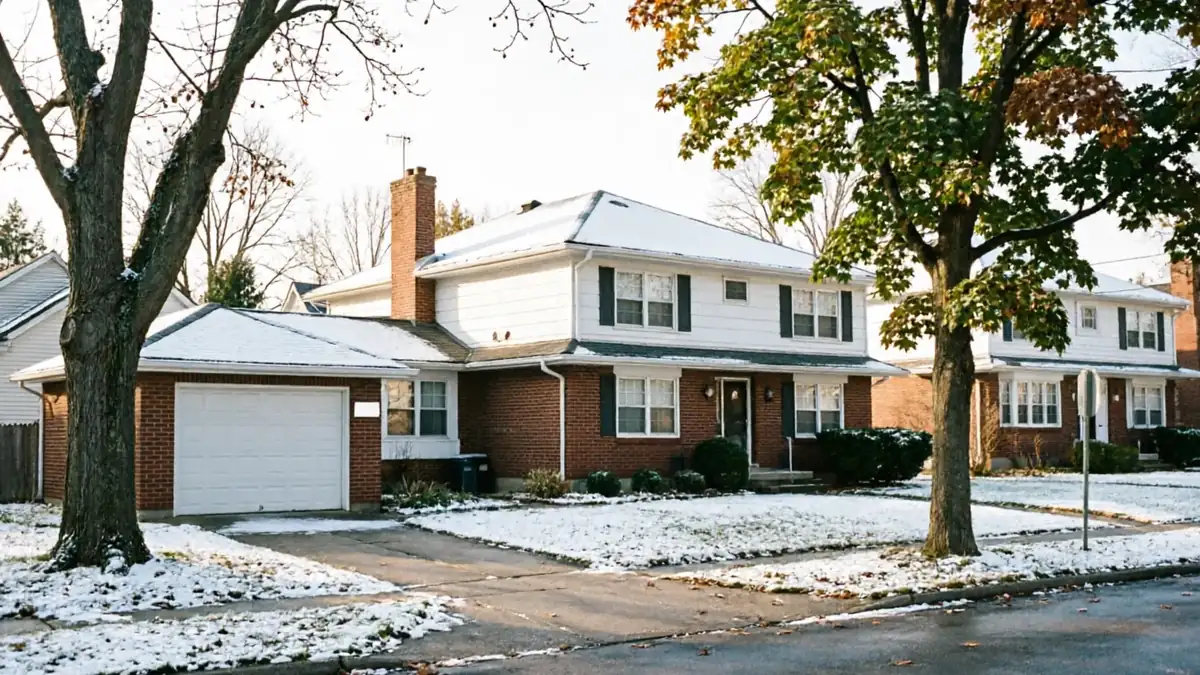
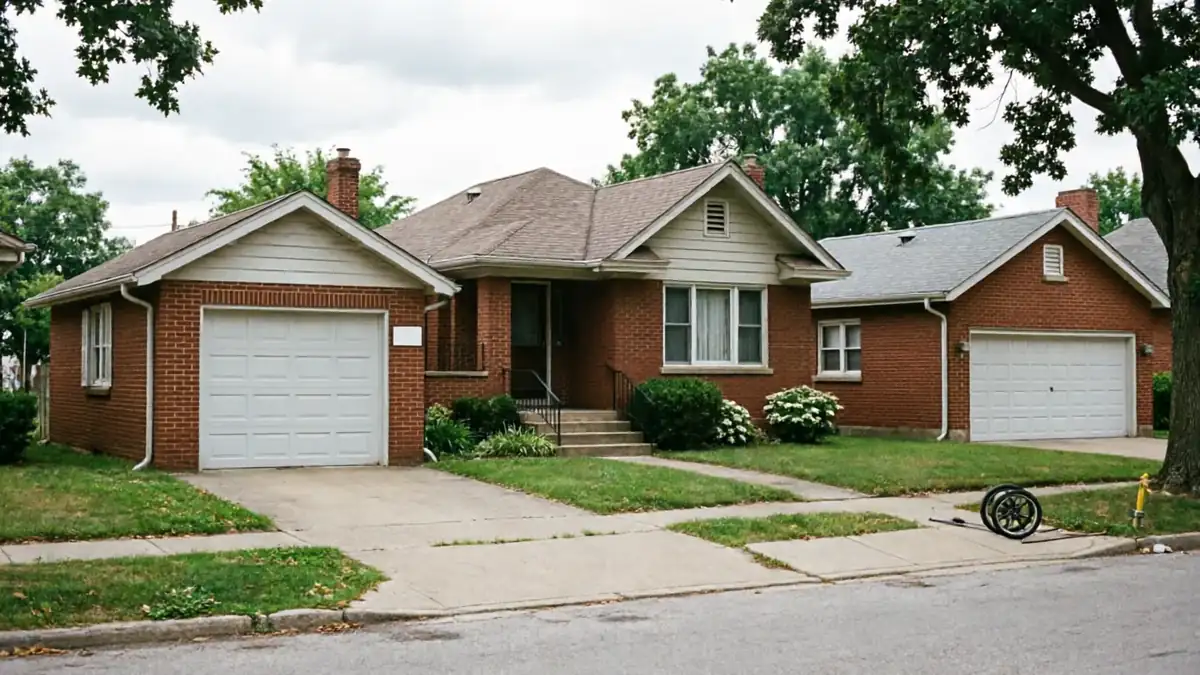
Across the wider Champaign area, FACTS put the housing stock mostly in the 1956-2000 range, with the heaviest concentration in the 1960s and 70s across the twelve named communities we track. Mahomet doesn't fit that pattern the same way - its median build year lands at the far end of that range, around 2000, not the middle. That means fewer of the quirks that come with 60-year-old frames: fewer sagging jambs, fewer doors hung on hardware sized for a lighter, uninsulated panel. What you do get in a town that built up mostly in the 80s, 90s, and 2000s is a more uniform generation of garage door opener - chain or belt drive, photo-eye safety sensors required by code, and circuit boards that are now 20-plus years old themselves and starting to fail on their own schedule, not because the door is old but because the electronics have an expiration date.
How That Shows Up in the Door
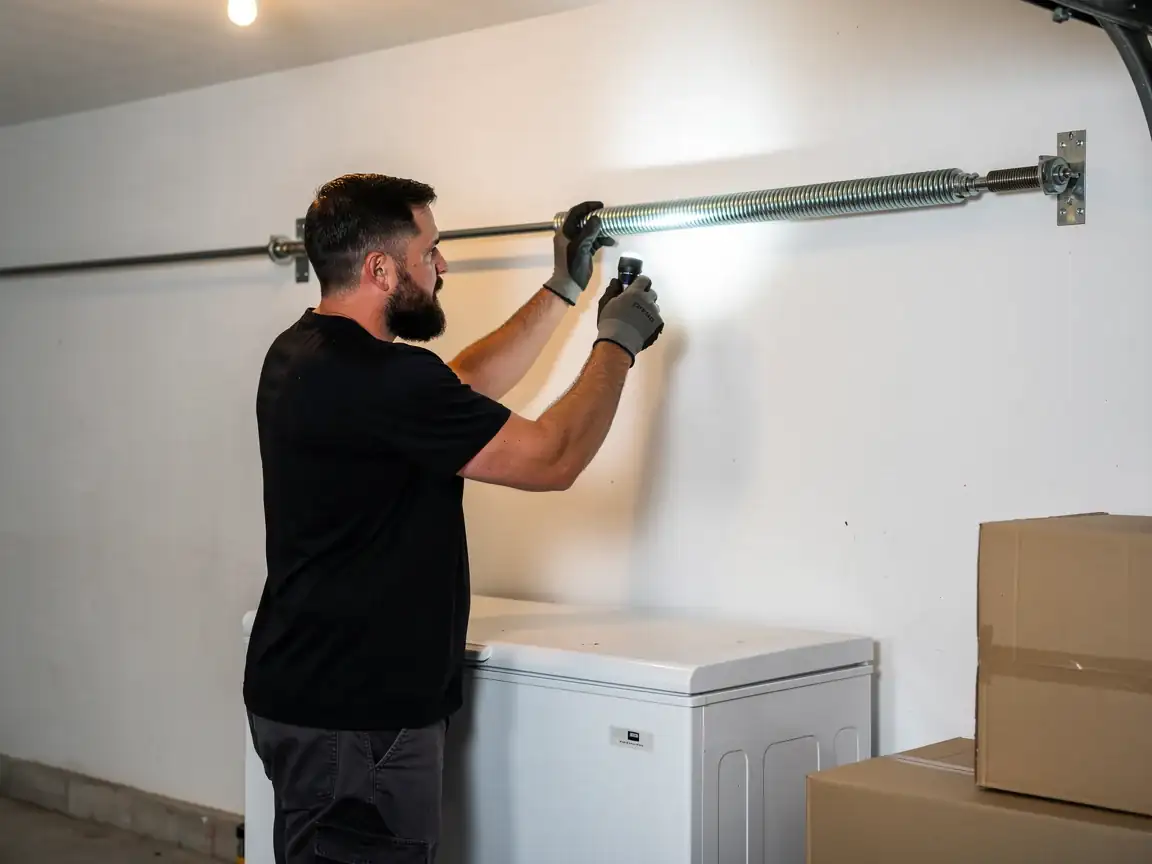
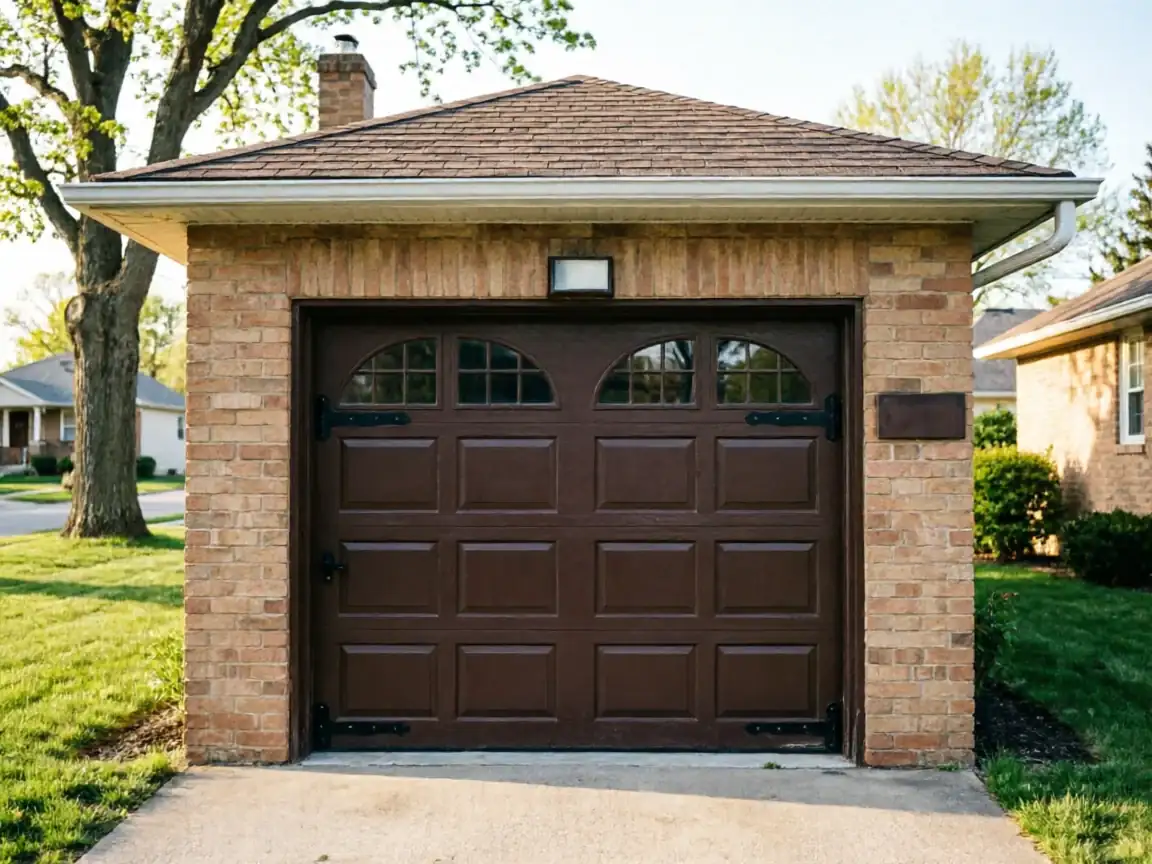
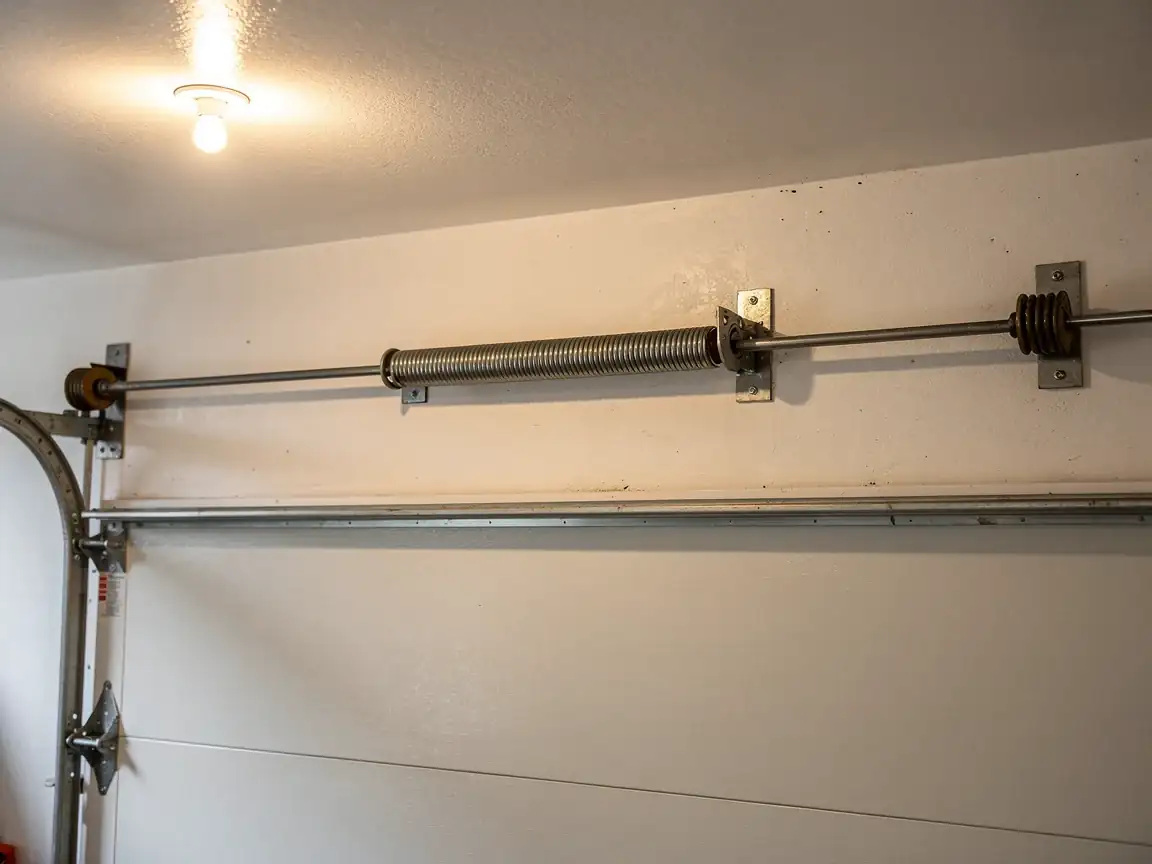
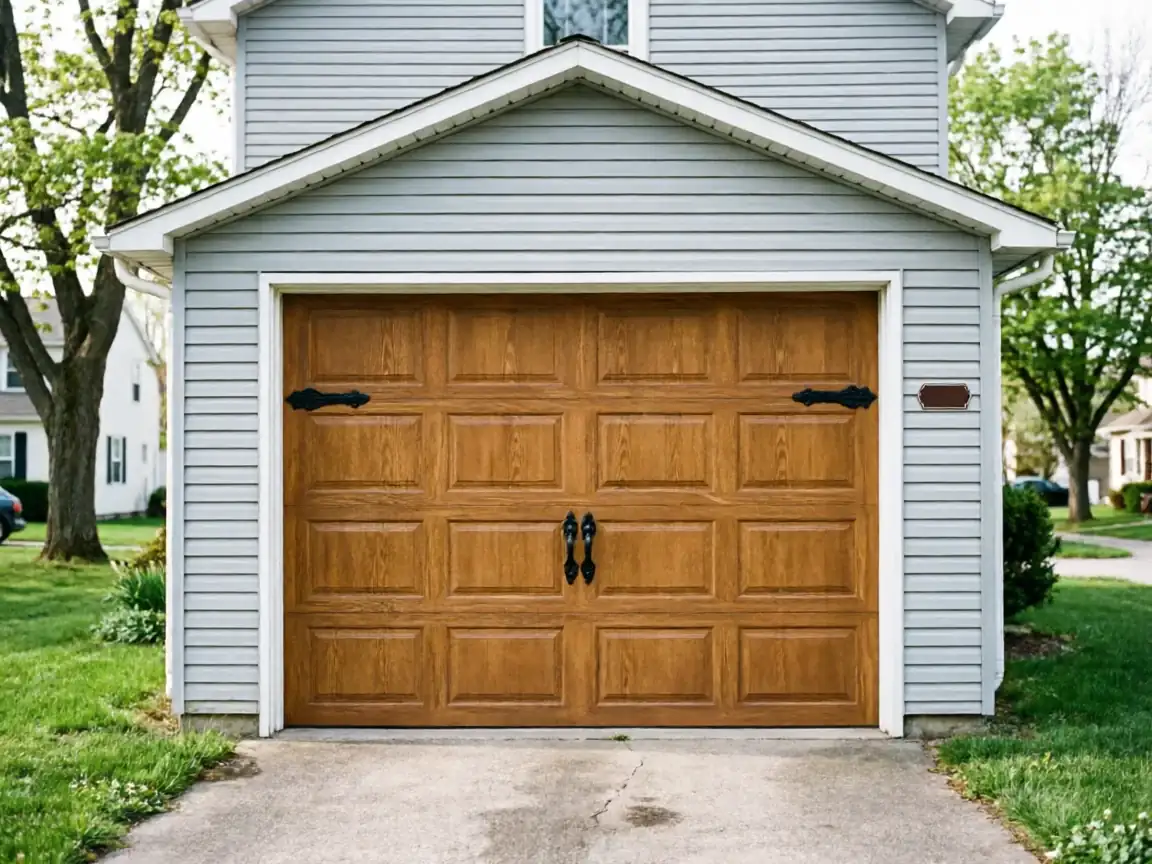
When we get a call from Mahomet, the first guess usually isn't a rotted wood panel or a door hung on hardware from the Eisenhower administration - it's a torsion spring that's done its 10,000 cycles, a opener logic board that's finally quit, or a photo-eye sensor knocked out of alignment. Steel sectional doors from the 90s and 2000s hold up well structurally, but the moving parts - springs, cables, rollers - wear on a schedule regardless of how new the house is. One honest limit: if a part is specific to an older or less common opener model, we may need to order it rather than carry it on the truck, and that can push a repair out a day or two. For a door of this era, replacement is rarely the first move; most of what we see here is a repair job, not a full swap.