Doing It Yourself
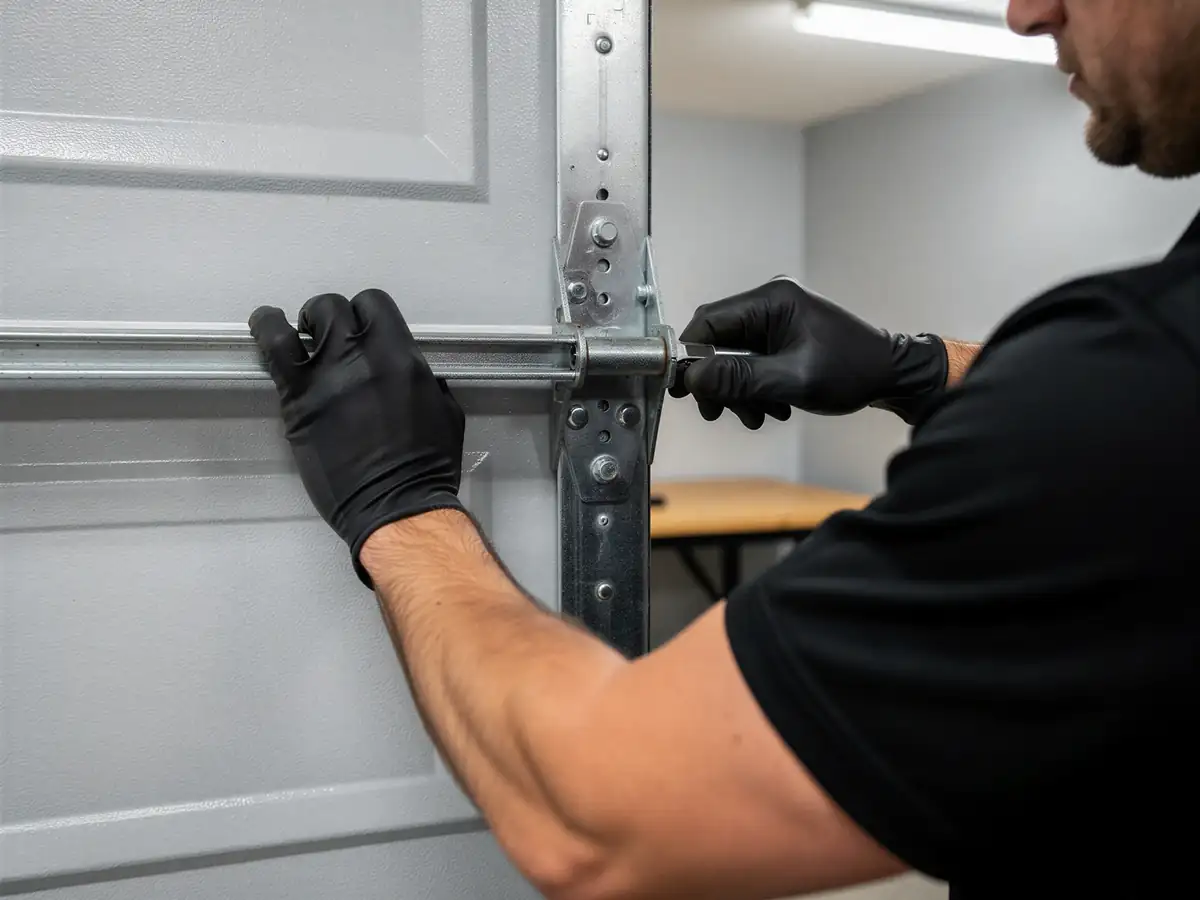
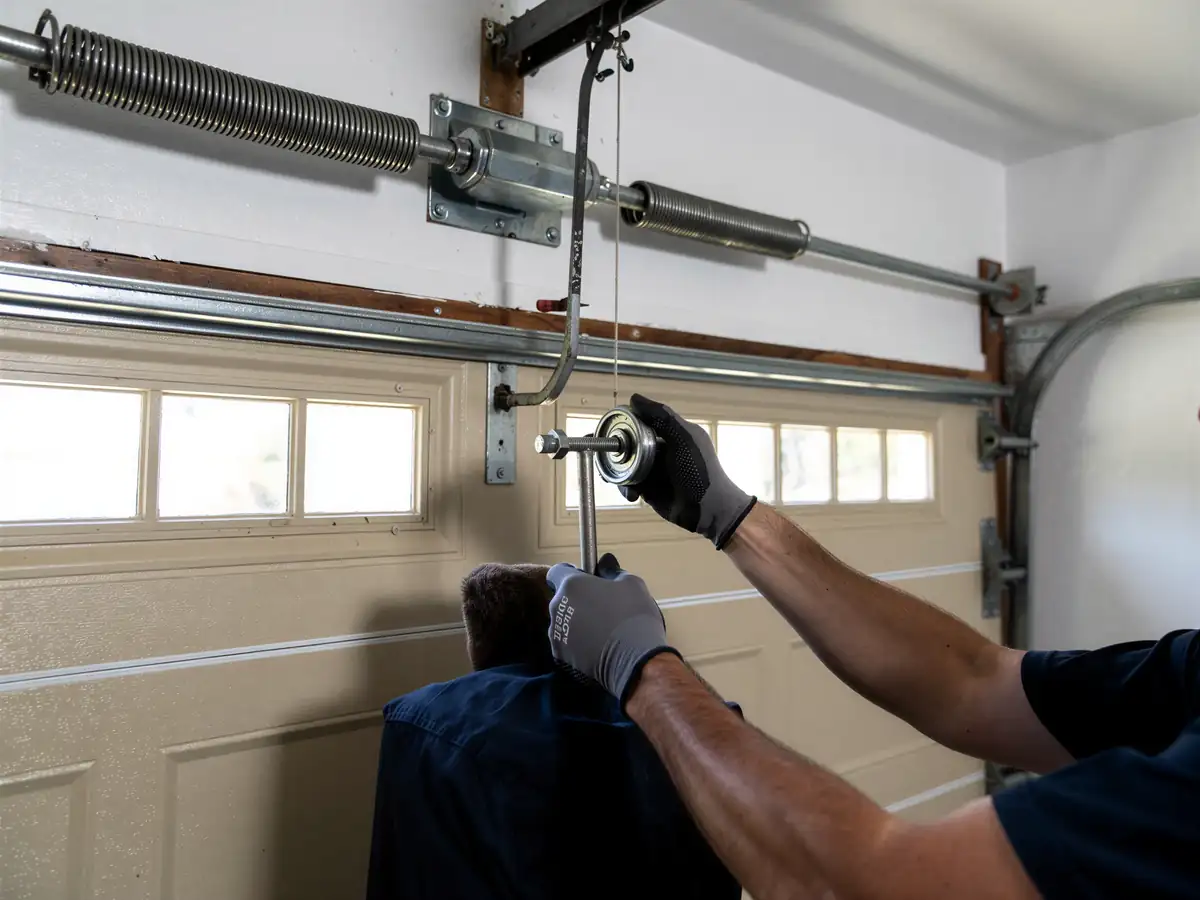
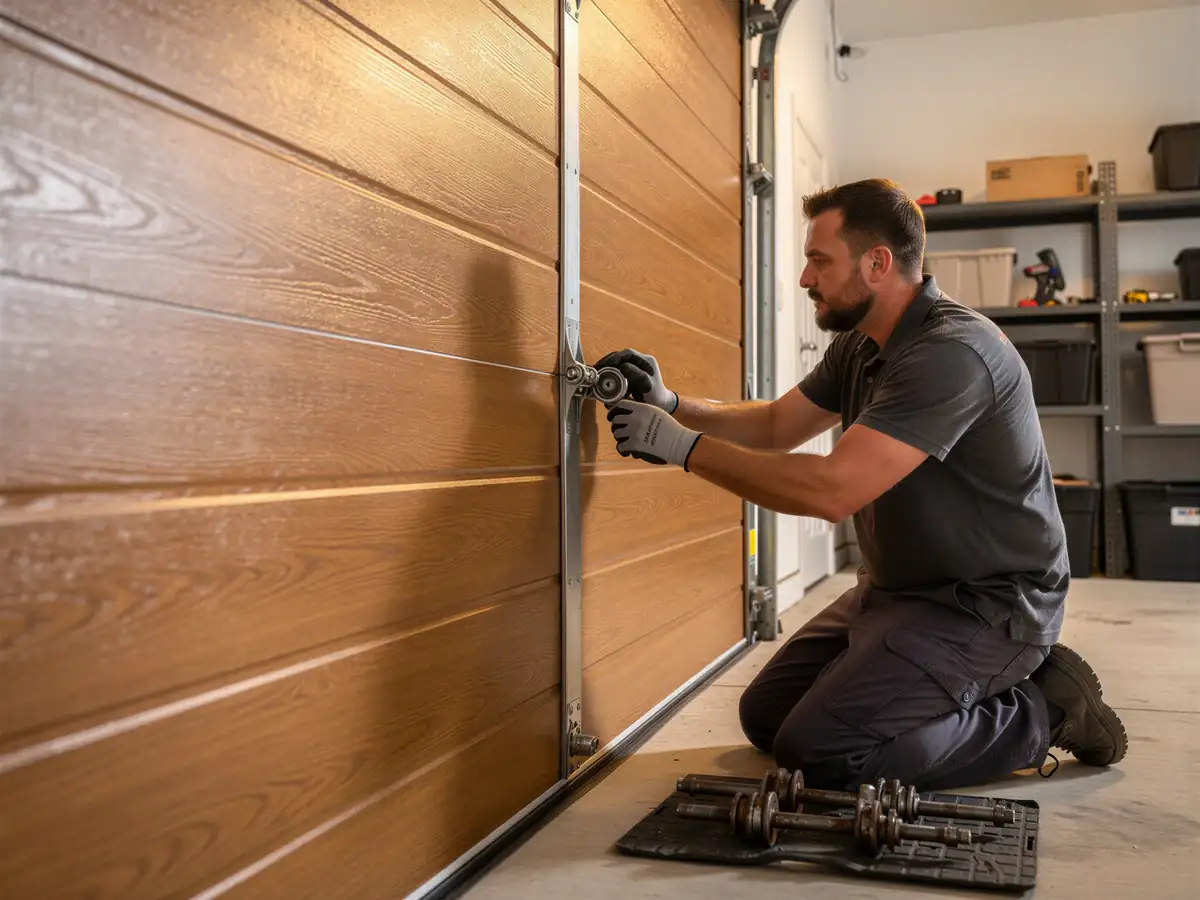
Swapping a worn roller looks simple on a video: pull the retainer bracket, slide the old roller out of the track, slide a new one in. On a single roller at the bottom of the track, with the door down and the spring tension off that panel, it's a reasonable DIY job for someone comfortable with a socket wrench.
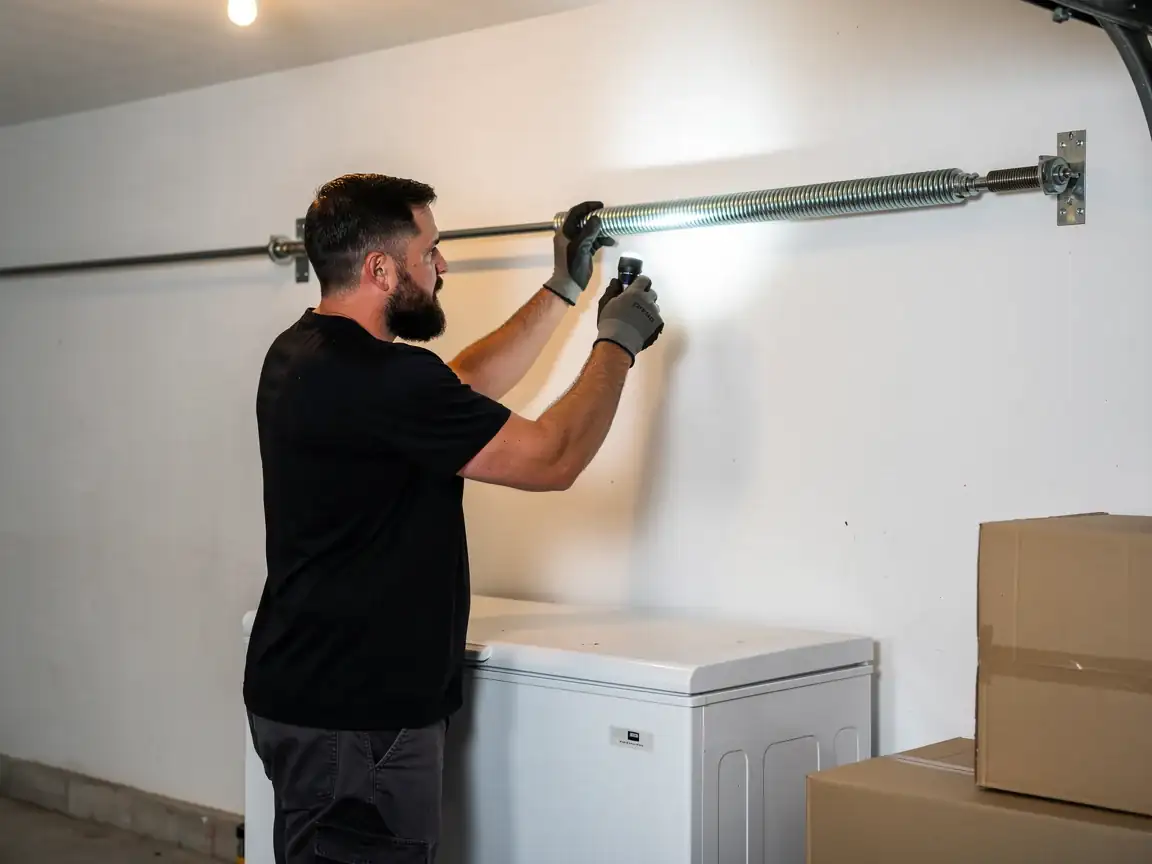
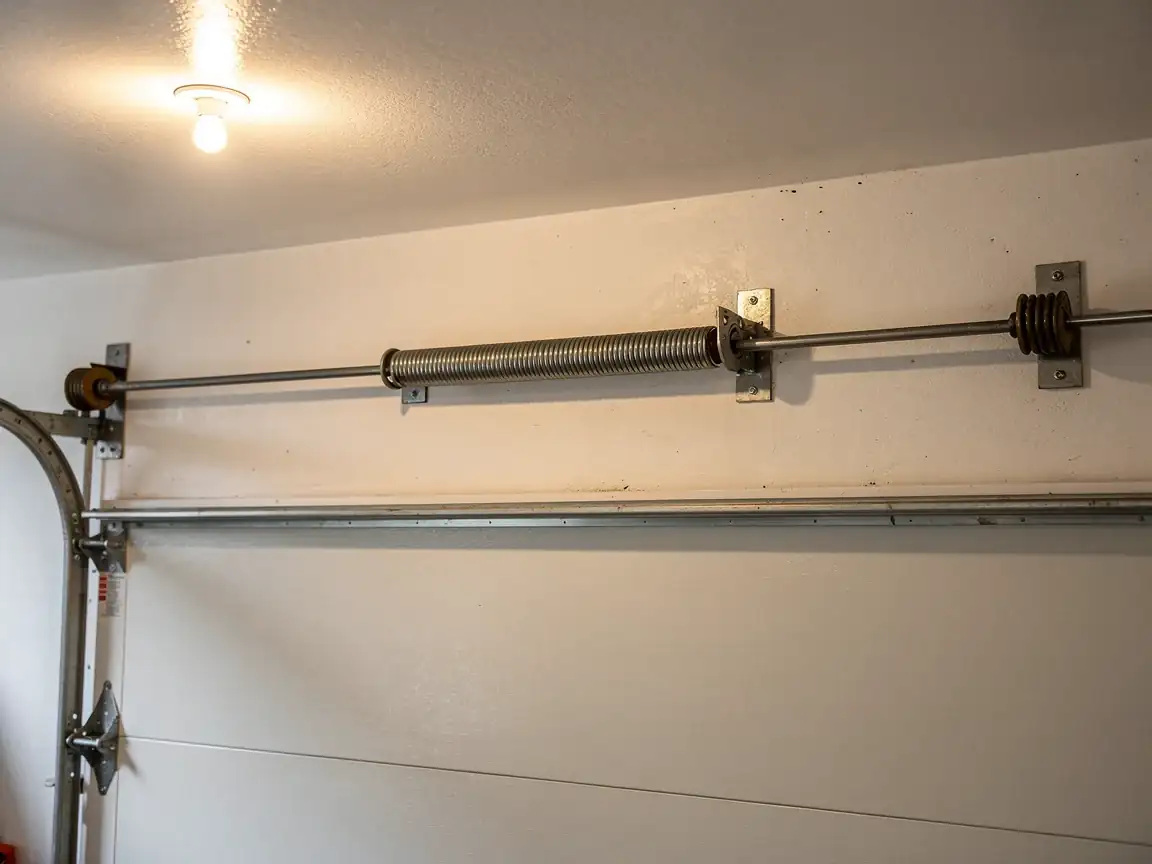
Where it stops being a weekend fix is anywhere above shoulder height. The rollers near the top bracket sit close to the cable and the torsion spring assembly, and those brackets are load-bearing - pull the wrong one with the door partway open and the whole section can drop. If you're swapping one roller because it's noisy, fine. If you're finding flat spots, cracked stems, or rust on three or four rollers at once, that's usually a sign the whole set is original to the door and due for a full-track replacement, not a part swap.
We'll say the honest thing here: if your rollers are original steel from a door that's never been serviced, we'd rather replace the full set in one visit than send someone back out in six months for the next one that fails. Doing them one at a time costs you more labor over the life of the door.
Why This Fails Locally
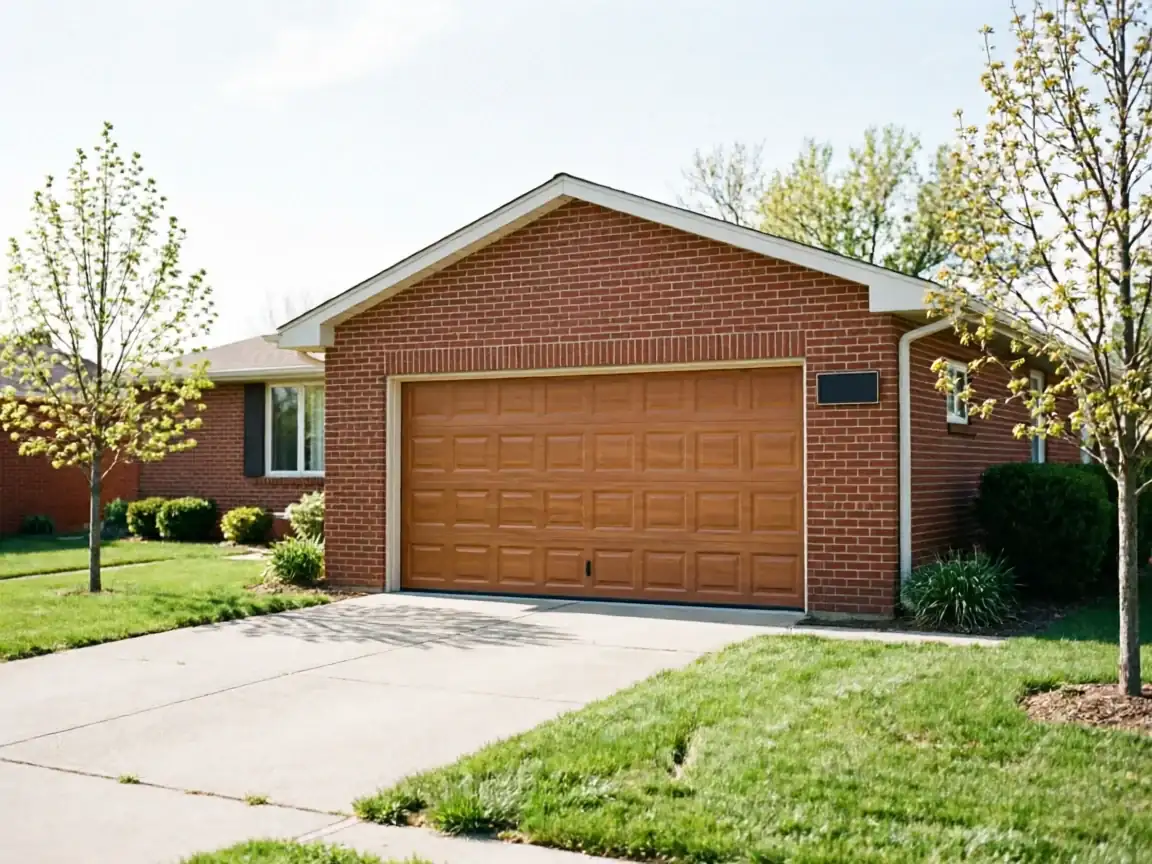
A big share of the housing stock in the Champaign service area went up between 1956 and 2000, with most of it concentrated in the 1960s and 70s. Doors from that era, and even doors replaced once since then, are commonly running steel rollers on steel track - not the sealed nylon rollers that show up on newer installs. Steel-on-steel wears fast, and it wears loud.
Champaign sits in a cold climate band, and that matters more for rollers than people expect. Grease that's fine in July turns stiff in January, and a stiff roller doesn't roll - it grinds against the track edge instead. Over a winter or two that grinding flattens the roller stem and chews a groove into the track itself. By the time a homeowner calls, it's often not just the roller - the track has wear marks that need buffing out or the track needs replacing with it.
This is a pattern we see tied directly to how old the stock is and how cold it gets, not something unique to one house. A door on a 1975 track that's never had the rollers touched is a near-guarantee of this failure mode eventually.
The Symptom
The giveaway is noise that changes with temperature
Quieter in summer, a grinding or clunking sound on cold mornings that smooths out once the door's been run a few times and the grease warms up. That cold-start grind is almost always a roller, not a spring or opener problem.
Look at the roller itself if you can see it: a healthy roller is round all the way around
A worn one has a flat spot where it's been resting in the same position, or the nylon jacket is cracked and flaking off the steel core. If the door hangs slightly crooked when it's down, or one side drags more than the other, check the rollers on that side first before you assume it's the spring.
We don't recommend ignoring a grinding sound through a second winter
A flattened roller puts more side load on the track, and a bent track is a bigger repair than a roller ever was.
Time on the Job
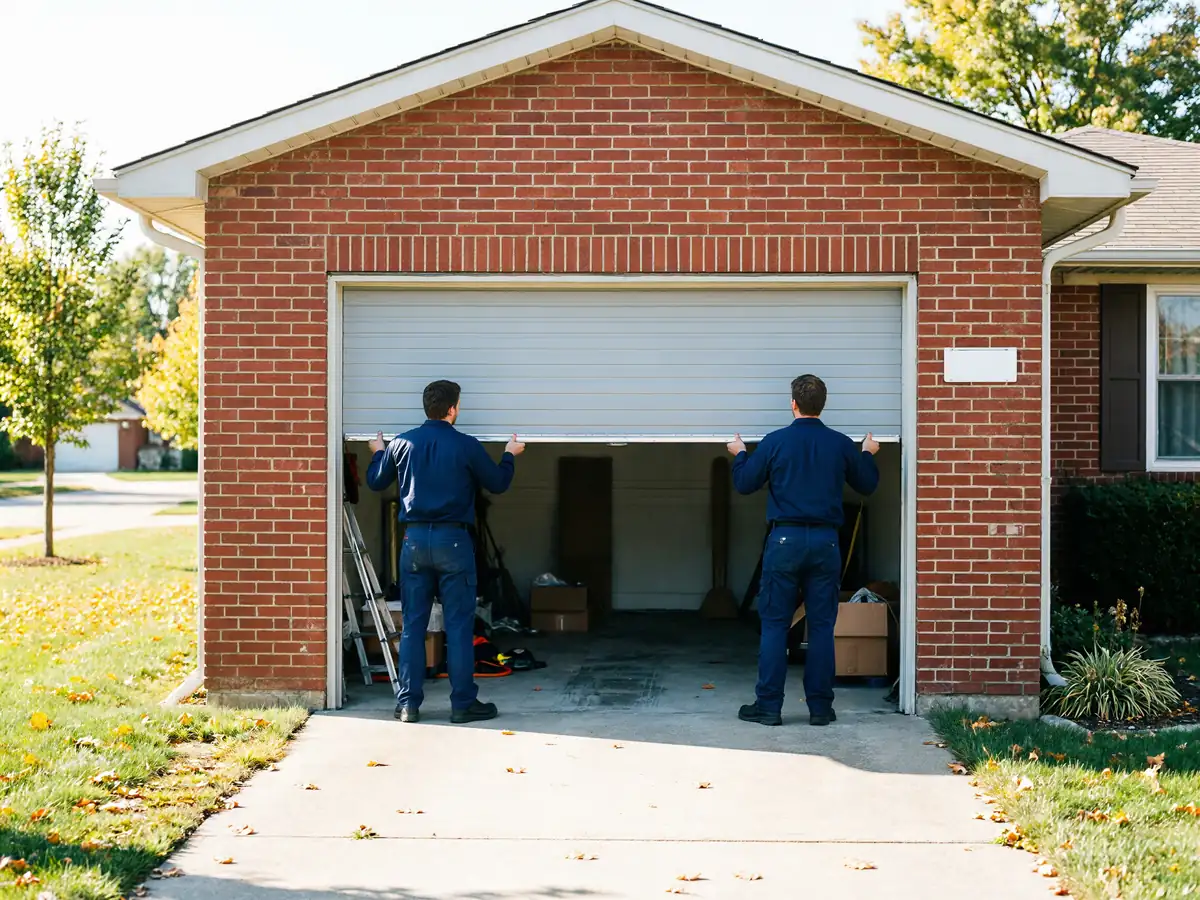
A straightforward roller swap - replacing a full set of ten rollers on a standard door, no track damage - is a short job, usually finished within the same visit it's diagnosed on. We carry common roller sizes on the truck, so this isn't typically a parts-order situation.
What adds time is track condition. If the steel track has grooves worn into it from a flattened roller running for months, that section of track may need to come off and be replaced rather than just buffed - and that's a different quote than a roller-only job. We'll tell you on site which one you're looking at before any work starts, not after.
We work across the Champaign area, including Savoy, Urbana, Mahomet, Lake of the Woods, Tolono, Thomasboro, Sidney, St. Joseph, Rantoul, Fisher, Monticello, and Villa Grove.