Doing It Yourself
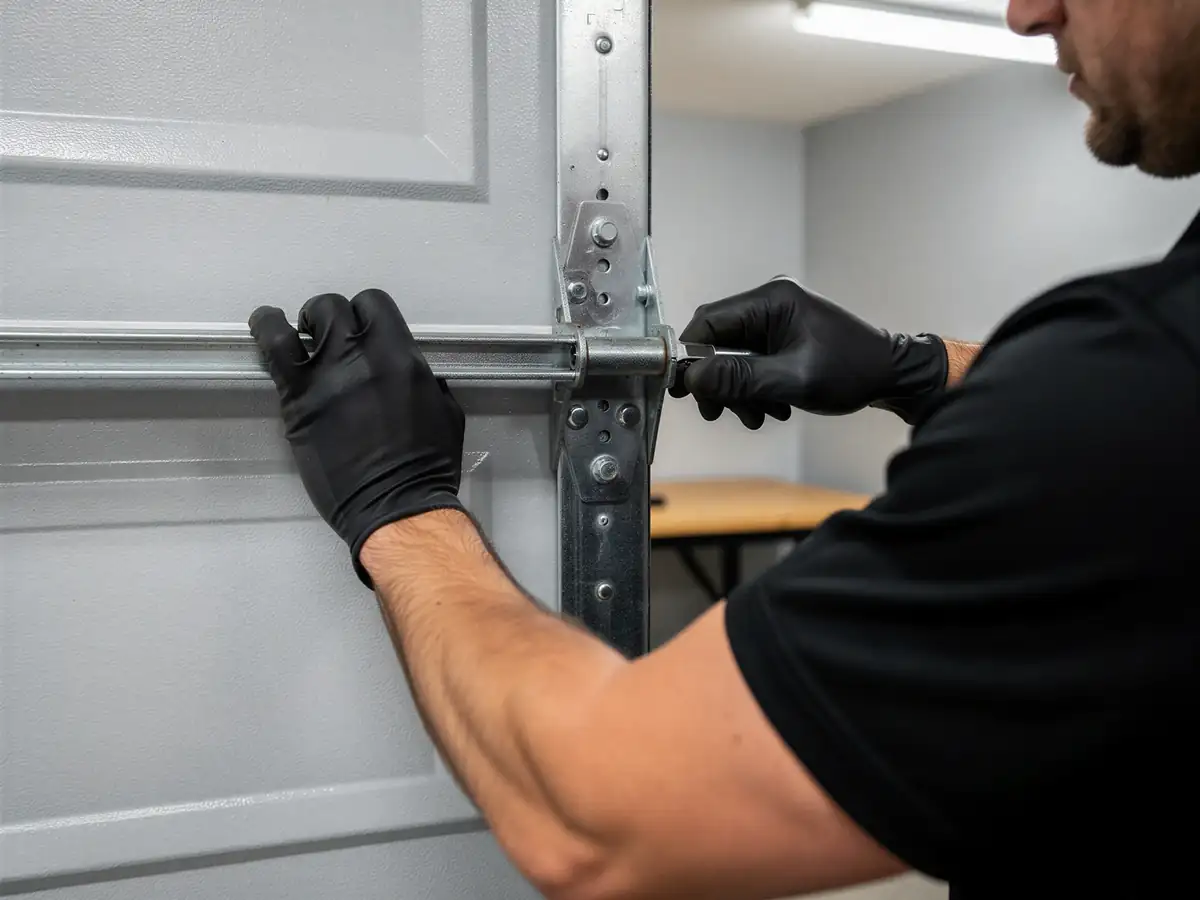
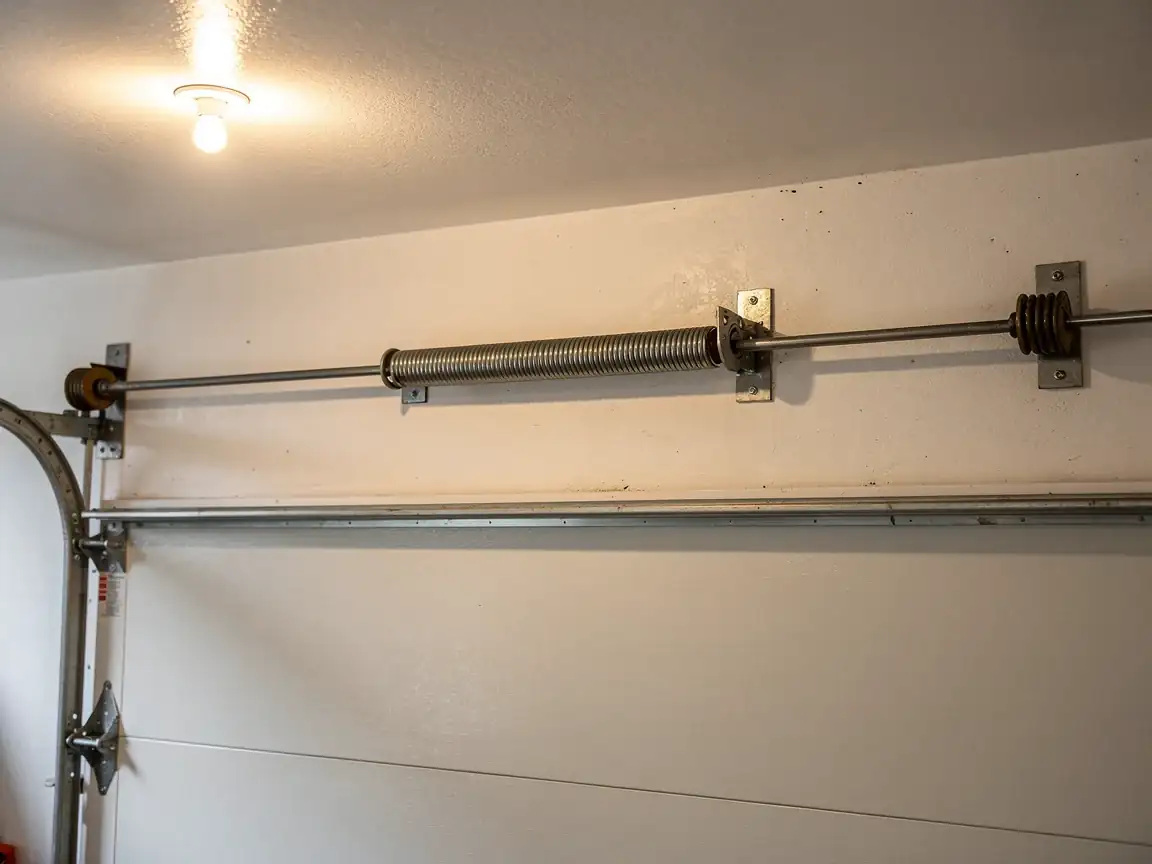
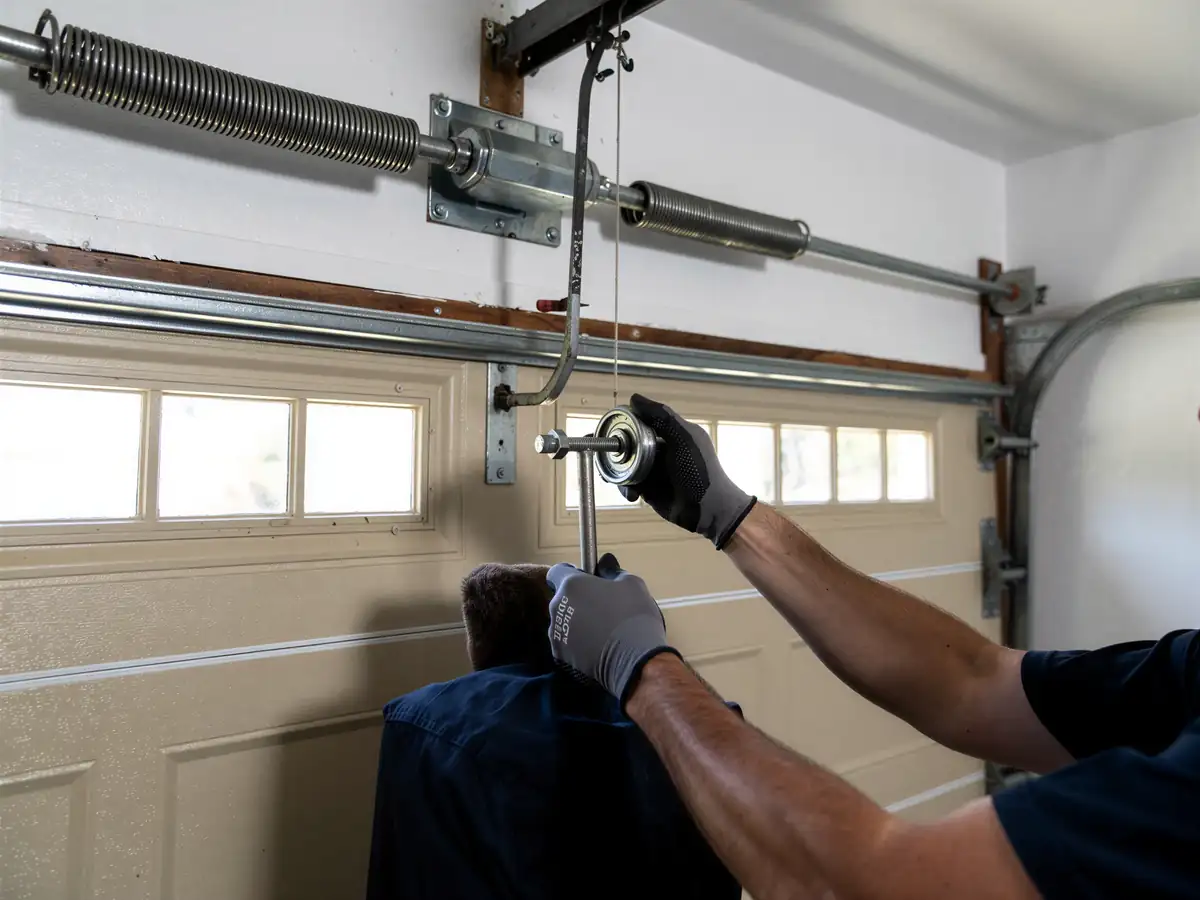
A broken spring looks simple from the garage floor. It's a coil of wire, a winding bar, some cones - plenty of videos make it look like a Saturday project. It isn't. A torsion spring on a standard double door is wound under enough tension to snap a bar out of your hands, break fingers, or put a cone through drywall if it lets go while you're still working the cable drums. Extension springs, common on the older single-car setups you'll find in homes built before the 1980s around here, carry their own version of that risk when the safety cable is missing or rusted through.
We're not going to pretend every job needs a truck. Lubricating hinges, tightening loose track brackets, swapping a worn roller - those are reasonable weekend jobs if you're careful and the door is otherwise healthy. Spring replacement isn't in that category, and neither is re-tensioning a spring that's still intact but undersized for the door. The cost of getting it wrong is an ER visit or a door that comes off its track. This is one job where paying for the call is cheaper than the mistake.
Why This Fails Locally
Housing across the Champaign service area was mostly built between 1956 and 2000, with the median home going up around 1978, and the bulk of that stock concentrated in the 1960s and 70s across the twelve communities we cover. That matters for springs specifically: doors from that era were sized for lighter, thinner panel stock than what's sold today, and when a homeowner upgrades to a heavier insulated door without upgrading the spring to match, the original spring is now working harder than it was ever built for. It fails sooner, and it fails without much warning.
The cold is the other half of it. This is a cold, moderate climate zone, and steel spring wire loses flex as temperatures drop. A spring that's already near the end of its cycle count - most are rated for a set number of openings - will often let go on the first hard cold snap of the year rather than gradually. That's why January and February calls spike: it's not that cold weather breaks springs on its own, it's that cold weather finishes off a spring that was already marginal from age and cycle count built up over four or five decades of use on these older homes.
The Symptom
The door won't lift
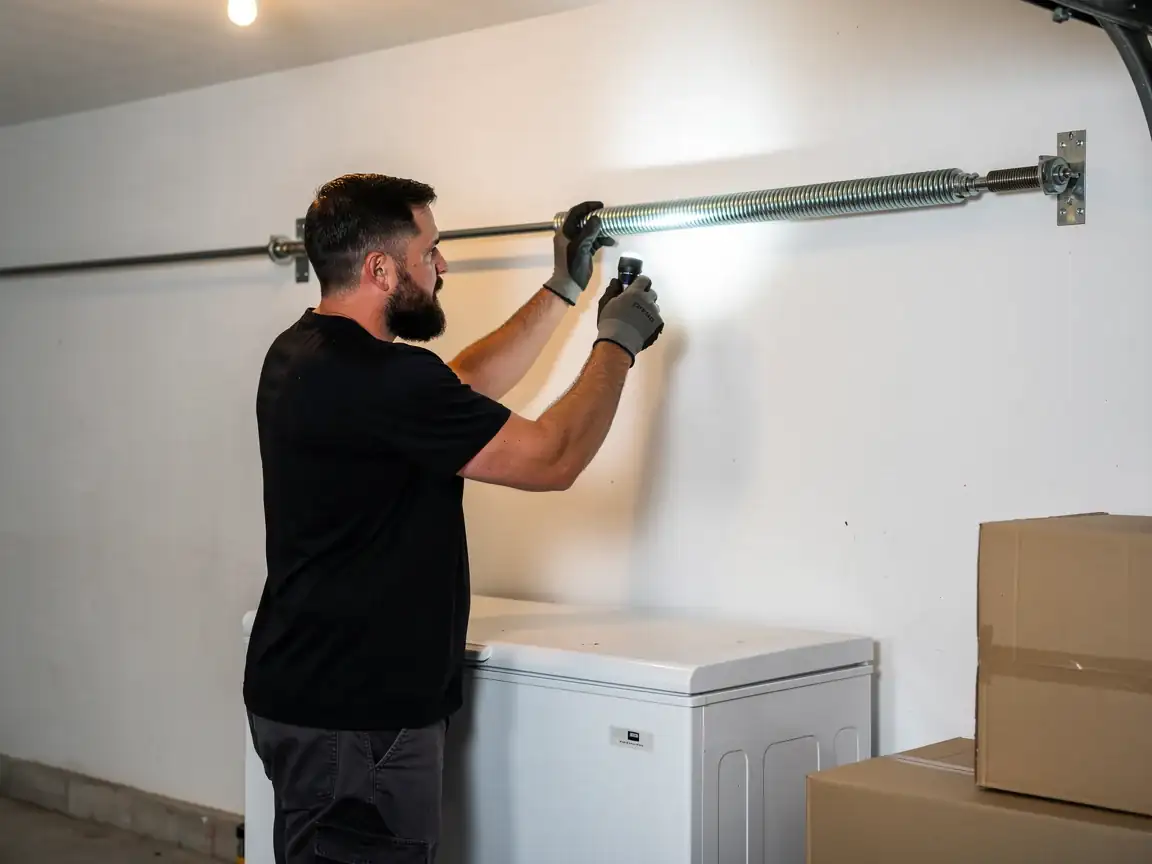
Or it lifts a few inches and stops - that's the classic broken torsion spring. If you look up at the header above the door and see a gap in the coil, or two separate pieces of spring instead of one continuous one, that's your answer and you can stop troubleshooting the opener.
A spring that's weakening but not yet broken shows up differently
The opener strains and makes a louder motor sound than usual, the door seems heavier when you lift it by hand with the opener disconnected, or it reverses partway up on its own because the opener's force sensor is fighting a spring that can't carry its share of the weight anymore. Cables that look frayed near the bottom bracket are often a sign the spring side is already overloaded and the cable is taking on tension it wasn't built for.
Don't keep running the opener once you suspect a broken spring
Every cycle on a dead spring transfers more load to the opener's drive gear and to the cables, and that's how a $200 spring job turns into a spring-and-opener job.
Time on the Job
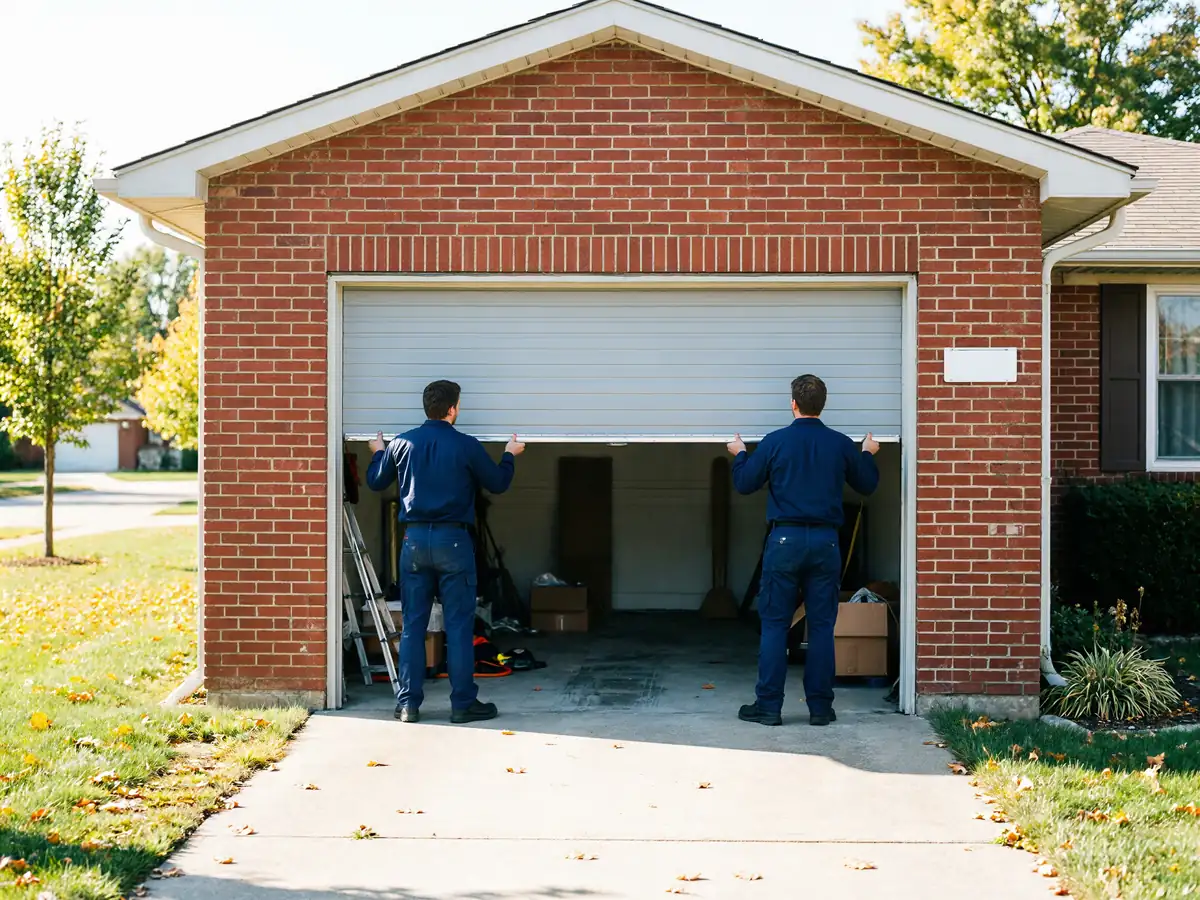
Most spring jobs are a same-visit fix once we're on site - torsion spring replacement on a standard double door is a matter of hours, not days, including swapping cables and rollers if they're worn from the same age and use. What we can't control is parts availability on less common sizes; doors from some of the older builds in this area use spring and drum combinations that aren't stocked everywhere, and those can add a day or two if we need to special-order.
We size the replacement spring to the door's actual weight and cycle needs, not just a match to what's already up there, since an undersized spring is often how the original failure happened. That's a judgment call made on site, not over the phone, which is part of why we quote after a look at the door rather than guessing from a description.