Doing It Yourself
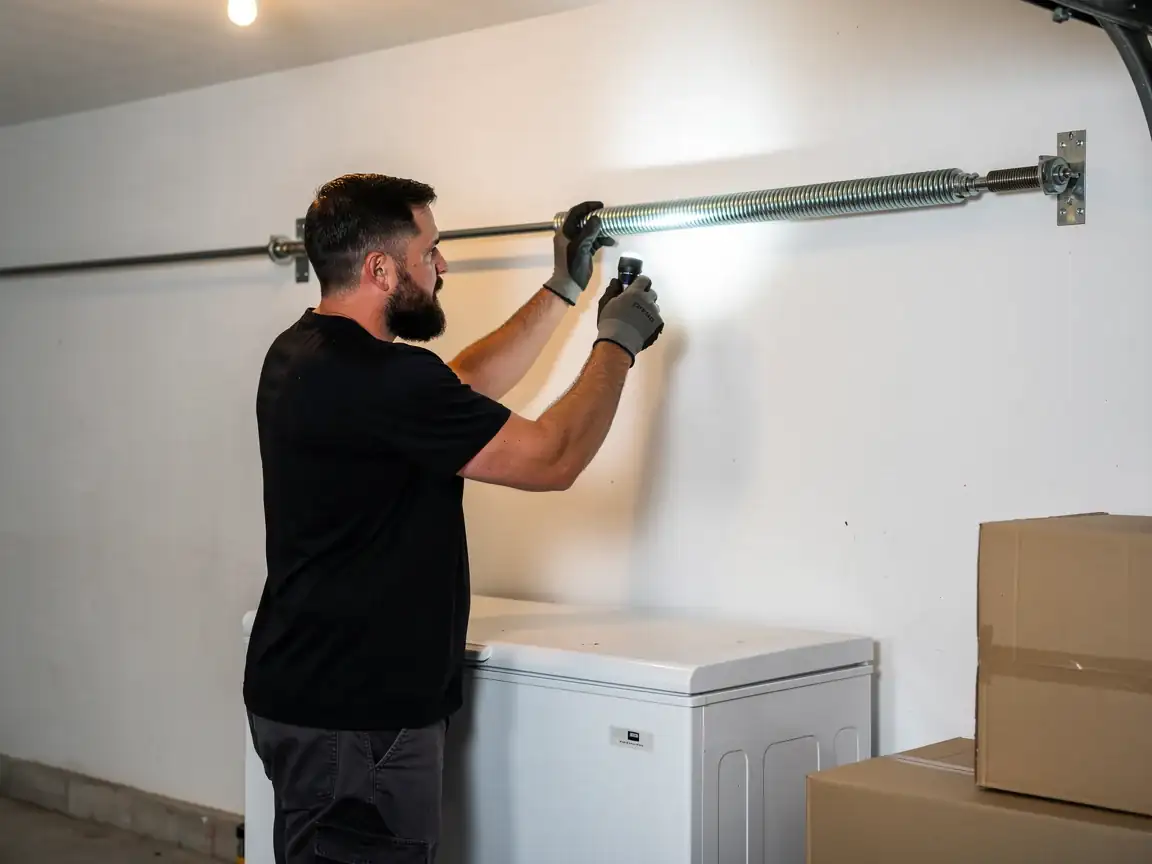
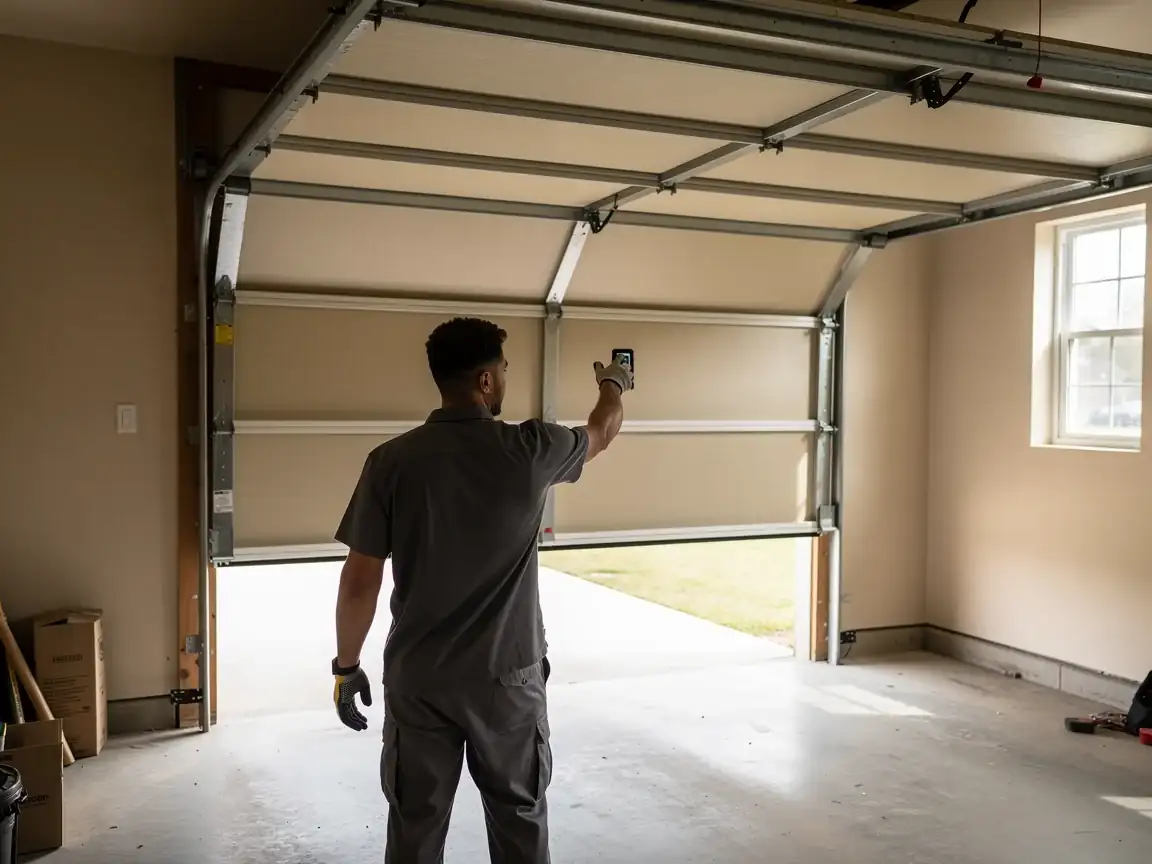
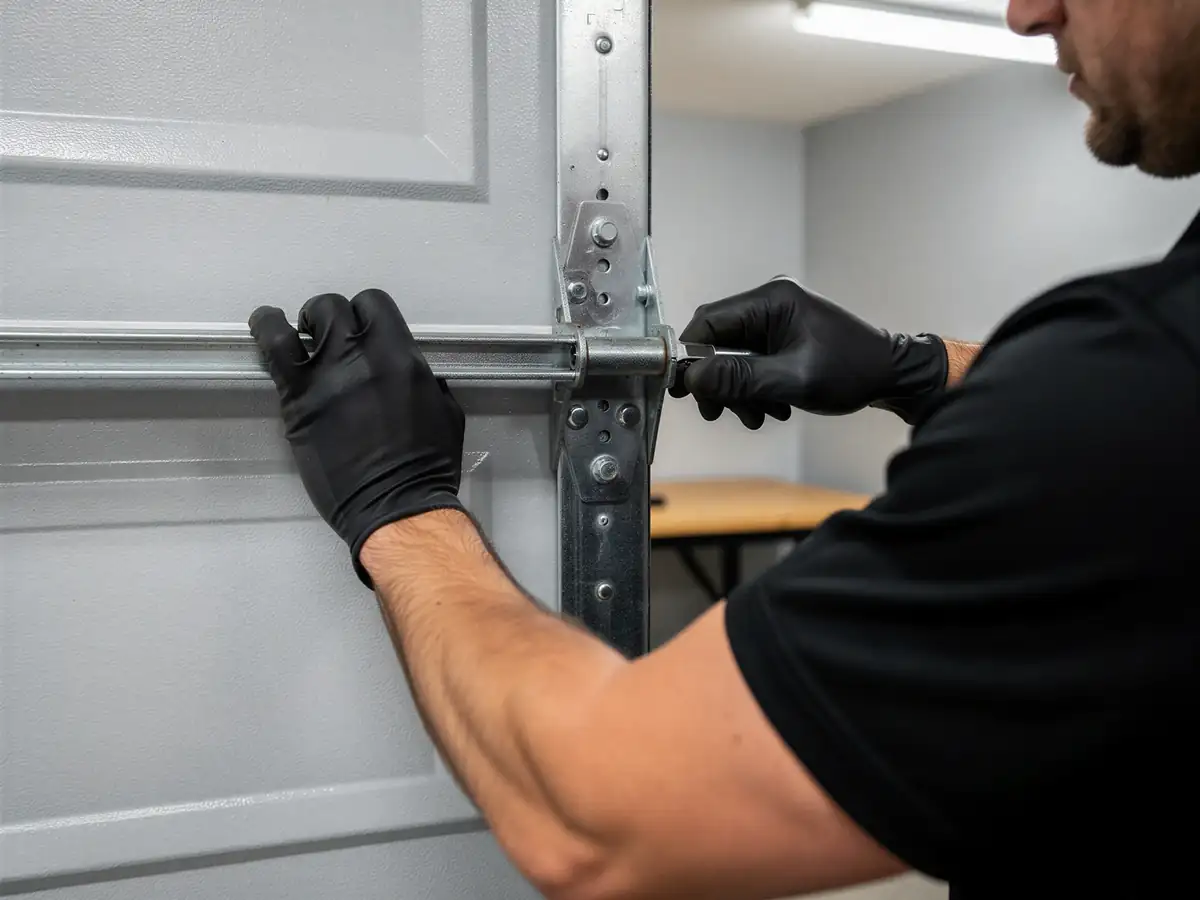
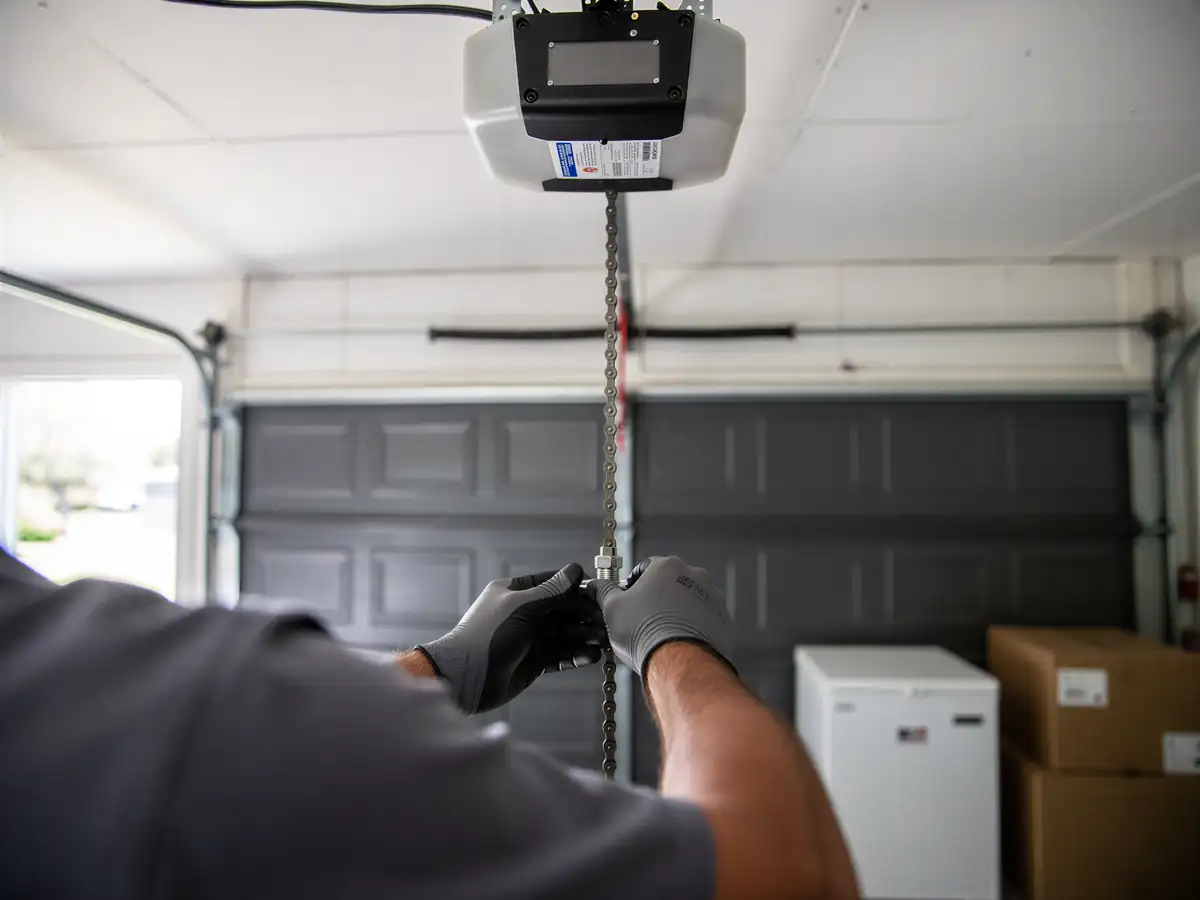
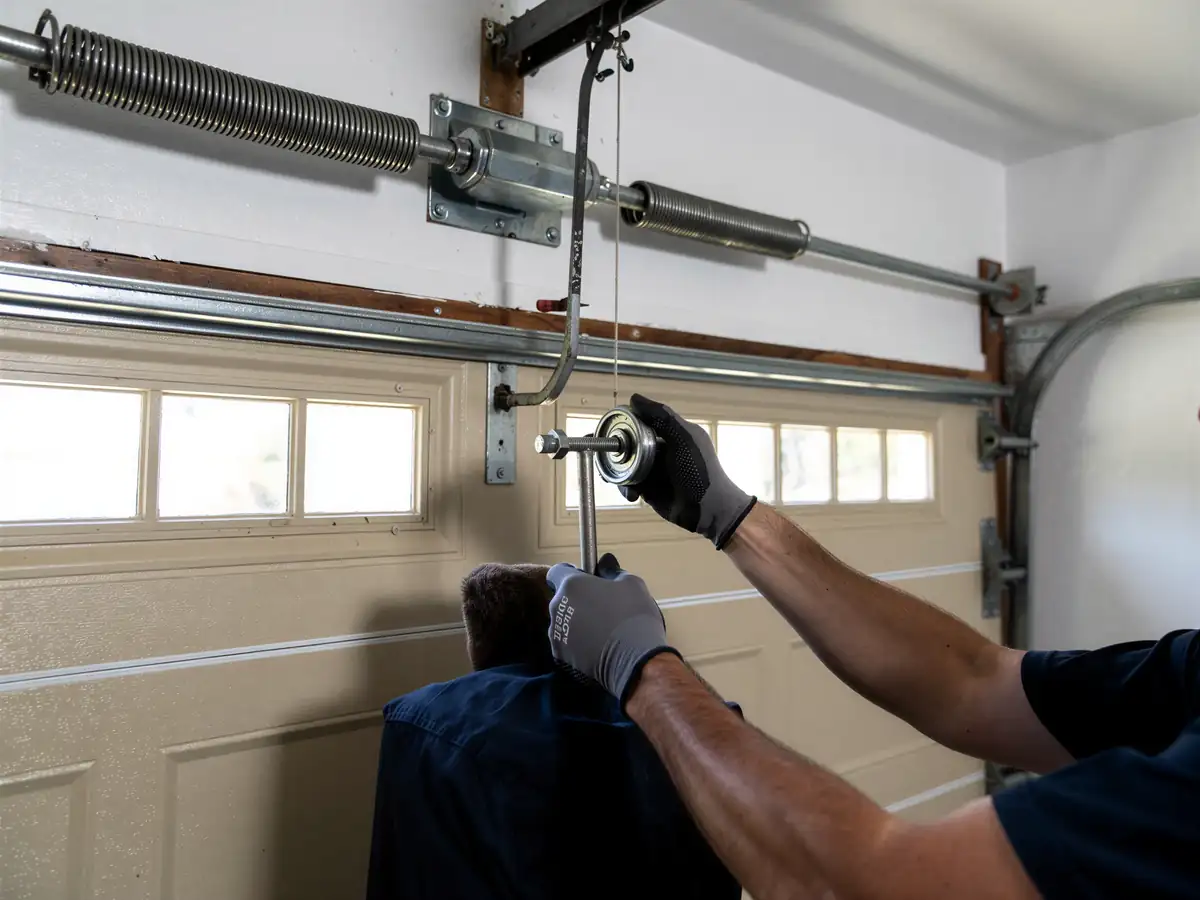
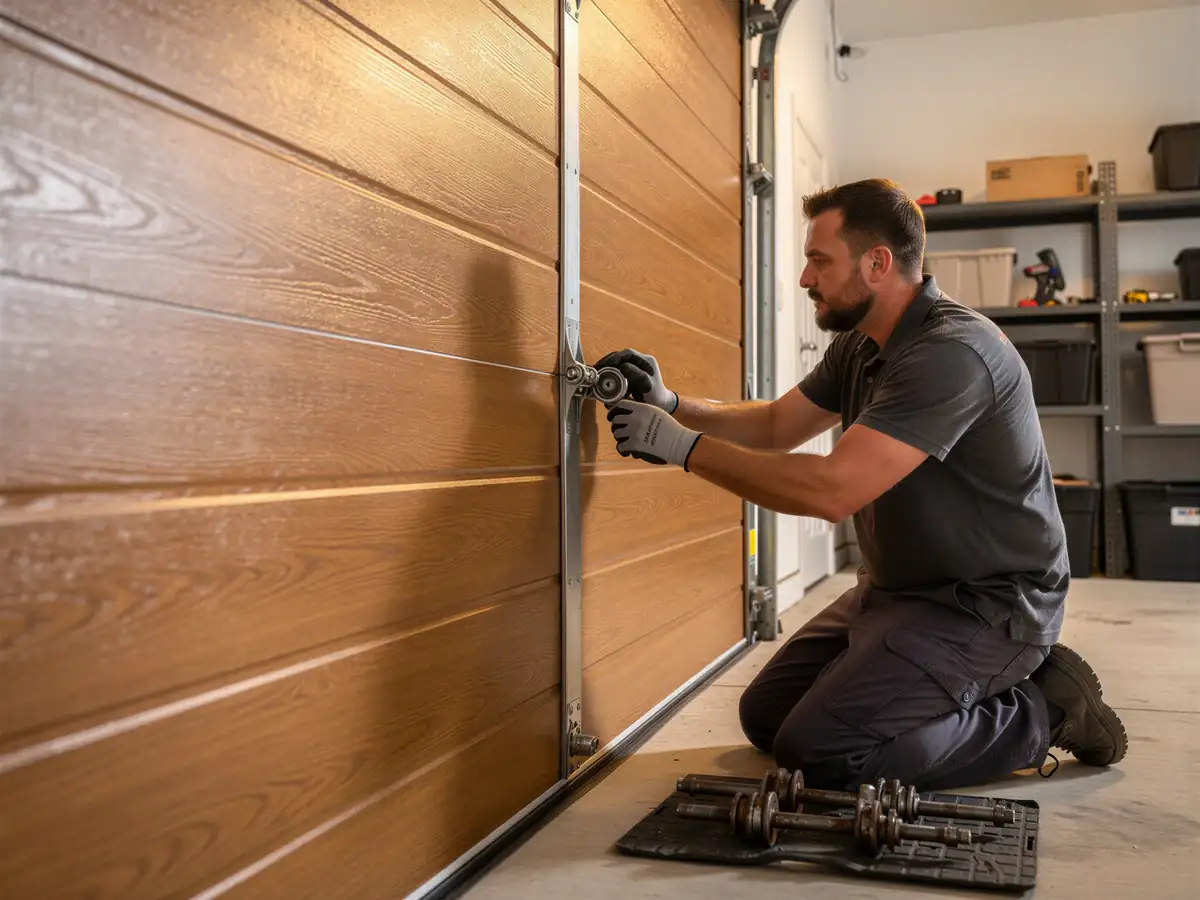
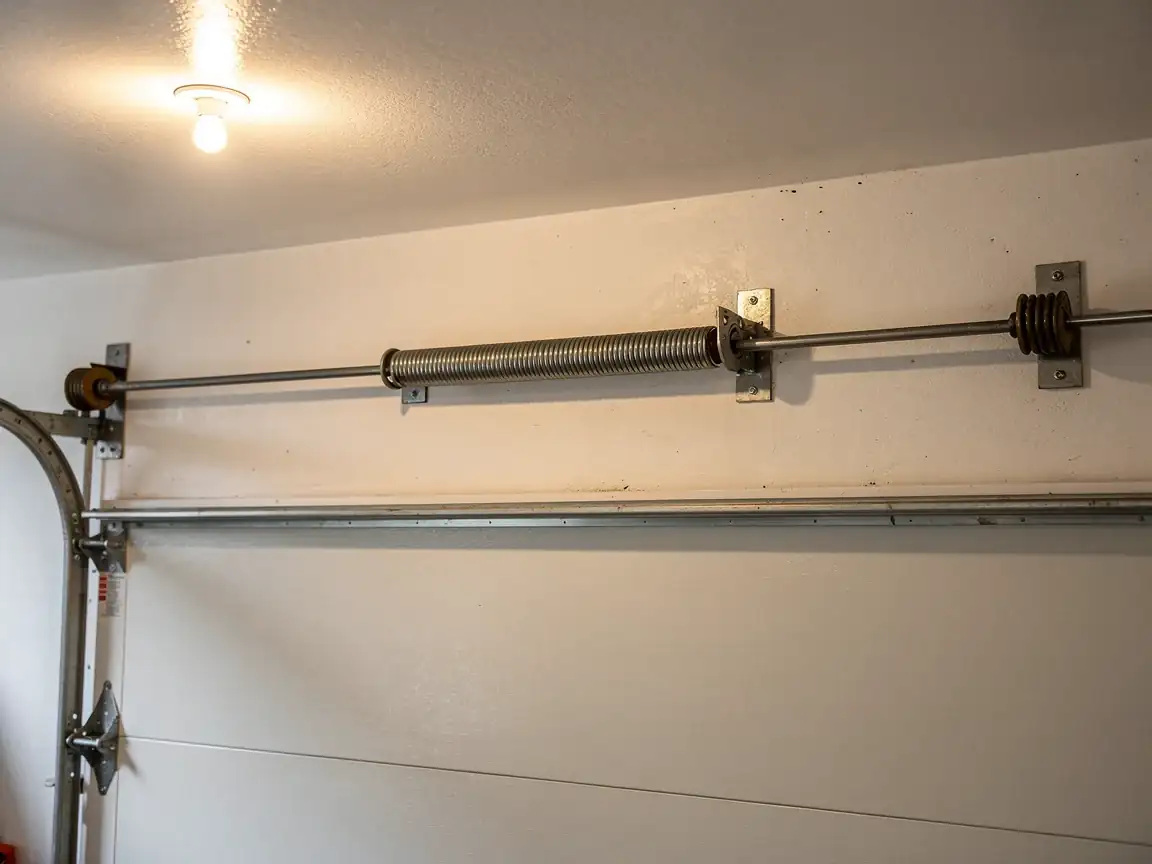
Most calls we get start with someone who already tried something. Lubricating the rollers and hinges is fine, and tightening the bolts on a bent track bracket is fine too, if you can reach it safely. Where it goes wrong is the torsion spring. People watch a video, see a winding bar and a pair of vise grips, and figure it's just a tension adjustment. It isn't. A torsion spring on a standard double door holds enough stored energy to break a wrist or worse, and the bar has to seat in the winding cone exactly right or it slips. We won't talk anyone through that over the phone, and we don't think a how-to video should either. The other common DIY move is swapping a broken extension cable without replacing both cables and checking the drums. That's how a door comes down crooked a week later. If your fix is cosmetic - a squeak, a loose bracket, a sticking sensor eye - go ahead and handle it. If it involves anything wound under tension, that's where we draw the line and tell people to call instead of finish the job.
Why This Fails Locally
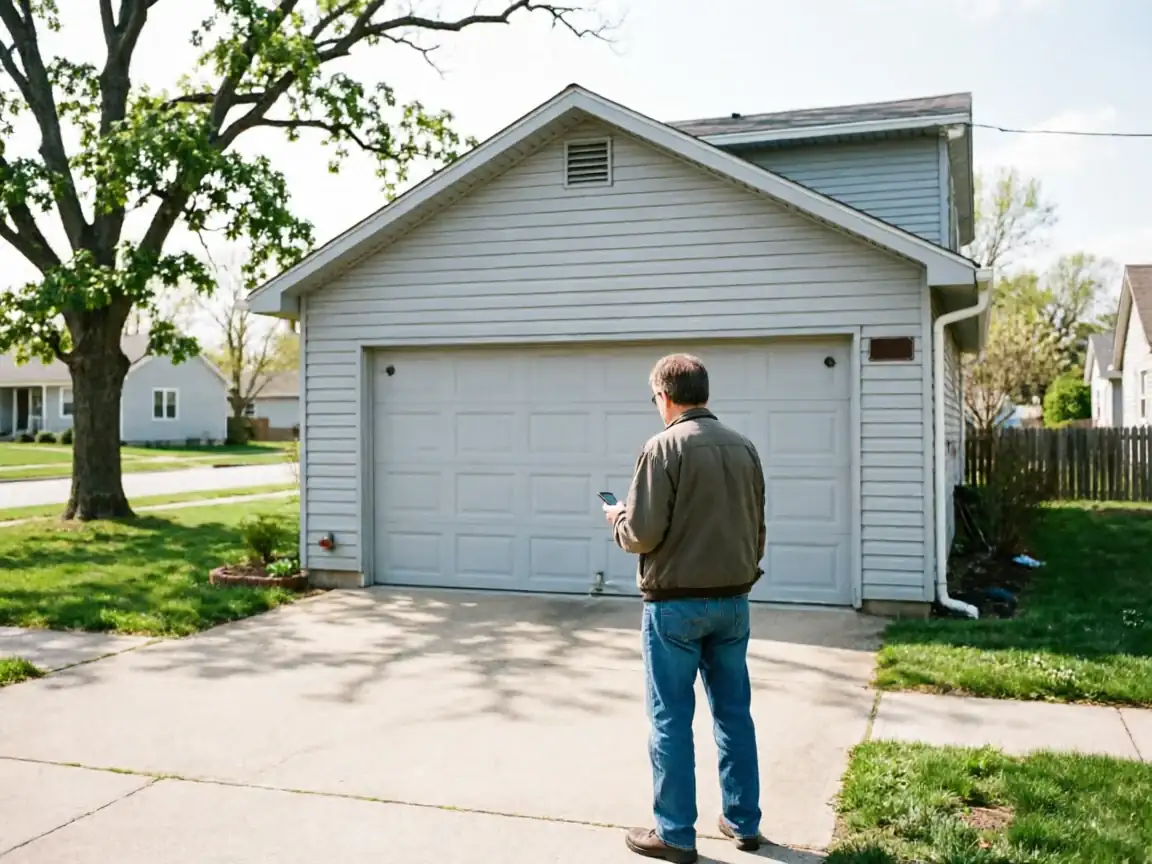
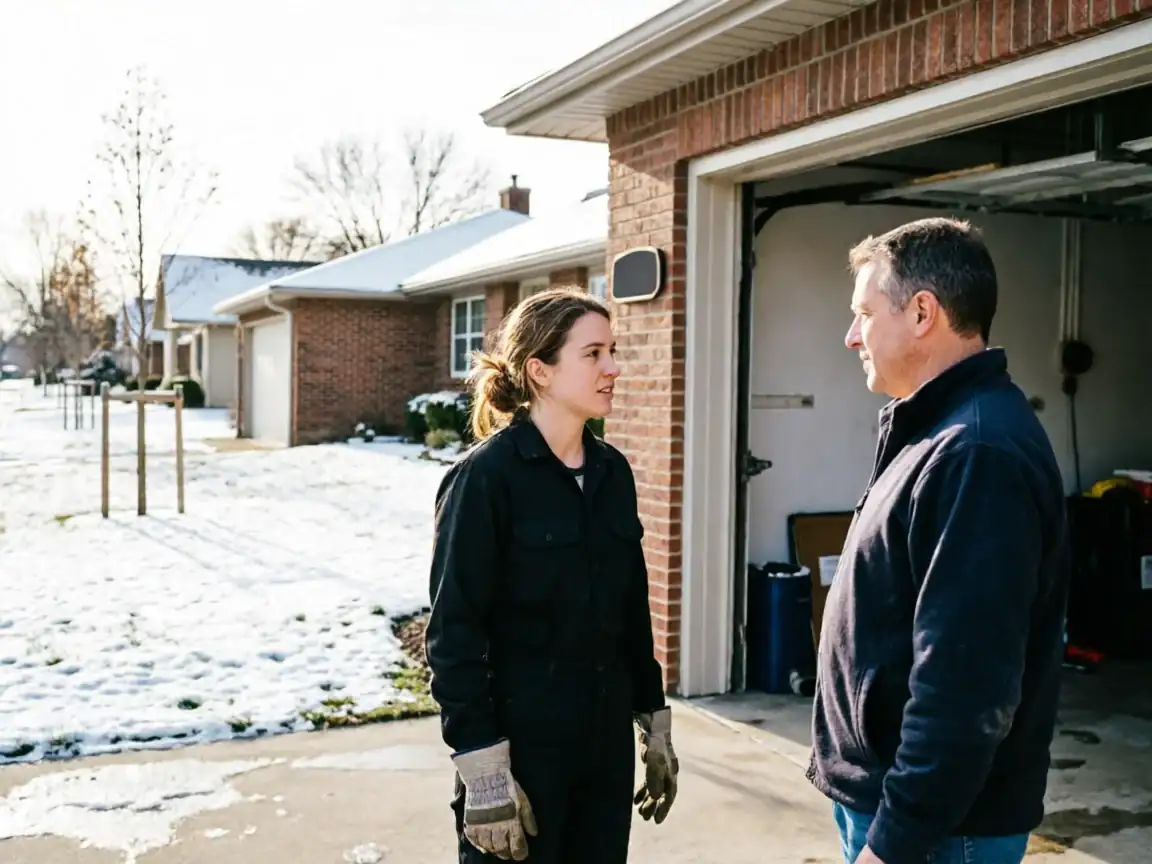
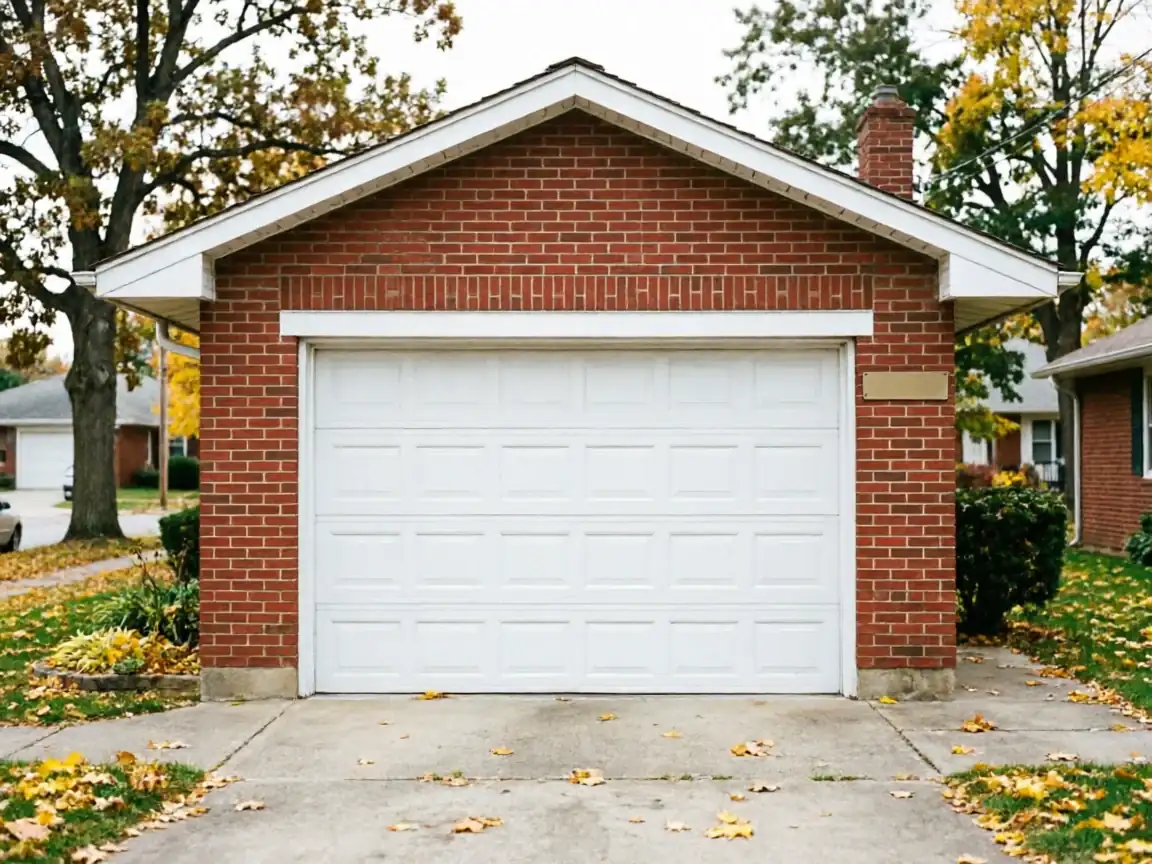
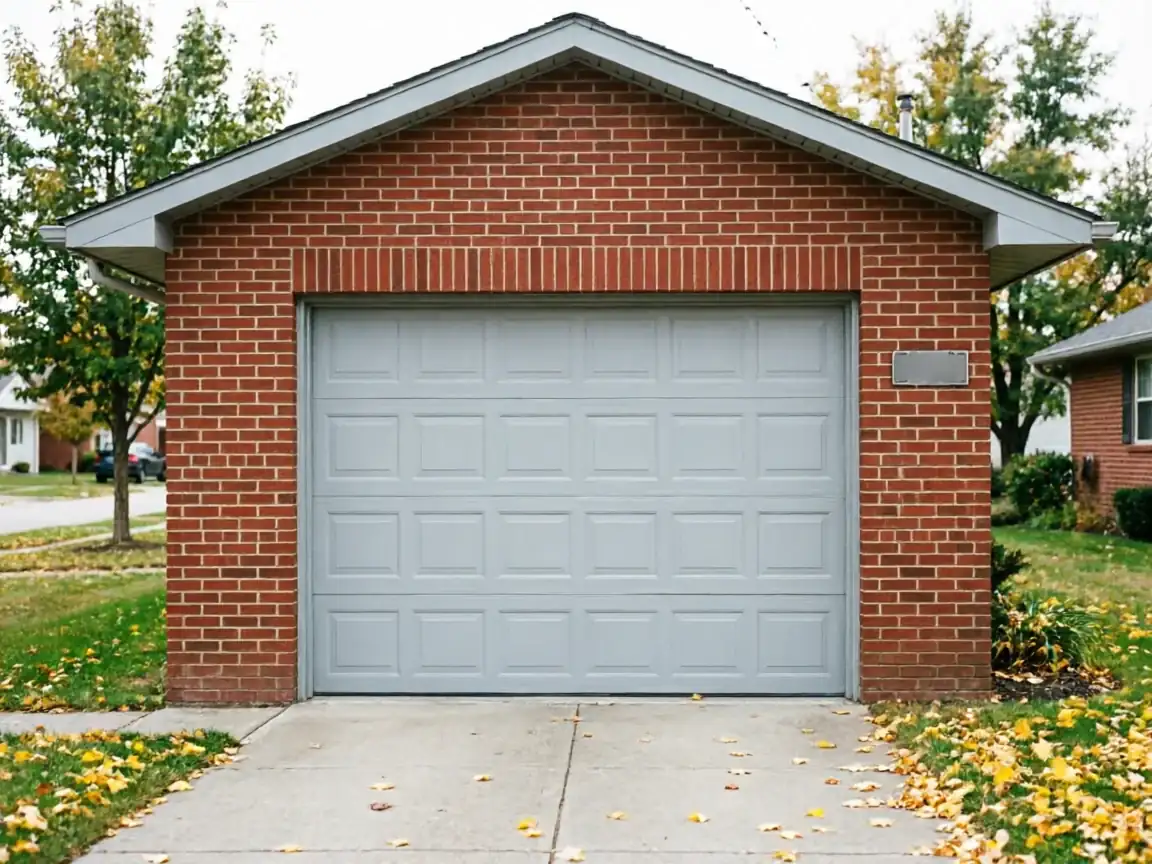
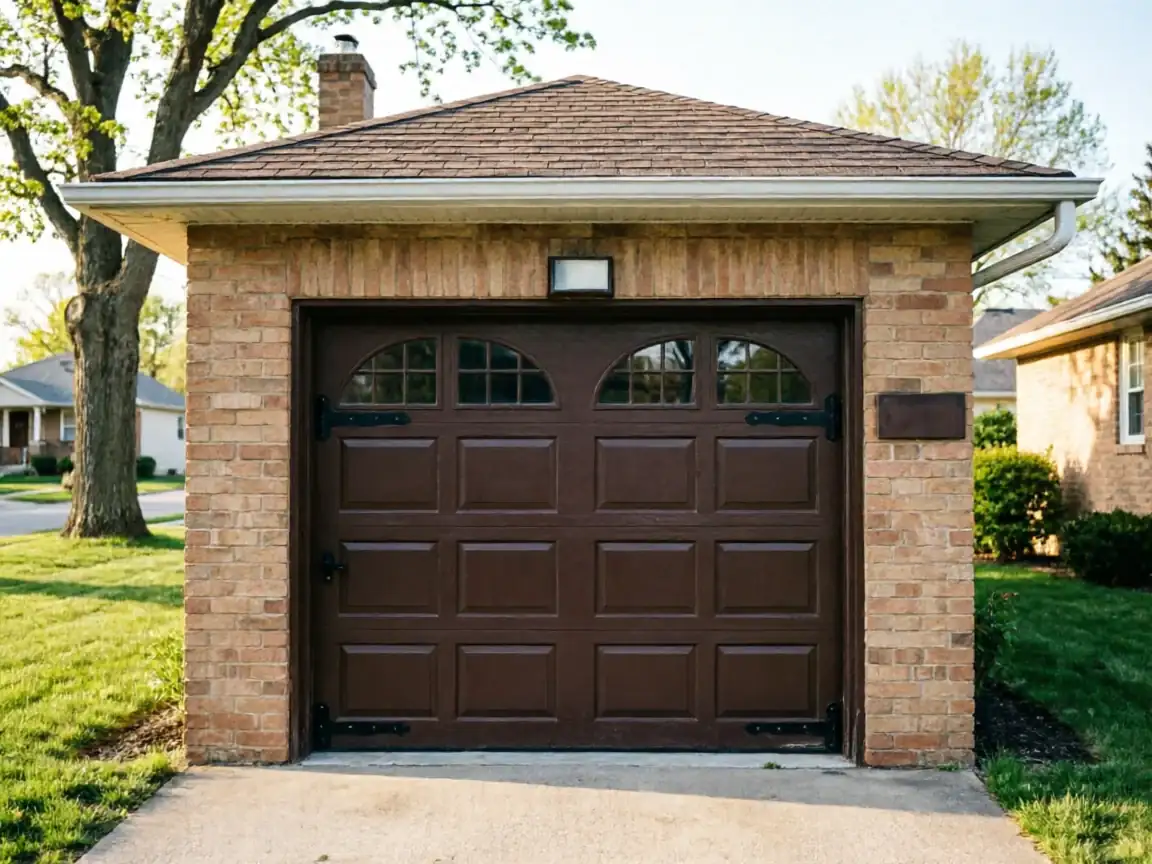
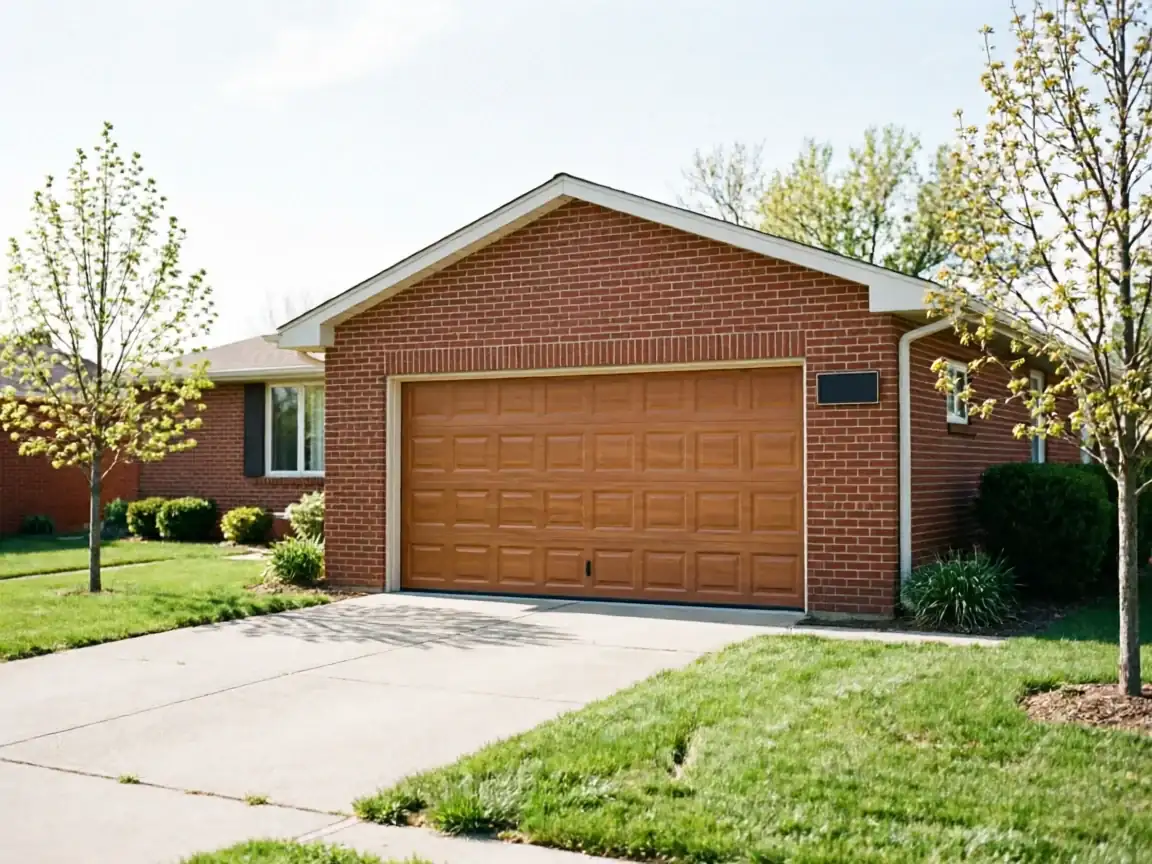
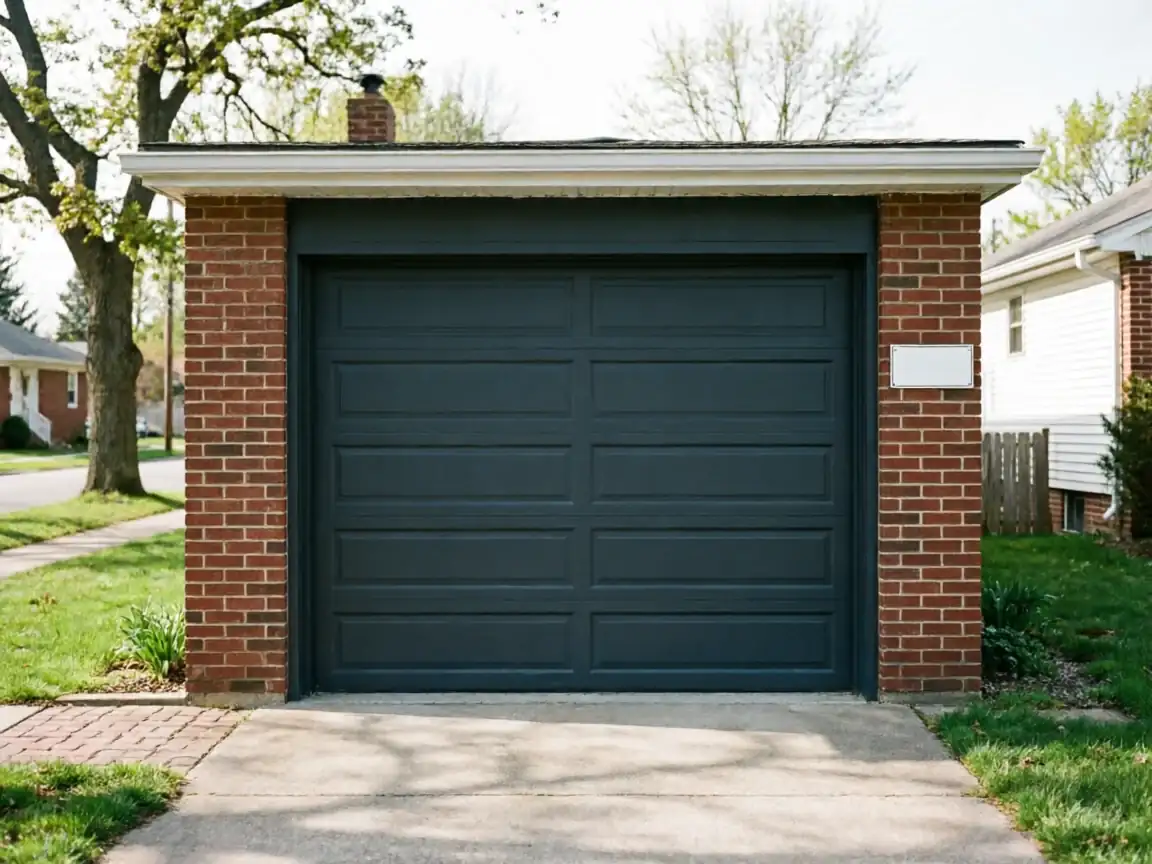
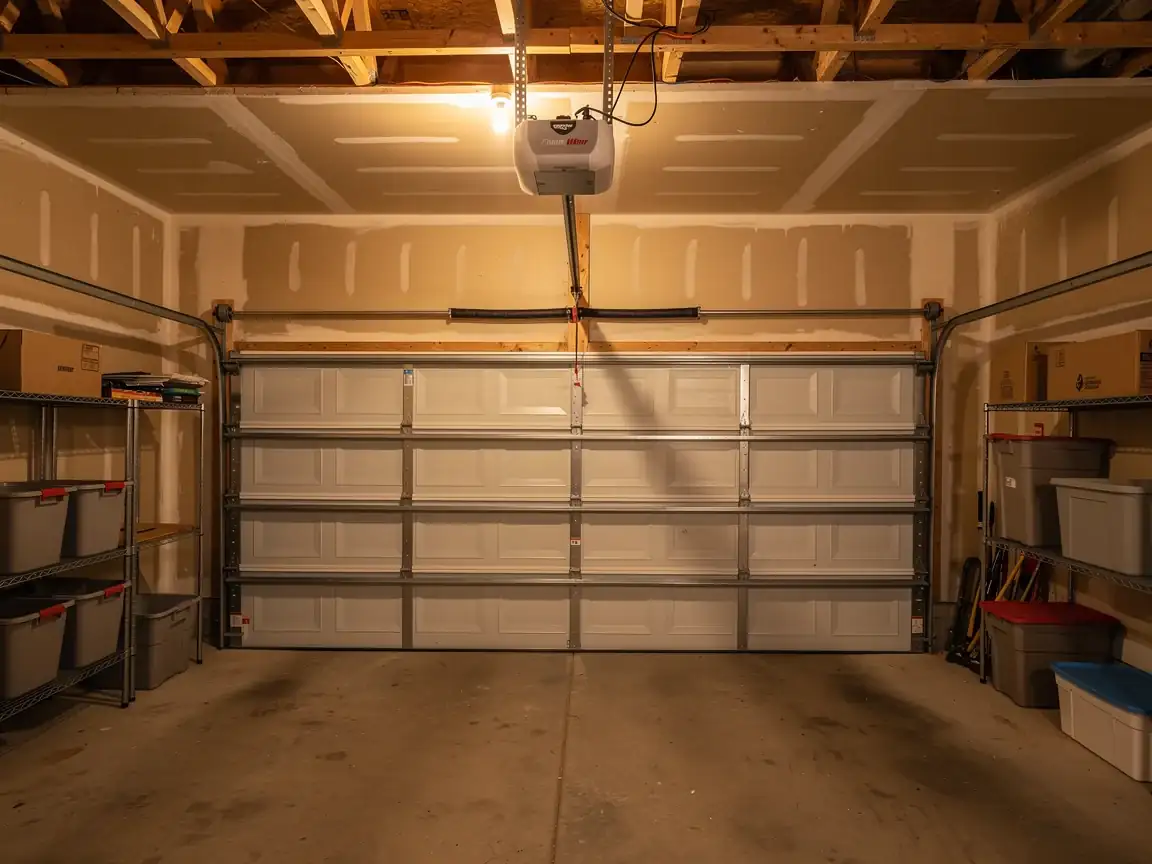
Champaign's housing stock runs largely from 1956 to 2000, with the median build year landing around 1978, and most of what we service across the area is 1960s-70s construction. That matters because a door installed on a house built in that window is very likely still running on its original torsion hardware, sized for a lighter wood-panel door, not the heavier insulated steel sections a lot of owners have since swapped in. The spring is working harder than it was built for, every single cycle. Layer the climate on top of that. Champaign sits in a cold moderate band, which means the grease in an original-era bearing plate hardens up in winter and the steel in an old spring contracts and gets brittle right when the door gets used the most - cold mornings, people in a hurry. That combination, older torsion hardware plus a real cold snap, is the single most common reason we get a call about a door that won't budge or a spring that let go overnight. It isn't bad luck. It's the age of the house meeting the season.
Time on the Job
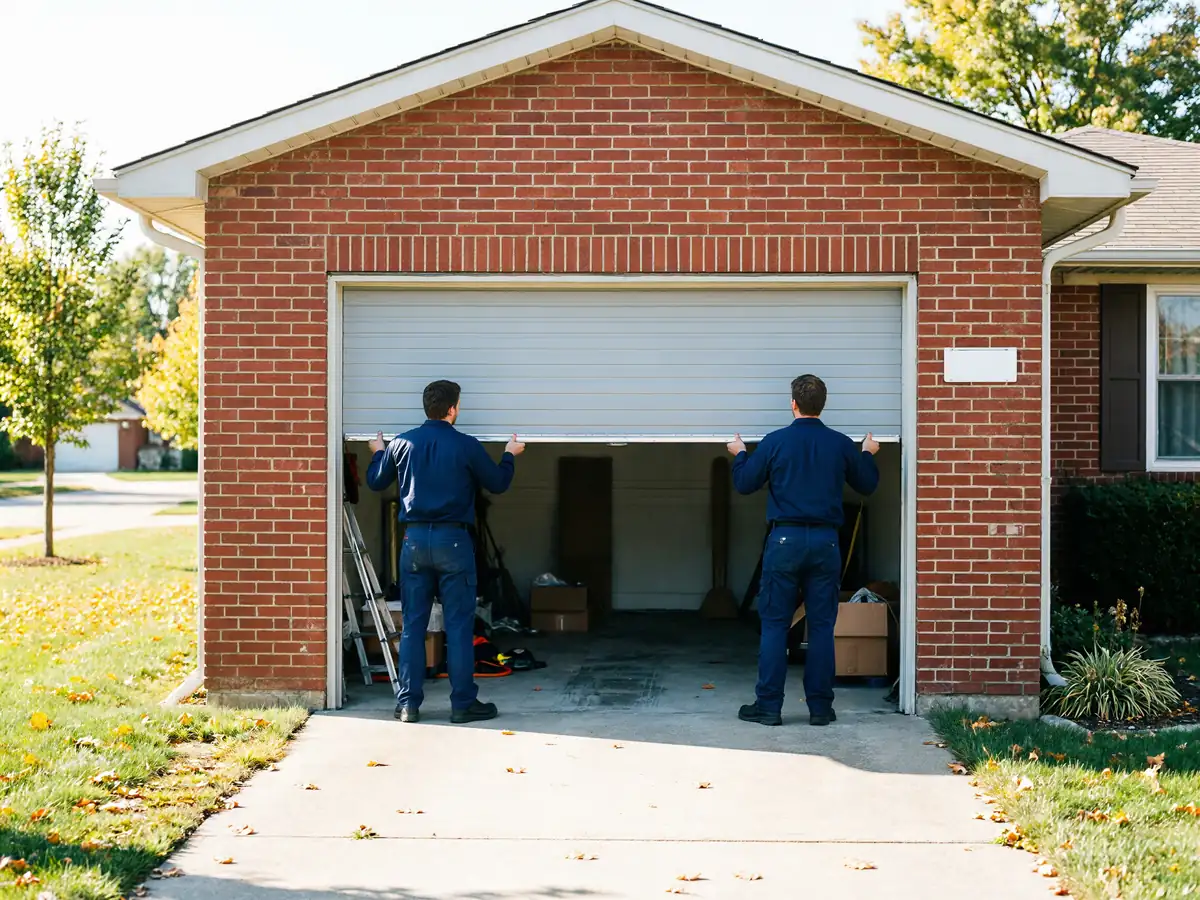
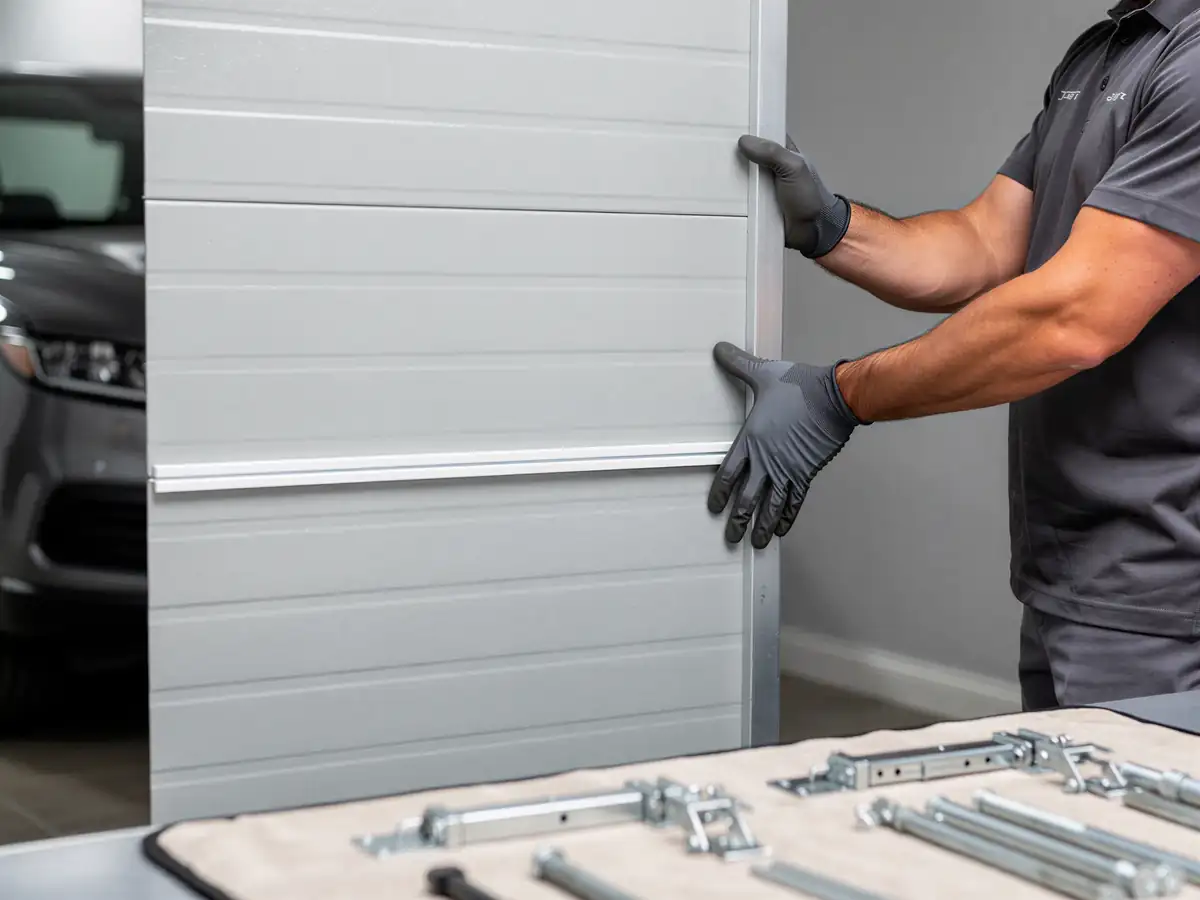
A straightforward torsion spring swap on a standard double door, once we're on site with the right spring and the drums are in good shape, doesn't take long - it's the diagnosis and the parts match that take the care. We measure wire size, coil diameter, and door weight before we touch anything, because an off-spec spring either underperforms or wears out again in a year. If the drums, cables, or center bearing are worn from the same strain that killed the spring, we replace those in the same visit rather than send you a callback in six months. Here's the honest limit: if the door is old enough that the track is bent, the panels are rusted through, or the opener is on its last motor along with the spring, we'll tell you straight that spring-only repair is throwing good money after a door that's near the end anyway. Replacement isn't always the upsell - sometimes it's the cheaper path over two years. We'd rather say that up front than have you call back in spring for the next part that failed.