Doing It Yourself
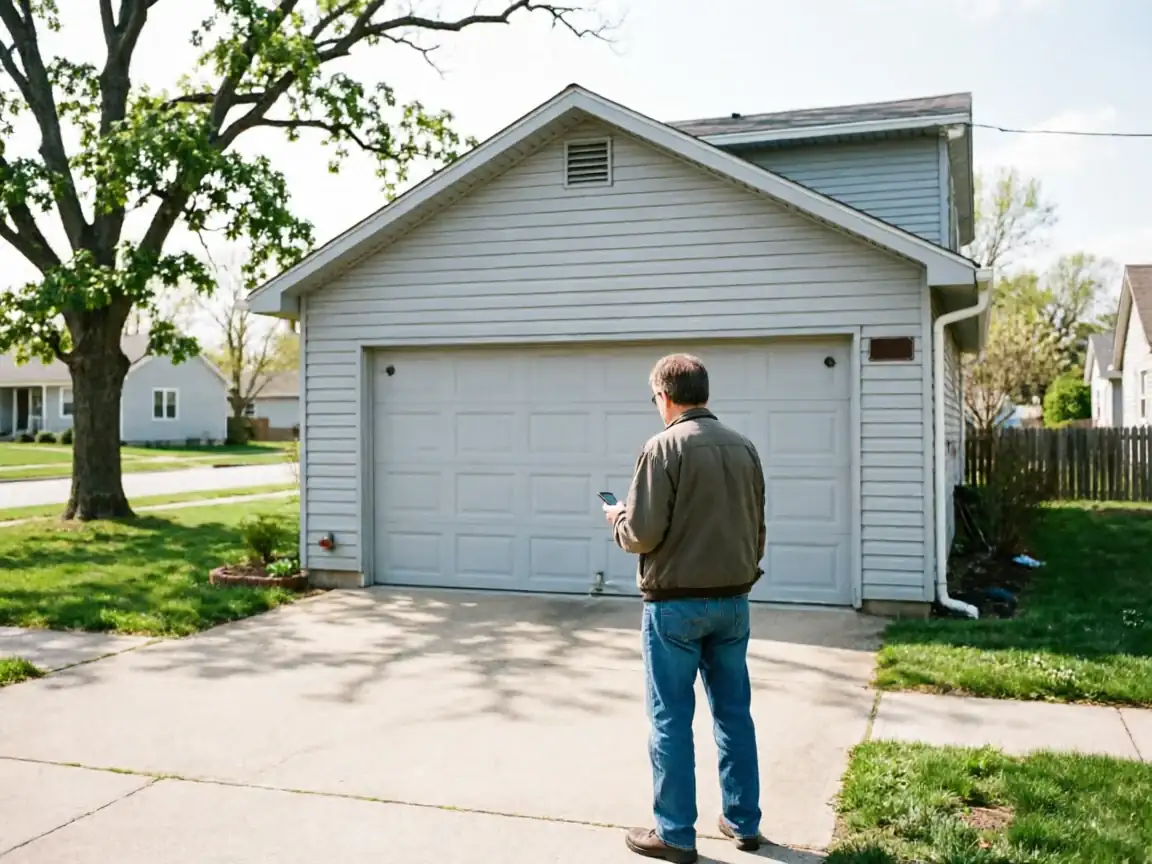
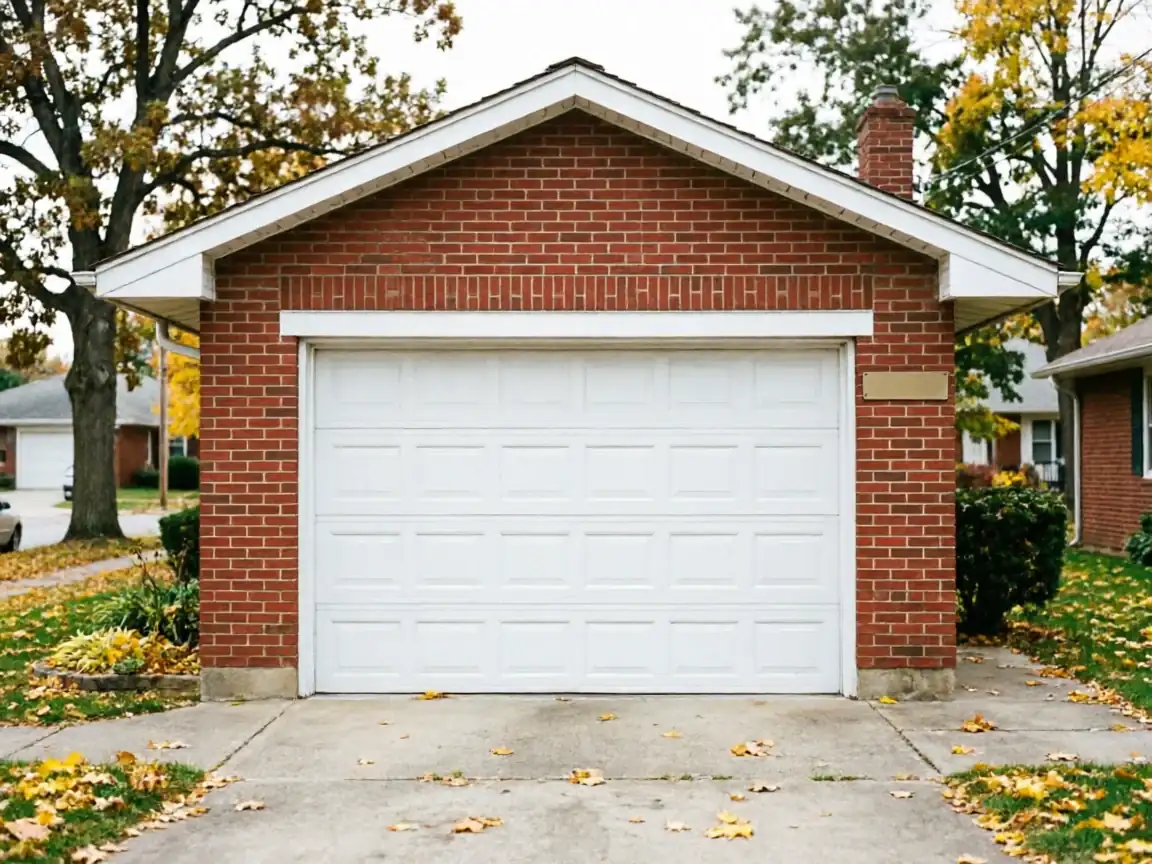
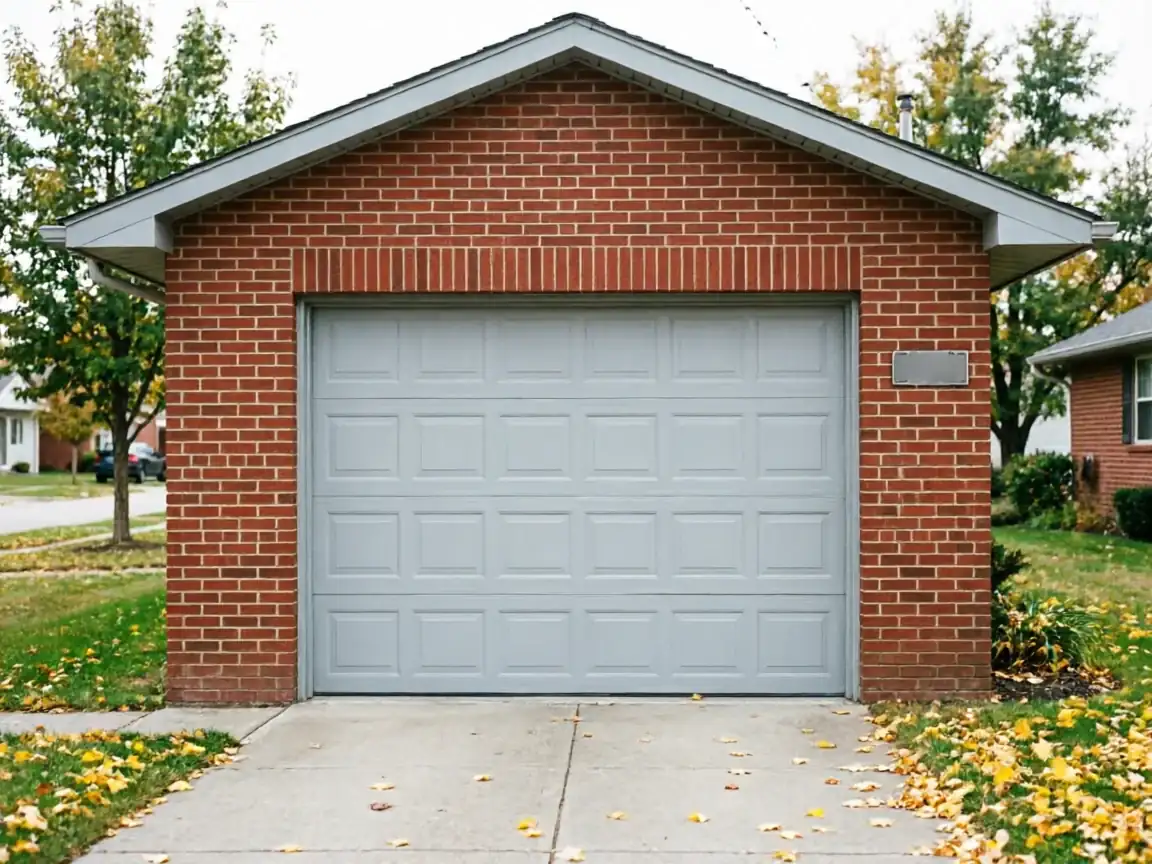
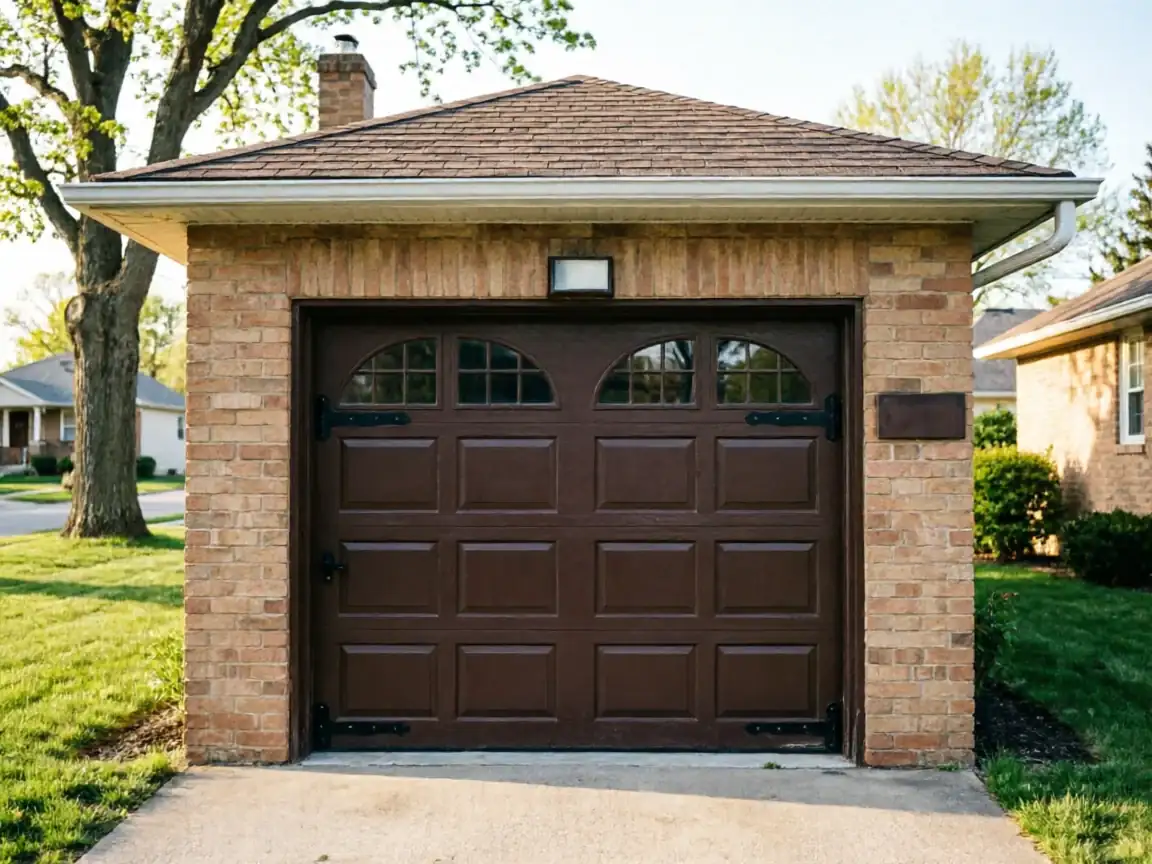
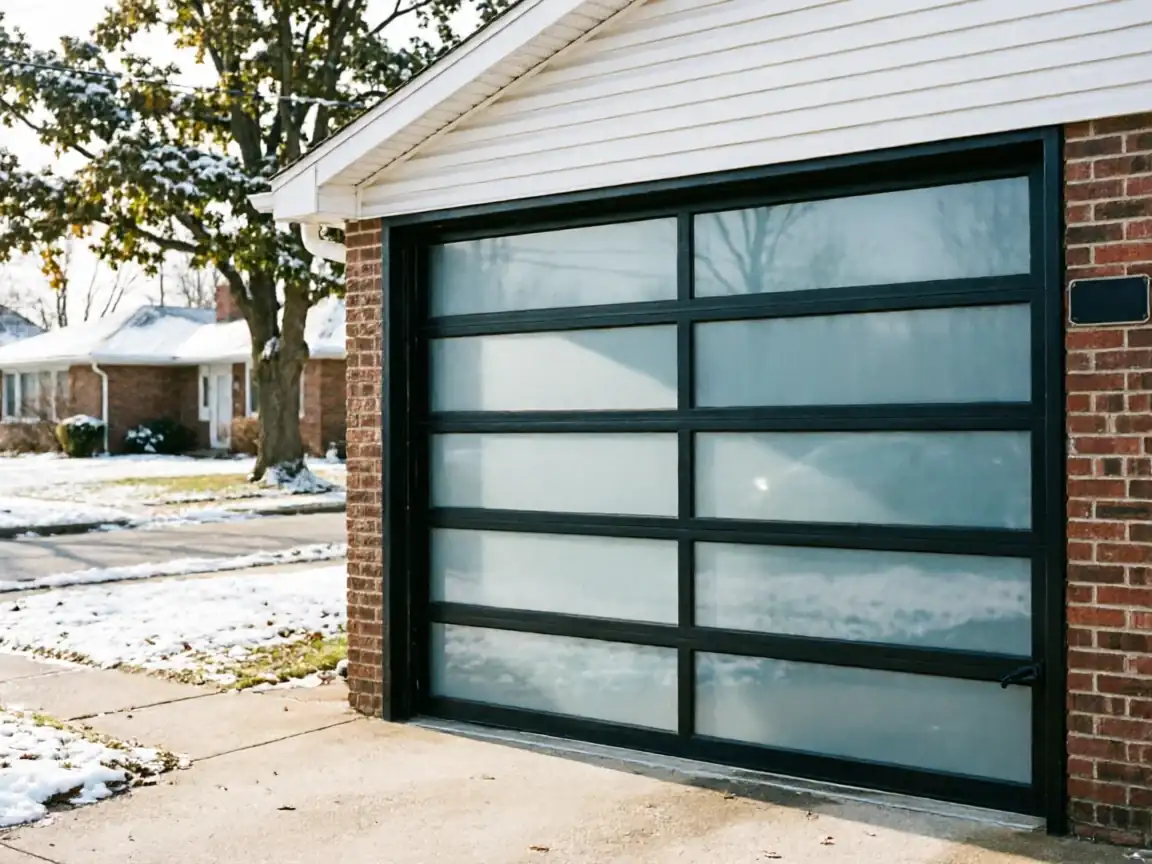
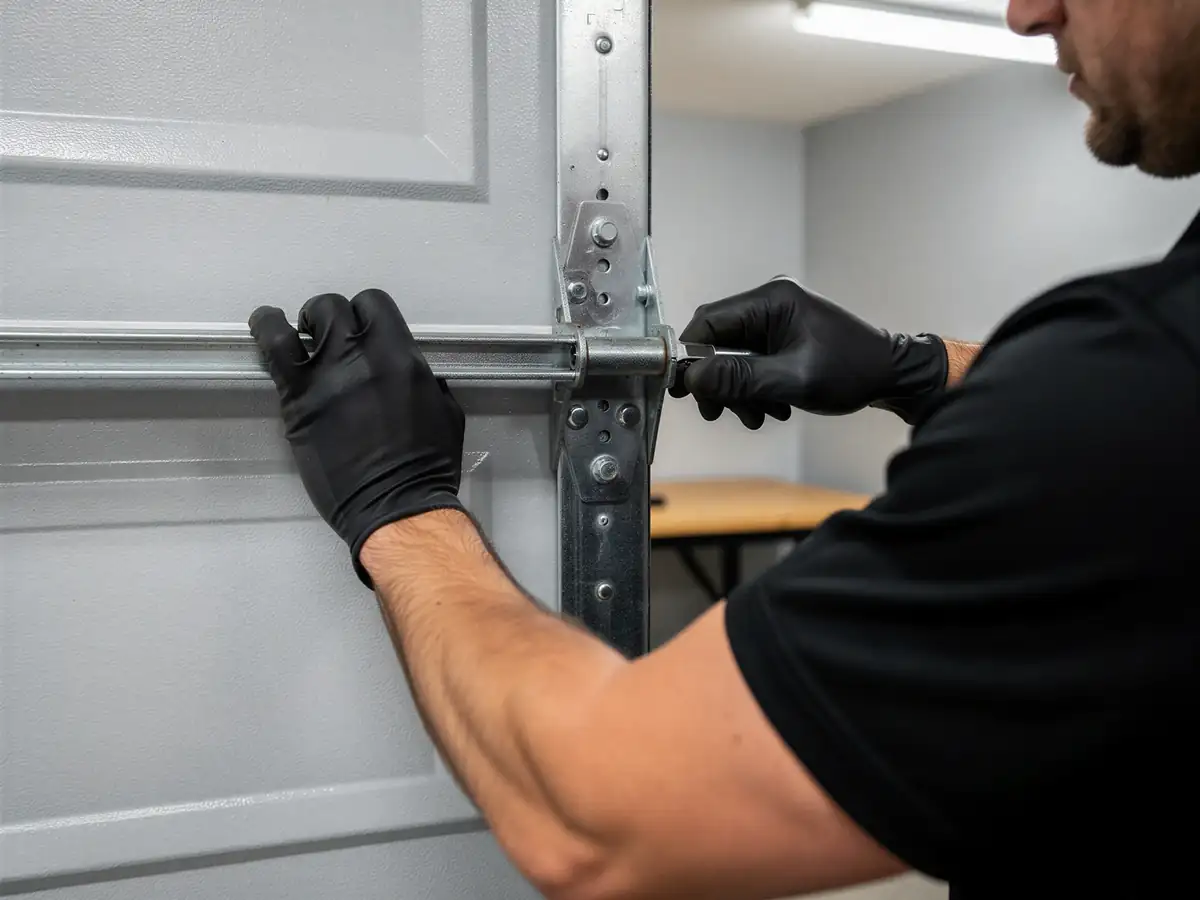
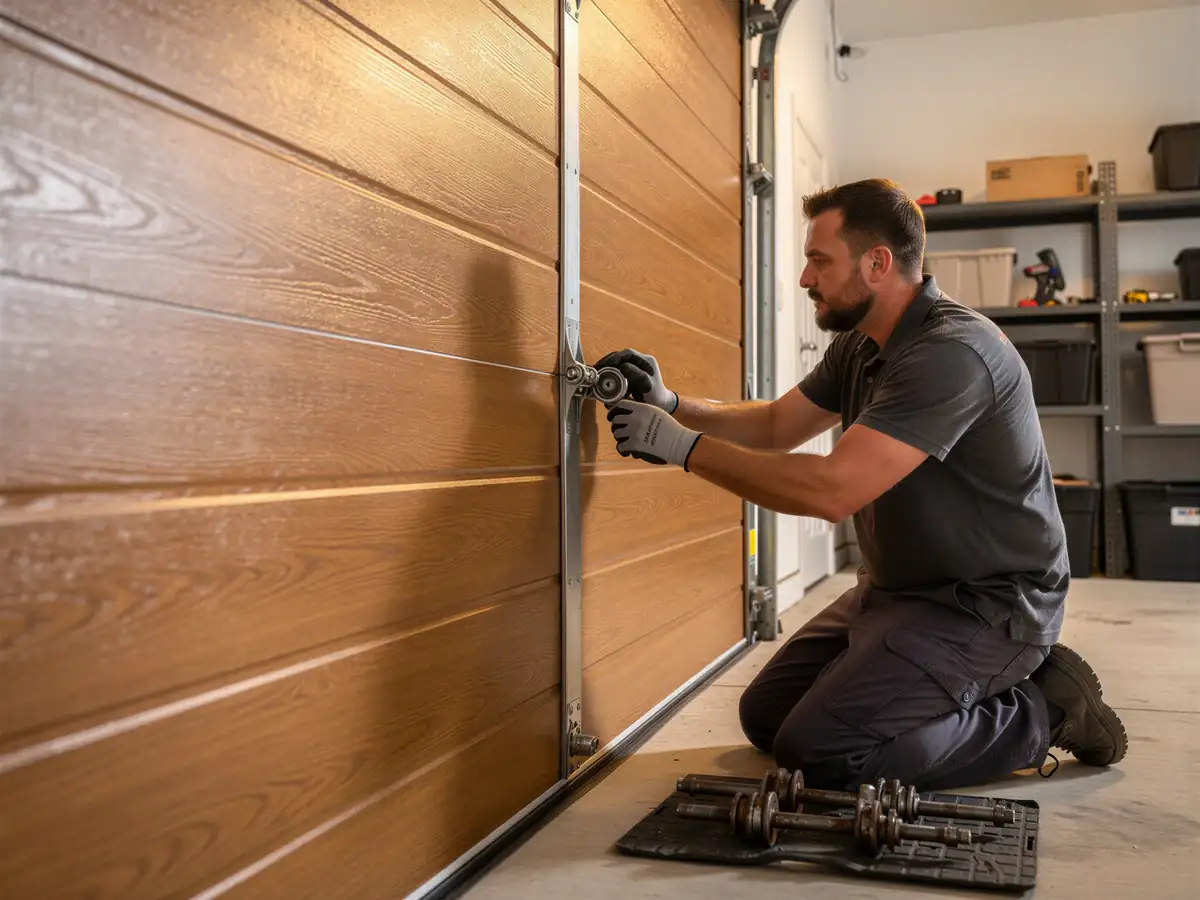
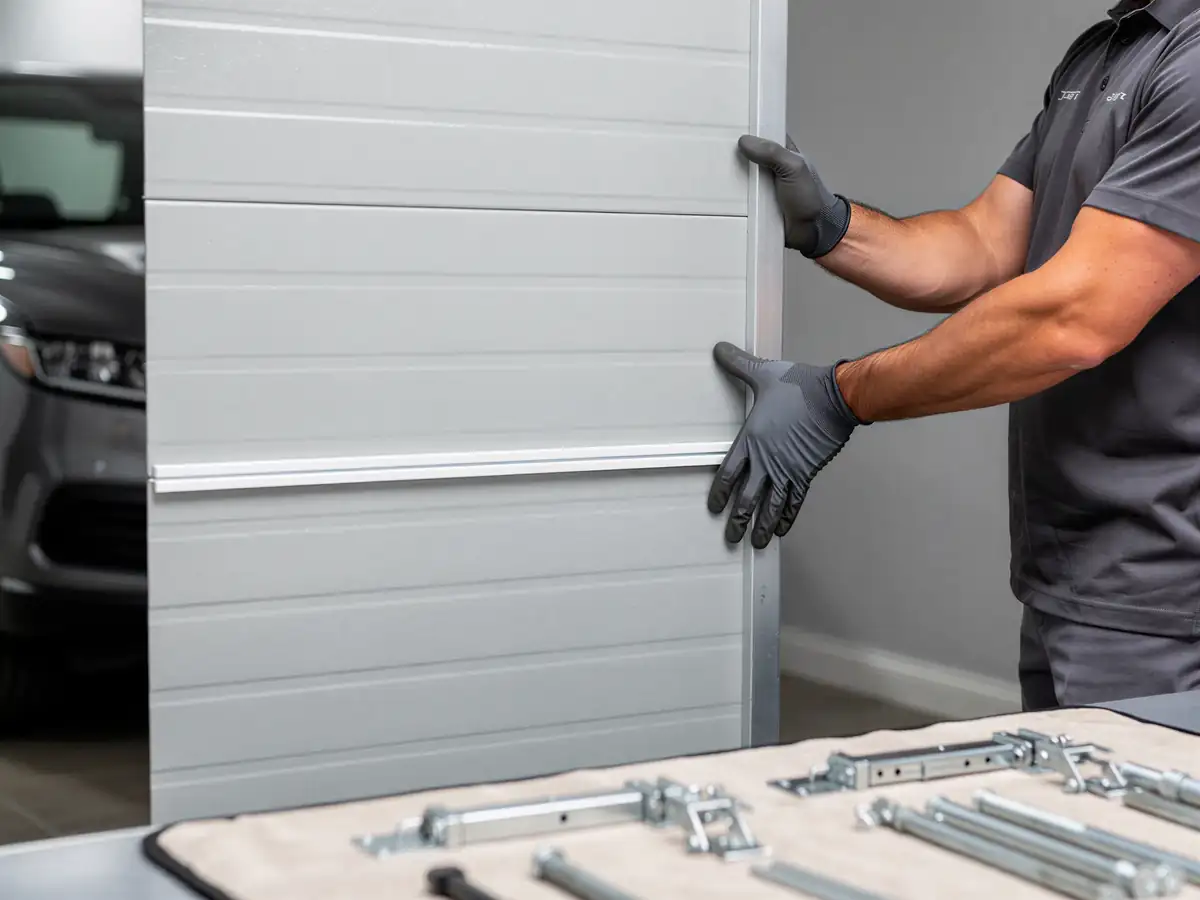
A single cracked or caved-in panel looks like a bolt-off, bolt-on job, and on paper it is. You pull the hinges, unbolt the panel from its neighbors, and slide a new section into the track. The trouble starts when you go looking for that panel. Most garage doors around Champaign went up somewhere between 1956 and 2000, with a lot of the stock dating to the late 1970s, and manufacturers do not keep molds and paint runs going for forty-plus years. You can order a generic replacement panel, but matching the ribbing pattern, the panel height, and the finish on a door that old is close to a coin flip. We've had homeowners buy a panel online that bolted on fine and looked wrong from the driveway for the next ten years. If the door is a common size and a newer model, DIY panel swaps are reasonable. If it's an older steel door with a discontinued profile, you're better off knowing that before you order anything, not after.
Why This Fails Locally
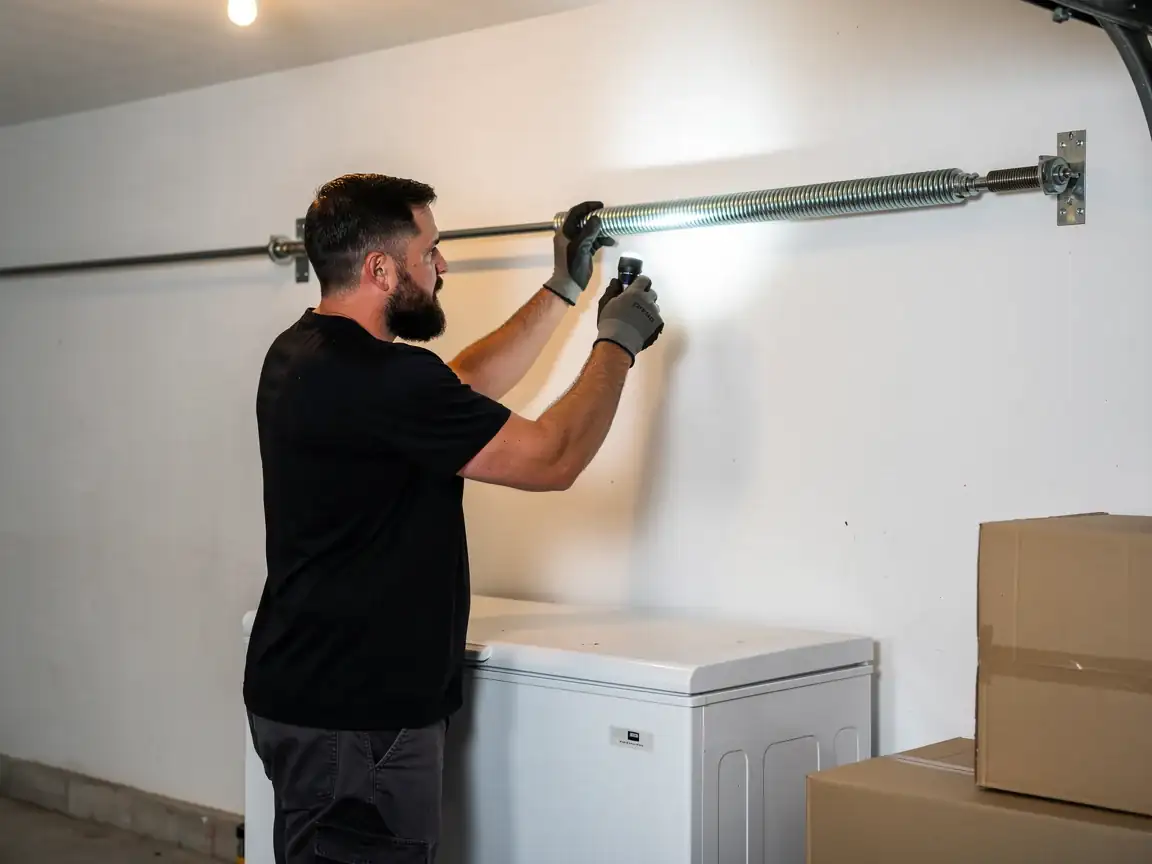
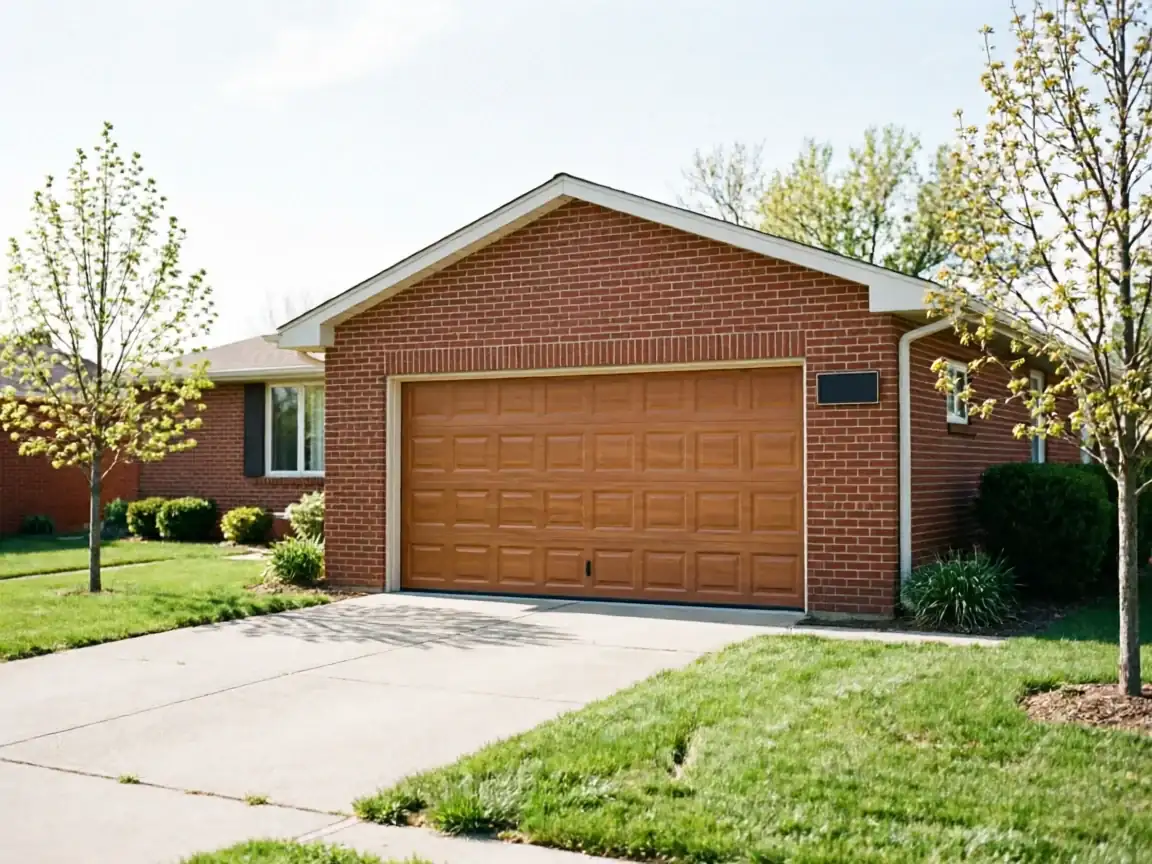
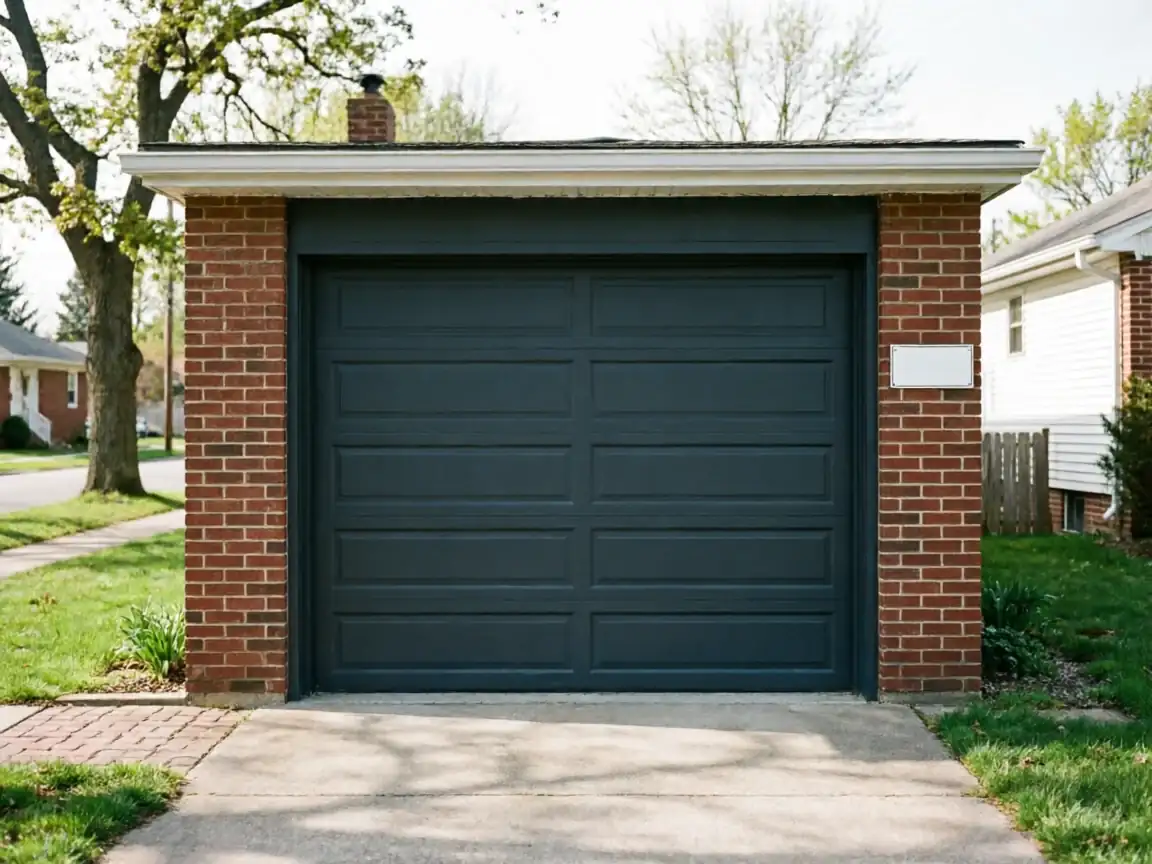
Champaign's housing stock is the actual problem here, not bad luck. With most doors dating to the 1960s and '70s across the twelve communities we cover, a huge share of the doors needing panel work are past the point where the original manufacturer still stocks that line. Pair that with our climate band - cold winters with real temperature swings - and steel panels on older doors take more stress-cracking at the seams than they would somewhere milder. A panel that's fine in July can split along a hinge line in January once the steel contracts and the door's been racked slightly out of square from years of use. That combination - old, specific panel profiles plus a climate that punishes any existing flex in the steel - is why panel replacement calls here skew toward doors built before 2000 rather than newer ones. On a newer door, a cracked panel is usually a one-off accident. On an older one, it's often the first visible sign that the whole door is near the end of its run.
Time on the Job
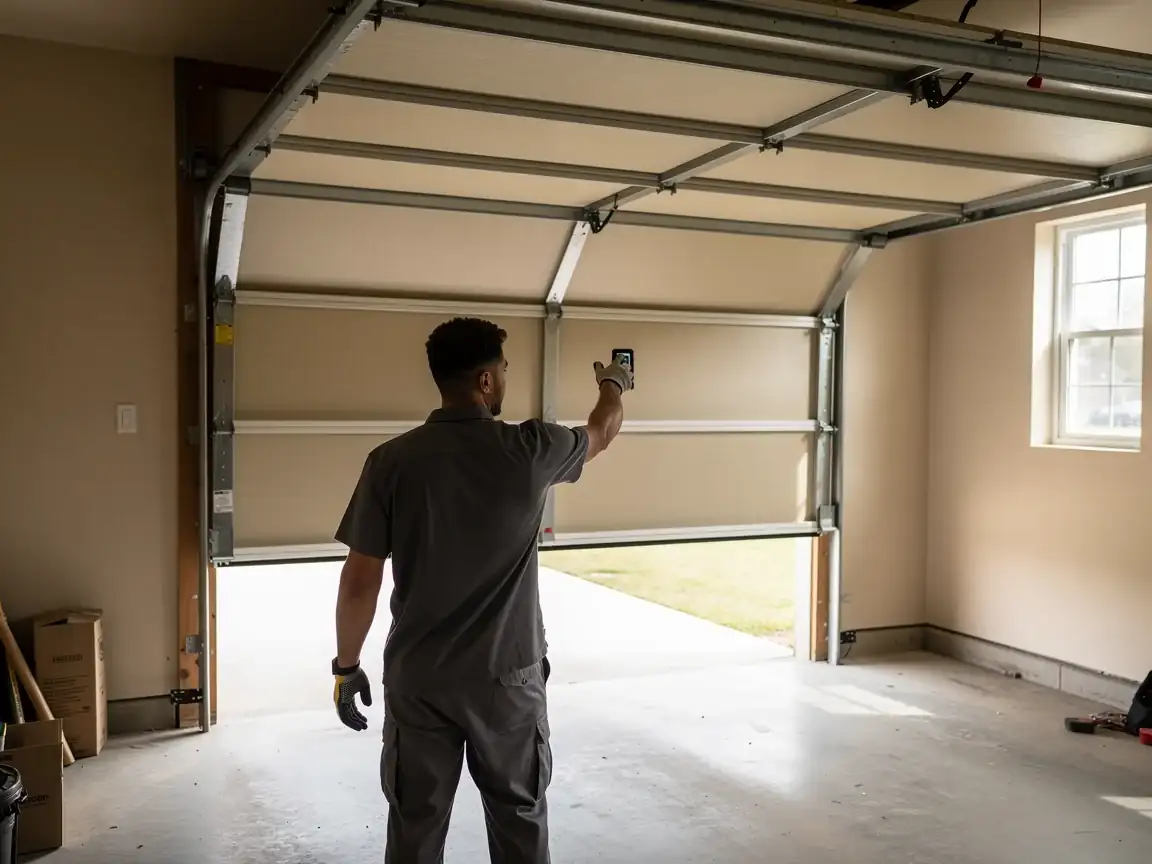
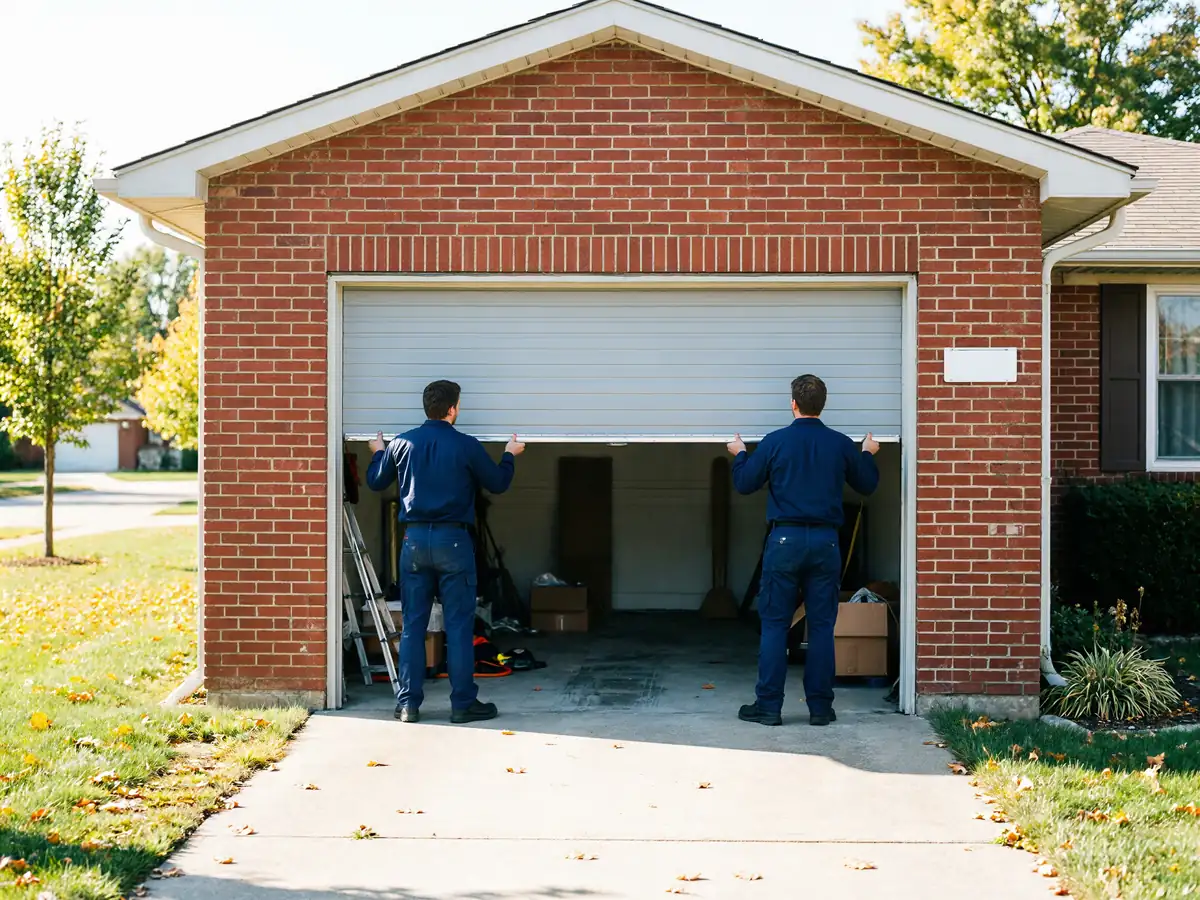
A straightforward single-panel swap on a common door size is usually a same-visit job once the panel is on the truck or in stock. The part we can't control is sourcing: if your door is an older, discontinued profile, finding a matching panel can take longer than the repair itself, and sometimes a true match isn't available at all. In that case the honest call is between a close-enough panel that will show a seam line, or moving to a full door replacement instead of chasing a part that doesn't exist anymore. We'll tell you straight which situation you're in before we start cutting anything loose, because half-matched panels on an otherwise sound door are a common regret we hear about after the fact.