What to Check
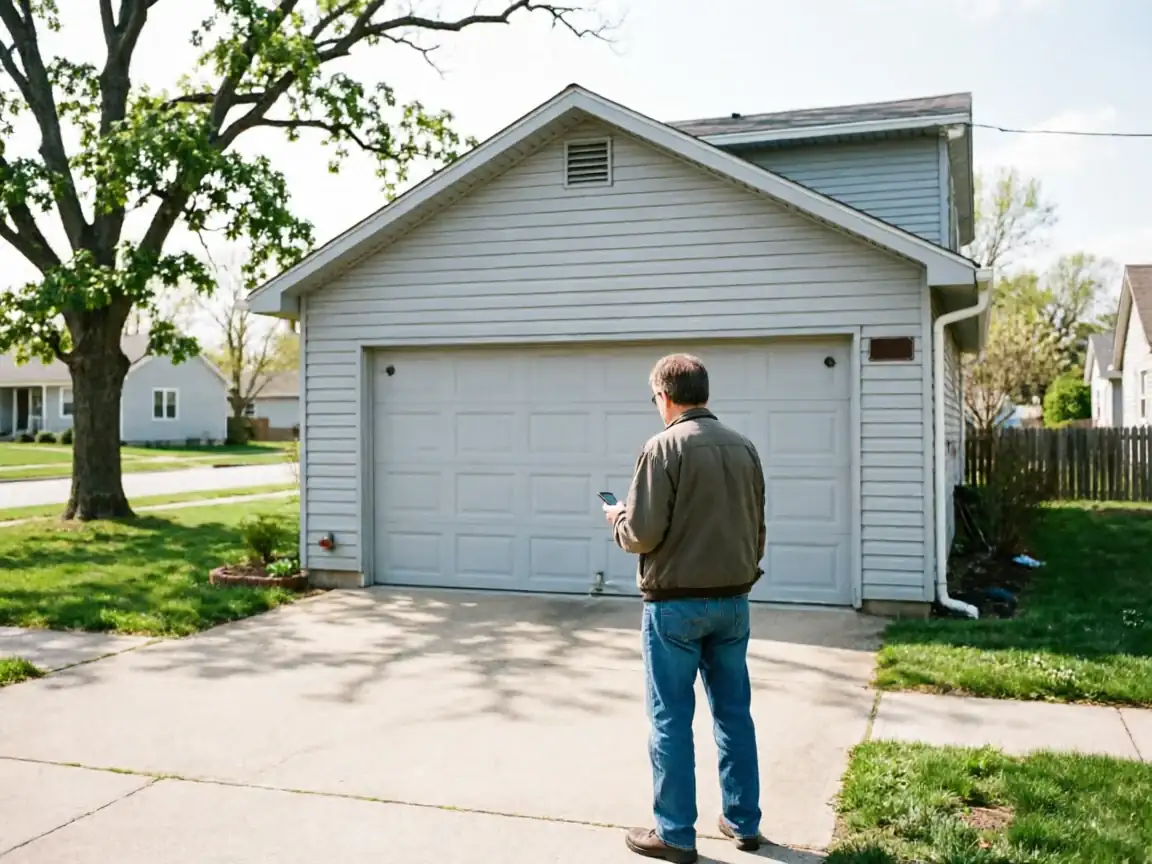
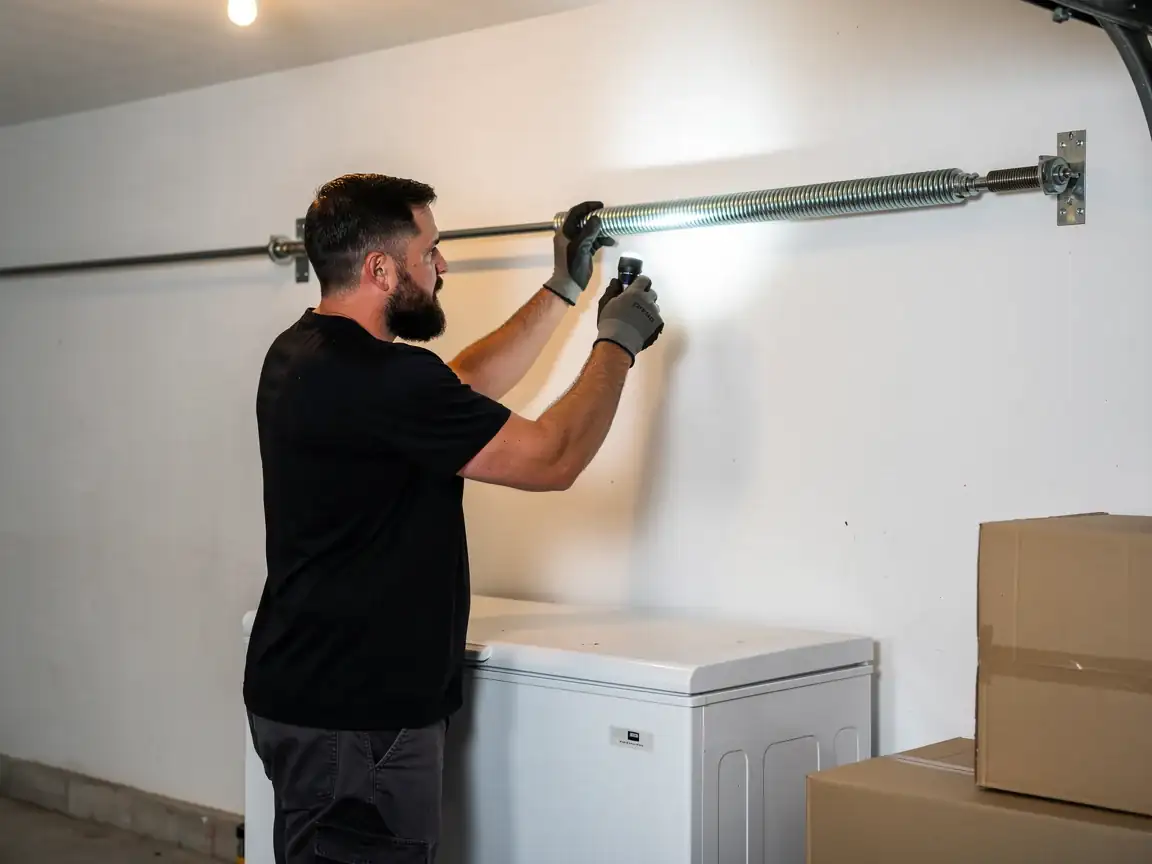
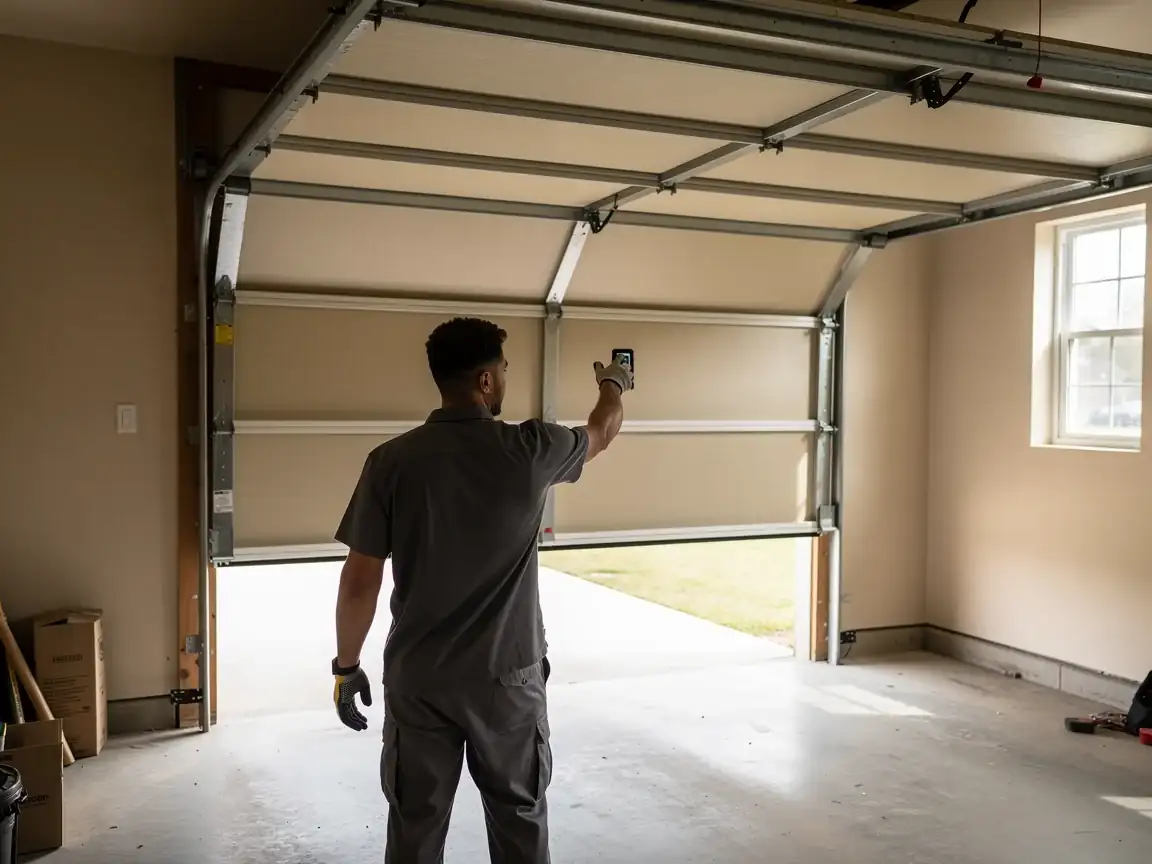
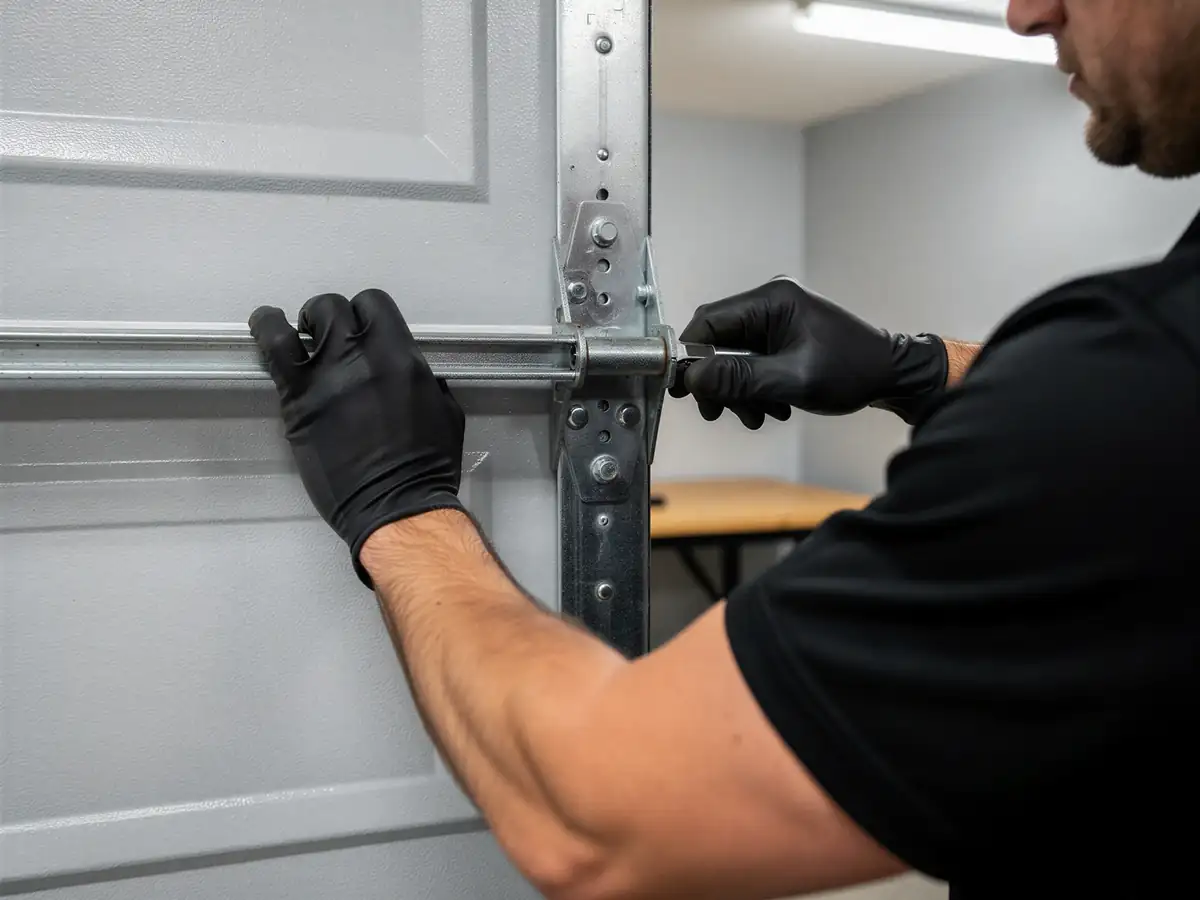
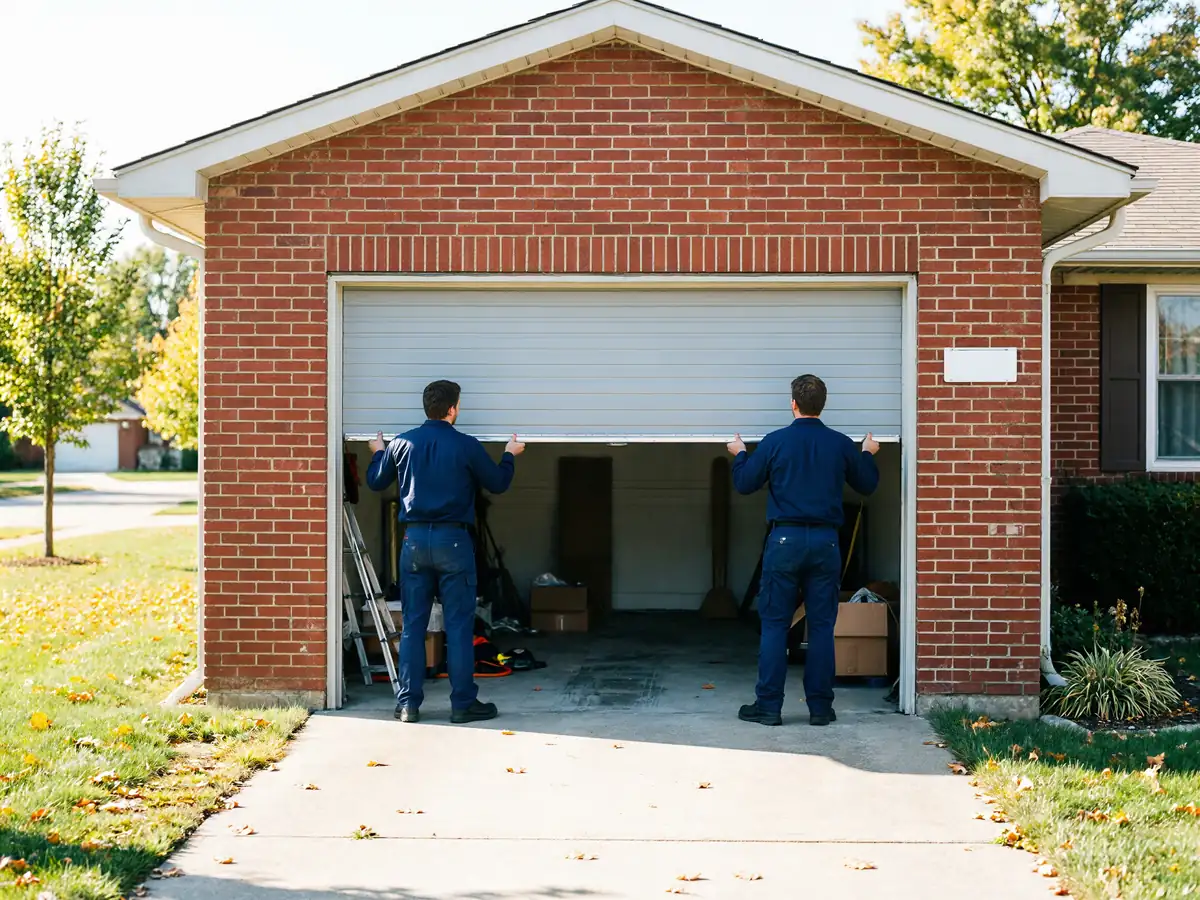
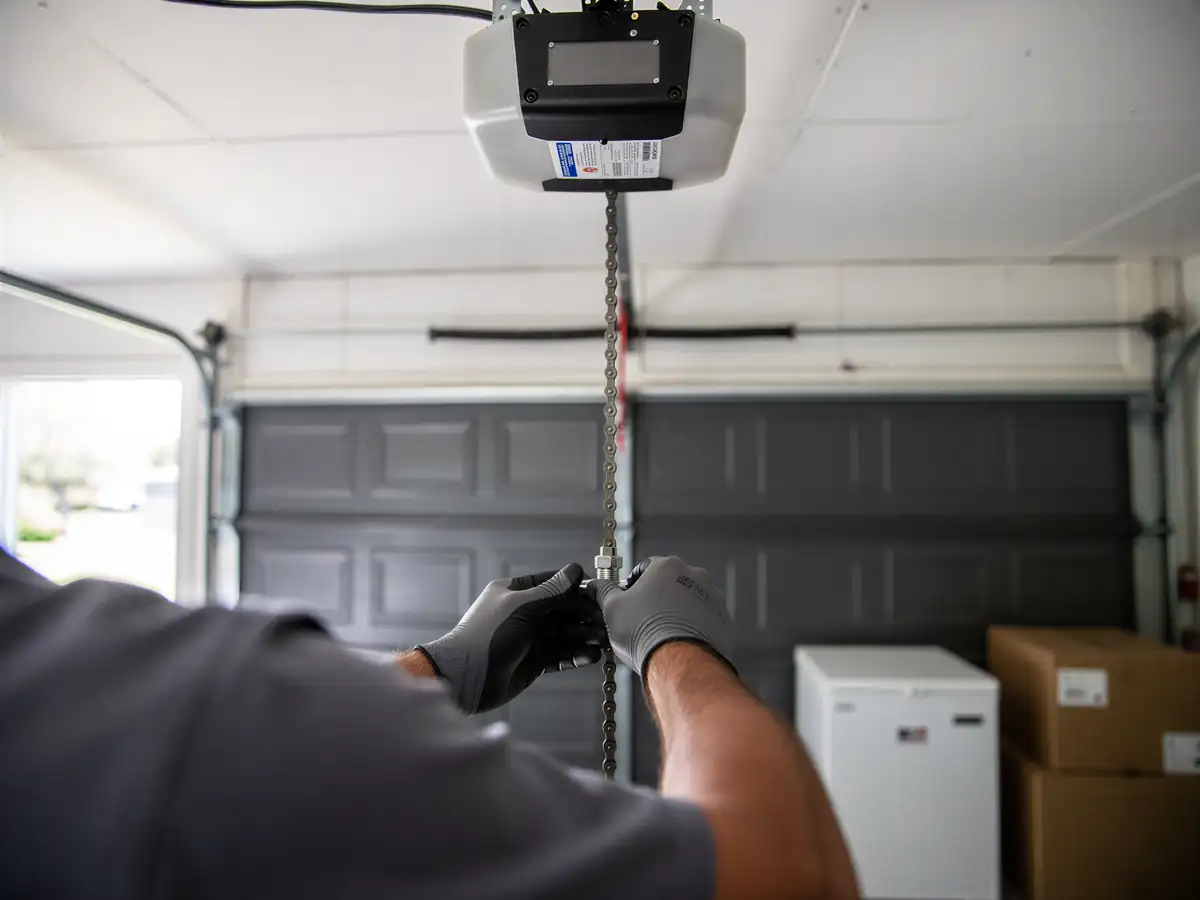
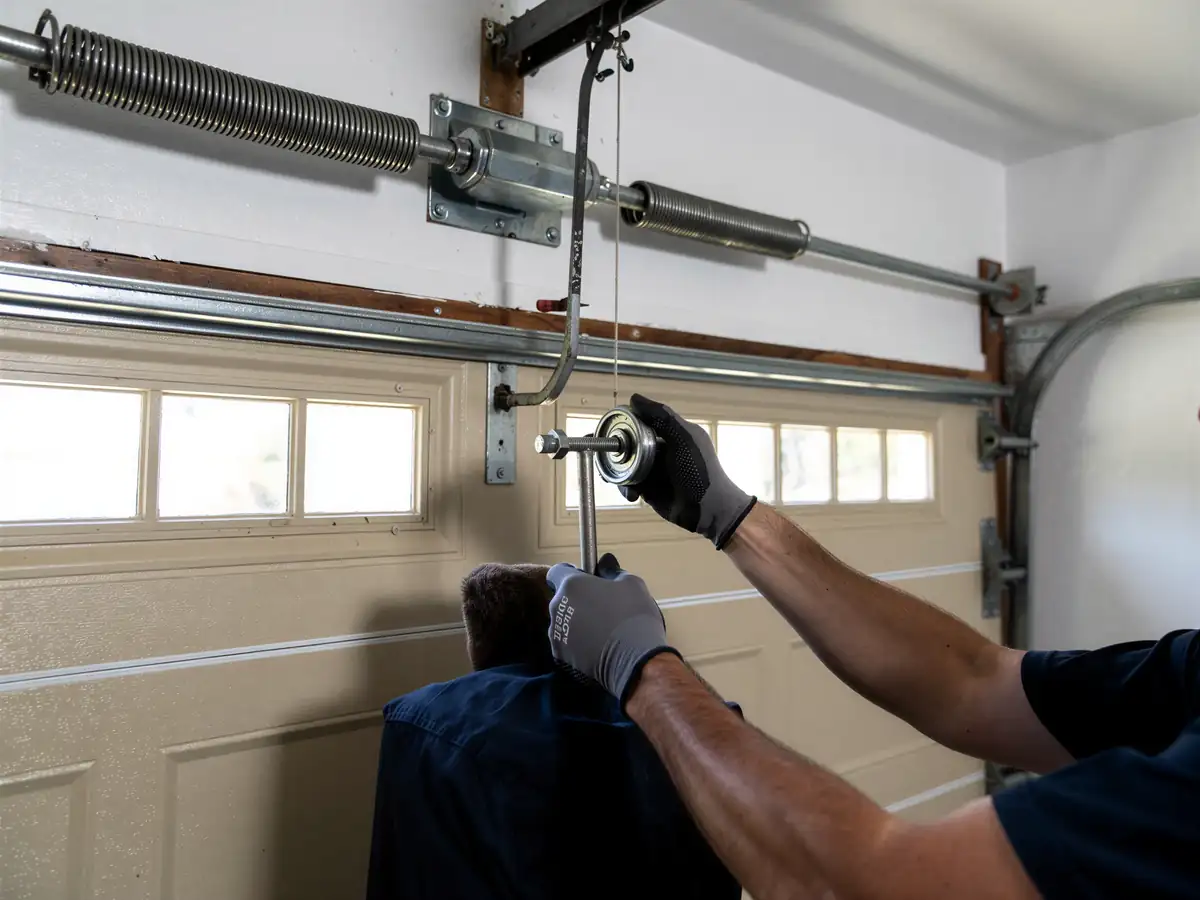
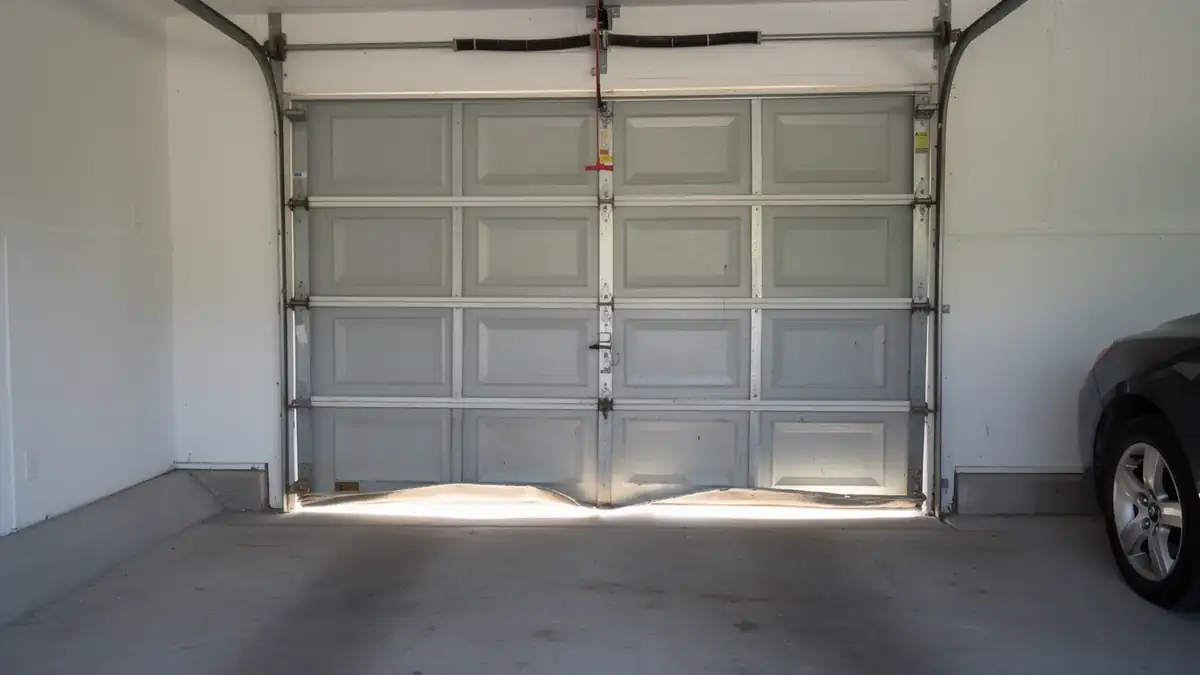
Housing across the Champaign service area runs 1956 to 2000, with the median sitting around 1978 and most of the stock concentrated in the twelve named areas we cover, mainly from the 1960s and 70s. That matters for what you check first. Start with the spring. A torsion spring installed when the house was built has had forty to sixty years to fatigue, and a lot of them are still the original size even though doors got heavier over the decades as owners upgraded from thin steel to insulated panels. Next, check the rollers and the track bolts - on a door this age the track is often still mounted into the original jamb, and bolts loosen over that many winters of expansion and contraction. Look at the bottom seal. On houses from this era it's usually a flat rubber strip, not the newer bulb-style seal, and it cracks and flattens with age. Last, pull the release cord and lift the door by hand to shoulder height. If it won't hold there on its own, the spring tension is off, and that's a sign to call someone before the cable lets go.
What You Pay
We don't have a fixed number to put in this piece, and giving one without a job in front of us would be a guess dressed up as a fact. What we can say is that the Champaign area's median household income sits at $81,703, which puts most jobs here - a spring replacement, a new opener, a full door swap - within range of a planned repair rather than a financed emergency. The honest limitation: if your door and opener are both original to a house built in the 1960s or 70s, you're often looking at replacing more than one part at once, because a dead spring on an old door usually means worn rollers and a tired opener showing up in the same visit. That adds up faster than a single-part repair, and we'd rather tell you that up front than let the first estimate be the surprise.
What Is Going On
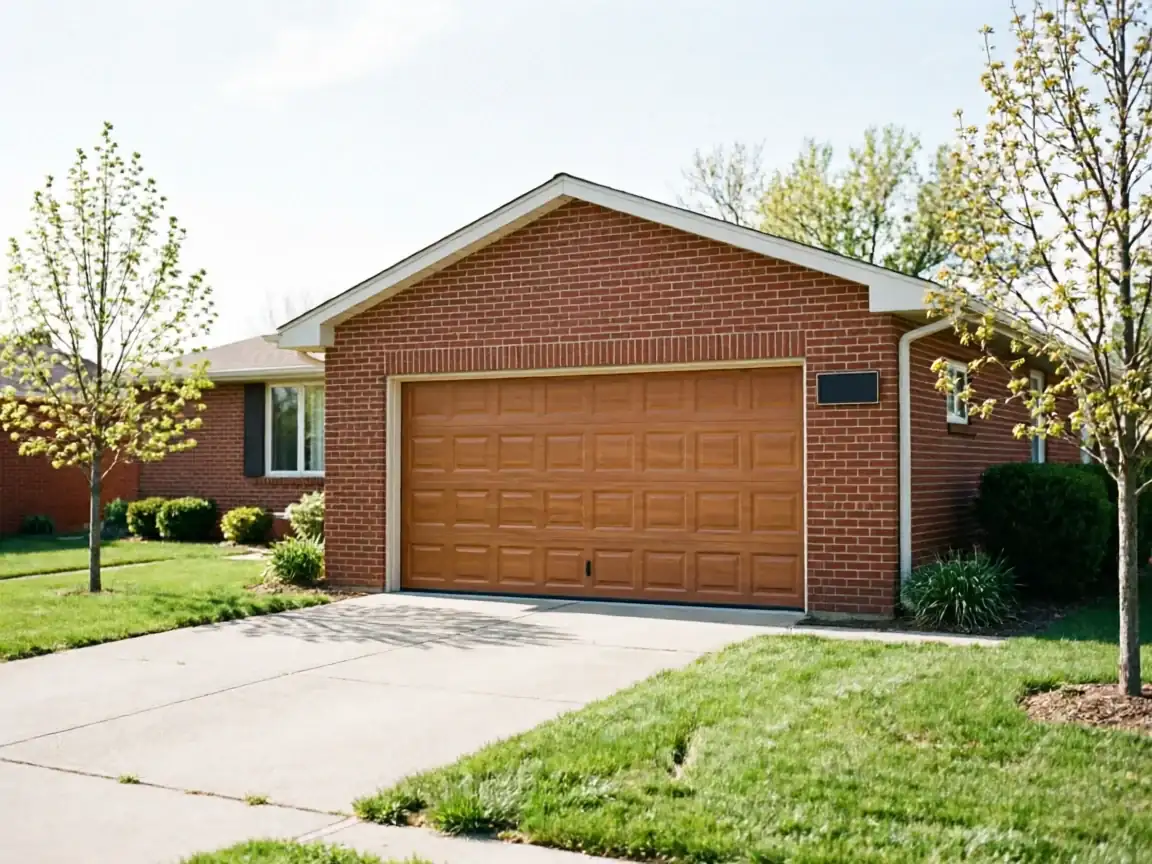
Put the pieces together and the pattern across the Champaign area is pretty consistent: a housing stock built mostly between 1956 and 2000, concentrated in the 1960s and 70s, sitting in a climate that runs hard freeze-thaw cycles every winter, with just over 13,000 owner-occupied houses across roughly 37,000 households in the service area. That combination means a lot of garage doors here are old enough that the spring, the seal, and the opener are all nearing the end of their working life at close to the same time, and cold weather is what tips the first one over. It's not that anything is wrong with how these houses were built - codes were different then, and the doors held up fine for their era. It's that fifty-plus years is a long time for moving steel parts under tension, and the Champaign climate doesn't let a weak spring coast through winter. If your door is original to a house from that window, don't wait for the loud bang of a broken spring to get it looked at.