This Area's Housing
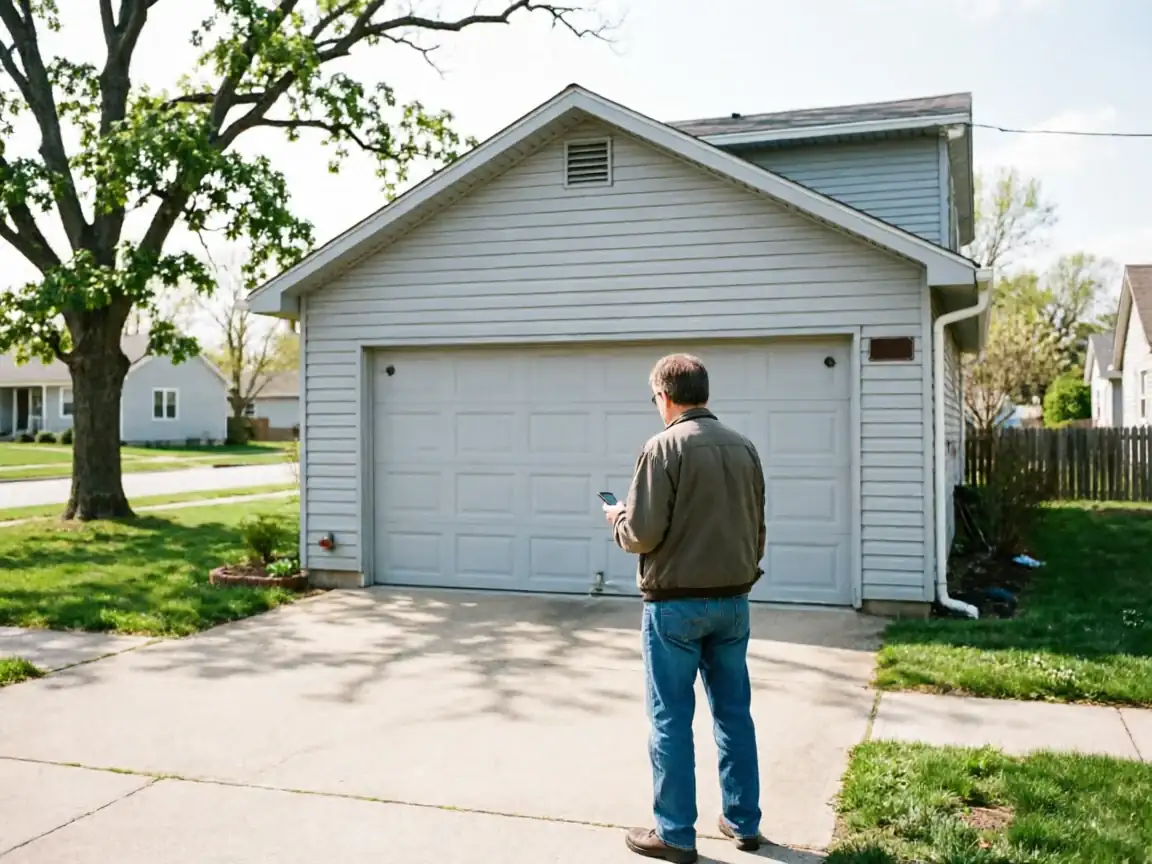
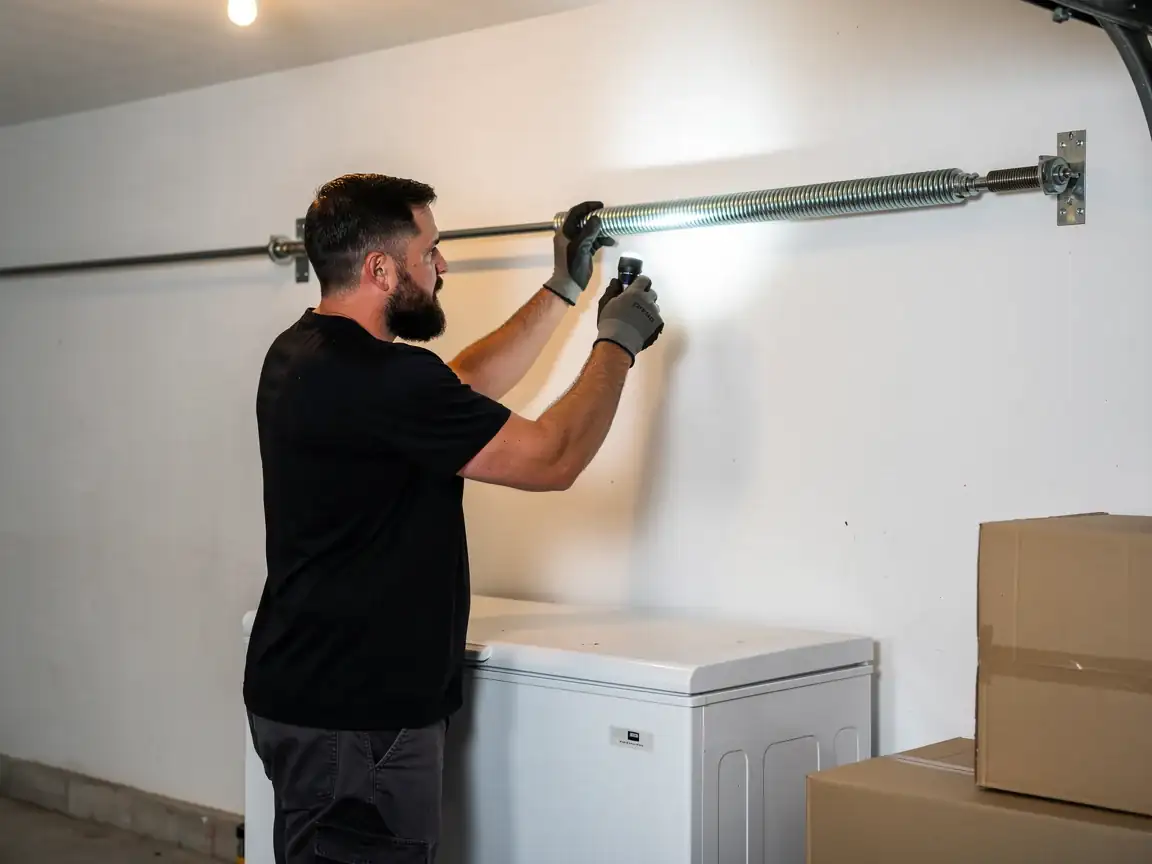
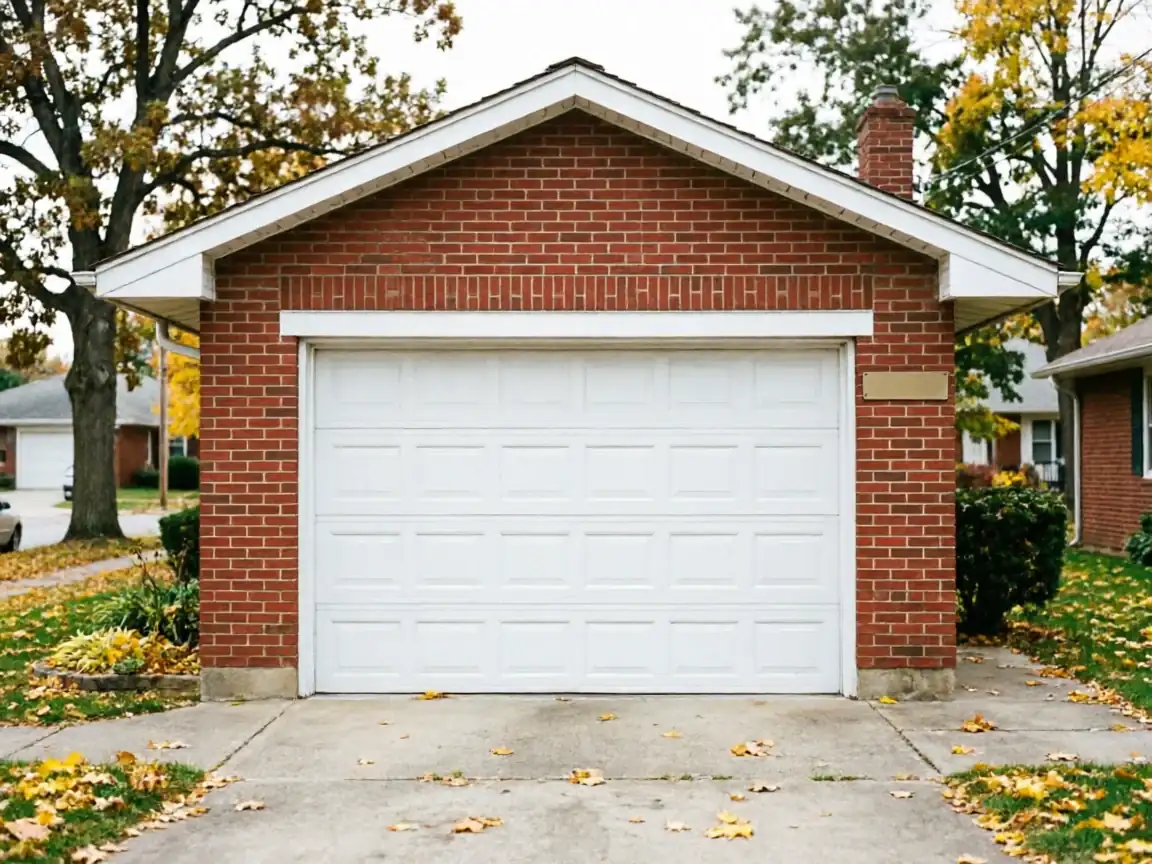
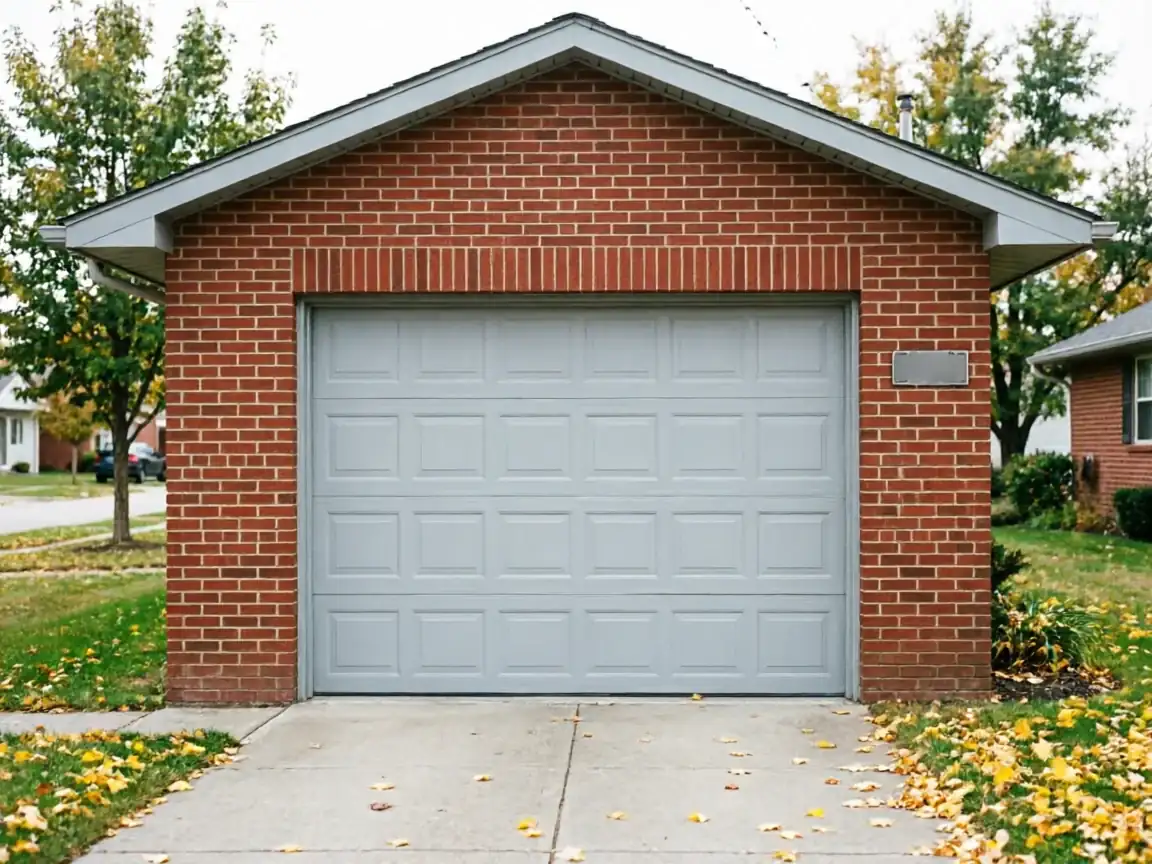
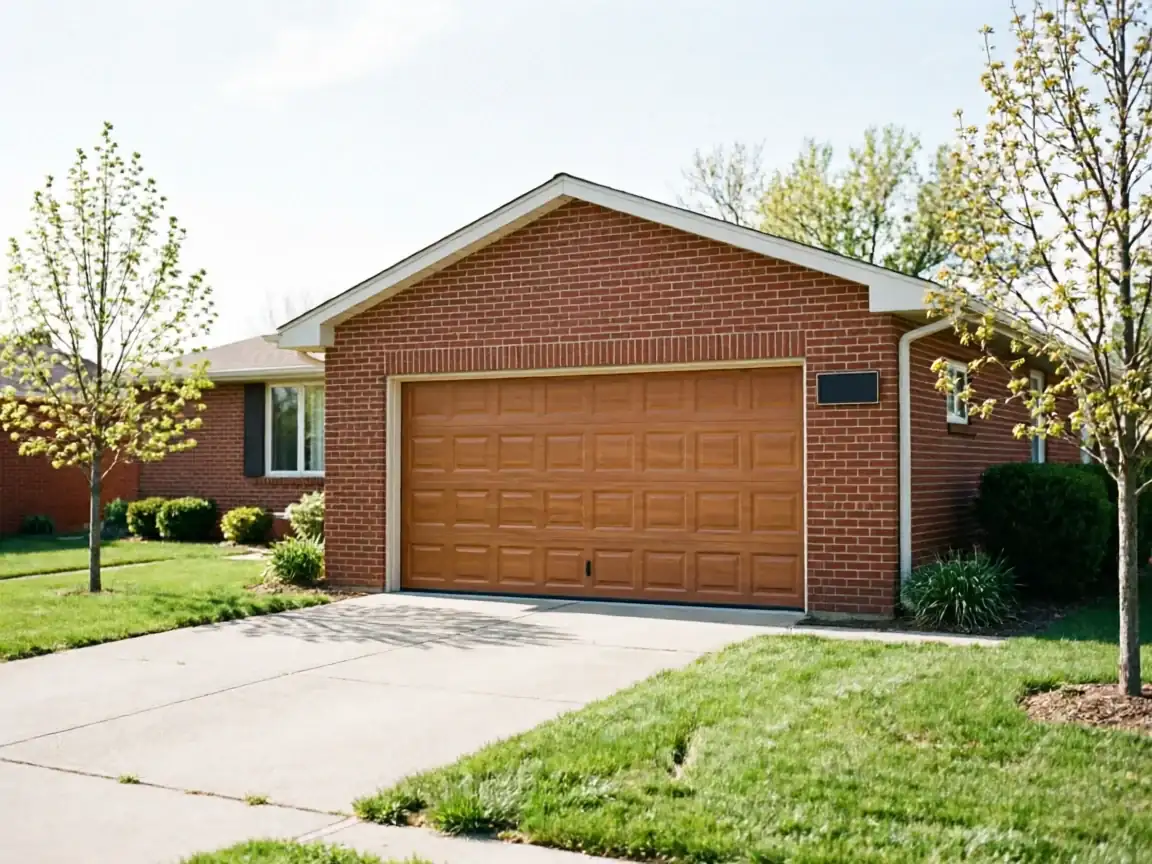
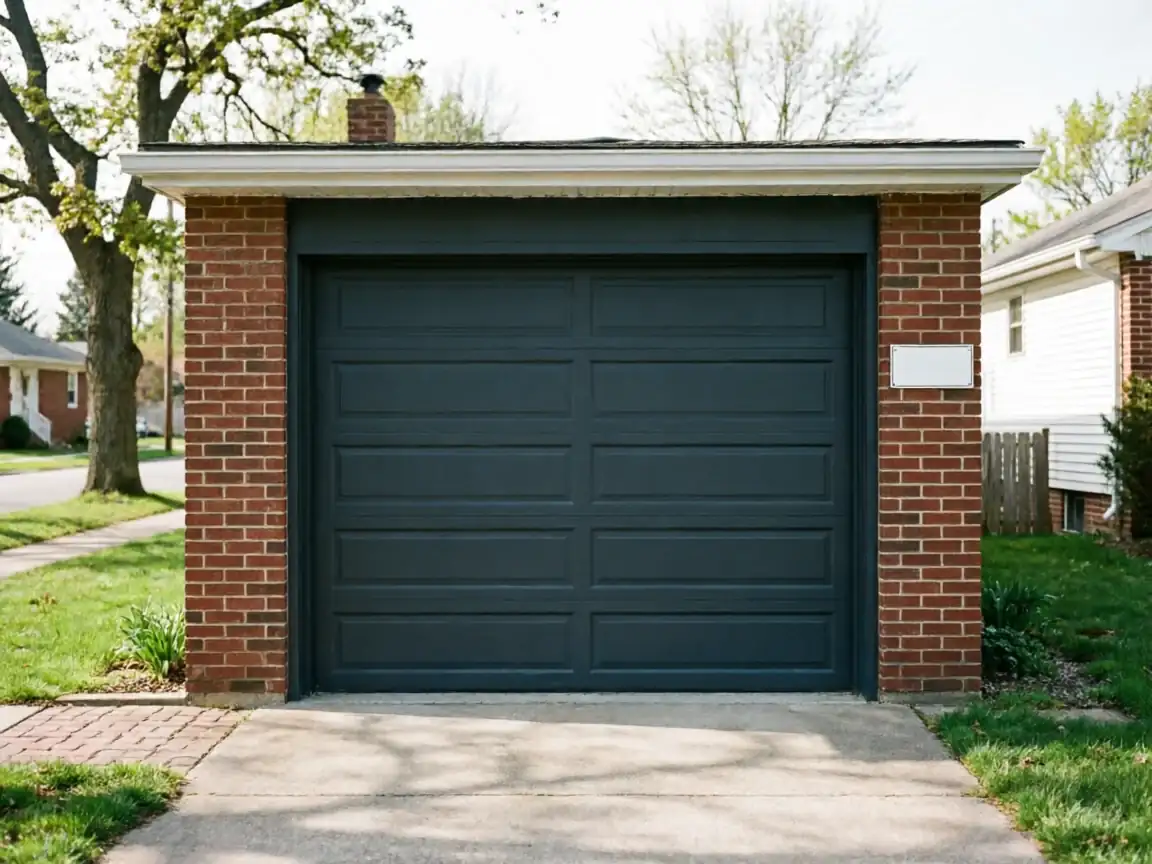
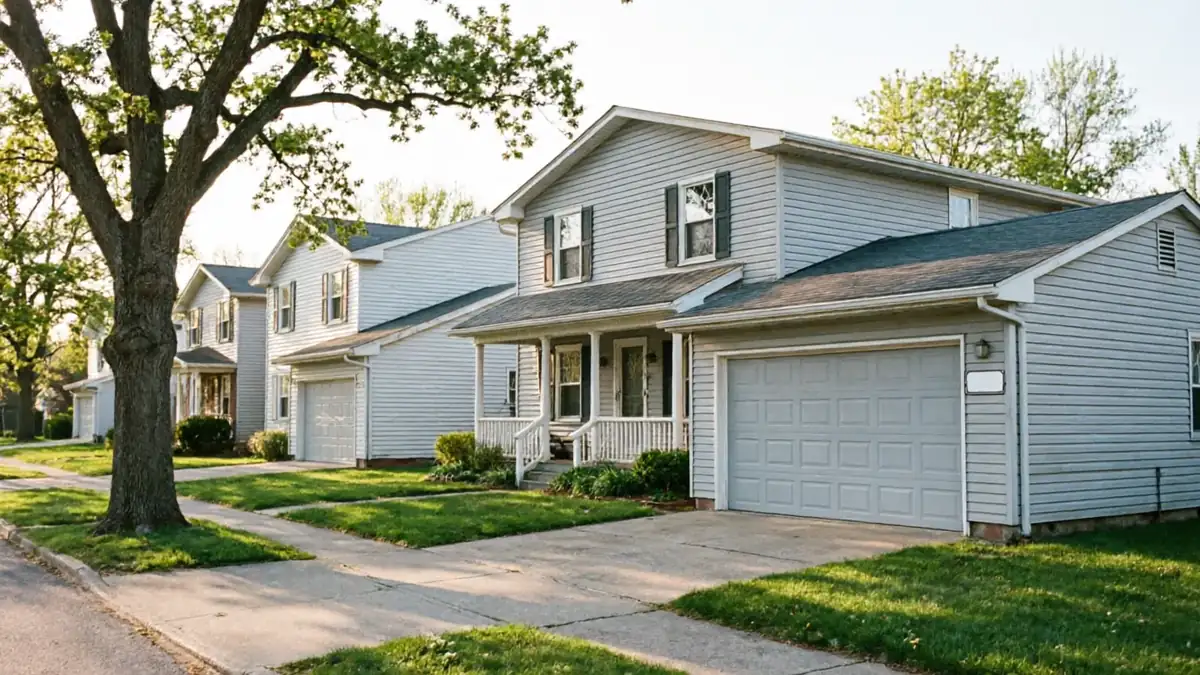
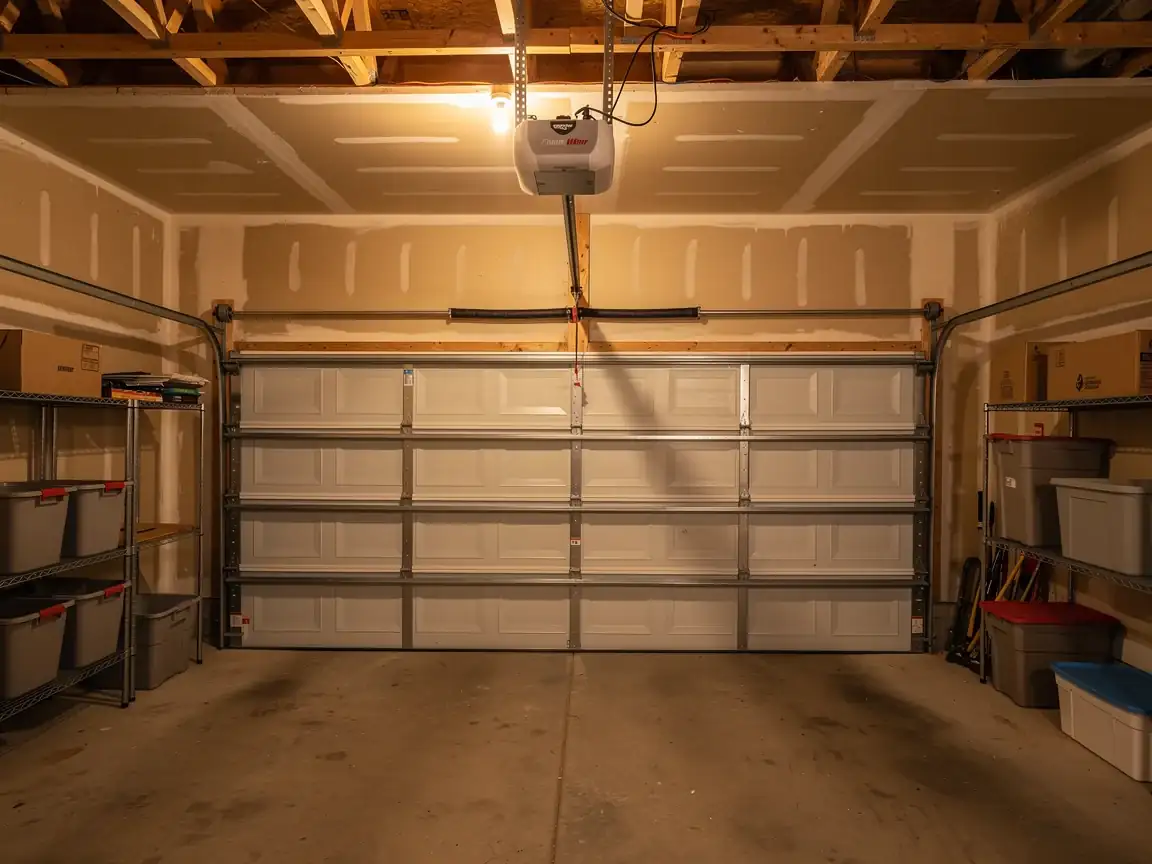
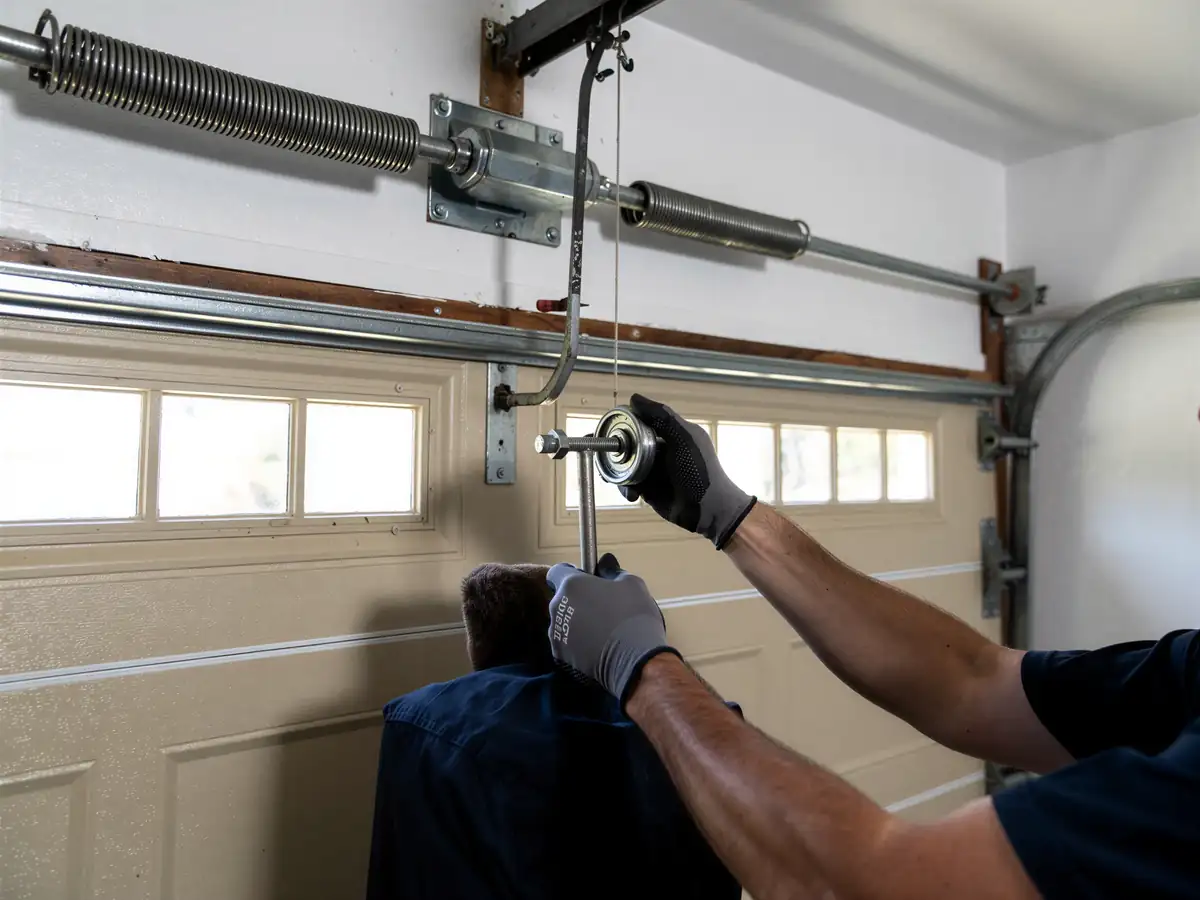
Urbana's housing stock centers on 1979, right in the middle of the 1956-2000 build range we see across this part of the county. That one number matters more than it sounds like it should. A house built in 1979 almost never has the smart-opener wiring or the double-track rollers you'd expect on anything built after 2000. It has a single torsion spring, probably original, rated for a door that's lighter than what most owners put up today when they replace it.
Urbana runs about 16,425 households, and a lot of those houses were built within a tight twenty-year stretch, which means a lot of garage doors are aging out at roughly the same time. When one spring on a street starts going, it's rarely the only one close to failing. Median household income here is $45,854, noticeably below the $81,703 median across the wider service area, and that gap shows up in how people make repair decisions - more patch jobs, fewer full tear-outs, more owners asking what they can fix instead of replace. We don't push a new door on a homeowner who just needs a spring and a tune-up.
Old Streets and New Ones
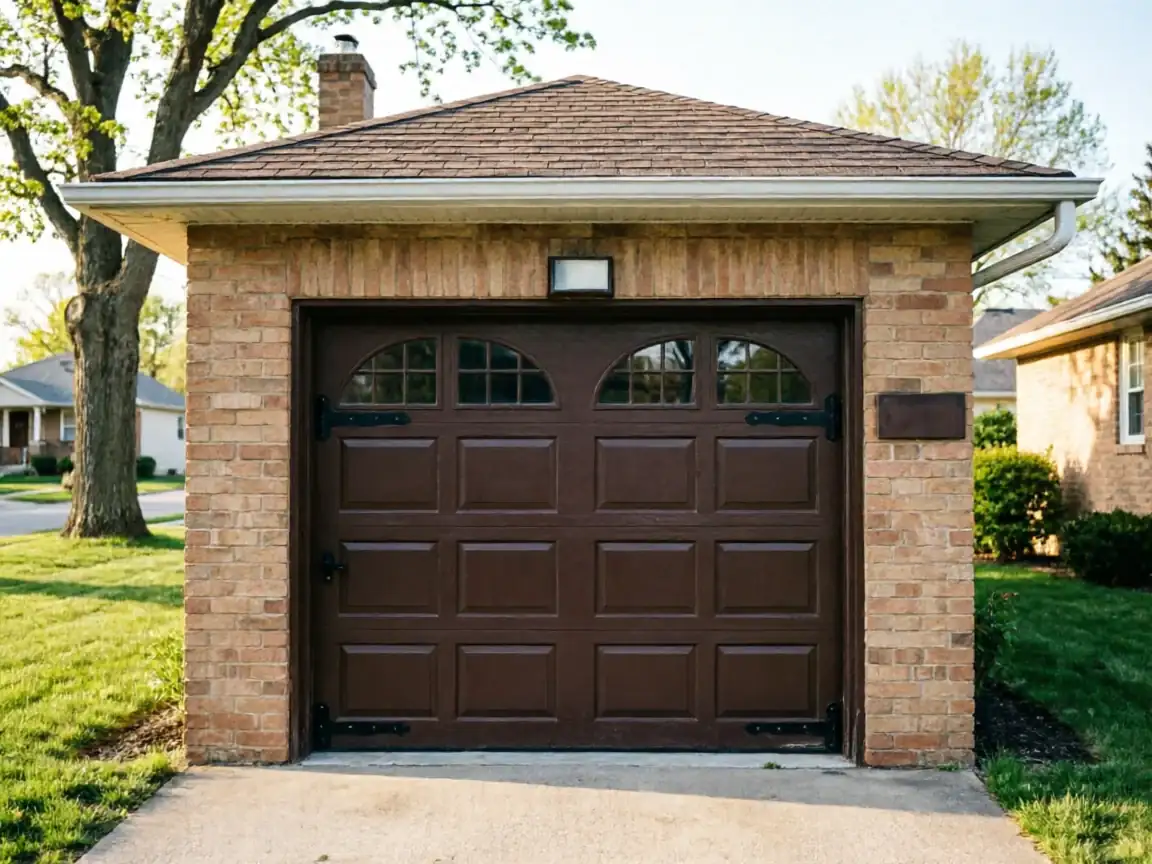
A 1979 build year doesn't mean every Urbana garage door is the same age. Plenty of these houses have had one replacement door already - something put in during the 1990s or 2000s when the original gave out - sitting on hardware that's still from the original install. That mismatch is common enough that it's worth checking both the door and the track separately instead of assuming they match.
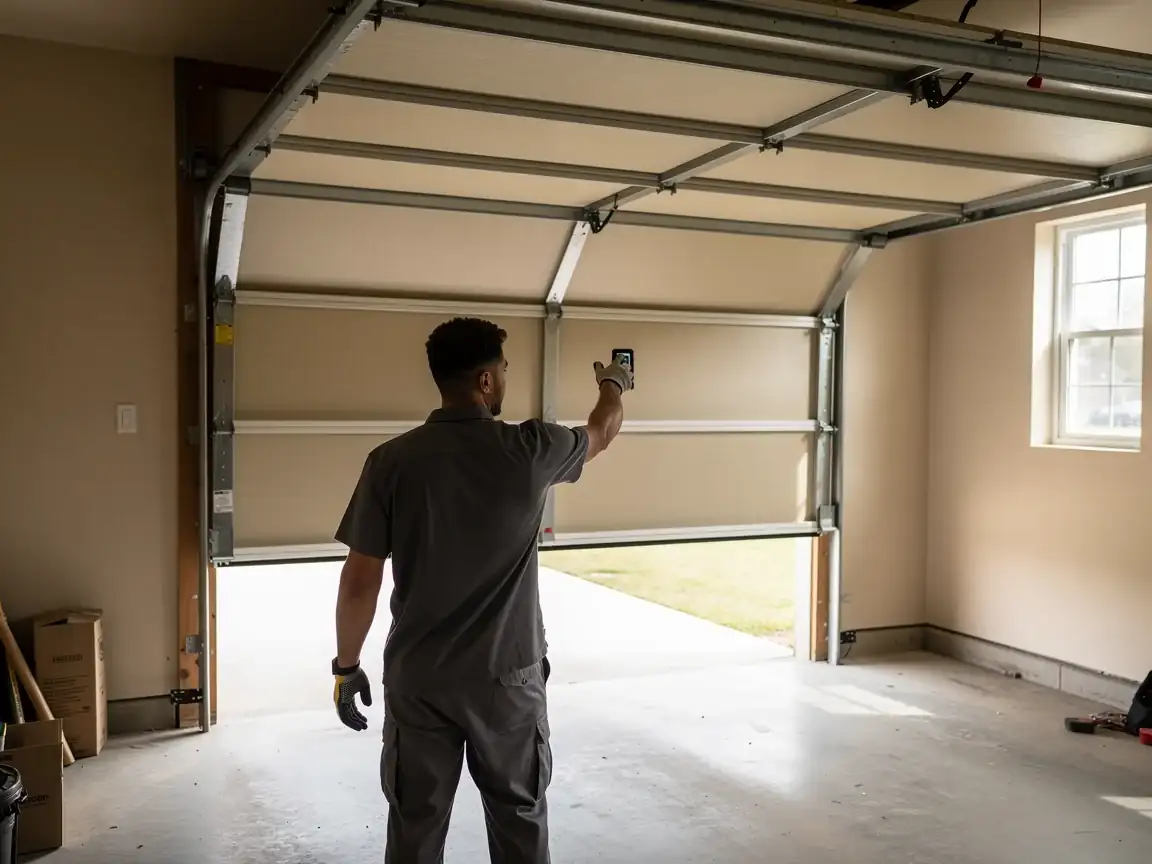
What we don't have is a street-by-street map of which blocks got early replacements and which didn't. What we do know is the range: houses here mostly date from 1956 to 2000, with Urbana's own median landing at 1979, so the oldest and newest garage doors in the same neighborhood can be two full generations apart in spring type, track width, and opener mount. If you're not sure which generation your door falls into, that's a five-minute thing to check before any repair starts, not after.
Getting Here
Urbana sits four miles from Champaign, which is where Champaign Garage Door Pros runs from
We don't have a depot or a standing crew in Urbana itself - every job here is a drive from Champaign, same as it would be to any other town in the coverage area. Four miles is short enough that it doesn't change how a job gets scheduled; it's one of the closer towns we reach, alongside Savoy, which sits at the same four-mile distance.
We're not going to tell you a response time we don't have data for
Because we don't have that number broken out by town. What we can say is that Urbana's proximity to Champaign means there's no extra routing or long haul built into a visit here the way there might be for towns further out like Monticello or Villa Grove, which run 17 and 18 miles out.
- 18 miles
How That Shows Up in the Door
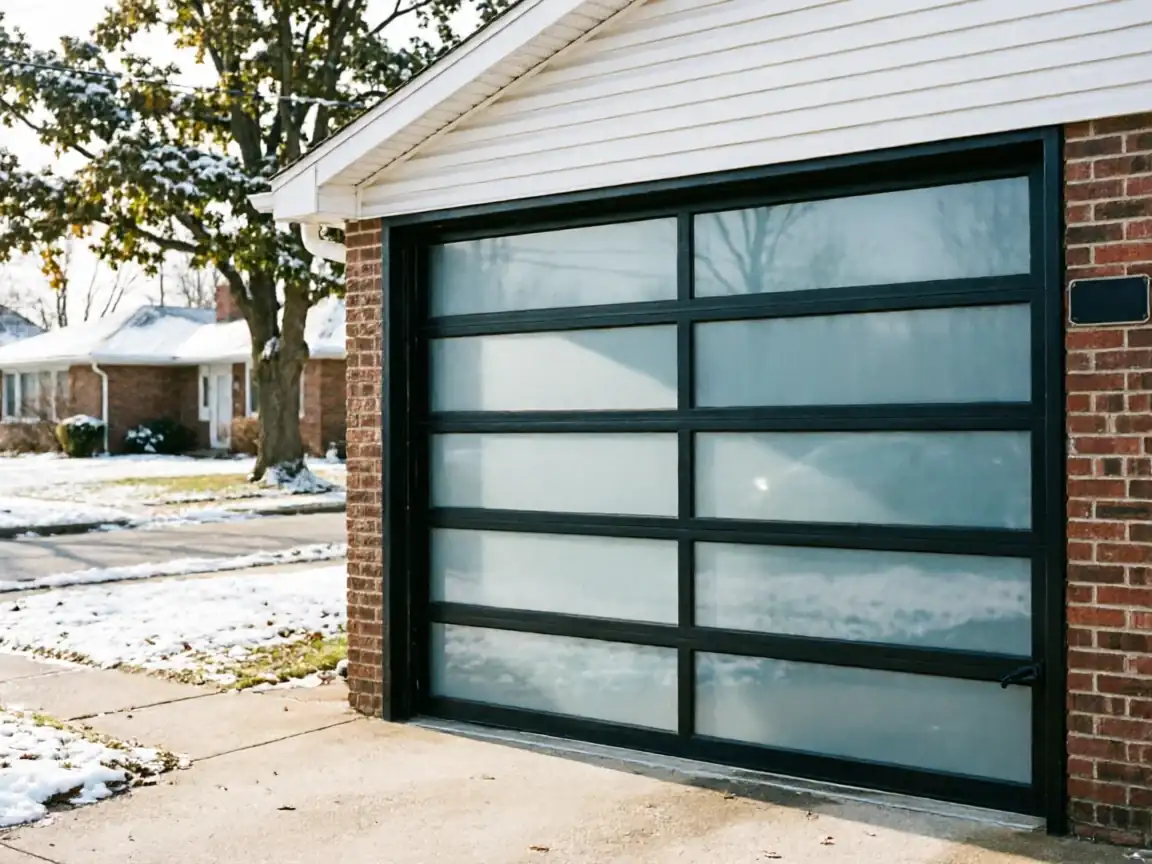
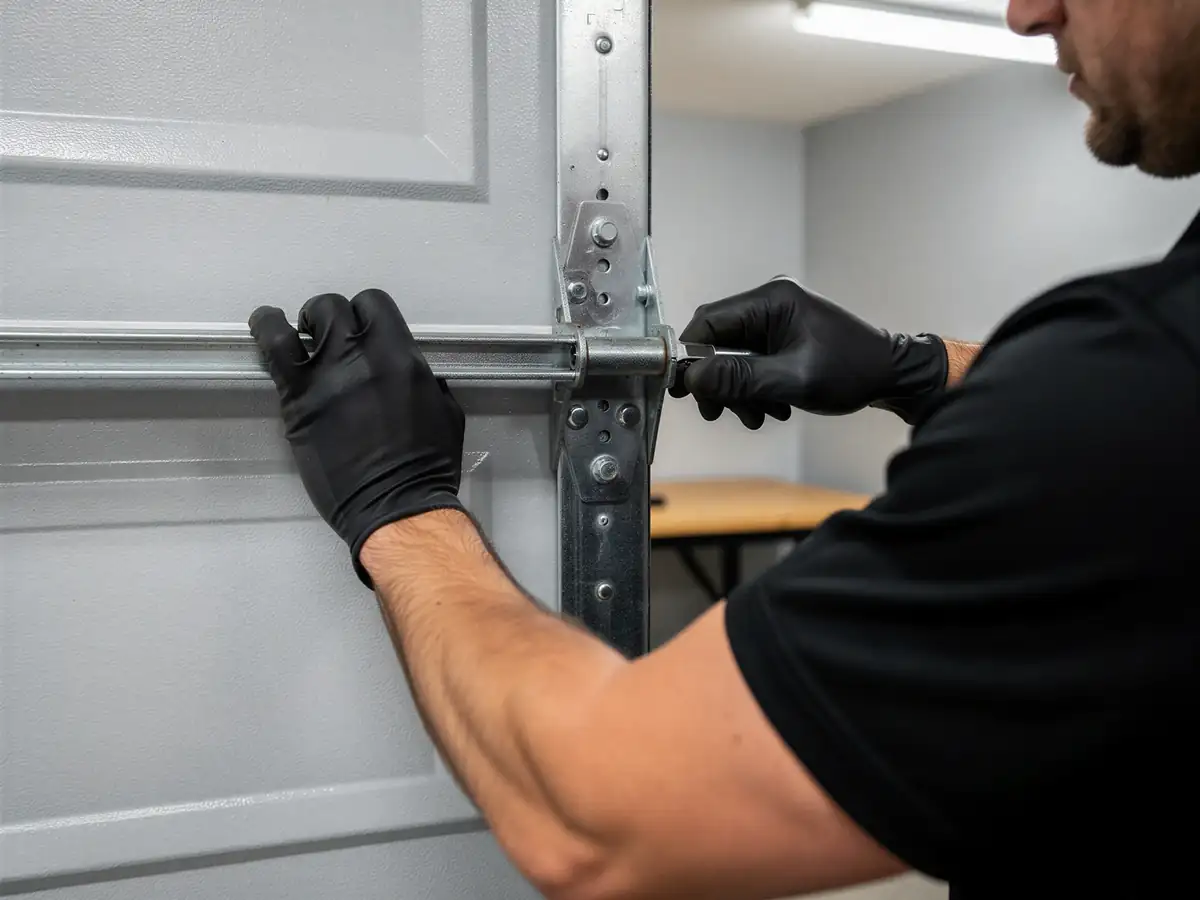
Put the build year and the climate together and you get a specific, predictable failure pattern. This area sits in a cold, moderate climate band, which means steel sectional doors go through a real freeze-thaw cycle every winter - metal contracts, weatherstripping hardens, and anything original to a 1979 install has usually seen forty-some winters of that by now. The torsion spring on a door that age is the first thing to go, usually in the cold months when the steel is tightest and the spring is working hardest to lift it.
We see this pattern often enough in Urbana that it's not a guess: a broken spring on an original door, a track that's slightly out of plumb from decades of settling, and weatherstripping that's cracked rather than worn smooth. None of that means the door needs replacing. A spring swap and a track adjustment usually gets another decade out of a door this age, and we'd rather tell a homeowner that than sell a new door nobody needs yet.