How We Fix It
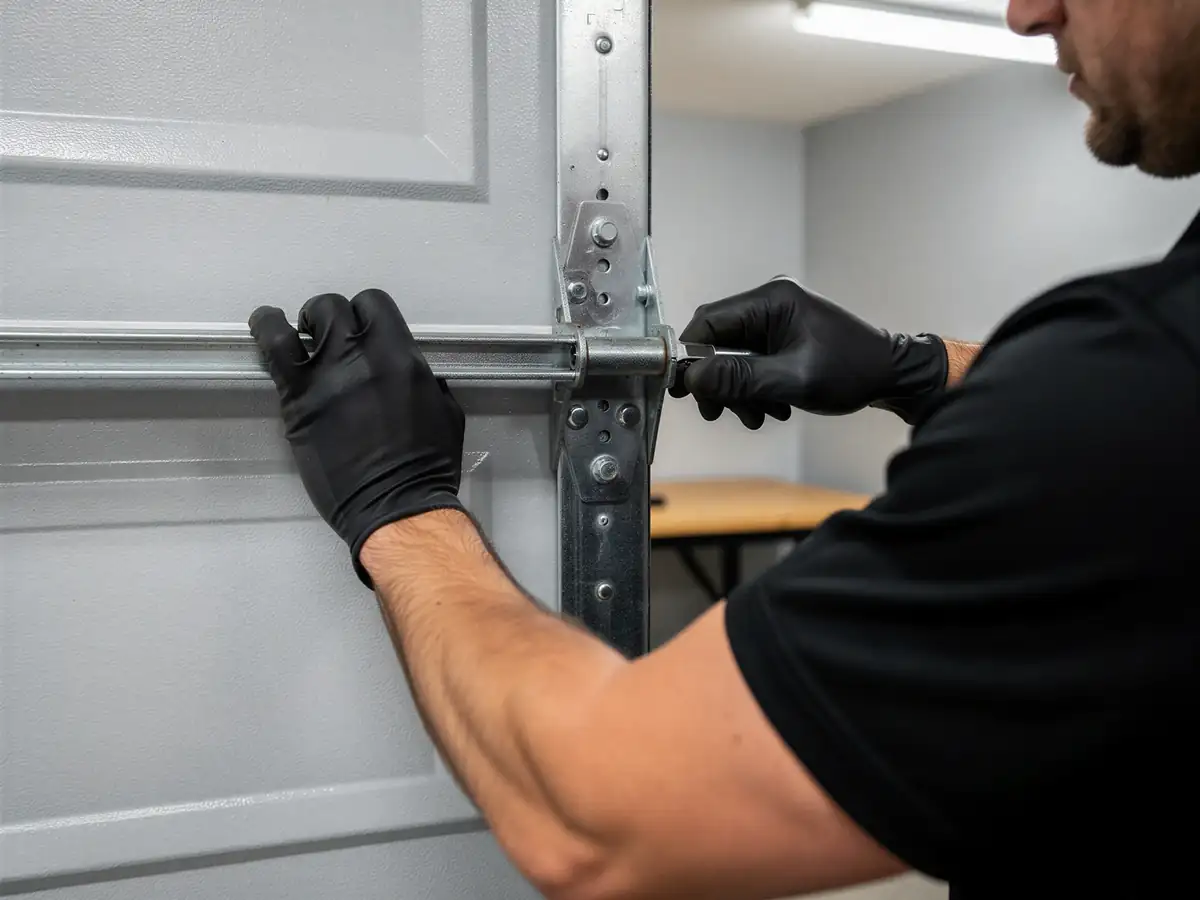
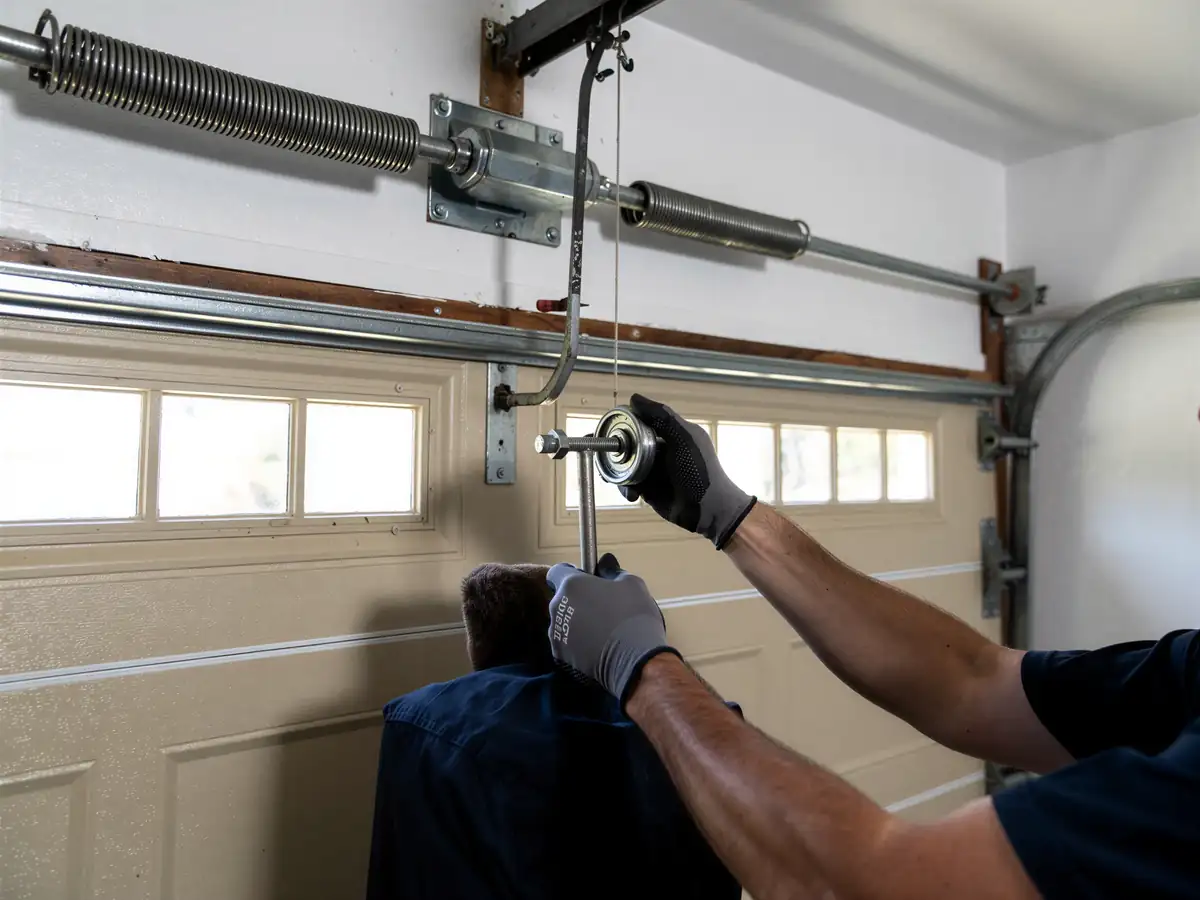
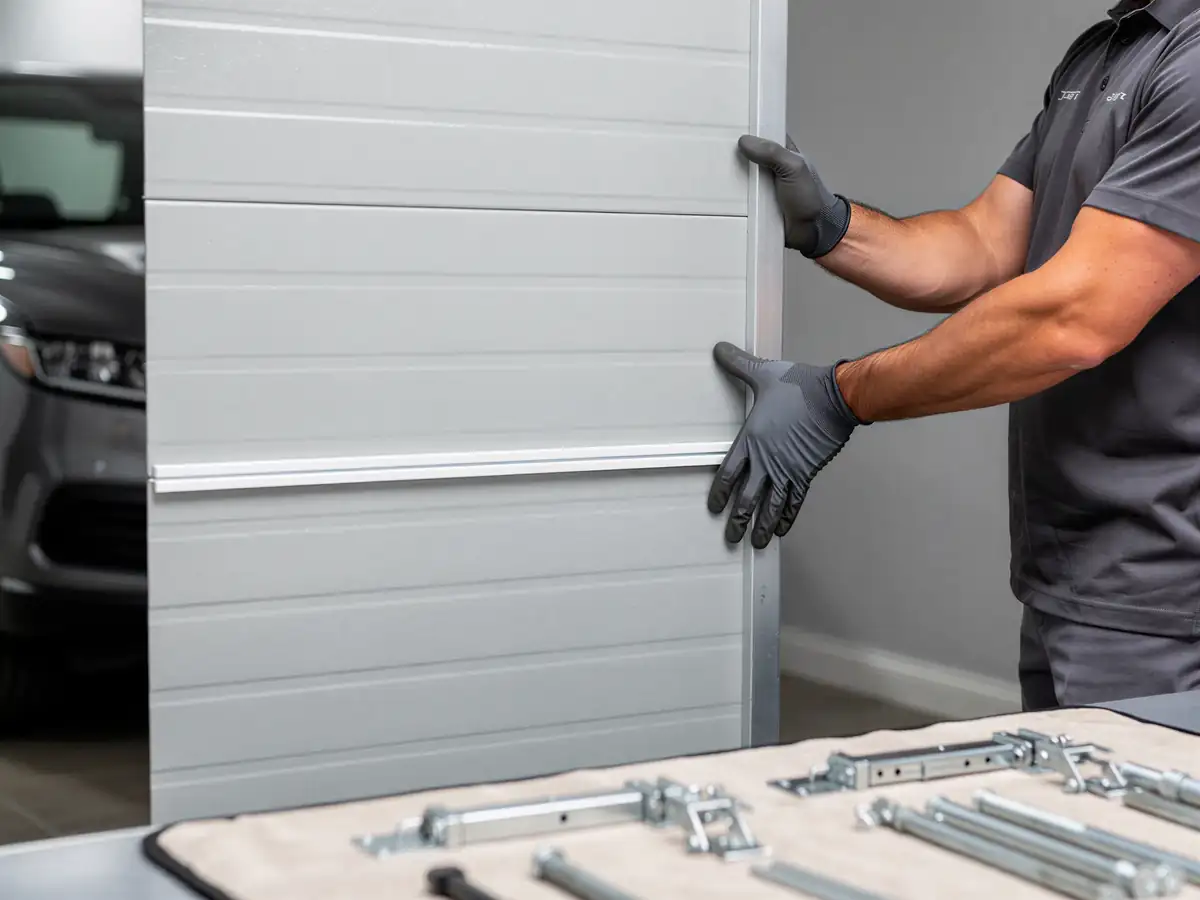
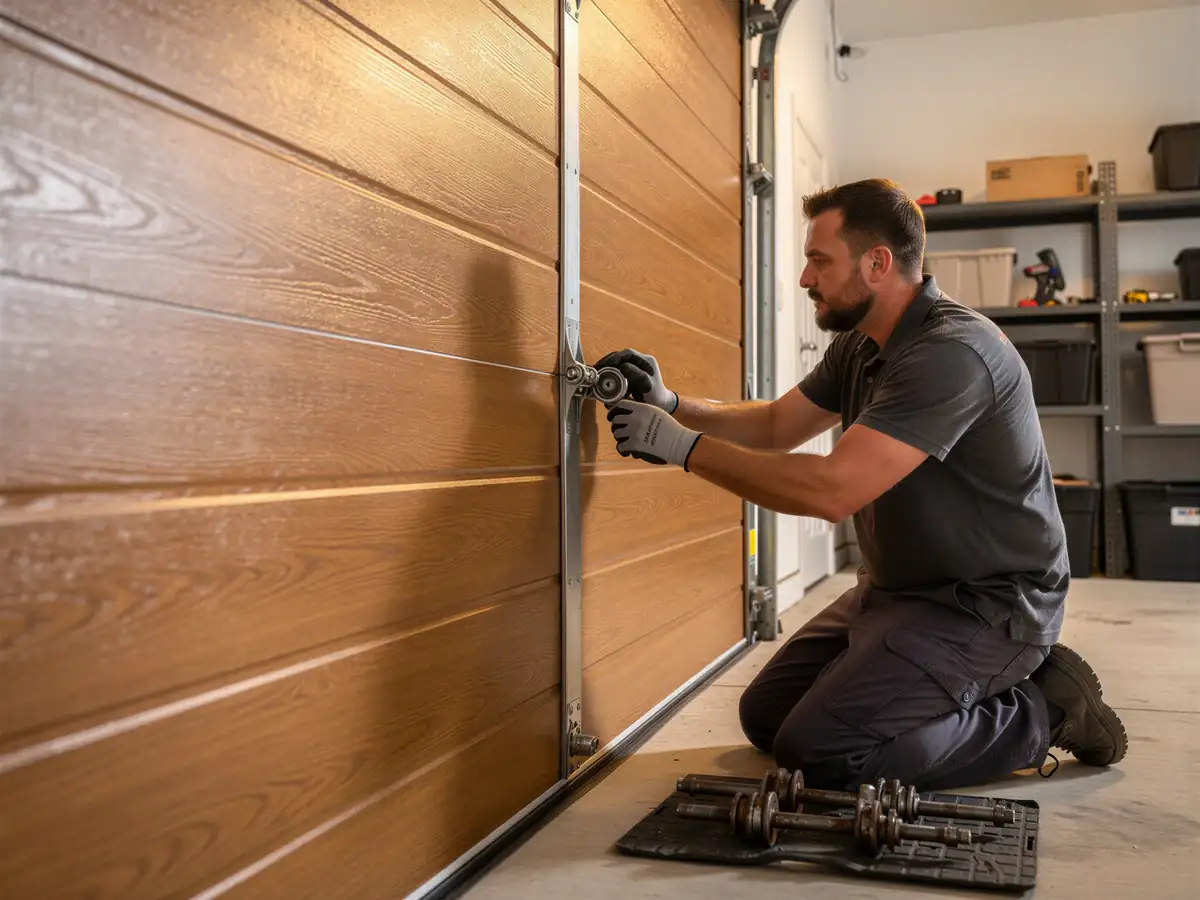
We pull the door, check the track alignment first, then swap rollers one at a time so the door never drops out of its tracks. On the 1960s-70s stock that makes up most of this area's housing, the track gauge is narrower than what you'll find on anything built after 2000, so we check roller size against the track before we grab parts off the truck, not after. If a track bracket has bent from years of a worn roller dragging sideways, we true it up or replace the bracket section rather than just swapping the roller and hoping it rides straight. A new roller on a bent track fails again inside a year - that's not a fix, it's a delay.
Once the rollers are in, we run the door through a full open-close cycle under load, listening for the roller noise that usually means something else is wrong - a bent panel hinge, a loose track bolt, a drum that's not seated. Roller replacement is simple work, but it's also the job most likely to mask a bigger problem if you only look at the part that's squeaking.
Stocked Parts
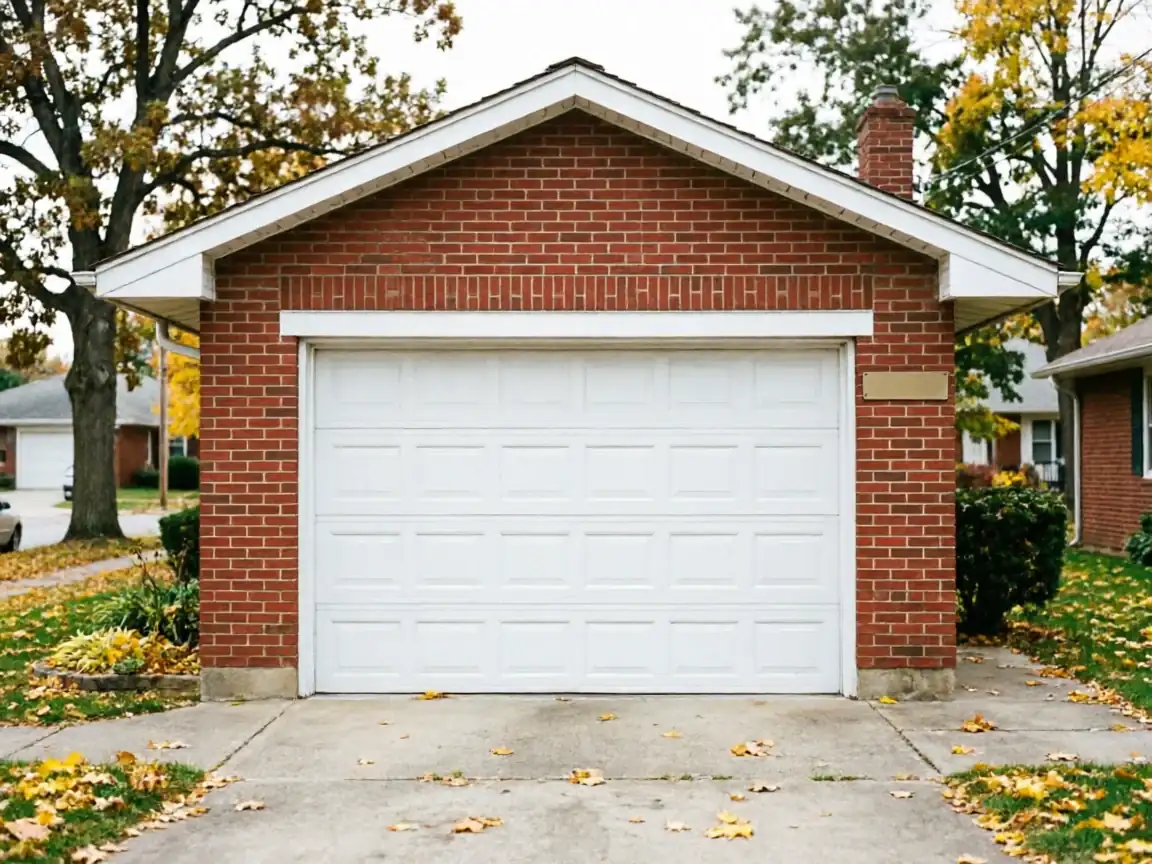
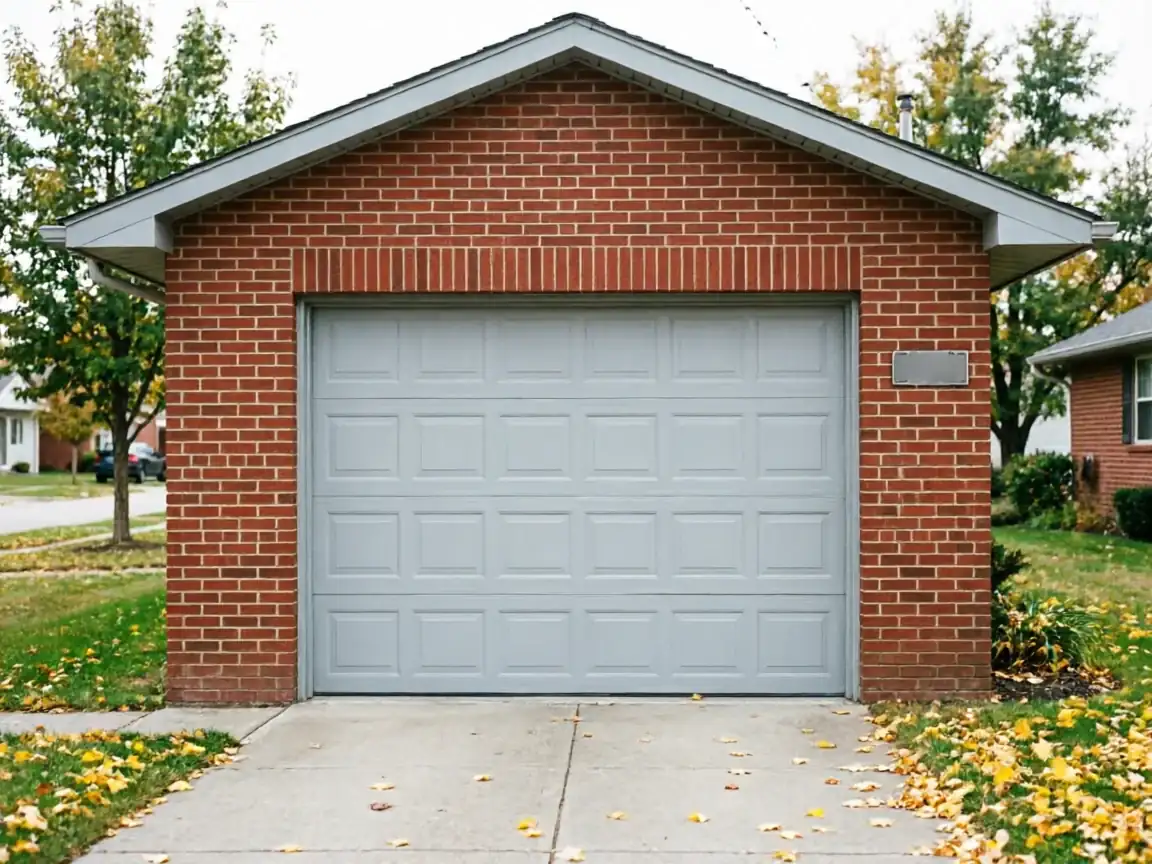
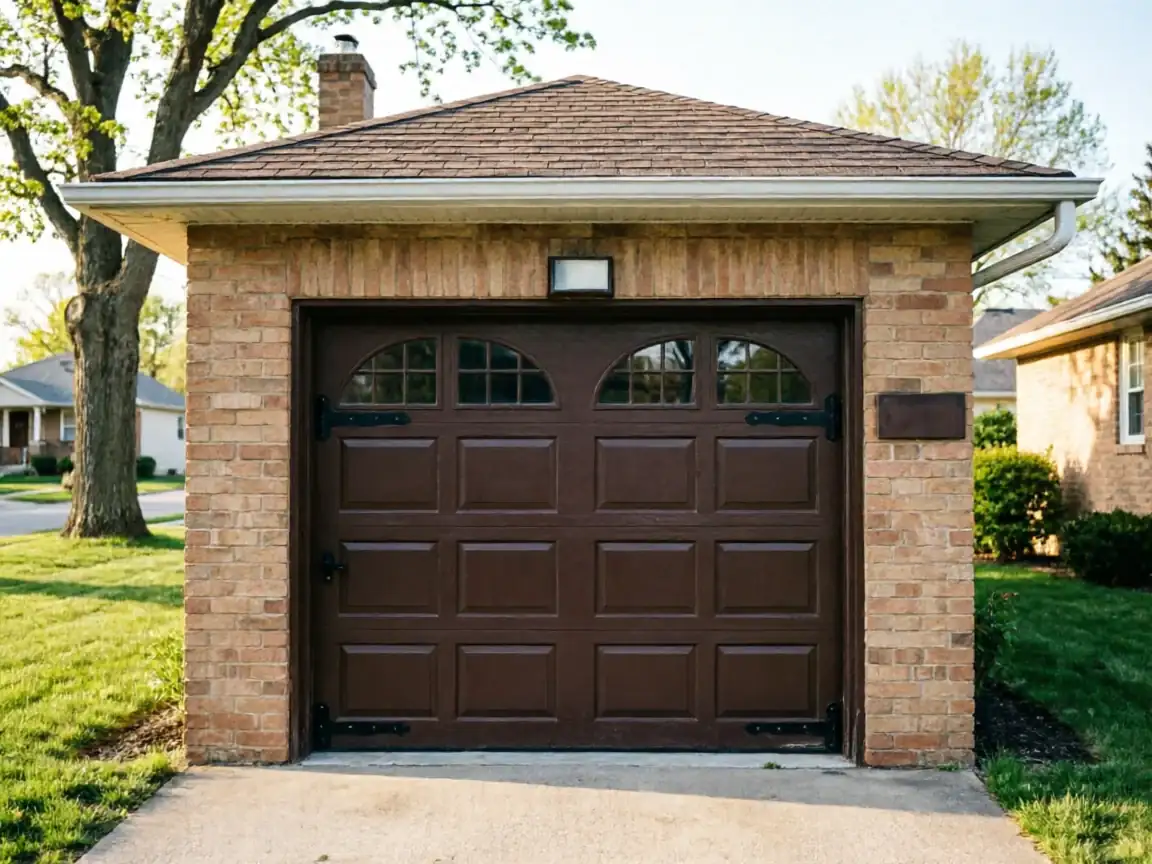
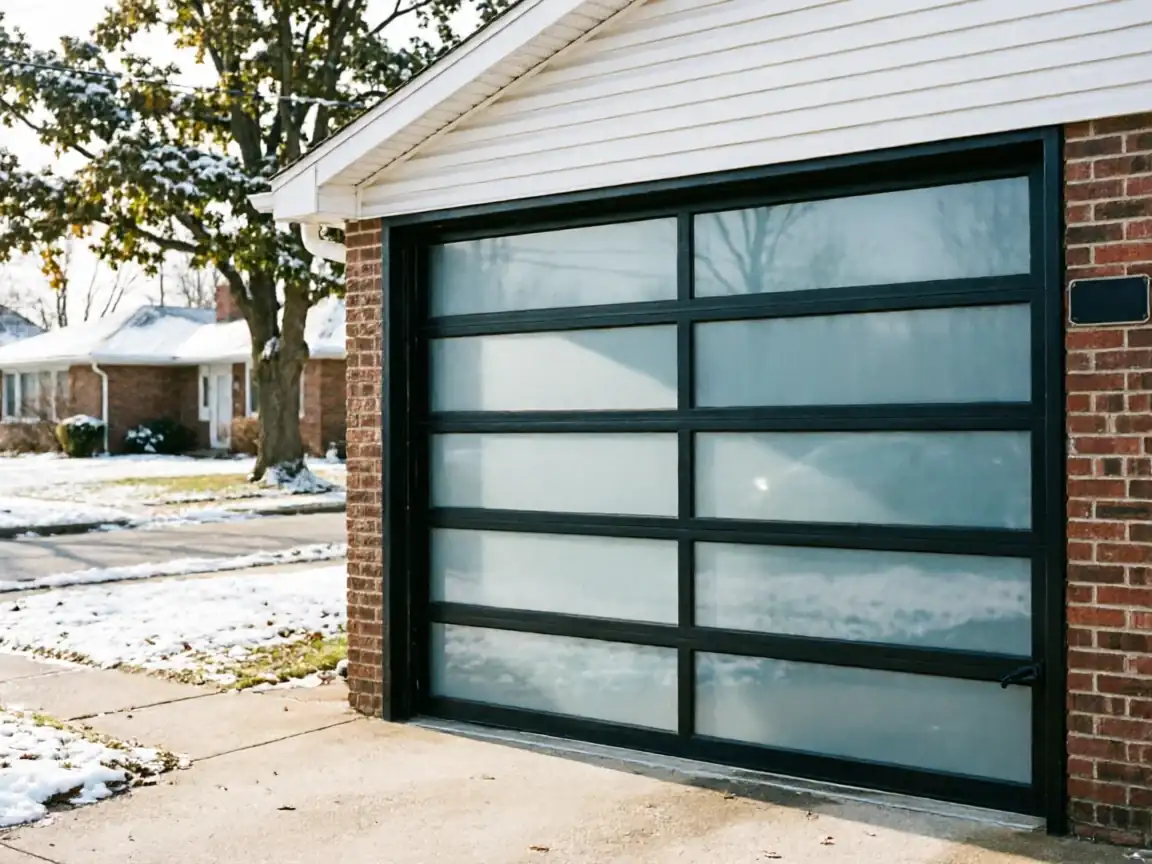
Urbana's own median build year sits at 1979, right in the window where steel rollers with stem-mounted ball bearings were standard, so that's what we carry on the truck for this area - both the 7-ball and 10-ball stem sizes, plus nylon replacements for owners who want the quieter ride without rebuilding the whole opener setup. The service area overall spans housing from 1956 through 2000 with a median around 1978, so we also keep a smaller run of later-style rollers for the newer builds mixed into the same neighborhoods.
What we don't stock are rollers for doors older than that range - anything from before the mid-1950s needs a part we order in, and we'll tell you that on the spot rather than make you wait at the door while we guess.
How to Book
We run out of Champaign, about four miles from Urbana
So there's no separate branch here and no local drop-in counter - you call, we schedule the job, and the truck comes to you. Because the drive is short, we don't pad the quote with a trip charge that bigger out-of-town jobs sometimes carry.
Tell us the door's rough age and whether it's sticking, jumping, or just loud, and we'll bring the roller stock that matches what's common for Urbana construction rather than showing up with a generic assortment and guessing on-site
If you've got the garage door roller replacement page for Champaign open too, that one covers the city-wide version of this service; this page is built around what we actually find on Urbana doors specifically. You can also see the full range of what we handle in town on our Urbana garage doors page.
The Symptom
The complaint we hear most from this area is a rhythmic grinding or clicking that gets louder as the door moves, especially on the last few feet before it seats at the bottom. That's a cracked or flat-spotted roller wheel, usually the ones nearest the bottom panel since they carry the most cycles and take the most weight when the door closes.
A second version shows up as the door catching or jerking partway through its travel - that's a roller that's worn enough to ride loose in the track instead of rolling smoothly through it. On the steel-roller doors common to this area's late-1970s build era, that wobble also wears the track edge itself, which is why we don't wait for a roller to fail completely before we recommend swapping it.
Why This Fails Locally
Urbana's median household income runs around $45,854, notably below the $81,703 figure for the wider Champaign-area service region, and that gap matters for how these calls play out. A lot of owners here are stretching a repair as long as it'll go rather than jumping to a full door replacement, which means rollers get replaced one at a time over years instead of all at once - fine, as long as the mismatched rollers aren't different diameters riding the same track.
The moderate-cold climate band this region sits in also means steel rollers see real expansion and contraction through the winter-to-summer swing, which speeds up bearing wear faster than it would in a milder climate. Combine that with 1970s-era steel hardware that was never built with sealed bearings, and roller failure here tends to show up as a slow grind that owners live with for months rather than a sudden jam.
Doing It Yourself
Swapping a single roller on an unloaded section isn't a hard job if the door is already up and secured
Loosen the roller bracket, slide the old roller out, slide the new one in, done. Where people get hurt is working on the bottom rollers with the door down and the springs still under tension, or pulling a roller near the bottom bracket where the cable runs; that bracket is under spring load even when the door looks still.
We'll be honest: if more than two or three rollers on the same door have failed, or if the track itself is bent
That's not a $20 parts job anymore and it's not worth doing piecemeal. At that point you're better off booking the full swap in one visit instead of making repeat trips to the hardware store.