How We Fix It
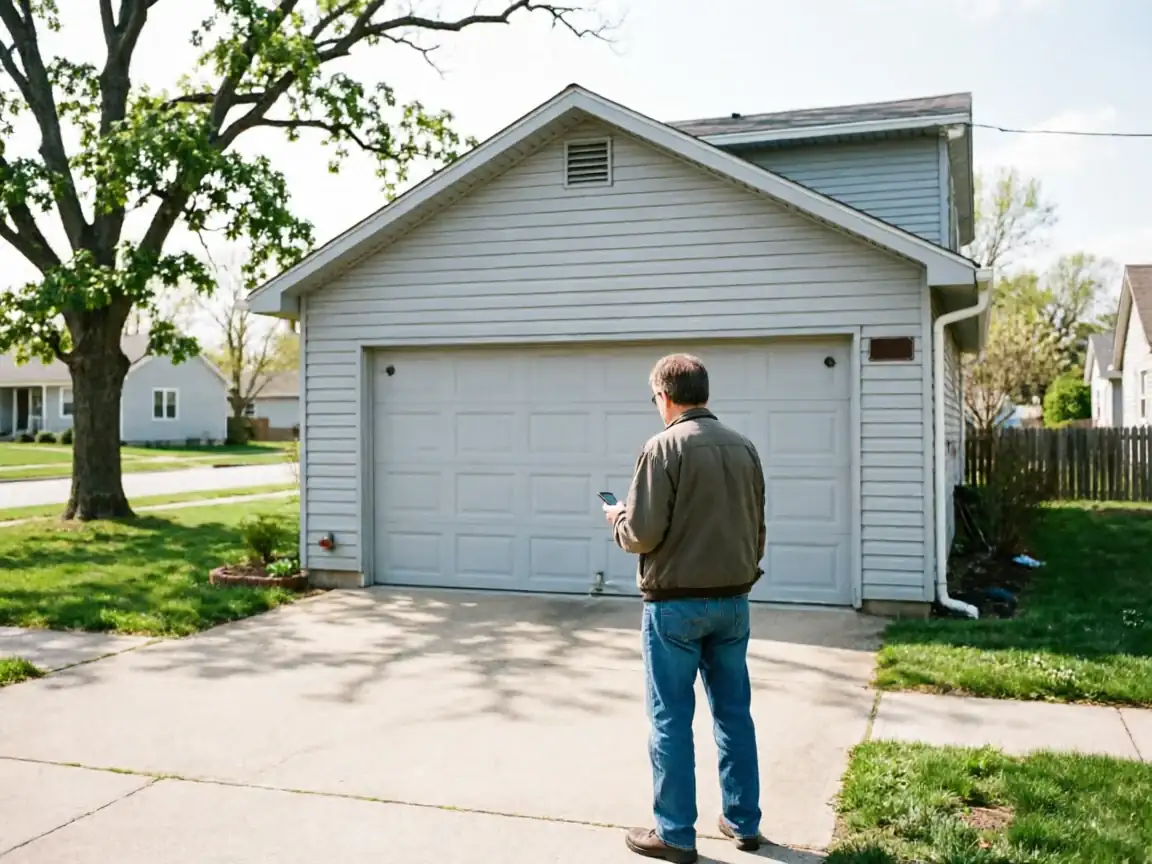
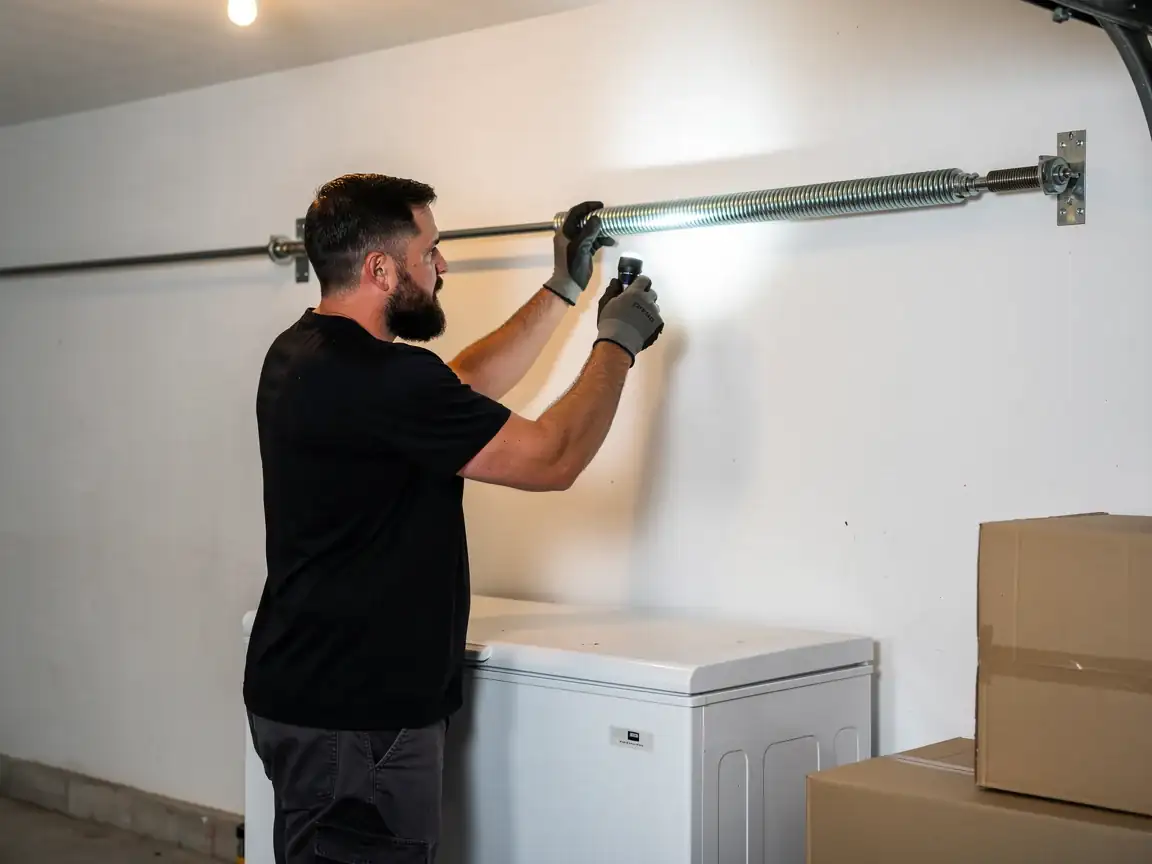
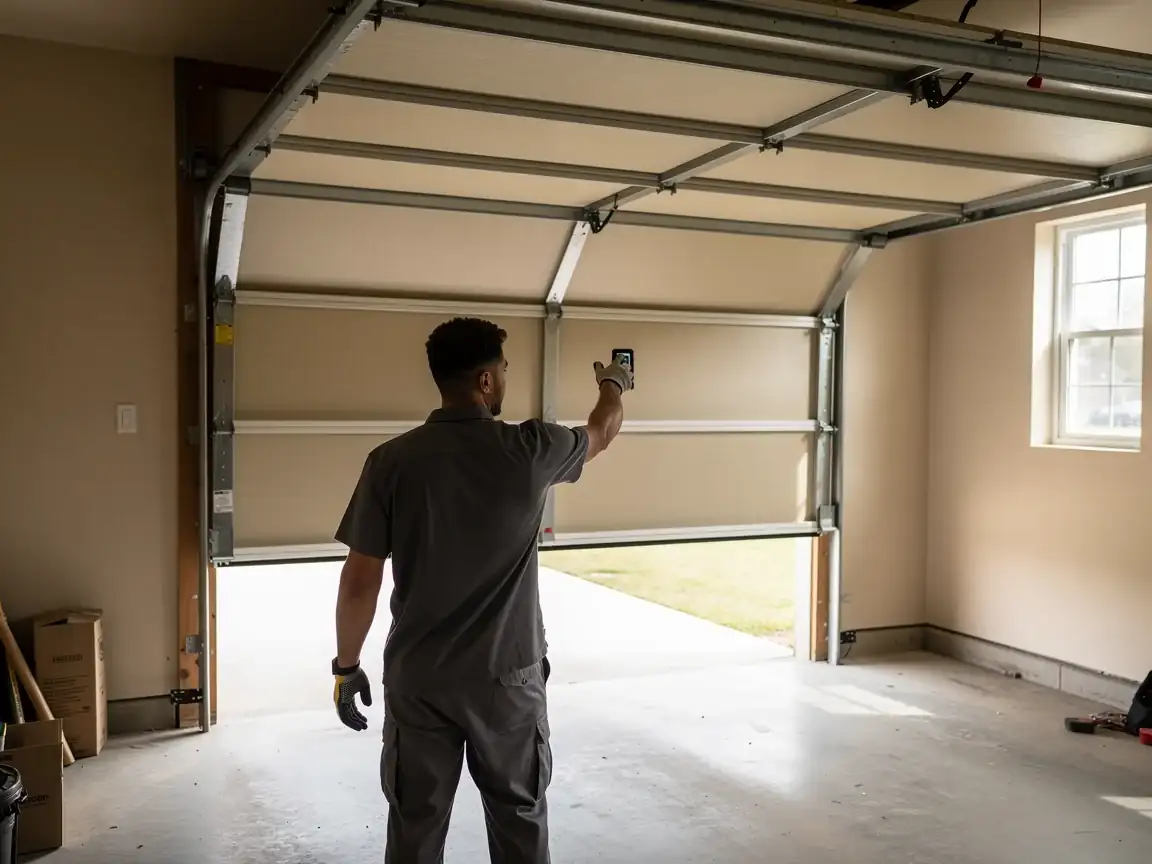
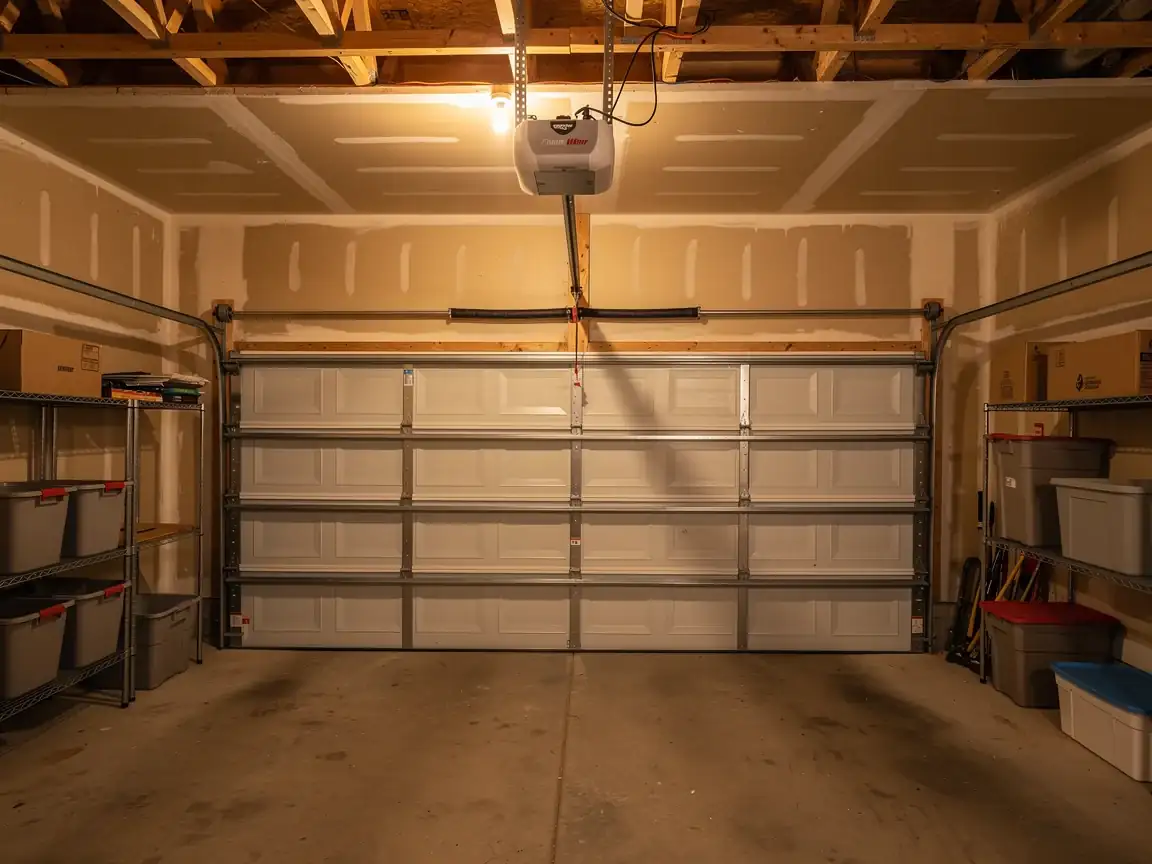
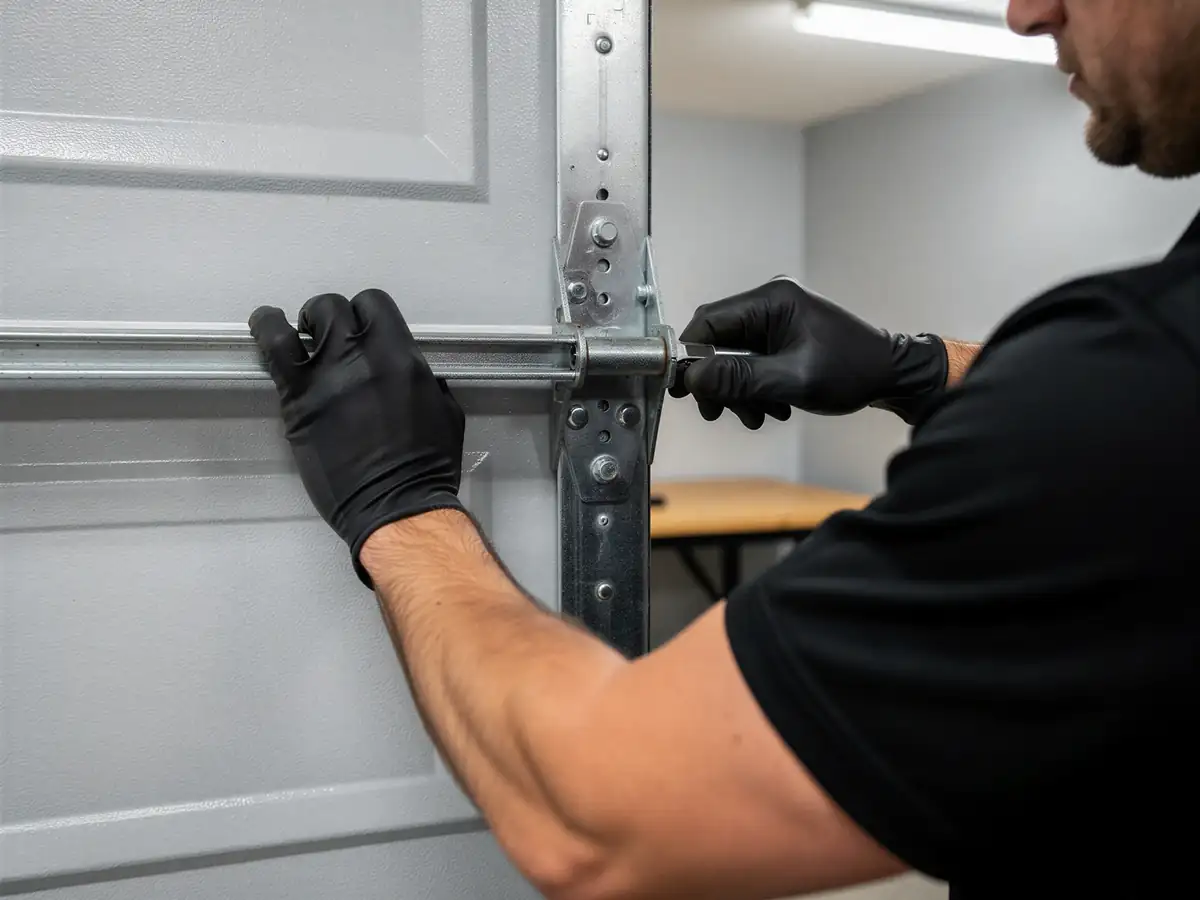
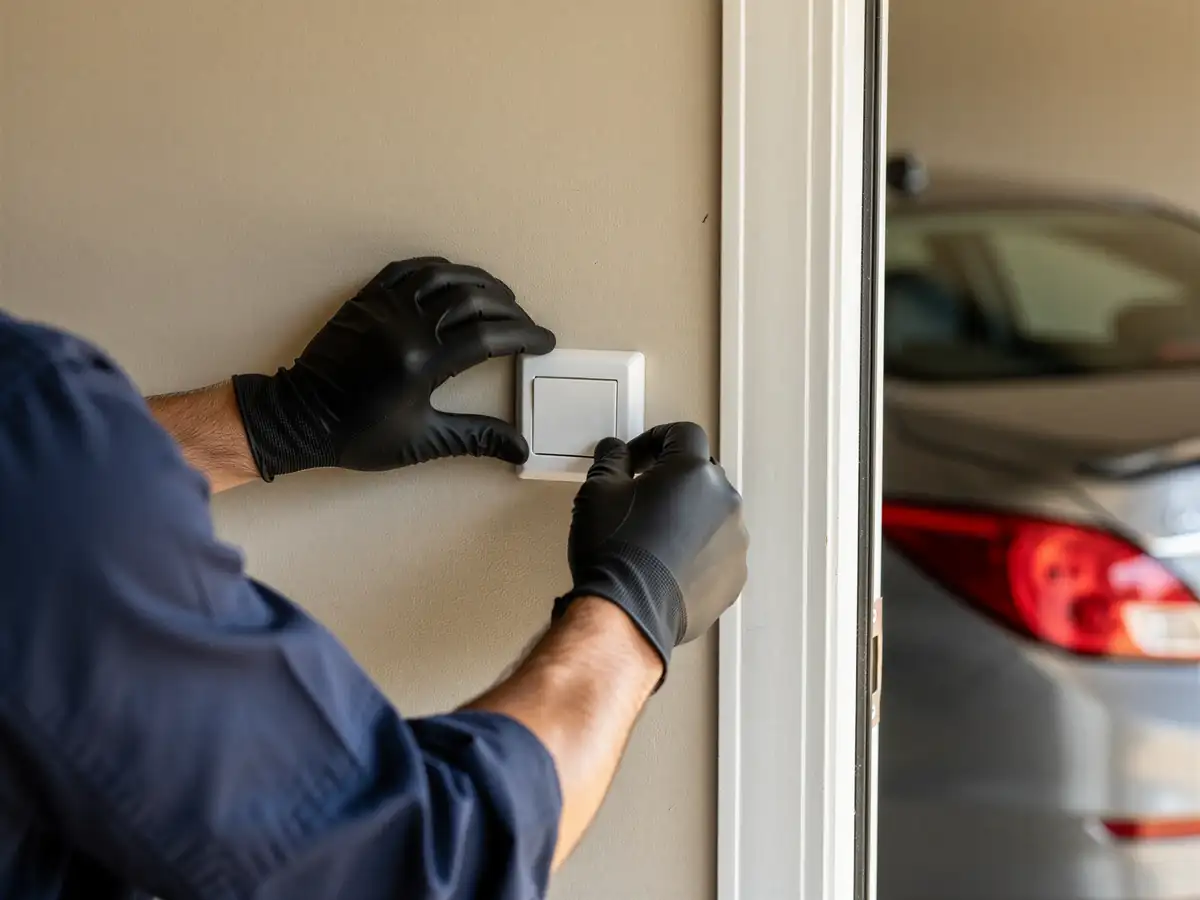
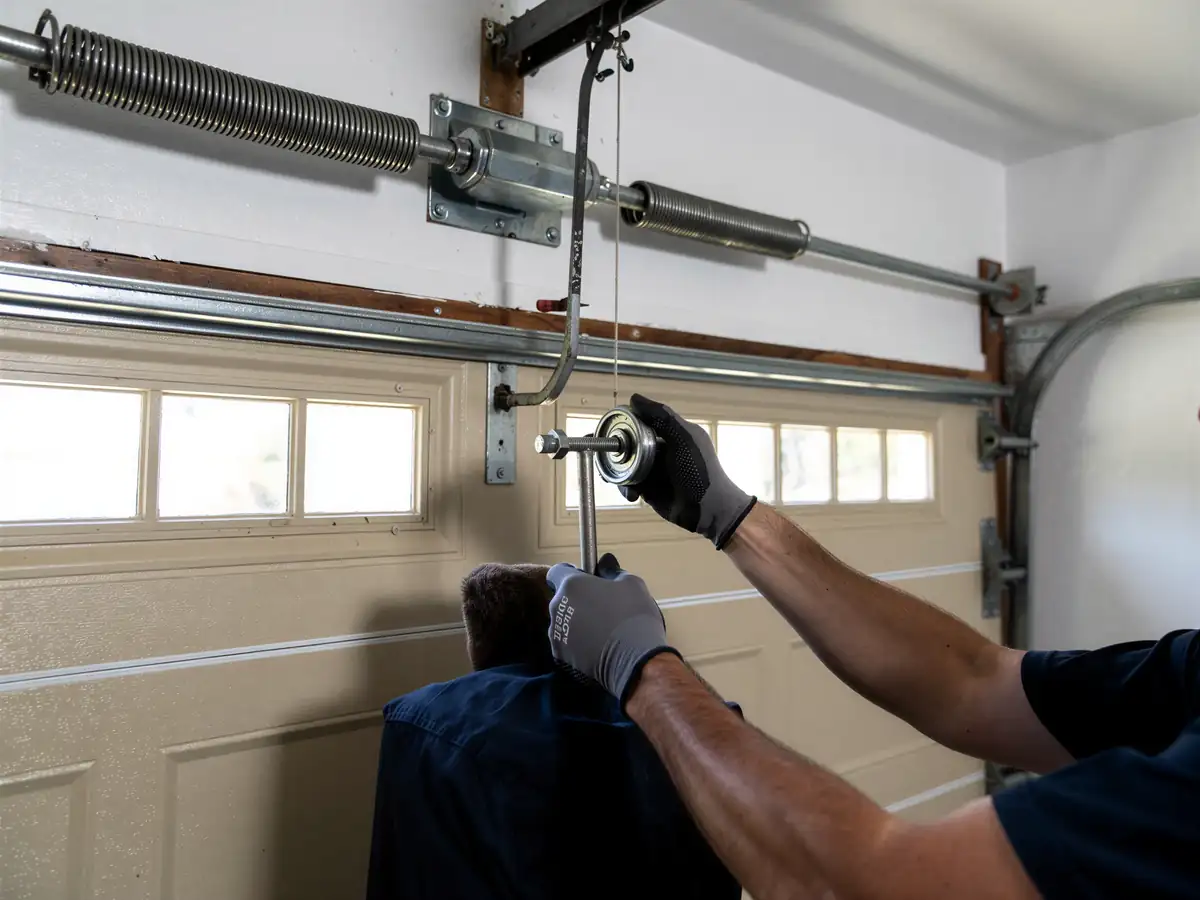
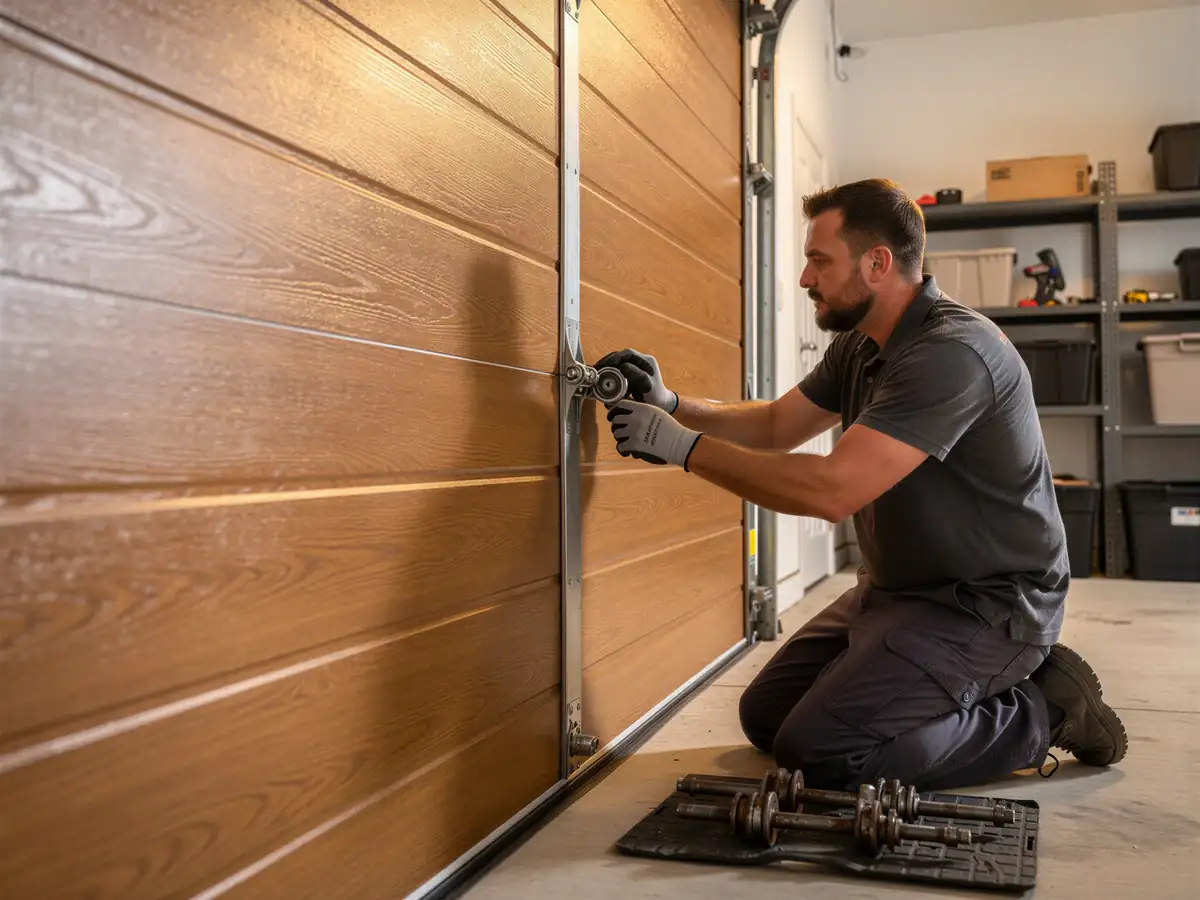
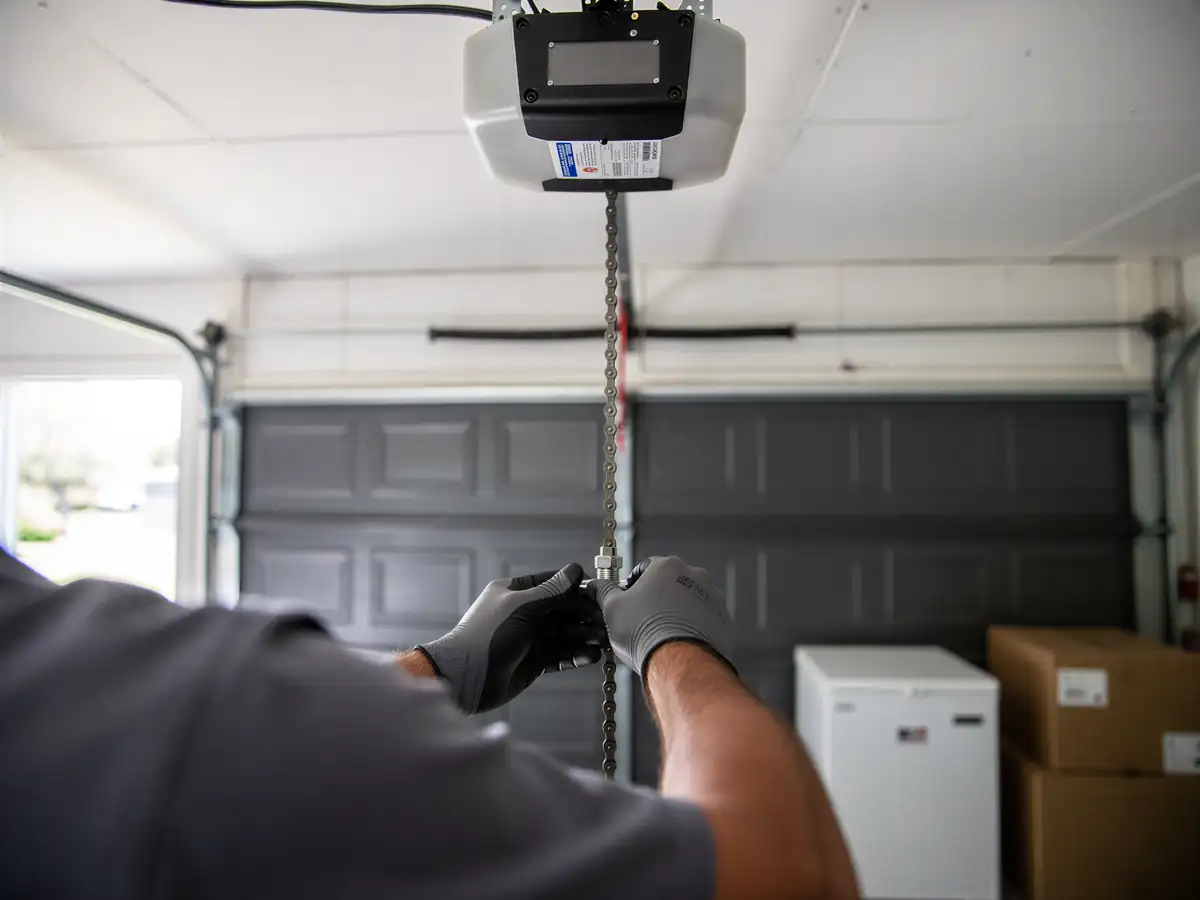
Urbana is a place of about 16,425 households, which is small enough that we're not guessing at what breaks - the pattern repeats. We start with the opener itself: pull the cover, check the logic board for burn marks, test the capacitor if it's a belt or chain unit from the 1980s or 90s, and run the travel limits before touching anything mechanical. Most calls here aren't a dead unit, they're a worn drive gear stripped down to plastic dust, a safety sensor knocked out of alignment, or a remote that's stopped talking to a receiver that's twenty years past its design life. We diagnose on site, with the truck stocked for the common failures, and we tell you straight if the fix is a part swap or if the unit's done. We travel in from Champaign, four miles off, so the diagnostic visit and the repair are usually the same trip, not two separate ones.
Stocked Parts
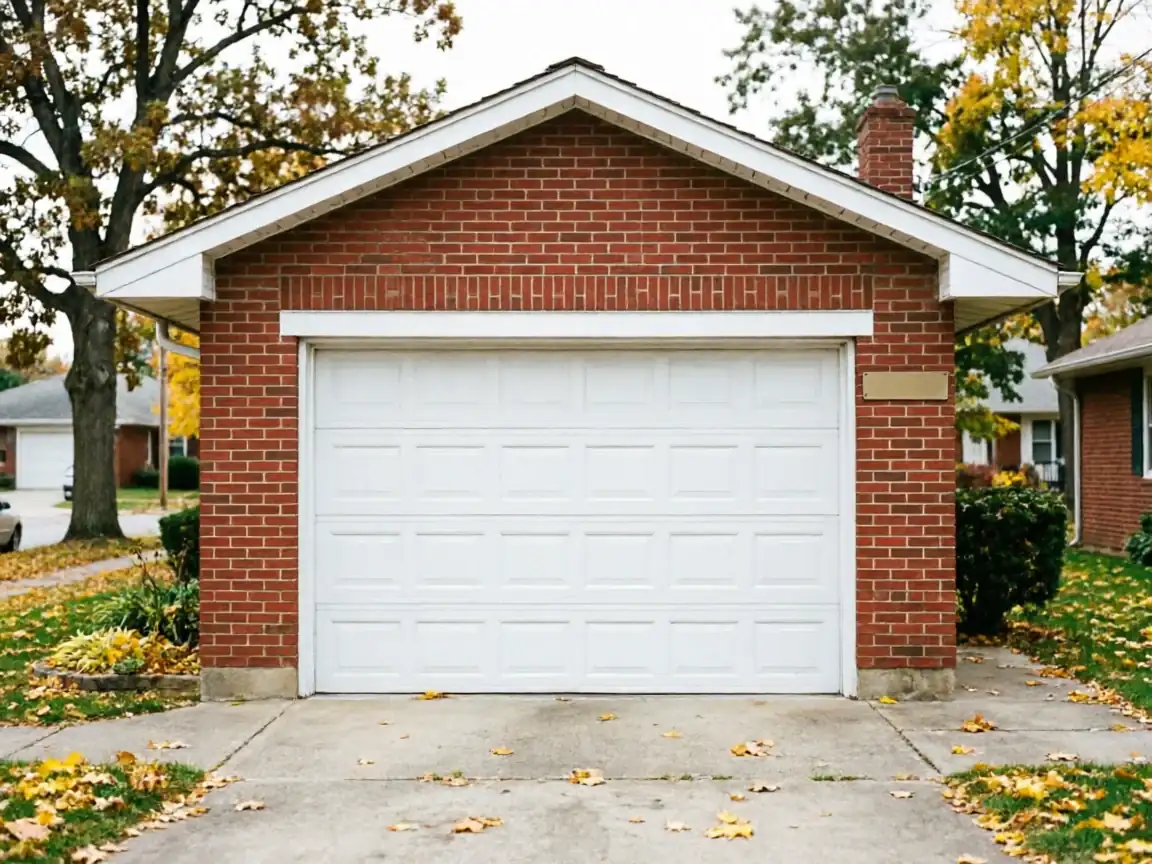
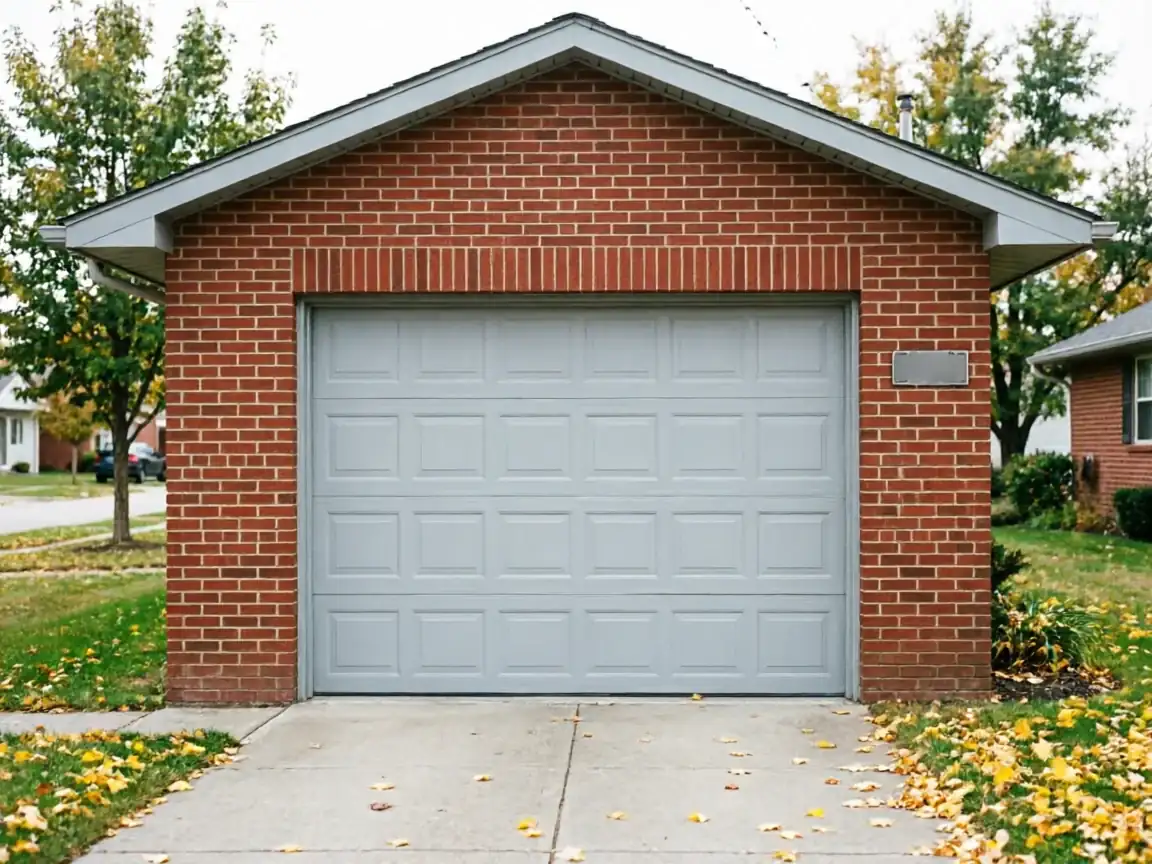
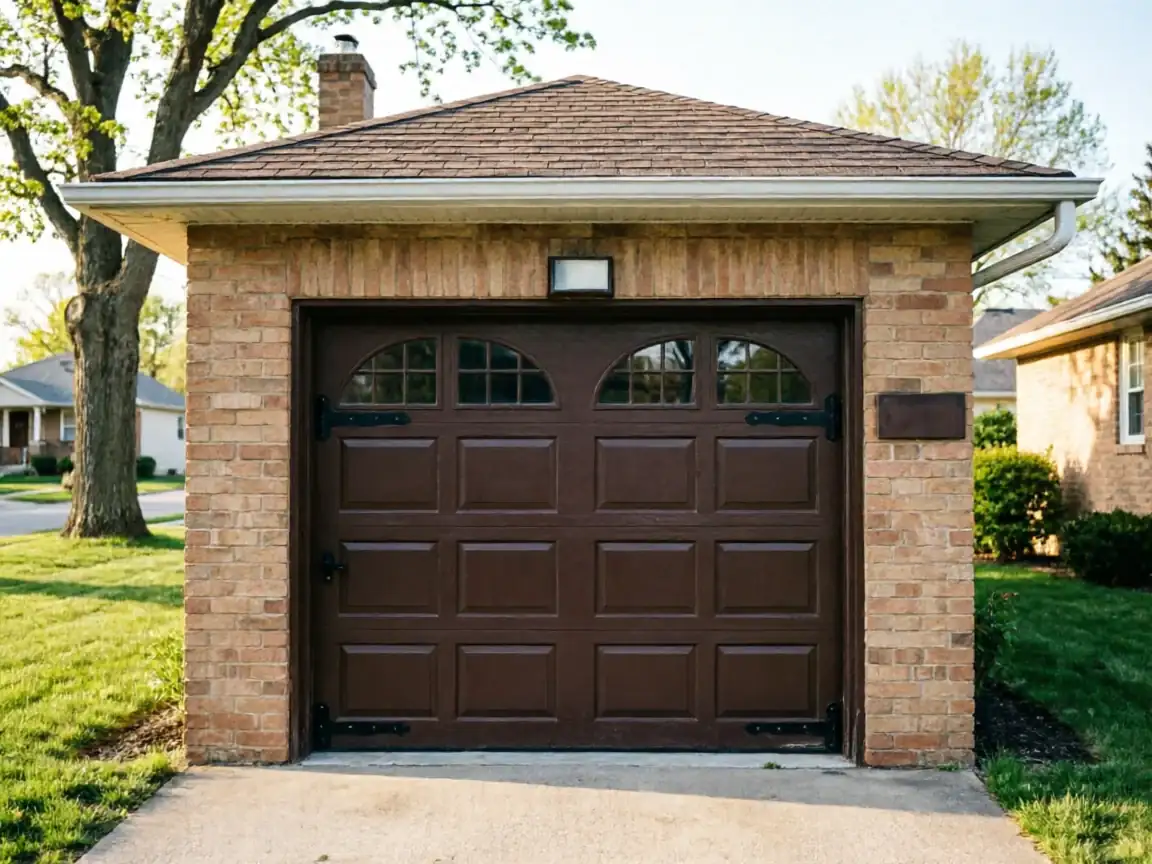
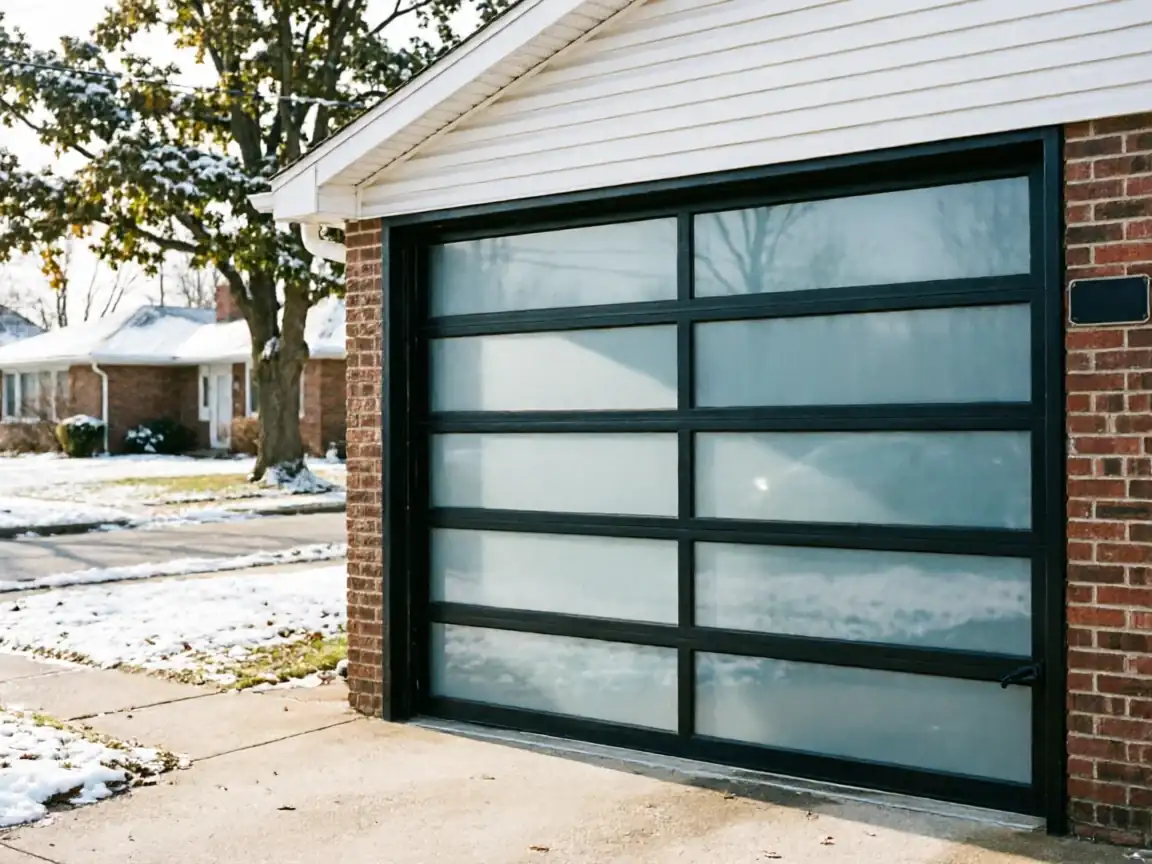
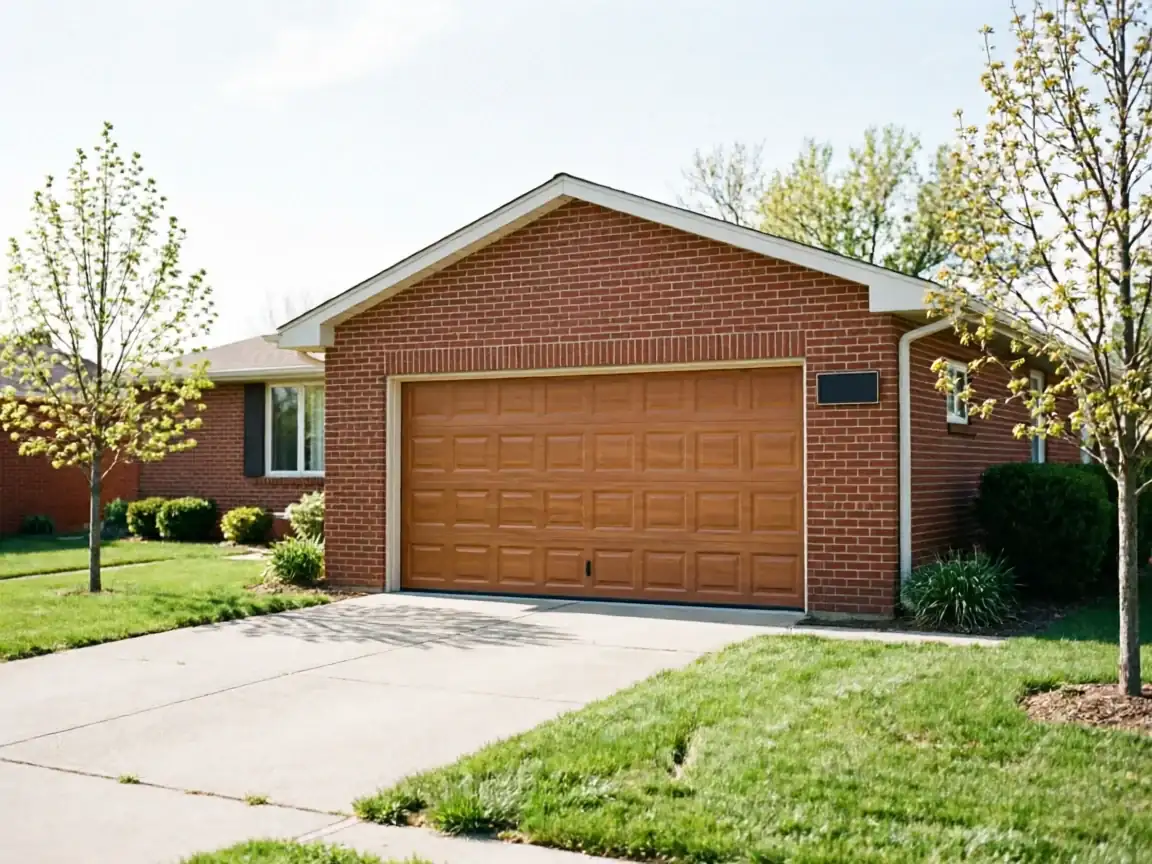
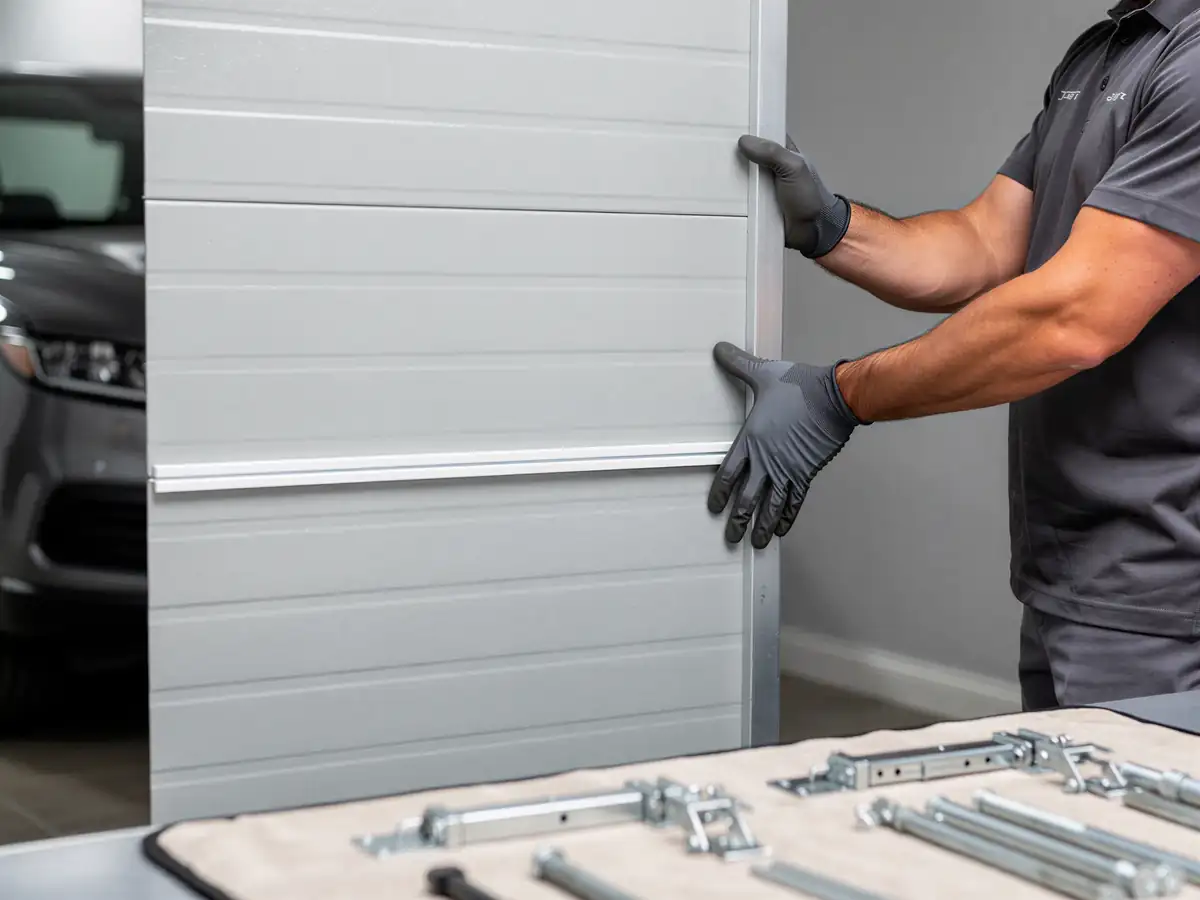
With a median build year of 1979 across the area, a big share of Urbana's garages were fitted with openers and hardware that manufacturers stopped supporting years ago. We carry universal logic boards, standard safety sensor pairs, drive gear and sprocket kits for both chain and belt systems, and remotes that pair with older receivers rather than requiring a full unit swap. What we don't stock on the truck: proprietary circuit boards for a handful of discontinued opener brands, and some wall console models tied to smart-home integrations. If your unit needs one of those, we'll tell you at diagnosis and order it rather than quote a fix we can't actually deliver that day.
The Symptom
The call we get most from this part of our coverage area is an opener that runs the motor but the door doesn't move, or moves an inch and reverses. On a house built in the late 1970s - Urbana's median year - that's almost always a stripped drive gear on a chain-drive unit that's been running since the original installation, sometimes replaced once since. Second most common: the door won't respond to the remote at all, but the wall button still works, which points to a dead receiver or a remote that's aged out of its own electronics, not the opener itself. Less often, but still regular, we see safety sensors that have drifted out of alignment over decades of settling - a cheap fix that homeowners sometimes assume means the whole opener's dying.
Why This Fails Locally
The median year built here is 1979, a year later than the broader area median of 1978, which puts Urbana squarely in the generation of openers built before plastic drive gears were engineered to last, and before safety sensor pairs were standard equipment on every install. A lot of these units have had one motor replacement and are now on original gearing, original logic, or both. At a median household income of $45,854, we also see more owners choosing a straight opener repair over a full replacement when the repair makes sense - and we price the visit accordingly rather than pushing a new unit on every call. Climate plays a smaller but real role too: this region sits in a cold-moderate band, and cold snaps are when marginal capacitors and worn gears finally let go, which is why winter calls cluster.