How We Fix It
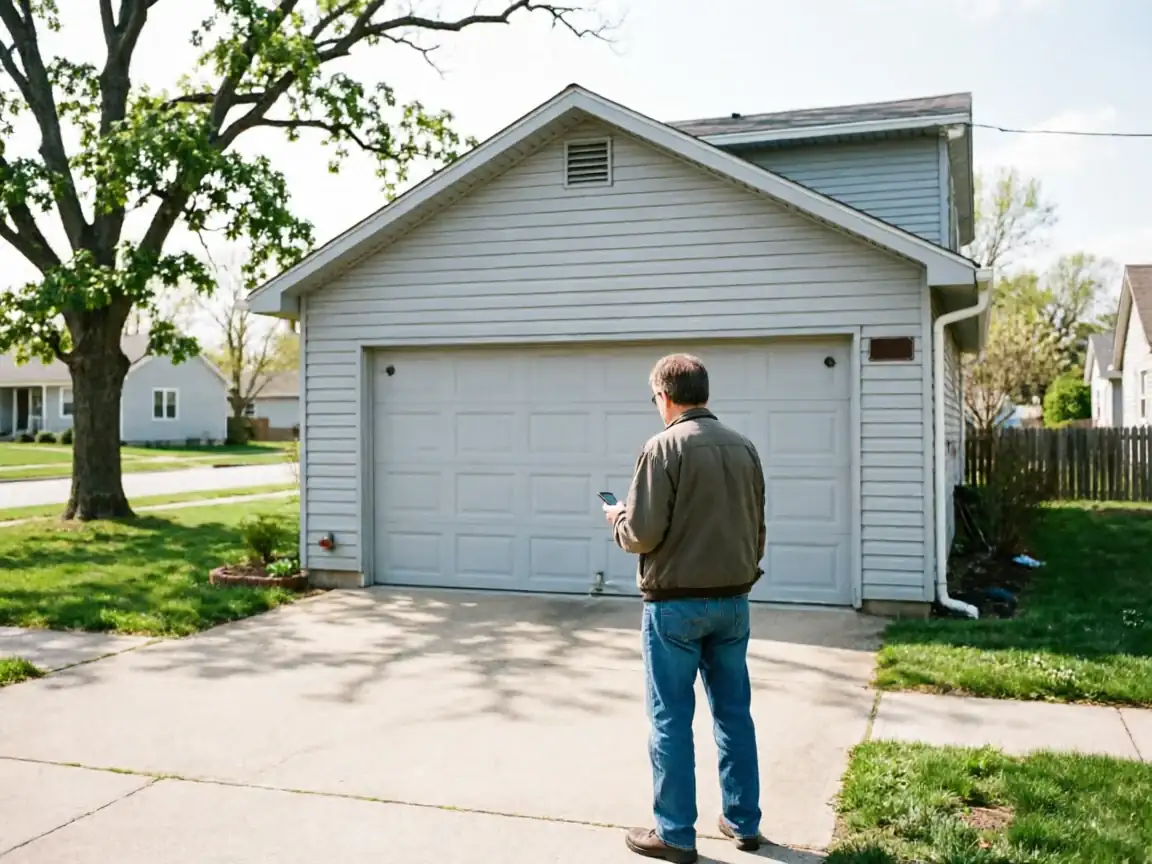
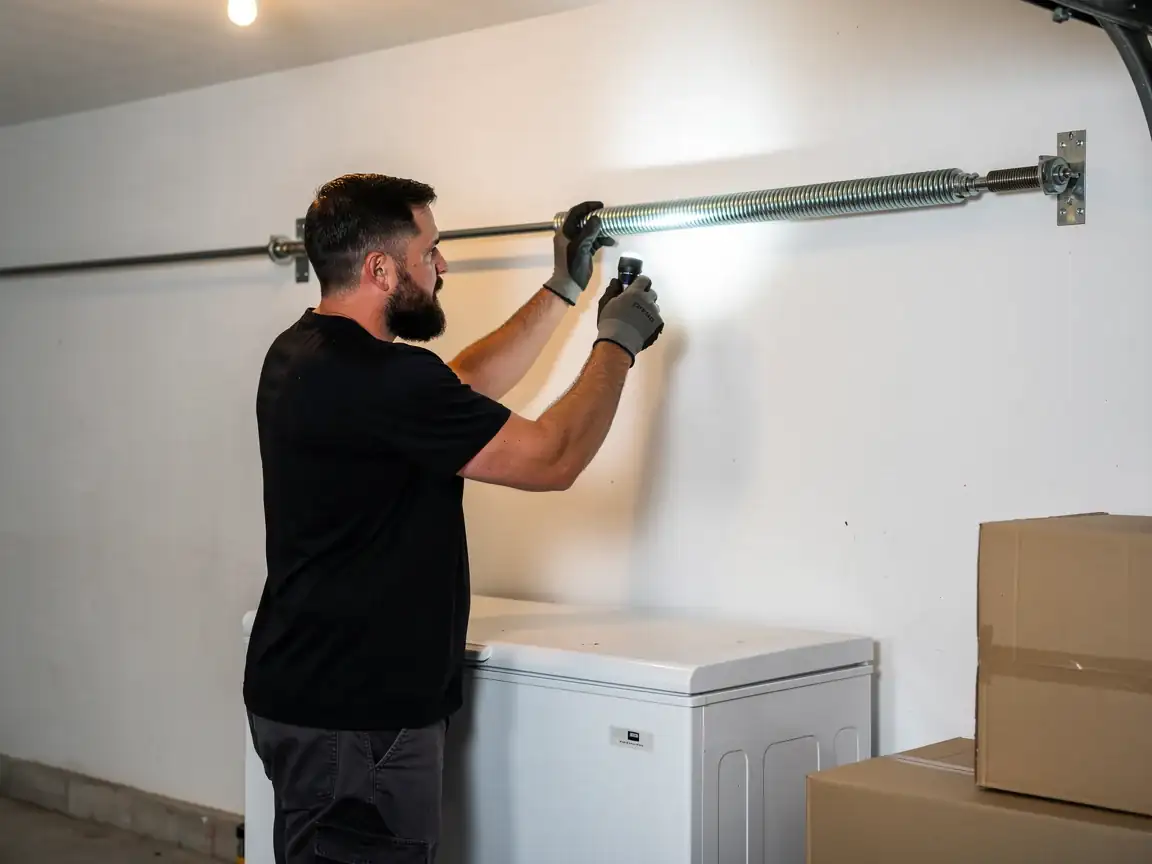
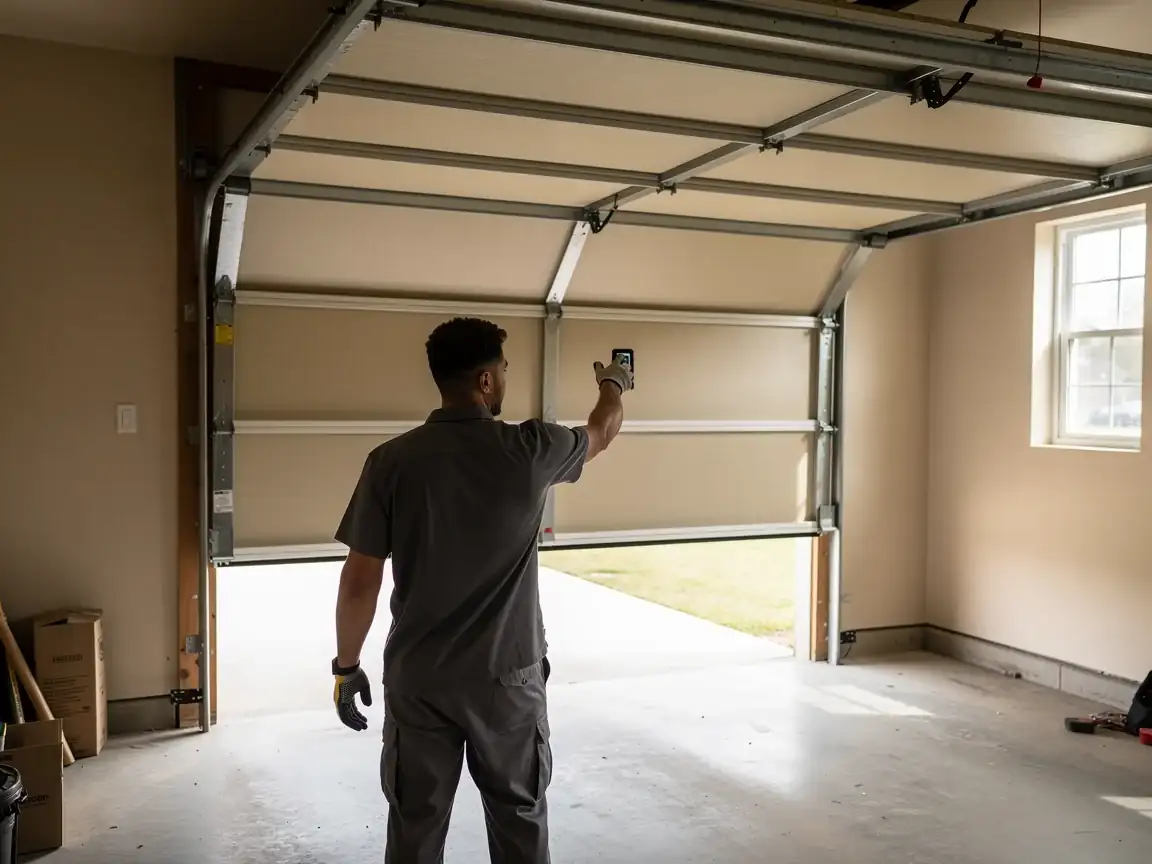
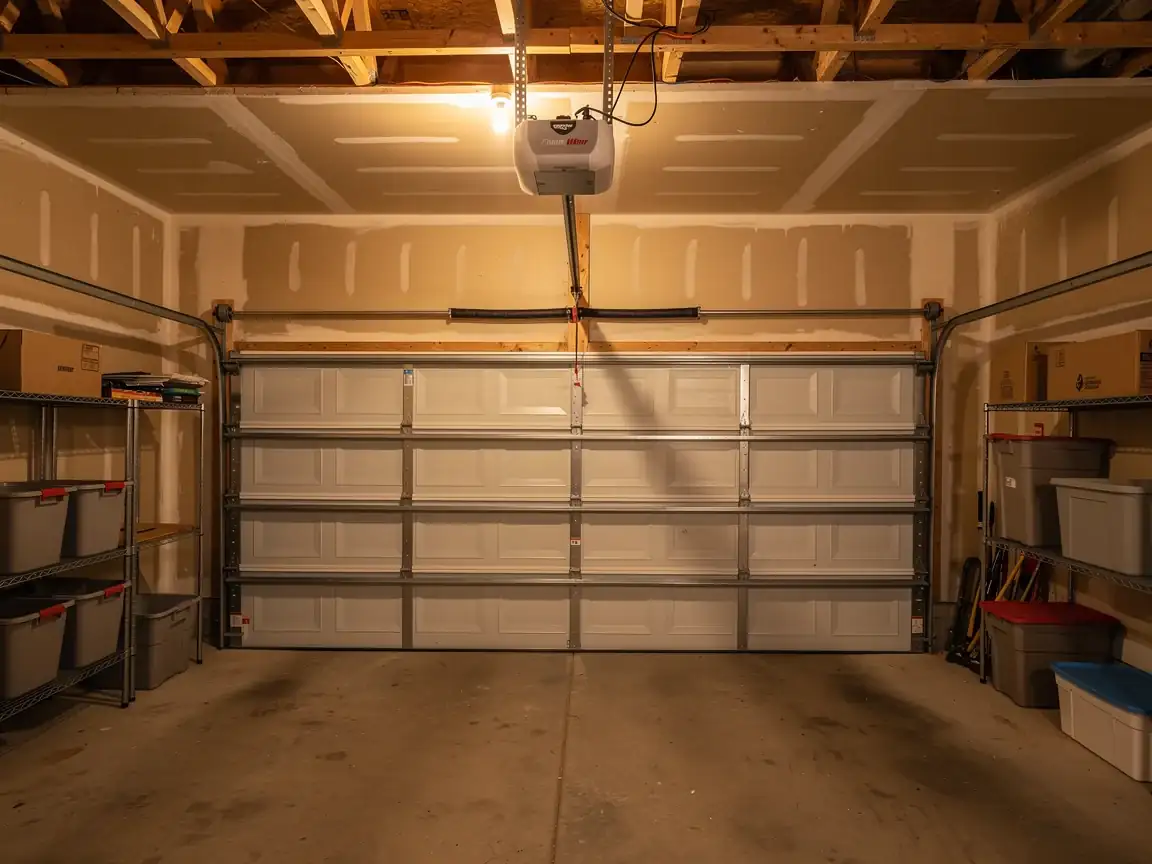
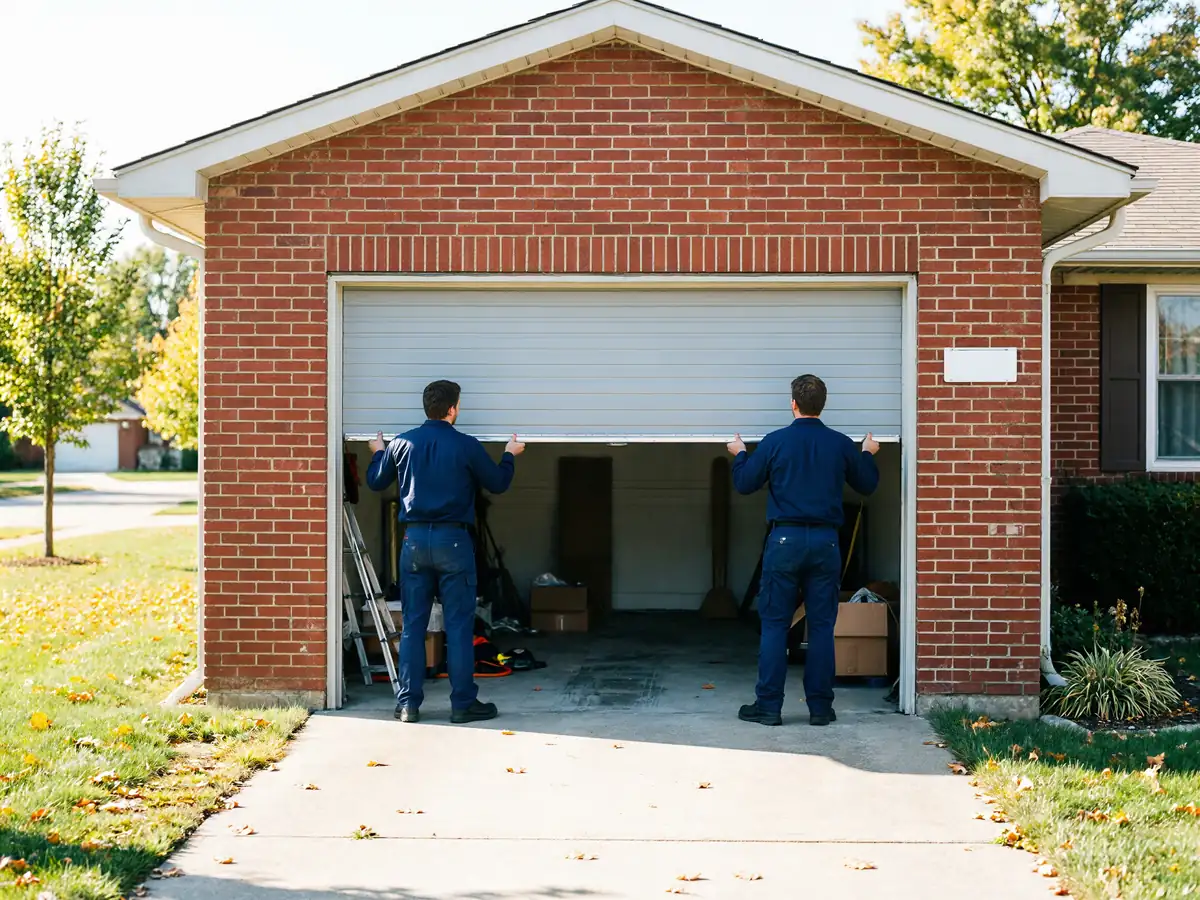
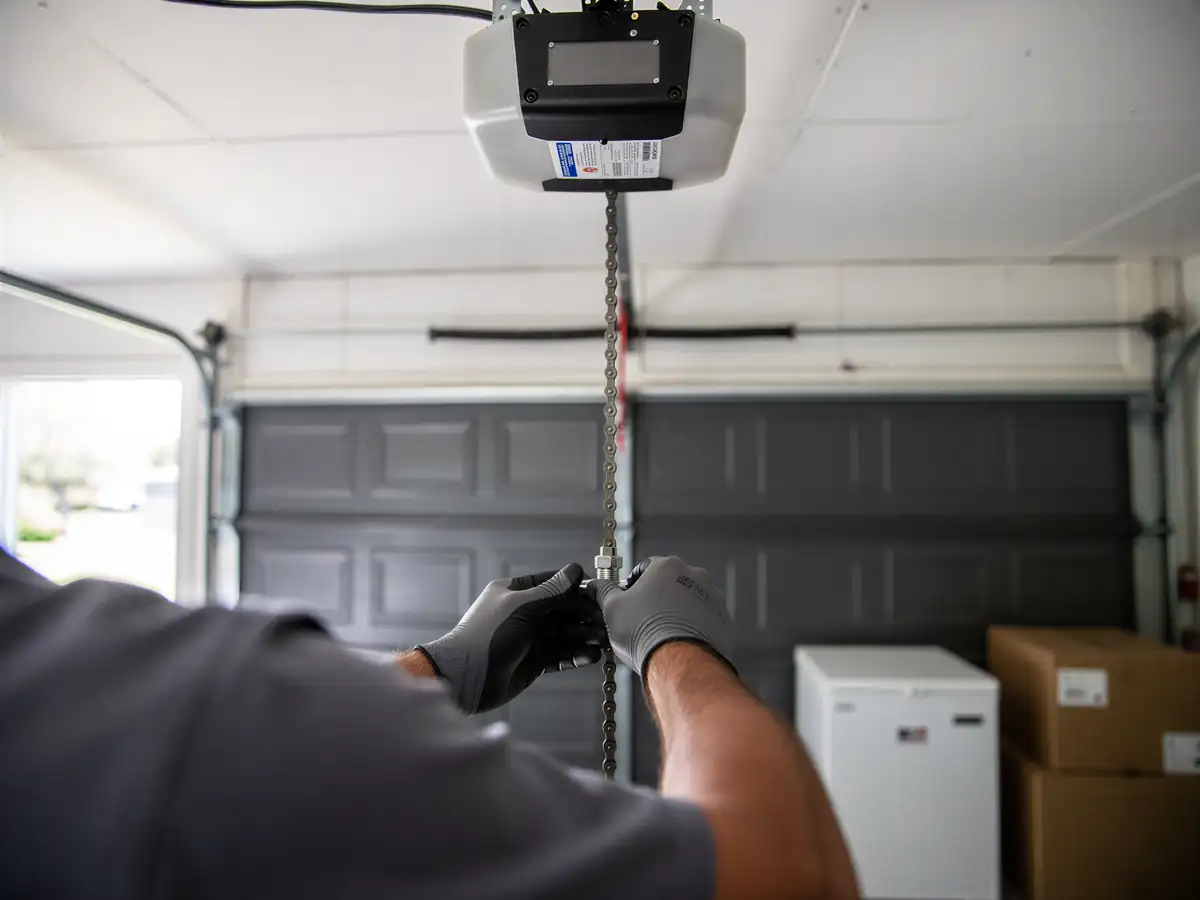
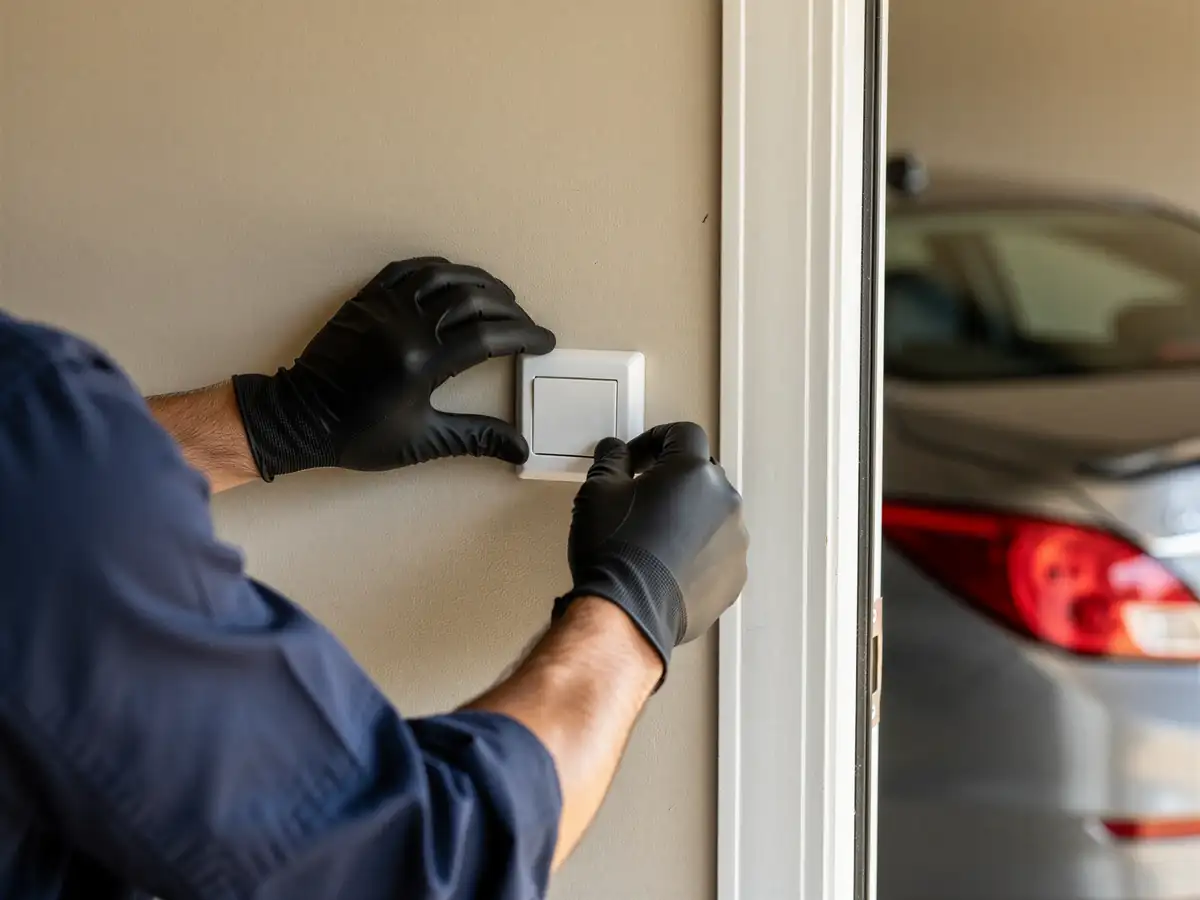
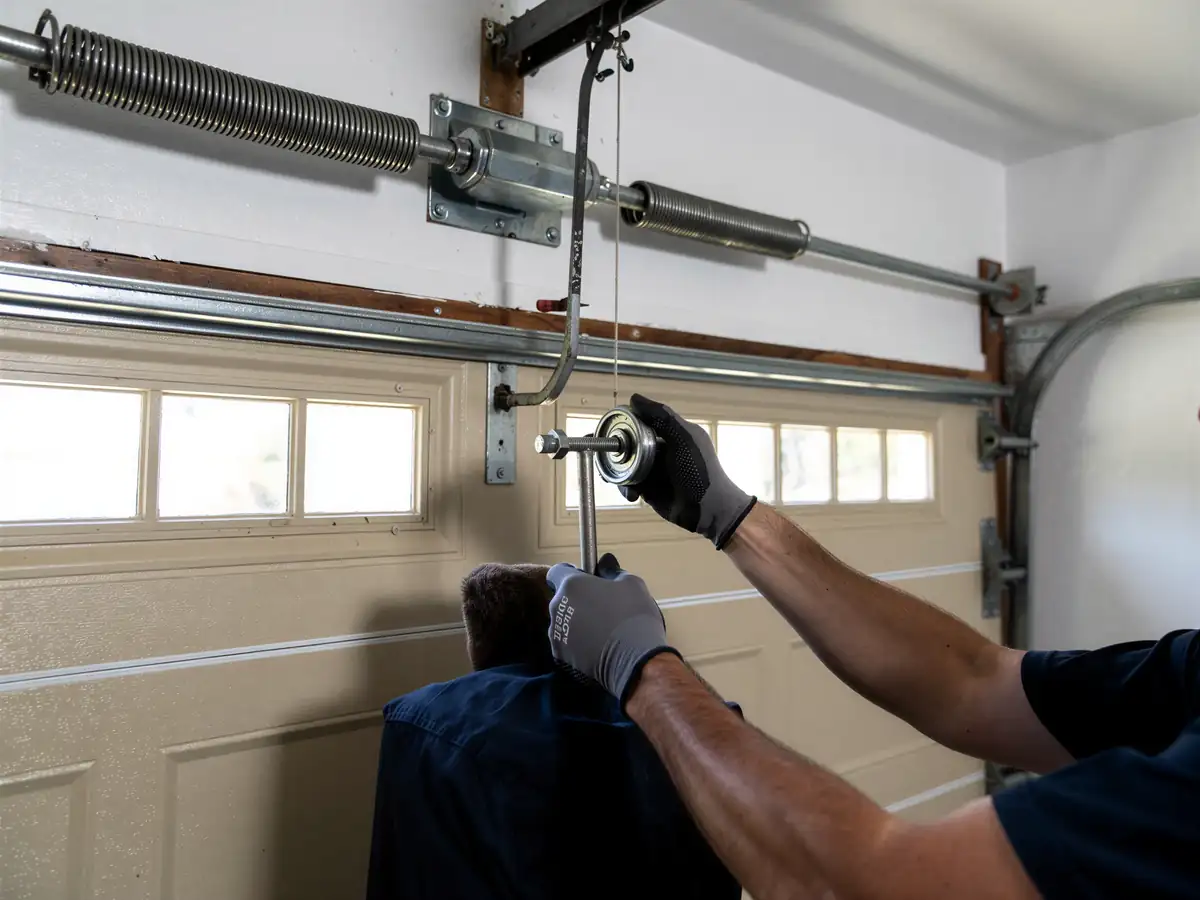
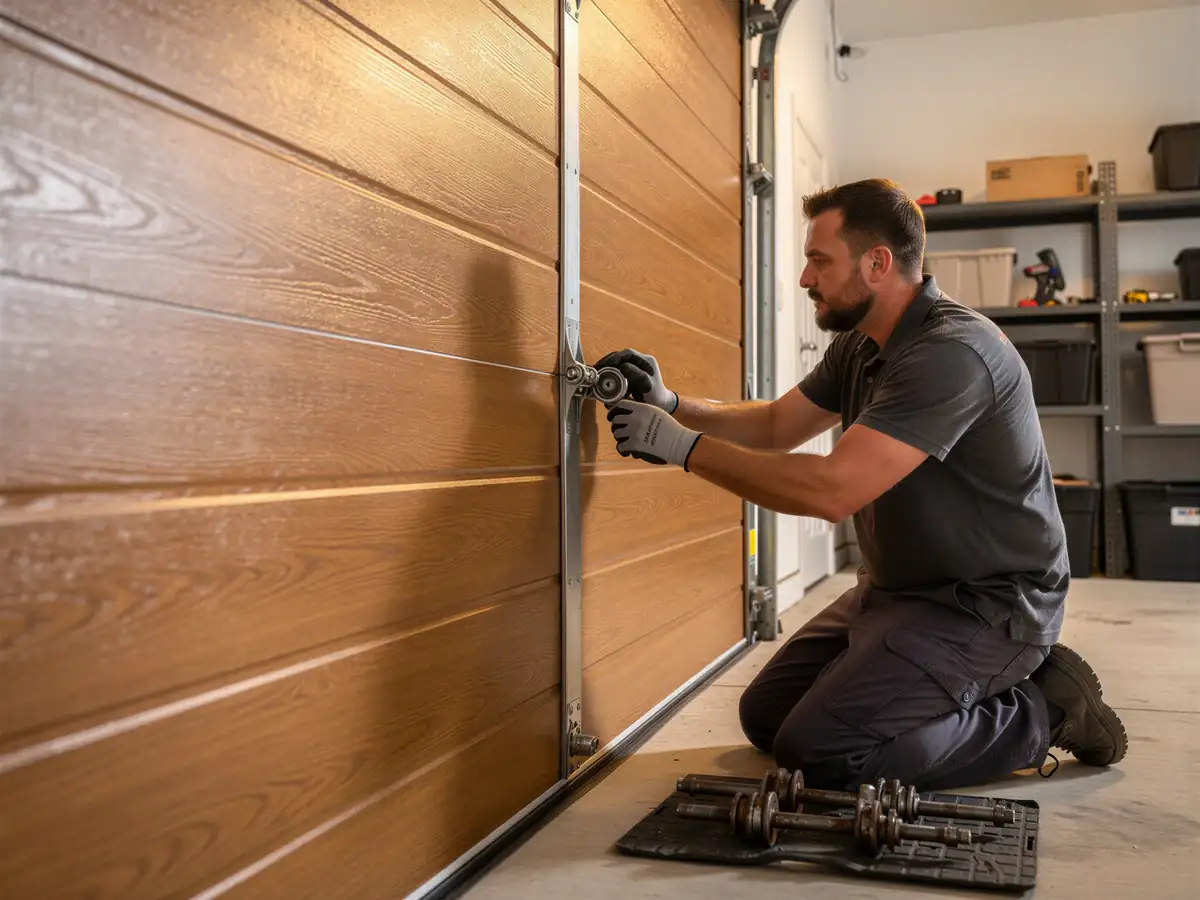
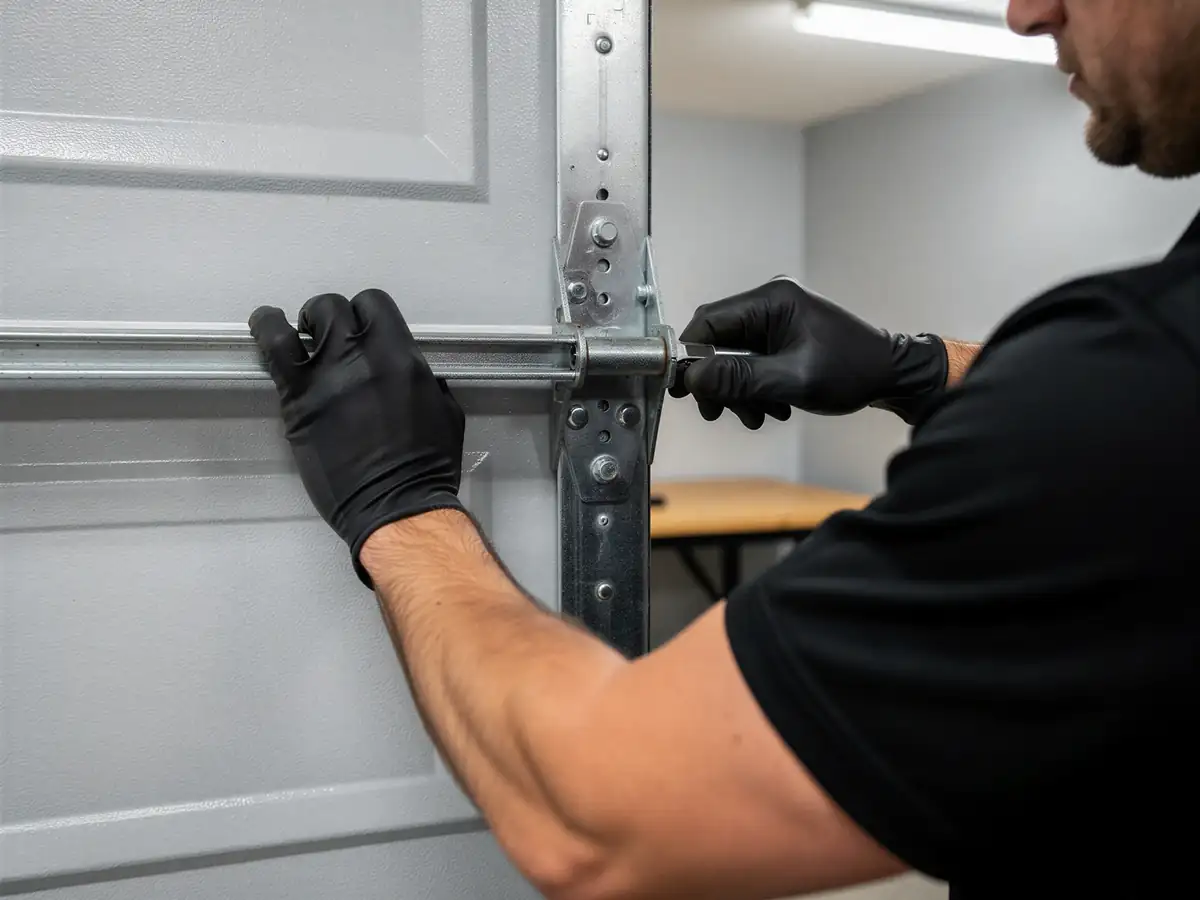
Most of the original garage door hardware in Urbana dates back to 1979, the median build year for homes in this part of the service area. That means a lot of what's on the wall and the track has never been swapped out, not because it's good, but because nobody's looked at it. When we get a call from Urbana, we drive the four miles from our Champaign shop and start the same way every time: pull the spring, check the cable drums, check the rollers and hinges for the wear pattern that tells us whether this is an original torsion setup or a newer retrofit. Houses built close to 1979 almost always carry one of two spring configurations, and knowing which one before we open the truck saves a second trip. We test the opener's force settings and travel limits, because on doors this old those get adjusted by hand over the years and rarely correctly. The repair itself - spring, cable, roller, or opener board - gets done on-site. We don't guess at parts in the shop and come back; we bring what a house from this era is most likely to need.
Stocked Parts
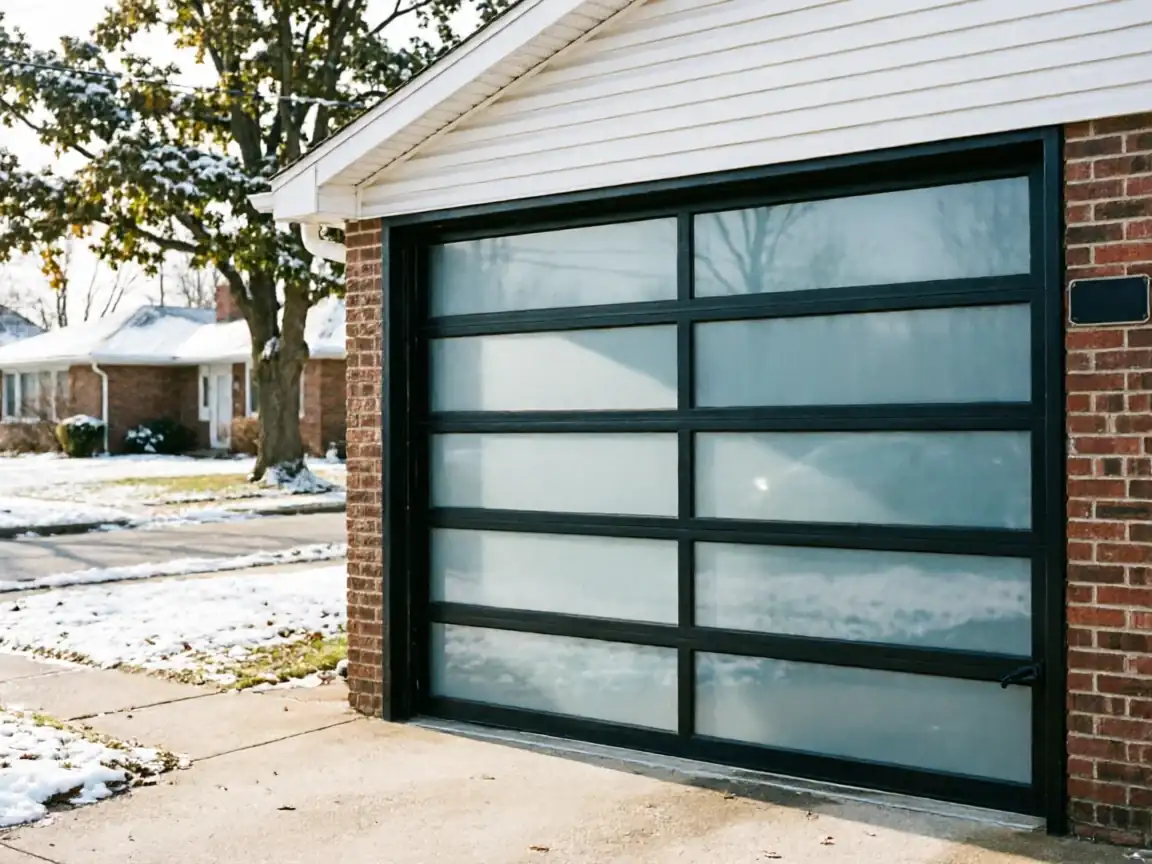
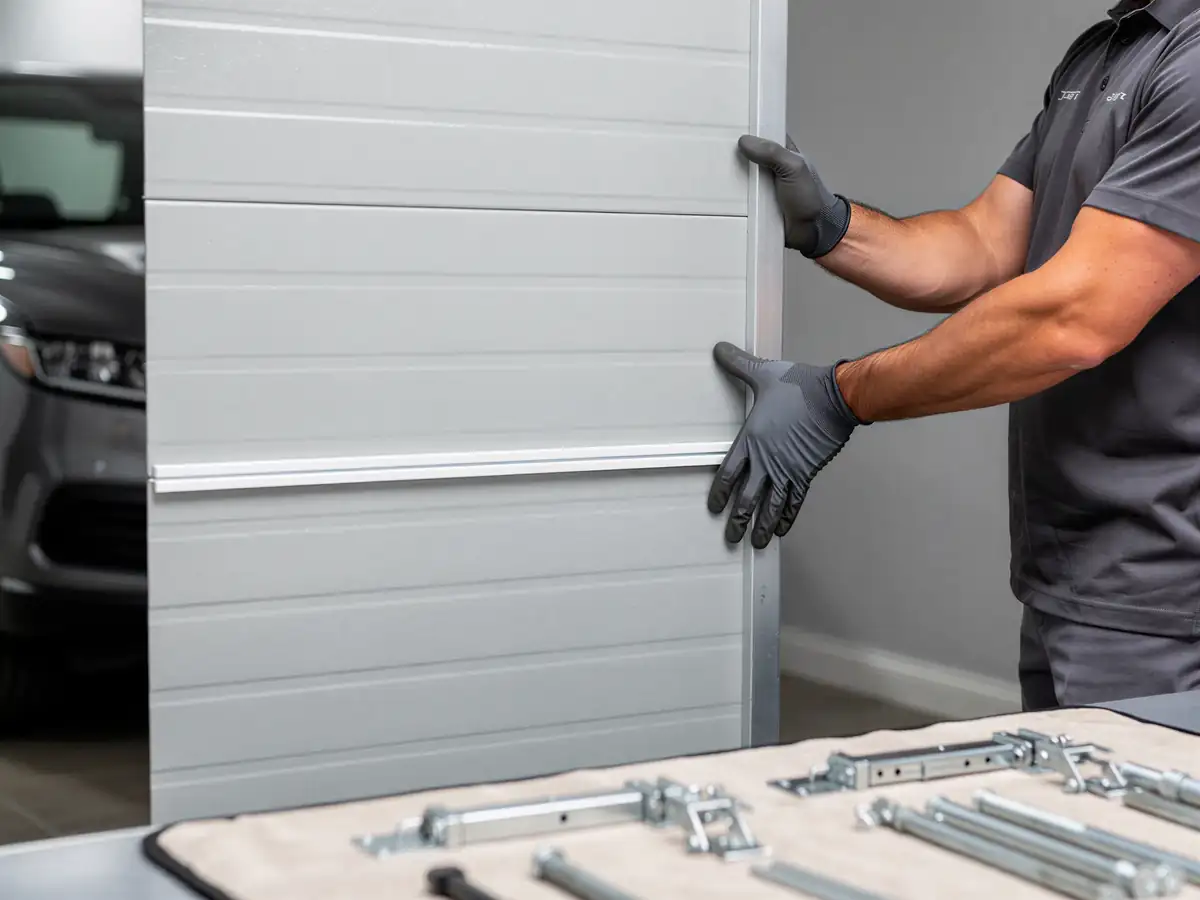
Because the median home in the Champaign-Urbana service area was built in 1978, and Urbana itself sits right at 1979, the trucks carry parts sized for that generation of door: torsion springs in the wind and wire gauges that match garages built through the 60s, 70s, and 80s rather than the lighter springs used on newer doors. We carry standard-lift cable, steel rollers, and hinge sizes that fit older galvanized track, narrower than what's sold in most big-box stores today. We also keep a run of universal opener circuit boards, since a lot of openers from this era have already been replaced once with a newer unit on old brackets, and the brackets don't always match new boards without an adapter. What we don't carry on the truck is specialty glass-panel inserts or oversized commercial doors - those get special-ordered, and we'll tell you that up front rather than make you wait at the curb while we figure it out.
The Symptom
The call we get most from this part of town is the door that stops halfway and reverses, or the one that's suddenly loud - a grinding or a popping sound on the way up. On a house built around 1979, that's almost always the torsion spring reaching the end of its cycle count; a spring installed when the house was built, or even once replaced since, is well past the point where most springs are rated to fail. The second most common is the cable fraying at the drum, which shows up as a door that hangs crooked on one side right before it drops. Both of these are symptoms of age, not of one bad part - if the spring is original, the rollers and the cable likely are too, and we check all three rather than swap the one you called about and leave the other two to fail next month.
Why This Fails Locally
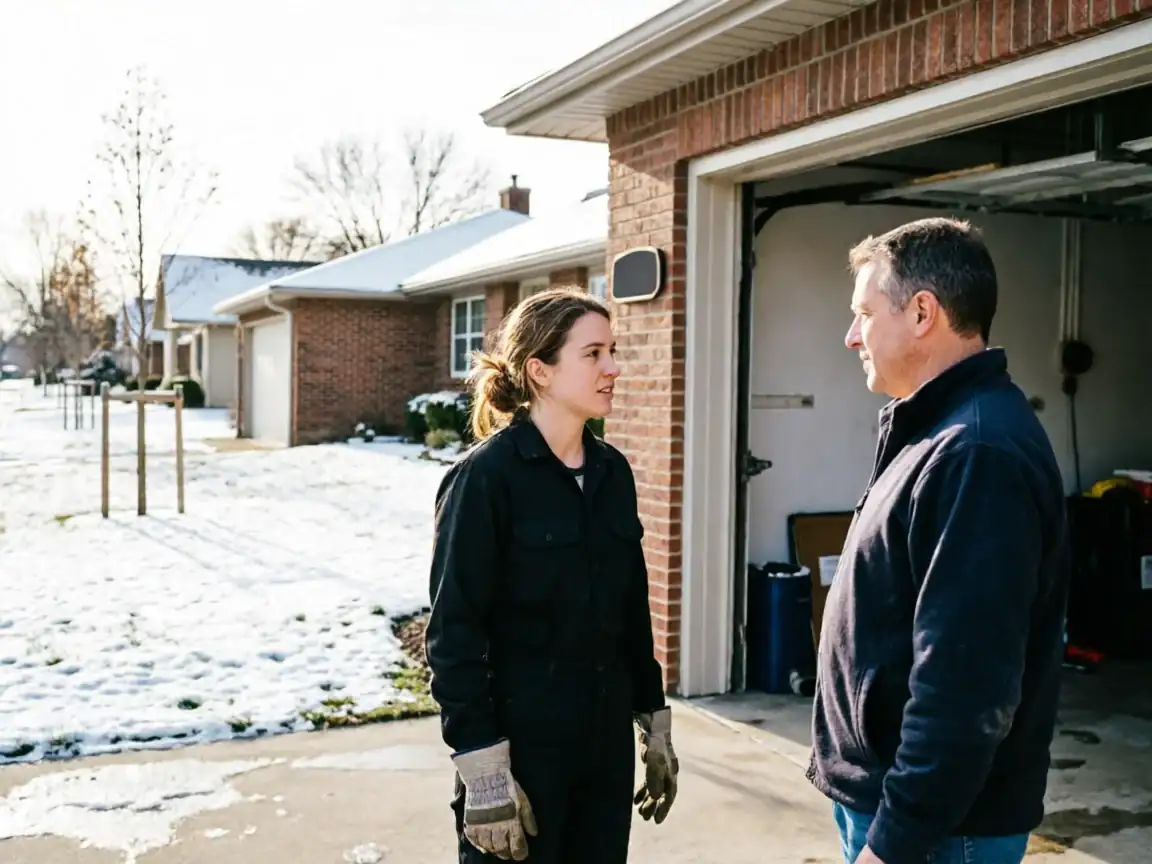
Urbana sits in a climate band the federal data classes as cold, which matters more for a garage door than most owners expect. Steel contracts in cold weather, and a torsion spring that's already near the end of its wind count is more likely to snap on a January morning than a July afternoon, because the metal's lost some of its give. Pair that with a housing stock that runs mostly 1960s and 70s construction across the broader service area - home to 36,992 households, with 13,187 of them owner-occupied houses - and you get a lot of doors carrying original springs that were never rated for forty-plus winters in this part of Illinois. It's not a dramatic failure - usually it's a loud bang in the garage and a door that won't lift - but it happens in clusters during the first hard cold snap of the season, because every spring installed around the same build year starts hitting its fatigue limit around the same time.