How We Fix It
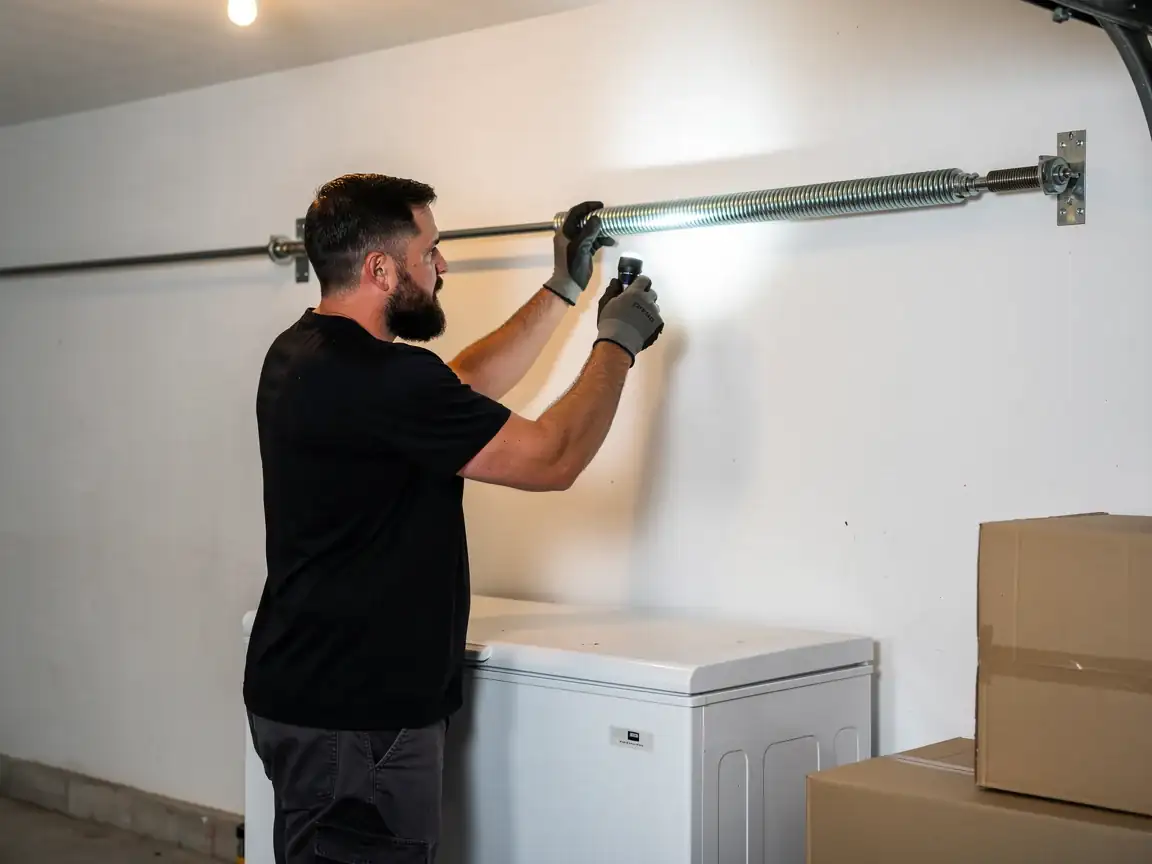
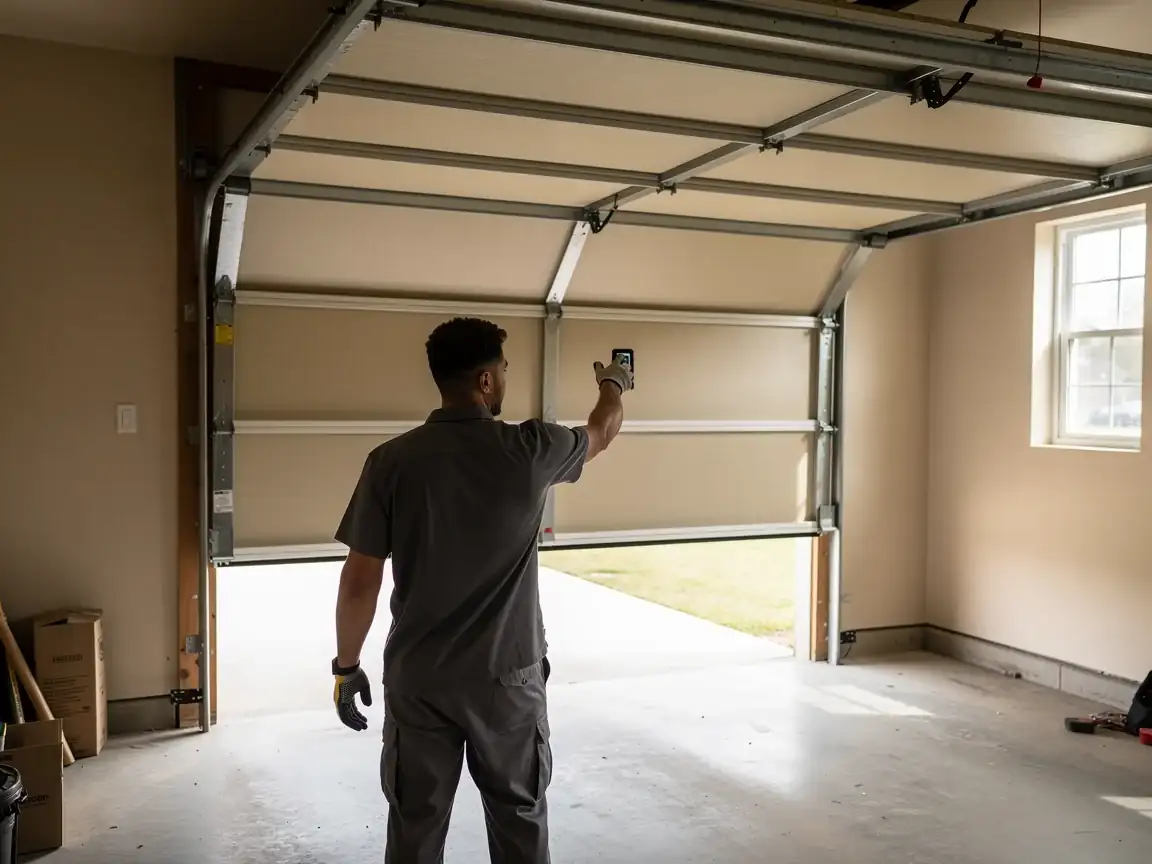
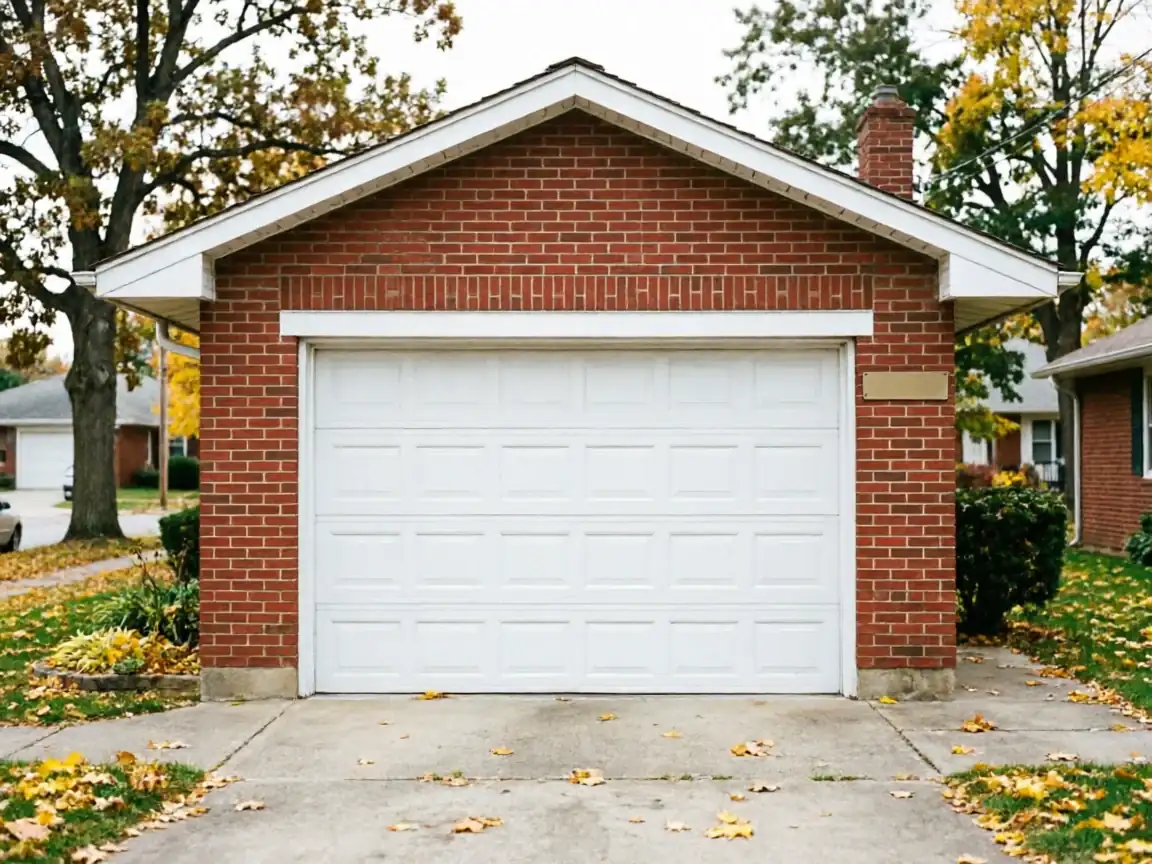
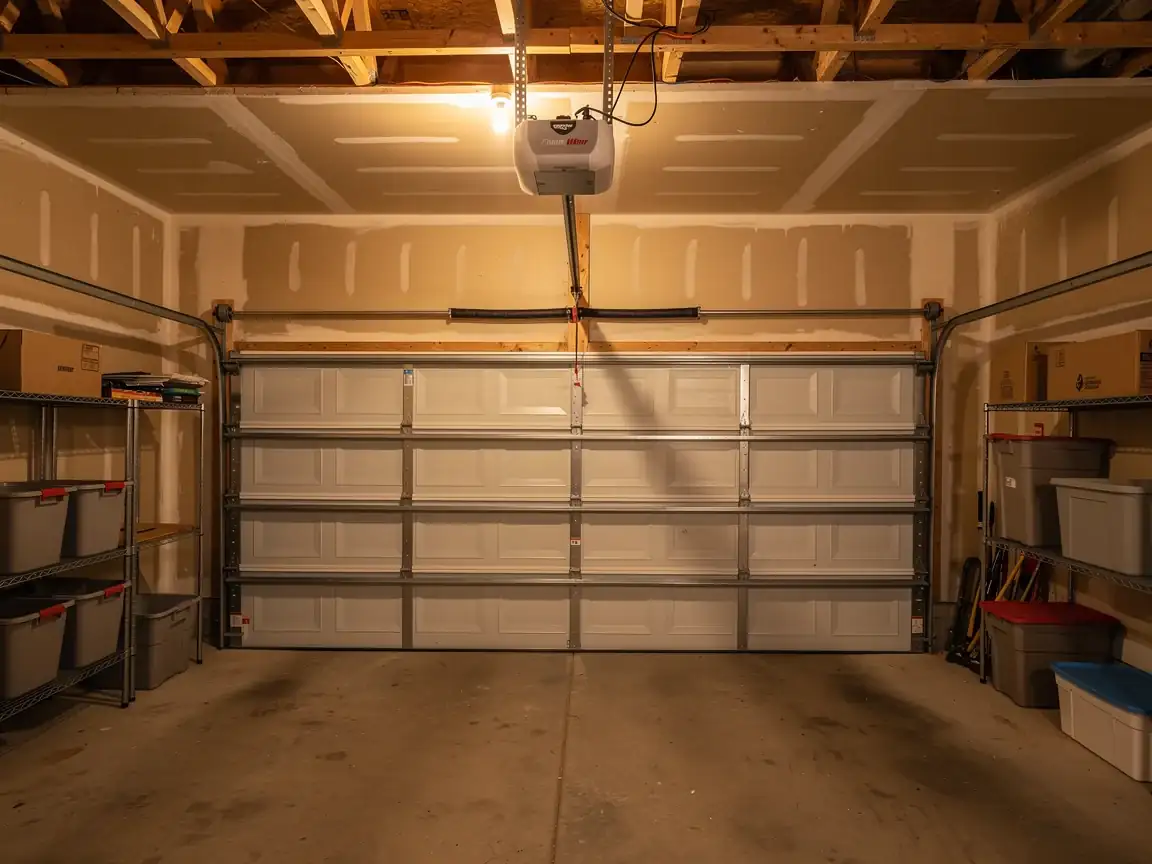
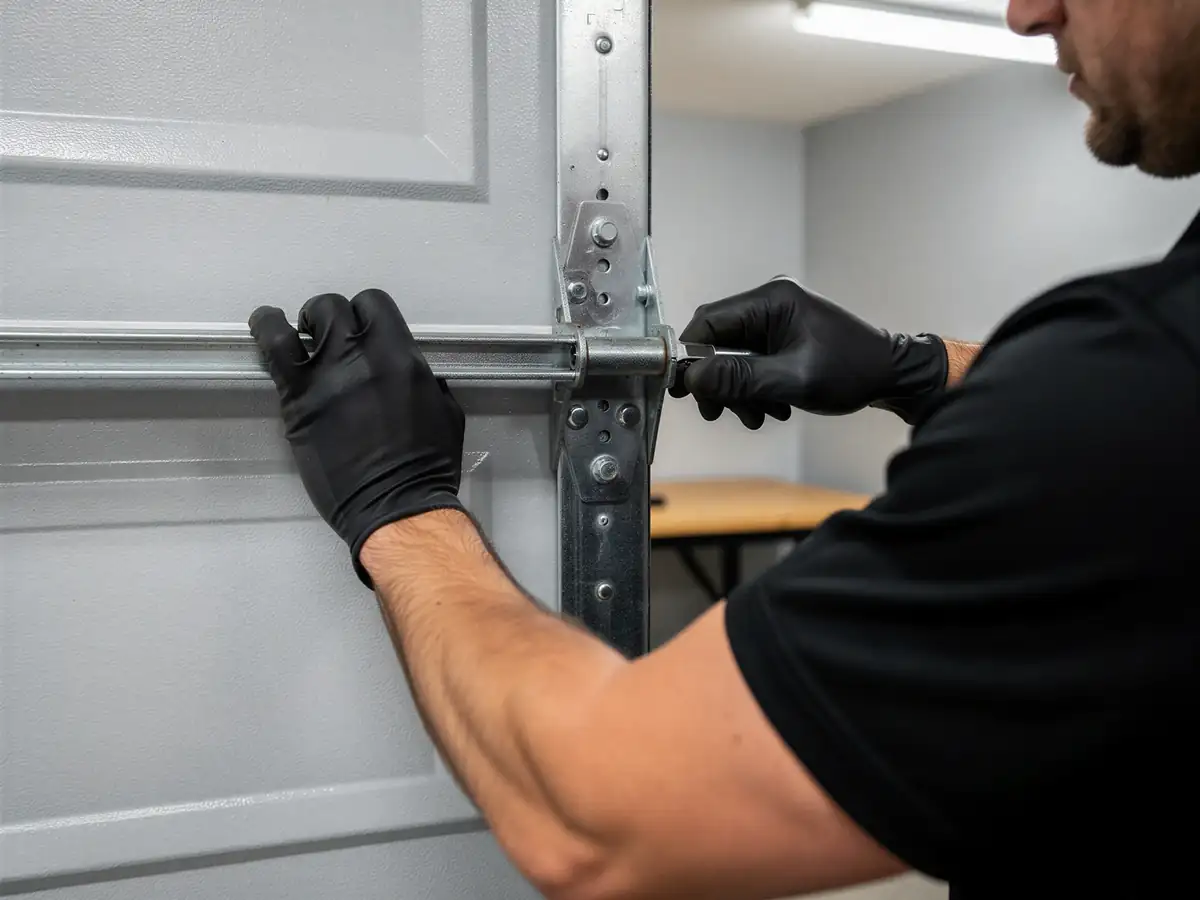
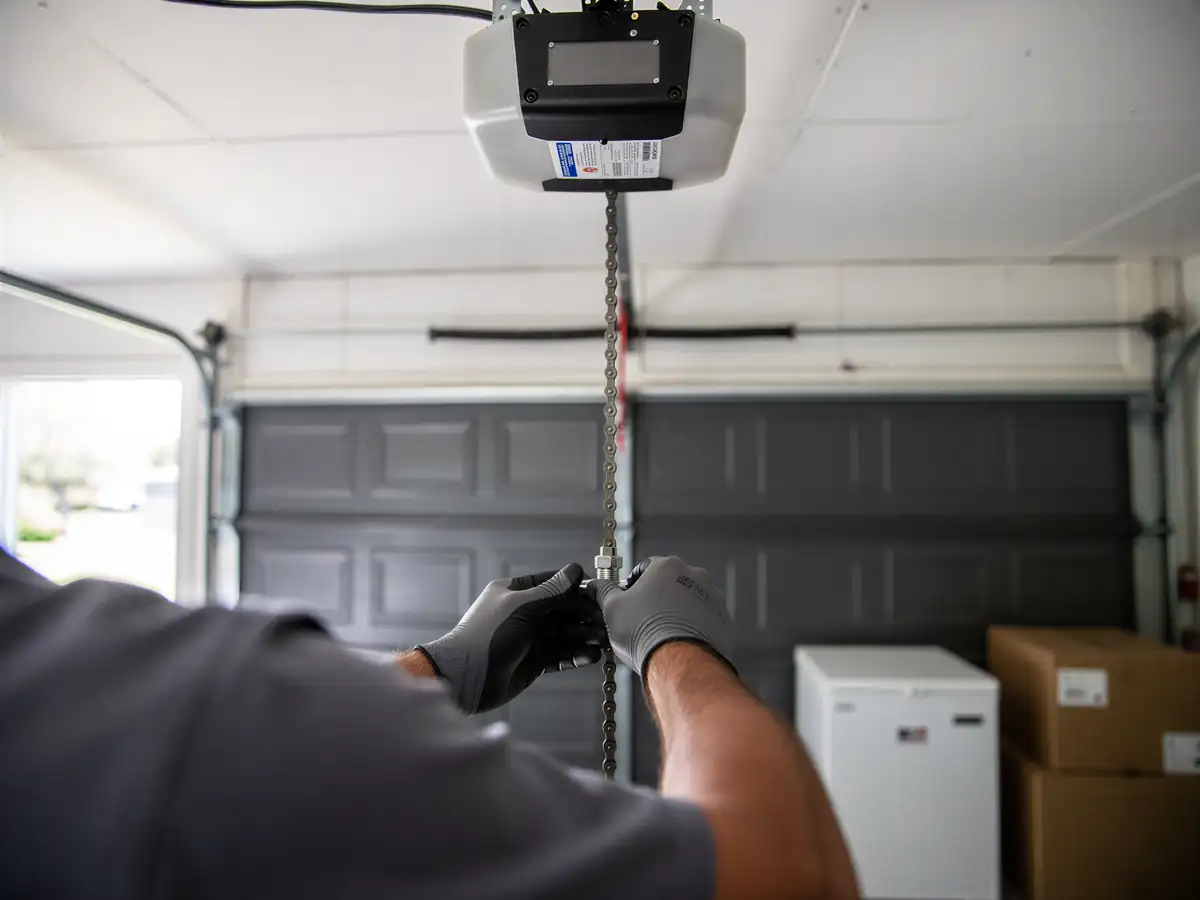
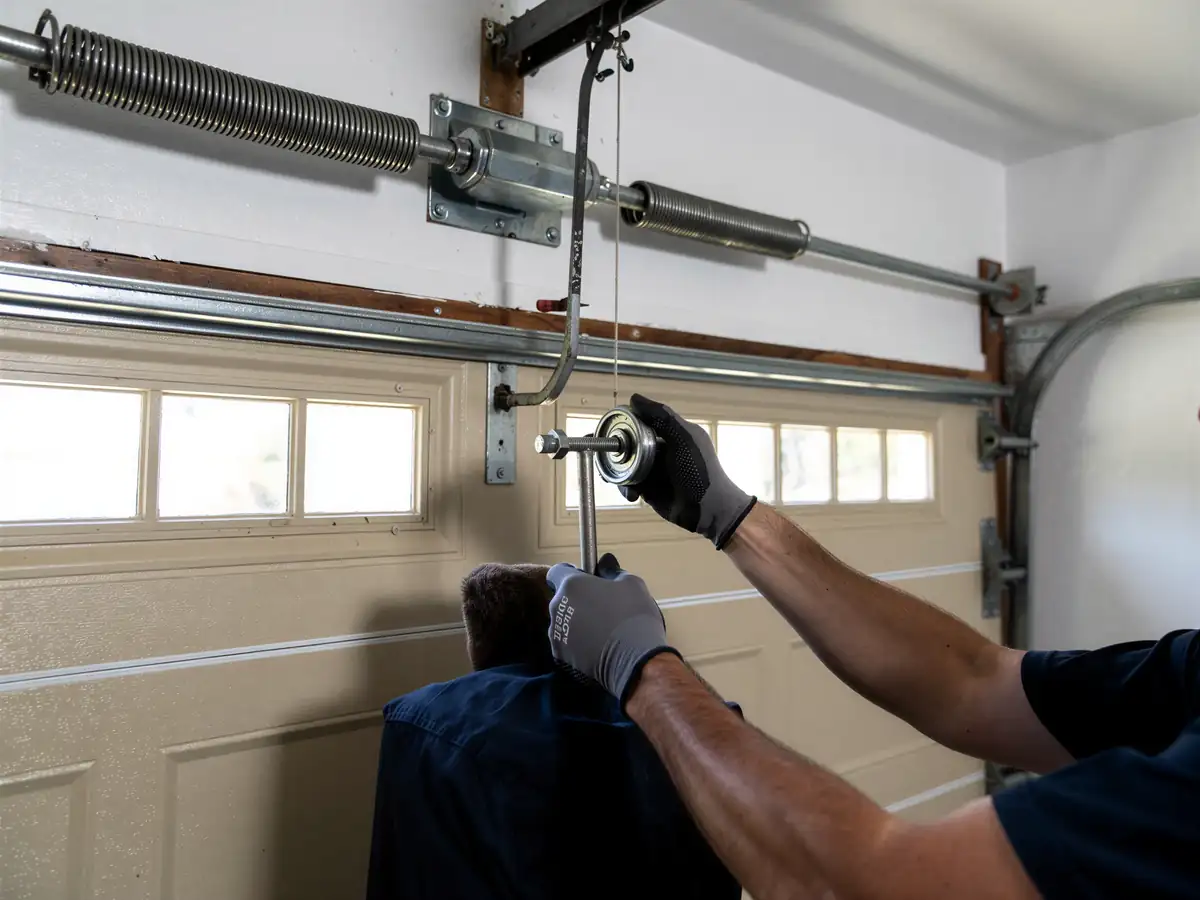
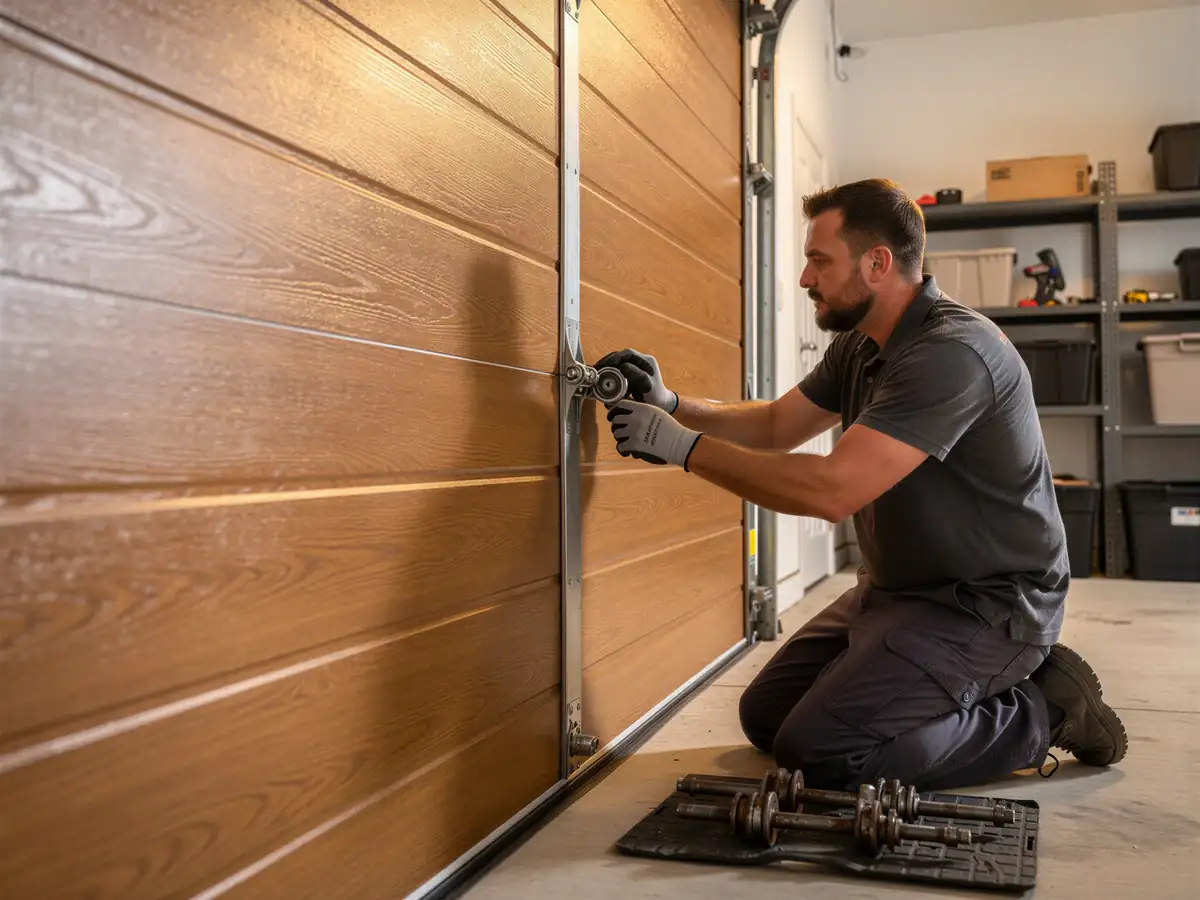
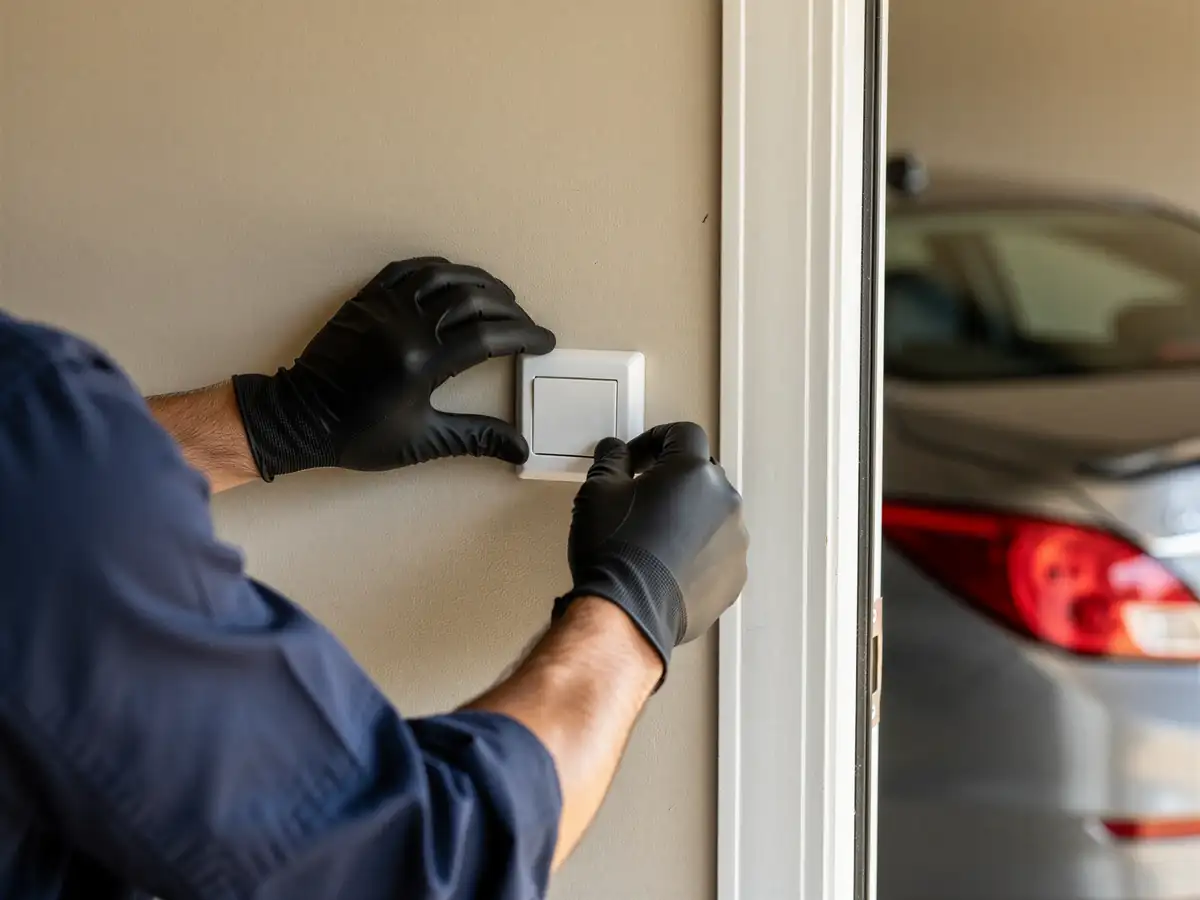
The drive from our shop in Champaign to Urbana is four miles, short enough that an opener install doesn't turn into a half-day event just getting there and back. That matters because most of the work on a job like this isn't the drive, it's the fitting: Urbana's housing stock centers on 1979, which means a lot of garages still have the original track height and door weight that opener manufacturers built around decades ago. We start by checking the door itself before we touch the opener - spring tension, panel weight, track alignment - because an opener matched to the wrong door is a comeback waiting to happen. Once we know what the door needs, we mount the rail, set the travel limits, wire in the safety sensors, and run the force settings so the door reverses correctly on an obstruction. We test the manual release and the battery backup if the unit has one, since outages happen here too. The short trip means we can usually do this in one visit without staging a second run for a part we didn't expect to need.
Stocked Parts
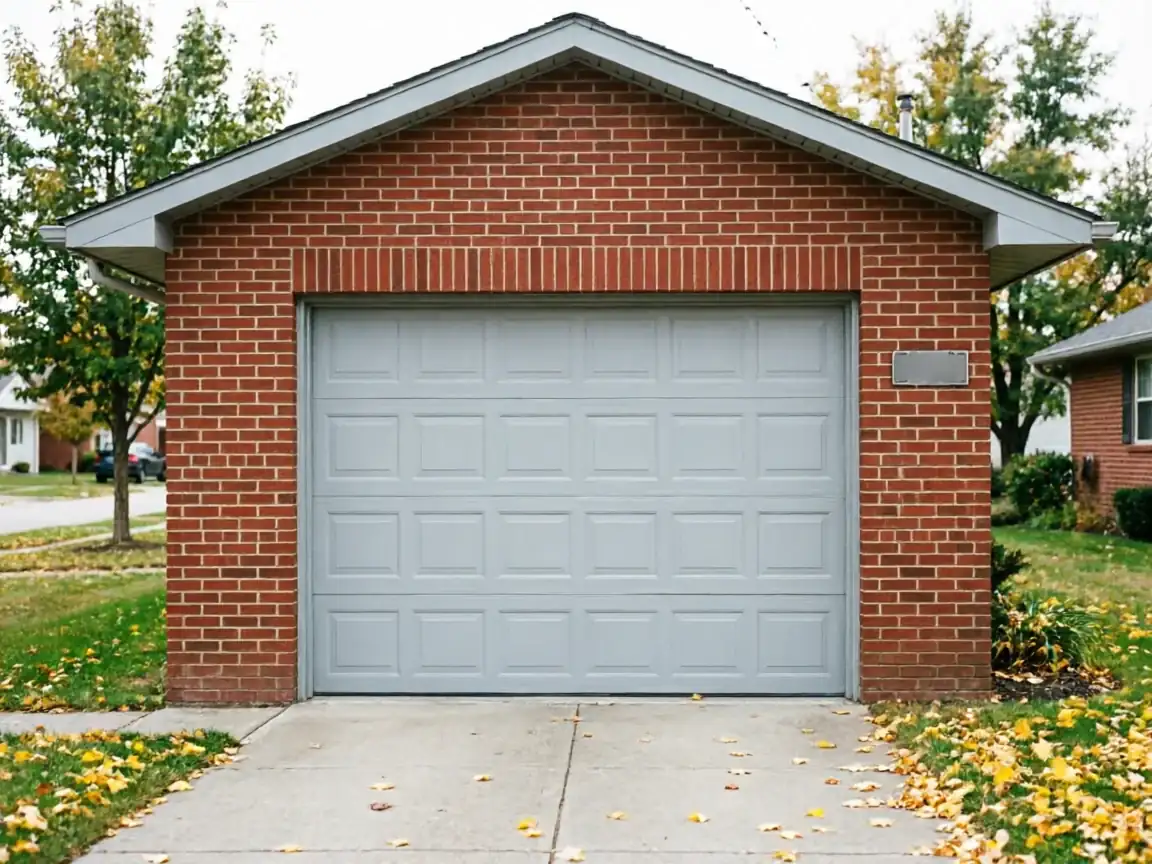
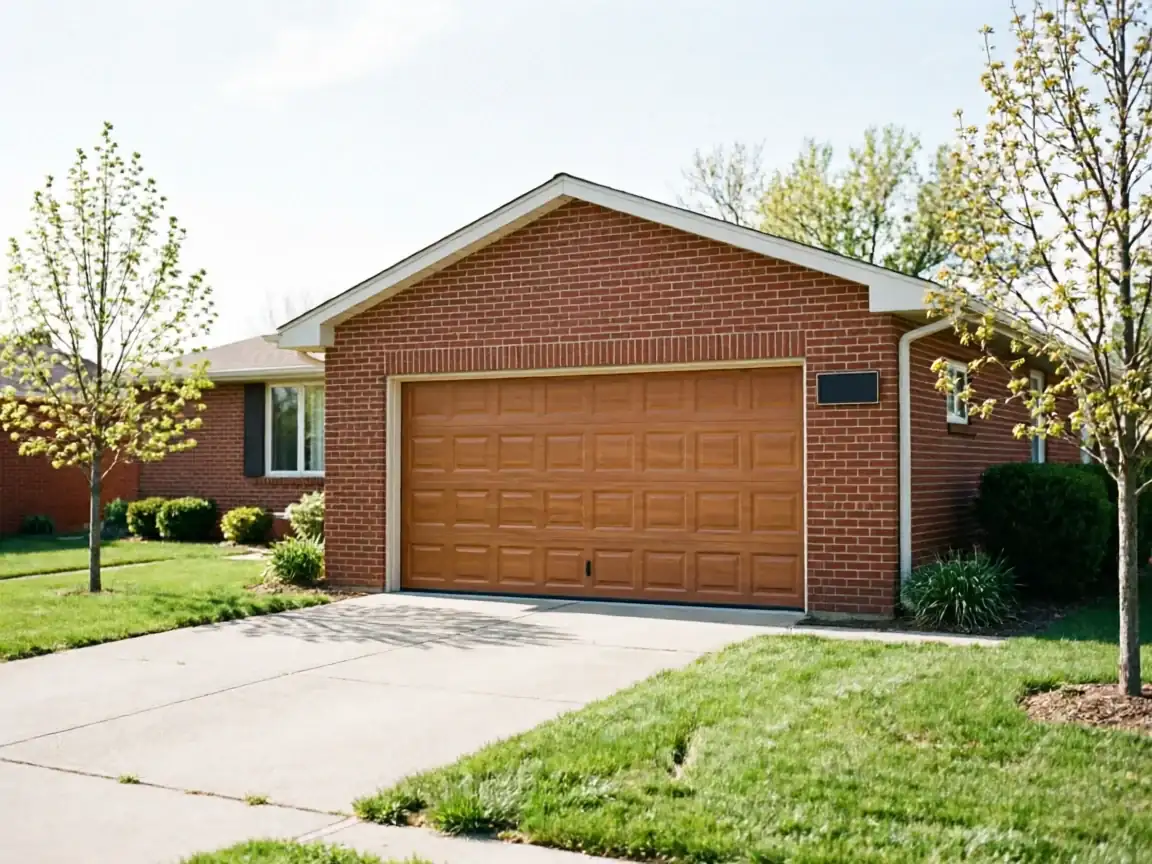
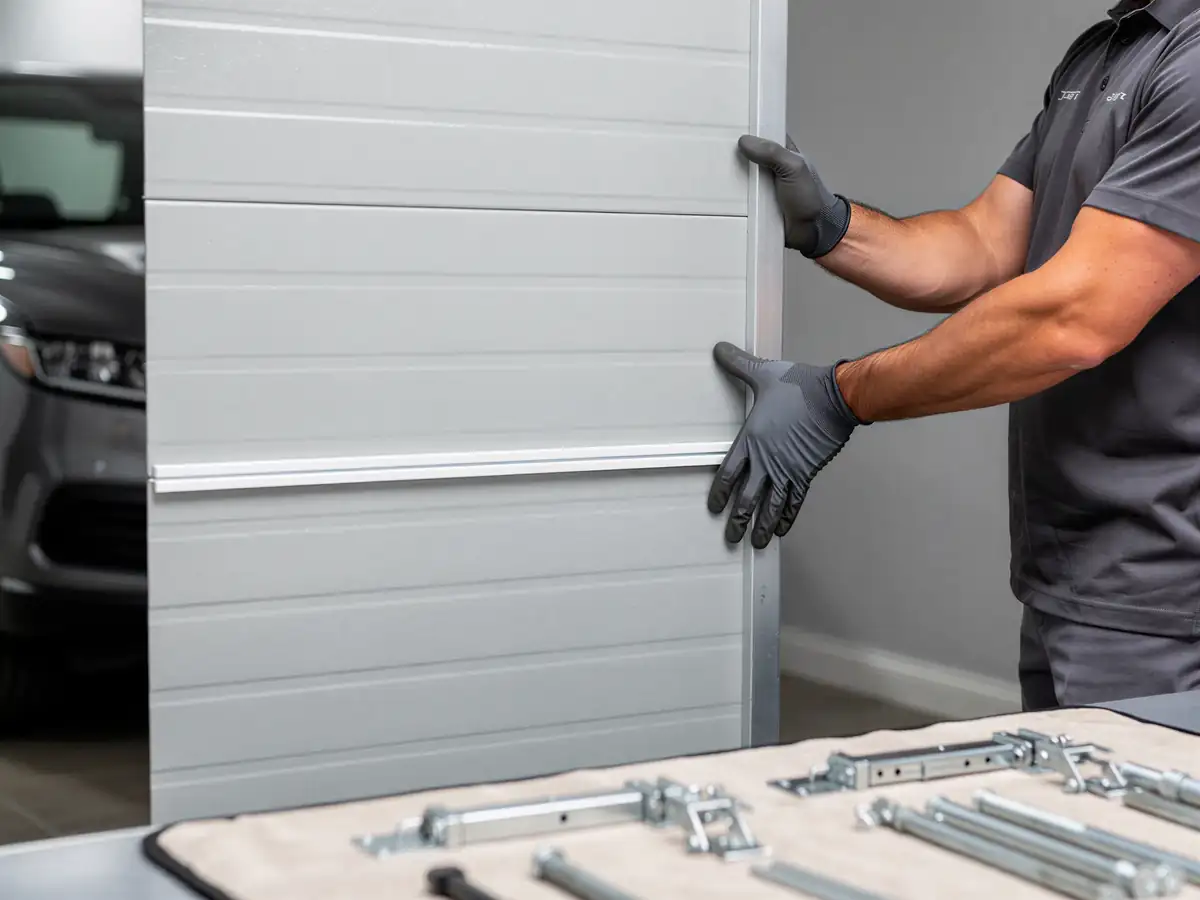
Housing across the wider service area runs from 1956 to 2000, with a lot of it clustered in the 1960s and 70s, and Urbana's own median year of 1979 sits right in that window. That means the openers we carry have to cover a wide spread of header heights, door weights, and mounting styles - a lot of these garages were built before belt-drive units were common, so chain-drive and screw-drive models still see regular use alongside newer belt units. We carry rail extension kits for the taller single-piece doors that turn up in older construction, along with the brackets and wiring harnesses that those setups actually need. We don't stock every obsolete part for every discontinued opener model ever sold - if your unit is old enough that the manufacturer has stopped making the logic board, we'll tell you straight that replacement is the better call rather than hunting for a part that may not exist anymore. What we do carry covers the bulk of what shows up in houses from this era, which is most of what we see on these jobs.
The Symptom
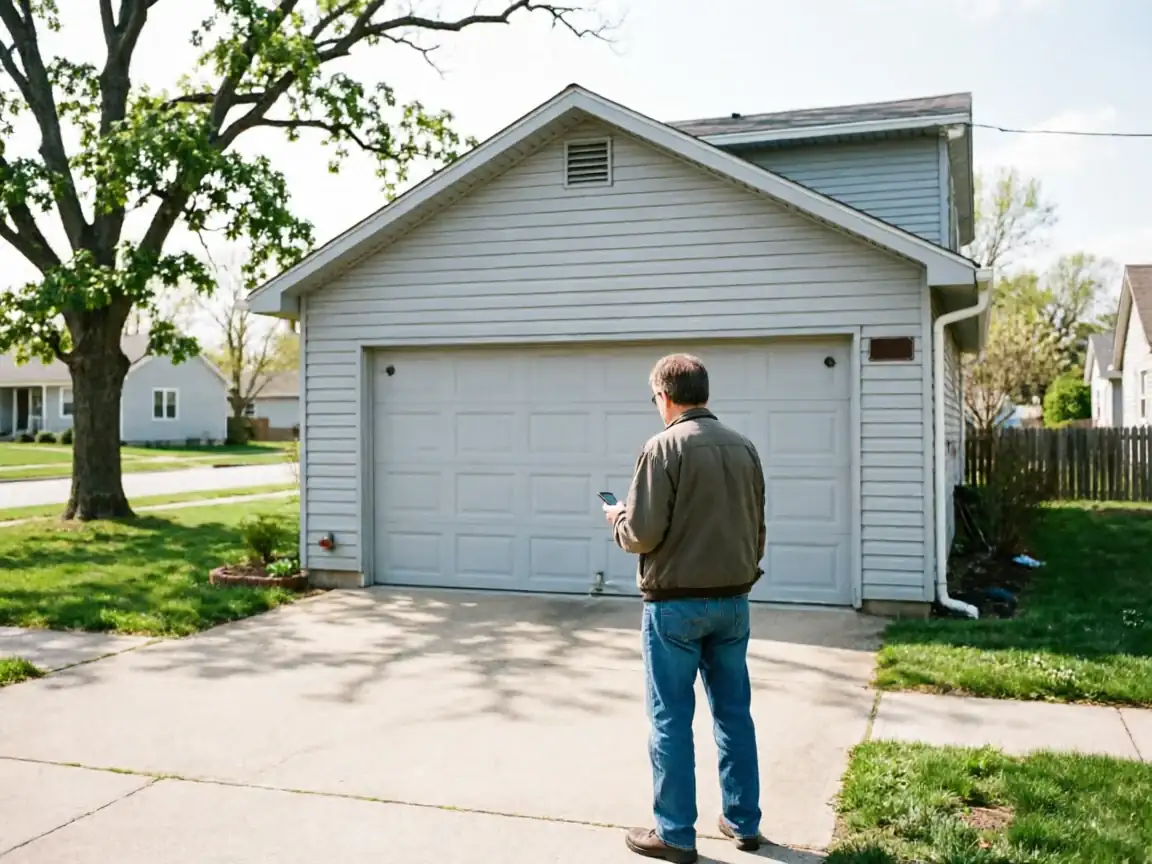
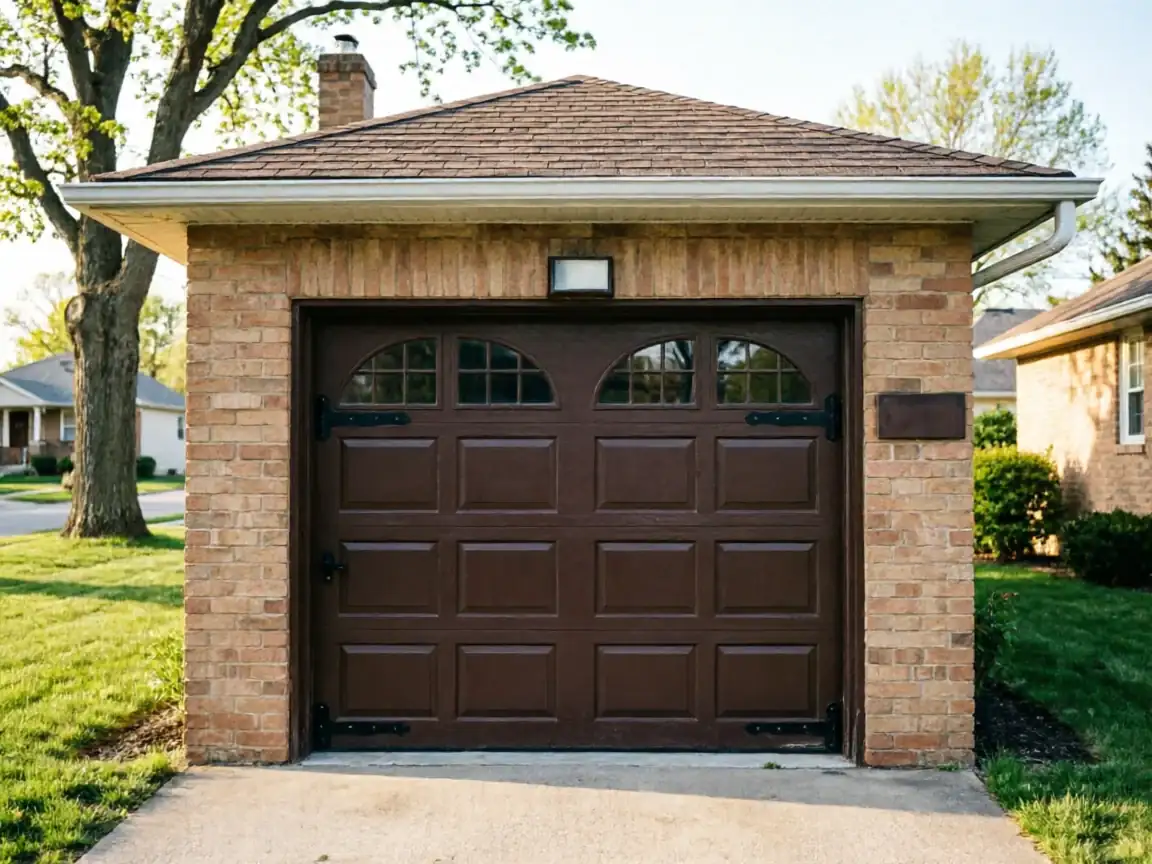
The complaint we hear most from houses built around Urbana's 1979 median isn't total failure - it's a door that works, eventually, after some noise and hesitation. A chain-drive opener from that era grinds louder each year as the gear wears, and a lot of units never got updated with modern photo-eye sensors, which means the safety reversal doesn't meet current expectations even if the door still goes up and down fine. Sometimes it's a remote that only works from inside the car in one specific spot in the driveway, which usually means the antenna or logic board inside the unit is failing, not the remote itself. Other times the door starts, stops halfway, and reverses - that's the travel limit or the force setting drifting out of calibration as the unit ages, not a door problem at all. None of these are emergencies in the sense of a spring snapping, but they're the kind of thing that gets worse slowly until the opener quits entirely, usually on a morning you needed the car out.
Why This Fails Locally
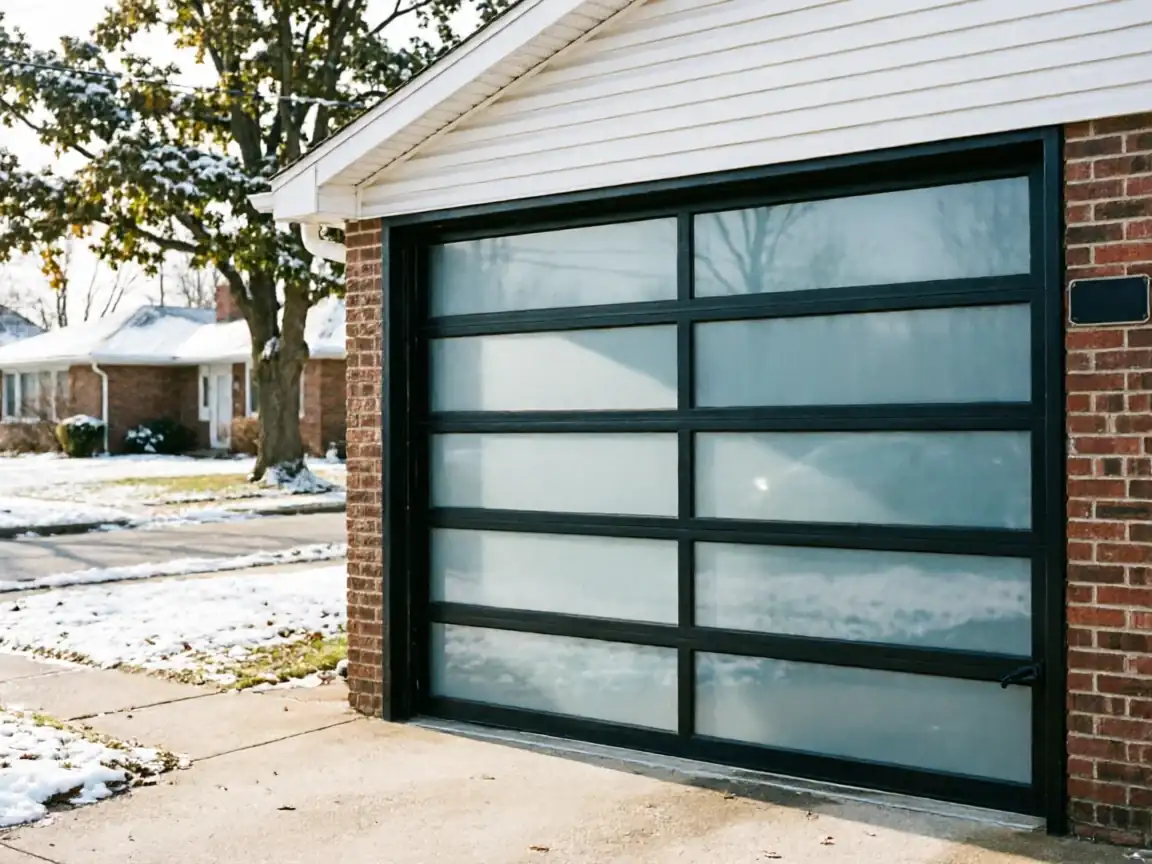
The climate here falls in a cold, moderate band, which is gentler than the coldest parts of the state but still cold enough that opener lubricant thickens and belt tension changes through a winter. On an opener original to a house from the late 1970s, that temperature swing works on bearings and gear sets that have already had forty-plus years of use, and the failure usually shows up as hesitation on the coldest mornings before it shows up any other time. Houses in this age range were also wired for openers with simpler circuits than what's standard now, so a straight swap of an old unit for a new one sometimes means running a new dedicated circuit rather than reusing what's there - that's not a defect in the house, it's just a gap between code when it was built and code now. None of this is unique to one street or one block; it's a function of when the housing went up and what the winters do to anything mechanical that sits in an unheated garage for decades.