How We Fix It
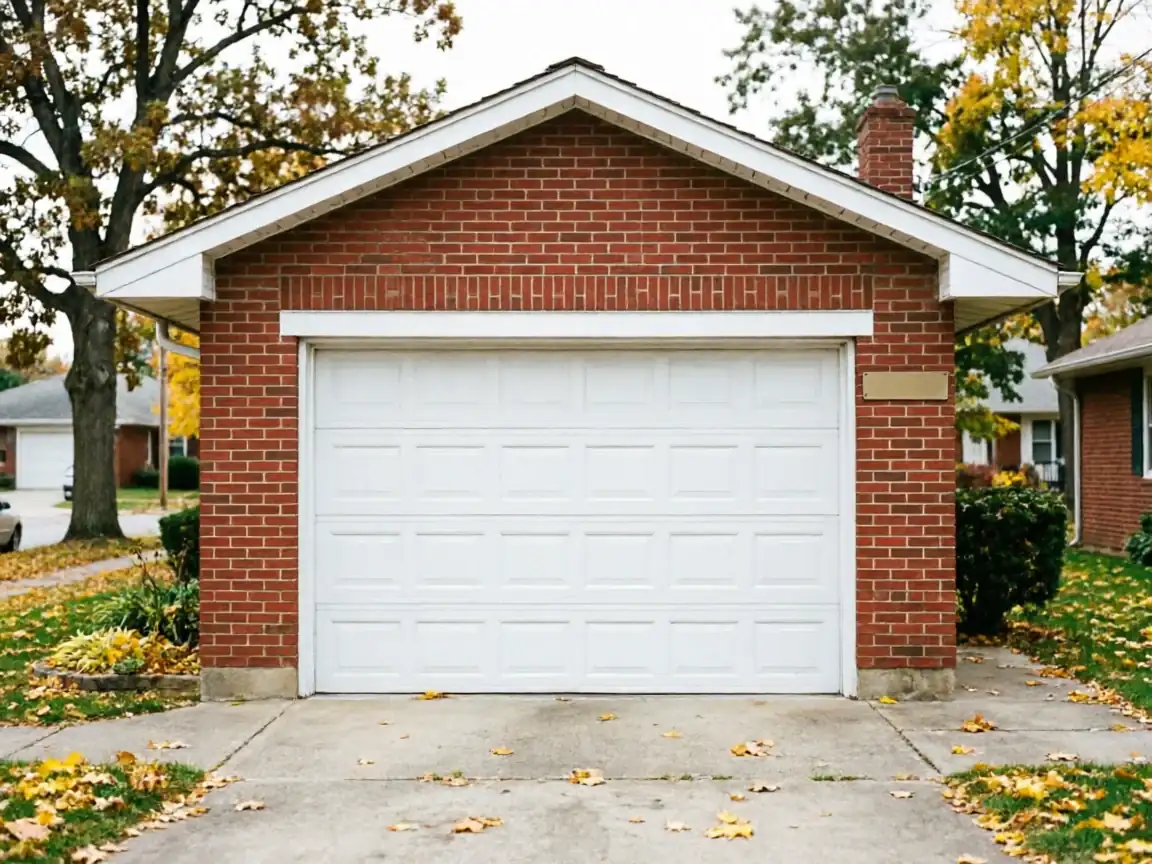
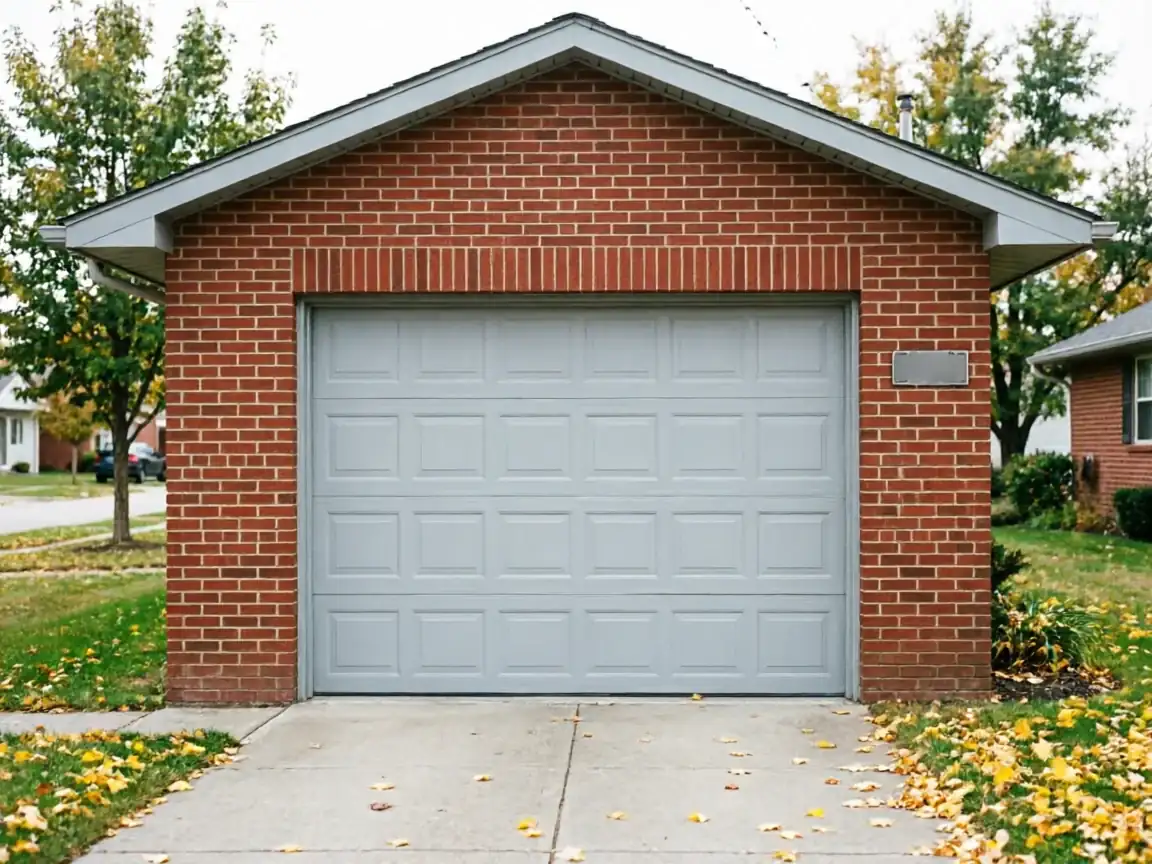
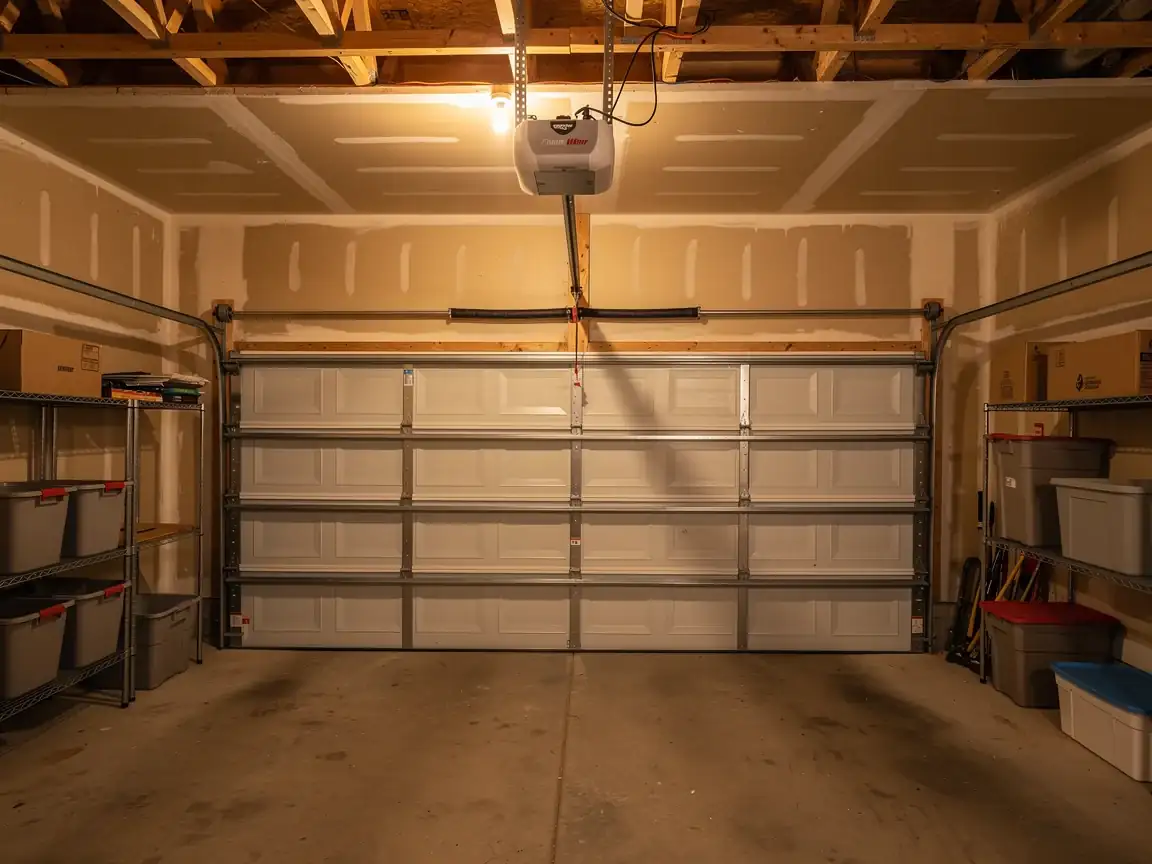
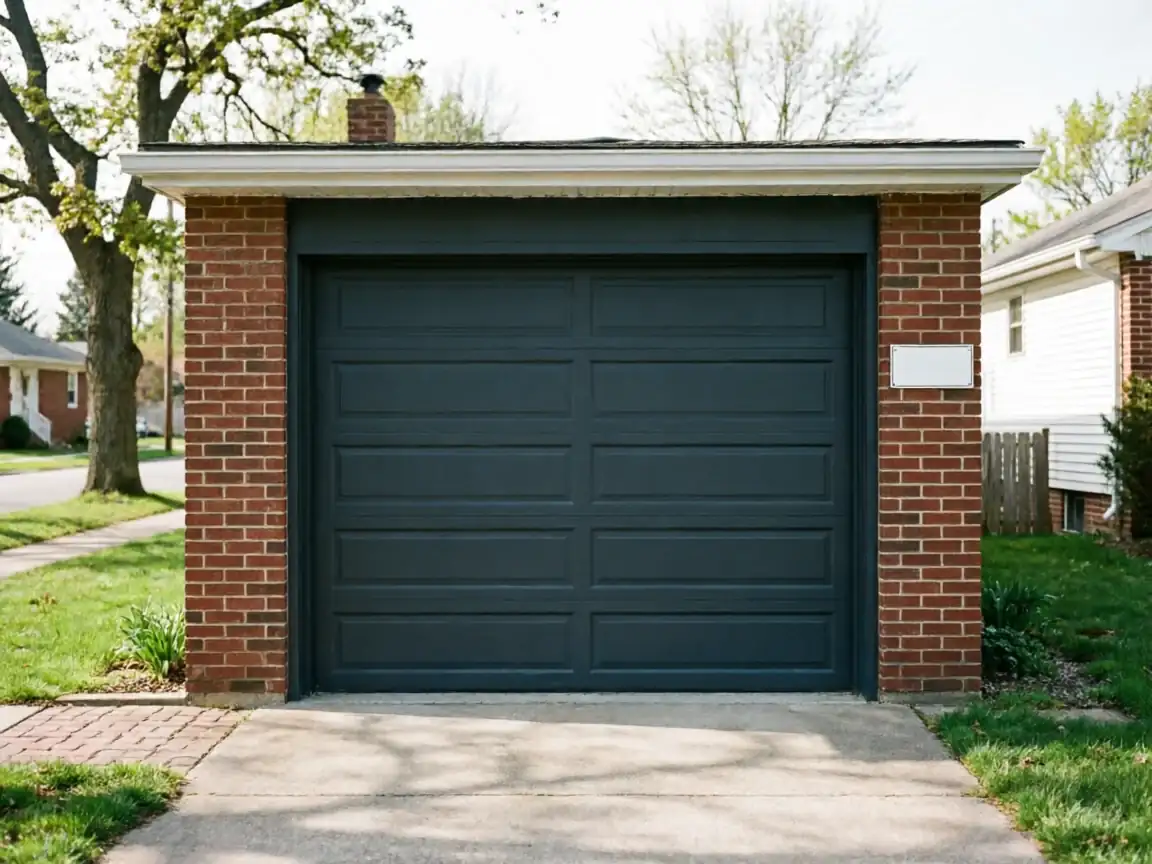
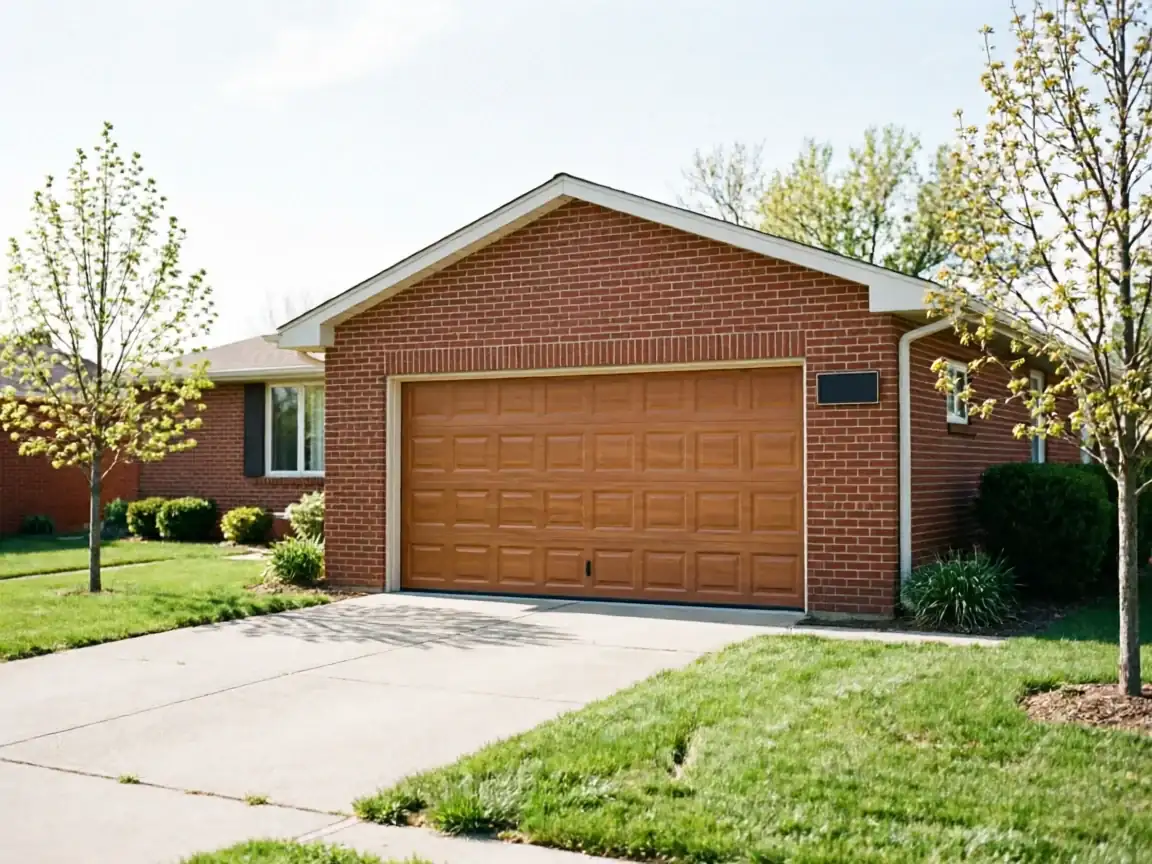
Most garage doors in Urbana went up between 1960 and 1979, when the town's median house was built. That era means steel sectional doors on side-mounted torsion springs, sized for the single-car and two-car openings common to the ranch and split-level houses that make up this part of the county. Panels are plain steel, usually uninsulated, hung on galvanized track that was never meant to outlast the house.
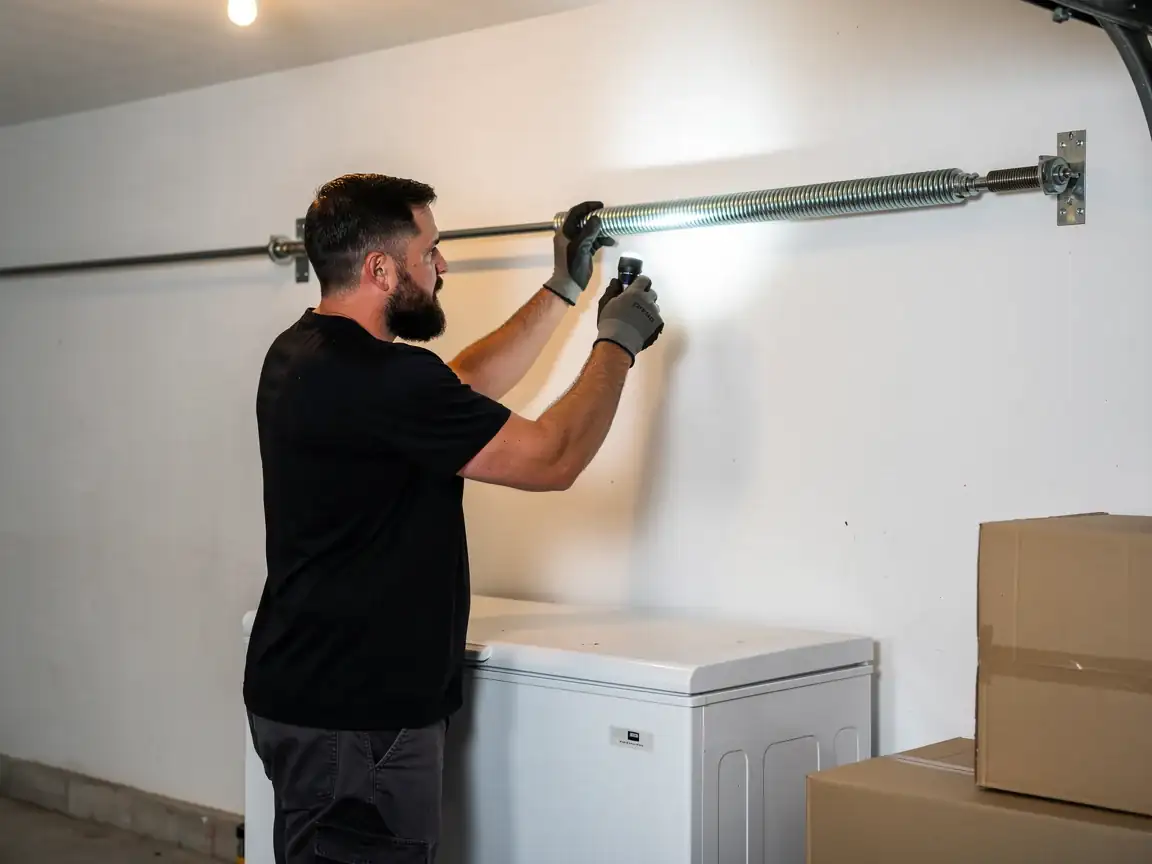
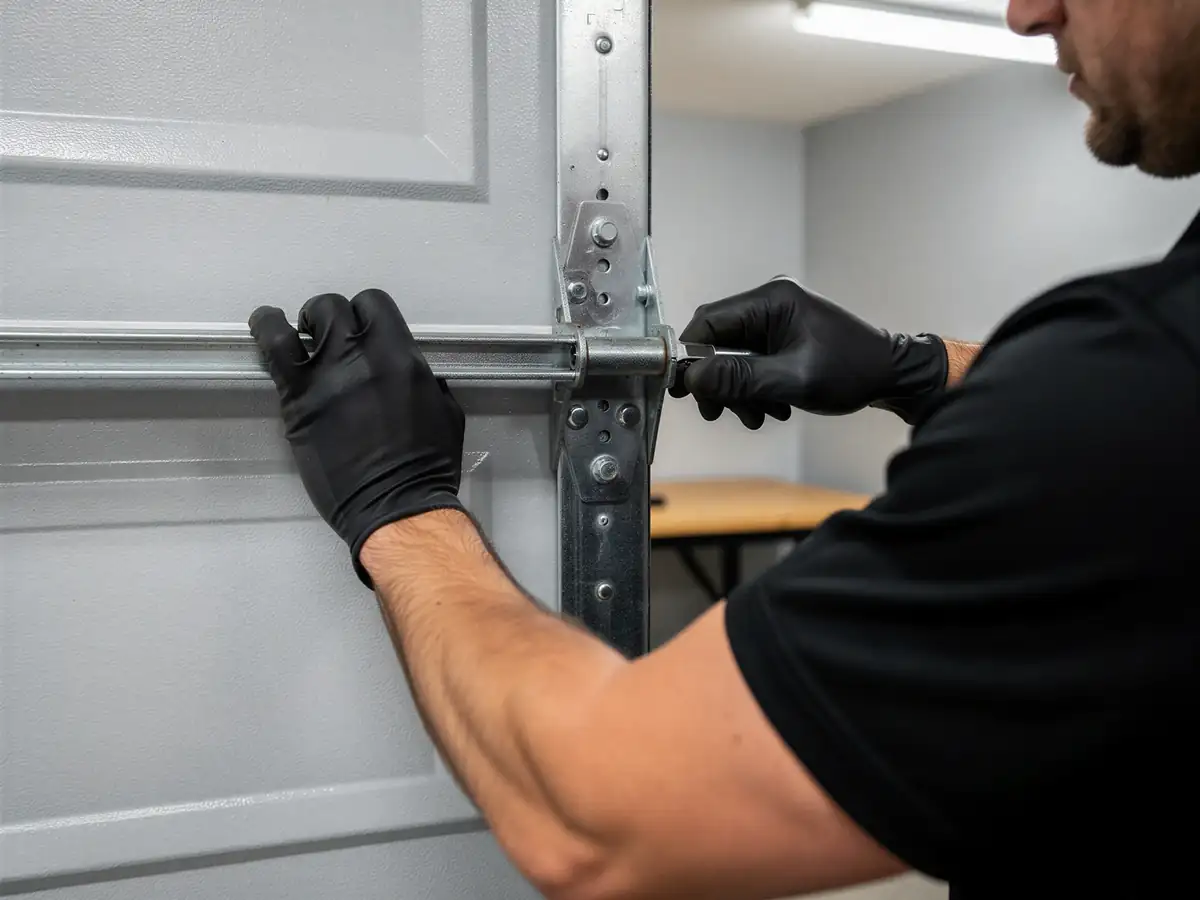
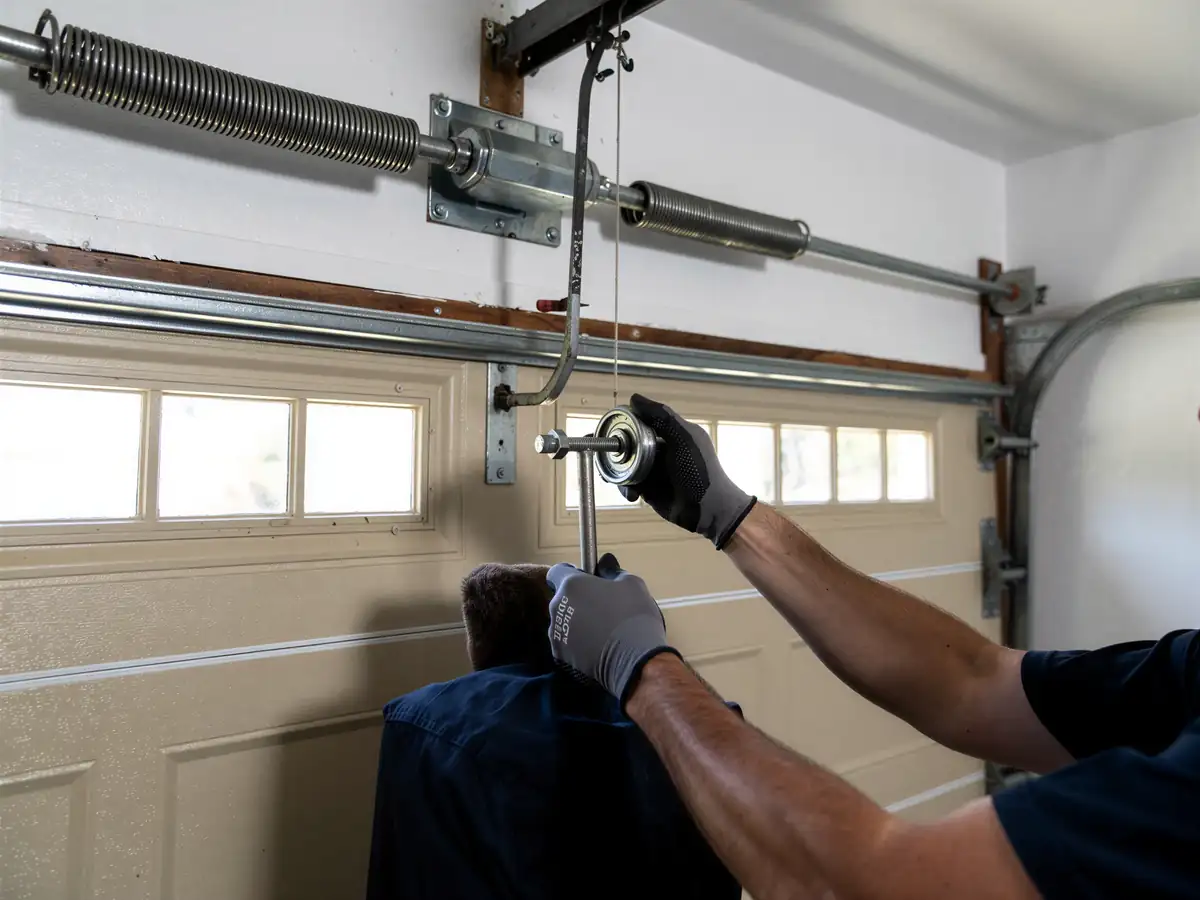
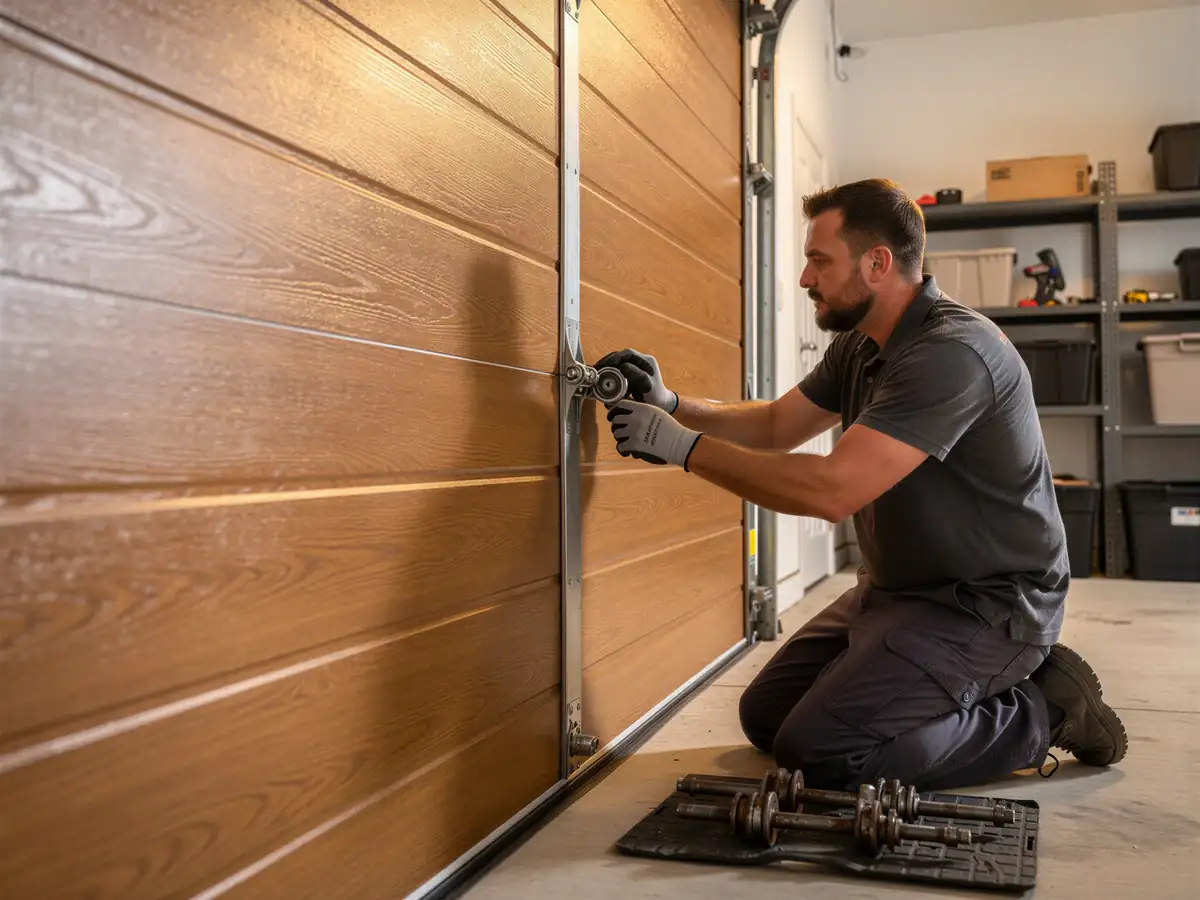
When one of these doors fails, it's almost always the spring first - the torsion coil that's been cycling since before most of the current owners moved in. We pull the broken spring, match the wire gauge and wind to the door's weight and size, and replace both springs as a pair even if only one let go, since the other is the same age and on the same clock. If the opener is original to the house, the drive gear or capacitor is usually the next thing to go, and we'll tell you honestly if a repair is worth it or if the door's better off replaced outright.
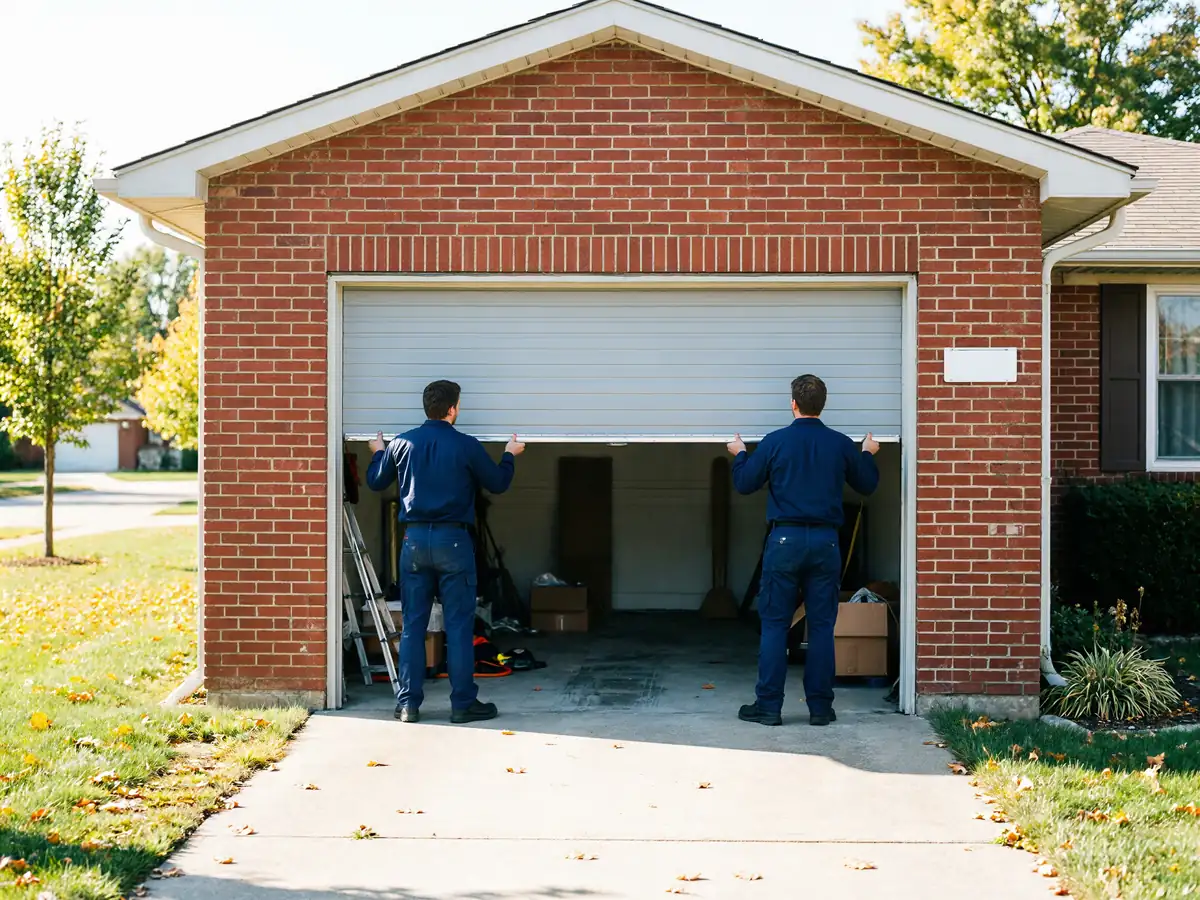
We come from our Champaign shop - Urbana is a 4-mile run, so there's no branch office here, just a truck that makes the trip.
Stocked Parts
We carry torsion springs in the wind and wire sizes that match 1960s-70s door weights, along with the rollers, end bearings, and lift cables that wear out on the same schedule. Standard 7-foot and 8-foot track sections are on the truck too, since that covers the bulk of the openings on this side of the county.
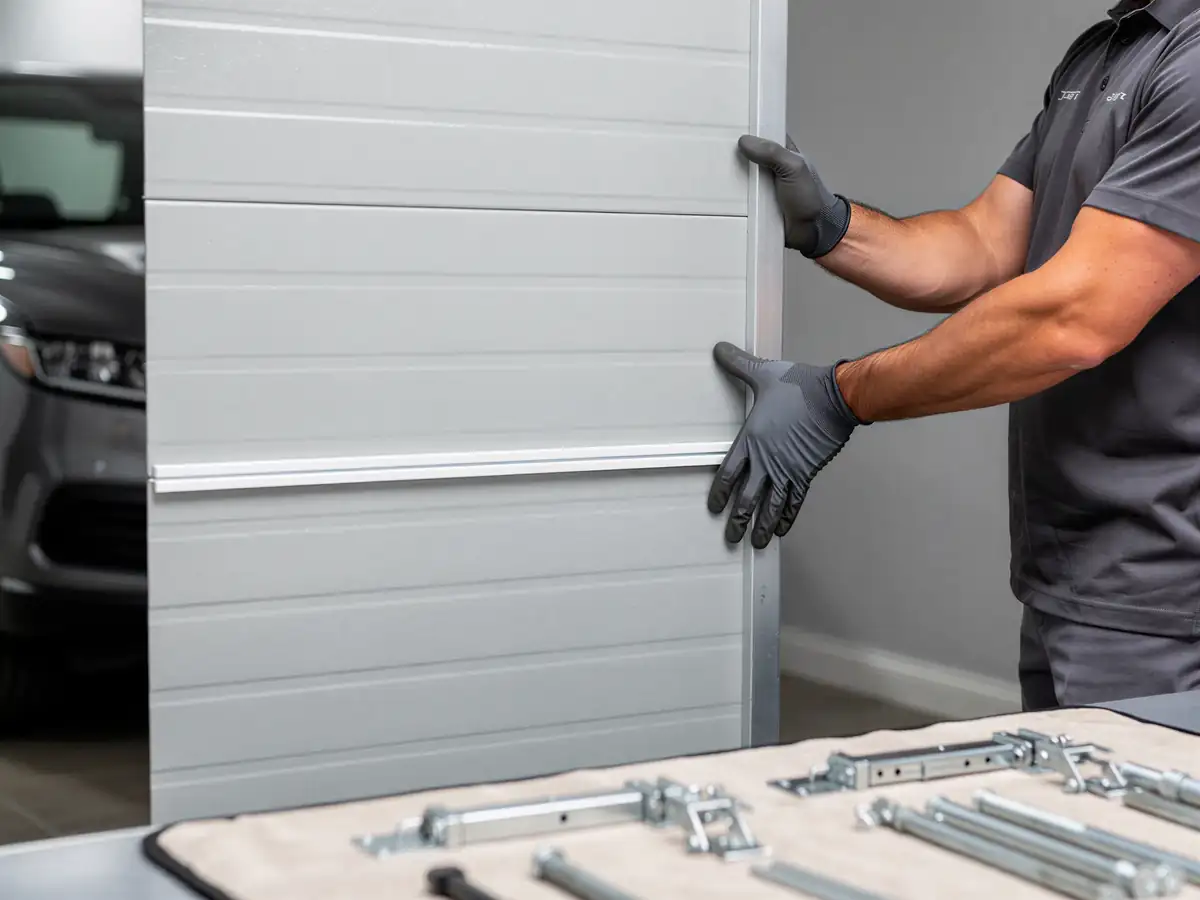
Where we run short is older panel profiles - some of the original steel sections from houses built in the 1960s used ribbing patterns the big manufacturers stopped making years ago. If a single panel on one of these doors is dented but the rest of the door is sound, we may need to order a replacement panel rather than pull one off the truck, and that can take longer than a same-day spring job. We'll tell you that up front rather than promise a part we don't have.
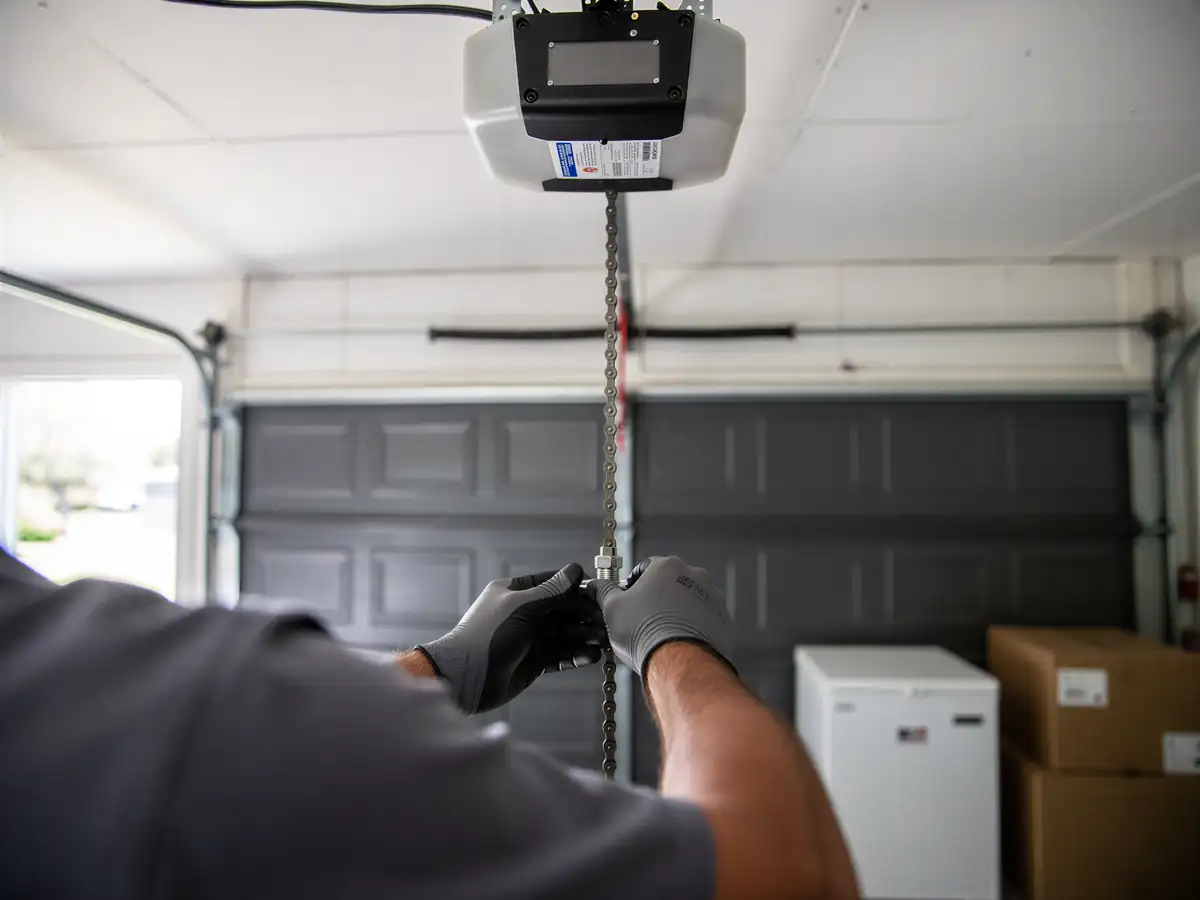
Openers are a mixed bag by house. Chain-drive units from the 1980s and 90s are common enough that we stock the gears and sprockets for them, but anything older than that usually gets replaced rather than repaired, since parts for it stopped being made a long time ago.
How to Book
Call our Champaign number and tell us what the door is doing
Won't open, stuck halfway, making a bang when it closes. We ask the age of the house if you know it, since that tells us a lot about what's likely wrong before the truck even leaves the shop.
Urbana is four miles out, so it's one of the closer runs we make
We don't keep a separate office or dispatch point in town - every job here is scheduled out of Champaign and the truck drives over. That's worth knowing if you're expecting a local storefront; there isn't one, just a crew that works this side of the county regularly.
Give us the make of the opener if it's visible on the unit
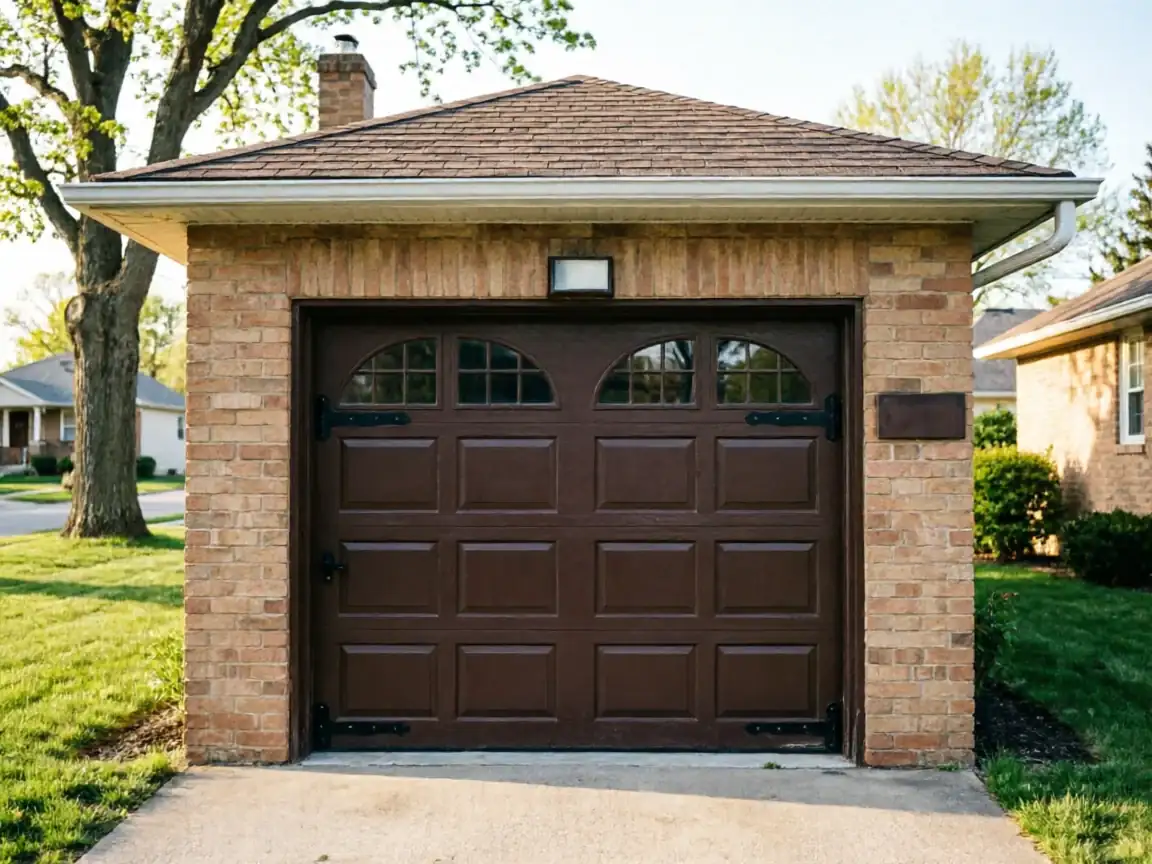
And whether the door is a single wide opening or two separate single-car doors - both layouts are common in the 1960s and 70s houses here, and it changes which spring size we bring.
The Symptom
The most common call from Urbana houses built in that 1960s-70s window is a door that won't budge, with a loud bang the moment it happened. That's a torsion spring letting go - after close to sixty years of cycling on hardware from the original build, the coil finally cracks, usually in cold weather when the steel is least forgiving.
Second most common: a door that closes most of the way then reverses, or drifts down unevenly on one side. That's usually a cable fraying on one of the two drums, or a roller that's worn enough to bind in the track. Original steel track from this era wasn't galvanized as heavily as what gets installed today, so it pits and narrows over decades, and a worn roller catches where a newer one would slide through.
Less often, but still regular: openers from the 1980s and 90s grinding instead of lifting. That's the drive gear, a plastic part that wears down well before the motor does.
Why This Fails Locally
Urbana's median household income sits around $45,854, well under the roughly $81,703 median across the wider service area. That gap matters here: when a spring breaks or an opener dies, more owners in this town choose a straight repair over a full door replacement, because the repair costs less up front and the door frame itself is usually still sound.
The climate plays a part too. This area sits in a cold, moderate climate band, and steel torsion springs lose a little flex every winter they cycle through freeze-thaw swings. A spring that's already near the end of its life is more likely to snap on a cold morning than a mild afternoon - which is part of why winter calls run heavier than summer ones.
The housing stock compounds both issues. With most Urbana houses built between the late 1950s and 2000, and the bulk of that in the 1960s and 70s, a large share of doors in town are carrying original or first-replacement hardware that's decades past its expected cycle count. That's not a flaw in the house - it's just the math of how long steel parts last under daily use.
Doing It Yourself
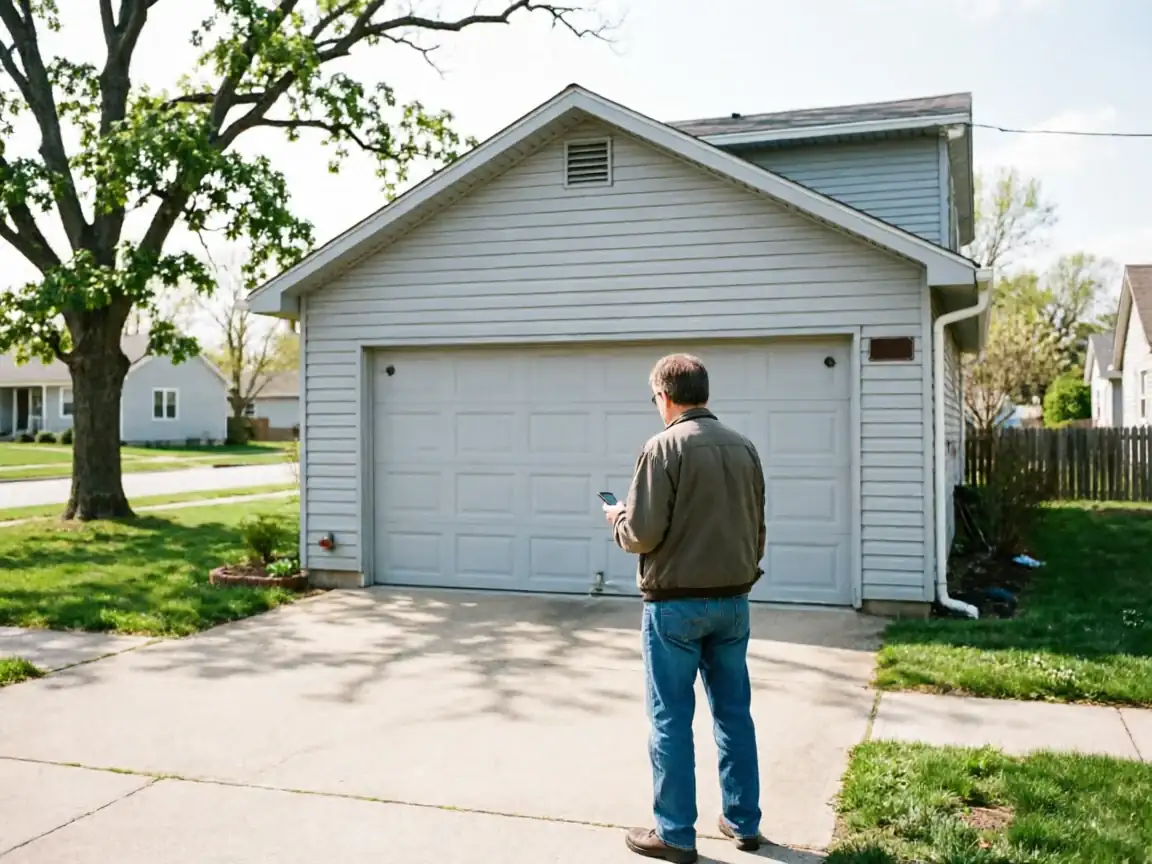
Some things on a door this age are safe to check yourself
Look at the tracks for dents or gaps where the rollers ride, and listen for grinding when the opener runs - both are things you can spot without touching the spring system. Lubricating the rollers and hinges once or twice a year with a light garage-door lubricant (not household oil, which attracts grit) keeps the hardware moving and is cheap insurance against a cold-weather failure.
What we don't recommend doing yourself: anything involving the torsion spring
It's under enough tension to cause a serious injury if it unwinds while you're working on it, and on a door built in the 1960s or 70s, the spring and the drums holding it have been under load for decades, which makes them less predictable than new hardware. If the door won't open, or it's open but won't stay up, that's a spring or cable problem, not a DIY afternoon.
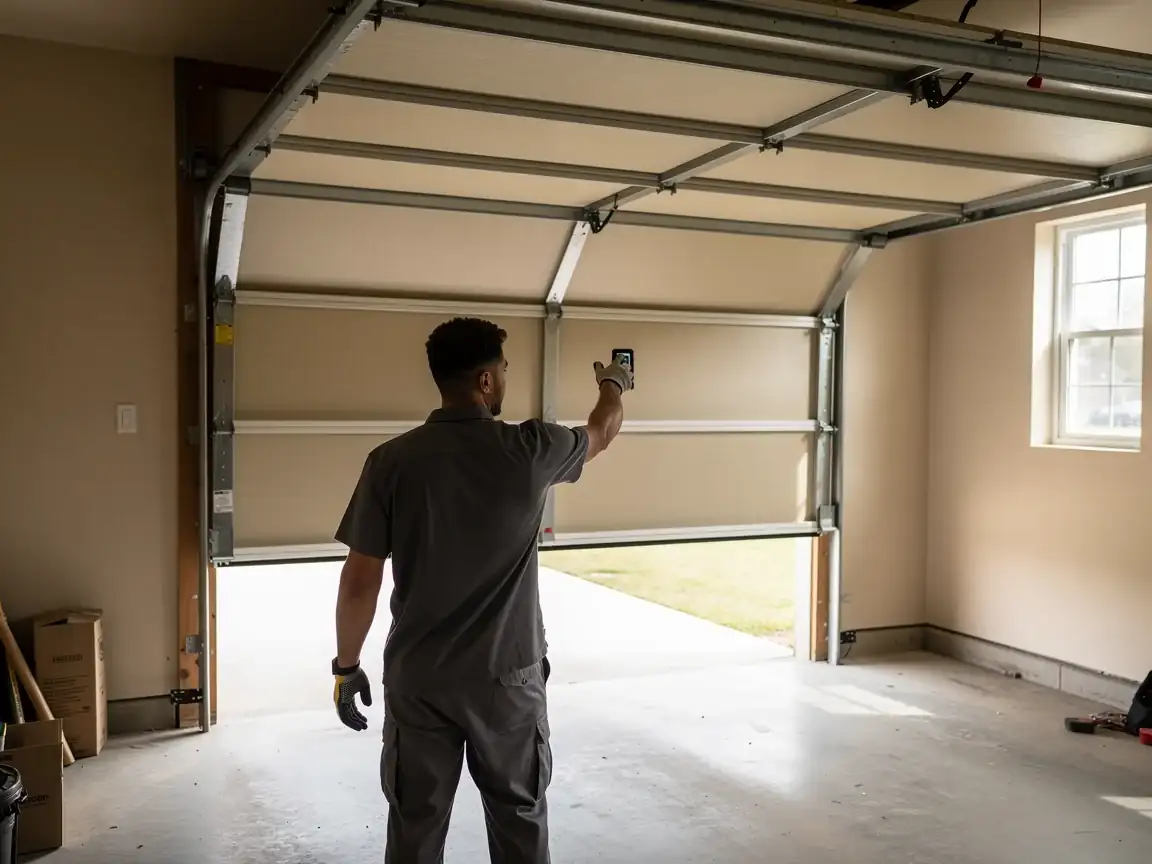
Checking the balance is one thing you can safely do
Disconnect the opener, lift the door by hand to waist height, and let go. If it stays put, the springs are doing their job. If it drops or shoots up, call it in rather than adjust it yourself.