Doing It Yourself
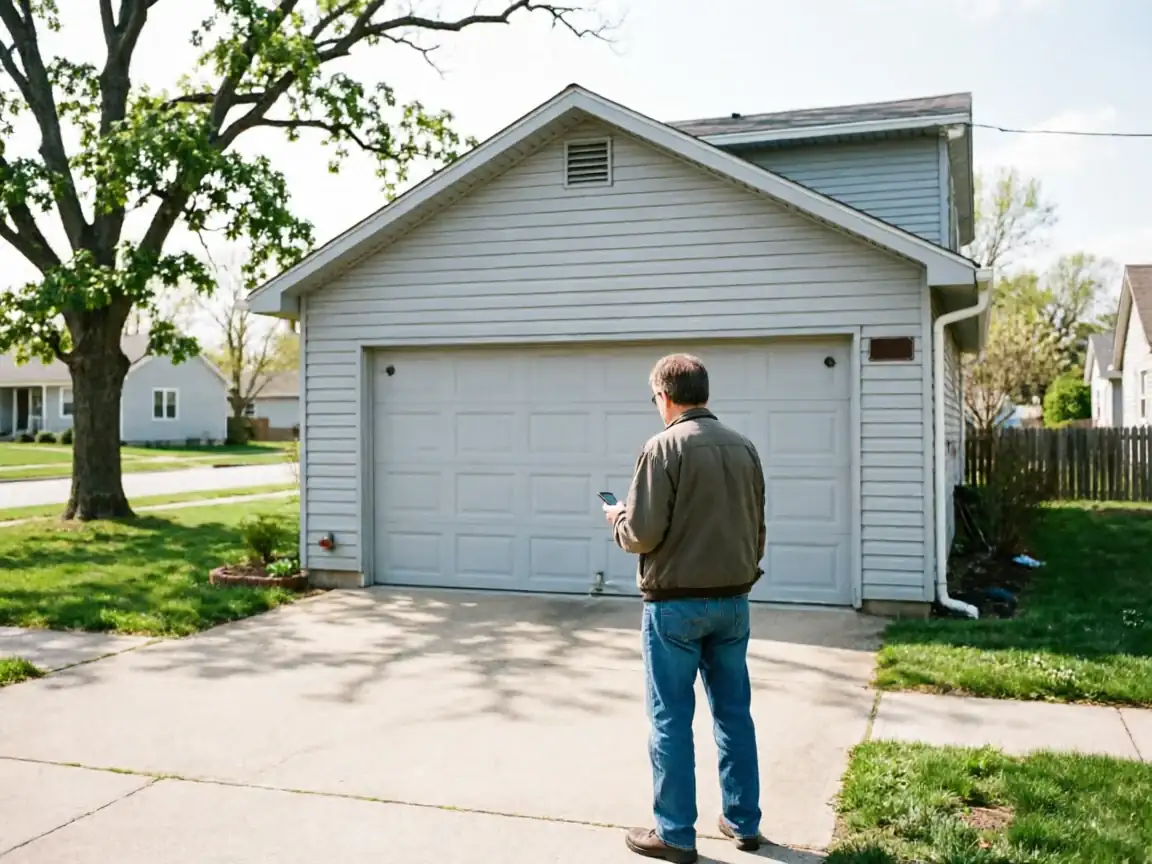
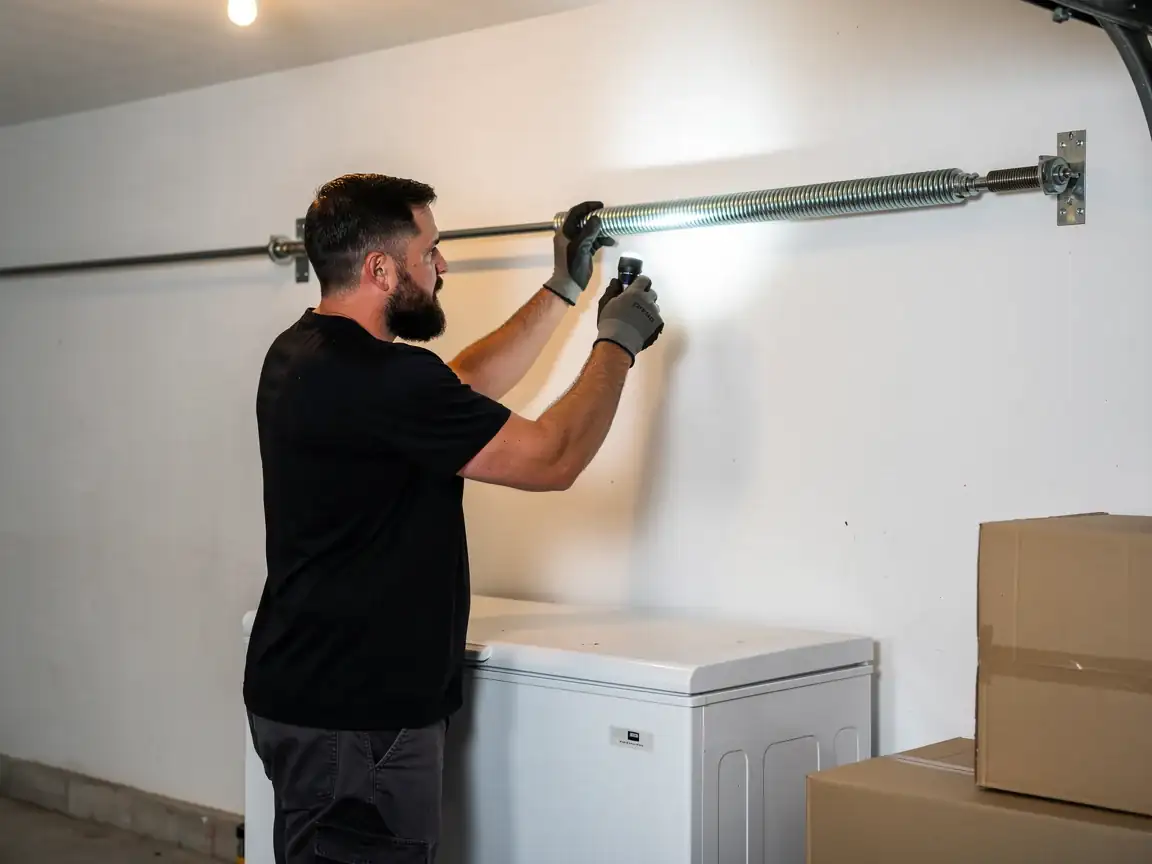
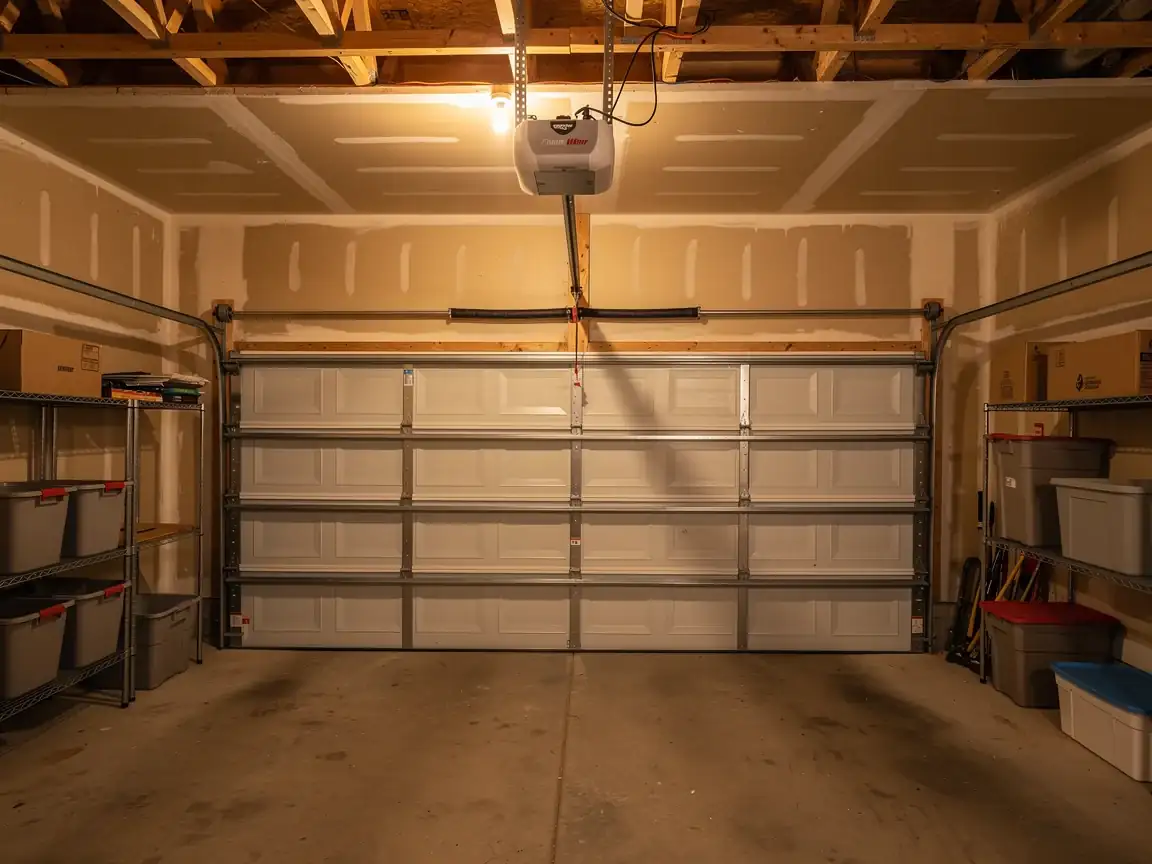
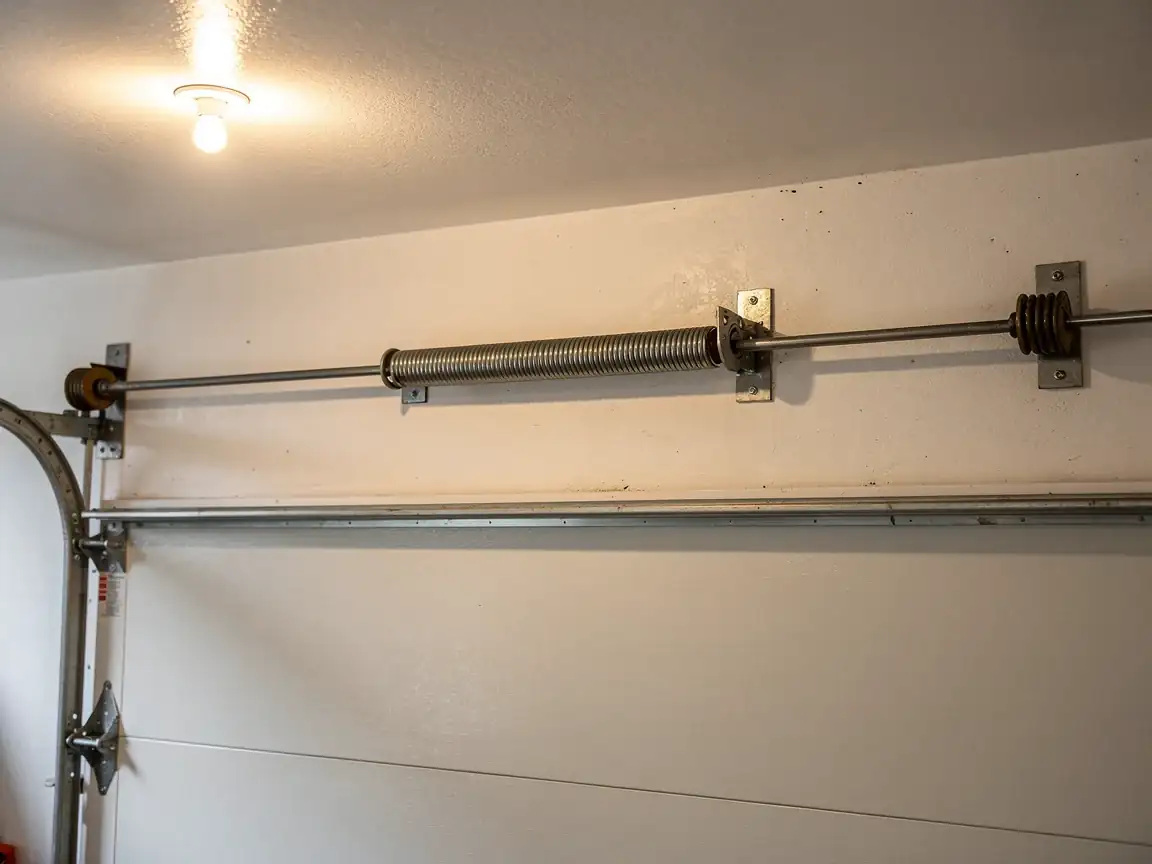
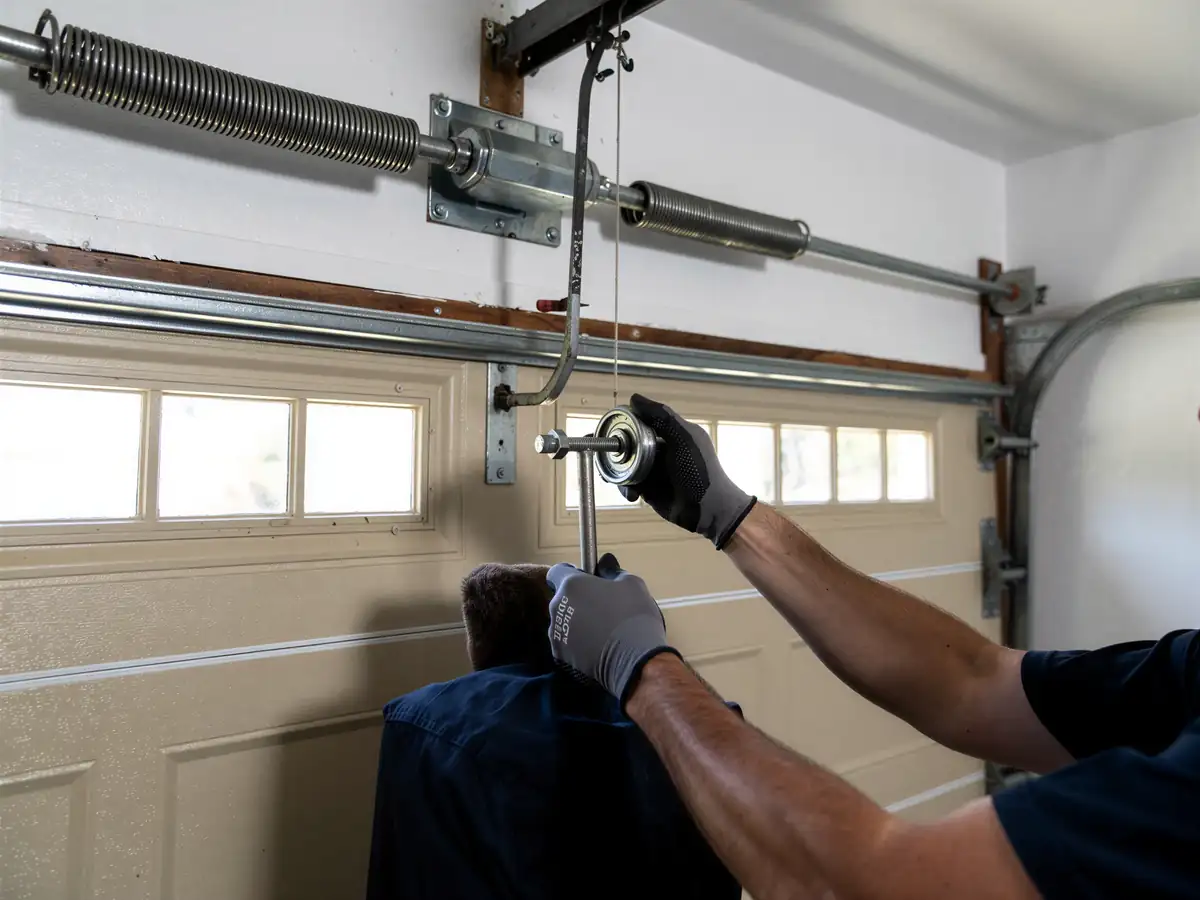
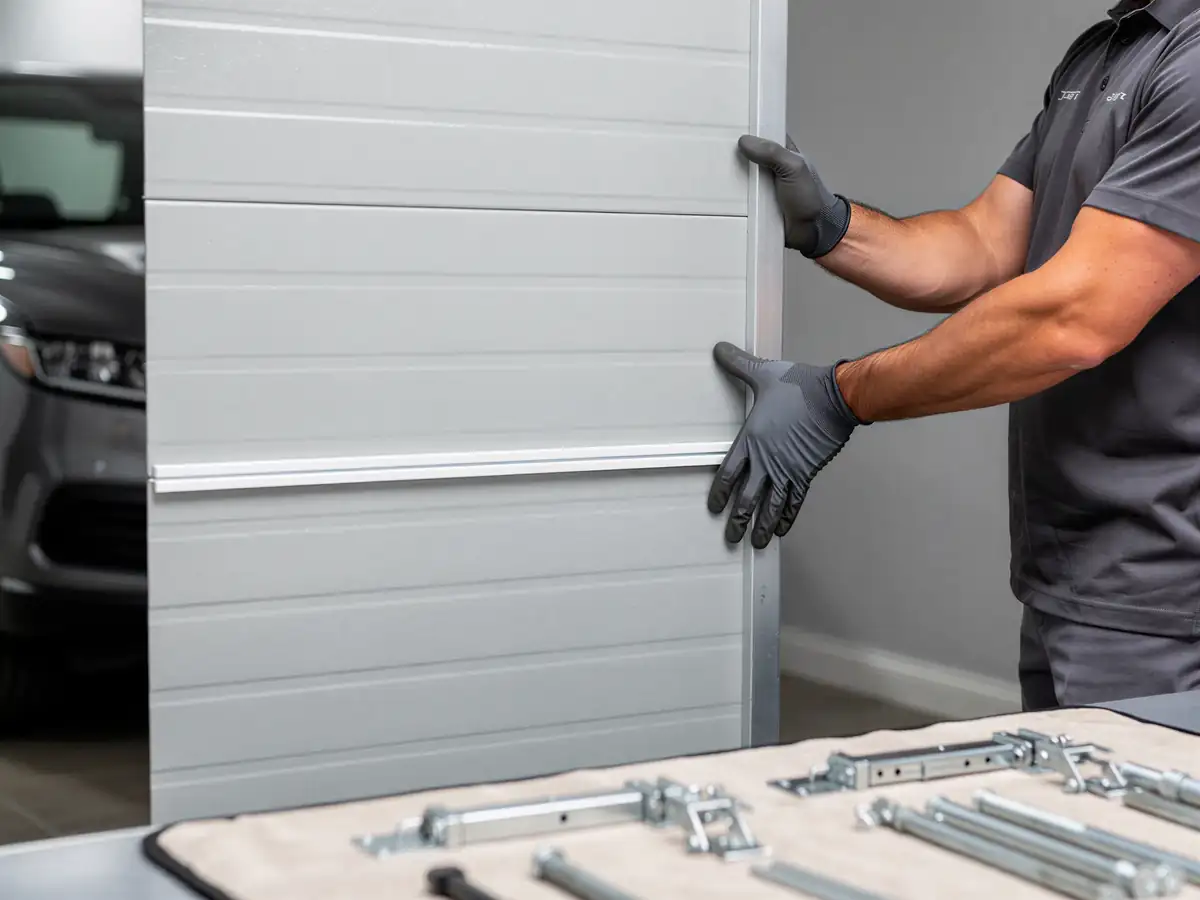
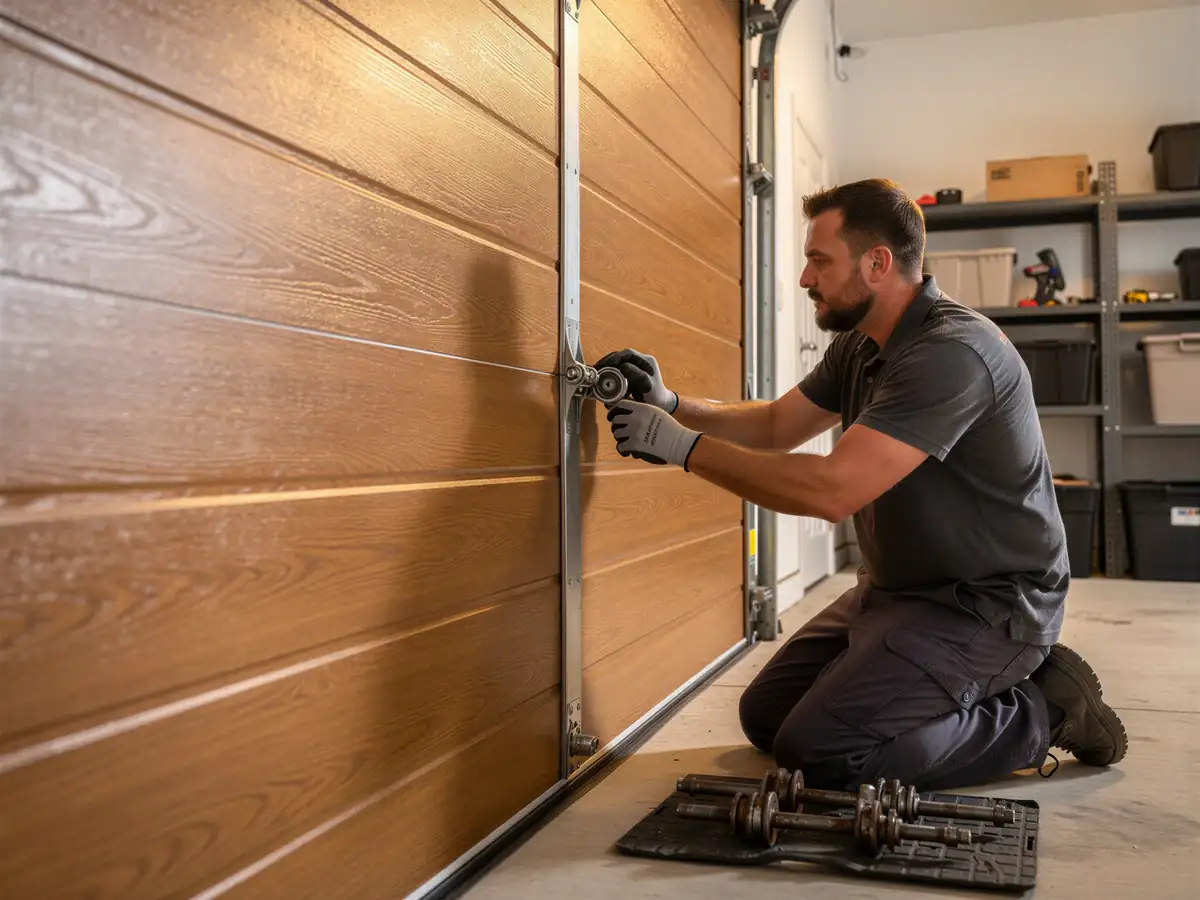
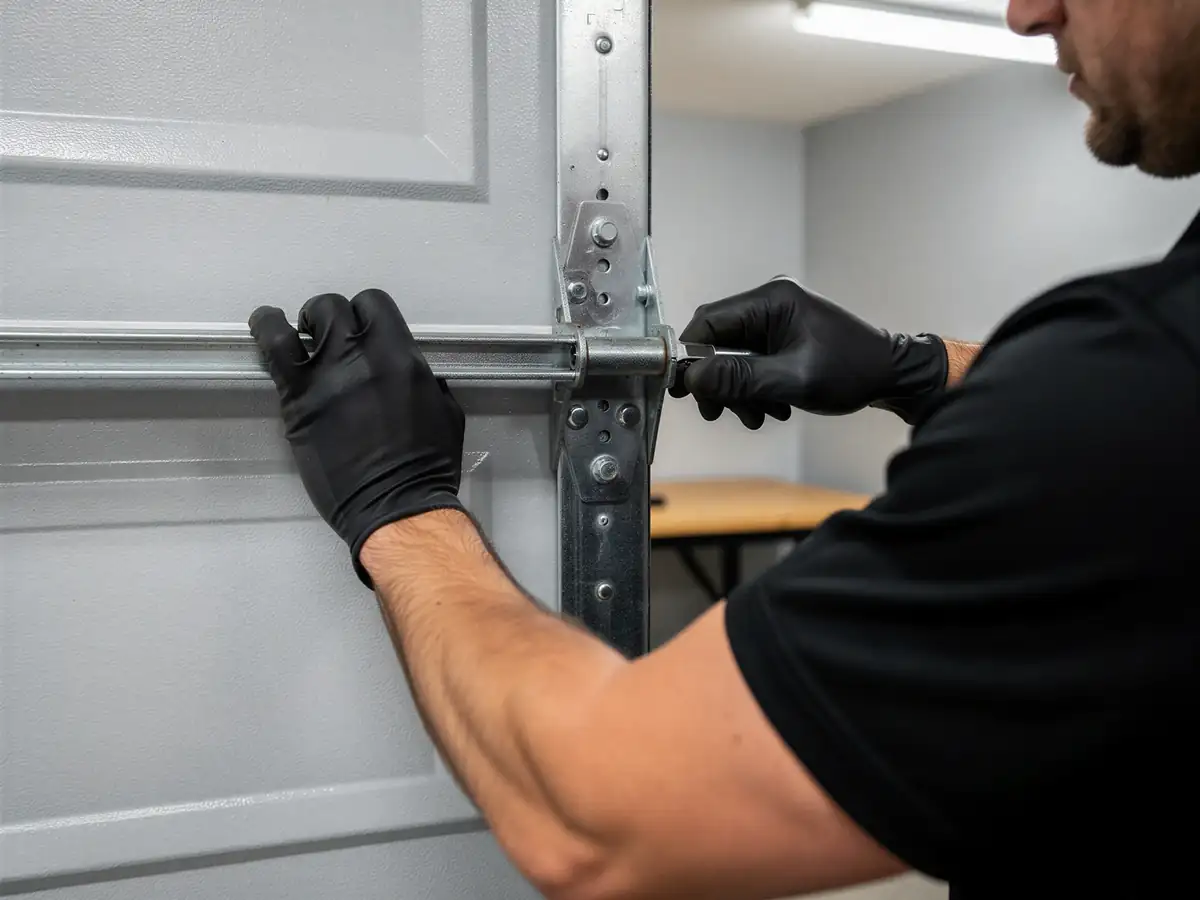
Plenty of Champaign homeowners start with a YouTube video and a trip to the hardware store. Tightening loose roller brackets or lubricating a track is fine work for a Saturday morning, and we're not going to tell you to call a pro for that. But torsion spring replacement is a different animal. The spring on a typical door built during the 1956-2000 boom here is wound under enough tension to break a bone or put a tool through drywall if it lets go while you're working on it. Winding bars, a correctly sized spring for your door weight, and knowing how many turns to put on it aren't optional extras - they're the whole job. We've seen owners get partway through a spring swap, realize the bar they bought doesn't fit the winding cone, and end up calling us anyway, except now the door is off its track too. If you want to do something yourself, check the hinges, check the weatherstripping, and leave the spring and the opener's circuit board alone.
Why This Fails Locally
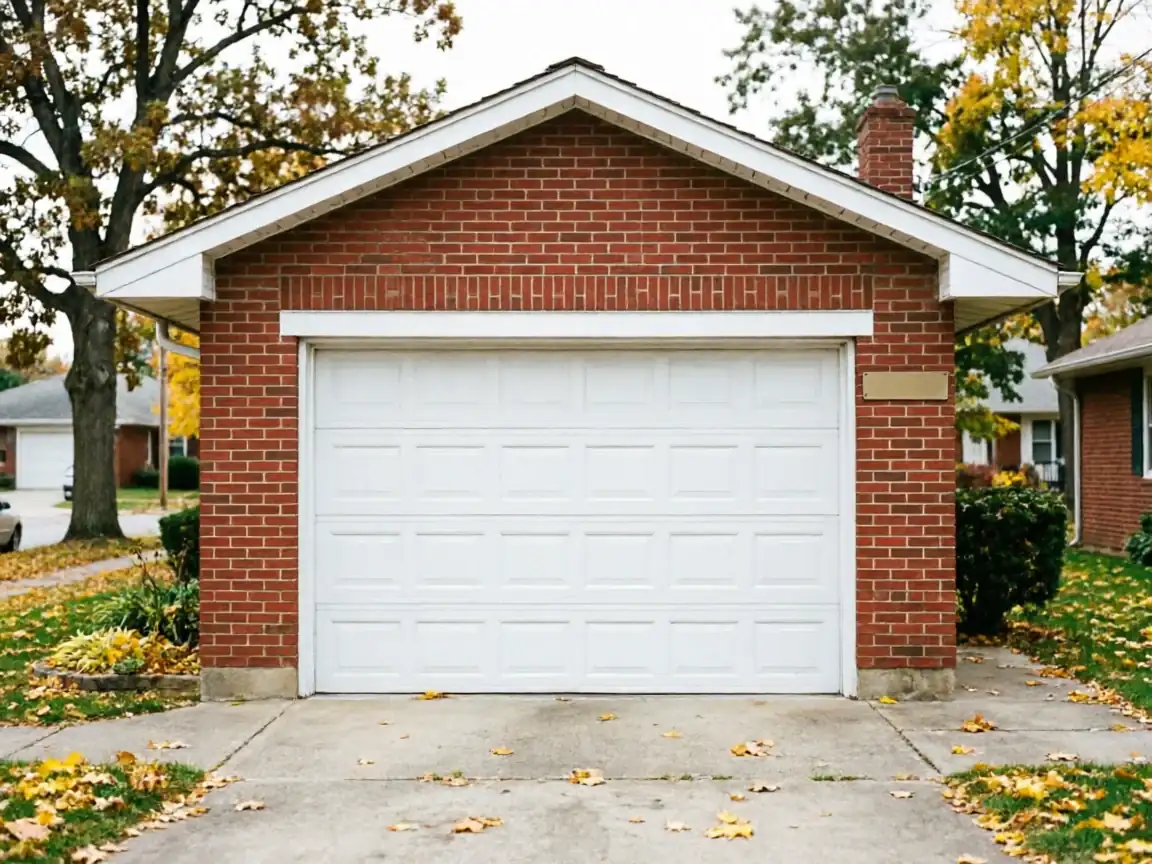
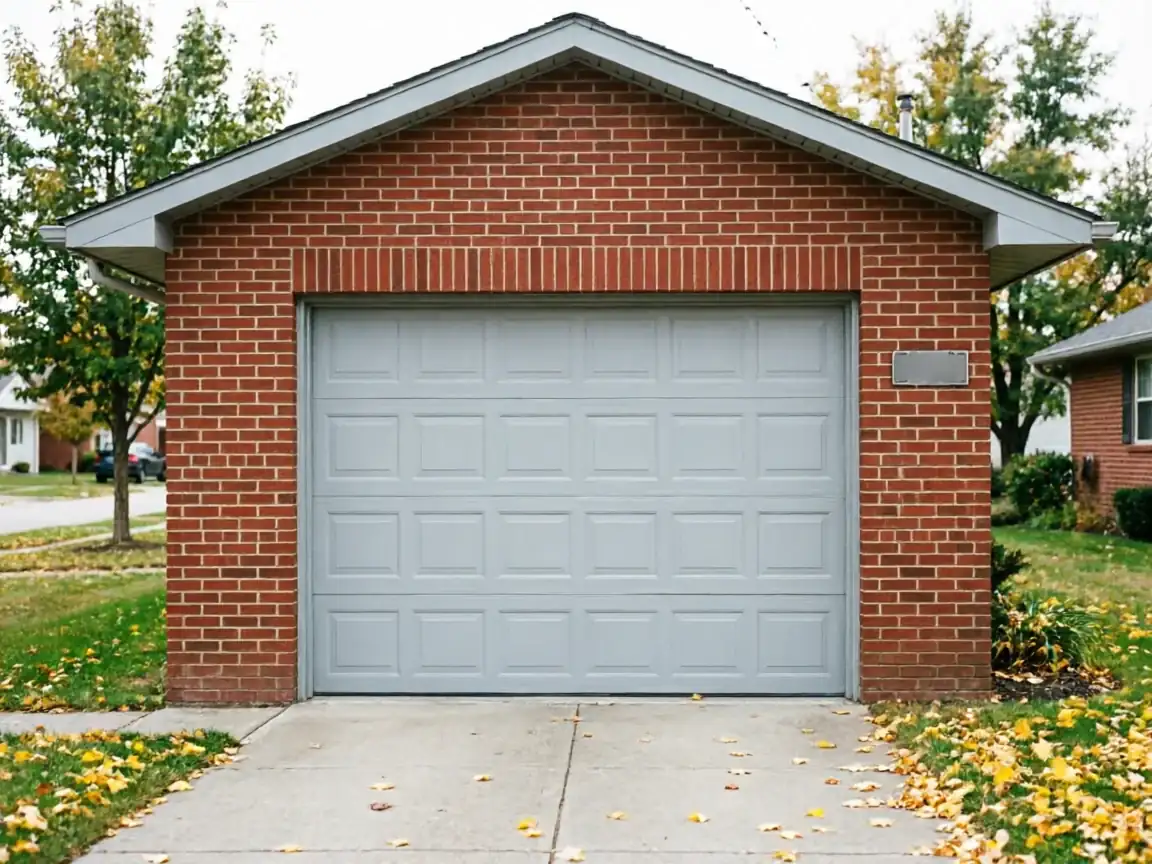
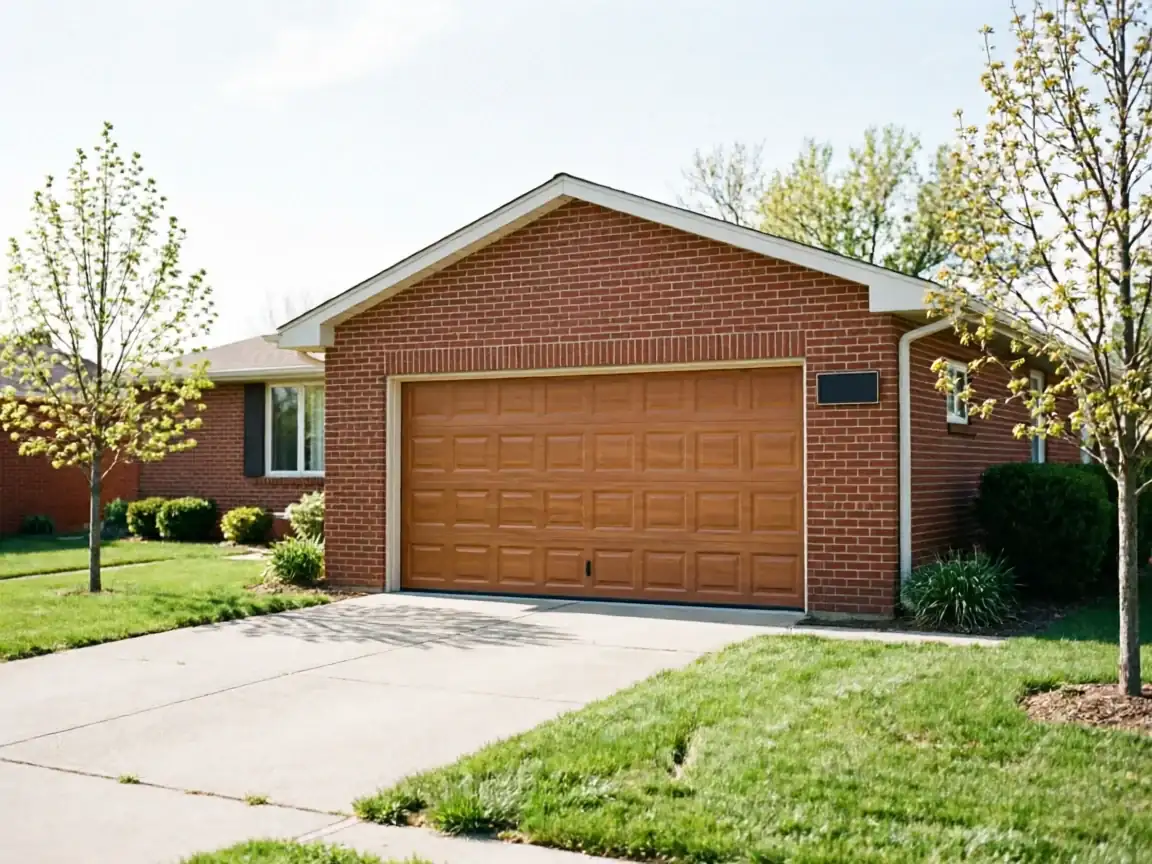
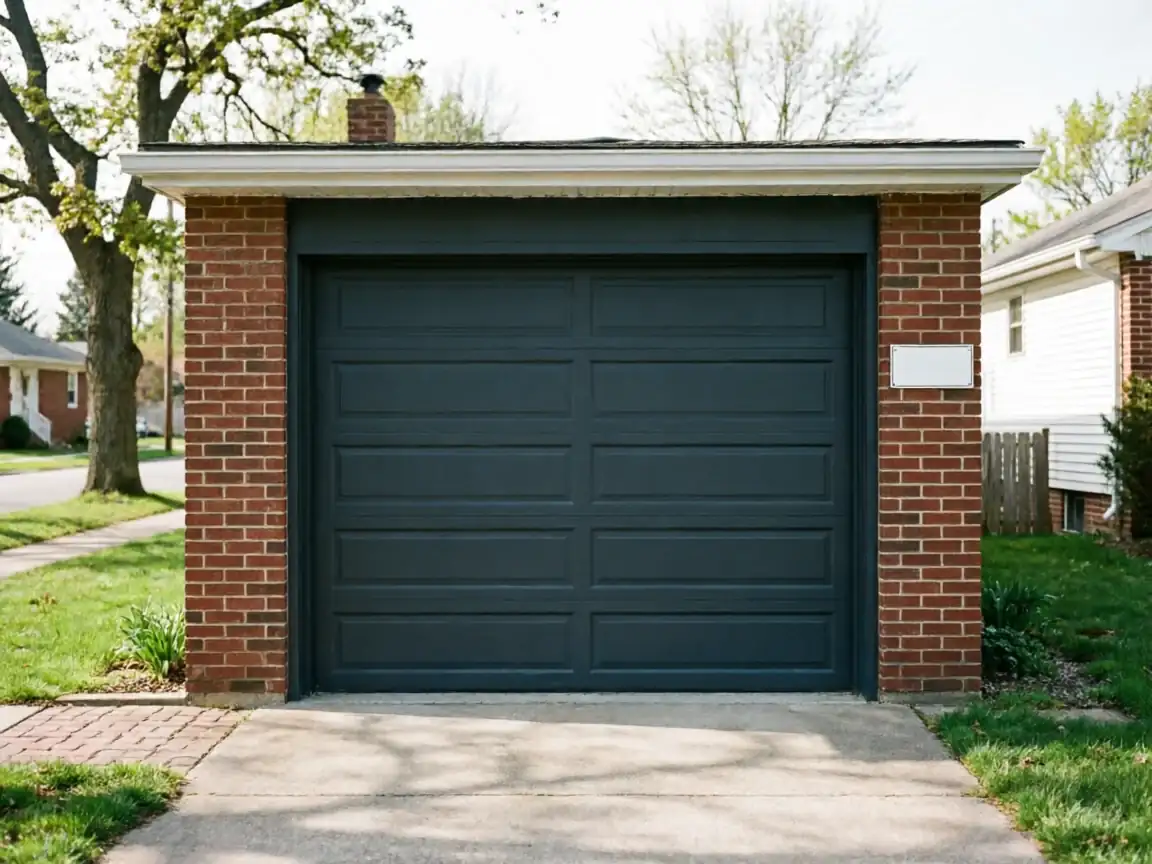
Champaign's housing stock runs heavily 1960s and 1970s build, per the twelve areas we cover around town, with a median build year around 1978. That means a huge share of doors and openers in the area are old enough that original torsion springs have long since fatigued past their rated cycle count, and the steel in those older tracks wasn't built for the kind of temperature swing we get here. Champaign sits in a cold, moderate climate band, so garage slabs and track hardware go through a real freeze-thaw cycle every winter. Cold steel contracts, lubricant thickens, and a spring that's already near the end of its life cycle is far more likely to snap on a 10-degree morning than a mild fall afternoon. That combination - older housing stock plus real winter cold - is why spring failures cluster hard here from December through February, more than you'd see in a warmer market with newer builds.
Time on the Job
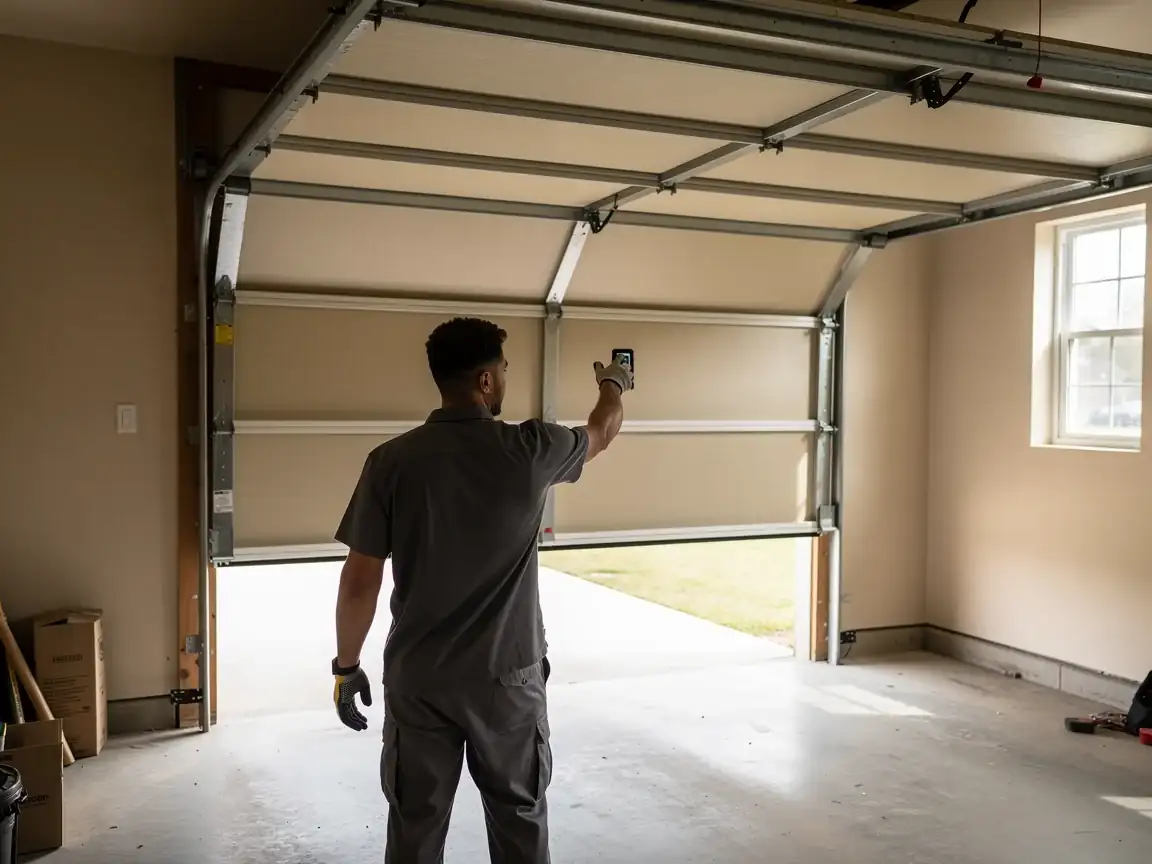
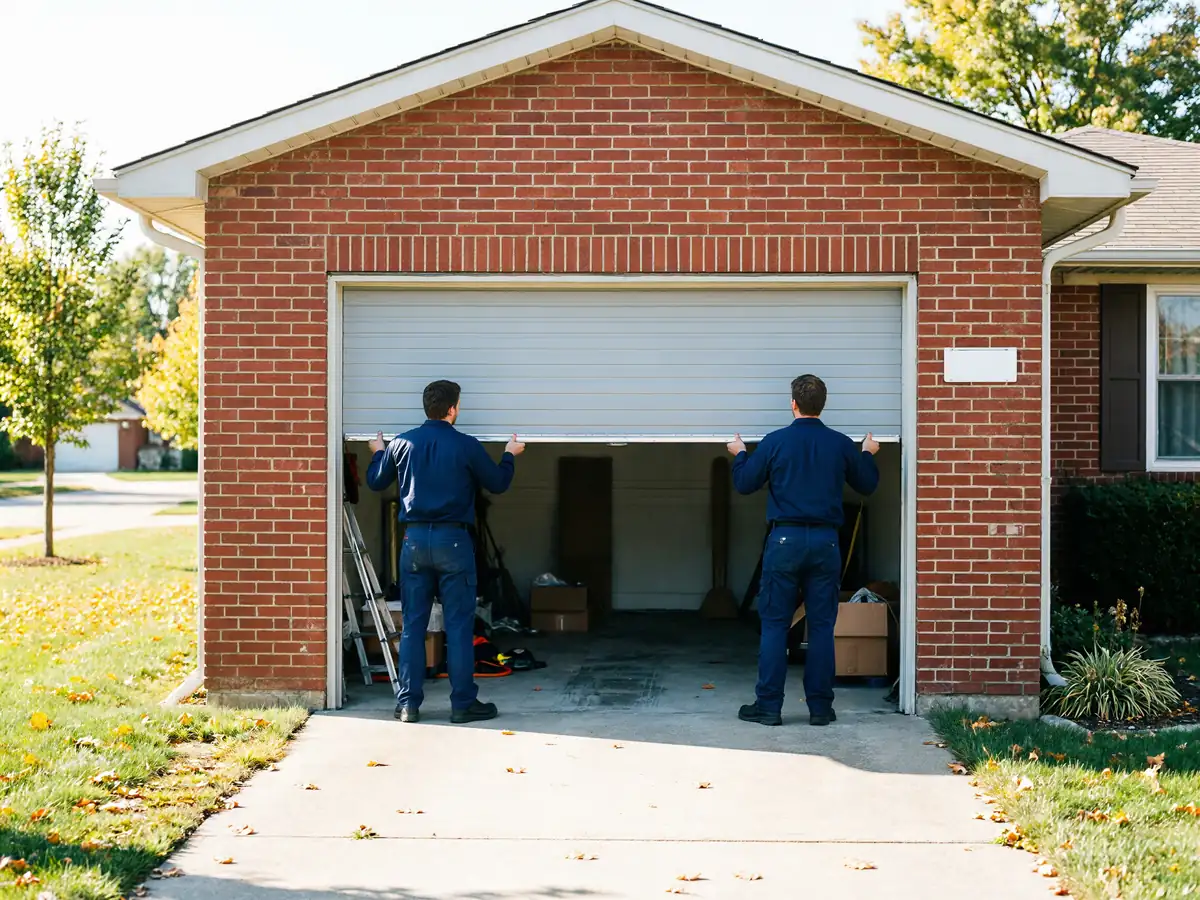
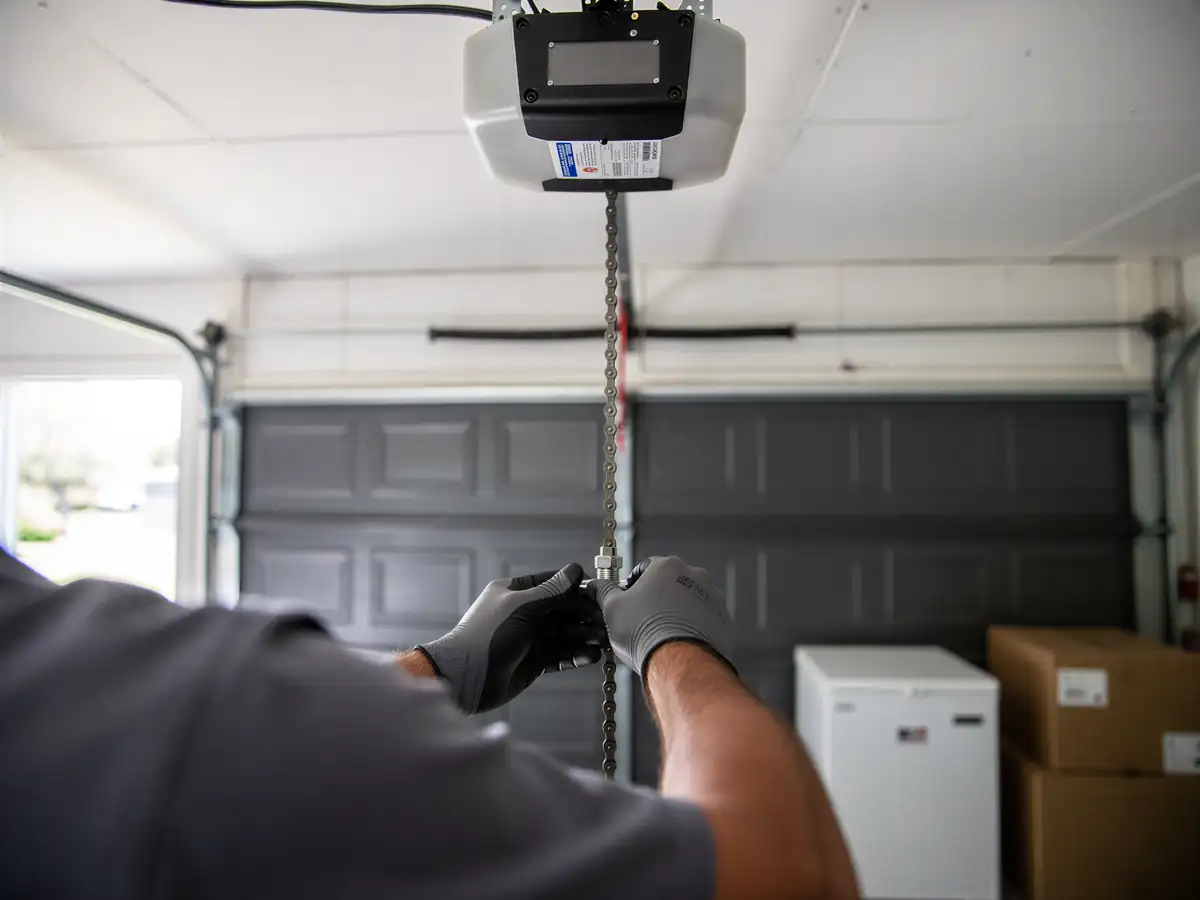
A straightforward torsion spring swap on a standard door, once we're on site, usually clears in under an hour - the parts aren't the bottleneck, access is. Older garages in this area sometimes have non-standard door widths or openers mounted in tight rafters, which adds time. We won't quote a job over the phone without seeing the door and the hardware, because what looks like a spring problem on a 1970s-era door can turn out to be worn track brackets or a cable that's about to go too, and we'd rather tell you that in person than surprise you with it mid-repair. One honest limit: if your door and opener are both original to a house built in the 1960s, replacement parts for that exact opener model may not exist anymore, and we'll tell you straight when repair isn't worth chasing.