Doing It Yourself
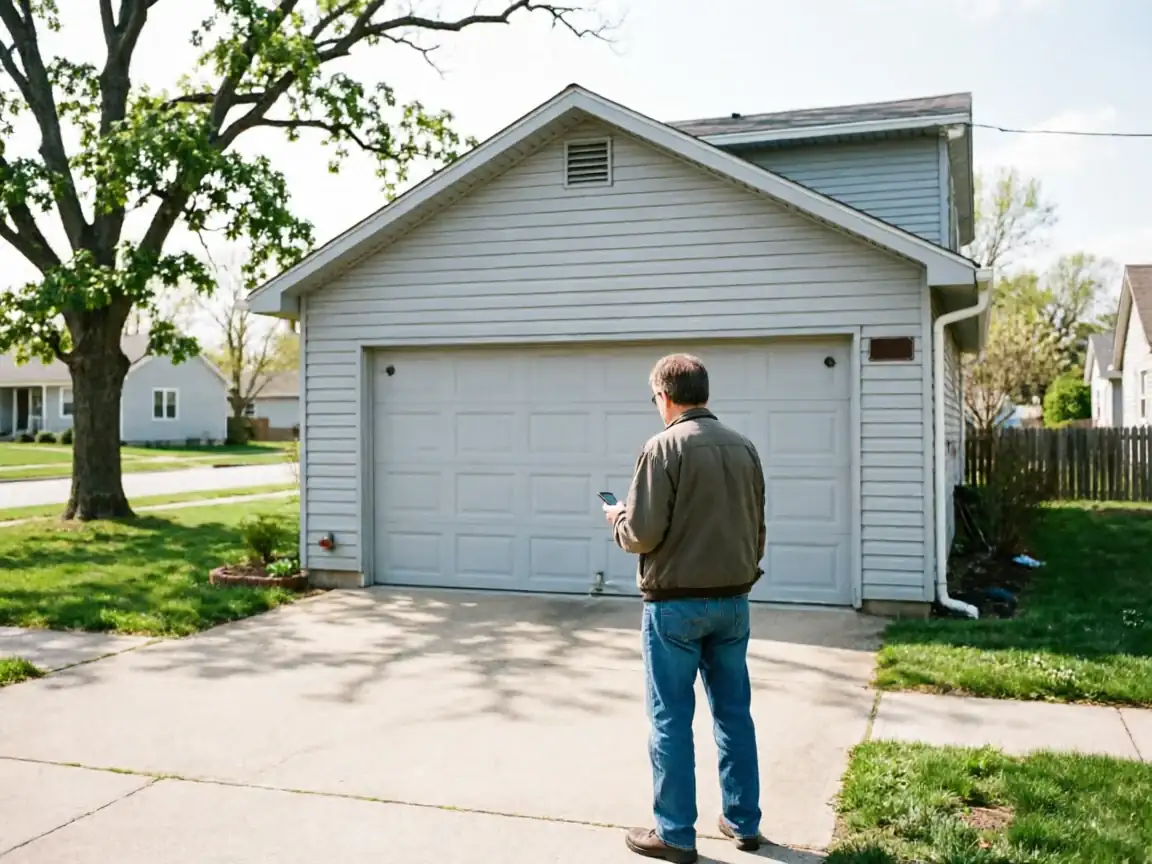
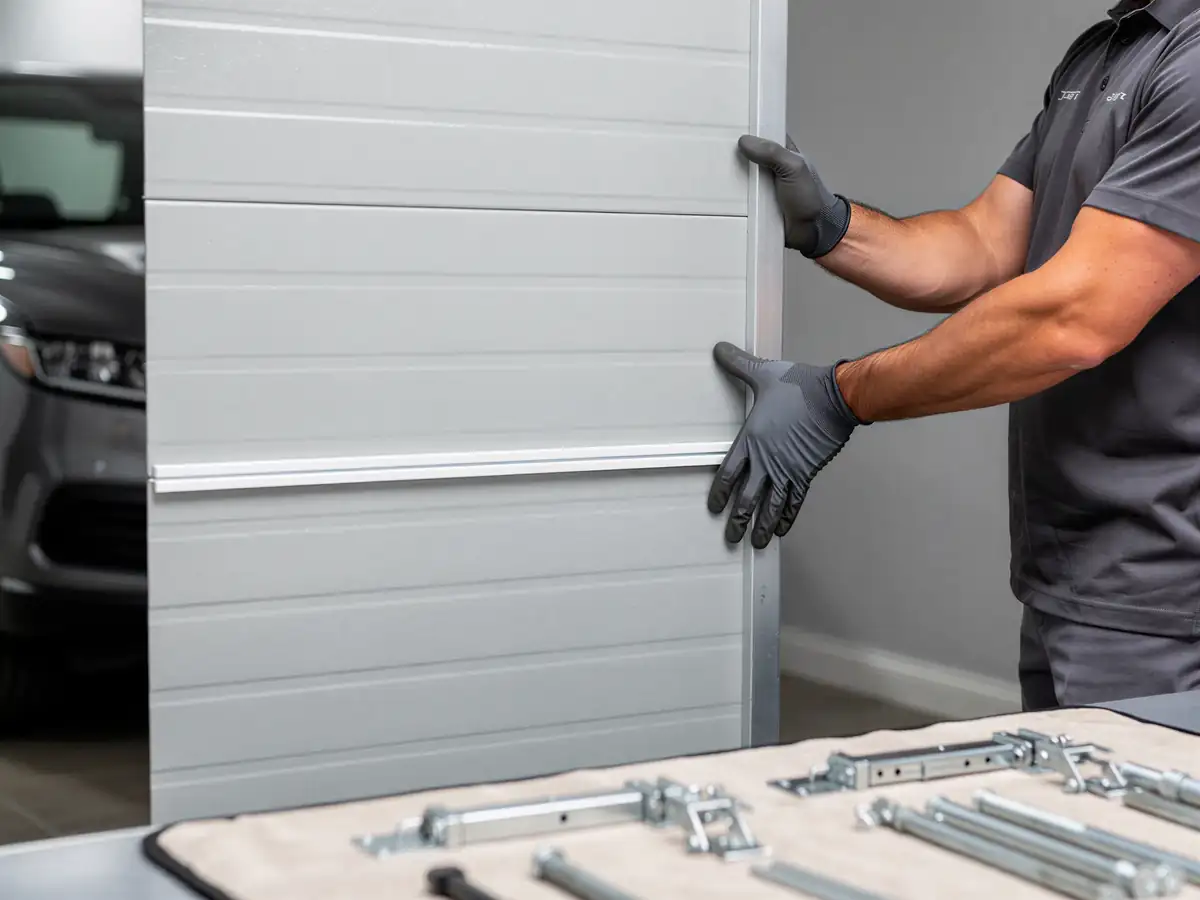
Swapping a garage door opener looks like a weekend job on paper: unbolt the old unit, bolt in the new one, run the wires. The kits sold at the big box stores come with a universal rail and a bracket that's supposed to fit anything. On a lot of Champaign garages built between 1956 and 2000, it doesn't fit anything without modification, because the header bracket and the track spacing were built for a motor that doesn't exist anymore.
The other problem is sizing. A chain-drive opener rated for a light aluminum door works fine until you put it on a heavier insulated steel door - and a fair number of owners in this area have already upgraded their door without upgrading the opener, so the motor is undersized for the load it's now pulling. That shows up as slow closes, a motor that runs hot, or a door that reverses for no clear reason.
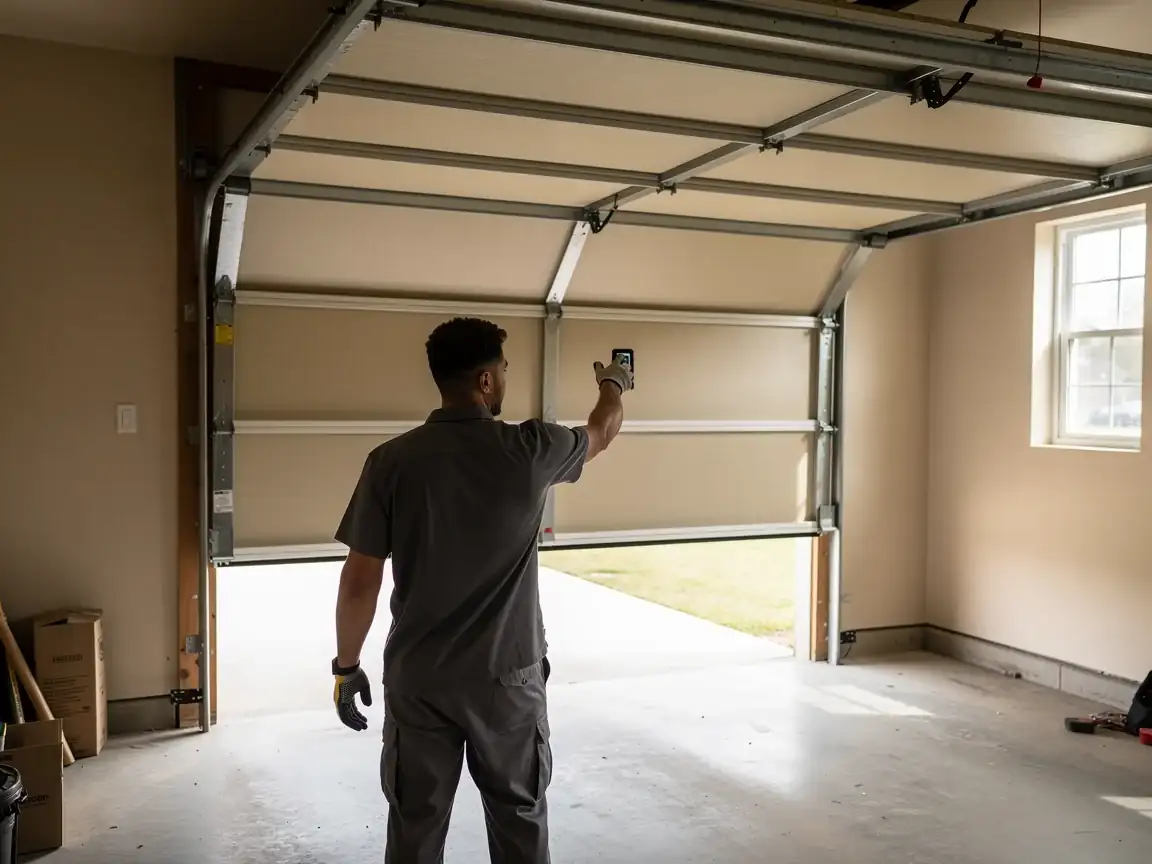
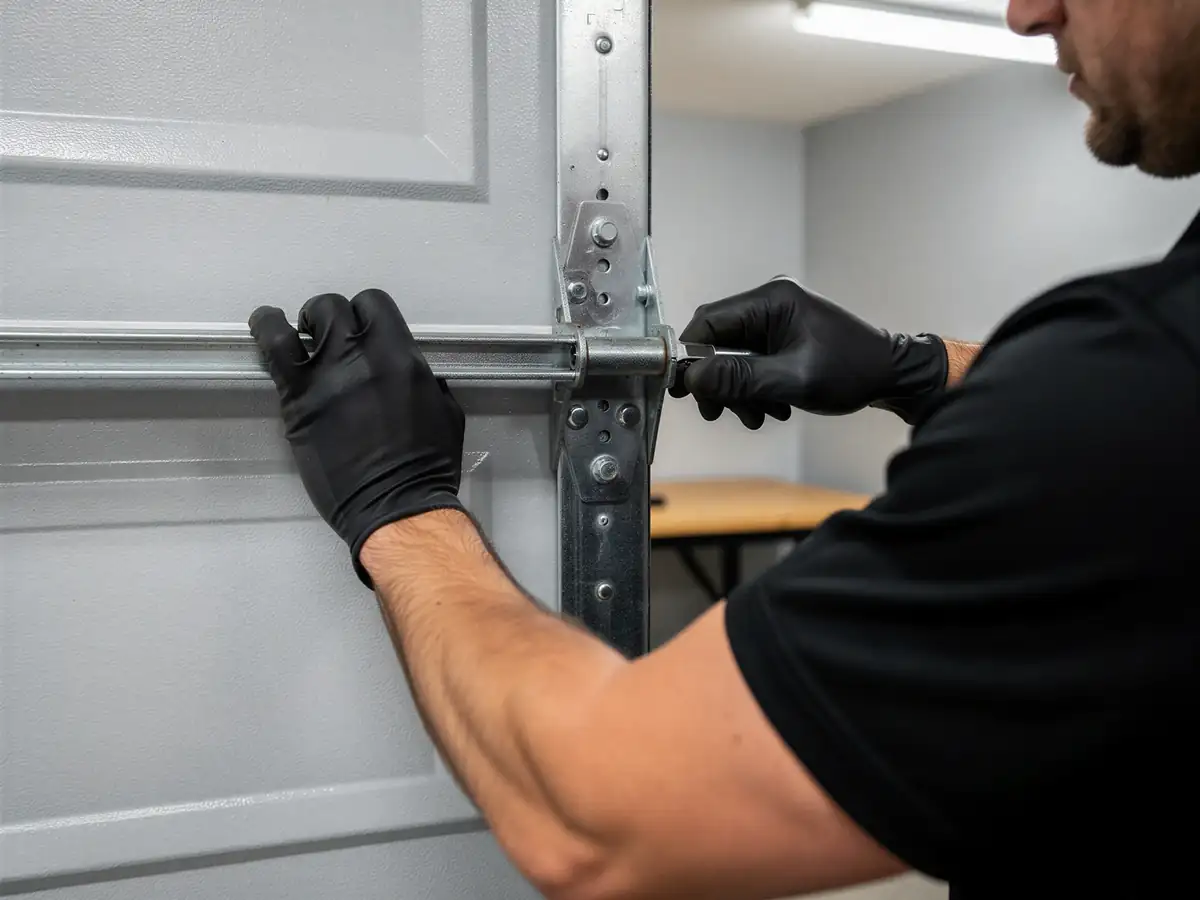
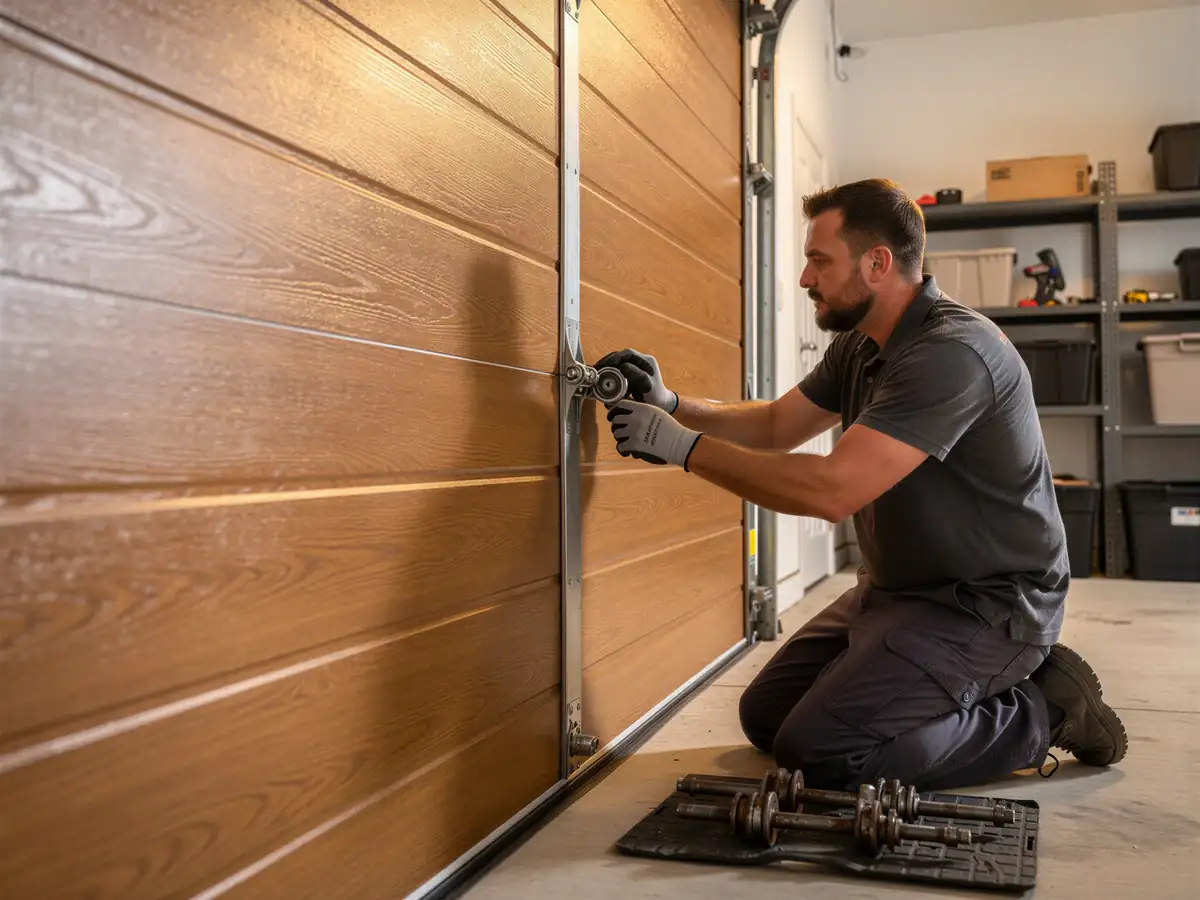
We're not going to tell you it can't be done. Plenty of people install their own openers and it holds up fine. What we will say is this: the install itself is the easy 80%. Getting the travel limits, the force settings, and the safety sensor alignment right on a rail and header that weren't designed for each other is the part that eats a Saturday.
Why This Fails Locally
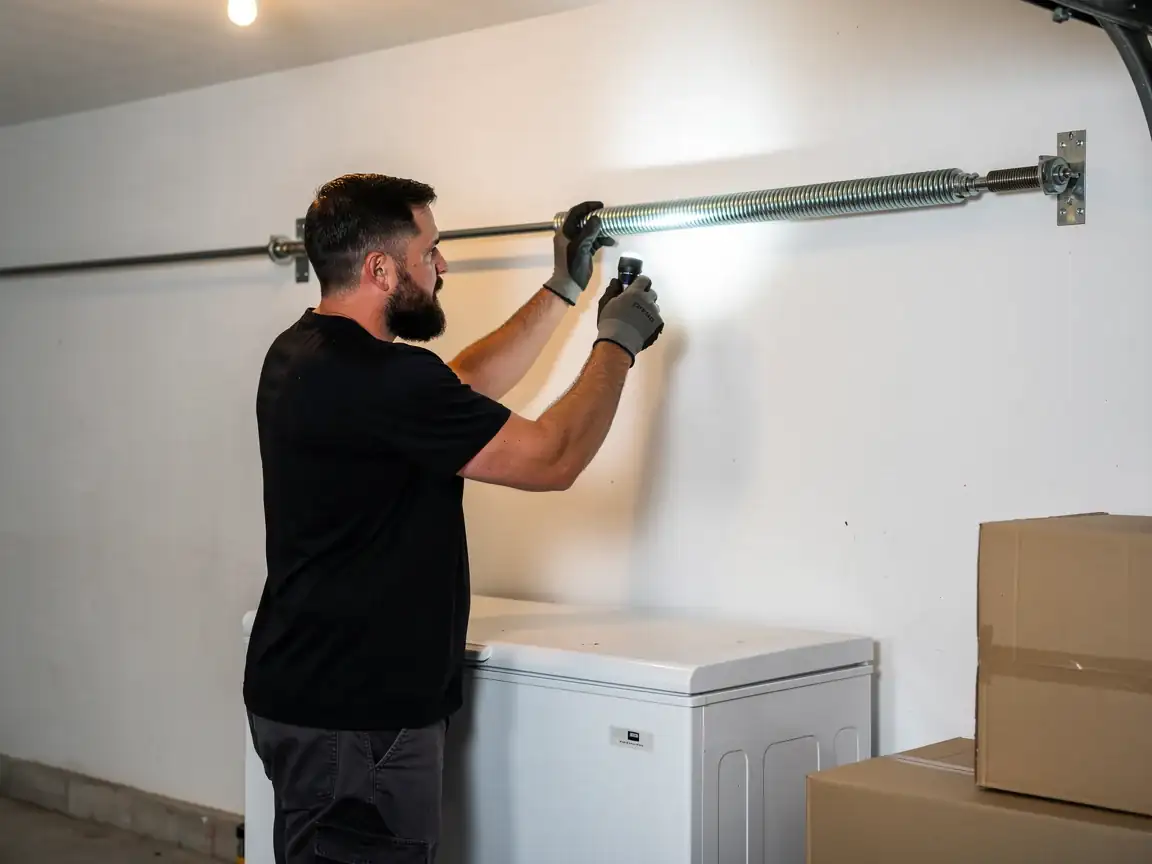
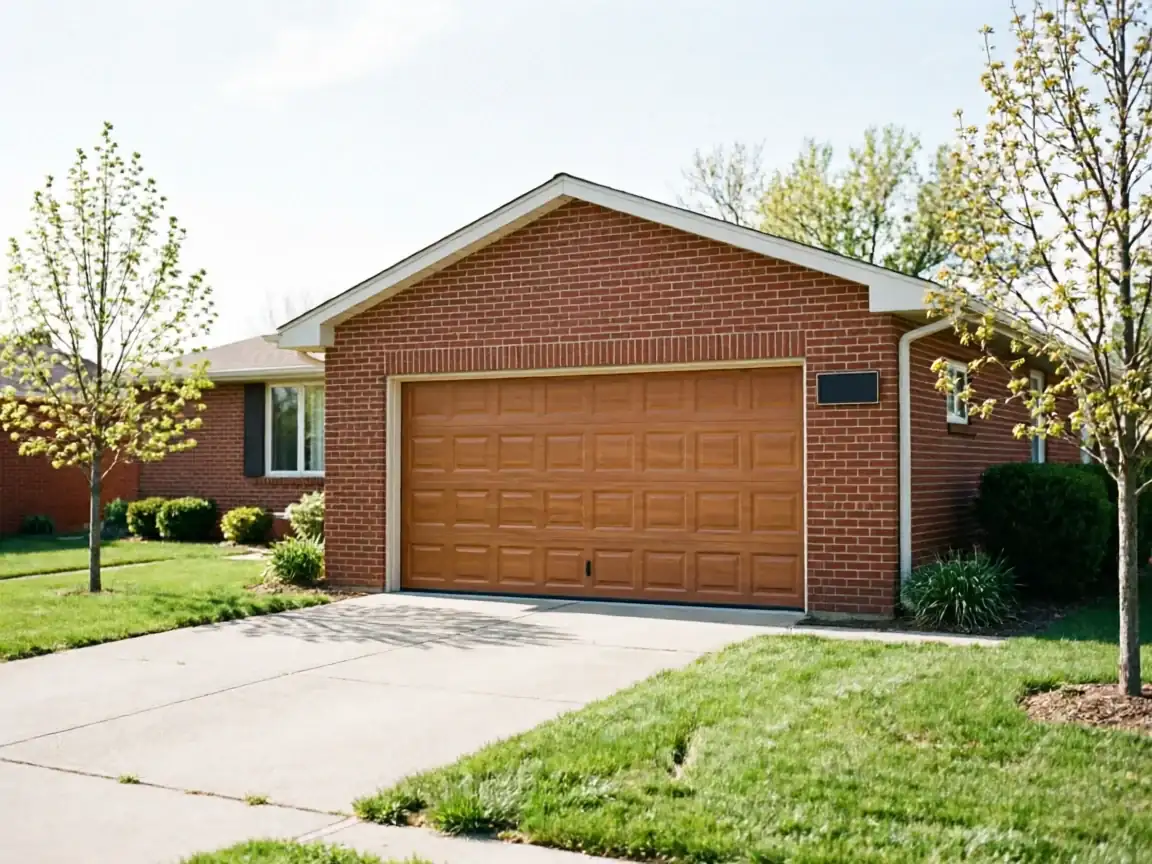
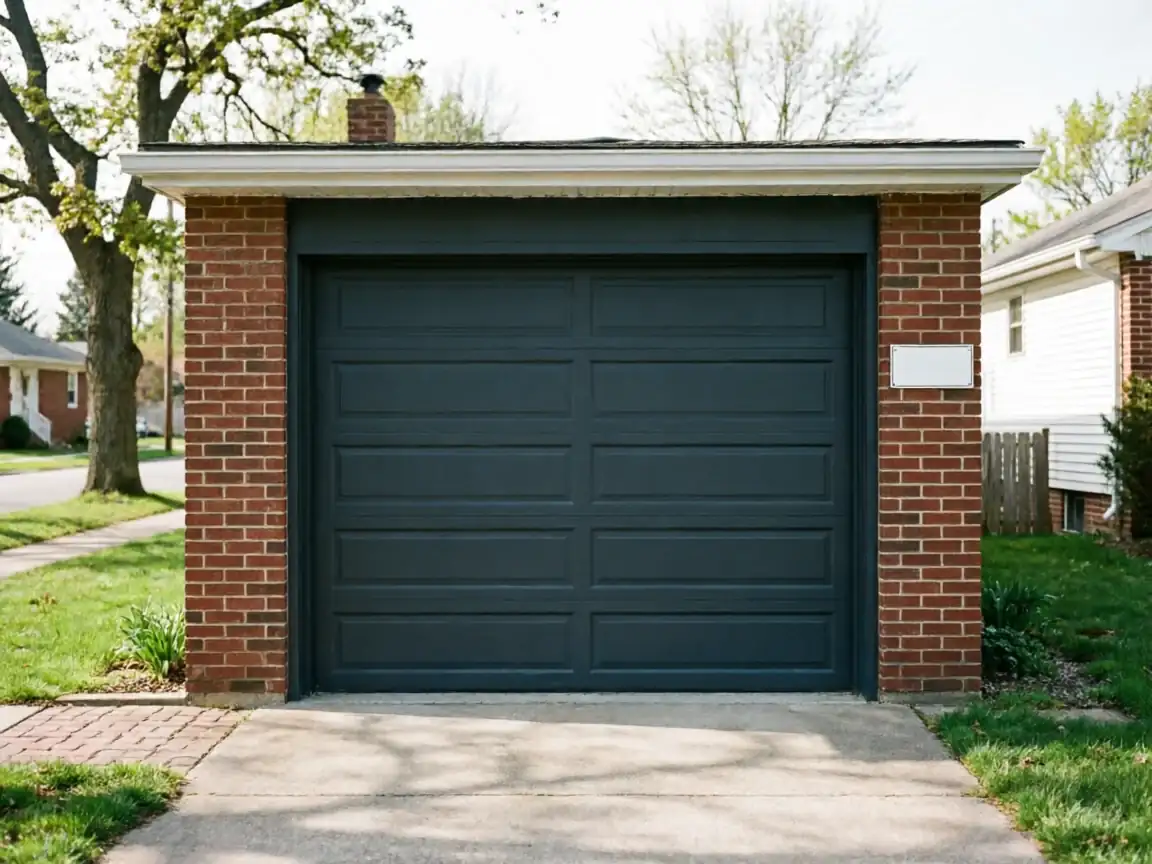
Champaign's housing stock skews old - most of the service area is 1960s-70s construction, with the overall range running 1956 to 2000 and a median build year of 1978. Garages from that era were framed for the openers of their day: lighter doors, smaller motors, and headers set up for a specific bracket pattern. When a universal opener kit gets forced onto that framing, the bracket ends up shimmed, angled, or screwed into framing it was never meant to carry.
The climate makes this worse, not better. Champaign sits in a moderate-cold band, which means the garage goes through a real seasonal swing - summer heat that softens plastic gears and winter cold that stiffens grease and shrinks metal fractionally on the rail. An opener that was marginal for the door weight in August starts skipping travel limits by January, because the whole system is running tighter tolerances in the cold.
Put those two things together - old framing plus seasonal temperature swing - and you get a specific, repeatable failure: openers that were installed level and working, then drift out of adjustment as the seasons turn, because the original install didn't leave margin for either variable.
The Symptom
The call we hear most is a door that reverses on its own a few inches off the floor
Or one that stops short and never fully closes. Owners usually assume it's the sensors, and sometimes it is - a knocked-out photo-eye alignment is real and cheap to fix. But on older framing, the more common cause is a travel limit that was set for a door weight the opener isn't actually handling anymore, especially after a door panel swap.
The other version of this complaint is a motor that runs louder than it used to
Or takes noticeably longer to open, especially on the first cold mornings of the year. That's usually the gear or the drive mechanism working harder than it should against a rail that was never squared to the new bracket.
If your opener is original to the house
Or original to a door that's since been replaced, both of those symptoms point the same direction: the unit and the structure it's bolted to don't agree with each other anymore, and no amount of sensor cleaning fixes a mismatch in the hardware.
Time on the Job
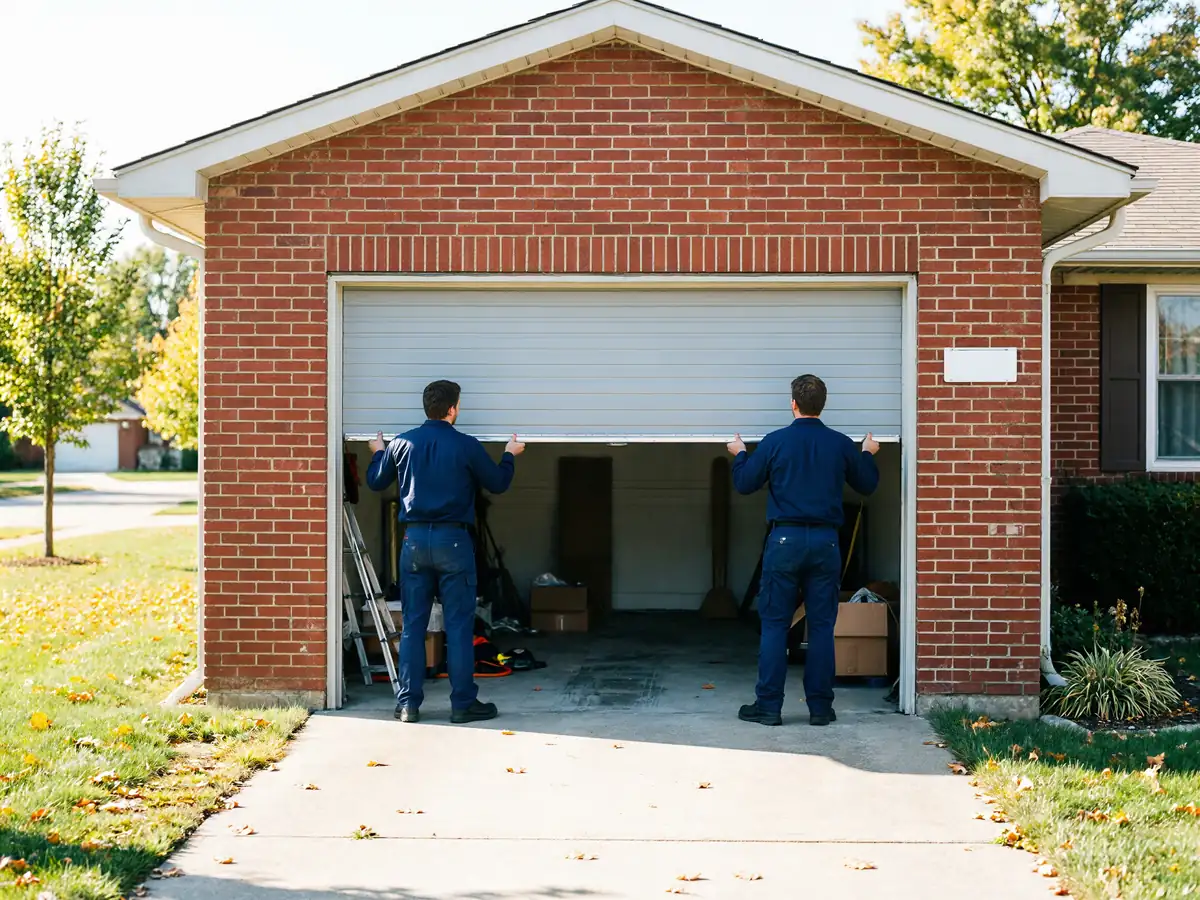
A straightforward opener swap, where the existing bracket and rail can be reused, is a same-visit job. Where the header needs reinforcing or the rail has to be re-squared to fit newer bracket hardware - common enough on the pre-1980 stock in this area - it takes longer, because that framing work has to happen before the opener goes up, not after.
We won't quote a number here because it depends on what's behind your header, and we're not going to guess at that without being on site. What we will say honestly: if your garage was part of the 1960s-70s wave of construction common across this area, budget for the possibility that the install isn't just bolt-and-go. That's not an upsell - it's the actual condition of a lot of these garages, and pretending otherwise just means a callback six months later when the opener drifts out of adjustment again.