Doing It Yourself
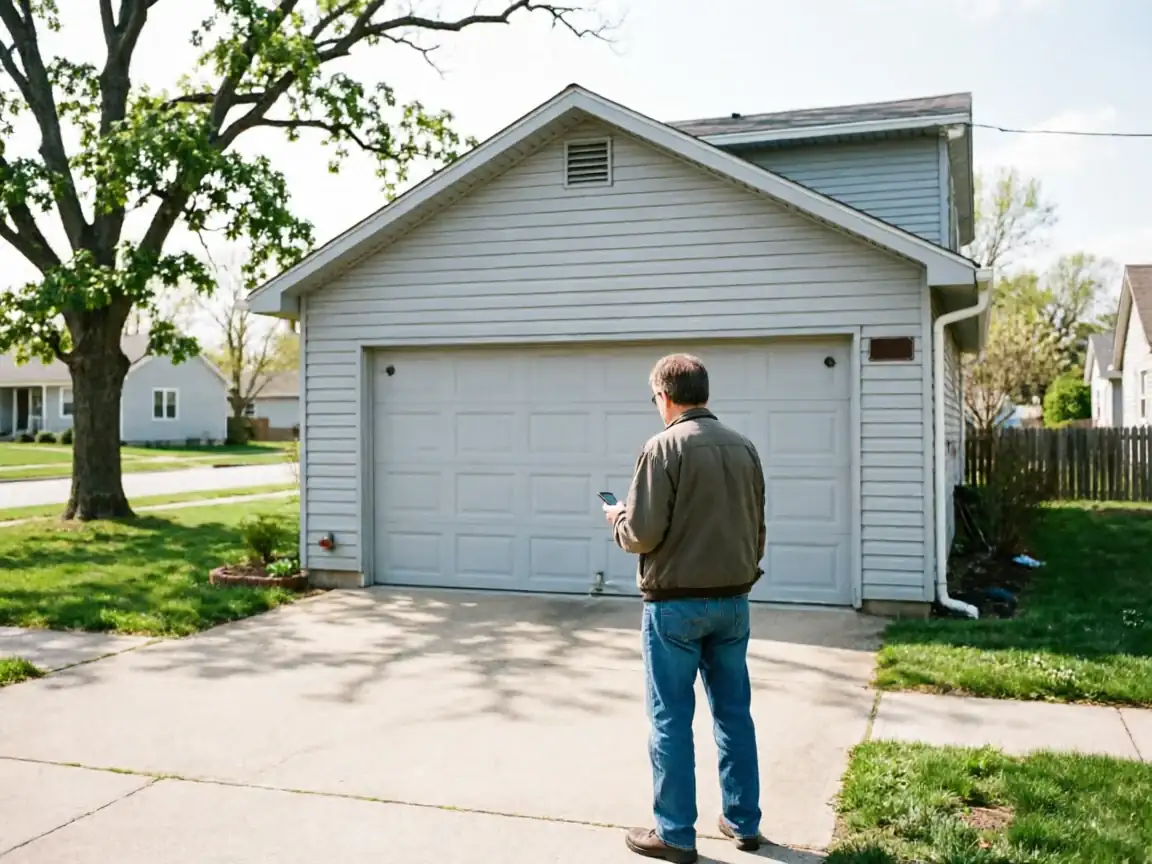
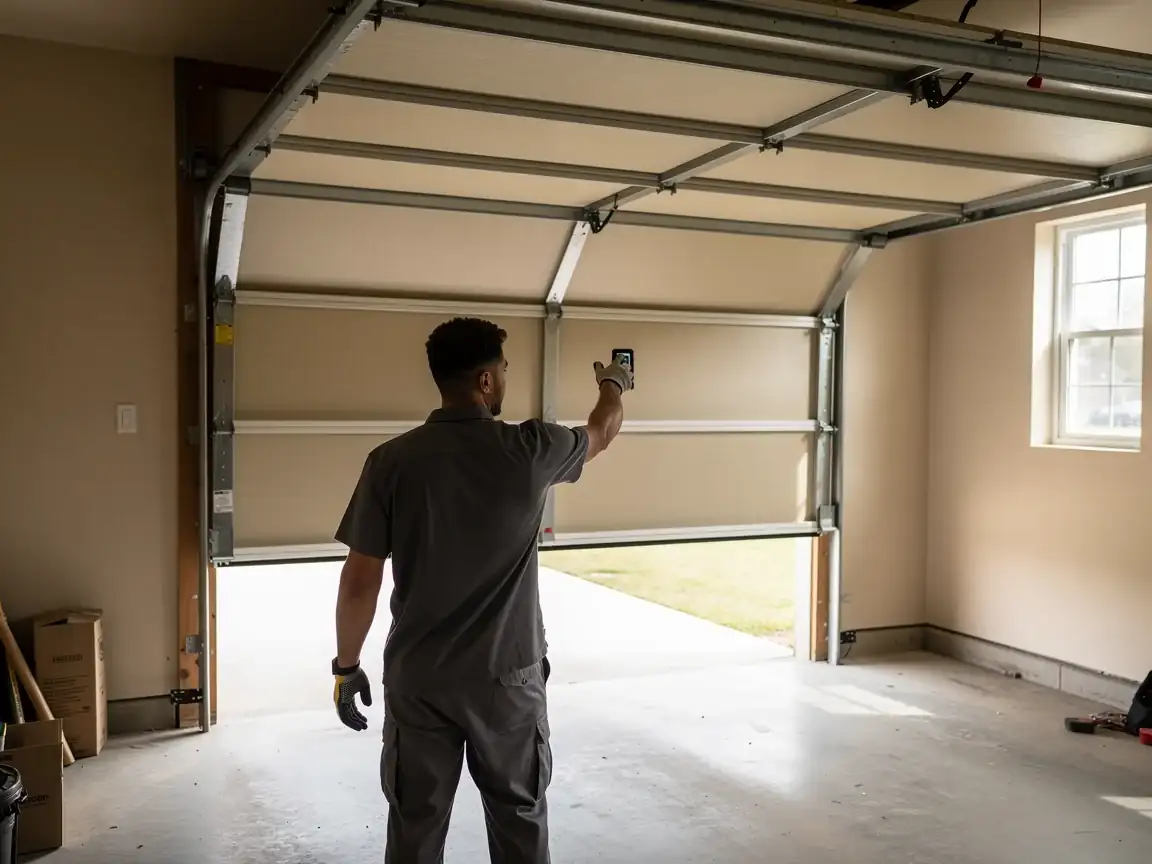
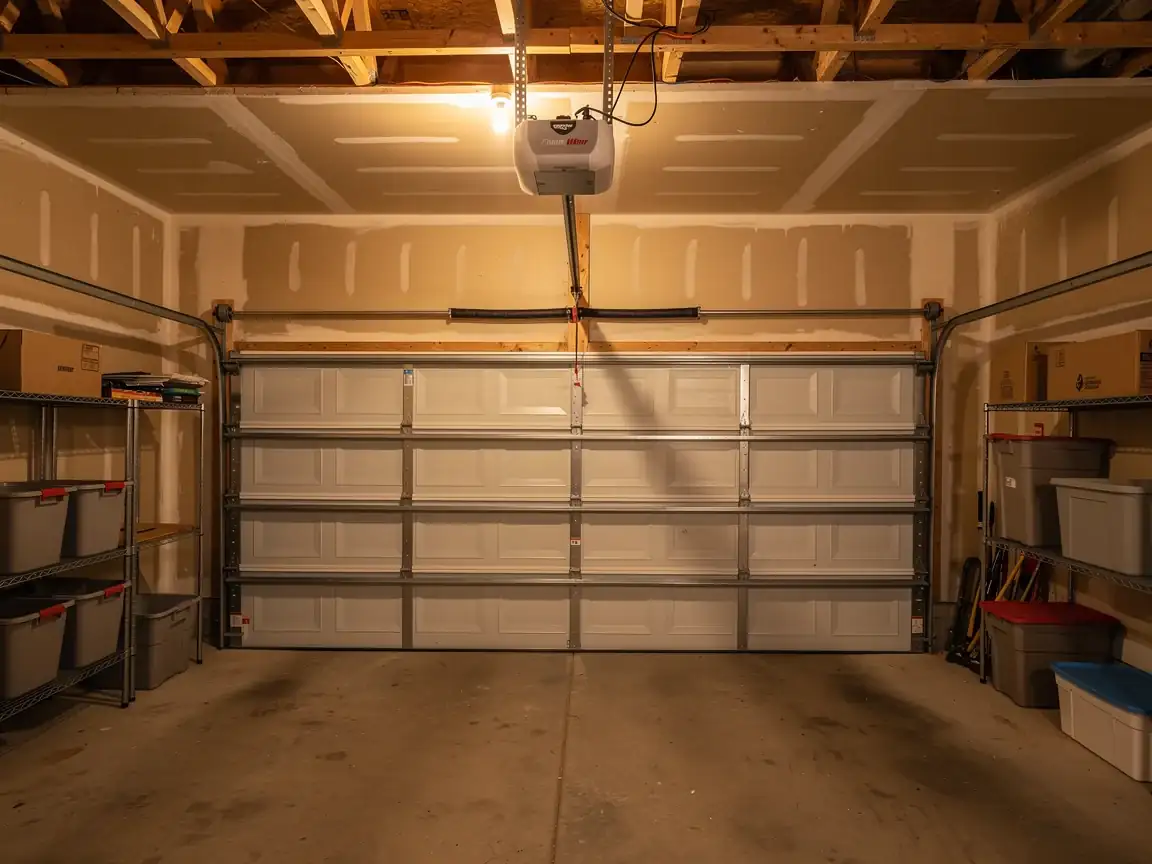
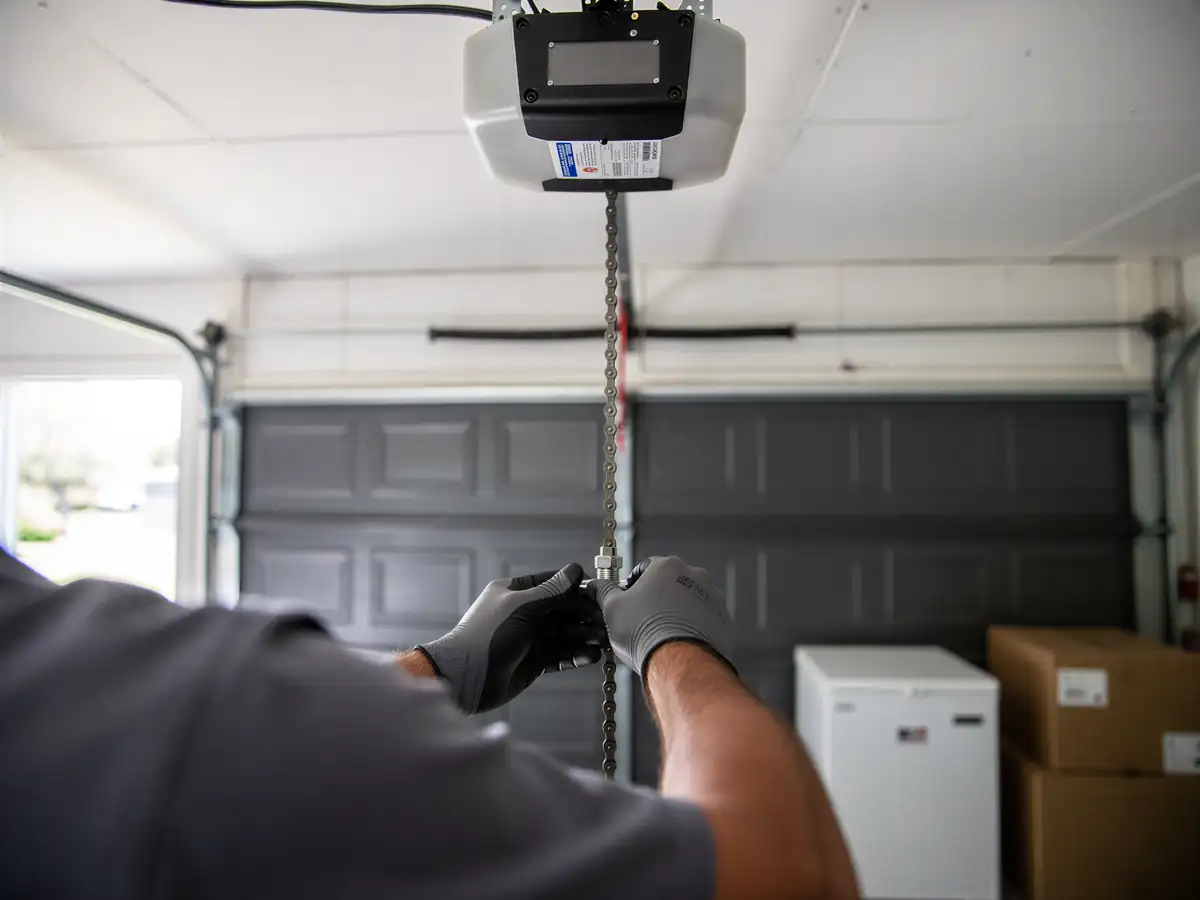
Swapping a remote battery or wiping dust off the photo-eye sensors is fair game for most homeowners, and it fixes more calls than people expect. Past that, opener work gets risky fast. The logic board, the drive gear, and the travel limits all interact, and guessing wrong on adjustment screws can drive a door into the floor or snap it back up hard enough to pull the bracket out of the header.
If your opener is from the original build-out of a house put up anywhere from 1956 to 2000 - which covers most of the housing stock across this service area - you're often dealing with a chain or screw-drive unit that predates rolling-code remotes and soft-start/soft-stop logic. Parts for those units aren't on a shelf at the hardware store. Before you pull the cover off, know whether you're chasing a $12 sensor or a board that was discontinued a decade ago.
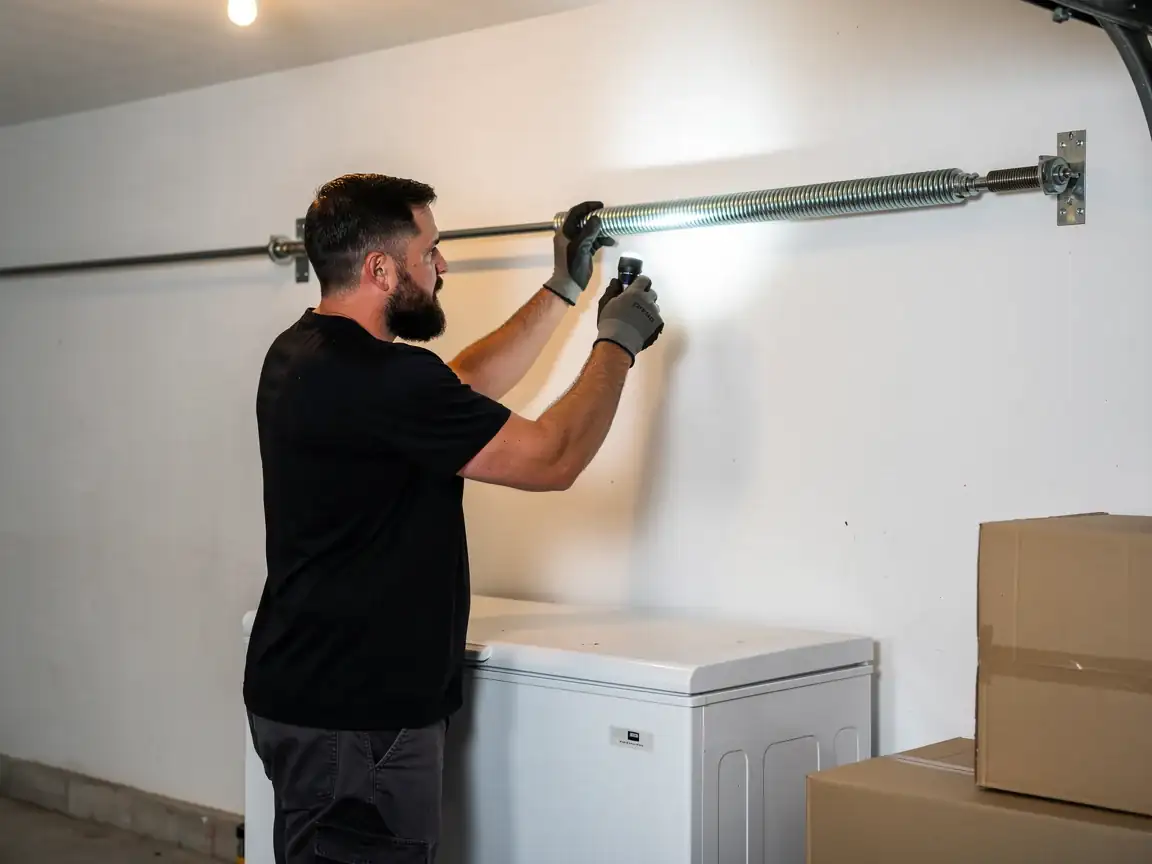
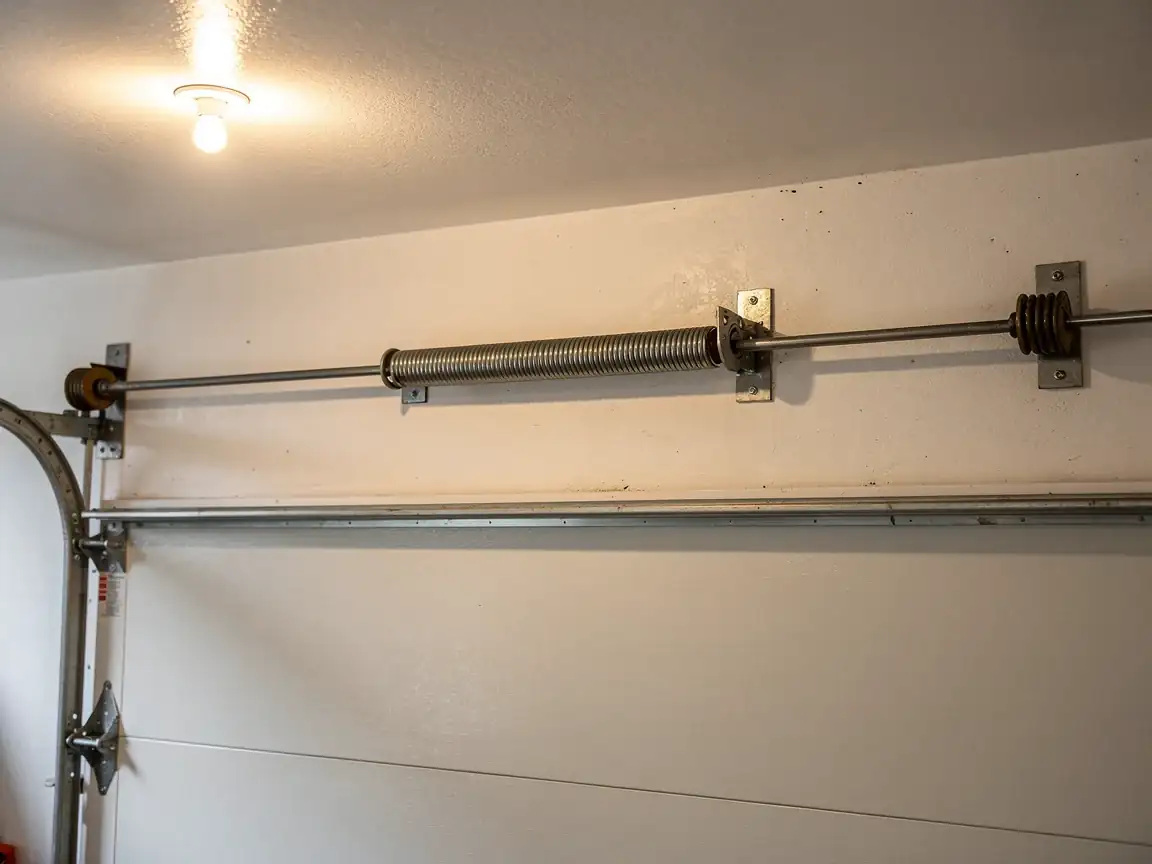
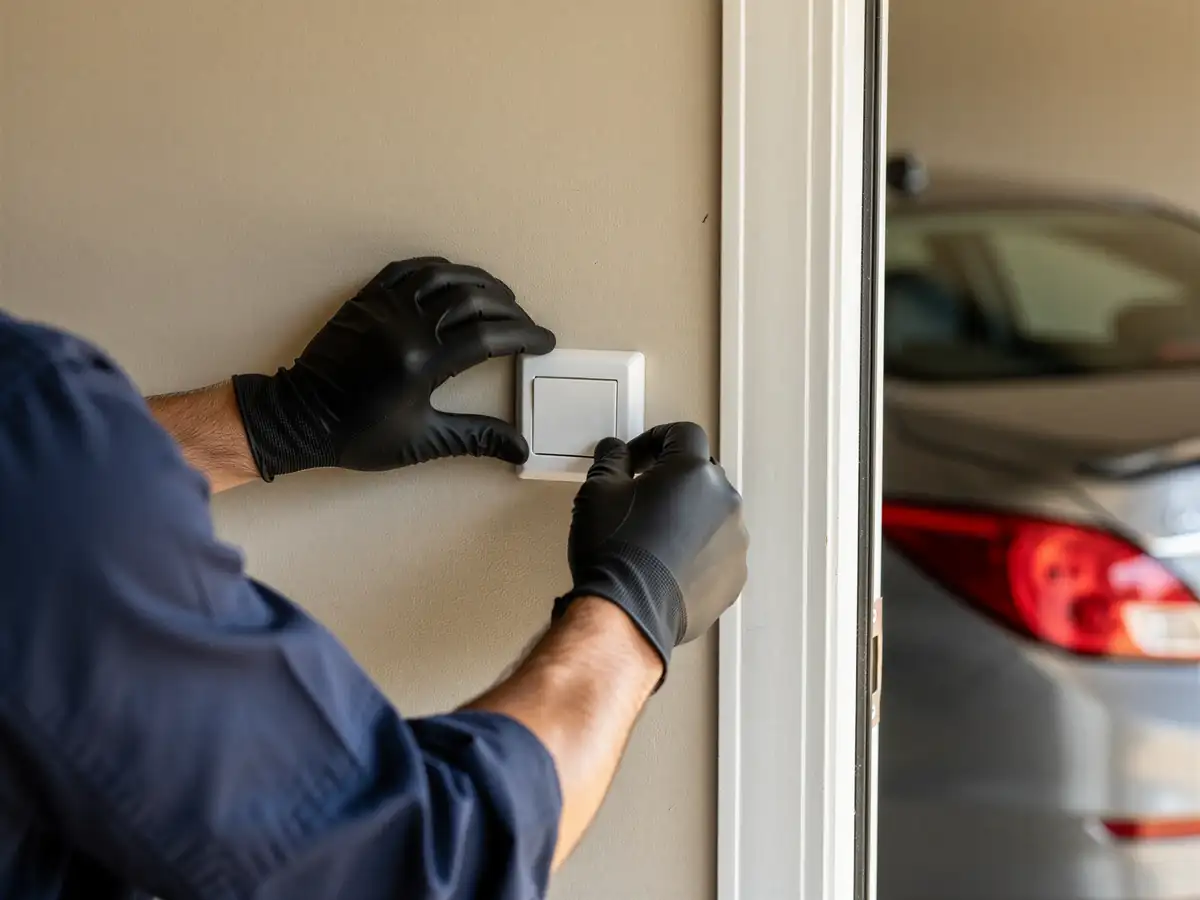
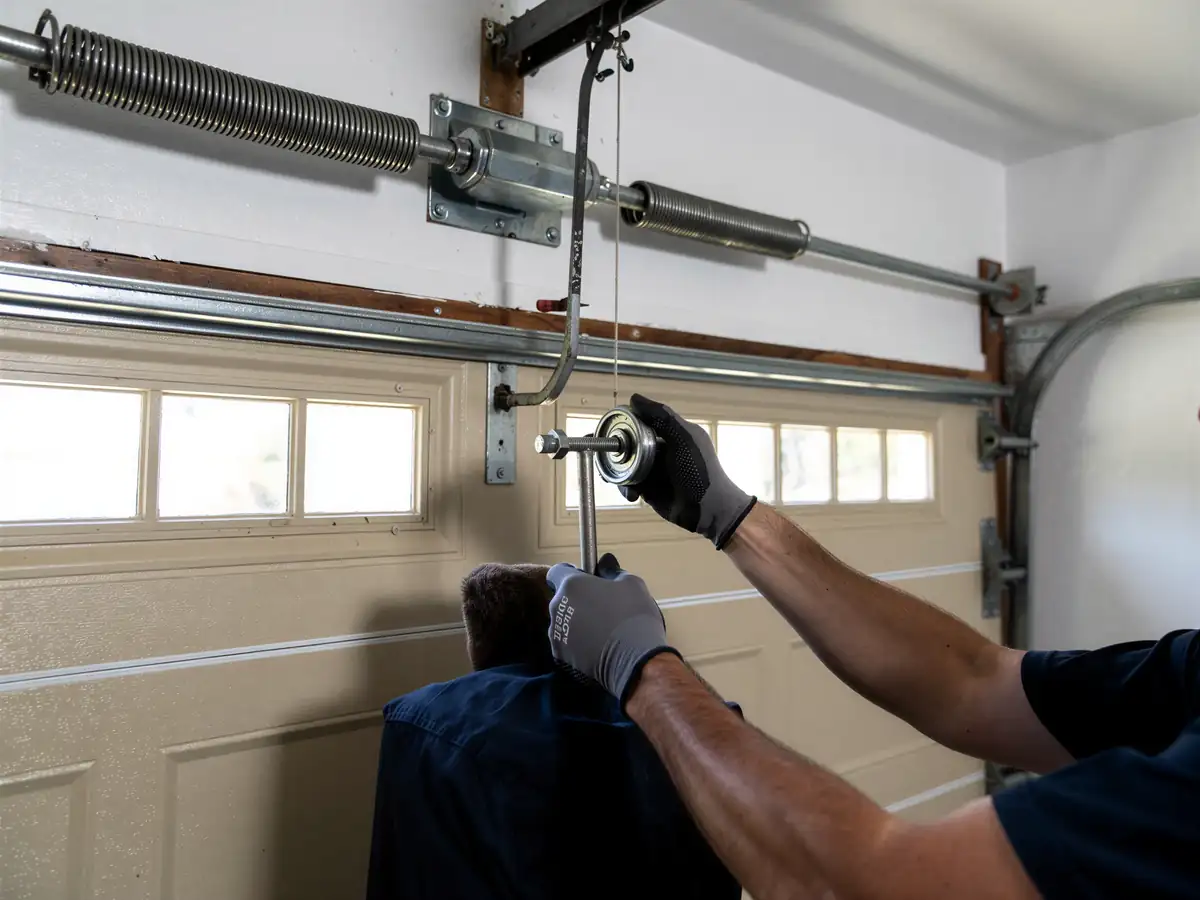
What you can reasonably check yourself: the wall button wiring, the sensor alignment and lens cleanliness, the remote batteries, and whether the door itself moves freely by hand with the opener disconnected. If the door binds by hand, the opener isn't your problem - the track or spring is, and no amount of opener troubleshooting will fix that.
Why This Fails Locally
The median home across this area was built in 1978, and the bulk of the stock falls in the 1960s-70s band across the twelve communities we cover. Openers installed as original equipment in that era, or replaced once in the 80s or 90s, are now running on gear sets and capacitors that were never designed for a 40+ year service life. That alone would cause failures. Add the climate band here - cold winters with real temperature swings - and you get a second failure path: grease inside the drive assembly stiffens in the cold, pulling more amperage through a motor and board that are already marginal.
The two causes compound. A house with 1970s wiring and an opener motor circuit that was never upsized sees voltage sag on the coldest mornings, which is exactly when the gears are stiffest and asking for the most current. That's why opener failures here cluster in cold snaps rather than spreading evenly through the year - it isn't random, it's the housing age and the climate acting on the same unit at once.
The Symptom
The call we get most is the opener that runs but the door doesn't move
Or moves partway and reverses. On older units that's almost always a stripped drive gear - a $20-30 part that takes real disassembly time, not a quick swap. The motor sound without door motion is the tell.
A second common pattern
The door reverses immediately on closing, every time, on a cold morning. That's usually the photo-eye sensors reading a false obstruction because they've shifted out of true alignment, which happens more in homes with original, unreinforced sensor brackets from the first installation.
Third is the opener that simply hums and trips a breaker
On a belt or chain unit old enough to match this area's housing stock, that's frequently a capacitor or a motor winding on its way out, and it's the point where repair cost starts competing with replacement cost. We'll tell you straight when a board or motor swap costs more than a new opener - we don't run up a bill chasing parts on a unit that's done.
Time on the Job
A sensor realignment or wall-button fix is usually a 20-30 minute call. A drive gear replacement or a logic board swap runs closer to an hour once we've confirmed the part fits the unit - and on older screw-drive and chain openers common in this area's housing, that confirmation step matters, because some boards were discontinued and we have to source a compatible replacement rather than an exact match.
One limitation worth saying plainly: if your opener is a belt-drive unit built before smart-home compatibility became standard, and the board is gone, we may recommend full opener replacement instead of a repair, because the parts lead time on an obsolete board can run longer than most people want to wait on a dead garage door. We'll always quote the repair first if one is realistic - we just won't pretend a part exists when it doesn't.