
This Area's Housing
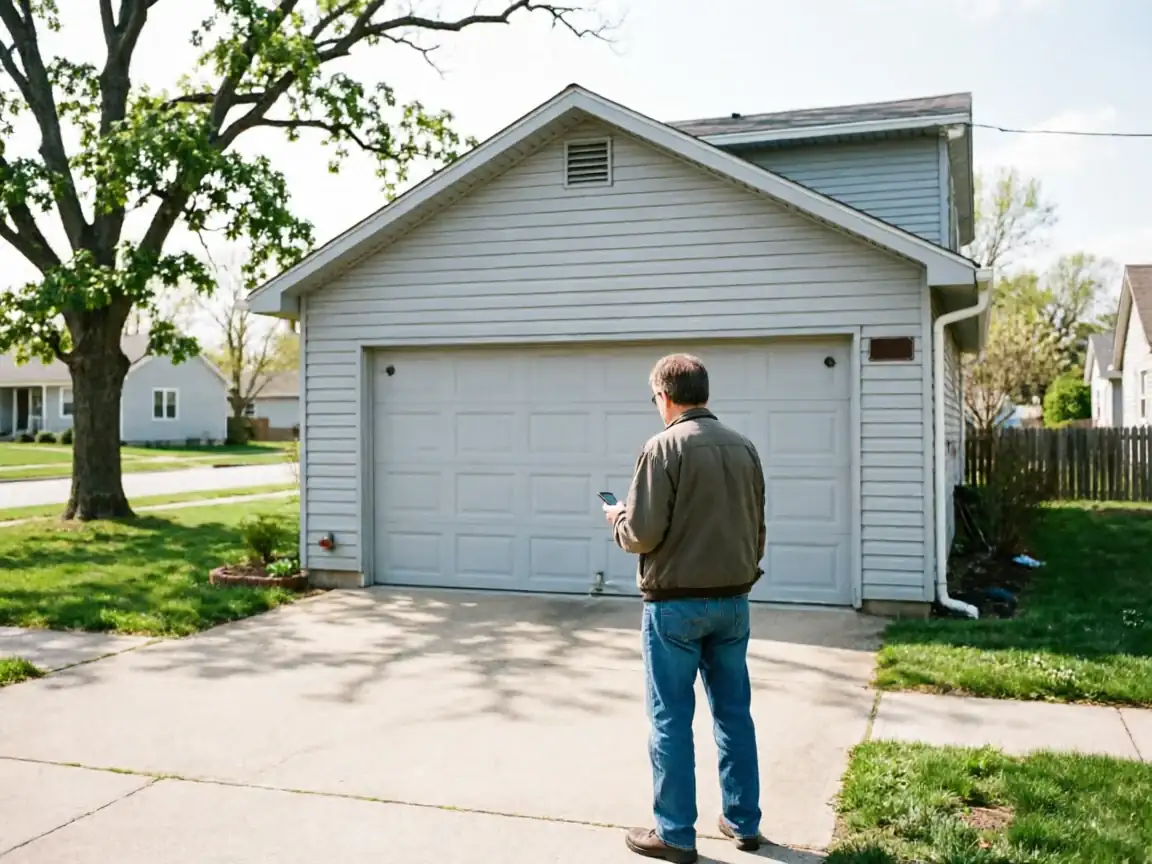
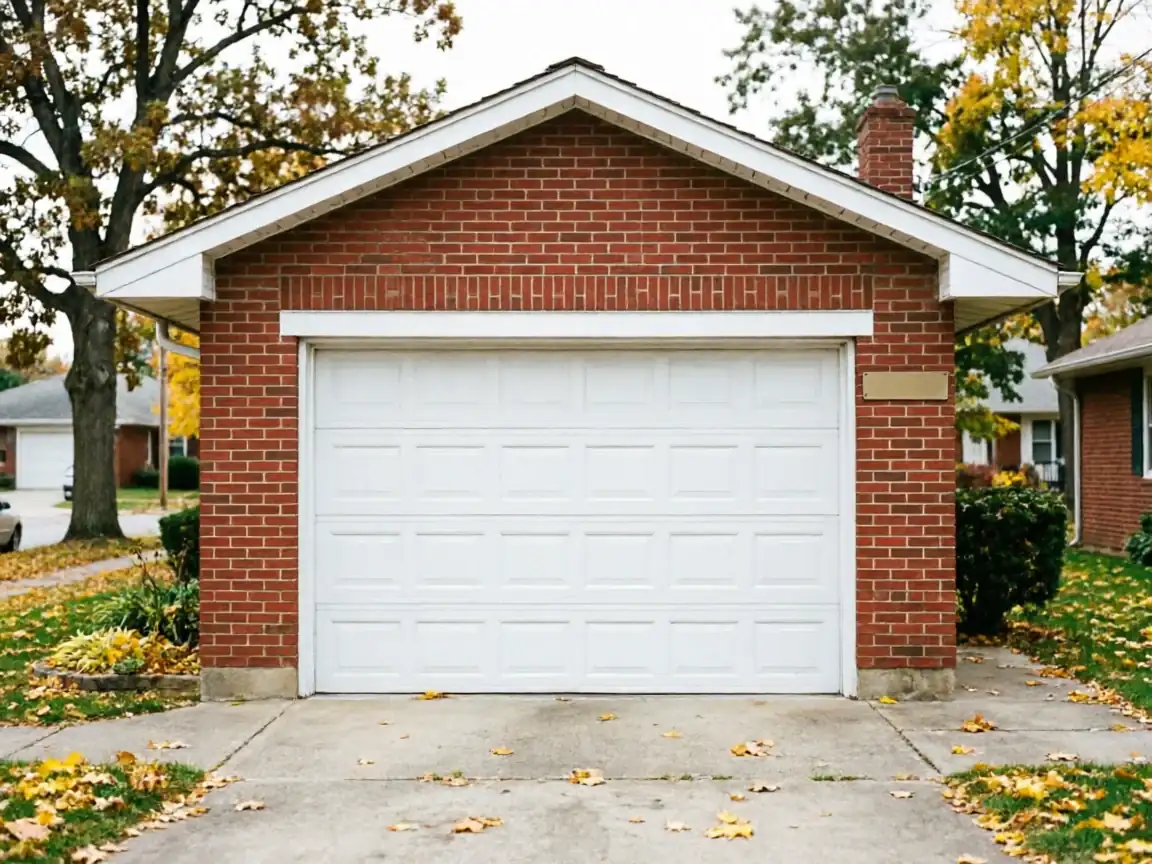
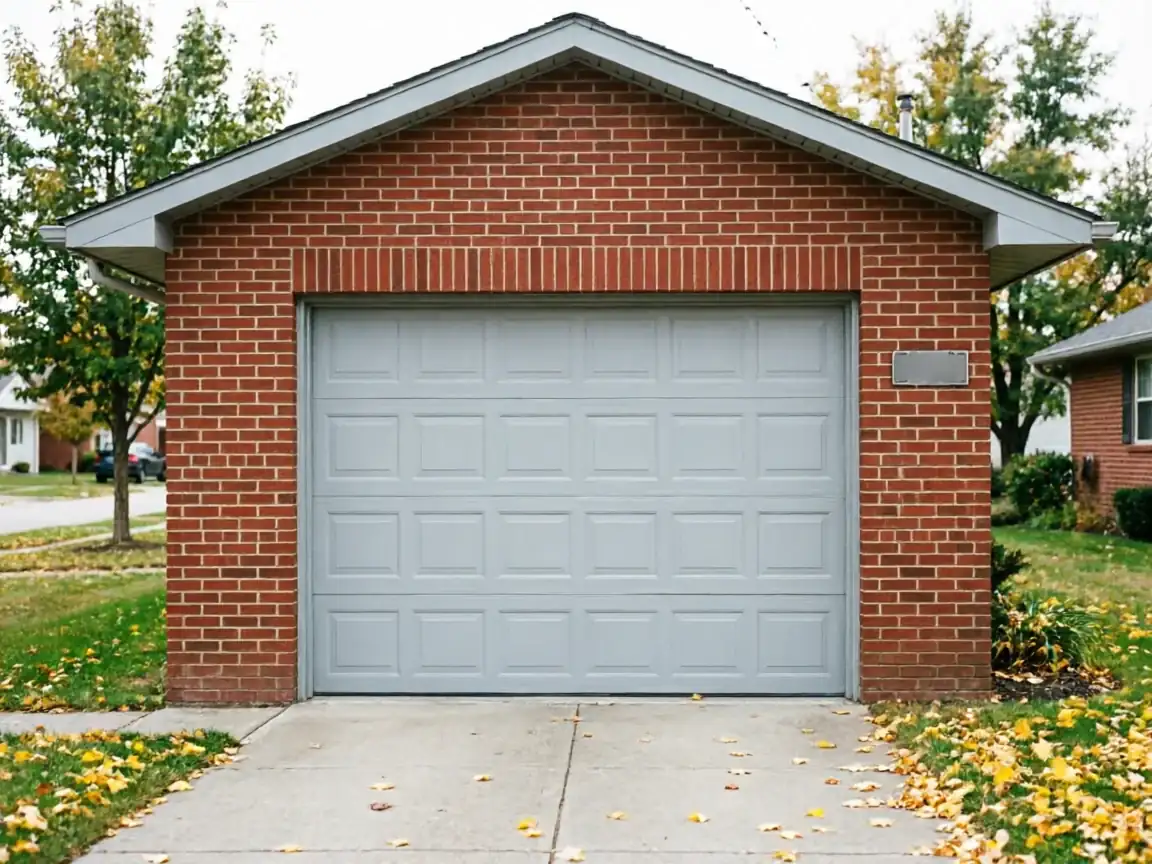
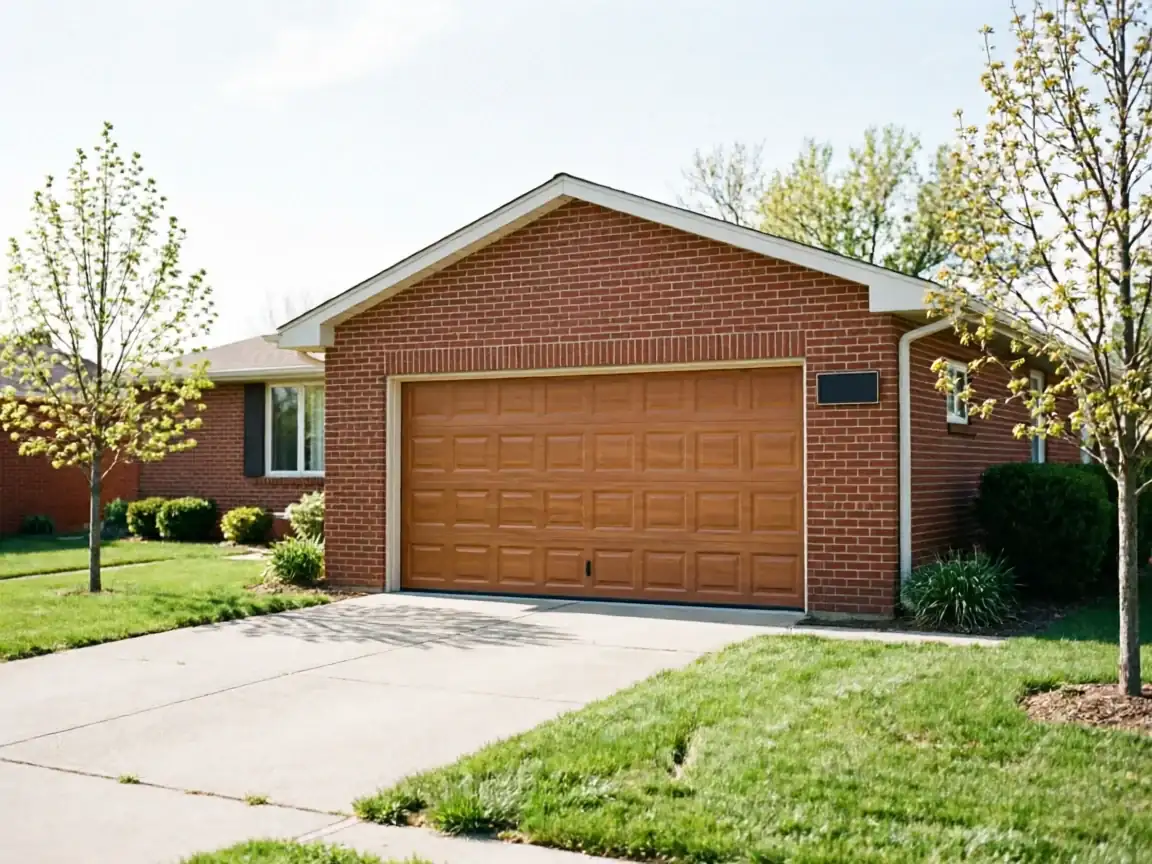
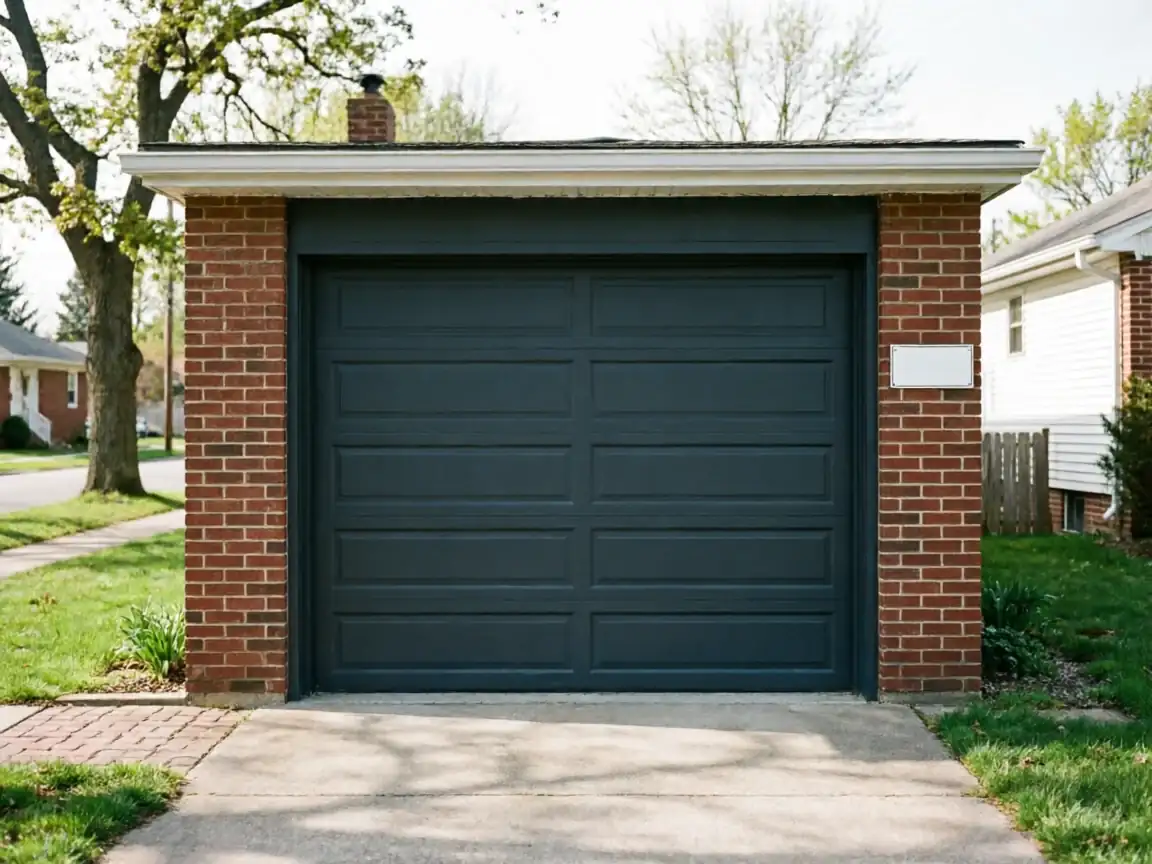
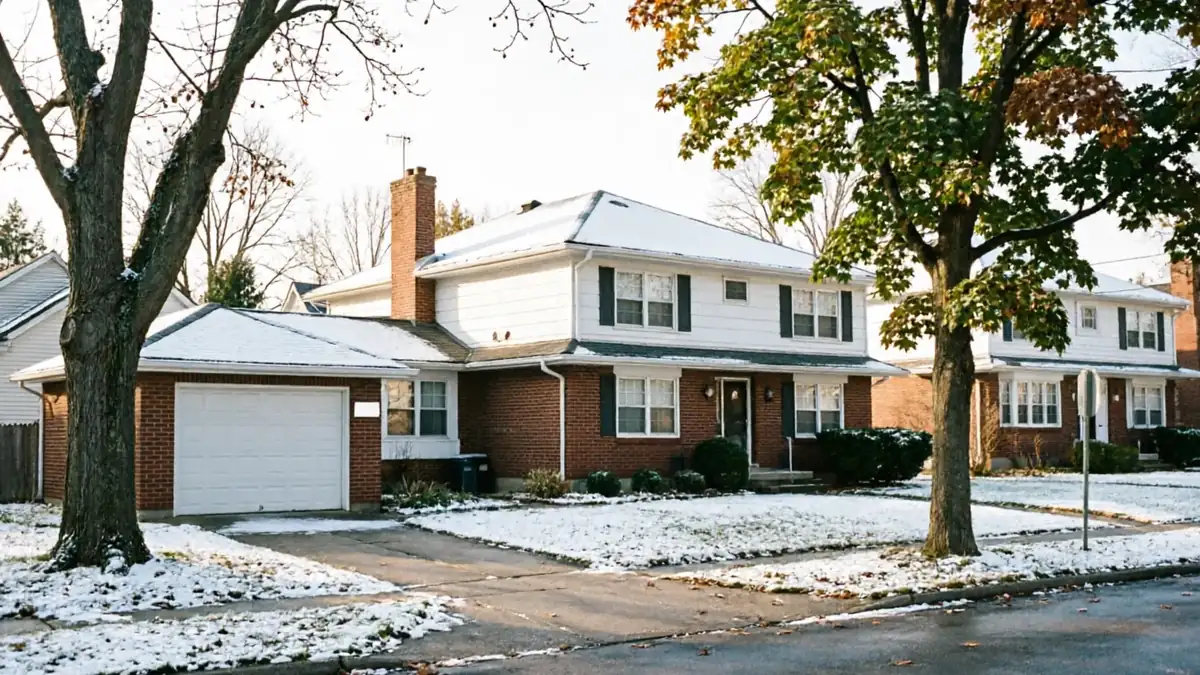
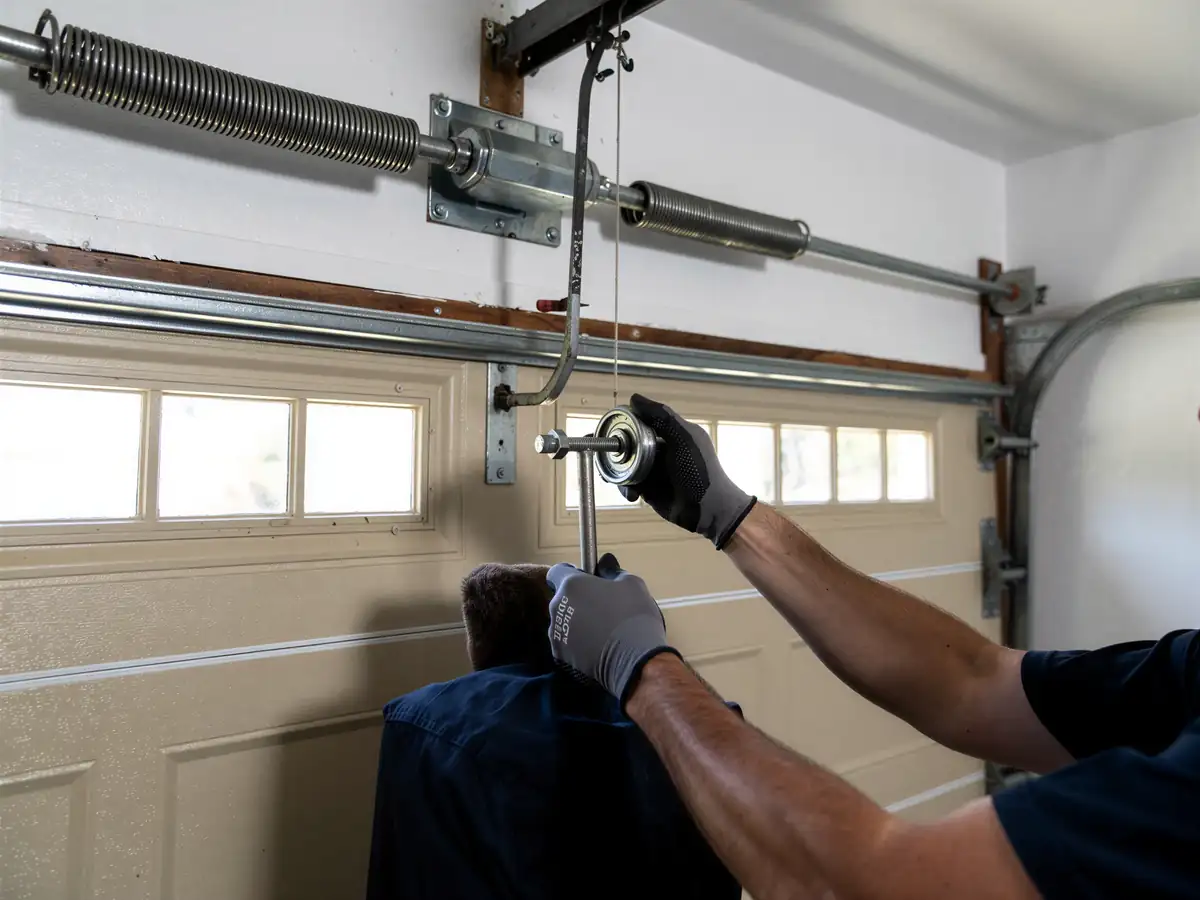
Monticello's housing stock centers on 1976, which puts it a touch earlier than the 1978 median for the wider service area and squarely inside the broader 1956-2000 build window we see across the twelve towns we cover out of Champaign. With roughly 2,690 households here, this is a smaller pocket than Champaign or Urbana, but the doors on these houses are recognizable: steel sectional doors from the 1970s and 80s, many still running their original torsion springs because nobody's ever had a reason to replace a door that still closes. Median household income here runs $88,611, noticeably higher than the $81,703 area-wide figure, and that shows in the number of owners who've already upgraded to a newer opener or insulated door rather than patching the original. Still, plenty of 1970s hardware is still in service - galvanized torsion springs rated for a cycle count that's long since been used up, and rollers that were never swapped to nylon. None of that's a problem until it is, and when it goes, it tends to go on a cold morning rather than a mild one.
Old Streets and New Ones
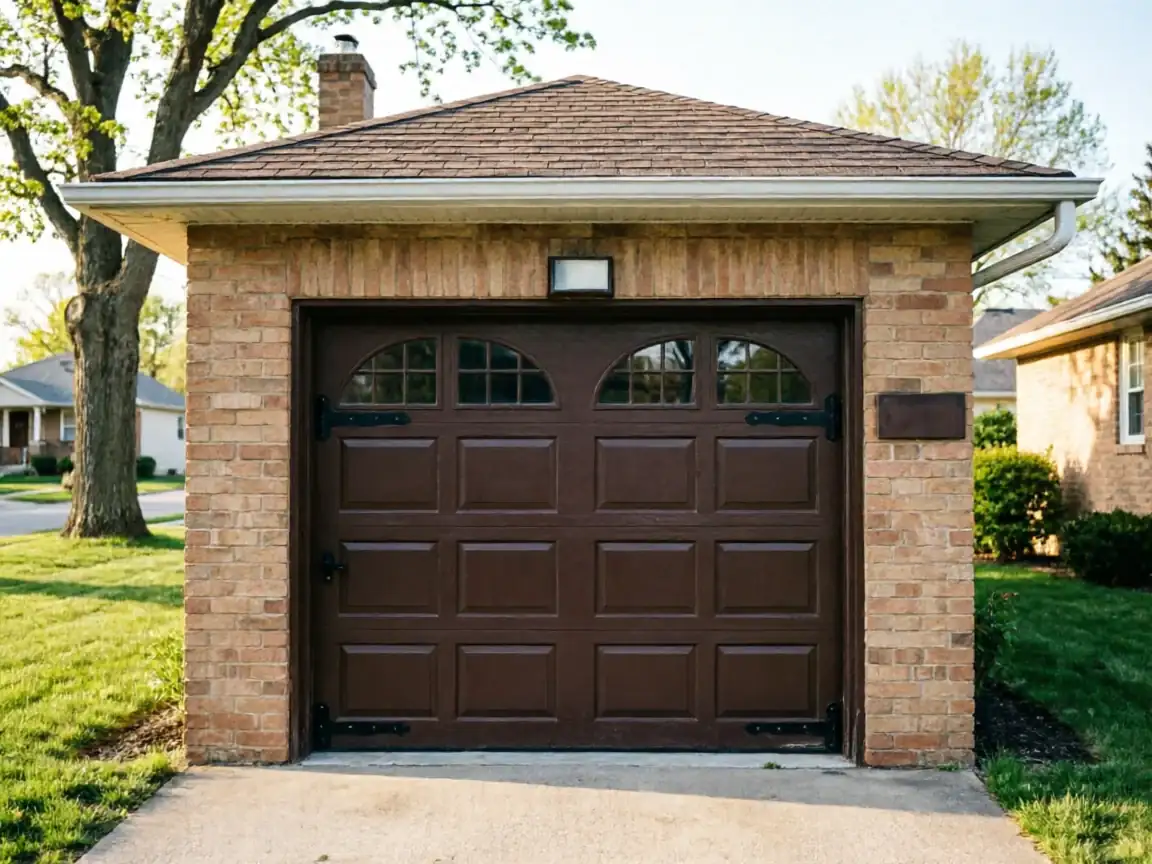
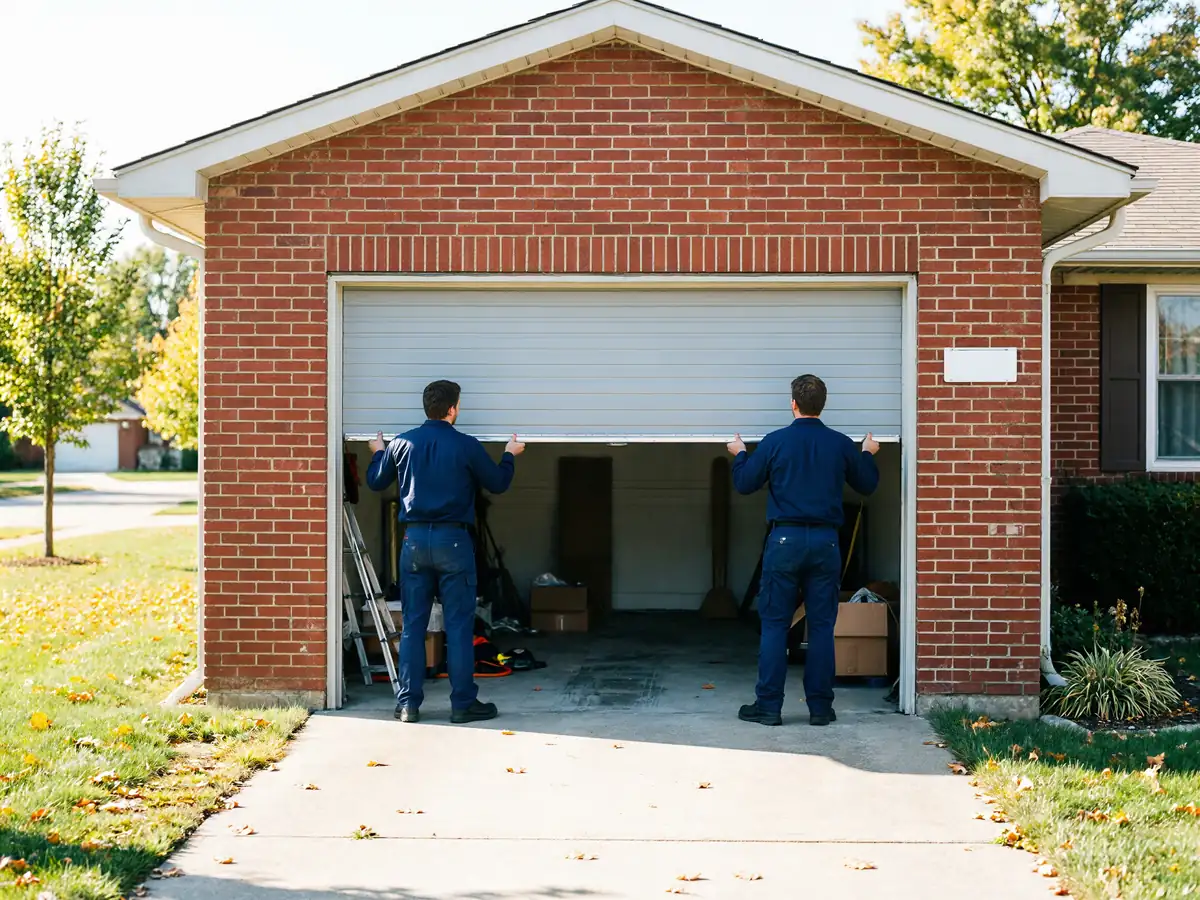
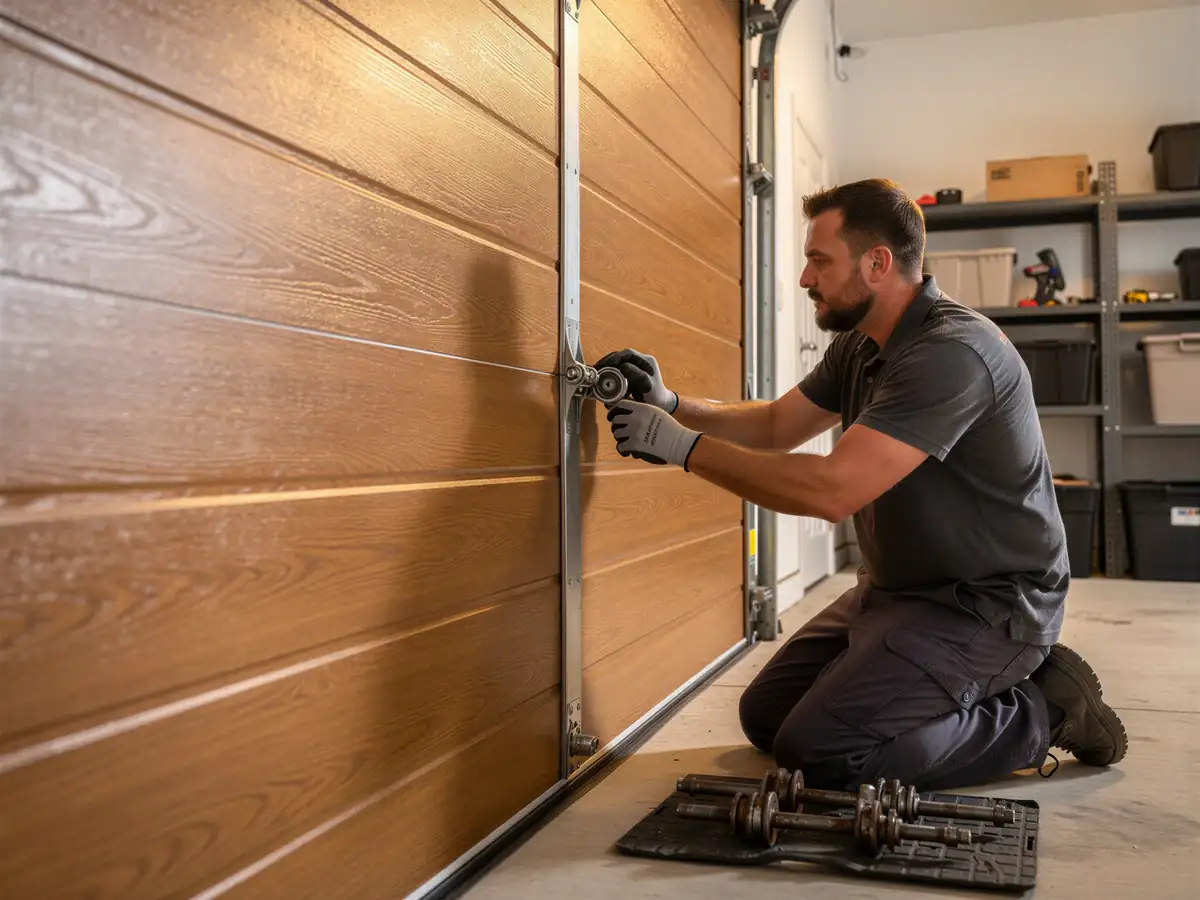
A town built out mostly in one era tends to have one era of garage door, and Monticello is a decent example of that. The doors that went up with the 1970s build wave are mostly 16-foot steel sectionals on extension or torsion springs sized for the lighter doors of that period - no insulation layer, no polyurethane core, just a single skin of steel. Where newer construction has filled in since, you'll find later doors with thicker panels and heavier springs to match, which is a different repair altogether: the spring rate, the drum size, even the lift cable length aren't interchangeable between a 1976 door and a 2005 one. We bring both kinds of hardware on the truck because we don't know which one we're walking up to until we're standing in front of it.
How That Shows Up in the Door
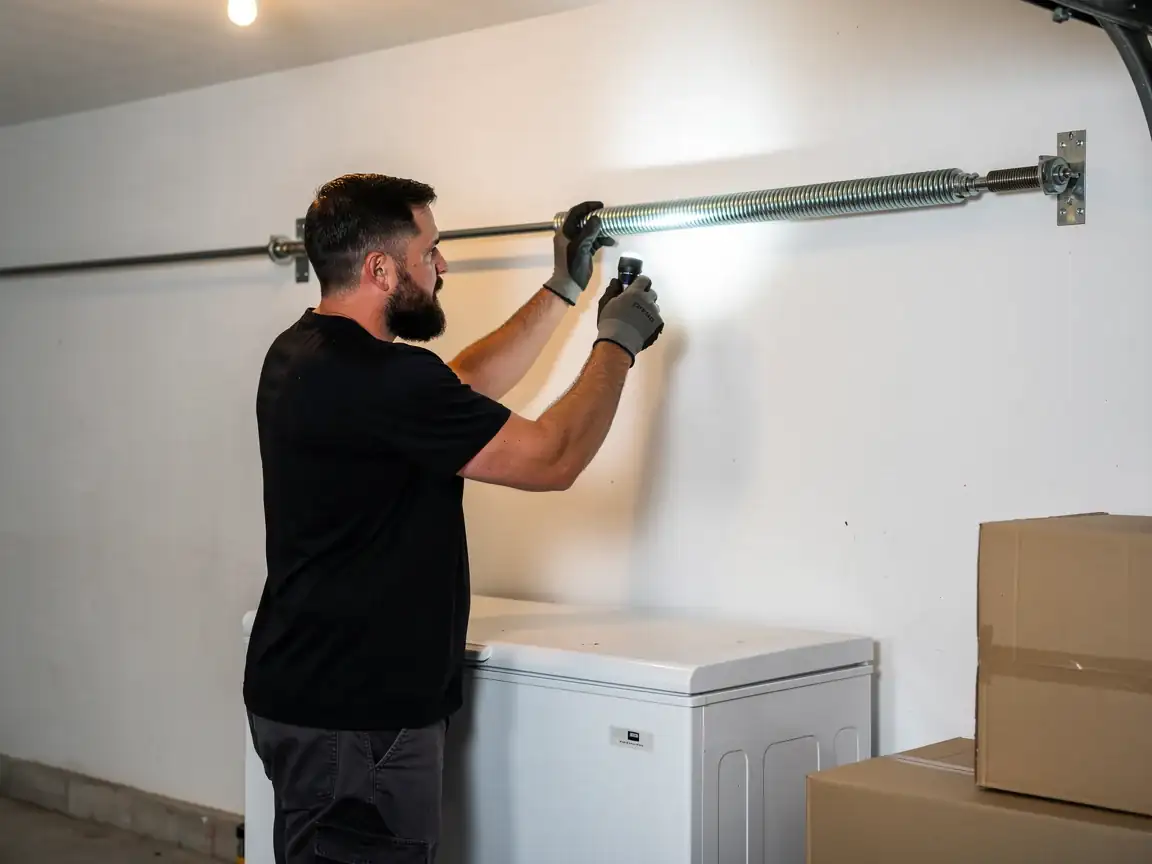
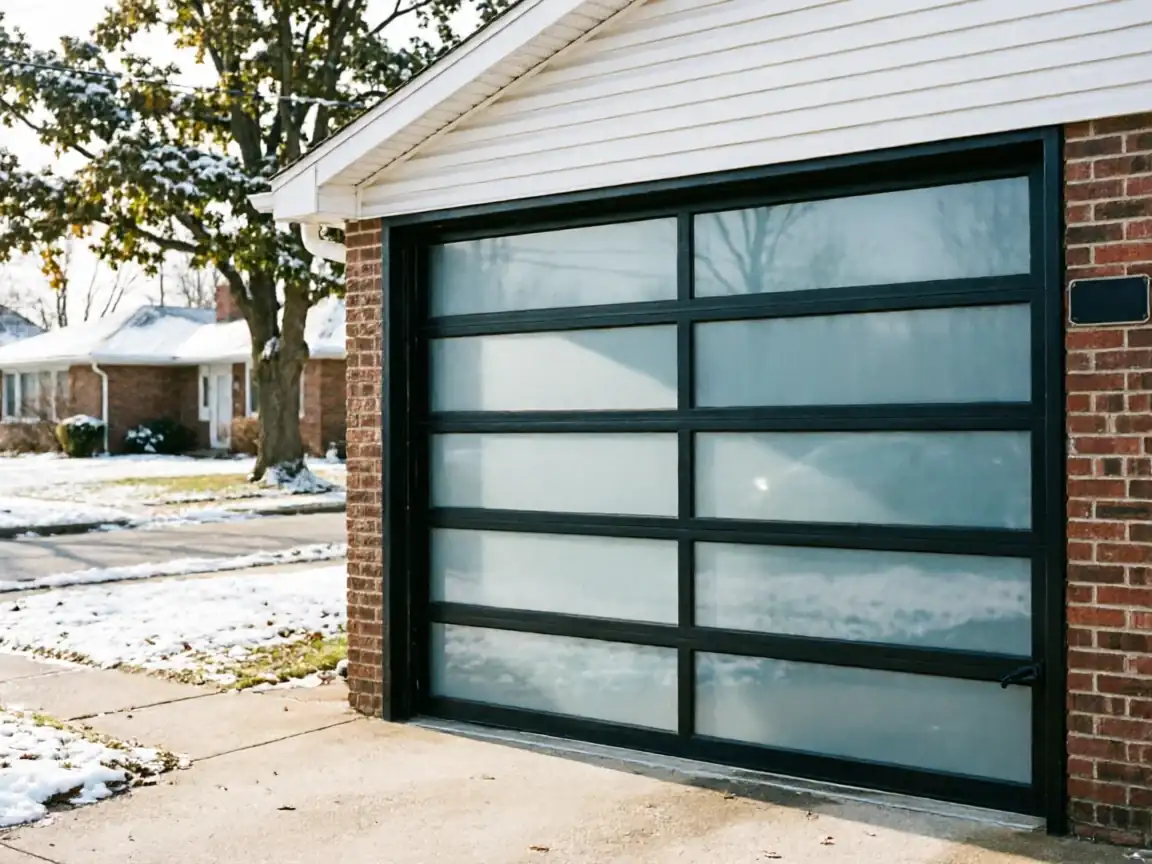
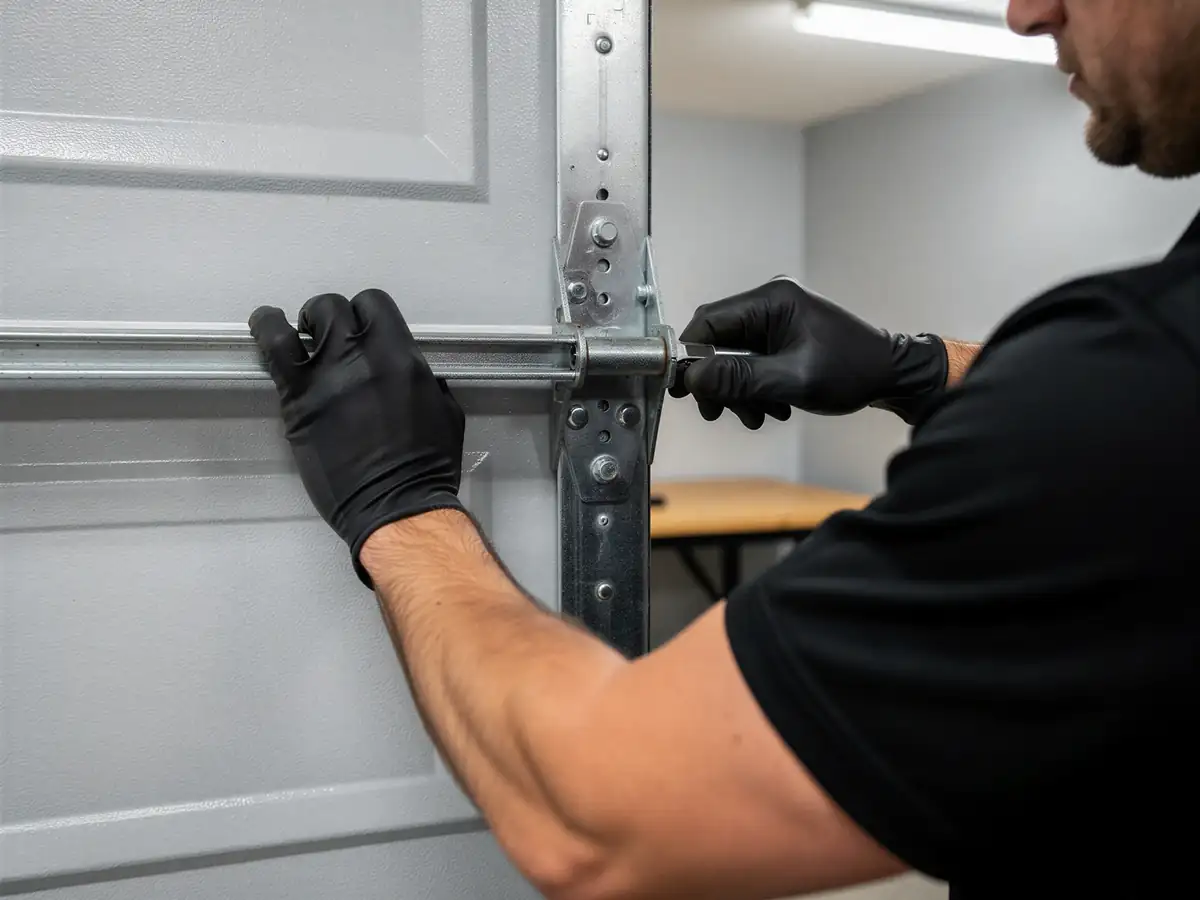
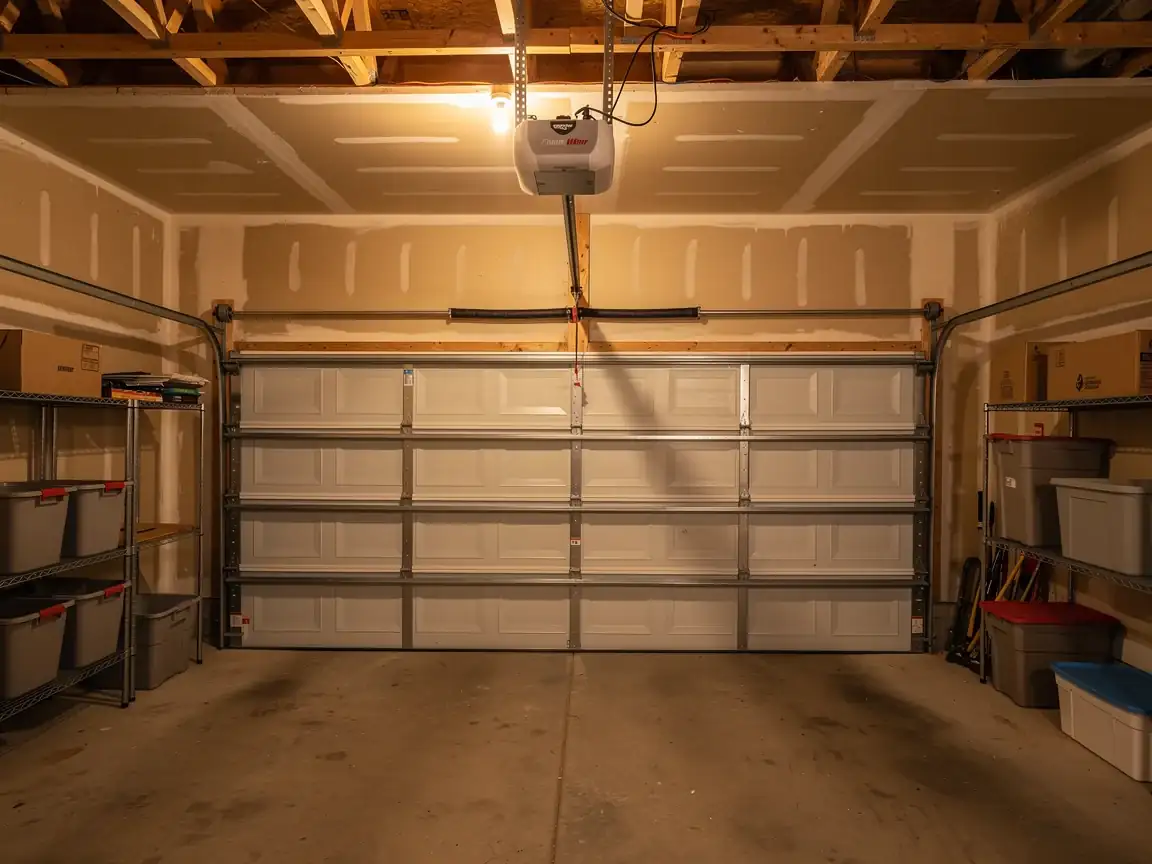
Champaign-Urbana sits in a cold moderate climate band, and that cuts both ways on a door built in the mid-1970s. Steel that's been expanding and contracting through forty-plus winters gets brittle at the weld points, and a torsion spring that was already near the end of its rated cycle life is more likely to snap on a cold morning than a warm afternoon - the metal's stiffer and the tension doesn't give the way it does in summer. On a 1976 door, we're also checking the bottom bracket and the end bearing plates before we touch the spring, because on hardware this old, one worn part often explains why another one failed. We'll tell you plainly when a repair isn't worth it - if the track is bent from age and the door's original anyway, a new door can cost less over time than chasing parts for one that's done its job.