How to Book
Call and tell us what the opener is doing - grinding, humming without moving the door, running but not latching, or dead silent. We travel to Monticello from our shop in Champaign, about 17 miles out, so having the make of the opener and whether it uses a chain, belt, or screw drive ready when you call saves a trip back for the wrong part. If you know roughly when the house was built, mention that too. A lot of the openers we pull out of Monticello garages are old enough that the logic board is no longer available, and that changes whether we're quoting a repair or a replacement before we even arrive.
Why This Fails Locally
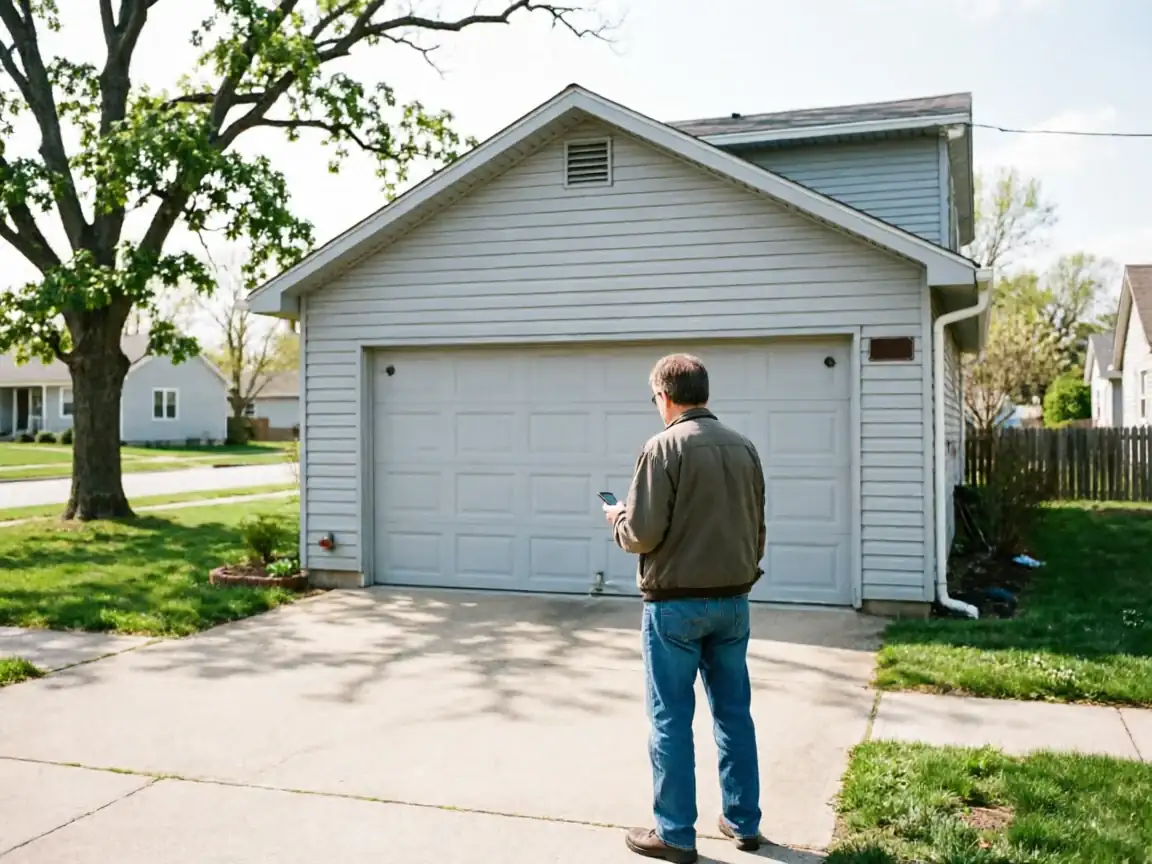
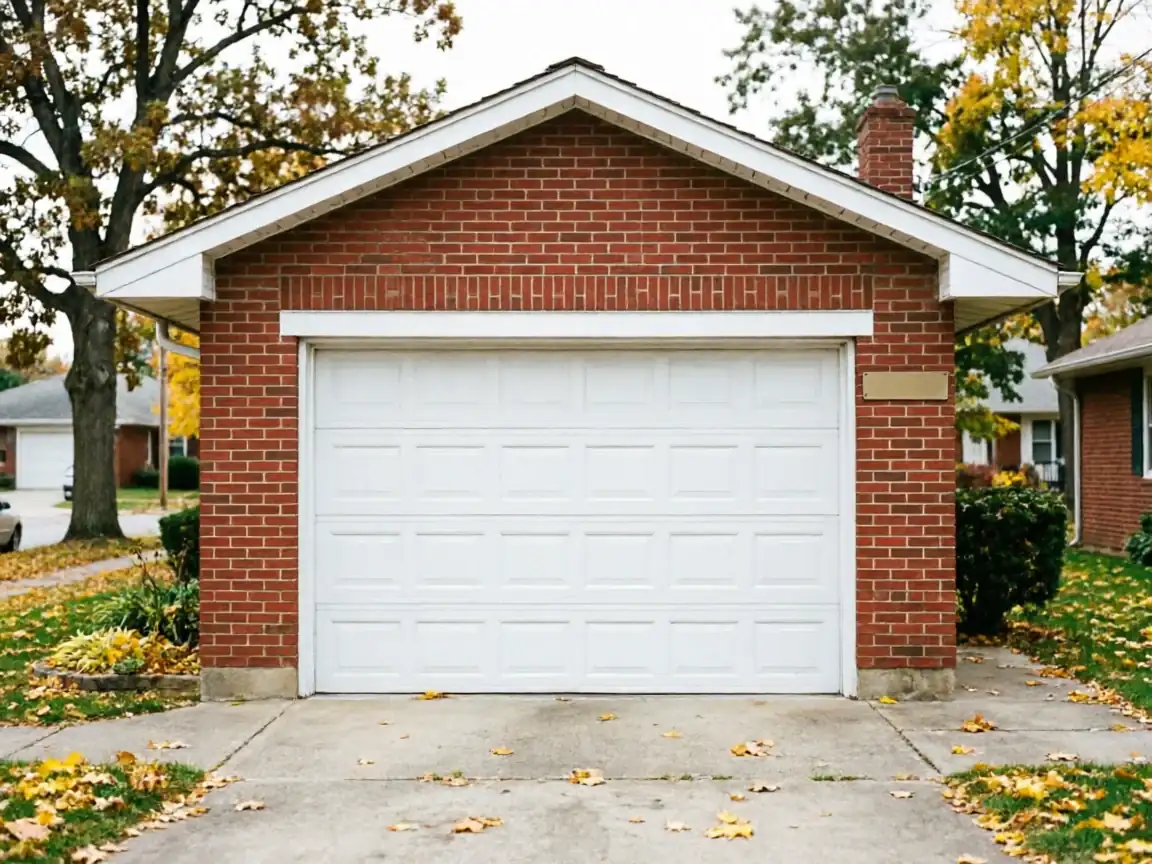
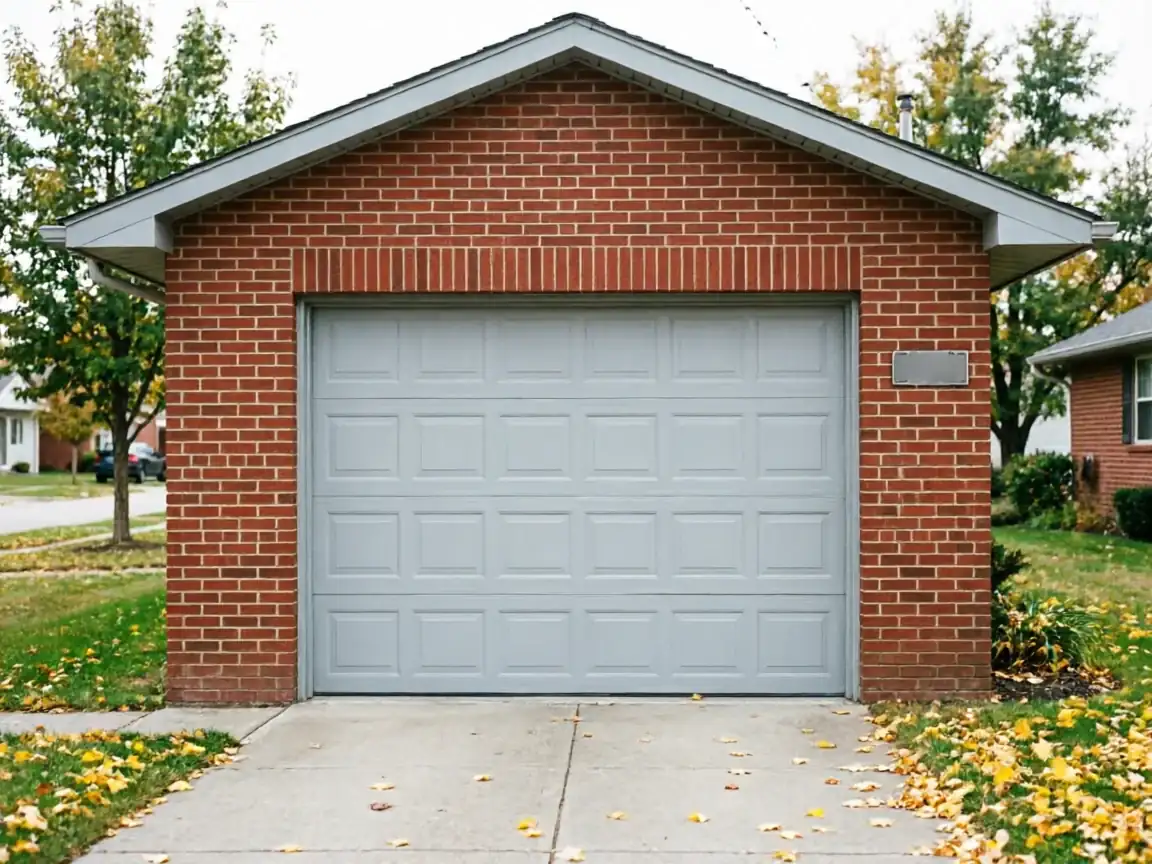
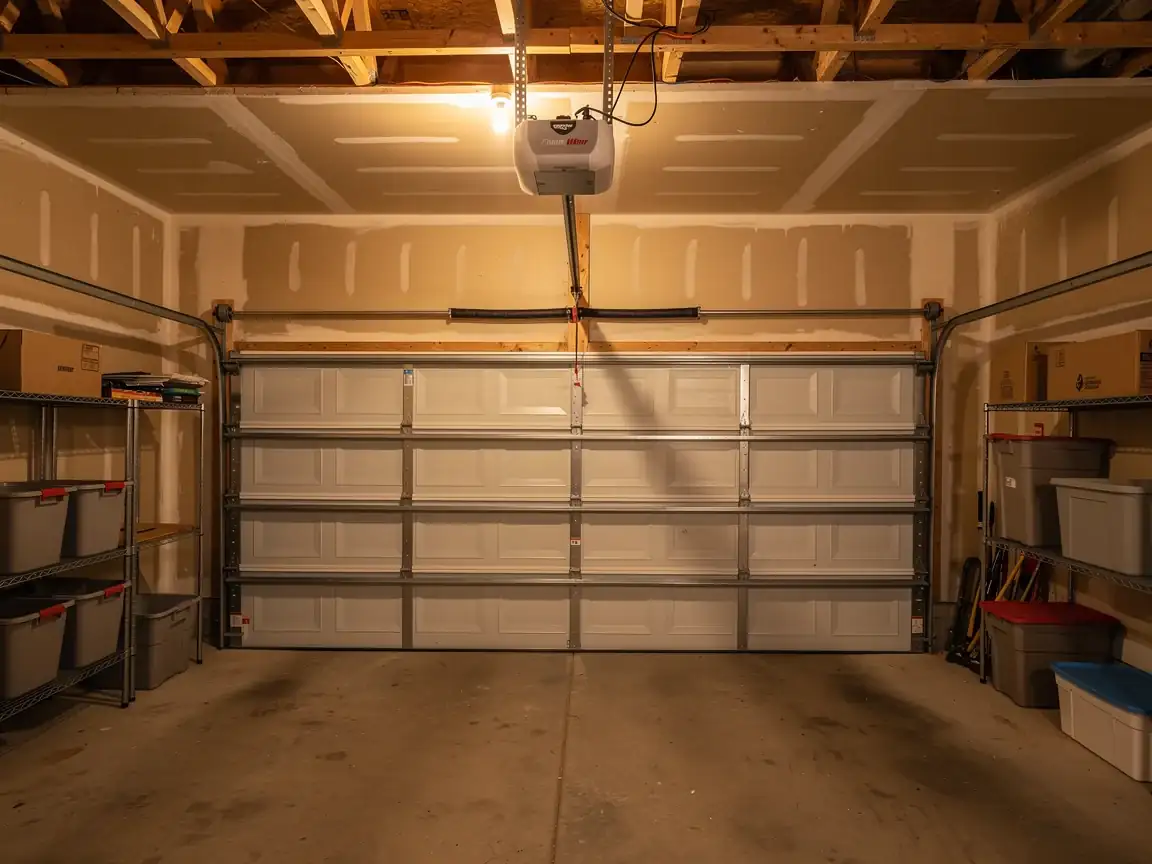
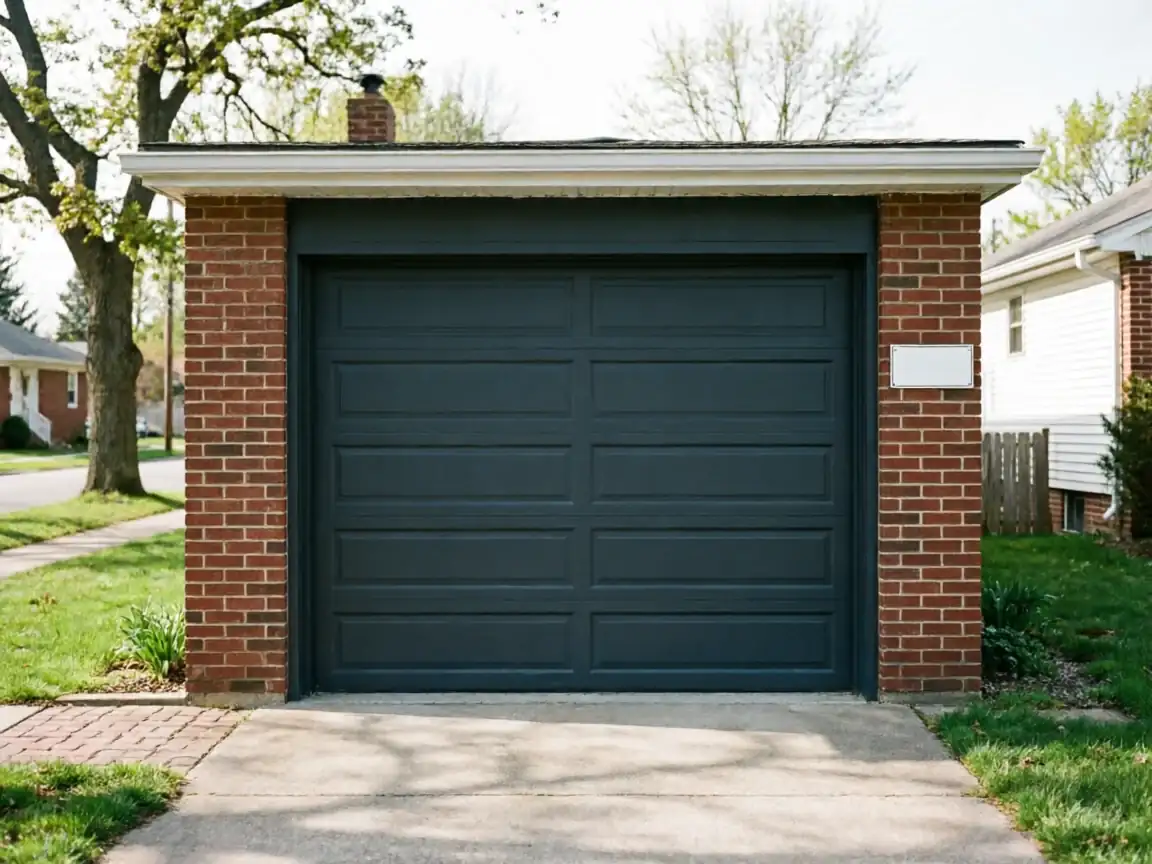
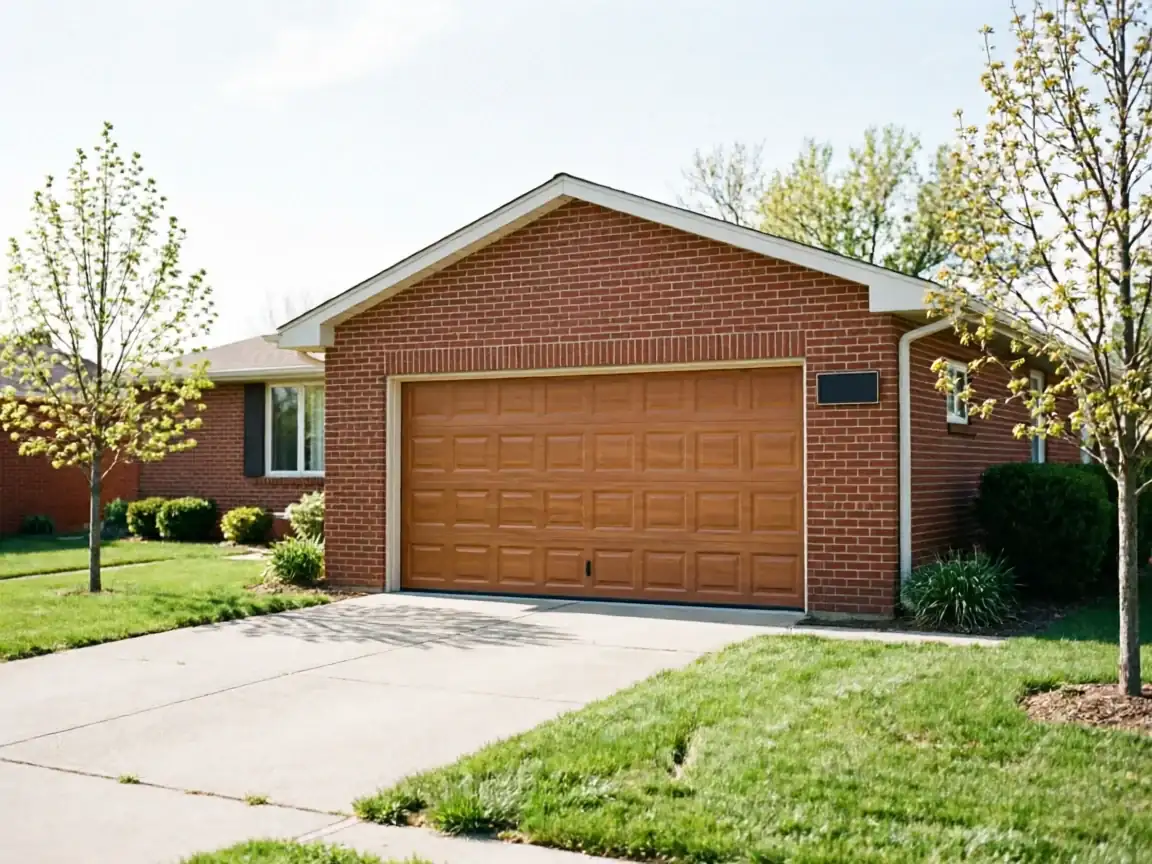
Monticello's housing stock centers on 1976, right in the middle of the wider service area's 1956-2000 building run. Garages from that era were framed for single doors around 7 feet wide or double doors near 16, usually steel or steel-clad wood, hung before openers were standard equipment in this part of Illinois. Most of what's installed today is a retrofit - a chain-drive unit bolted to ceiling joists that were never engineered with an opener bracket in mind. Over time the lag bolts work loose in that original framing, the rail sags a fraction of an inch, and the opener starts fighting a door that isn't traveling true anymore. It's not that the opener is cheap. It's that the structure around it was built for a door with no motor on it.
How We Fix It
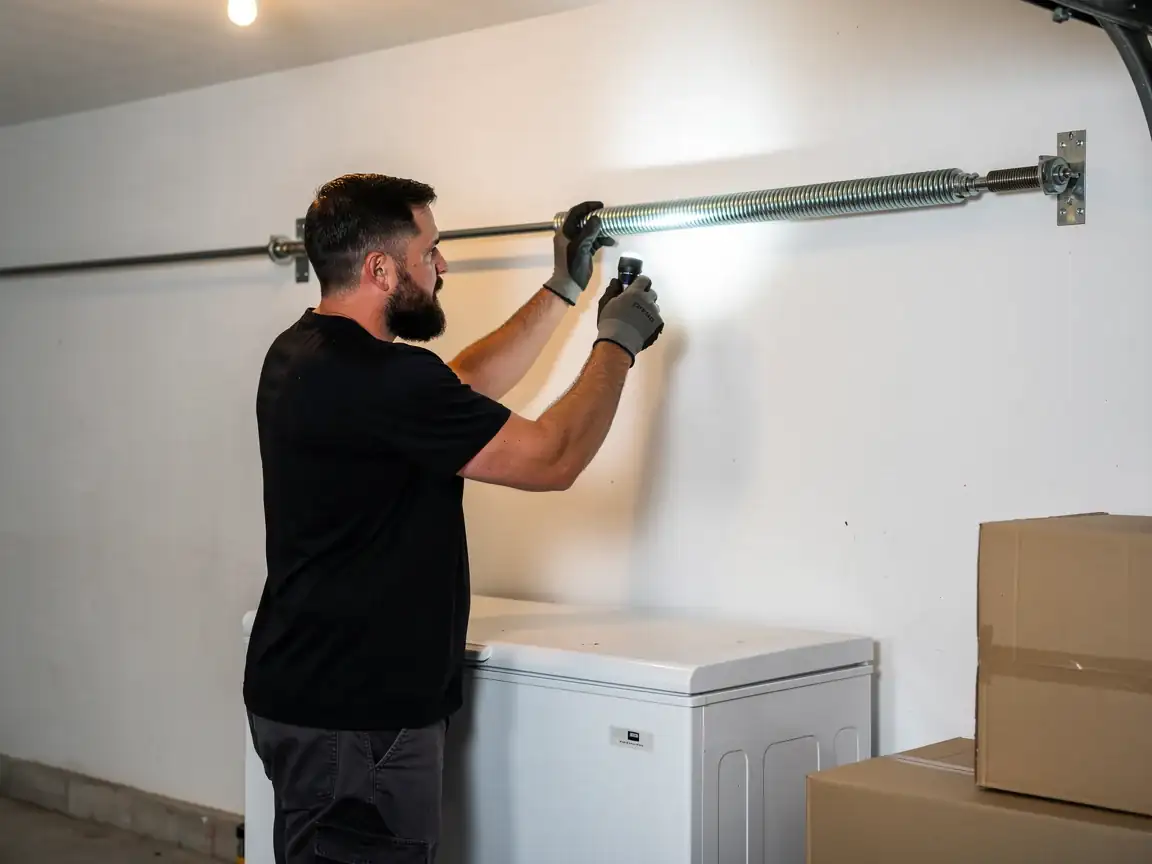
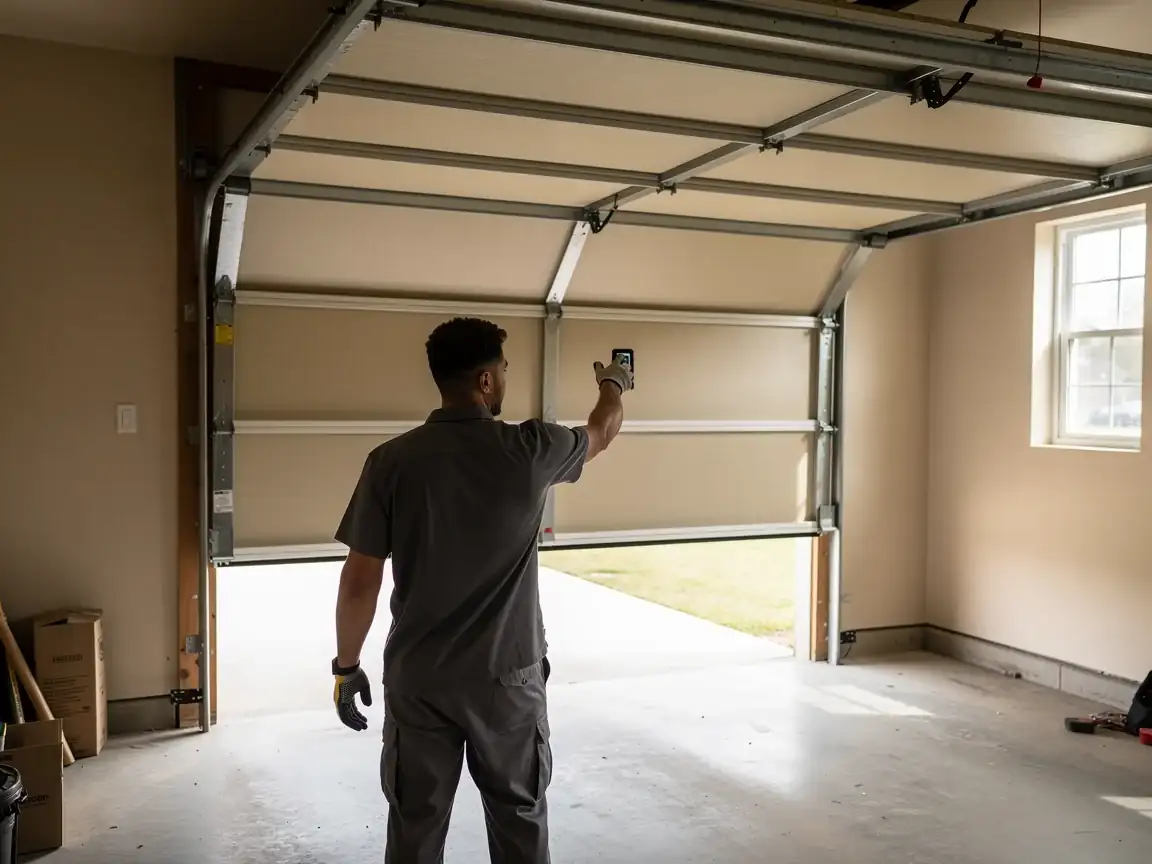
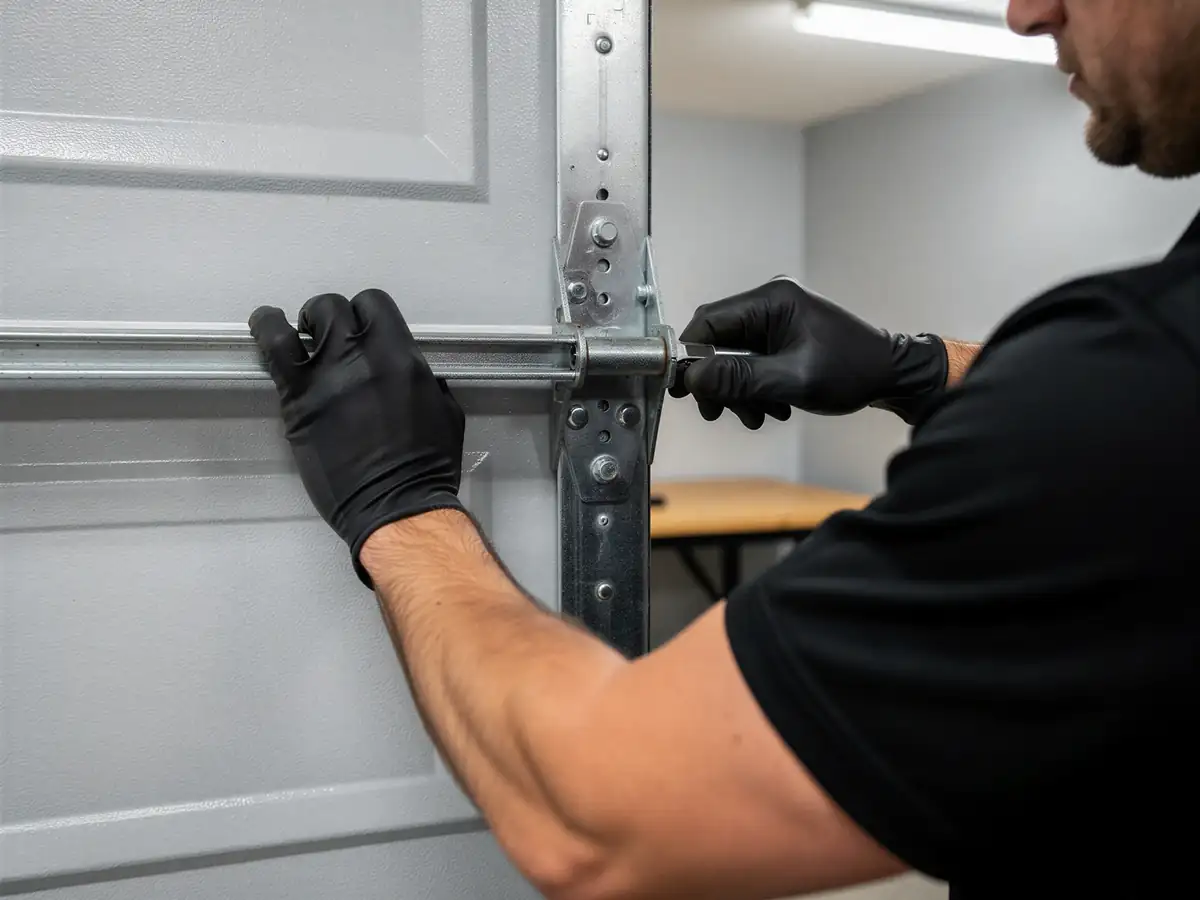
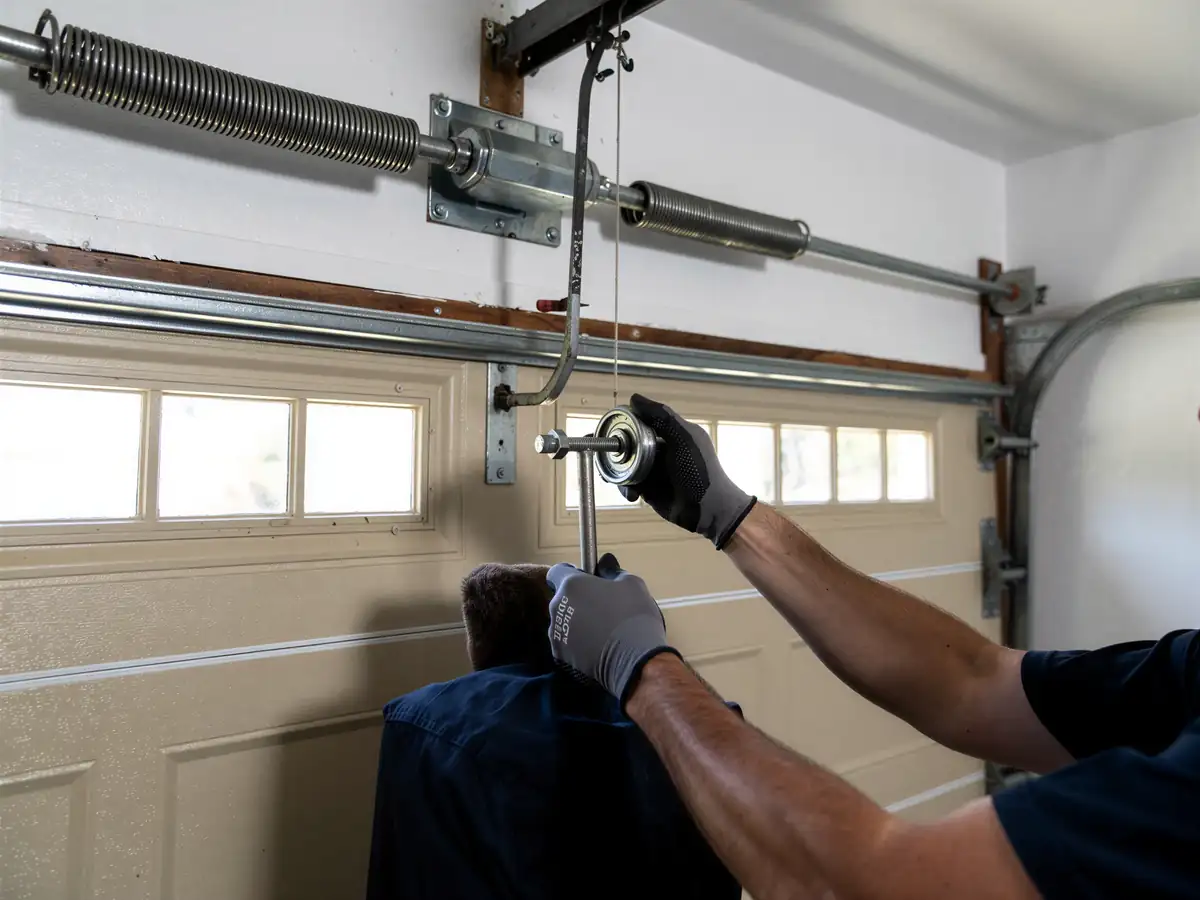
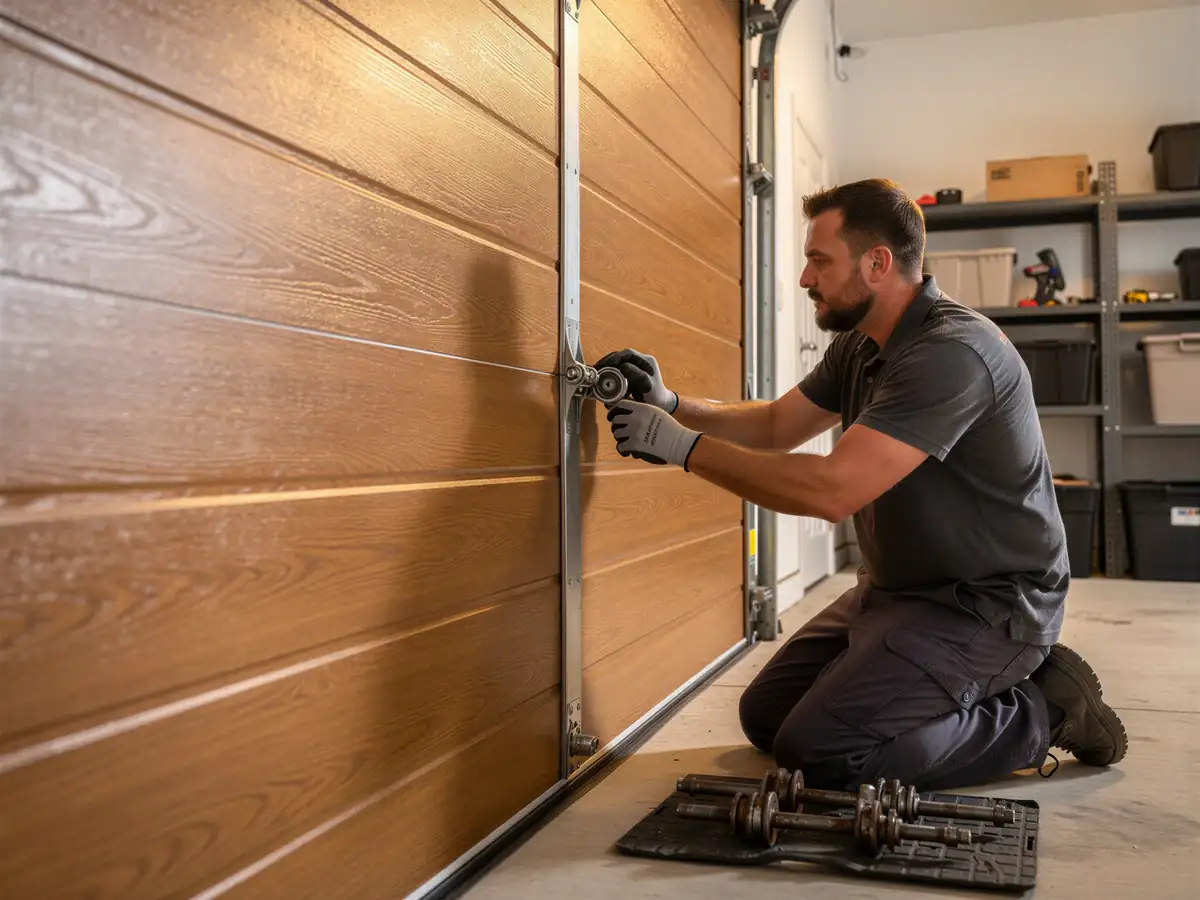
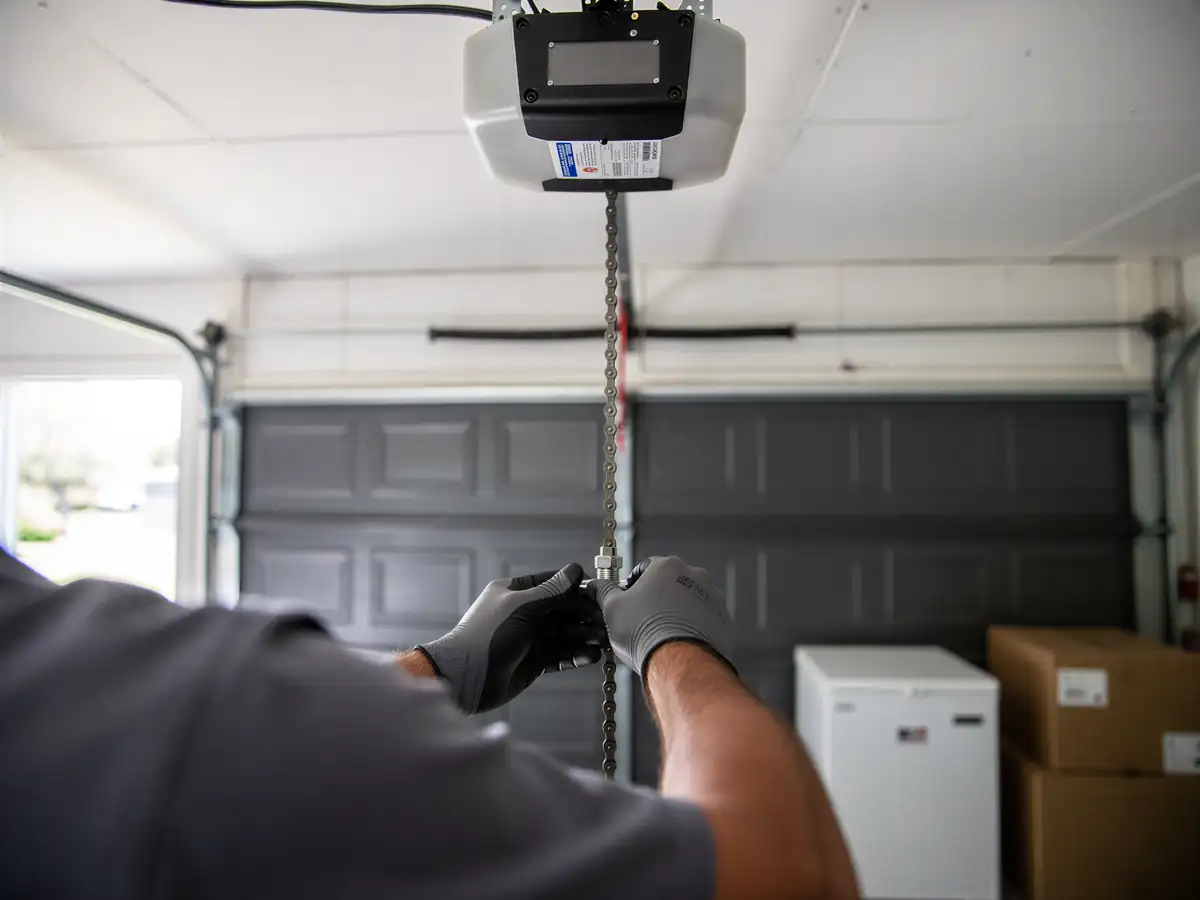
We start at the header bracket and rail, not the motor, because a loose mount or bent rail will wreck a brand-new opener the same way it wrecked the old one. If the gear's stripped or the board's fried, we replace the part if it's still made; a lot of openers from the 1970s and 80s simply aren't stocked anymore, and in those cases we're honest that a full unit swap costs less than chasing discontinued parts. We re-set travel limits and force settings for the actual door weight, not factory defaults, since a lot of these doors have had panels replaced over the decades and don't weigh what they did new. Safety reversal and sensor alignment get checked every time, no exceptions.
The Symptom
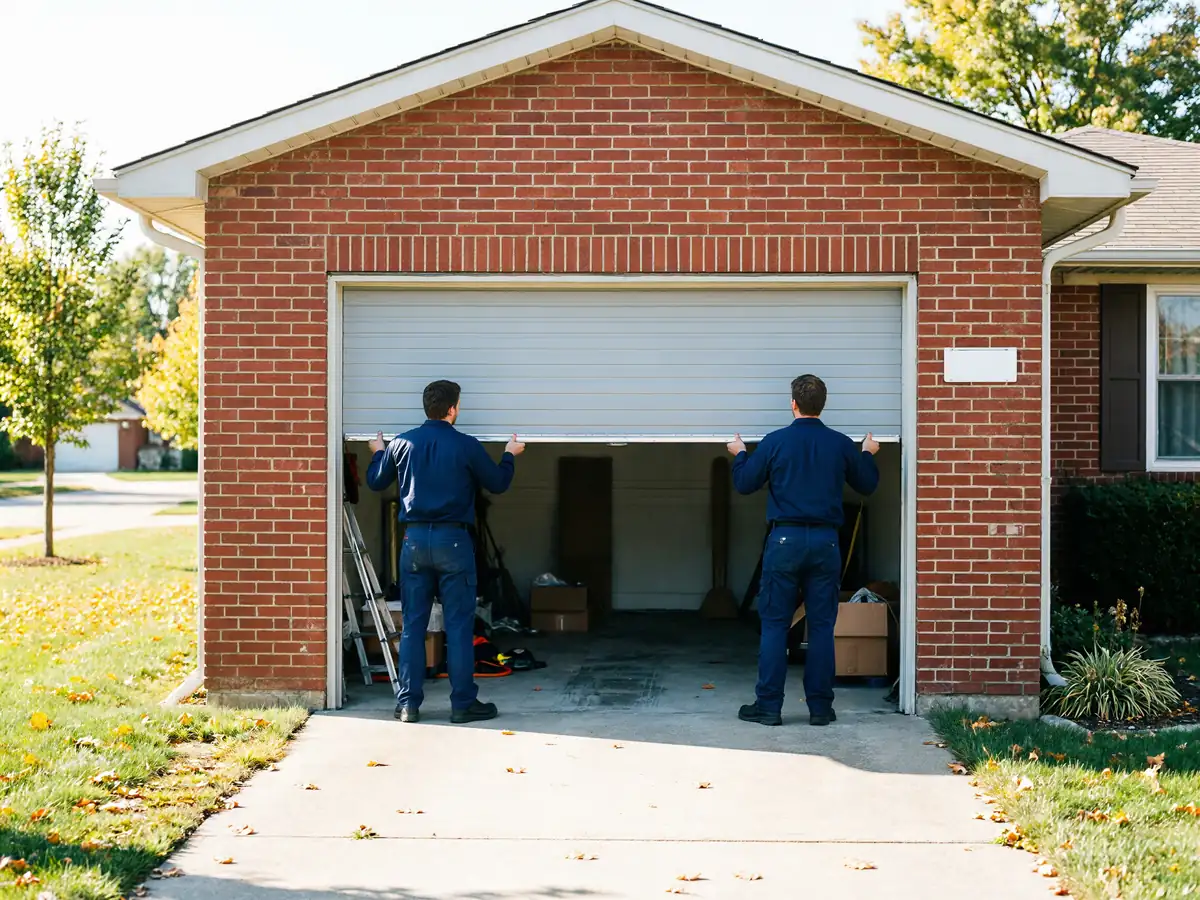
The call we get most from this area is a door that reverses halfway down, or an opener that runs the motor but the door just sits there. Both point back to the same thing: hardware fighting a 50-year-old frame. A door that stutters, chatters, or reverses right before it seats on the floor usually means the close-limit setting has drifted along with a slightly sagging rail - not a failing opener, just one working against a shifted track. If you're hearing a hum with zero movement, that's almost always a stripped gear or a capacitor that's given out, and neither gets better with time.