How to Book
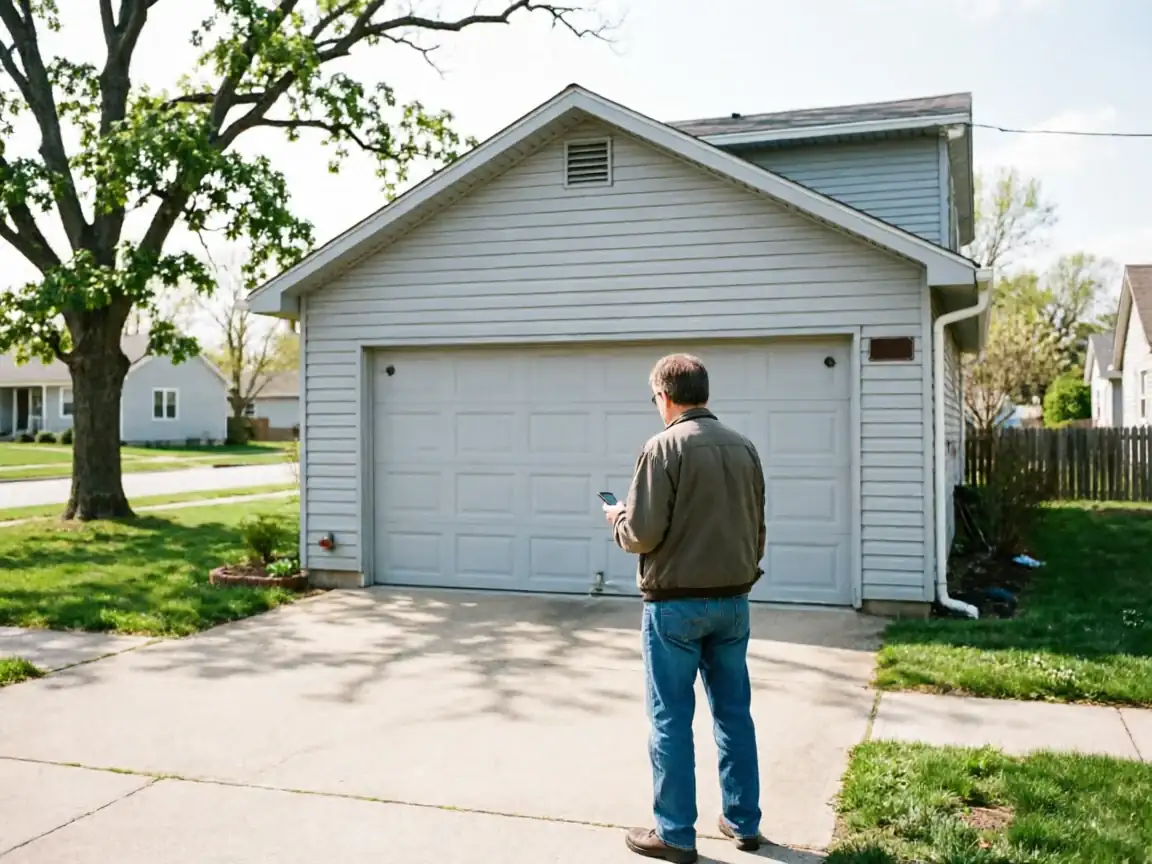
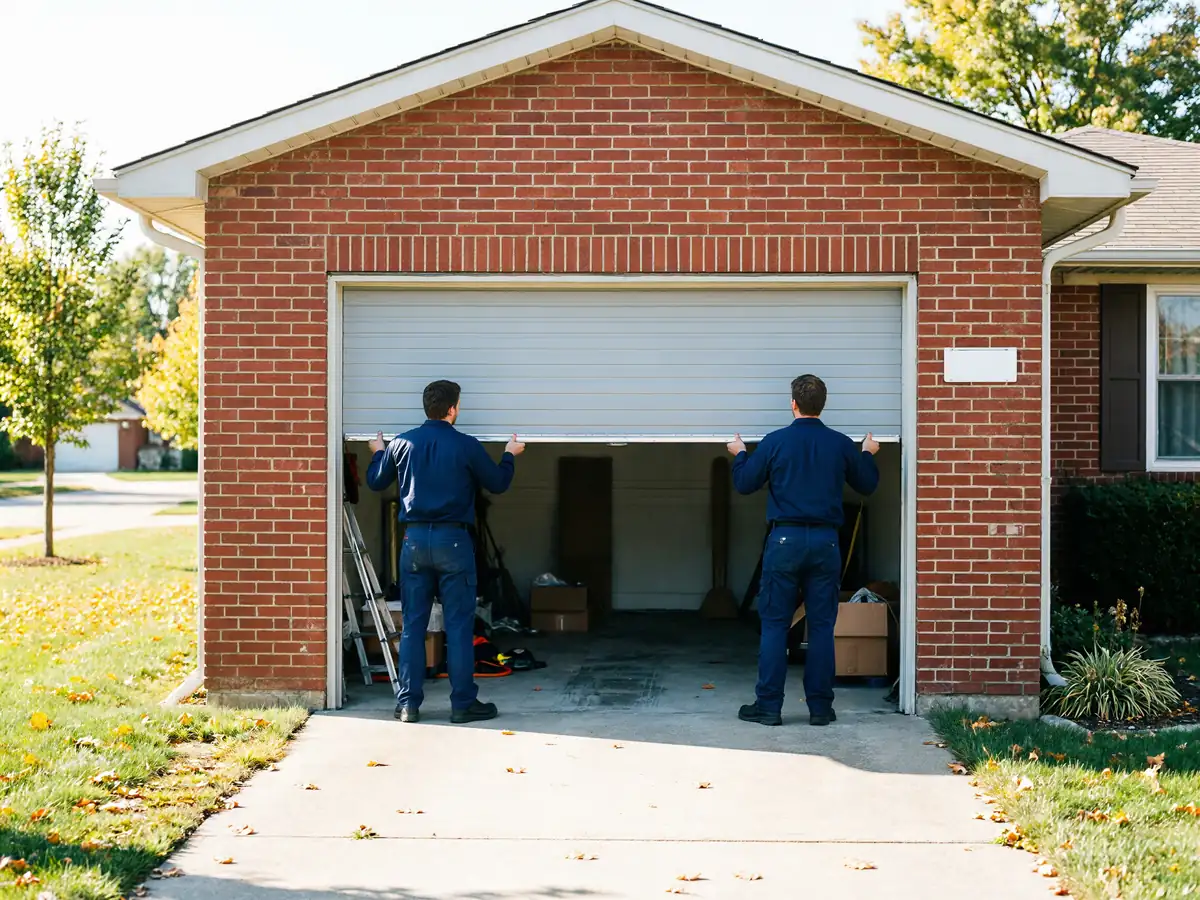
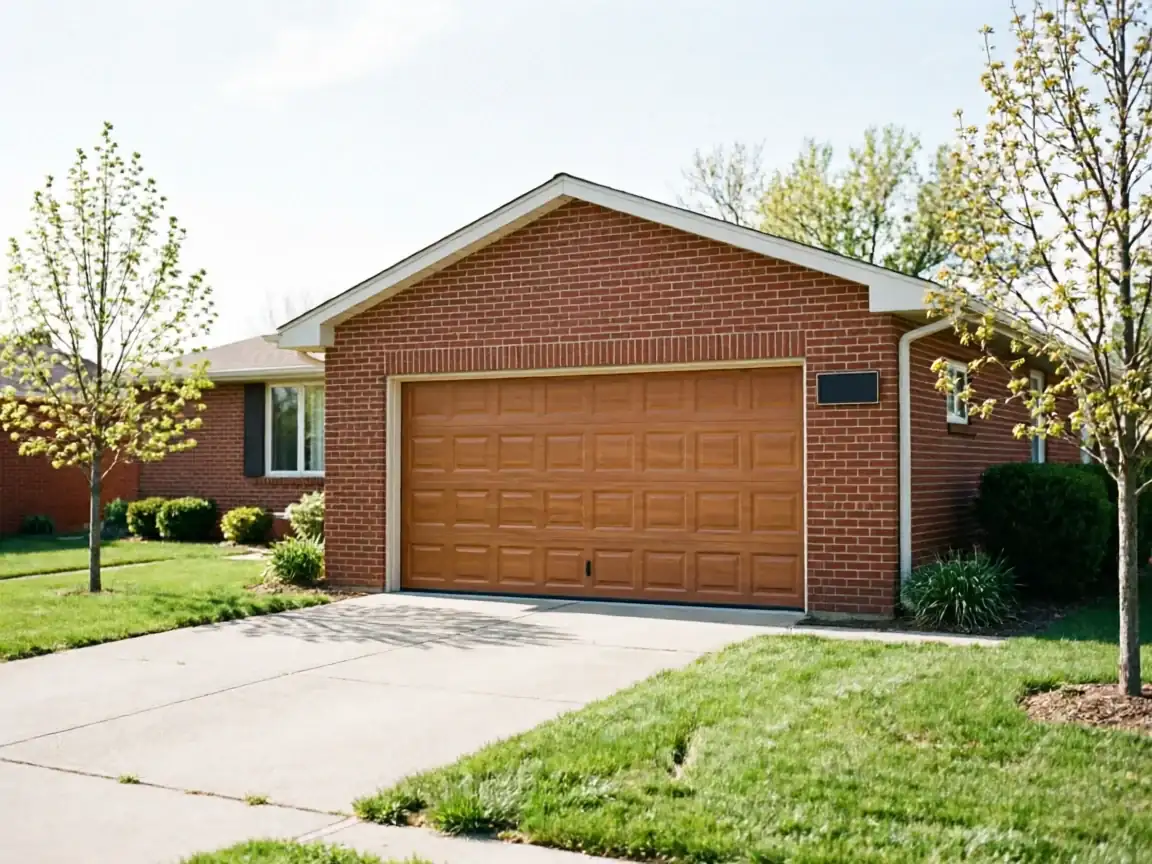
Monticello doesn't have its own Champaign Garage Door Pros location - we cover it from our Champaign base, 17 miles out. That means every spring job here gets scheduled as a dispatch, not a walk-in, so call ahead and tell us what the door is doing: won't lift, slams down, one side hangs lower than the other. With 2,690 households in town, we're not running a daily route through Monticello the way we might in a denser part of the service area, so a call that gives us good detail up front (door size, single or double, age if you know it) helps us load the right springs on the truck before we leave Champaign. We don't maintain a branch or a parts shelf in Monticello itself, so same-day isn't a promise we make for this town - it depends on what's already loaded and what the day looks like. If the break happened overnight and the door is stuck shut with a car inside, say so when you call; that changes how we prioritize the run out.
Why This Fails Locally
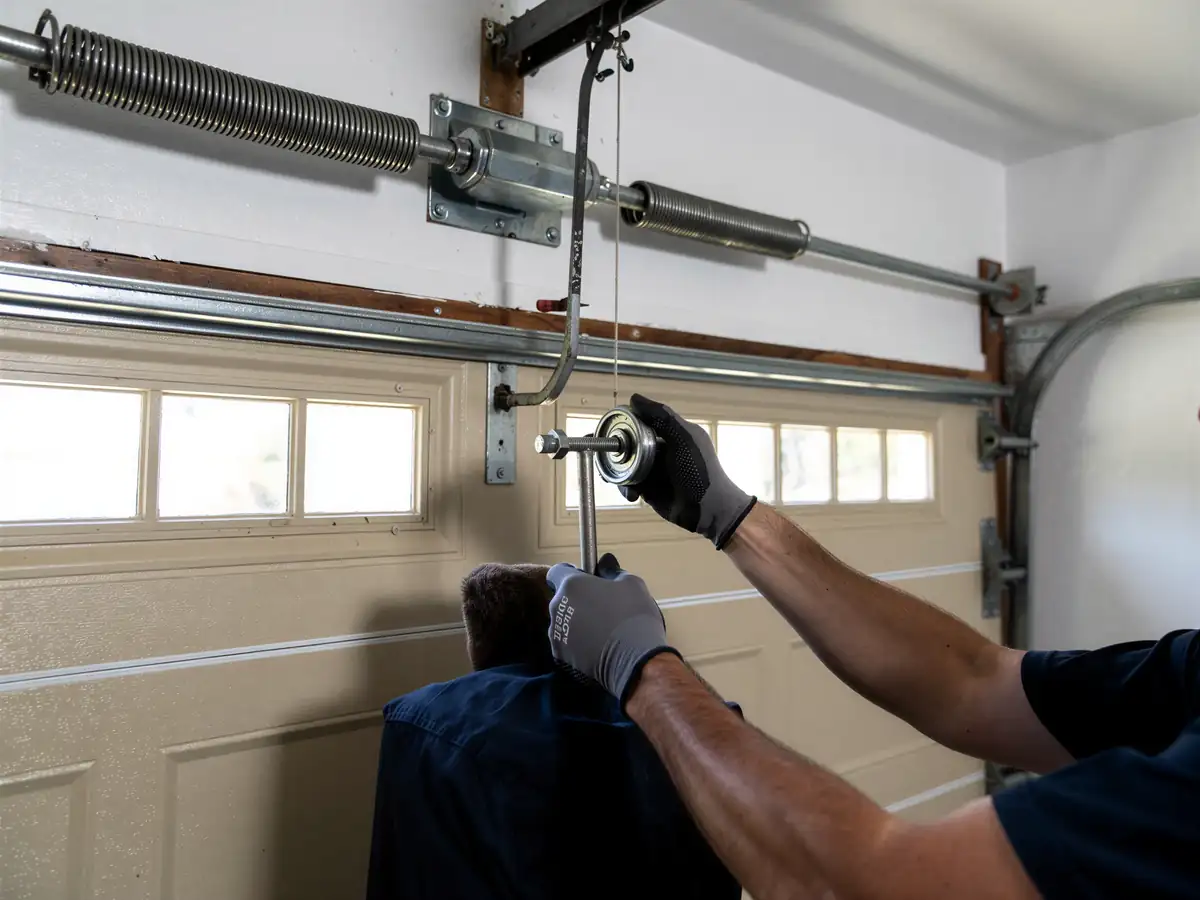
The median year built across Monticello homes is 1976, which puts most of the town's garage doors on torsion spring setups from the second wave of residential torsion hardware - after the shift away from extension springs but before manufacturers tightened cycle-count standards industry-wide. A spring wound in that era, even if it's been replaced once since, is often sized to specs nobody prints anymore, so a generic retail spring can be close but wrong on wire diameter or wind direction. Compare that to the wider Champaign Garage Door Pros service area, where the housing stock runs 1956 to 2000 - Monticello sits right in the middle of that range, not at either edge, which means it skews toward exactly the mid-cycle torsion hardware that's hardest to match off a shelf. Add the cold climate band this whole region sits in: steel springs lose temper faster through repeated winter contraction and summer expansion than they would somewhere milder, and a 1976-era spring has had roughly fifty winters to do that work on it. None of this is unique drama - it's just the math of an older torsion system running in a climate that doesn't let metal sit still.
How We Fix It
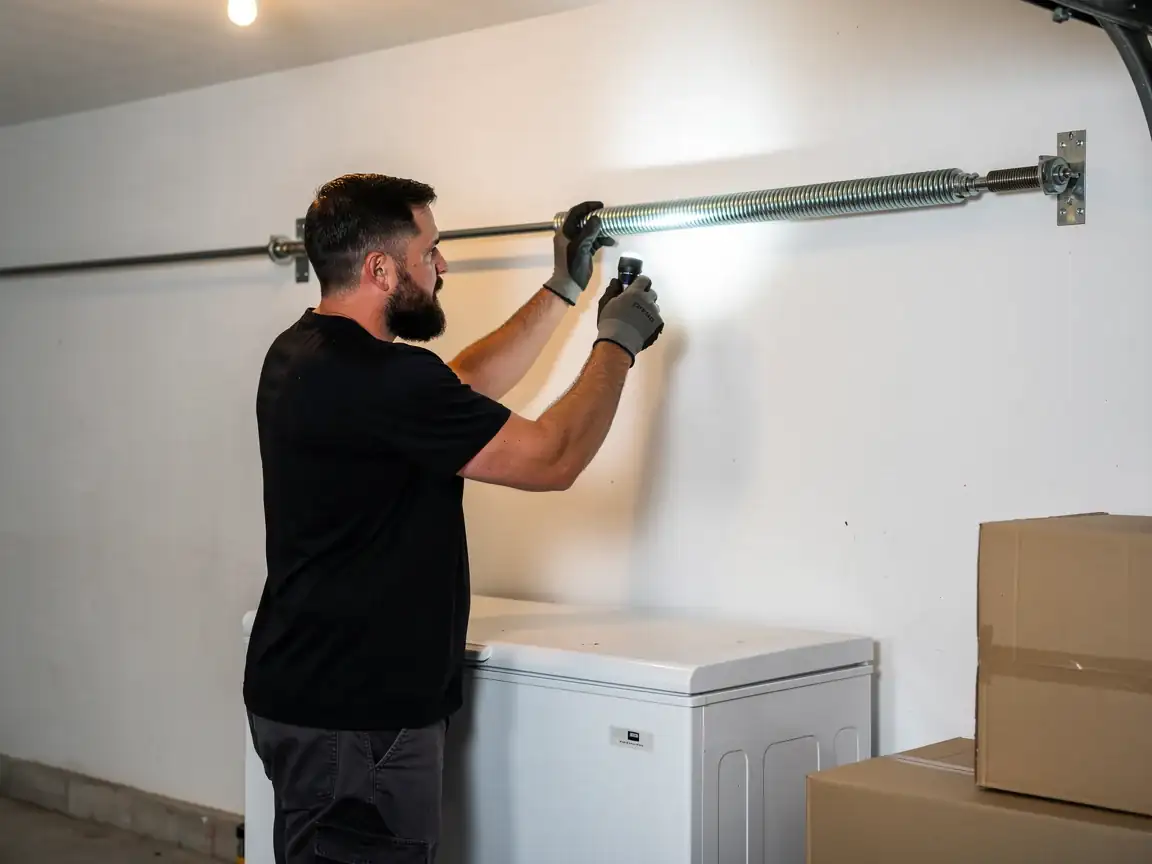
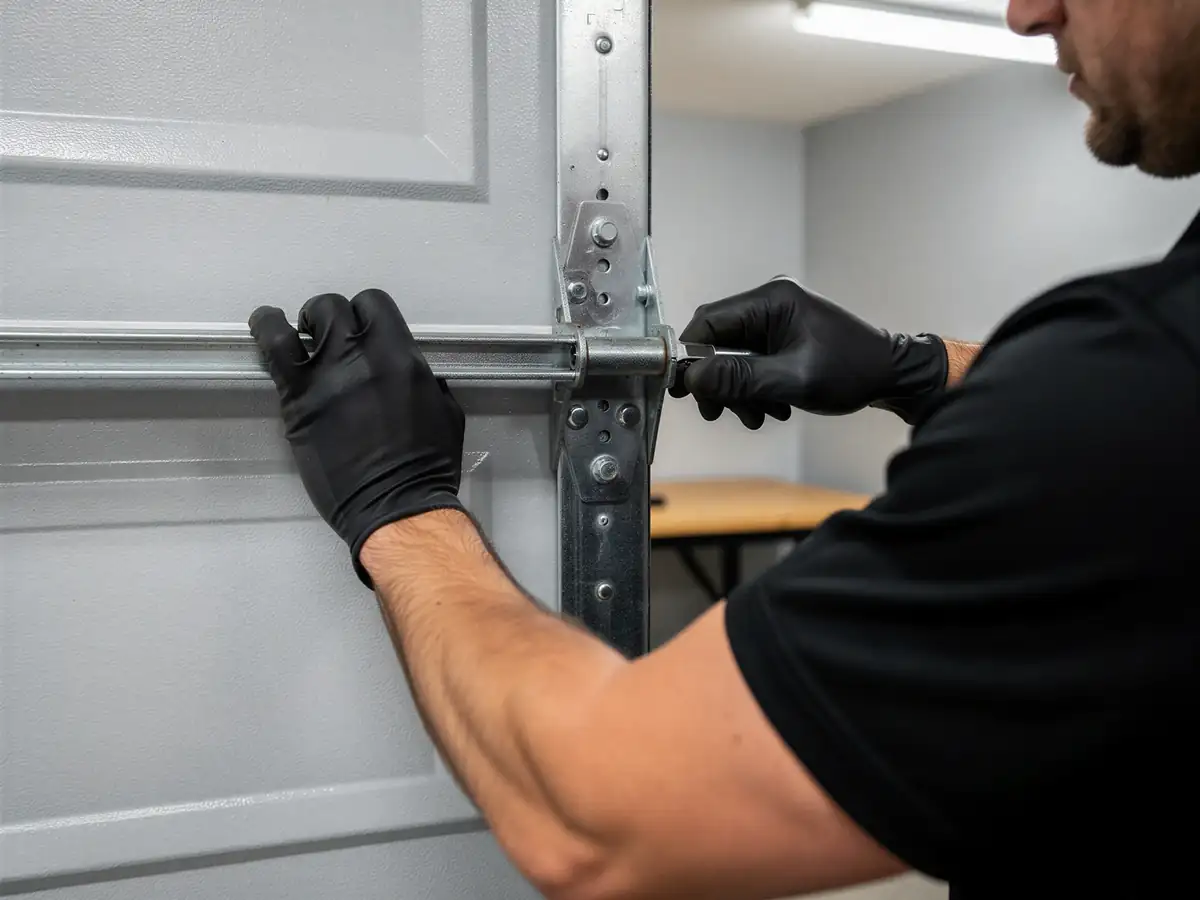
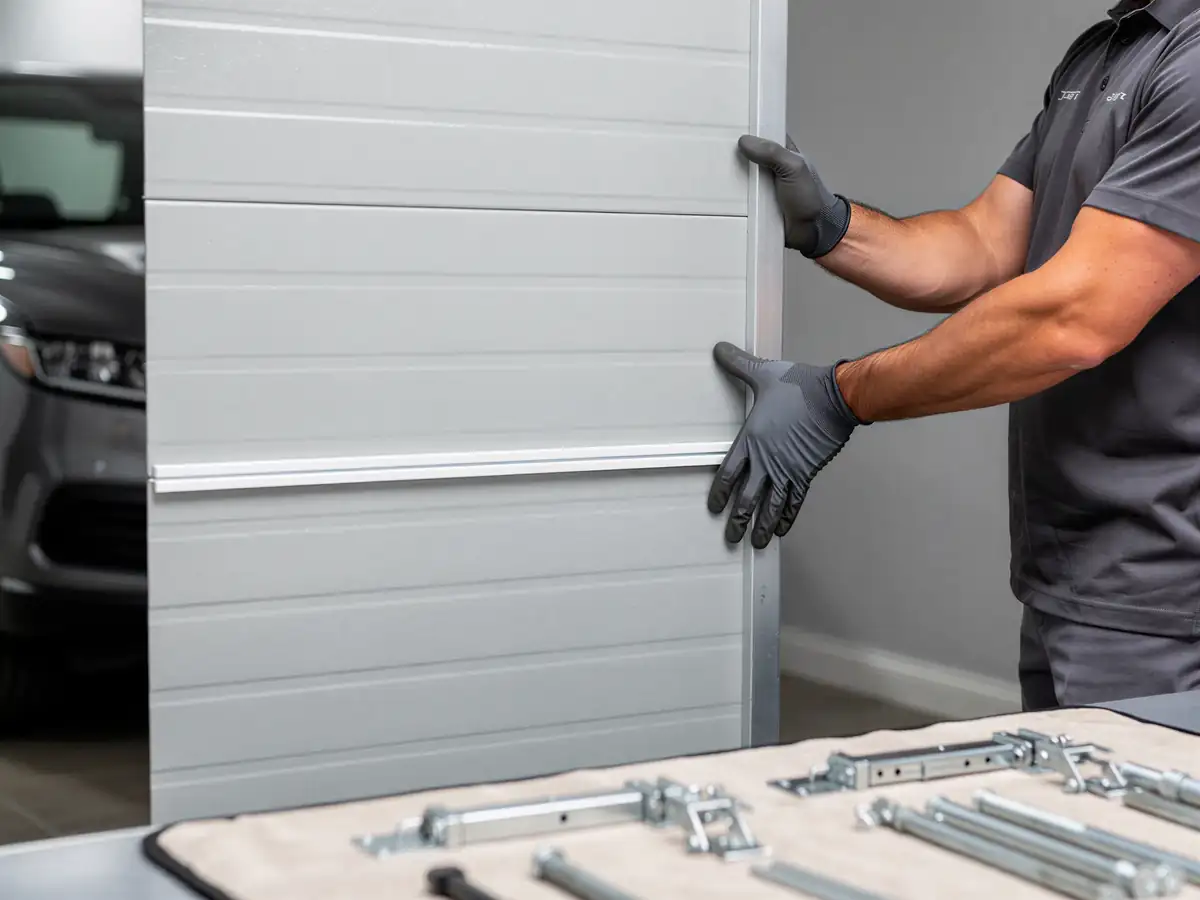
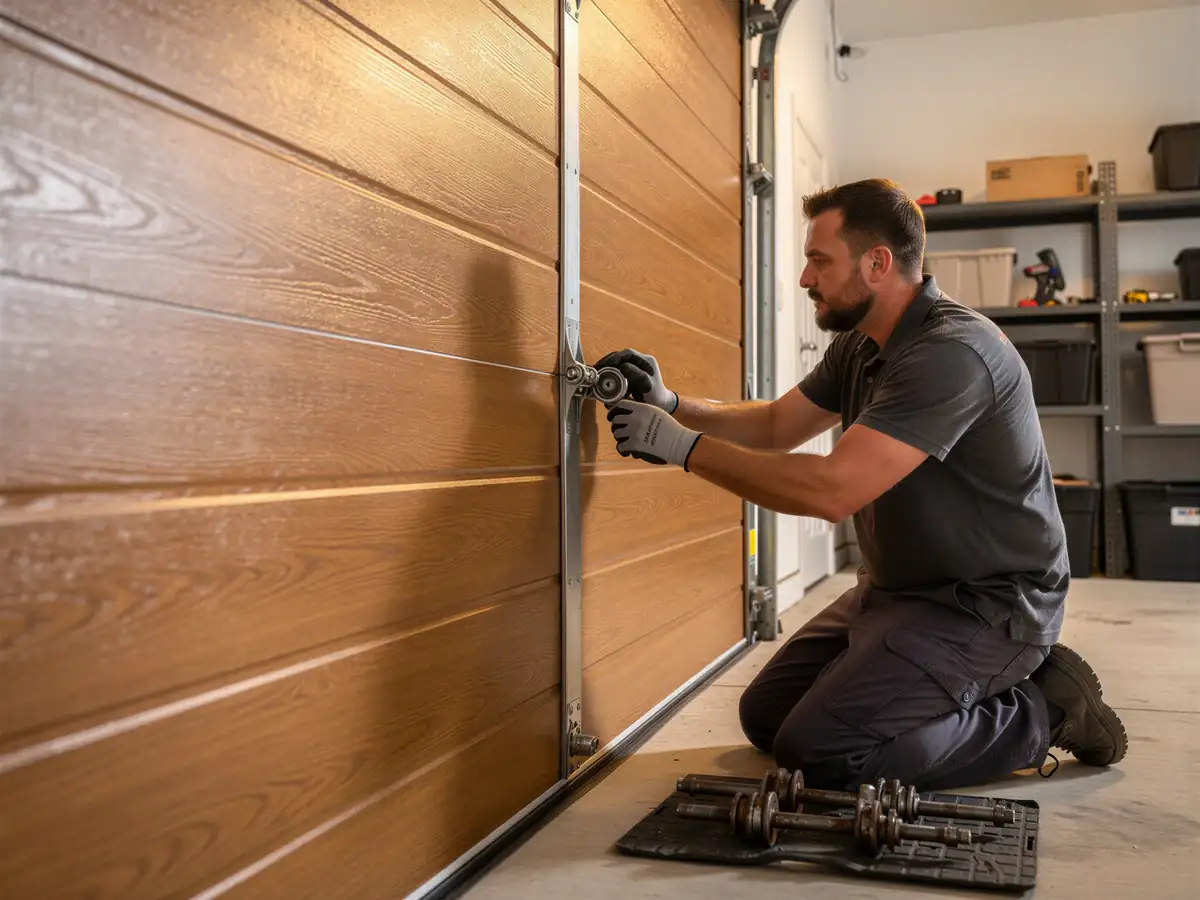
We start by checking the wind direction and wire gauge off the broken spring or the drum end, because matching those wrong on a 1976-era shaft is the single most common mistake in a rushed repair. Once we've got the right spring, we check the bearing plate and center bearing for wear before putting tension back on the system - replacing a spring over a scored bearing just buys you another service call. We set torque to the door's actual weight rather than a stock setting, which matters more on original-era doors that have picked up extra weight from added insulation or a heavier opener bracket over the years. If the cables or drums show wear, we replace those at the same time rather than leaving a half-fixed system, since a new spring working against a frayed cable is still an unbalanced door. We test the full cycle, not just a lift and close, before calling the job done.
The Symptom
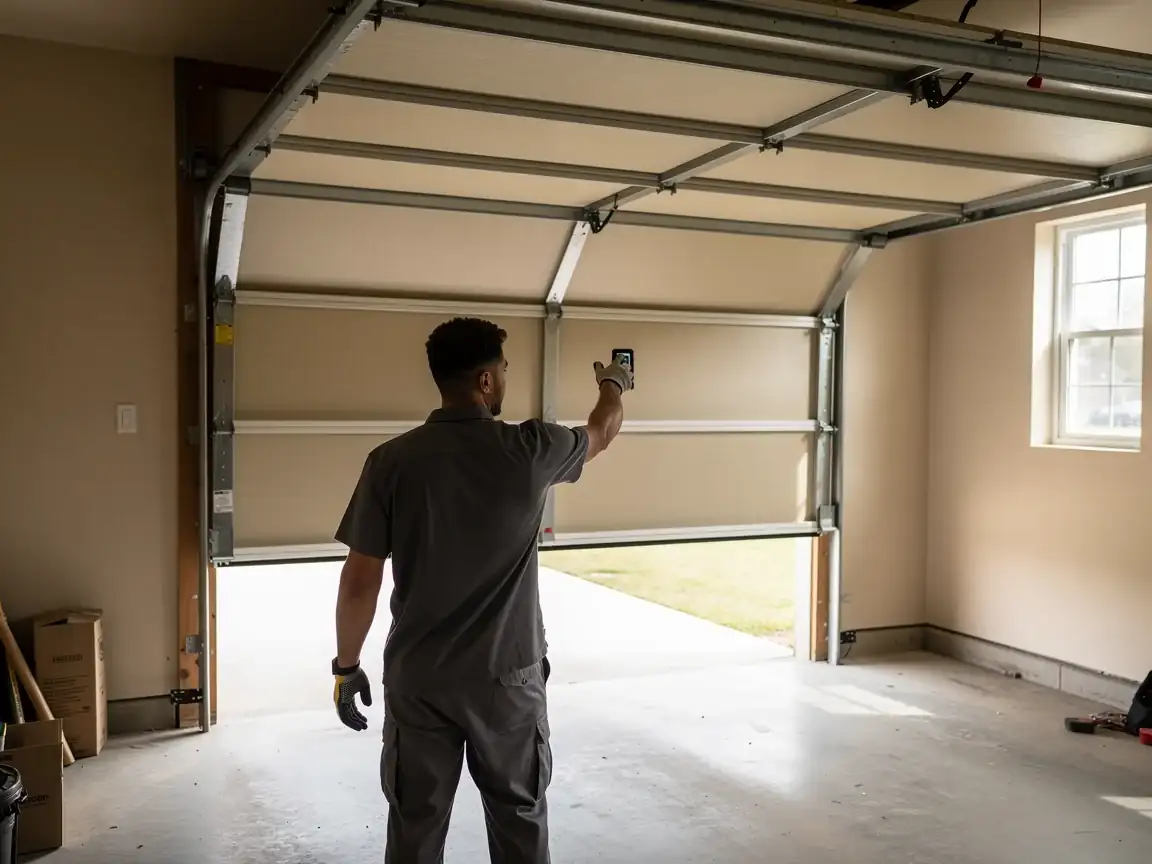
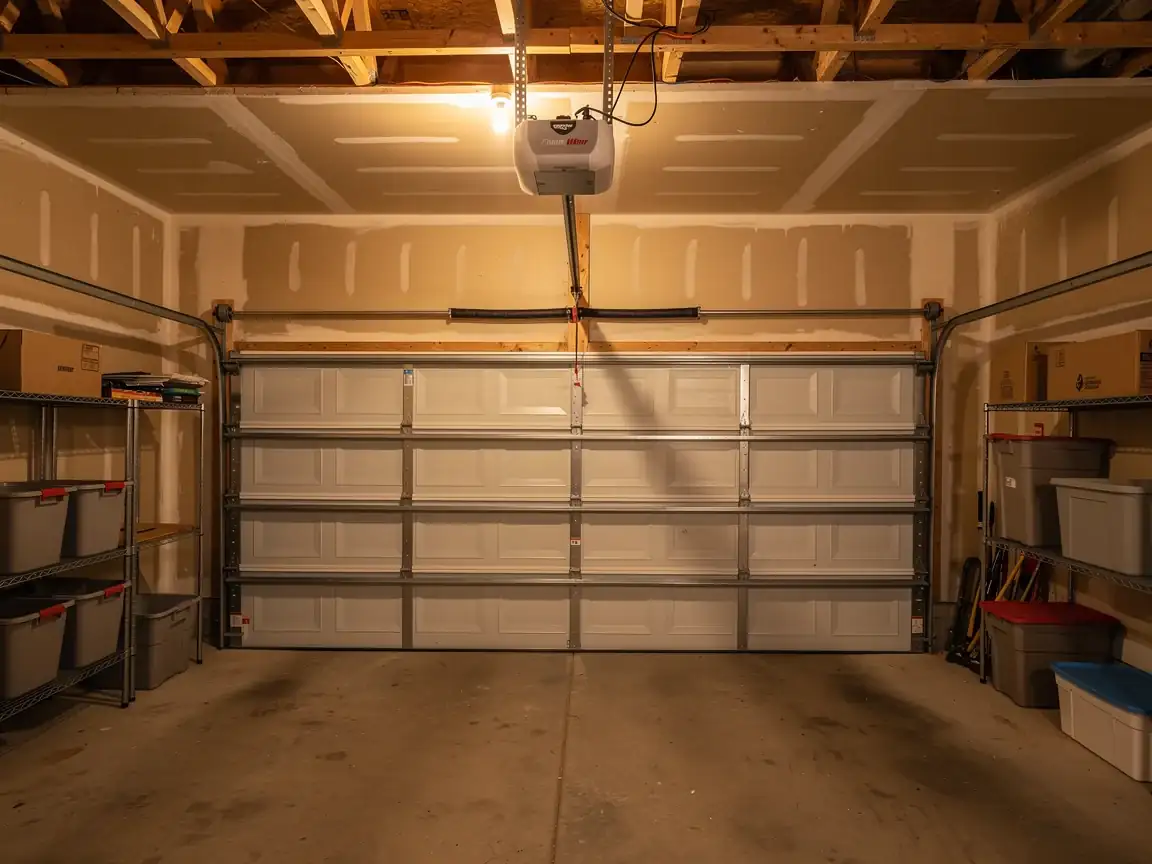
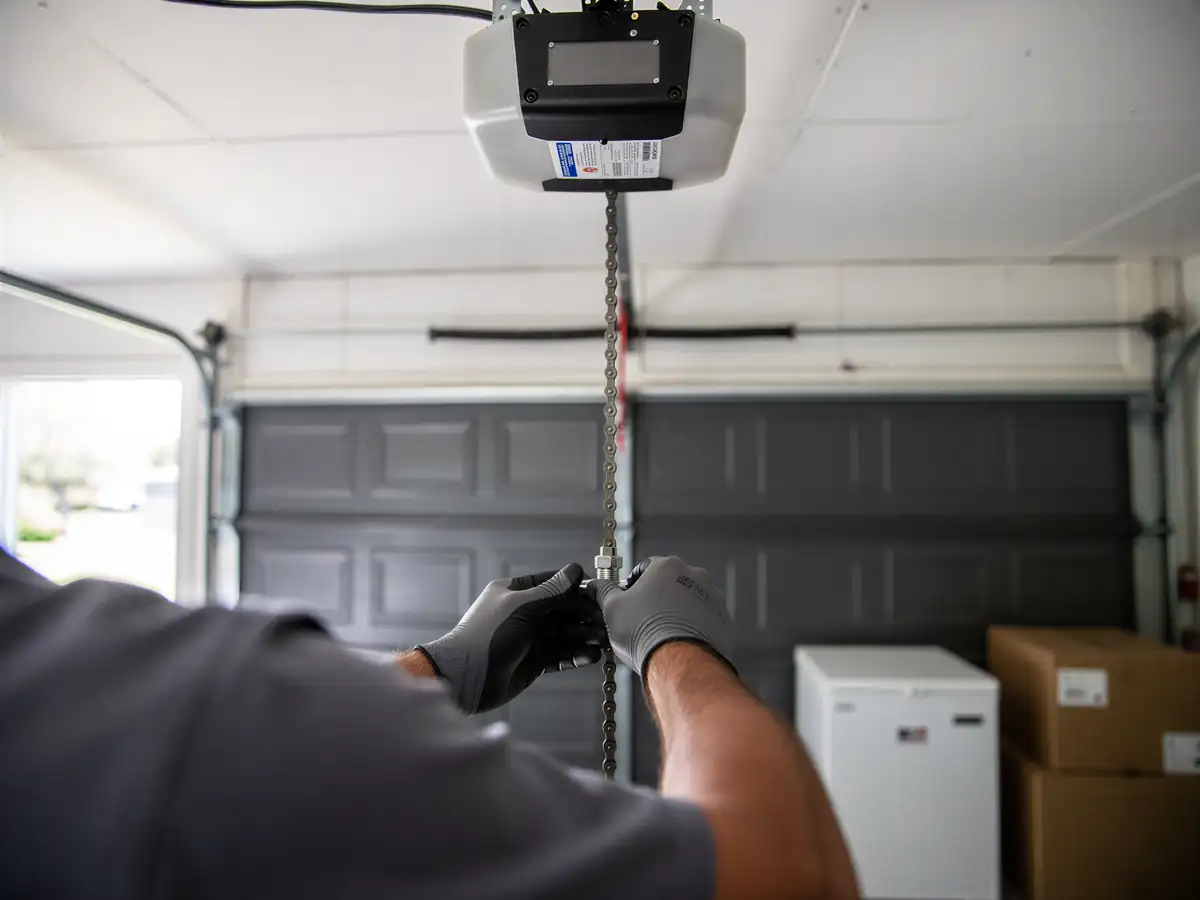
Most calls start the same way: the door won't lift, or it lifts a few inches and stops, and the opener motor sounds like it's straining against something instead of moving freely. Sometimes it's a loud bang from the garage - that's usually the spring itself letting go, and once that happens the door will feel dramatically heavier by hand, sometimes too heavy to lift at all. A door that closes unevenly, dropping faster on one side, points more toward a cable or drum problem than the spring itself, though on a door built in 1976 the two often fail close together since they've carried the same decades of load. If the opener keeps running but the door barely moves, don't keep hitting the remote - that strains the motor gears against a door the spring can no longer help lift, and turns a spring repair into a spring-and-opener repair.