How to Book
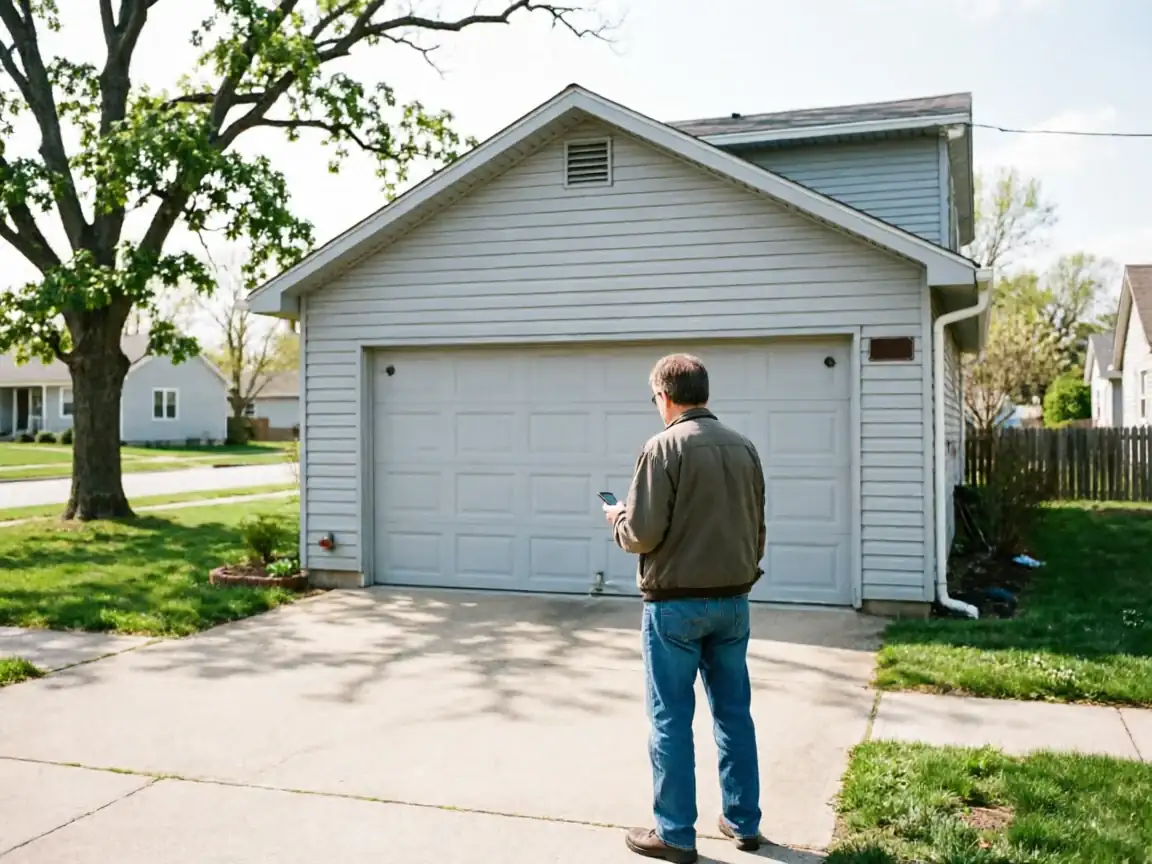
We're based in Champaign, about 17 miles from Monticello, and we don't keep a branch or a truck parked in town. That means no same-day guarantee just because you're close to the courthouse square - we schedule installs out of Champaign and drive to you, same as we do for the rest of the service area. What we can do is measure your opening, order the door, and install on a day that works, usually within the week depending on the door size and what's in stock.
If you want a quote before committing, start on our Monticello garage doors page and tell us the rough age of your house - that one detail changes what door we'd recommend before we even pull a tape measure. For the full rundown of installation service across Champaign itself, that's covered separately on our Champaign installation page.
Why This Fails Locally
The complaint we hear most in Monticello isn't a broken spring - it's a door that's heavy, drafty, and groans going up. That's not bad luck. It's a builder-grade door installed when the house went up, running on hardware sized for a much lighter panel than what's on the track today after decades of sag and warping.
Monticello's housing centers on a median build year of 1976, a notch later than the 1956-2000 range (median 1978) that spans the wider service area, and it lands inside the 1960s-70s wave that covers most of the 12 named communities we work in. A door installed in that window was built to the code and the climate expectations of its decade - single layer steel, minimal weatherstripping, no thought given to the kind of cold-snap cycling this area gets winter after winter.
What Can Go Wrong
A door from that era usually has three problems stacked on top of each other
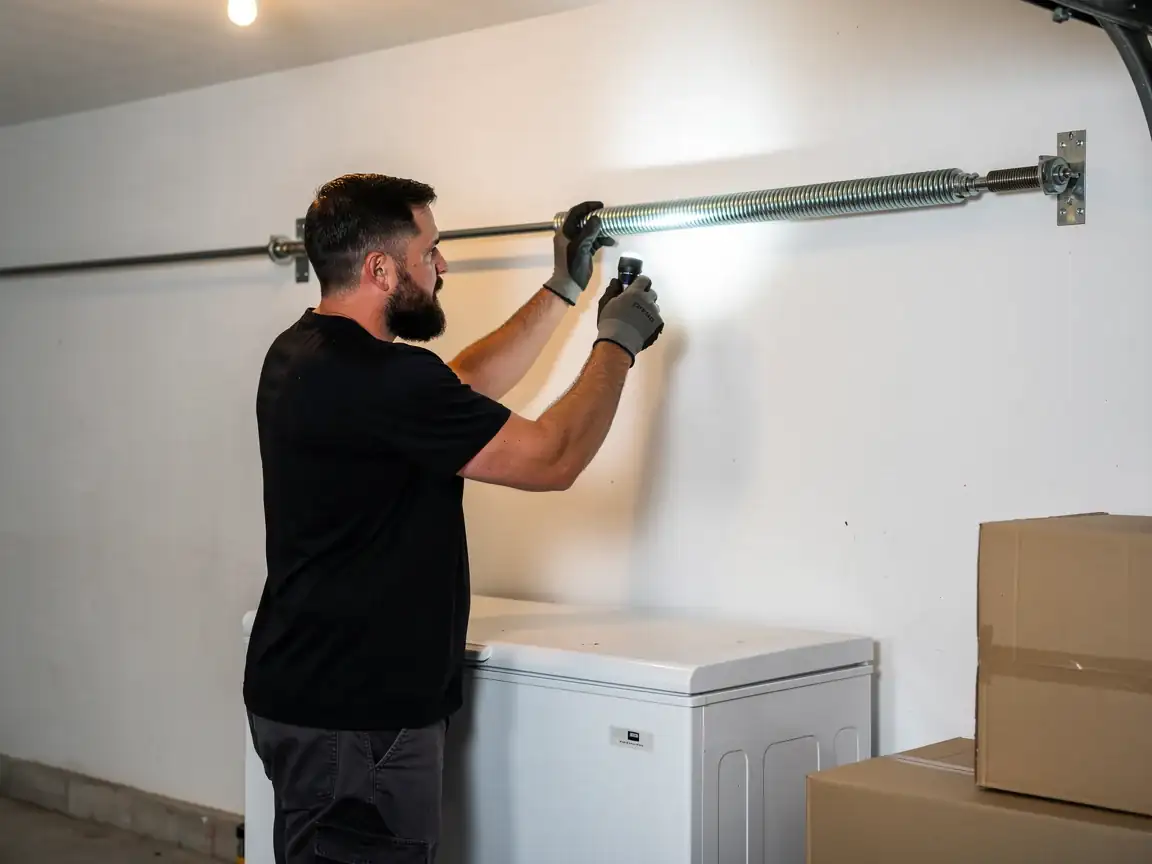
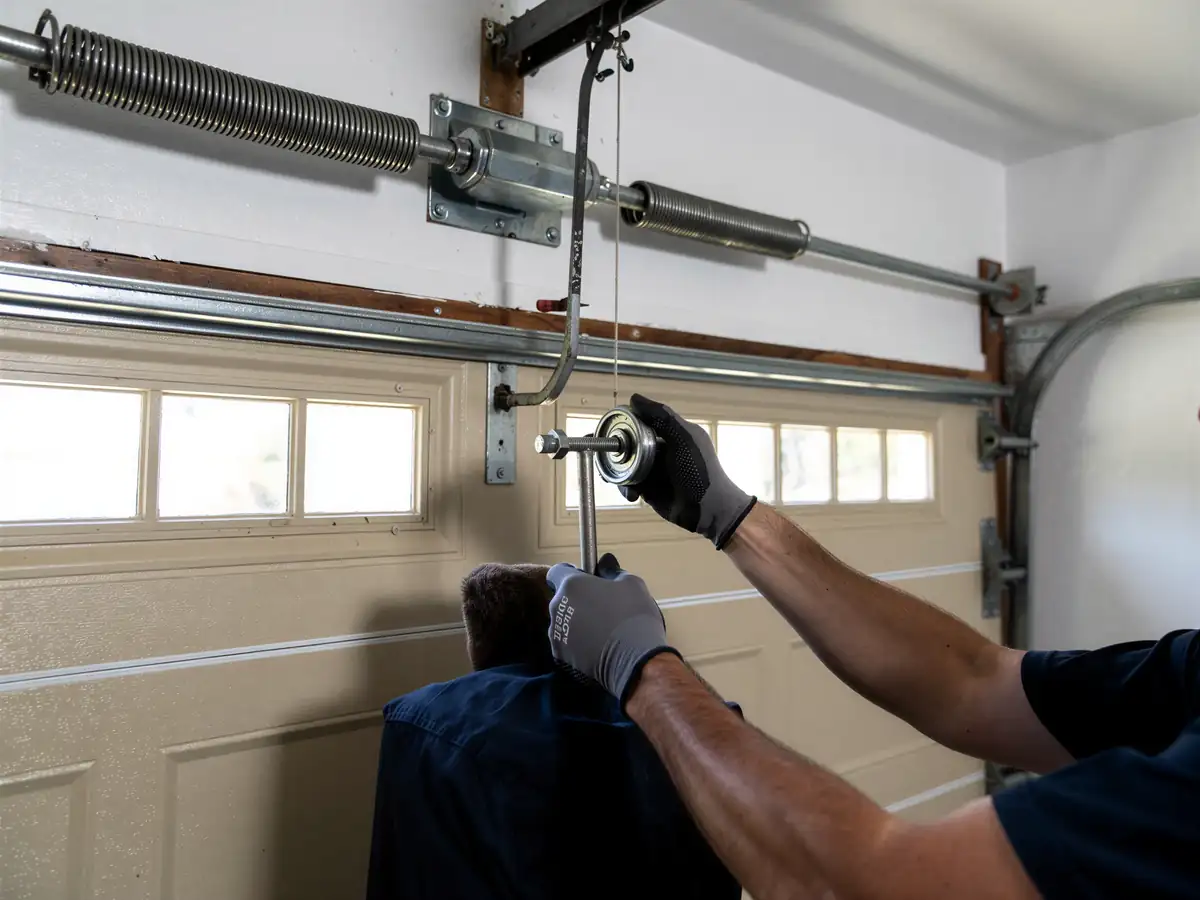
First, the panel itself - thin steel, no insulation layer, which means it flexes in wind and transfers cold straight into the garage. Second, the spring: torsion springs from a 1970s install were sized for that door's original weight, and if anyone's swapped the panel since without re-rating the spring, you've got a mismatch that shortens cable life and strains the opener. Third, the track and rollers have usually never been replaced, so even a working door can bind or jump the track under a mismatched spring load.
None of this is a crisis on day one
It shows up as a door that's louder than it used to be, harder to lift by hand, or slow to seal at the bottom - small signs that the whole assembly is past its working life, not just one part of it.
How We Fix It
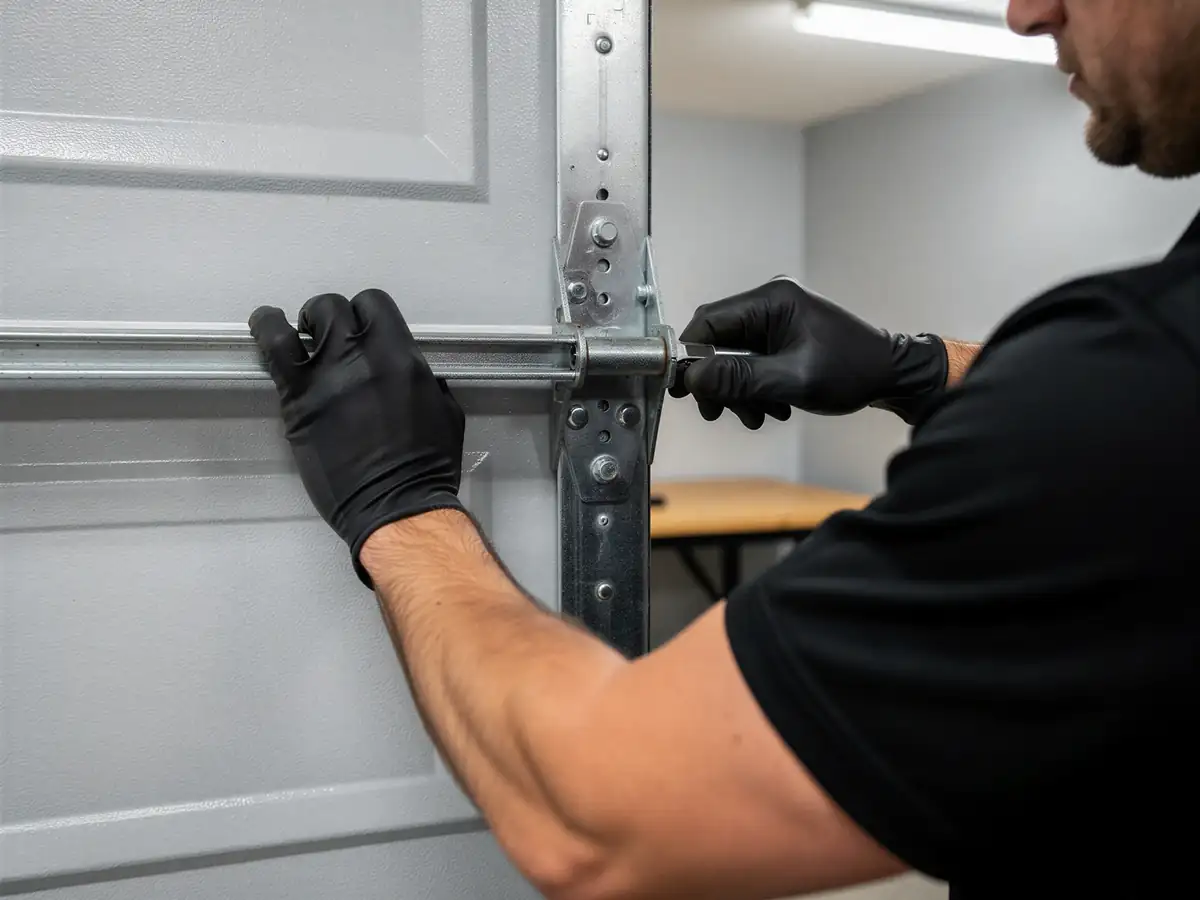
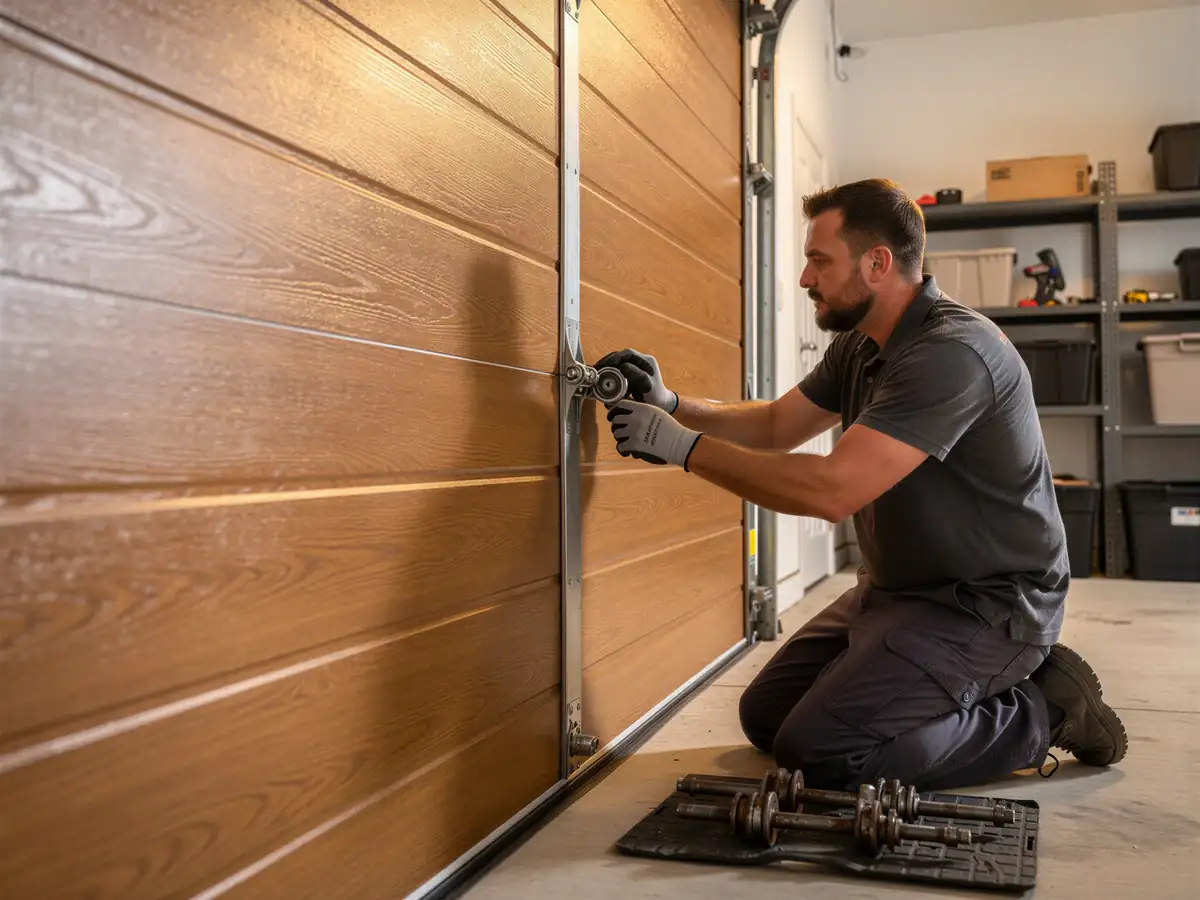
For a full replacement, we pull the old door and hardware down to the track and start from the opening itself - Monticello's original framing tolerances from the 1970s aren't always square to today's standard door sizes, so we measure rather than assume. We size the new torsion spring to the actual installed door weight, not a stock estimate, which matters more here than in newer construction because so many of these doors have had panels swapped at some point without the spring being re-rated.
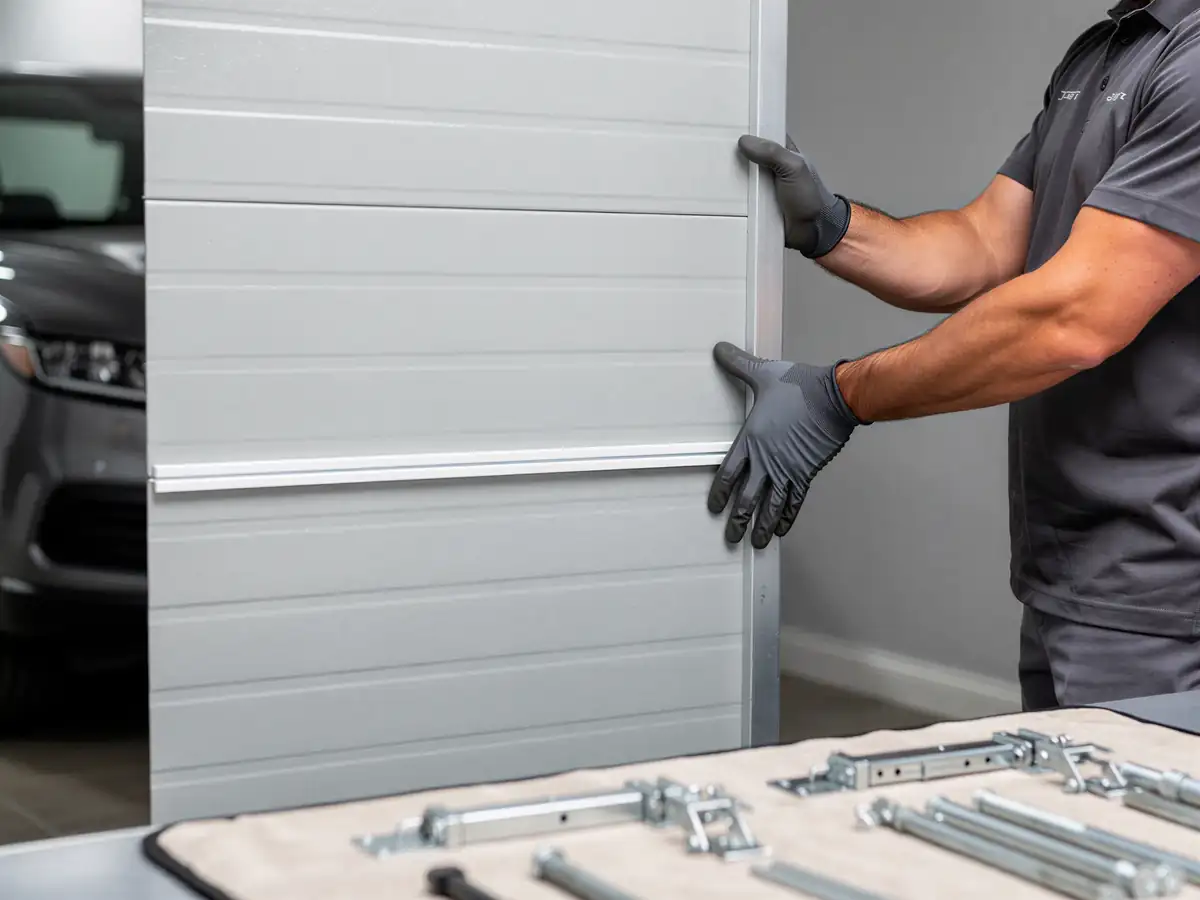
Given the climate here runs cold with real seasonal swings, we steer most replacements toward an insulated door with a continuous bottom seal rather than the single-layer steel that's standard on builder-grade stock. It costs more up front and it's the honest tradeoff: a thin door is cheaper, an insulated one holds up better through the winters this area actually gets.
The Symptom
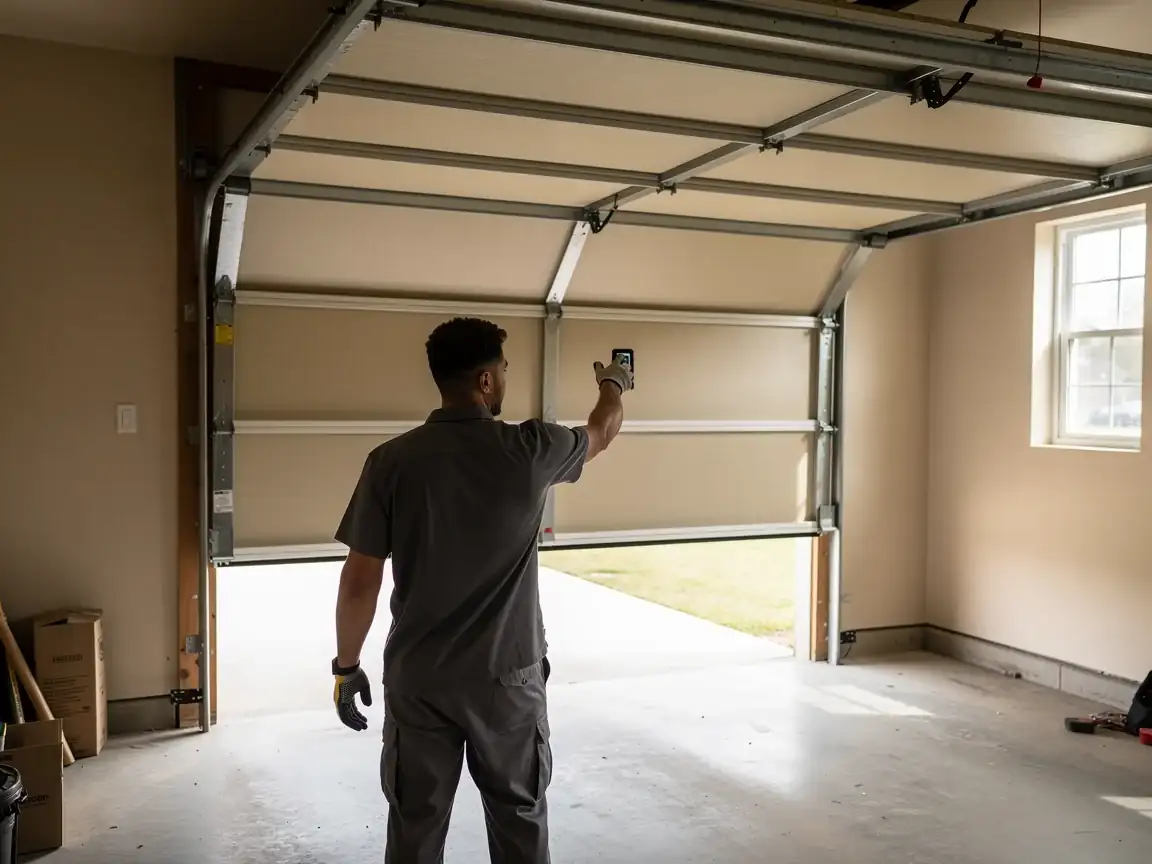
The door that triggers most installation calls here isn't broken, it's just tired - slow on the opener, noticeably colder to stand next to in January, and visibly out of square at the corners. That's consistent with a door that's been working since the house was built in the mid-1970s and has simply outlived its hardware.
Replacing rather than repairing makes more sense once the track is bent, the panel is dented past patching, or the spring has been re-rated more than once already. At that point you're paying repair rates to extend a door that's going to need the same work again in two years. We'll tell you straight if your door's at that line rather than billing for a patch job that won't hold.
What You Pay
We don't have a fixed price to quote without seeing the opening and the door you want
A single-panel steel replacement and an insulated two-car door are different jobs with different material costs, and nothing in what we track lets us put one number on a page and have it be honest. What we can say is that household income in Monticello runs around $88,611, higher than the $81,703 median across the wider service area, and in practice that means more owners here are asking for insulated doors and better hardware rather than the cheapest option on the shelf - not because we push it, but because it's what gets requested.
We'll give you a firm number after measuring
And we'll show you the tradeoff between a basic door and an insulated one in writing before you decide.