How to Book
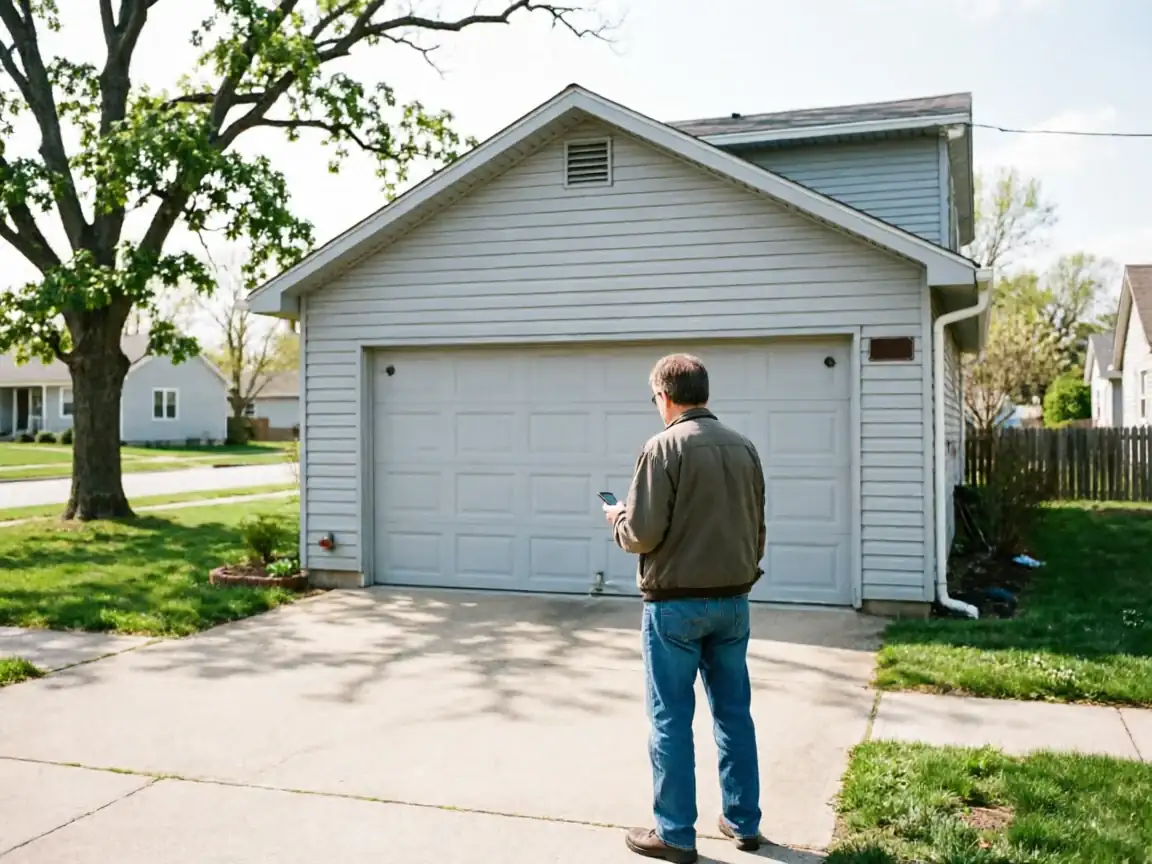
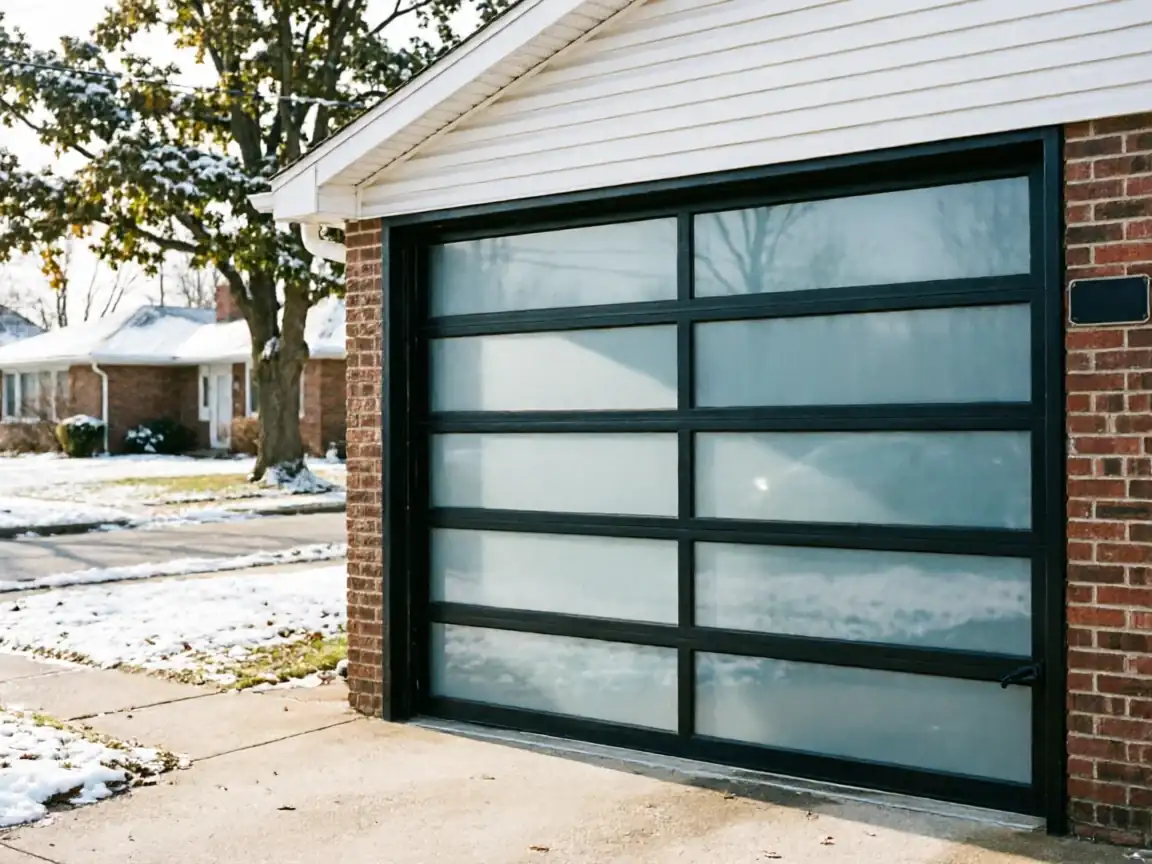
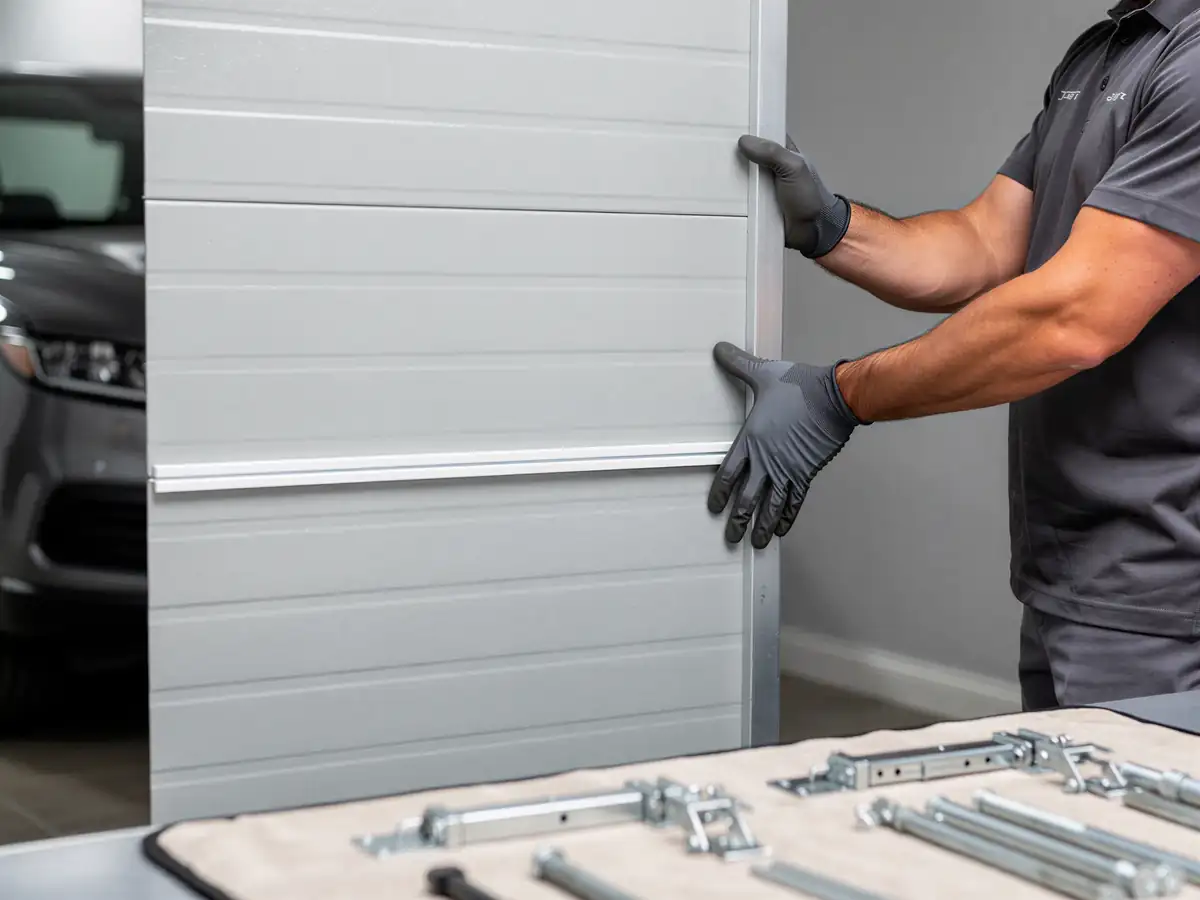
There's no Monticello branch - we run this call from Champaign, about 17 miles out. That's not a knock against the town, it's just how the coverage works for a lot of the smaller places around the county, and we tell you that up front instead of pretending otherwise. Book by phone or online and we'll ask what the door is doing (won't open, makes a bang, drifts off track) so the truck rolls with the right spring and hardware for a house of this era, not a guess. If you're weighing a full door swap instead of a patch repair, say so when you call - that changes what gets loaded. For a look at the full range of what we cover out this way, see our Monticello services page. The home base for the operation, with more on how dispatch from Champaign works, is here: Champaign Garage Door Pros.
Why This Fails Locally
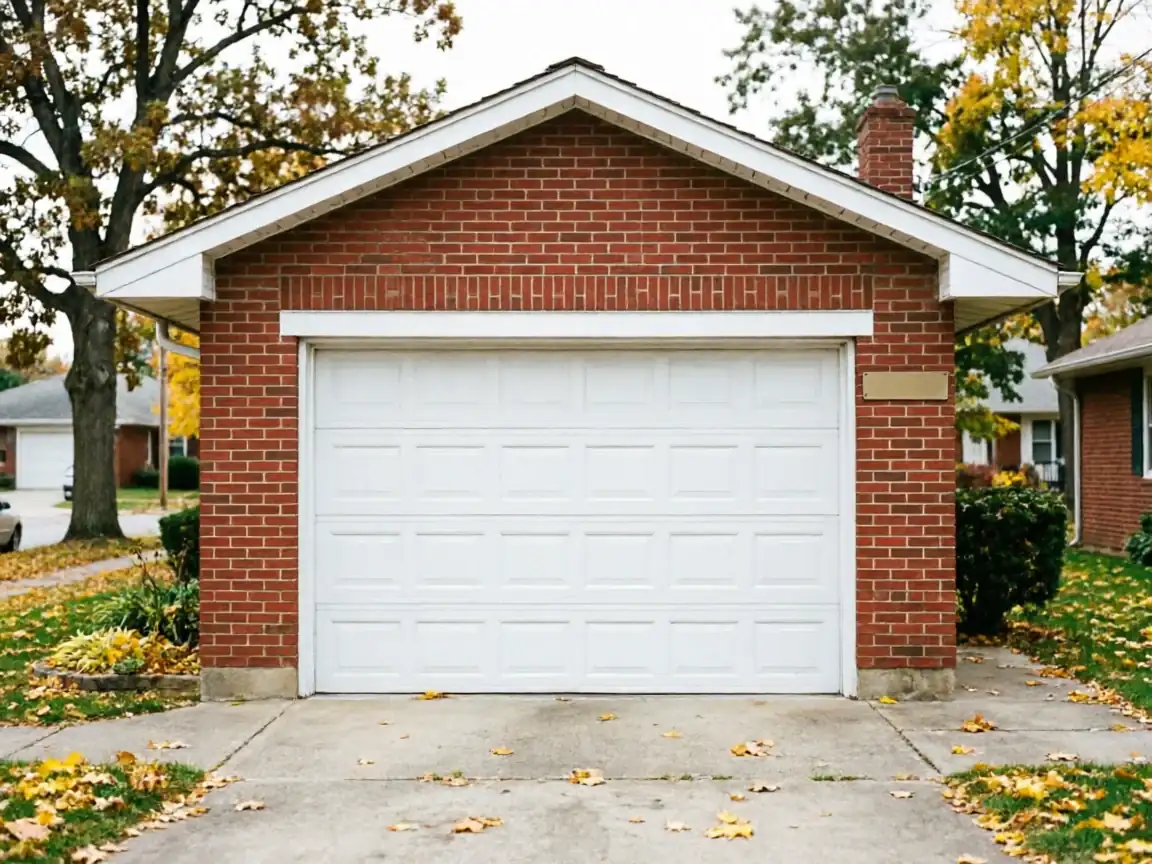
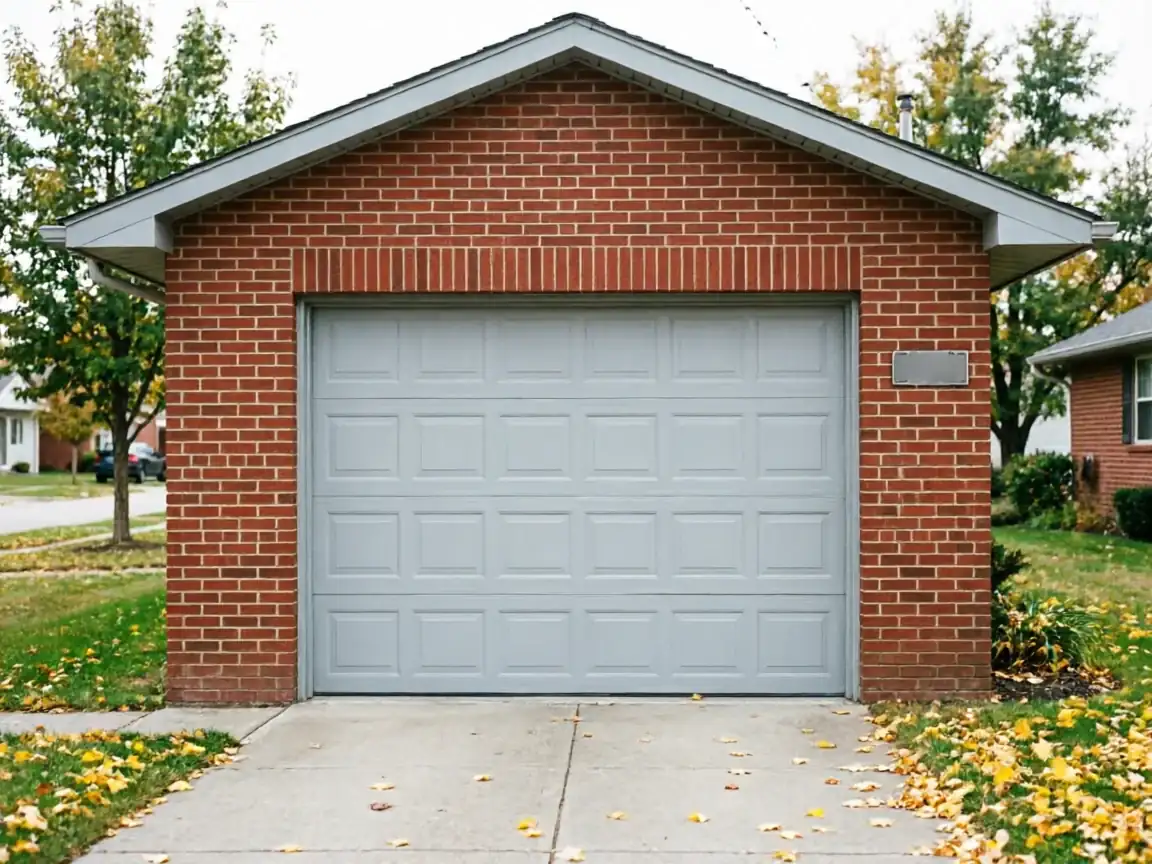
Start with the number that actually matters for the repair-or-replace decision: median household income in Monticello runs $88,611, well above the $81,703 median across the wider service area we cover from Champaign. That gap matters because it shifts where the line sits - a homeowner here is more often looking at a clean opener or door swap instead of the third patch job on a spring that's already been re-wound once. The housing itself backs this up. The typical Monticello house went up around 1976, almost dead center in the 1956-2000 build window that defines the hardware across this whole region, and just two years off the area's own 1978 median. That means original torsion springs sized for doors that were lighter than today's insulated panels, openers from an era before rolling-code safety reversal was standard, and tracks mounted to framing that's settled for close to fifty winters. None of that is unique to Monticello, but at this income level fewer owners are willing to keep feeding an old system one part at a time.
How We Fix It
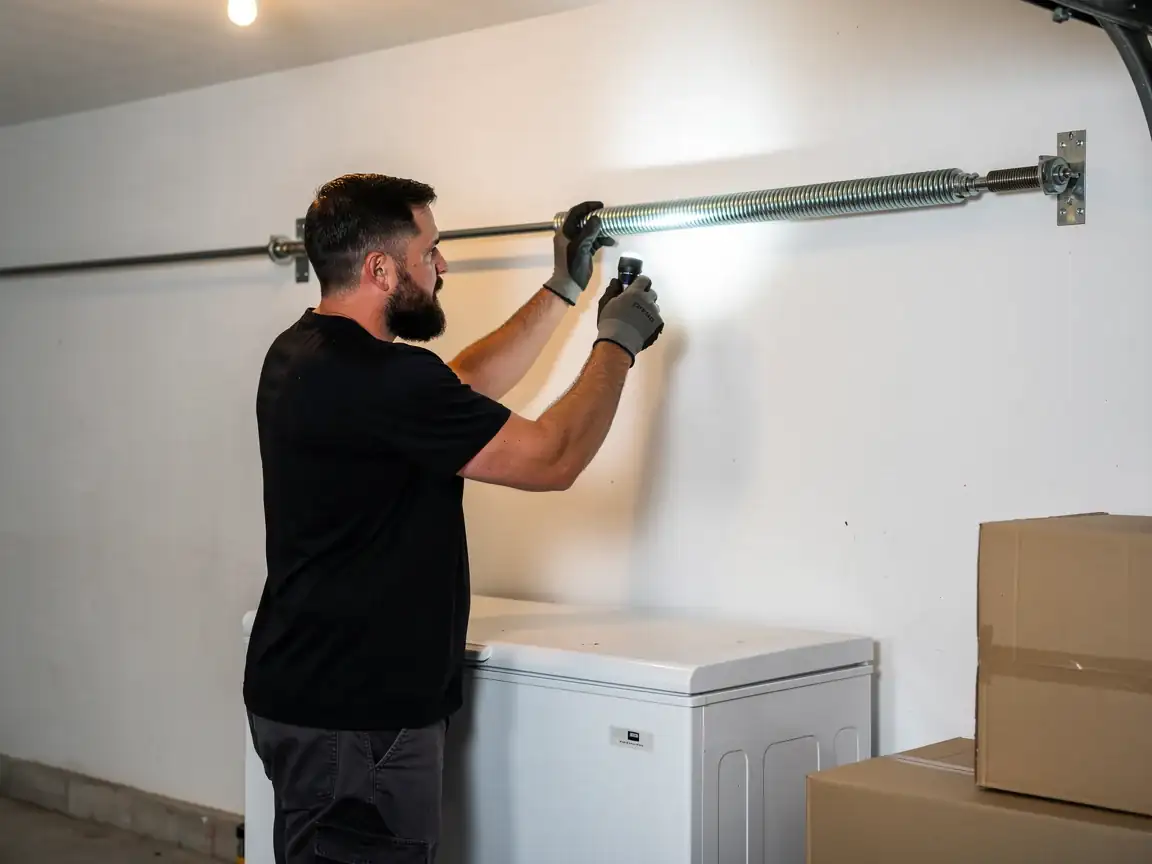
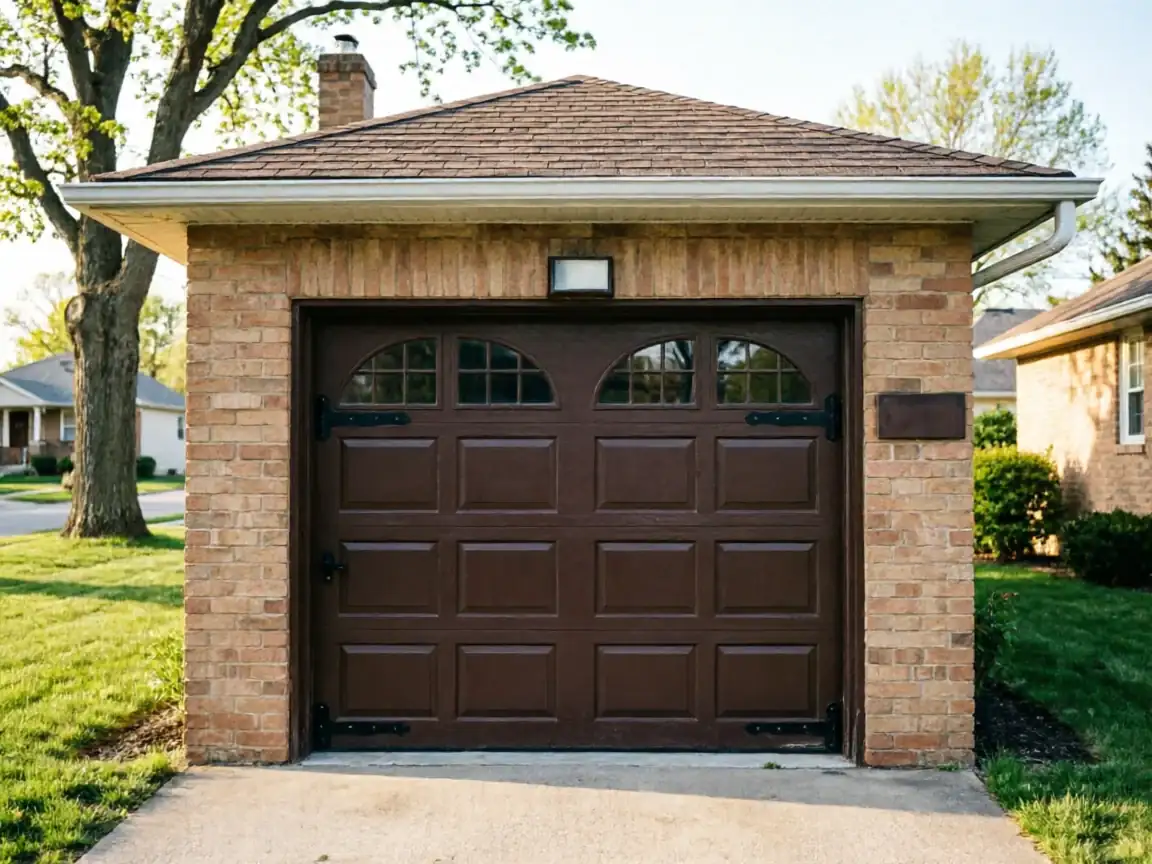
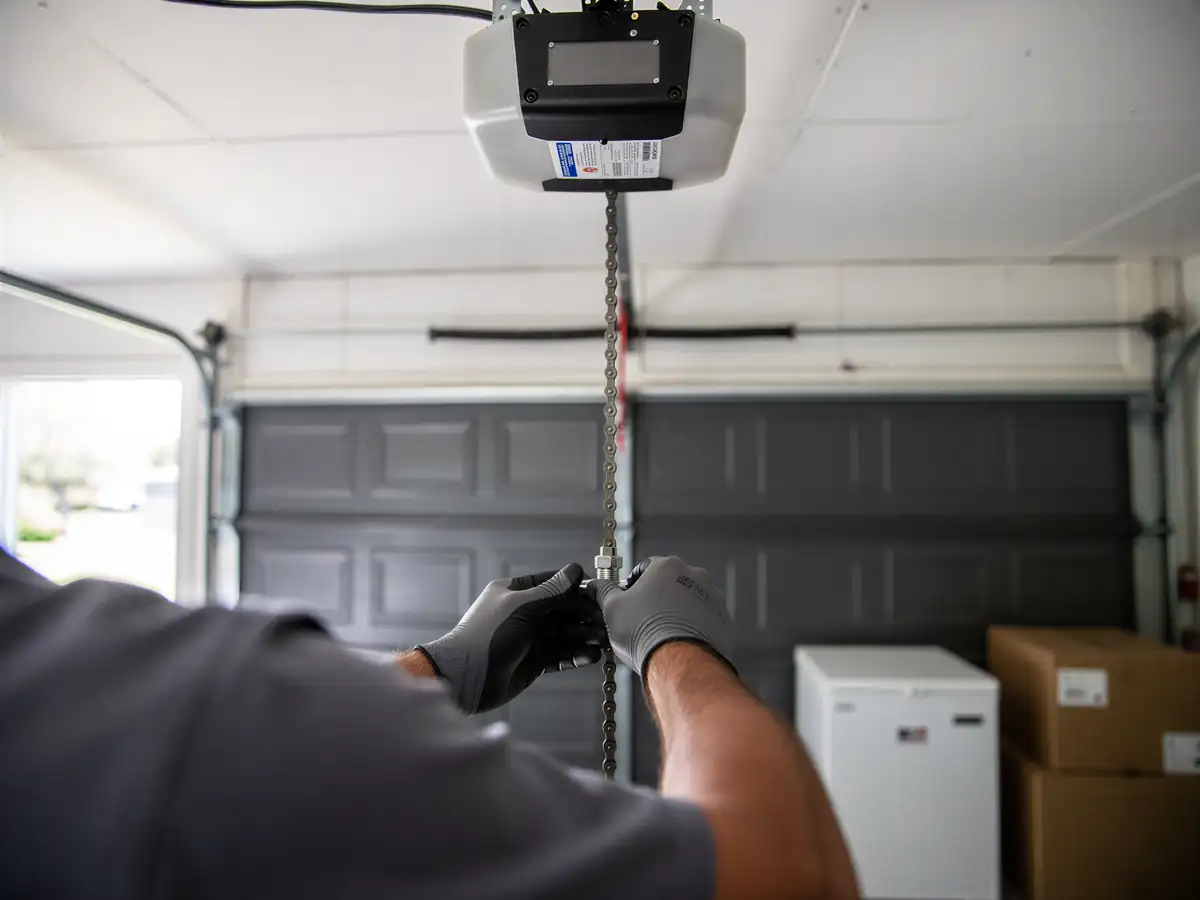
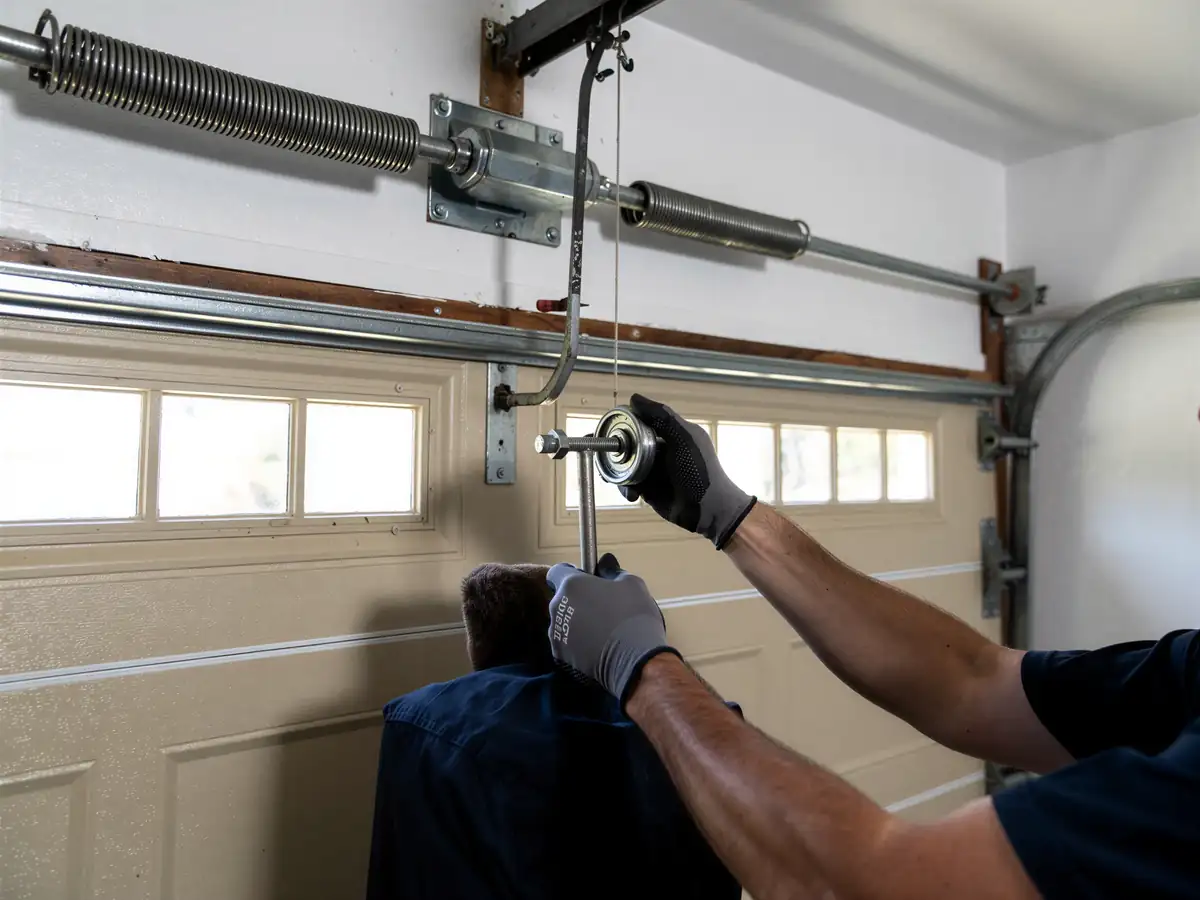
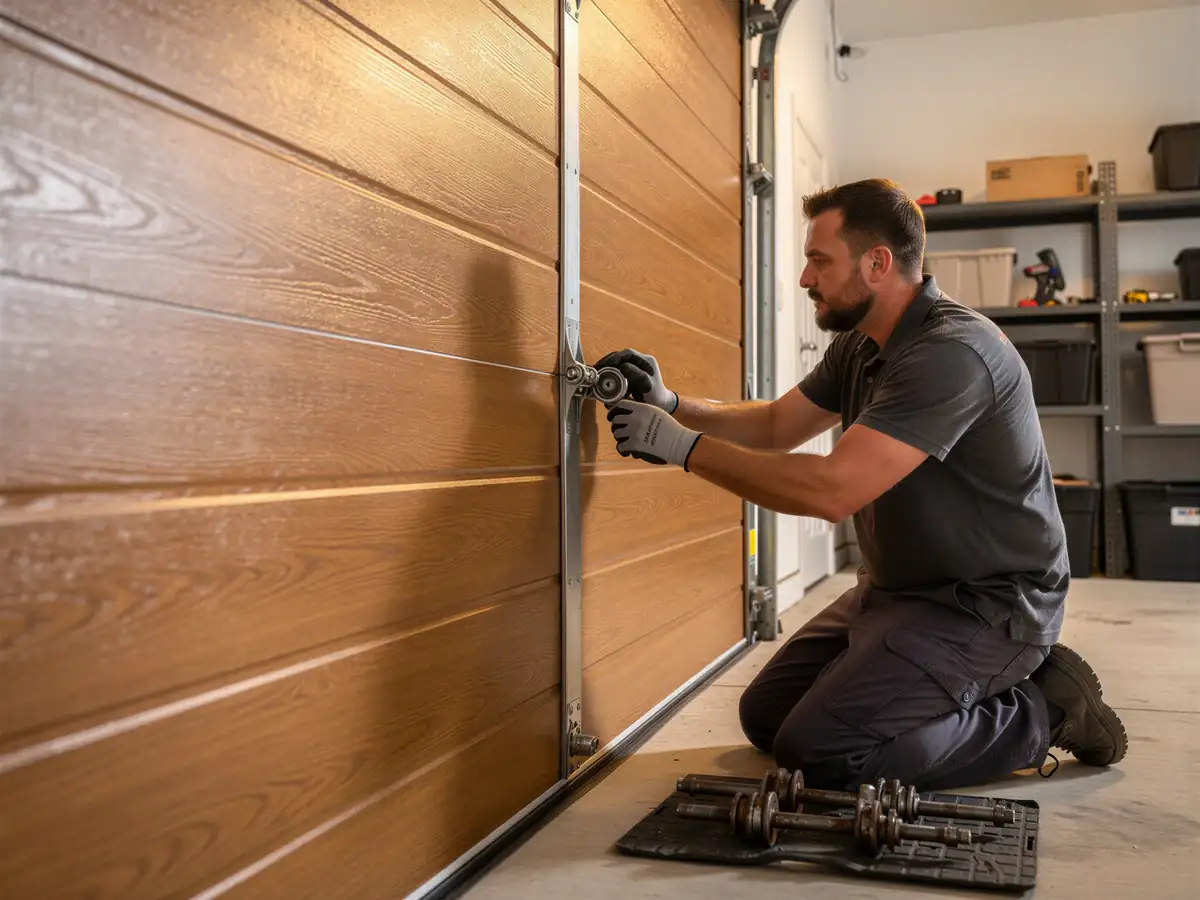
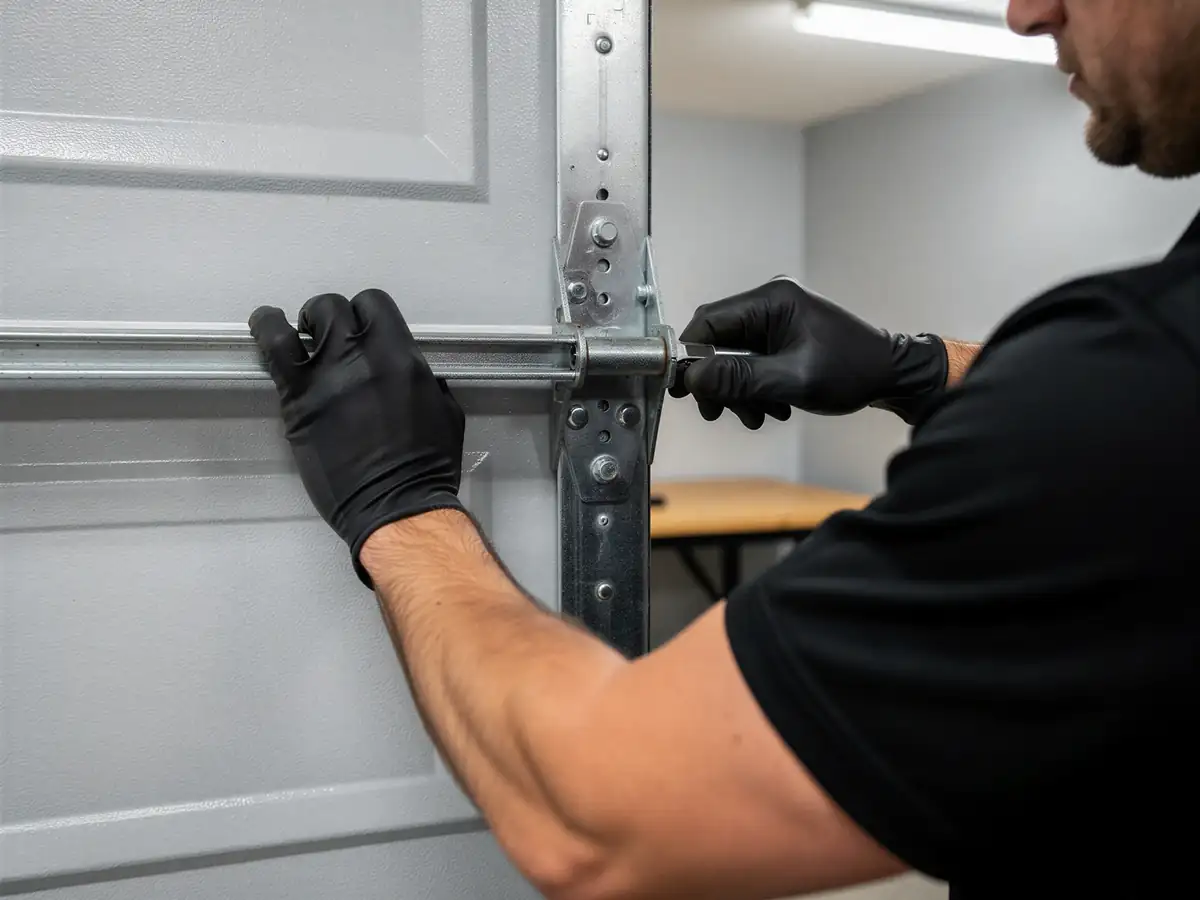
We diagnose before we quote - that means checking the spring tension, the cable wear, the track alignment, and the opener's gear condition as a set, not just swapping the part that failed loudest. On a door this age, a spring replacement alone sometimes isn't worth doing if the drum and cables are at the same point in their life; we'll tell you that instead of doing three separate repair visits. Where the opener is original to the house, we'll walk through whether a straight motor swap makes sense versus a full unit replacement with current safety sensors. One honest limitation: if the door itself is warped or the panels are rusted through at the bottom, hardware repair won't fix that, and we'll say so rather than keep replacing parts on a door that's done.
The Symptom
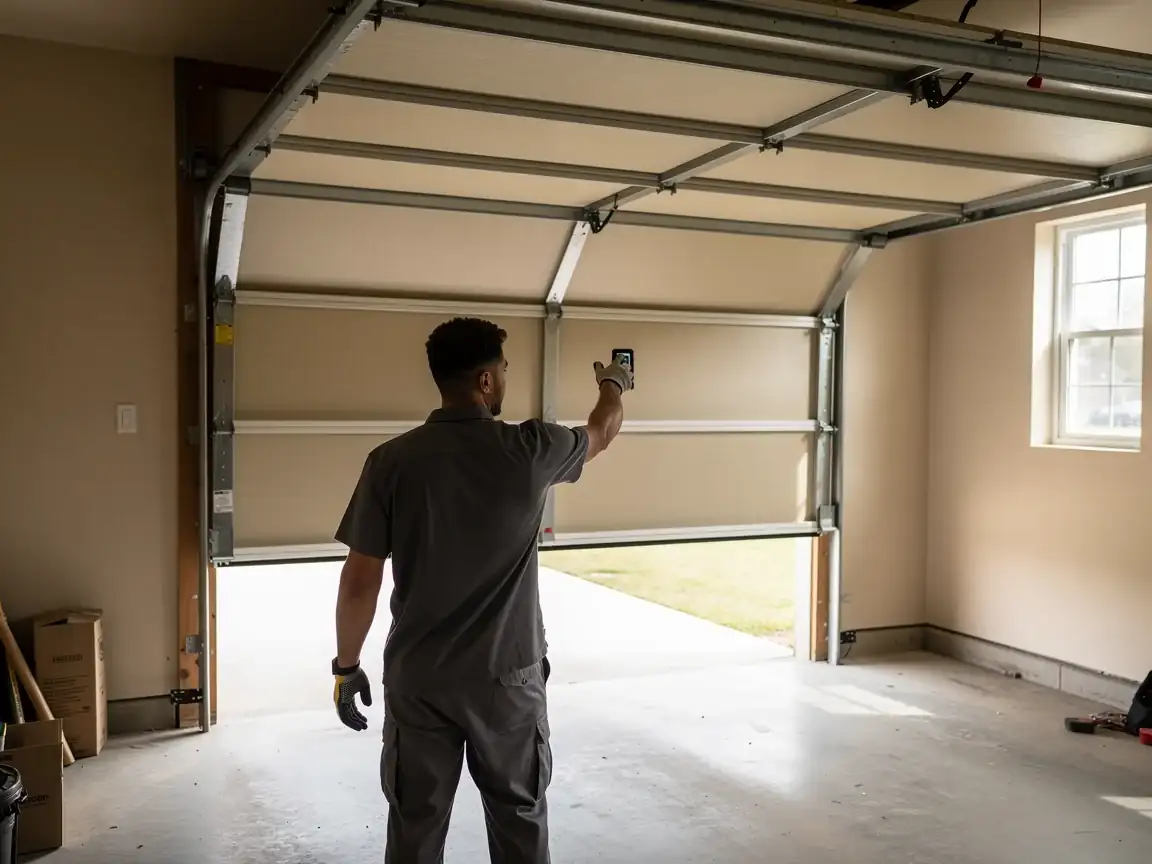
The complaint we hear most from a house like this is the door that reverses halfway up, or won't fully close and bounces back right before it seats. On original 1970s-era hardware, that's almost always a safety sensor alignment issue layered on top of spring tension that's drifted low - the opener senses resistance it shouldn't have to fight and kicks back out of caution. A close second is the door that's suddenly loud: a grinding or popping sound partway through the cycle, which usually points to a roller that's worn oval or a cable starting to fray at the drum. Either symptom is worth a call before it becomes a door that won't move at all, since a spring that lets go mid-cycle on a heavier insulated panel is a different repair than one caught early.