How to Book
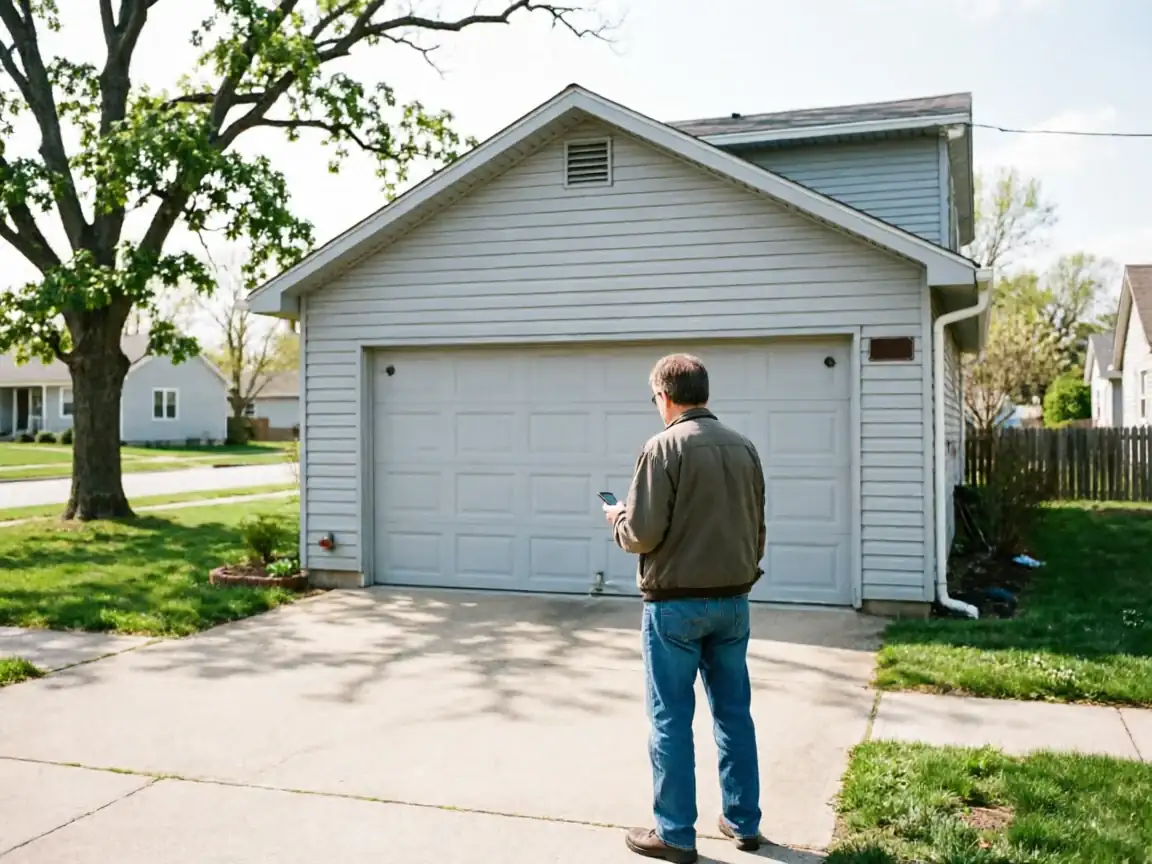
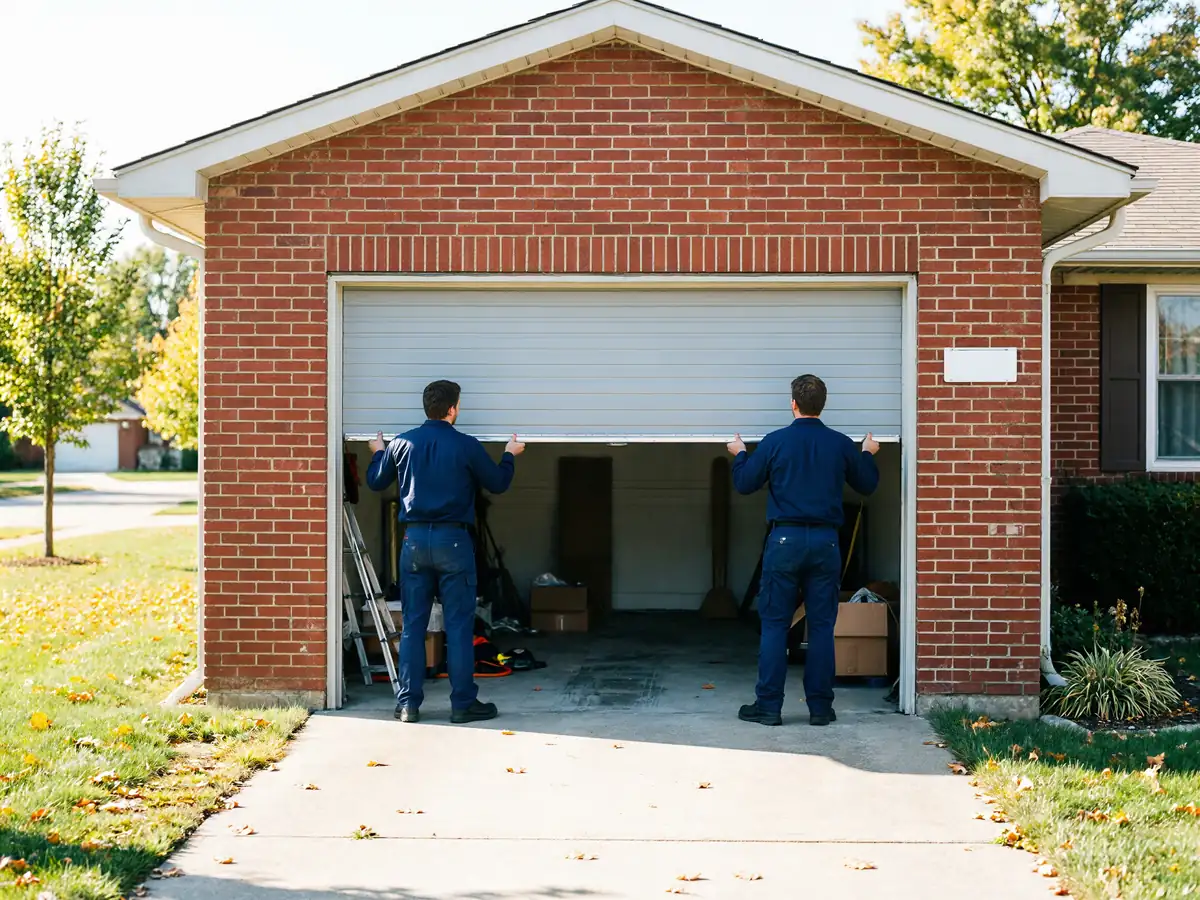
We run this job out of Champaign, about 17 miles from Monticello, so we schedule panel work on a route basis rather than same-day drop-ins. Tell us the door's age and whether you know the brand - if your house was built around the mid-1970s like most of Monticello's stock, that alone narrows down what panel widths we're likely dealing with before we even load the truck. Photos of the damaged section and the full door help us bring the right match, or tell you up front that a match isn't realistic. You can see our general Monticello coverage on our service page, and if you're looking at other door work beyond panels, our Champaign panel replacement page covers the broader service area.
Why This Fails Locally
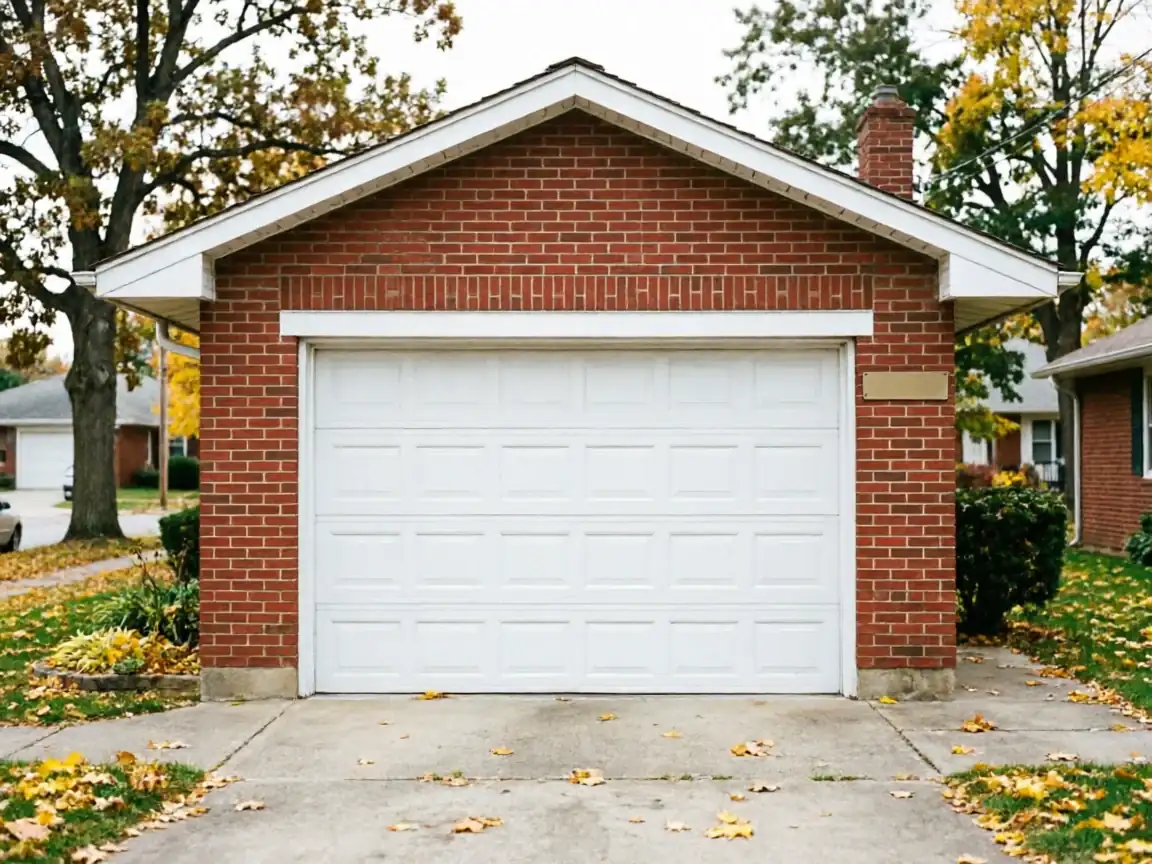
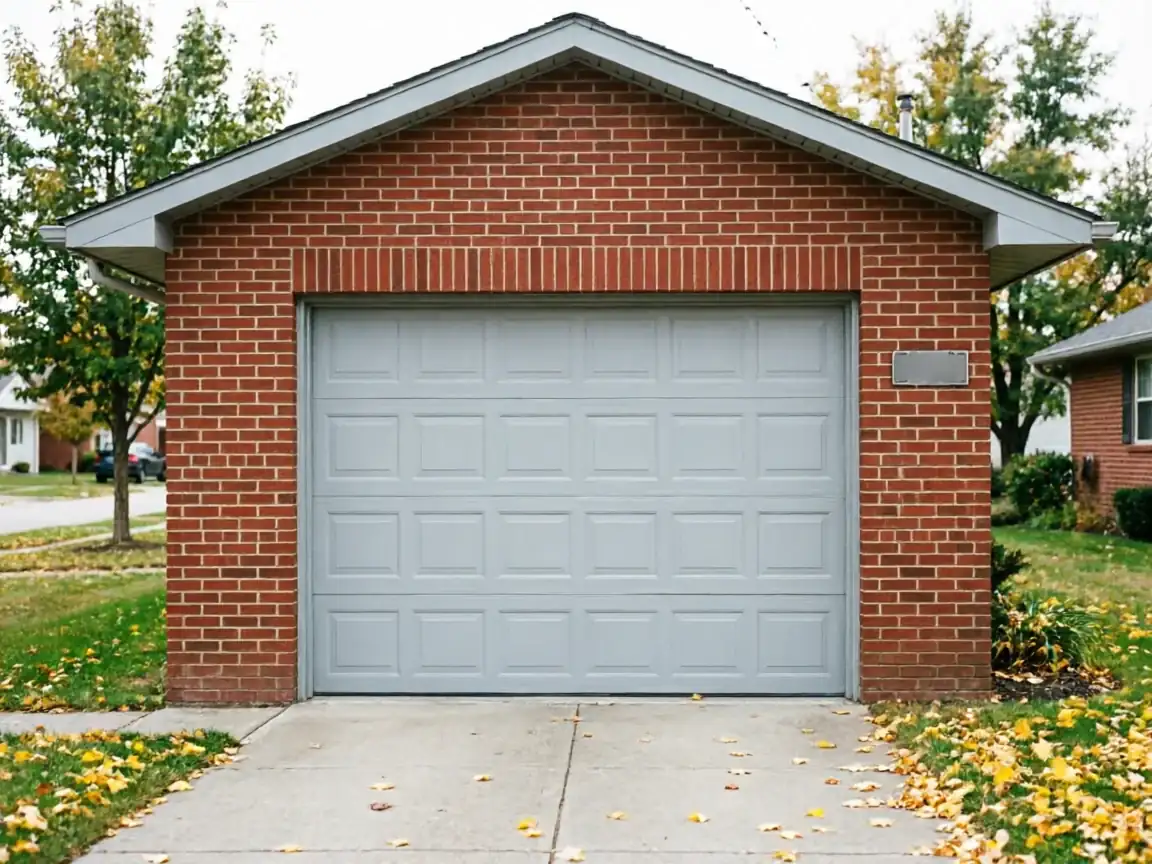
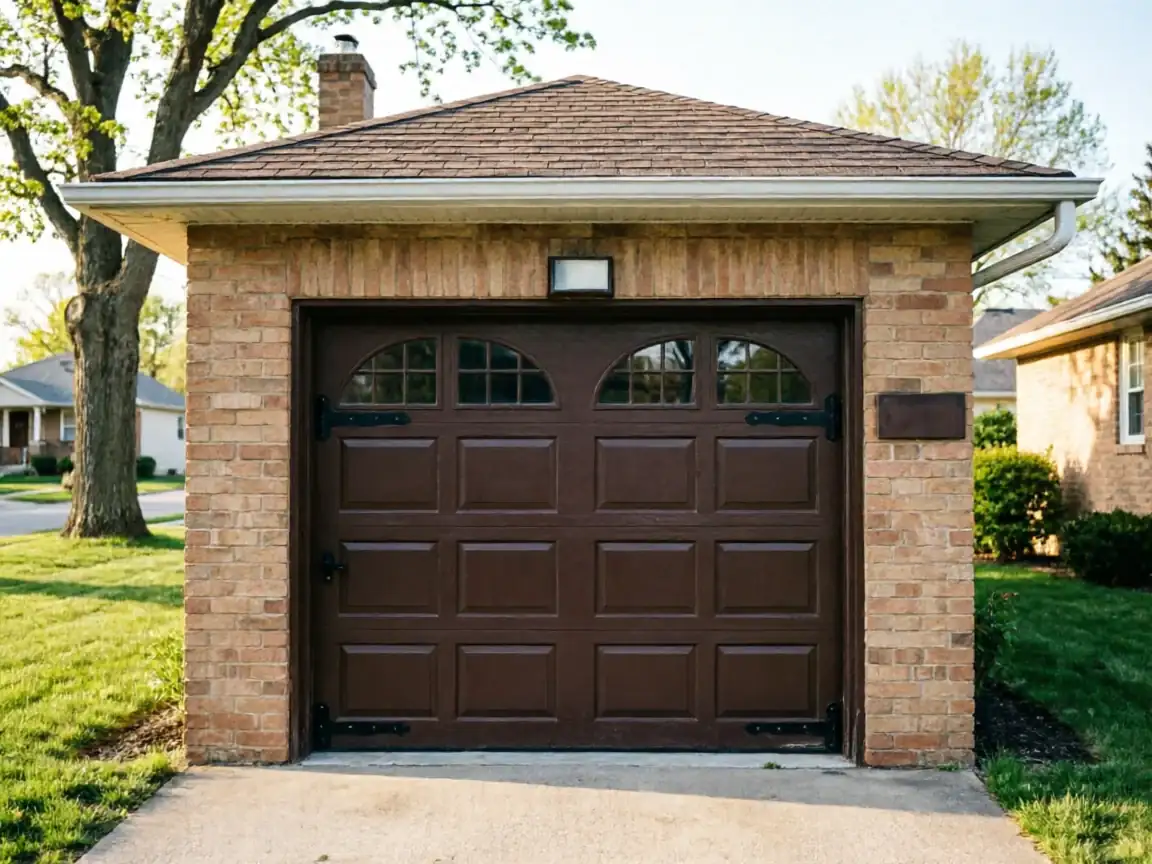
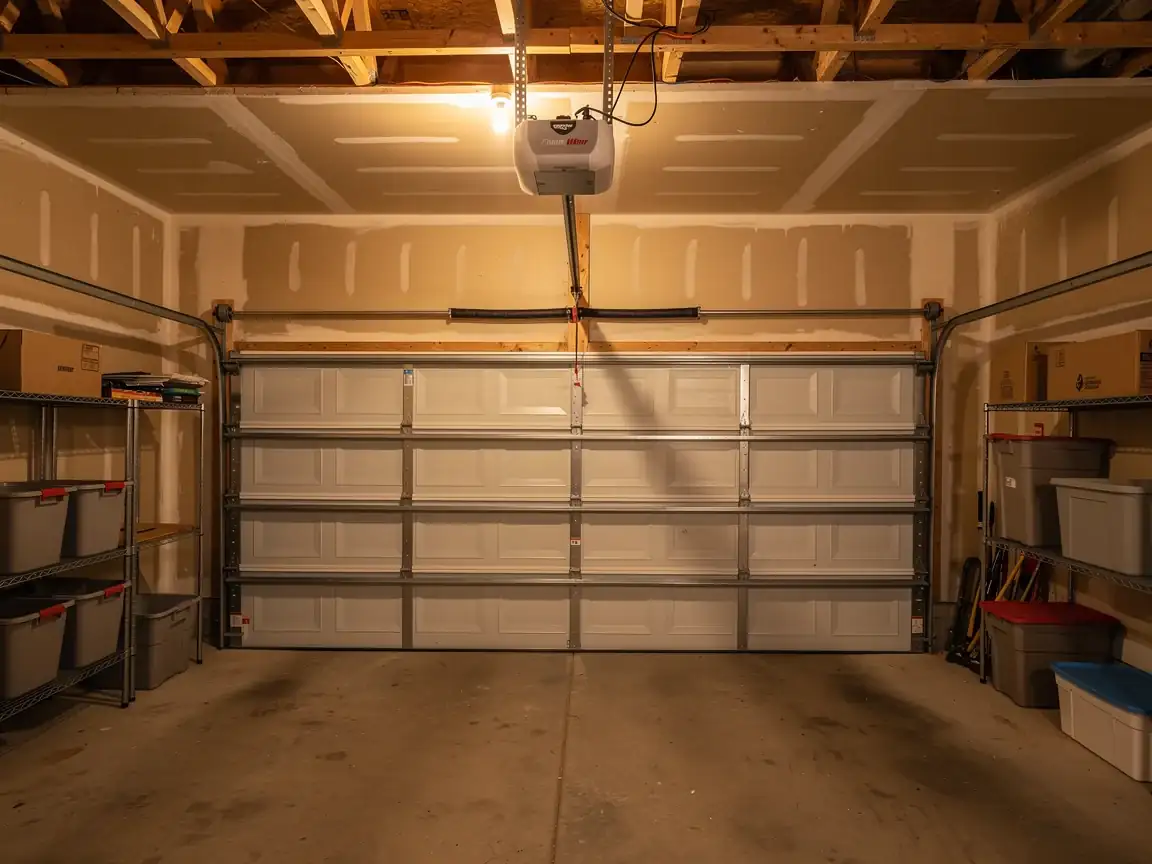
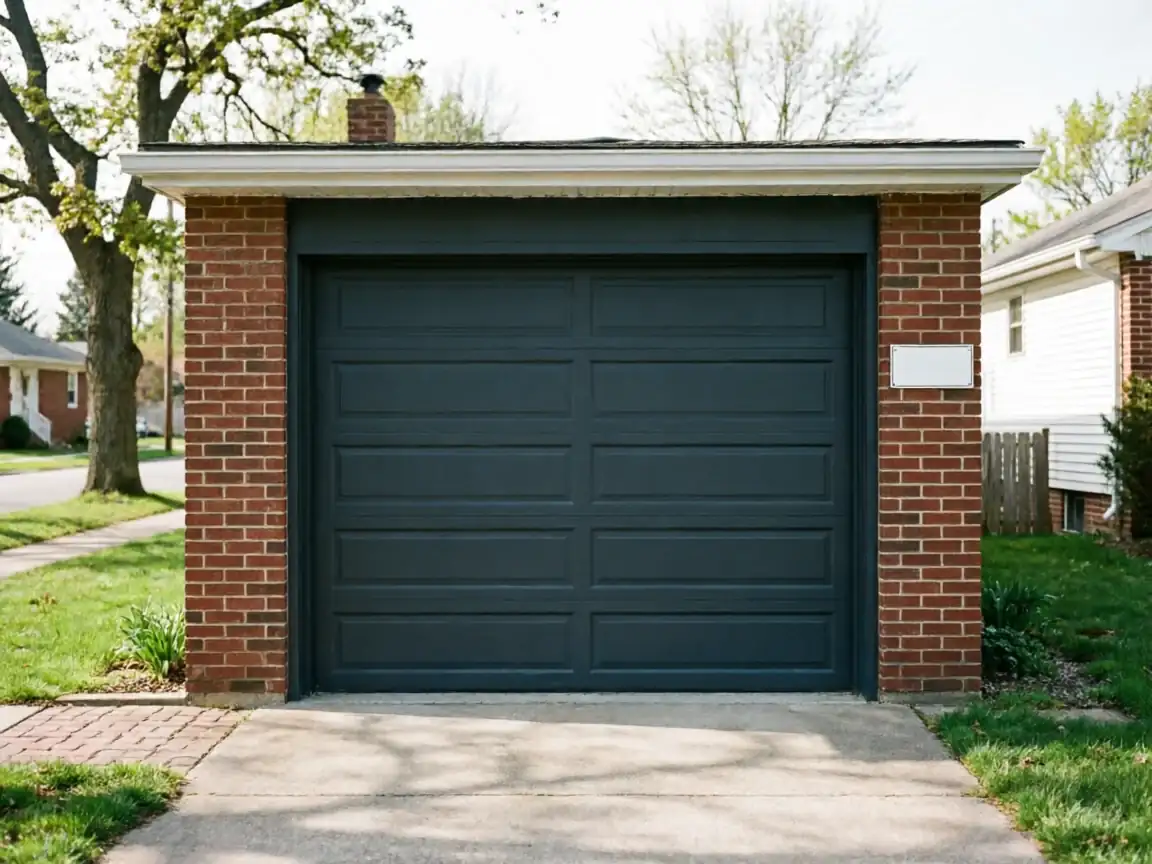
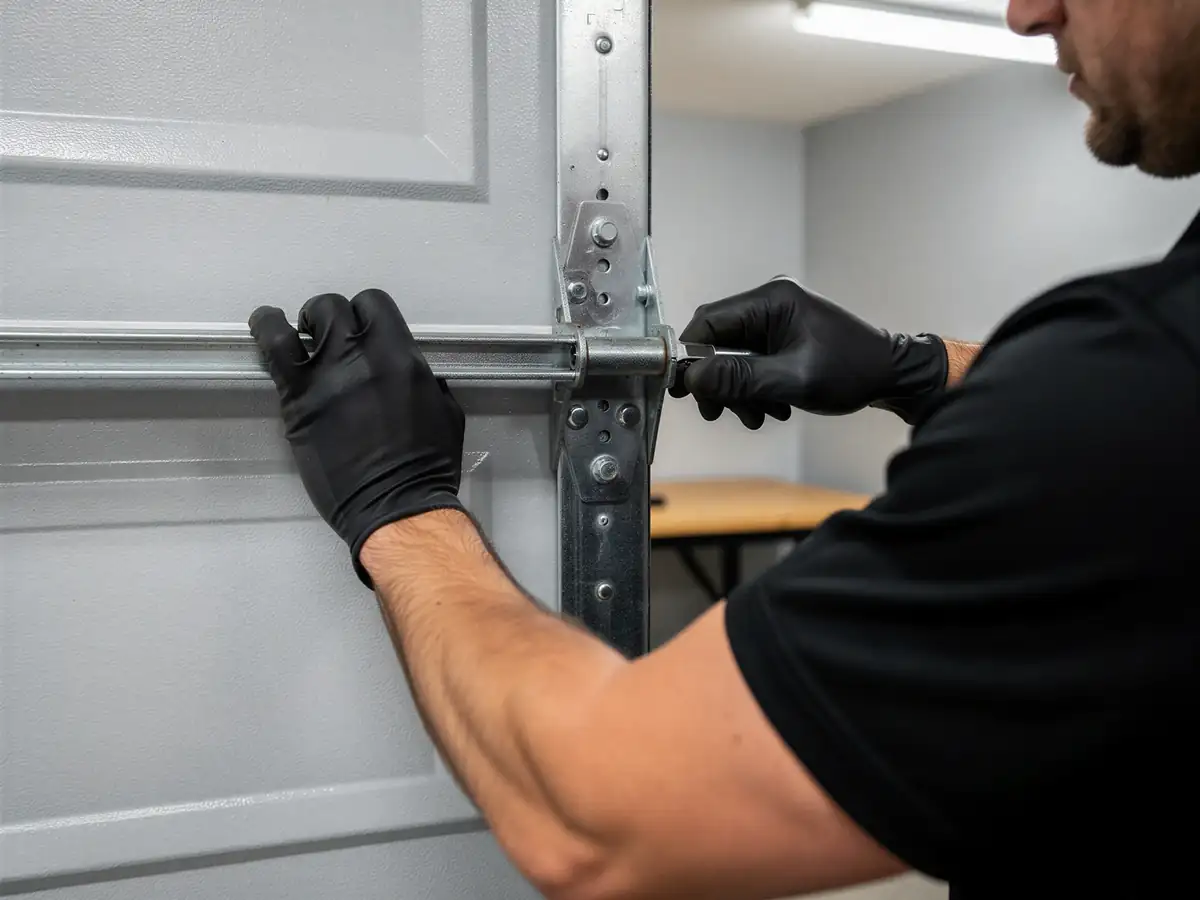
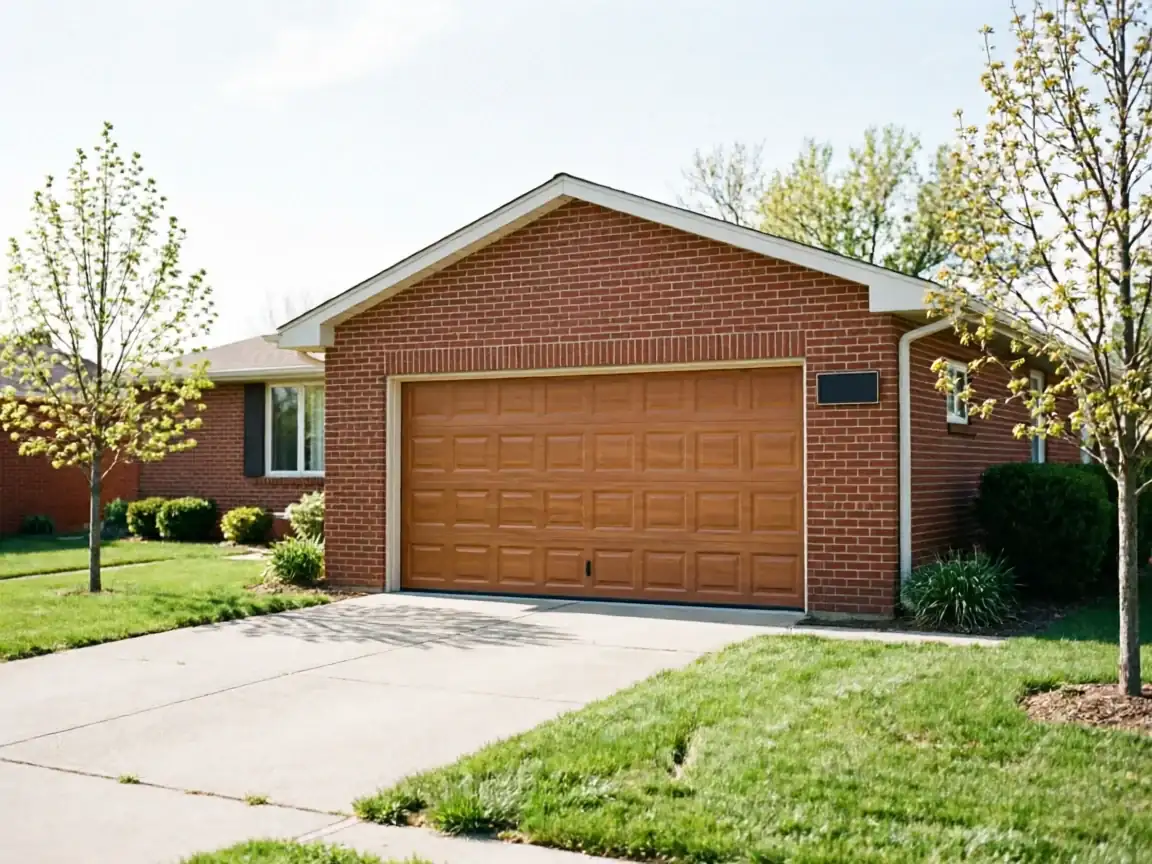
Monticello's housing stock centers on 1976, which puts a lot of these garage doors squarely in the era of single-layer steel with raised panel stamping in section heights that manufacturers don't carry anymore. Across the wider service area the build years run 1956 to 2000 with a median around 1978, so Monticello sits right in that window - not the newer edge where doors are more standardized, not old enough for wood doors to dominate. That matters because a cracked or dented panel on a door this age usually can't be swapped for a single new piece off a shelf. The section height, the hinge spacing, even the screw pattern on these older steel doors often don't line up with what's manufactured today.
How We Fix It
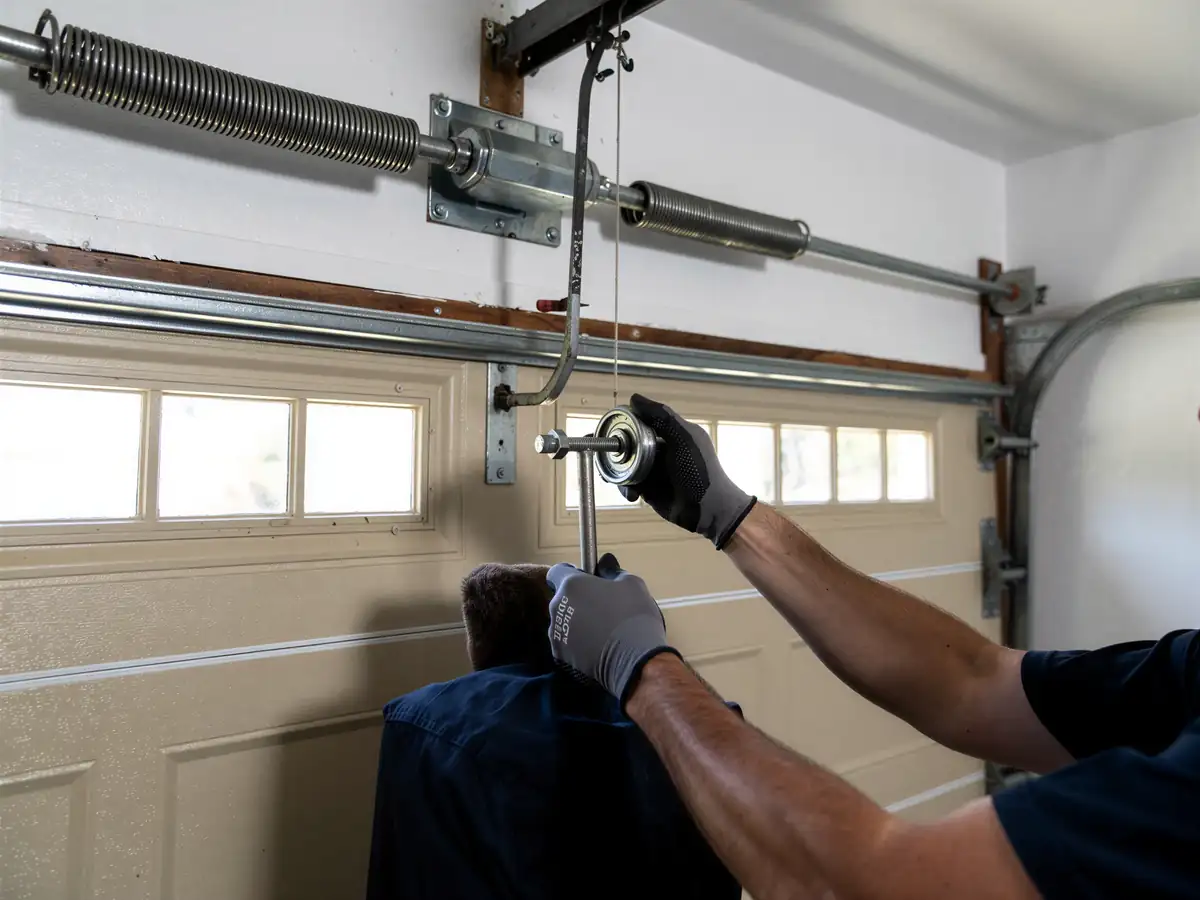
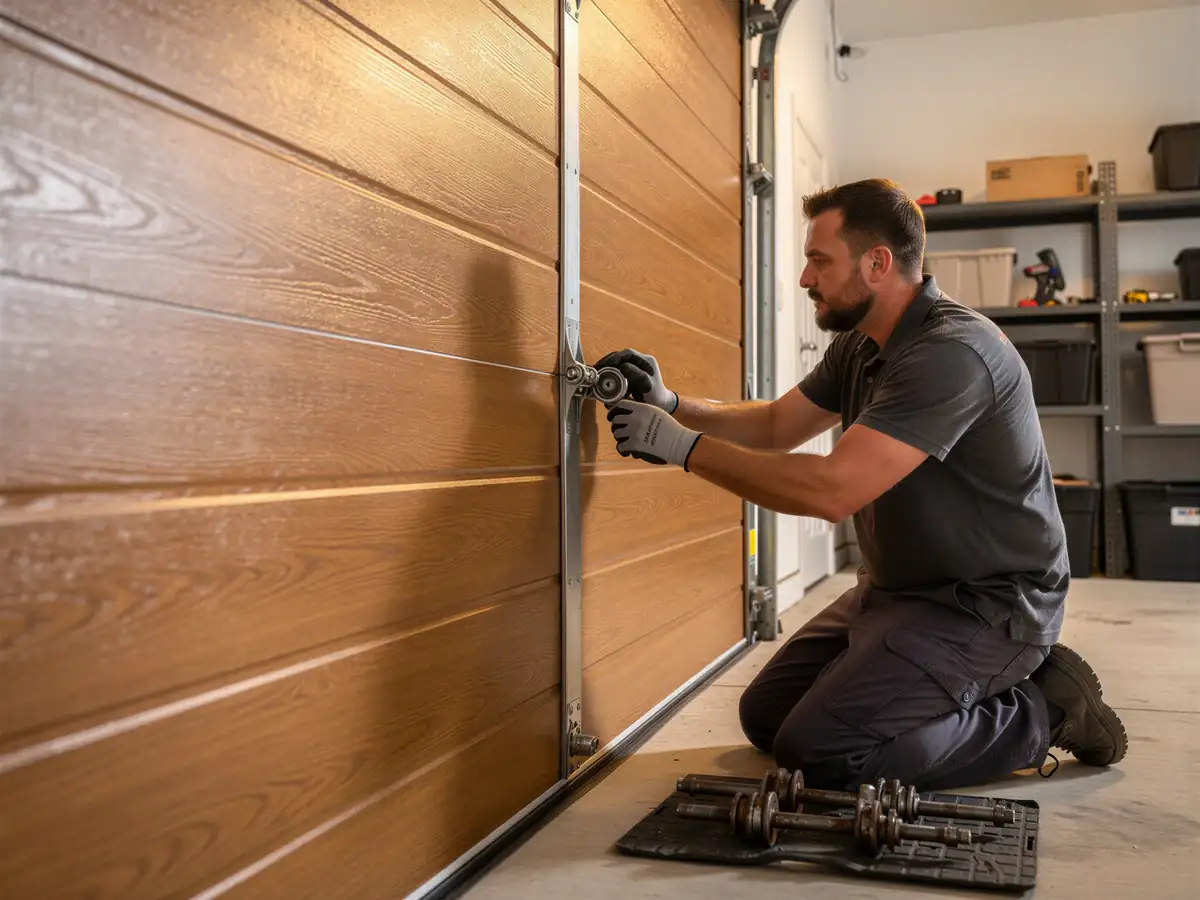
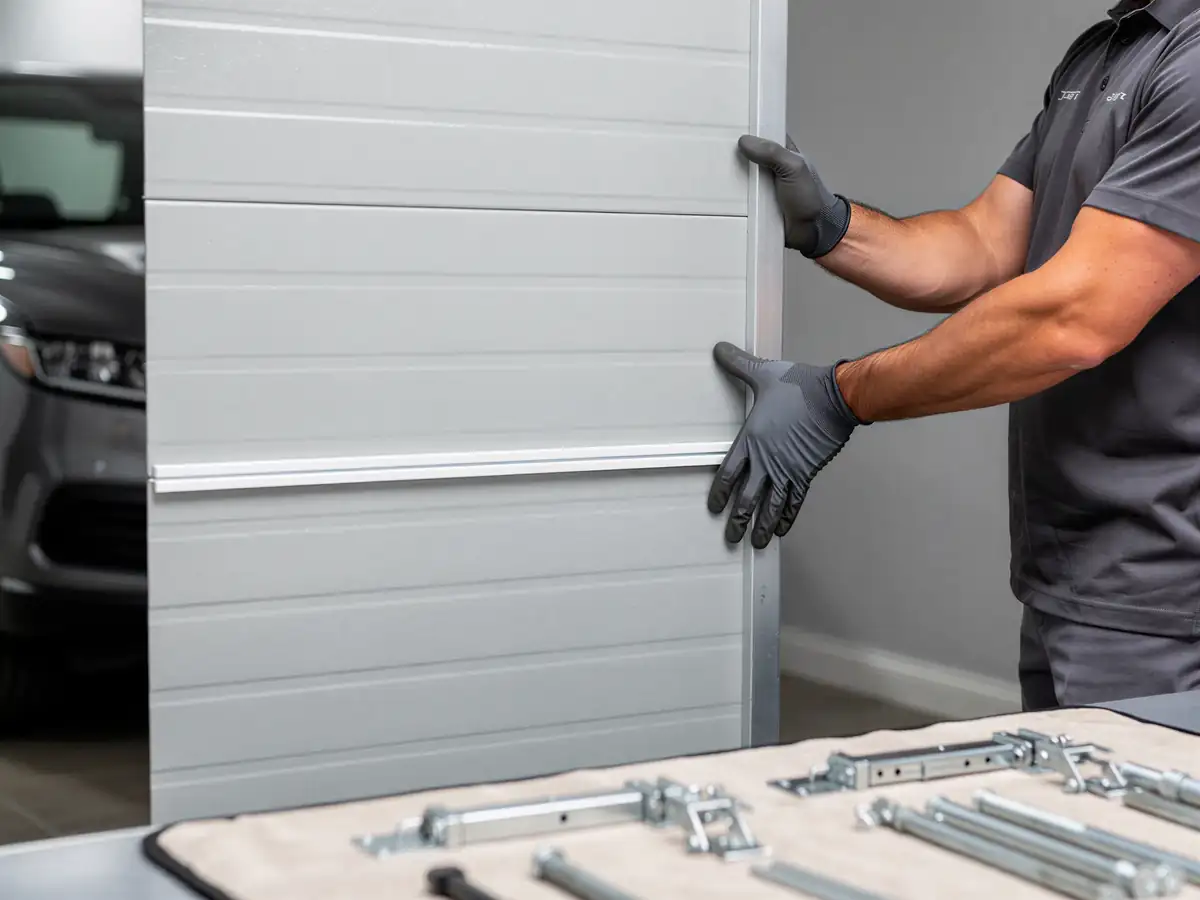
First we check whether the door is still in production under any brand - some manufacturers kept legacy panel profiles alive longer than you'd expect, and when that's the case, a single or double panel swap is the cheaper, faster fix. When it isn't, which is common on doors matching Monticello's 1976 median build year, we price the job two ways: a full door replacement at current standard panel sizing, or, if the rest of the door is sound, a used or reclaimed panel search, which we're honest isn't always successful. We won't install a mismatched panel that leaves the door out of square just to call the job done cheap.
The Symptom
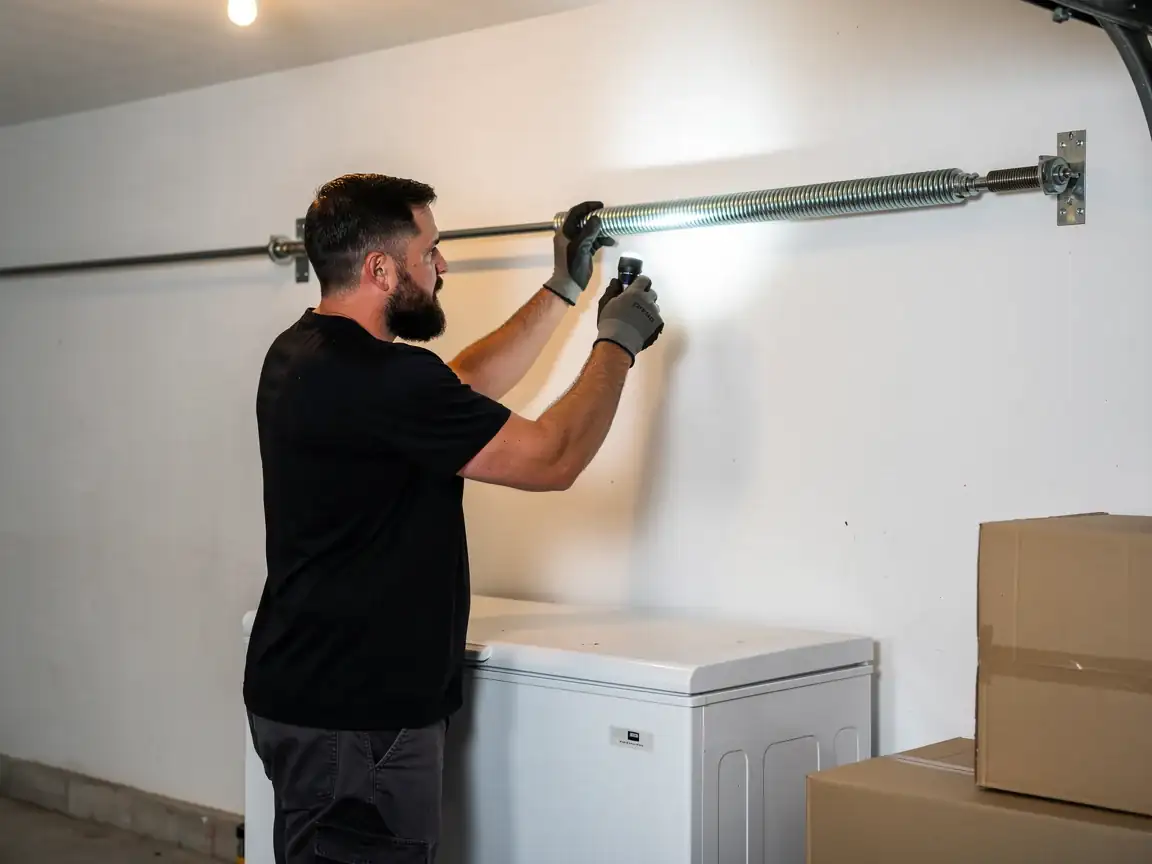
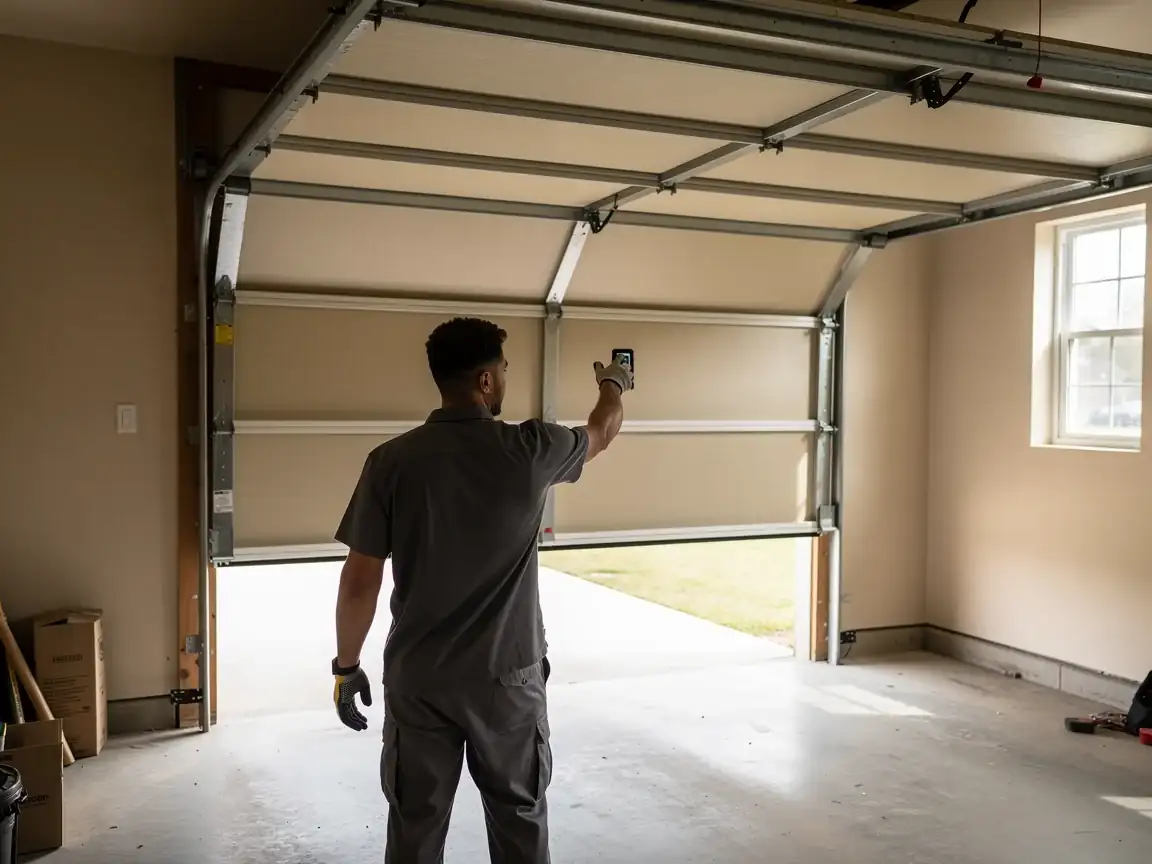
Usually it starts as one bent or rusted-through panel that the owner wants replaced on its own, assuming it's a quick swap like fixing a single roller or cable. The door still opens and closes fine otherwise, so there's no urgency to the call. What changes the math is when we're on site and find the track no longer sits flush because the panel's warped under its own weight, or the next panel up has the same corrosion starting. At that point the question isn't whether to fix the dent - it's whether this door, built when it was, is worth matching piece by piece or worth replacing outright.