How to Book
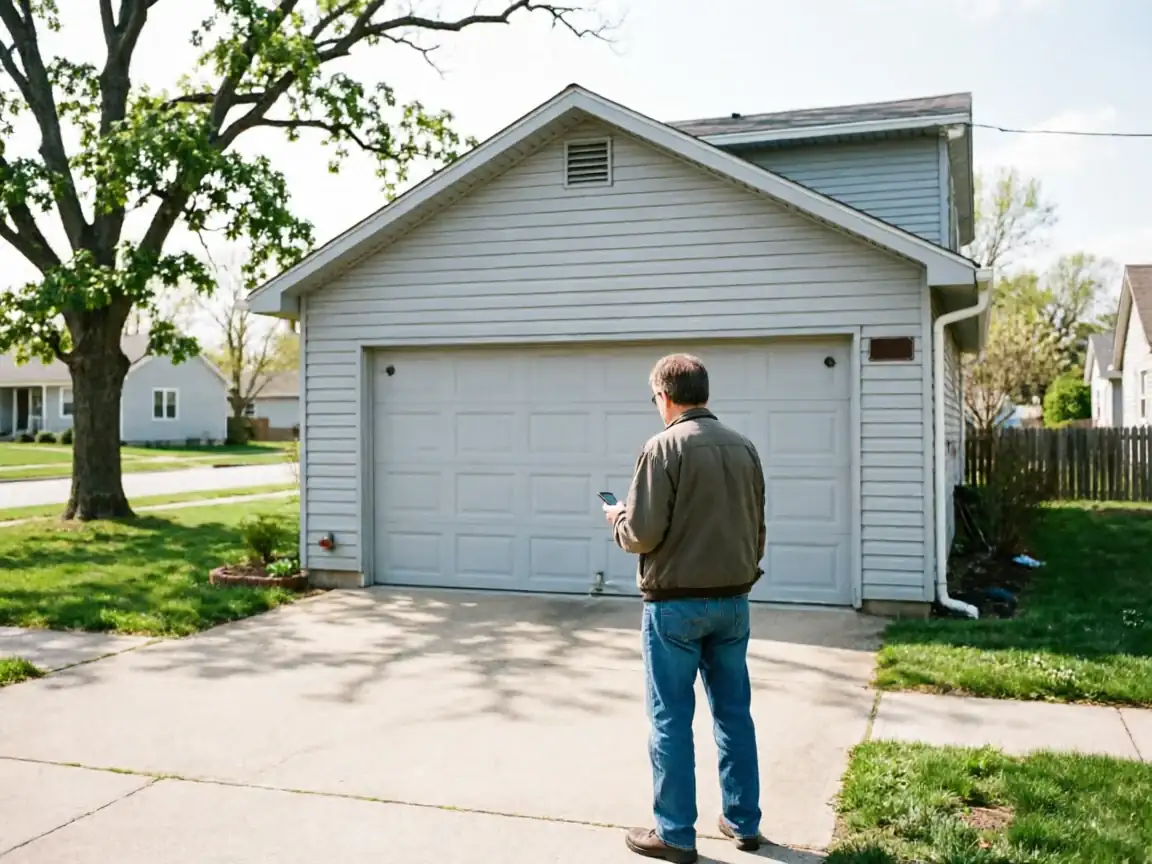
Monticello sits about 17 miles from our shop in Champaign, which is far enough that we don't treat it as a drop-in stop between other jobs. When you call about a roller job here, we ask what year the house went up and whether the door still has its original track, because that tells us what's riding in those tracks before a truck ever leaves Champaign. That one conversation saves a second trip for the wrong roller size. We book Monticello jobs with the parts already picked based on what you tell us, not what we guess once we're standing in the driveway. If you're not sure what's installed, a photo of the track and roller sent ahead of time does the job just as well as a model number. We don't run a branch in Monticello, so every visit is routed from Champaign, and we're upfront that same-day availability depends on what else is on the schedule that day. Use the booking link for your address and a plain description of the noise or binding you're hearing, and we'll confirm what we're bringing before we're on the road.
Why This Fails Locally
The housing stock in and around Monticello skews to construction from the mid-1970s, with a median build year around 1976 - later than some of the older pockets closer to Champaign, but still well past the point where steel rollers on galvanized track were standard. Fifty years in, those rollers have put in a lot of cycles, and the stems have usually worn enough play into the roller bracket that the door starts walking sideways in the track instead of running straight. Add the region's cold, moderate climate band and you get contraction and expansion in that same track twice a day through a Midwest winter, which loosens track bolts that were never meant to flex that much. On a 1976-era door, the combination of worn roller and slightly shifted track is what turns a quiet morning open into a grinding one. It's not a defect in the door - it's just what fifty winters do to steel rollers and aging track hardware, and it shows up here on a predictable schedule tied to the build era, not the brand of door.
How We Fix It
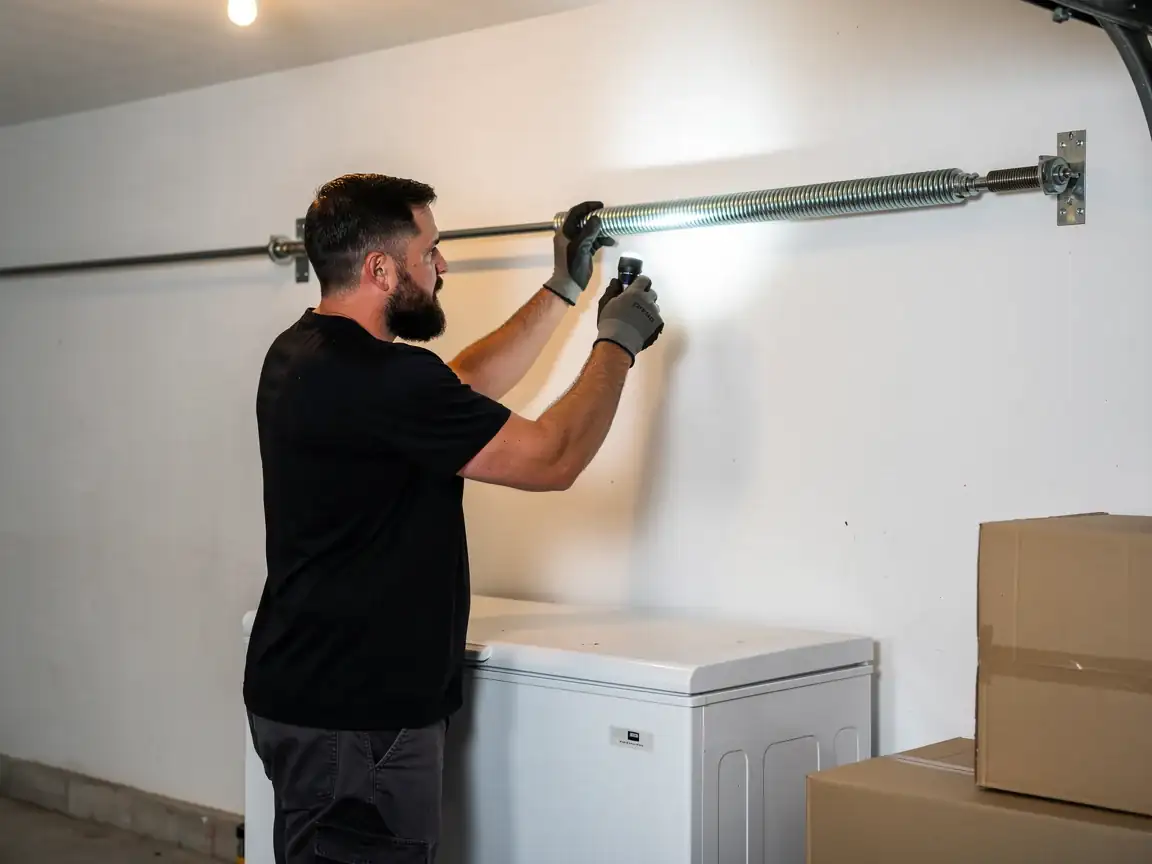
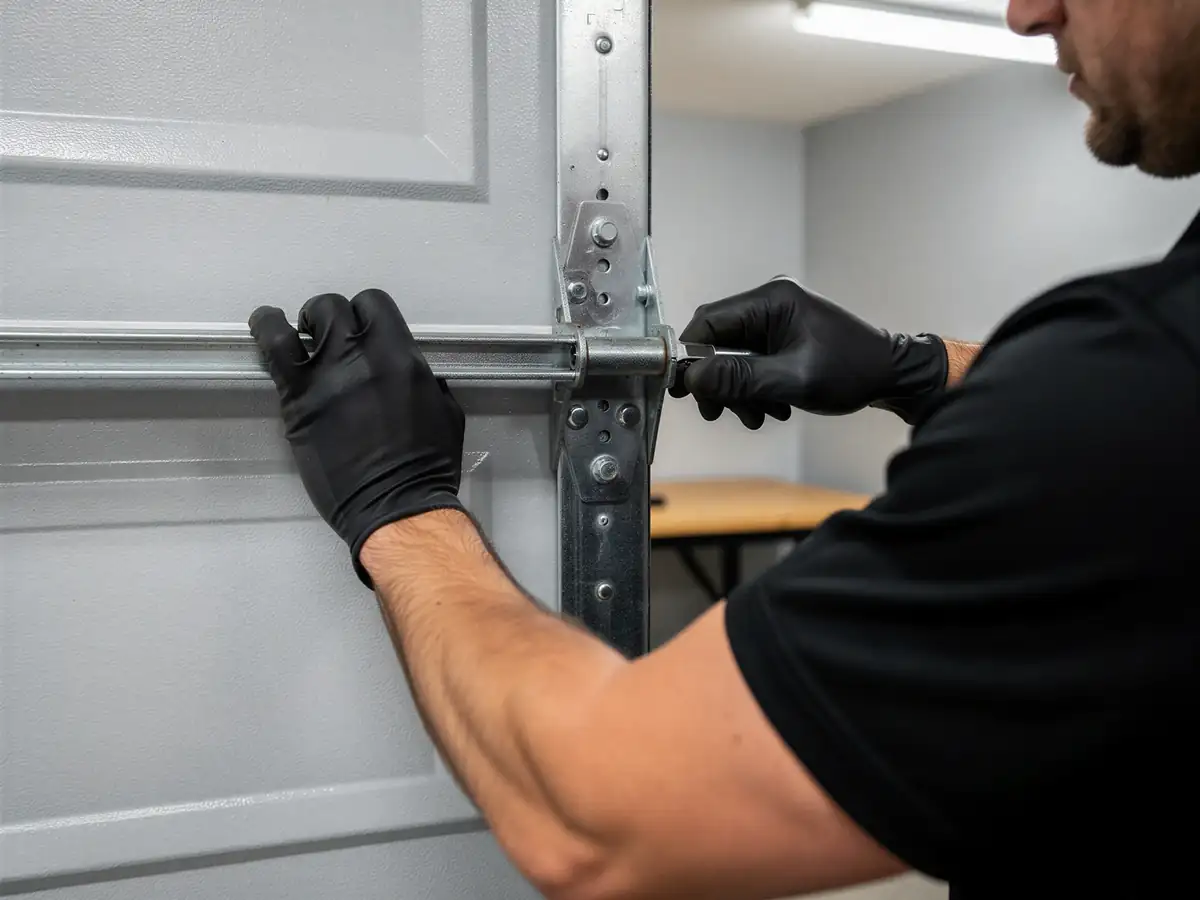
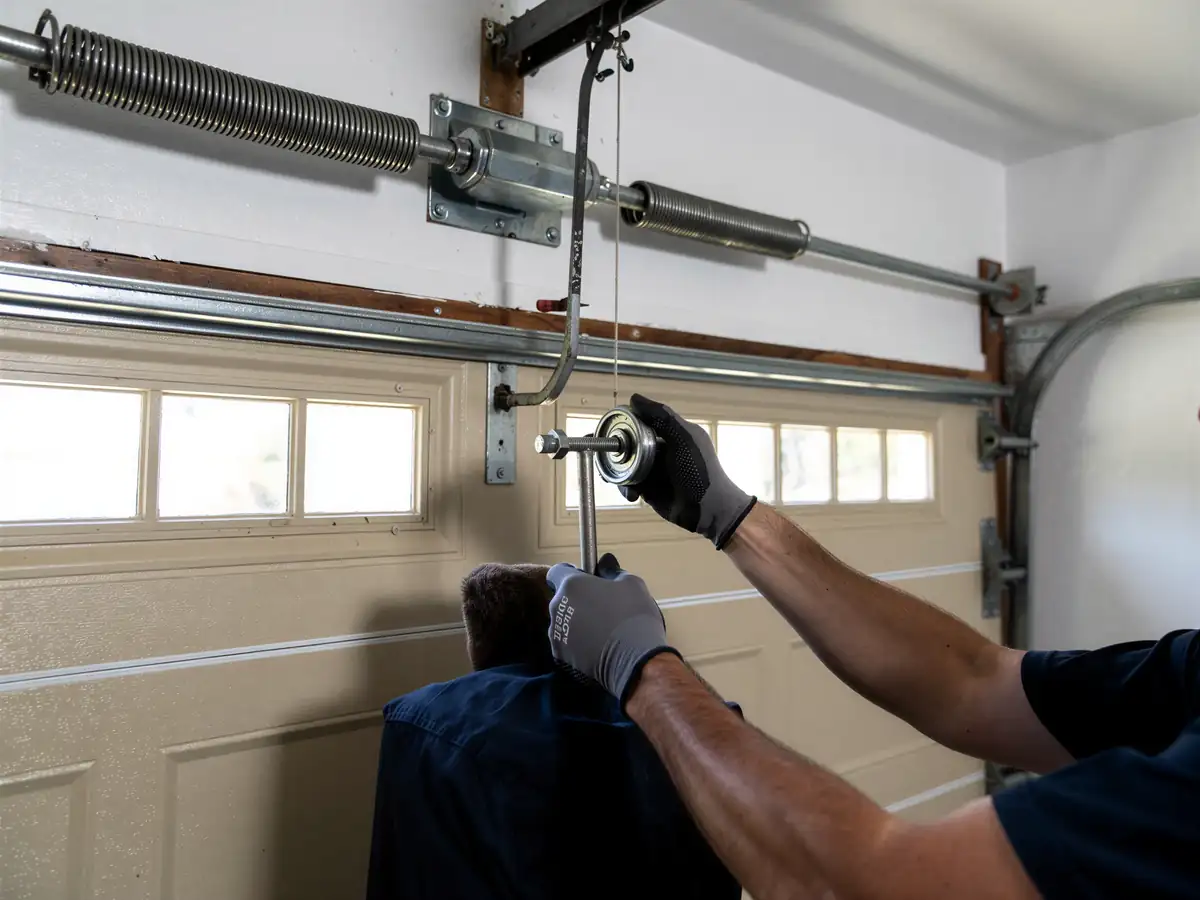
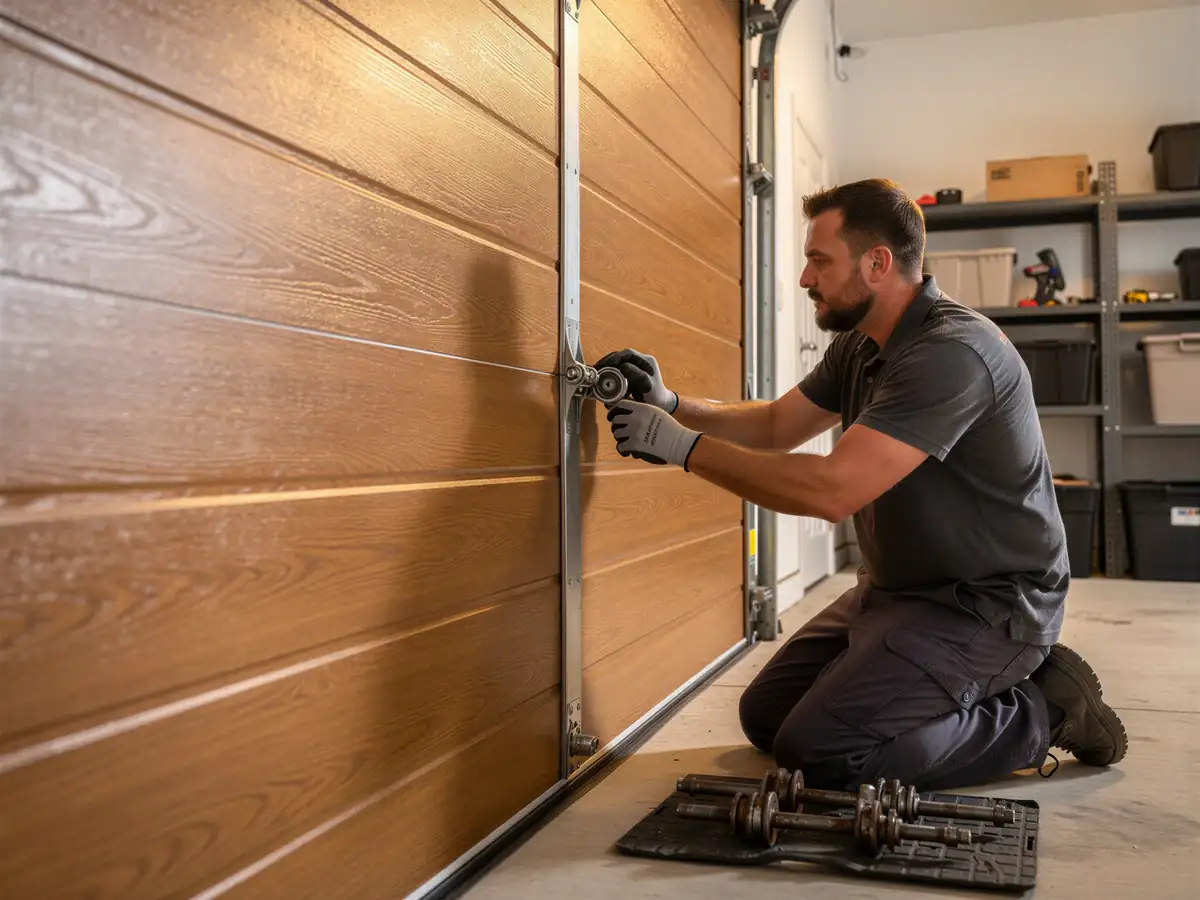
We pull the old rollers, check the track alignment on both sides, and replace with rollers sized to the track gauge actually installed - steel or nylon, whichever matches what the rest of your hardware expects. On houses from the 1976 era we often find mismatched hardware from a prior partial repair, so part of the job is making sure the new rollers aren't fighting old brackets. If the track itself has shifted from decades of temperature swings, we re-set it before the new rollers go in, because a straight roller on a bent track wears out again within a year. We don't push full track replacement unless the wear or bend actually calls for it - sometimes a roller swap and a track adjustment is the whole job, and we say so. Everything we install on the visit, we test through a full open-close cycle before we leave, listening for the grinding or catching that brought you to call in the first place.
The Symptom
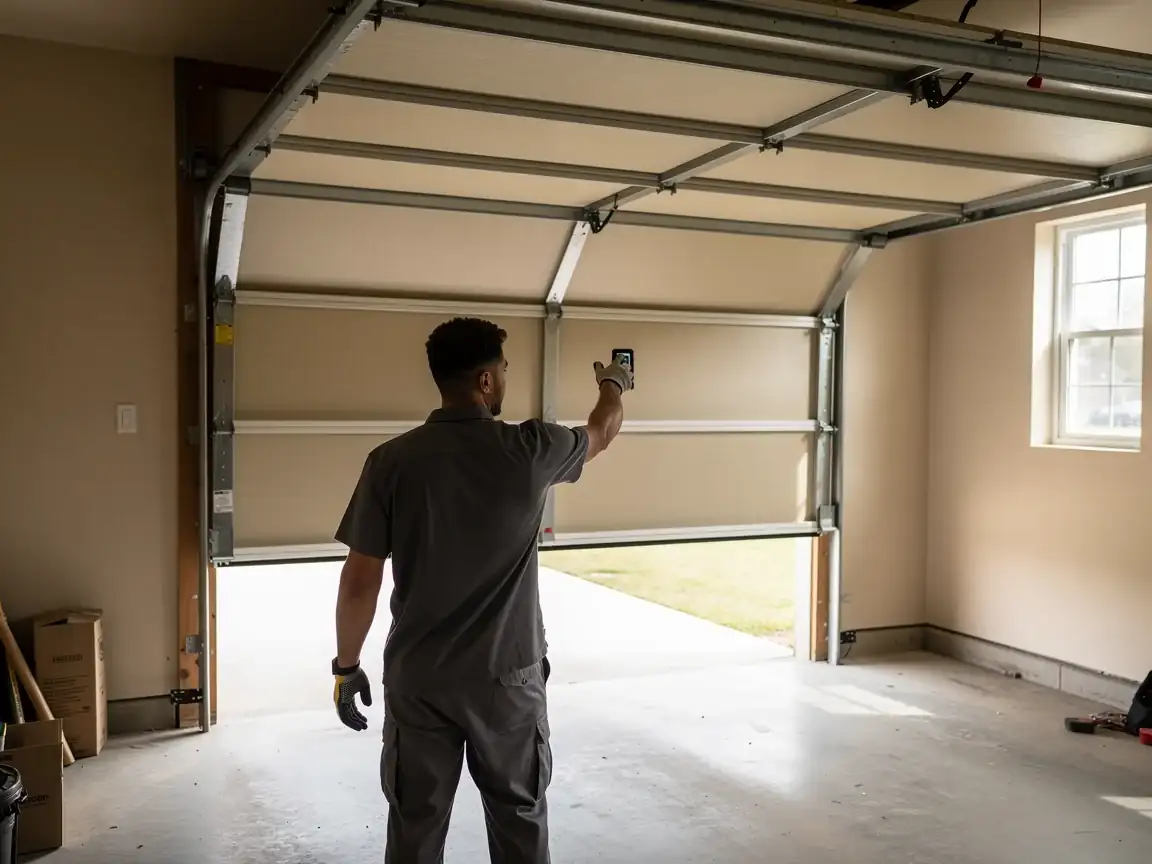
The usual first sign is a grinding or clicking sound as the door travels, loudest right around the point where the roller has worn a flat spot. Some homeowners describe it as the door 'walking' - drifting slightly to one side as it opens, which is the bent roller stem pulling the panel off true. Others notice the door hesitating or catching partway up, especially on the first cold-morning opening of the day, which lines up with how a cold, moderate climate tightens clearances in aging track. If you're hearing metal-on-metal rather than a smooth roll, or if the door has started needing a push to clear a certain spot every time, that's worn rollers, not a motor problem, and it's worth having looked at before it turns into a jumped track.