This Area's Housing
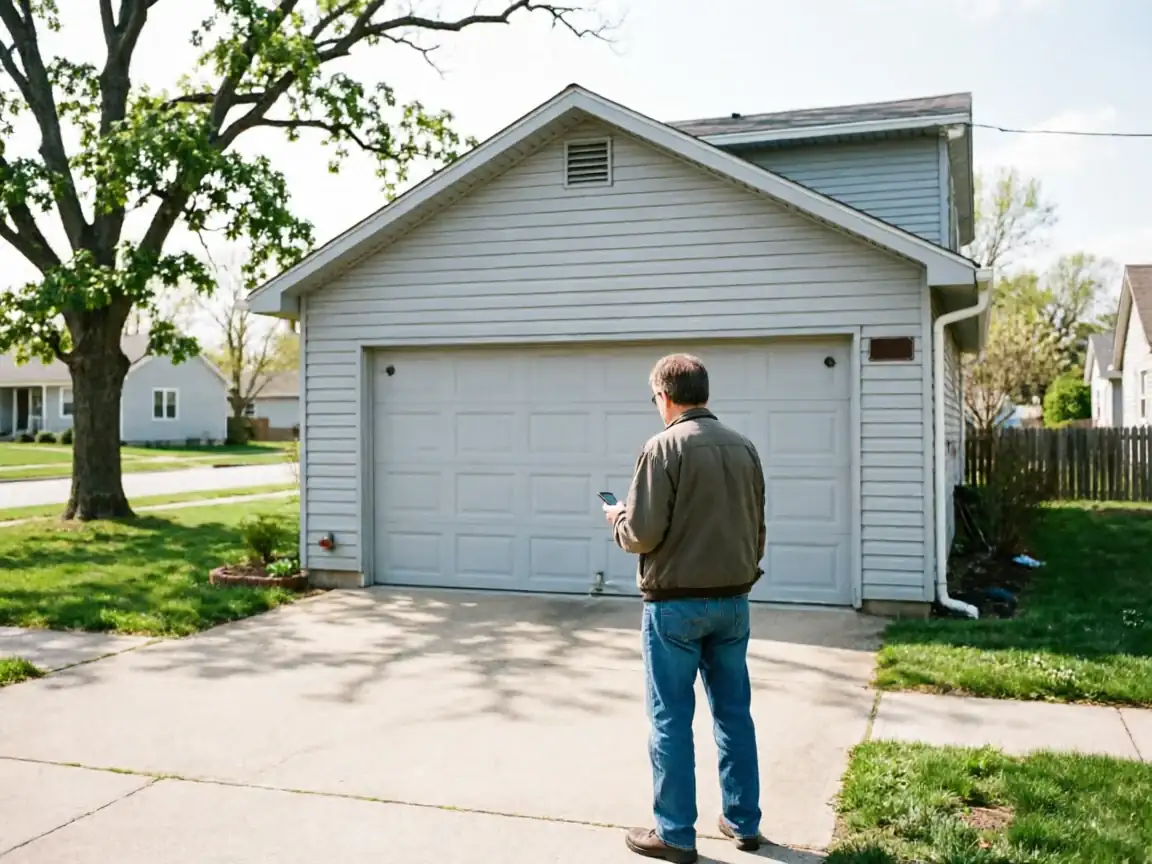
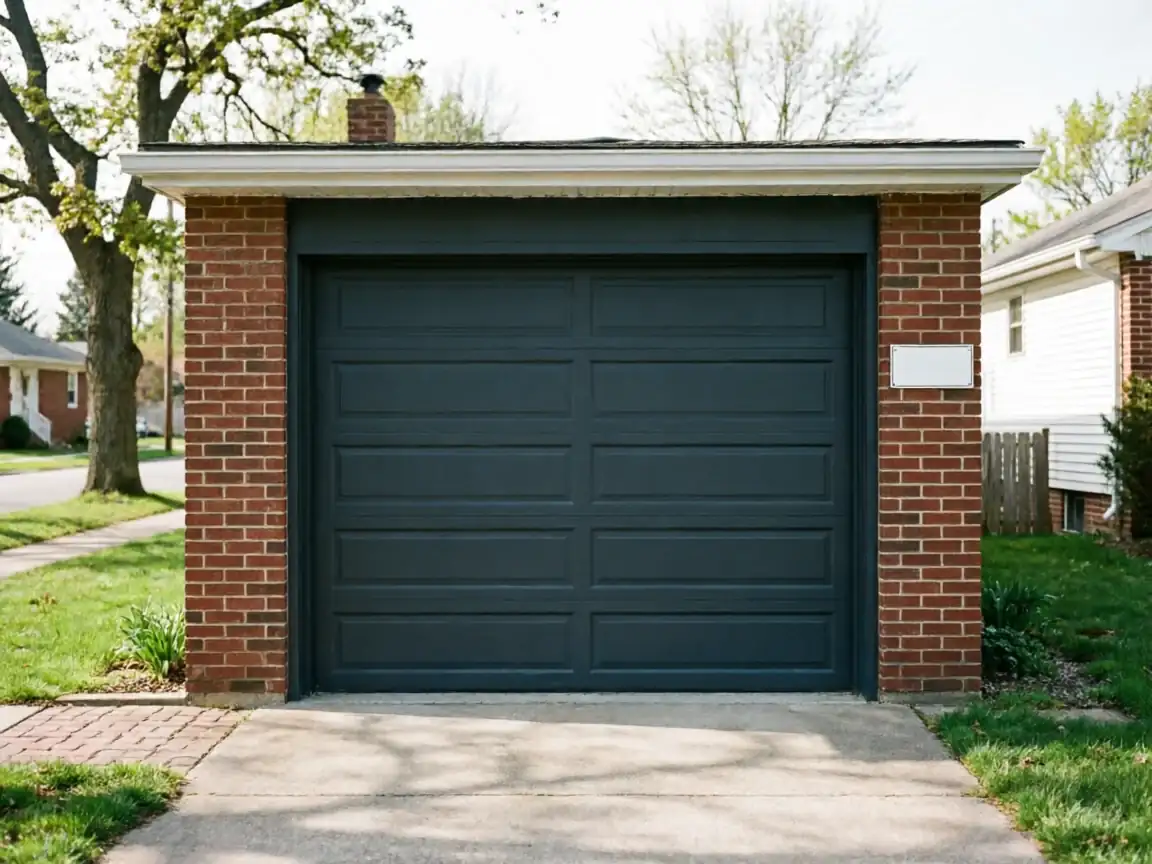
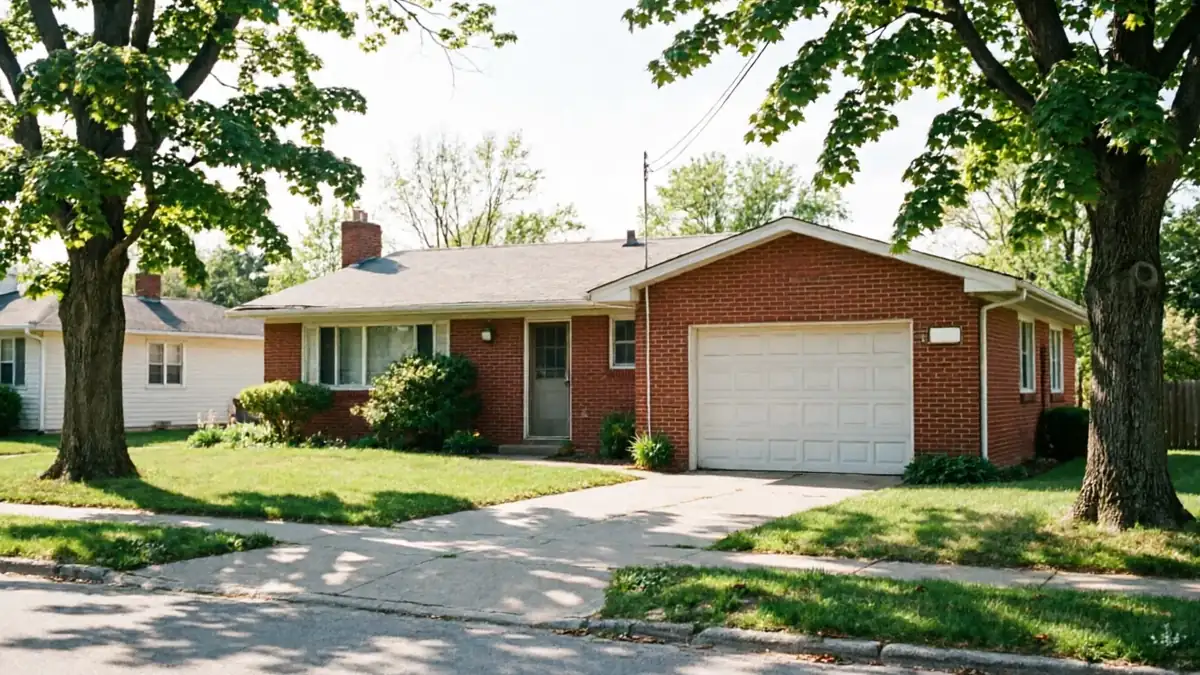
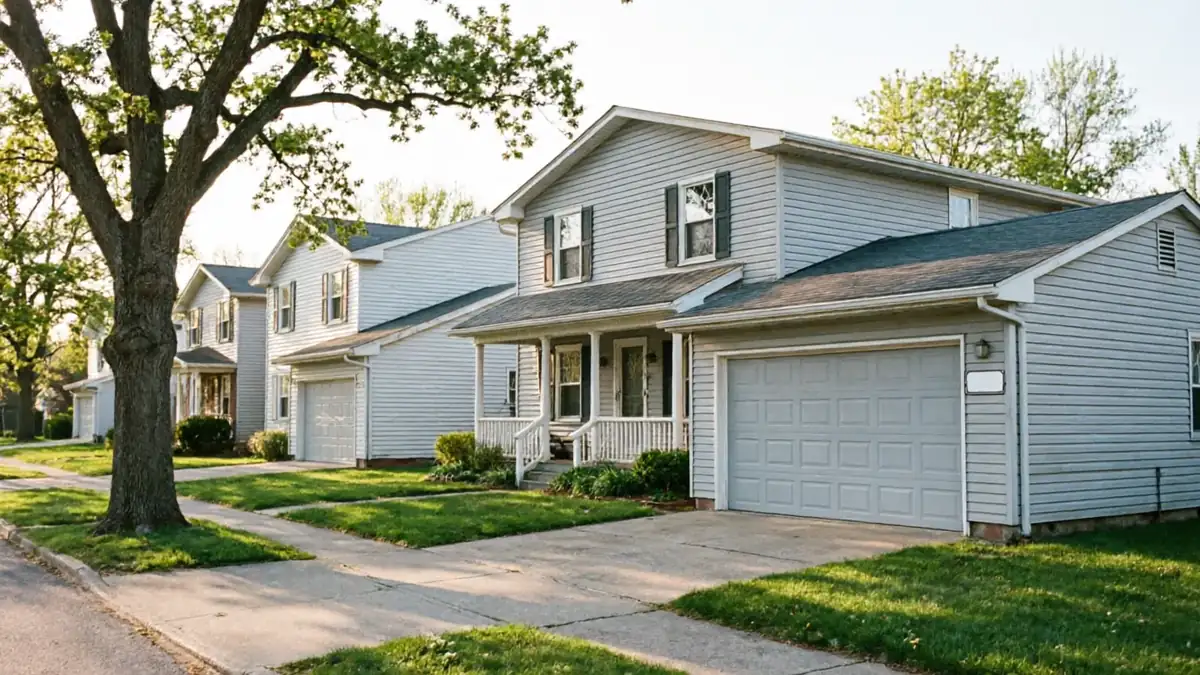
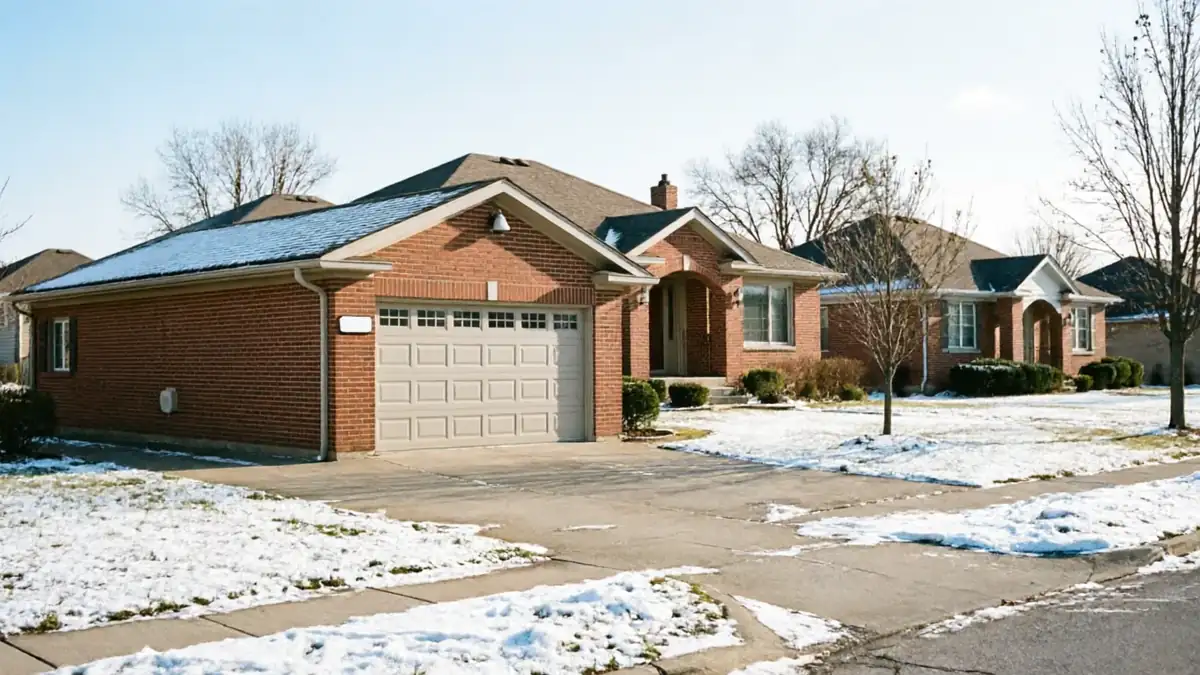
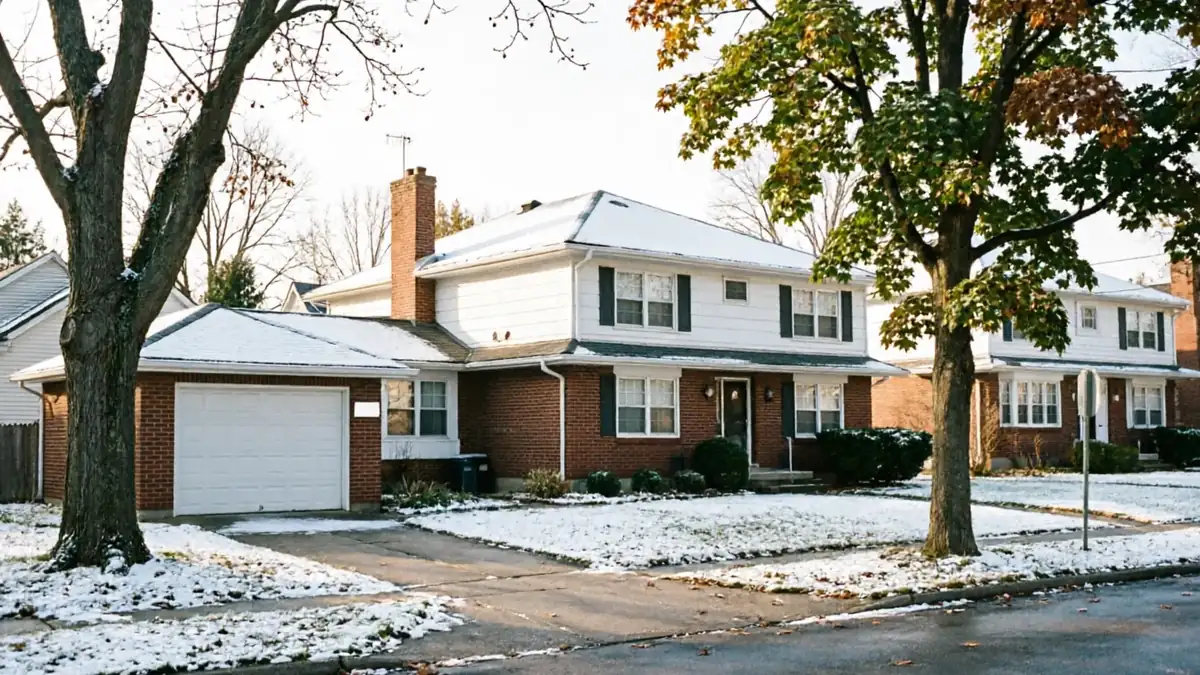
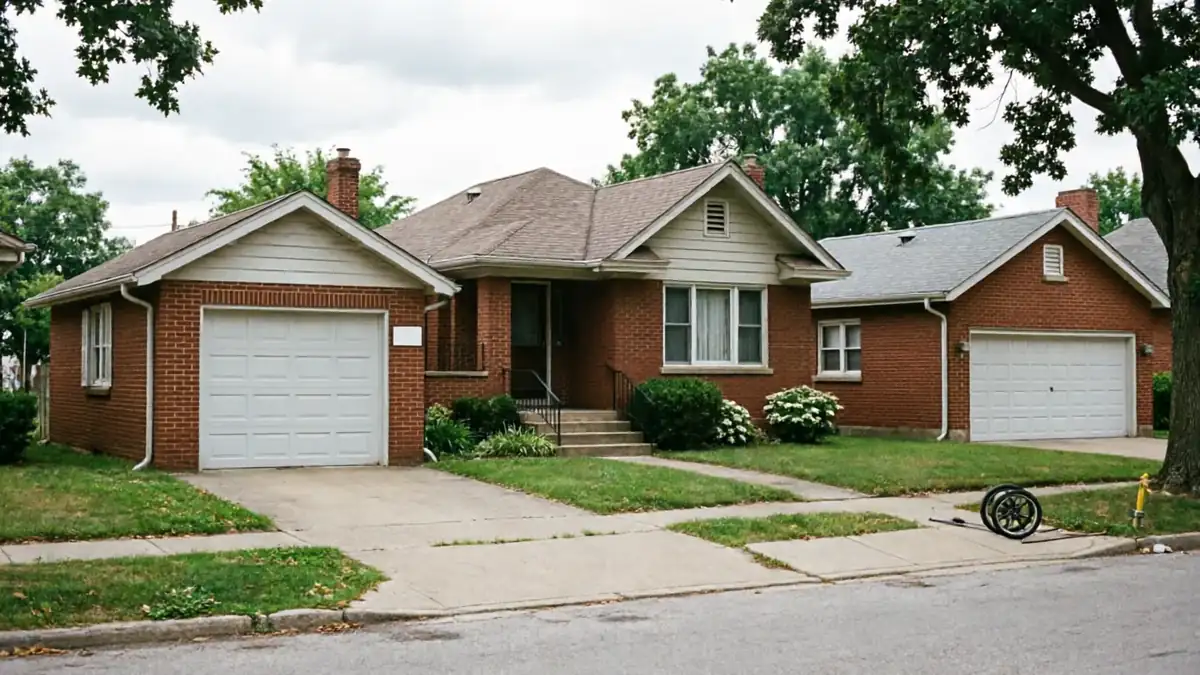
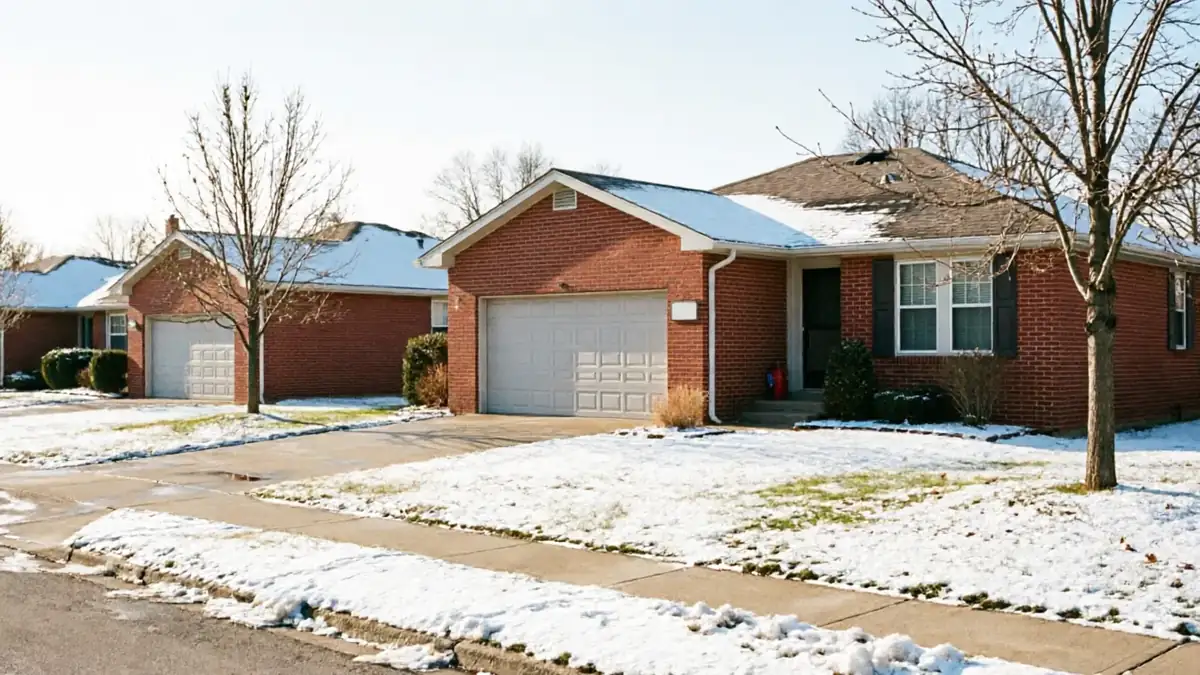
Tolono's median build year sits around 1986, which puts it noticeably newer than a lot of the rest of the service area, where the broader mix runs 1956 to 2000 with a median closer to 1978. That ten-year gap matters more than it sounds like. A house built in the mid-80s almost always came with a factory-installed steel sectional door and a chain-drive opener already wired for a wall switch, not the older one-piece slab doors you still find on the pre-1965 stock elsewhere. With roughly 1,374 households here, you're not dealing with a huge or especially old inventory - you're dealing with a fairly consistent generation of doors that are now entering the age where torsion springs, nylon rollers, and the first-generation opener logic boards start failing together. Median household income here runs about $79,333, in line with the area overall, and most owners we talk to are replacing worn parts on a door that's otherwise sound rather than tearing the whole unit out.
Old Streets and New Ones
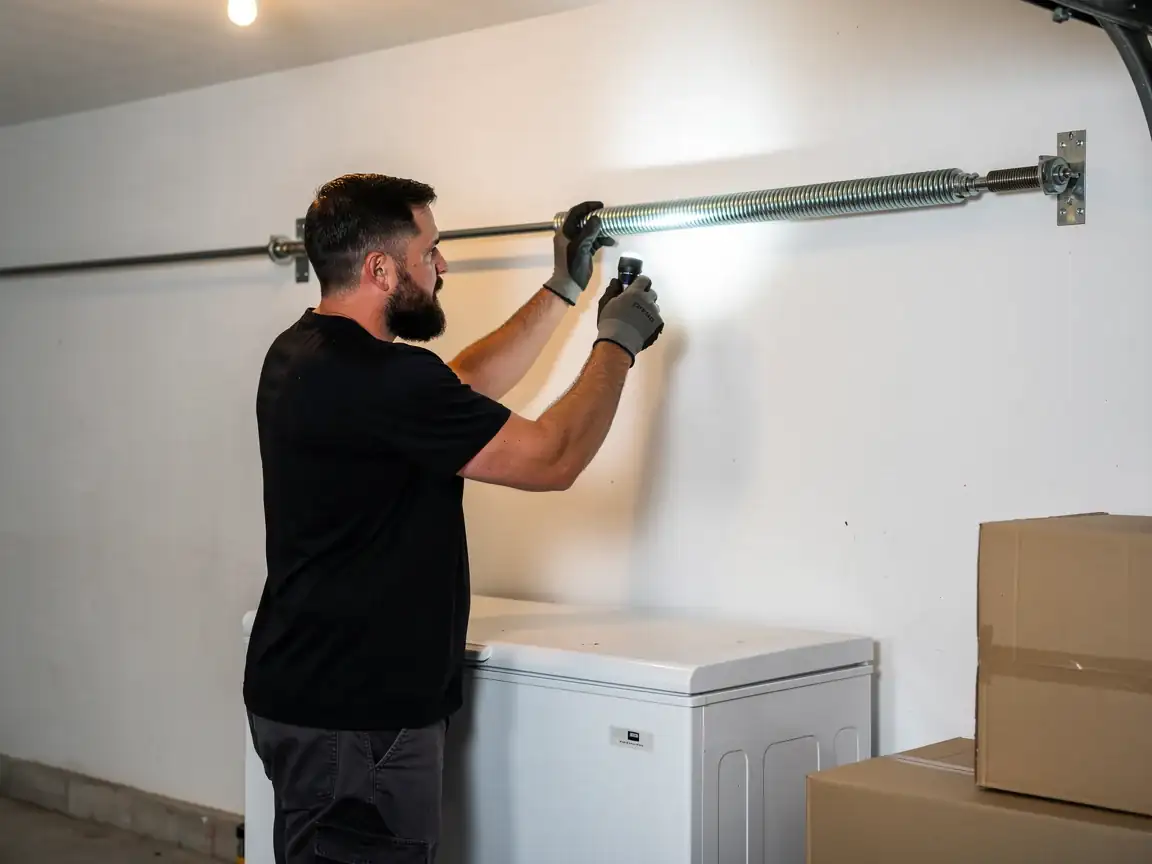
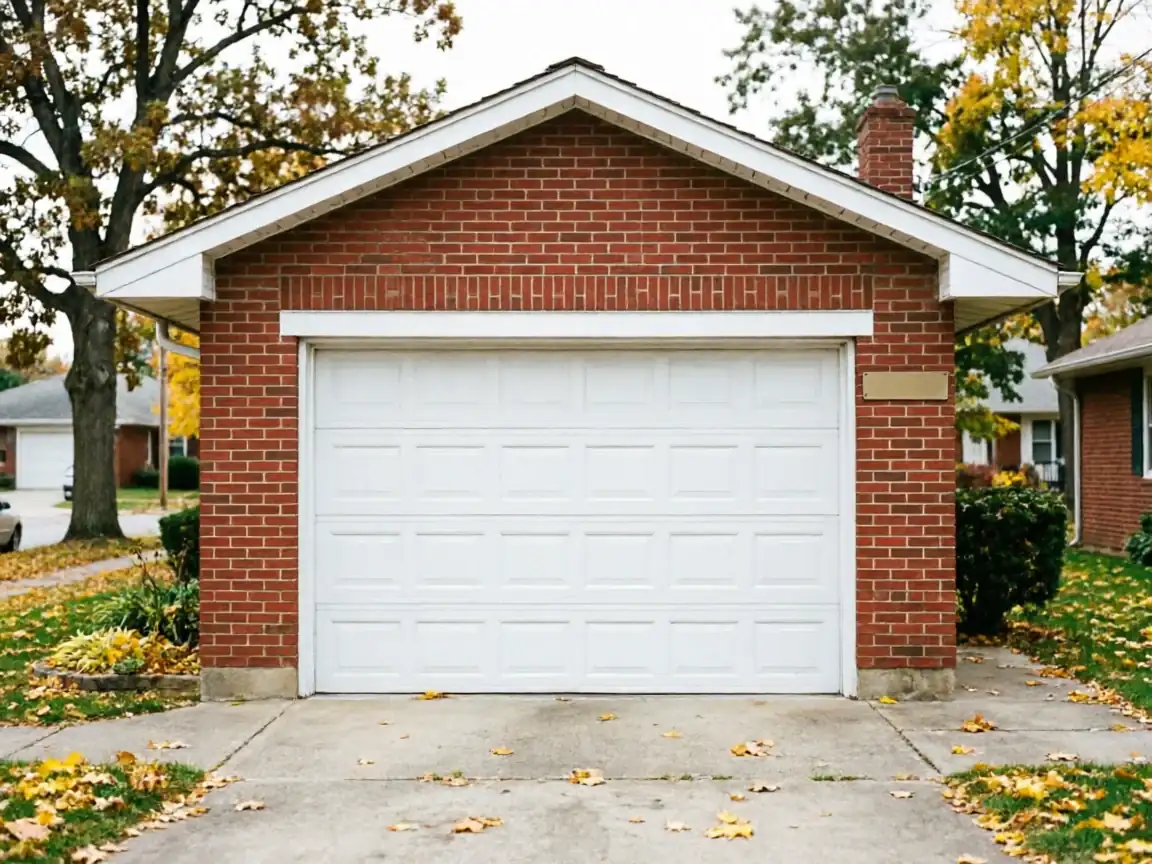
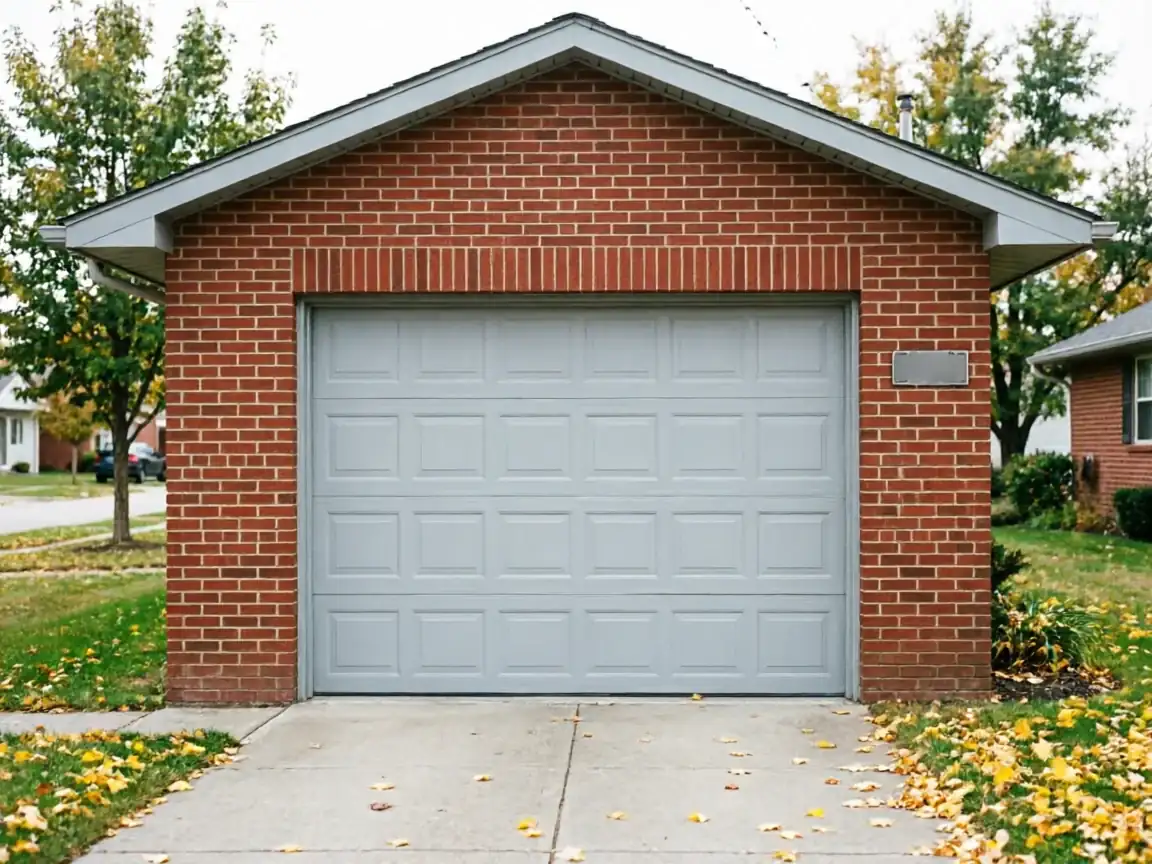
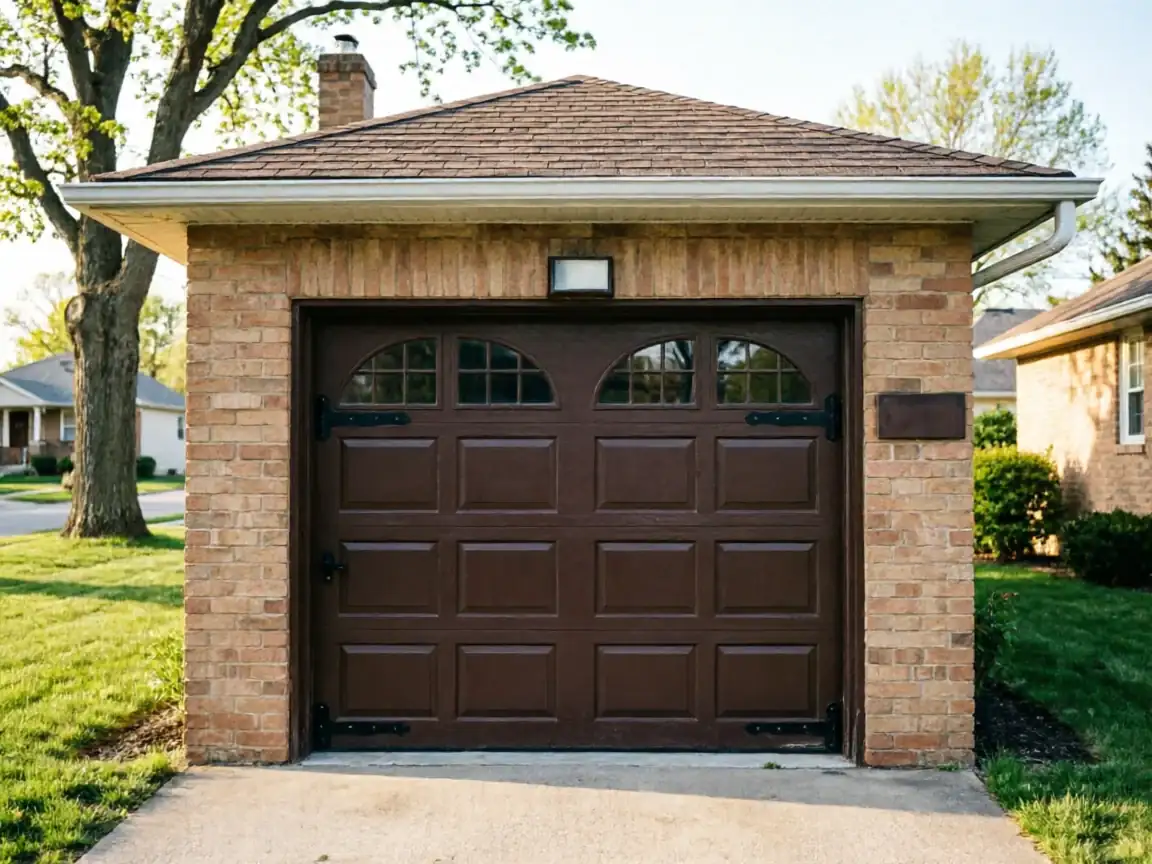
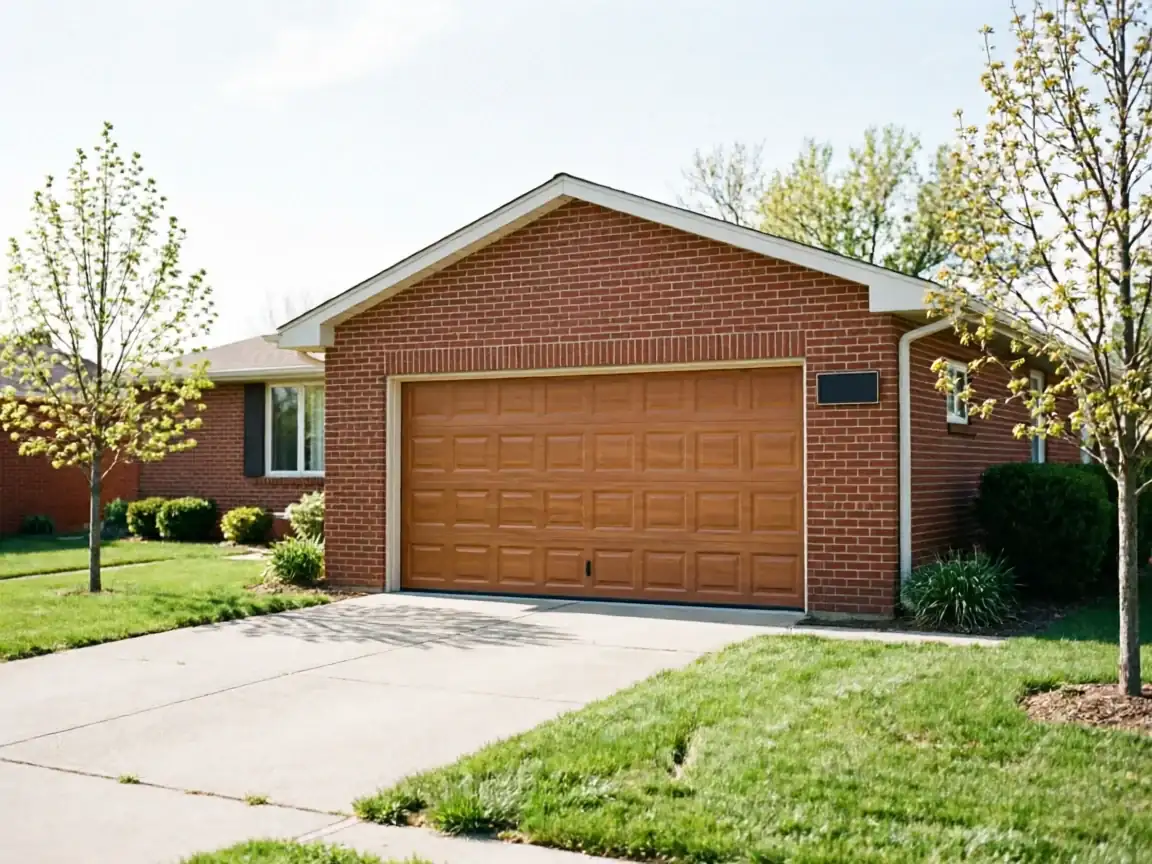
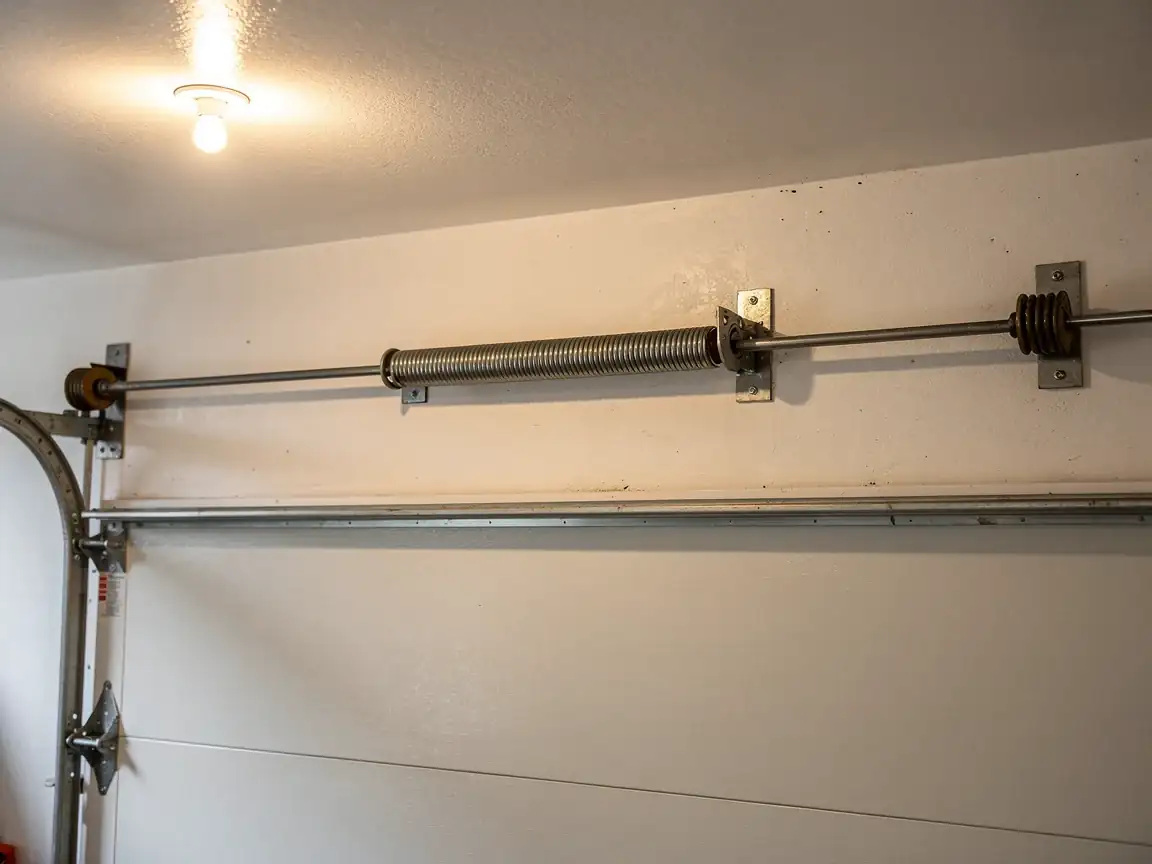
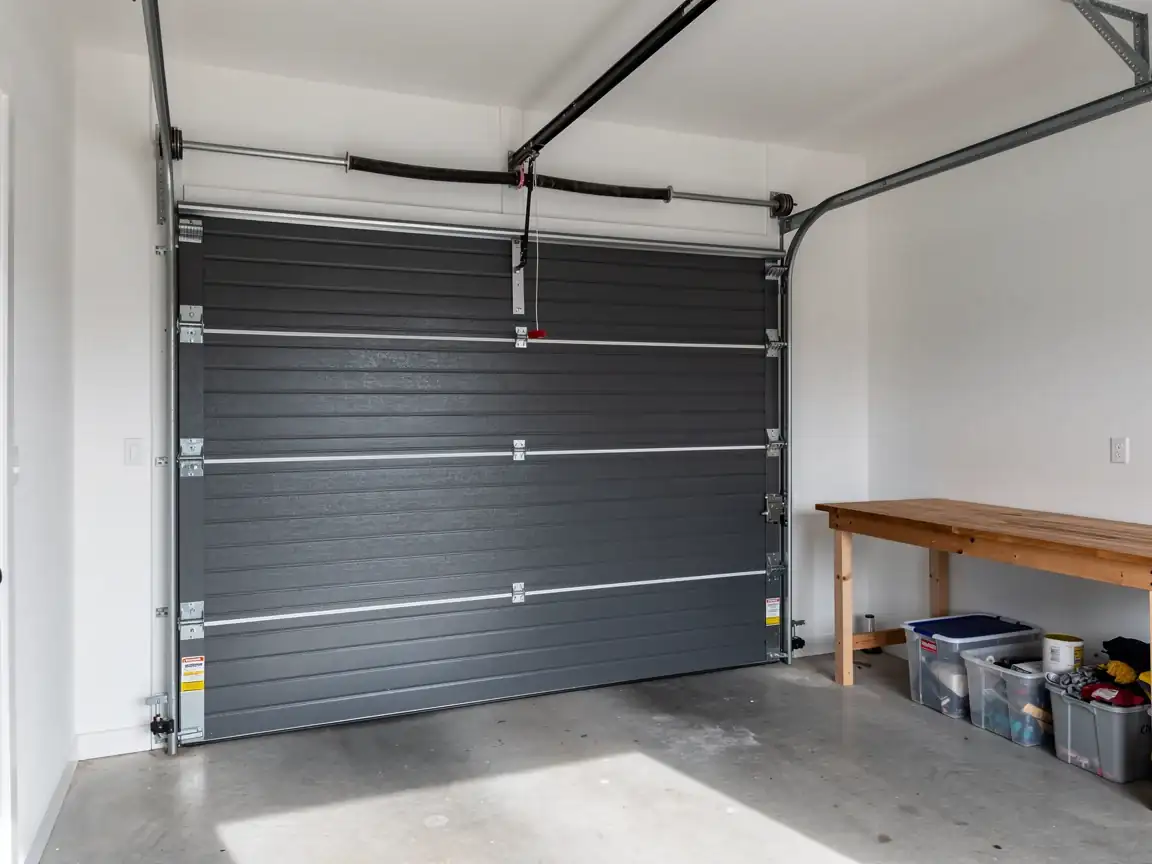
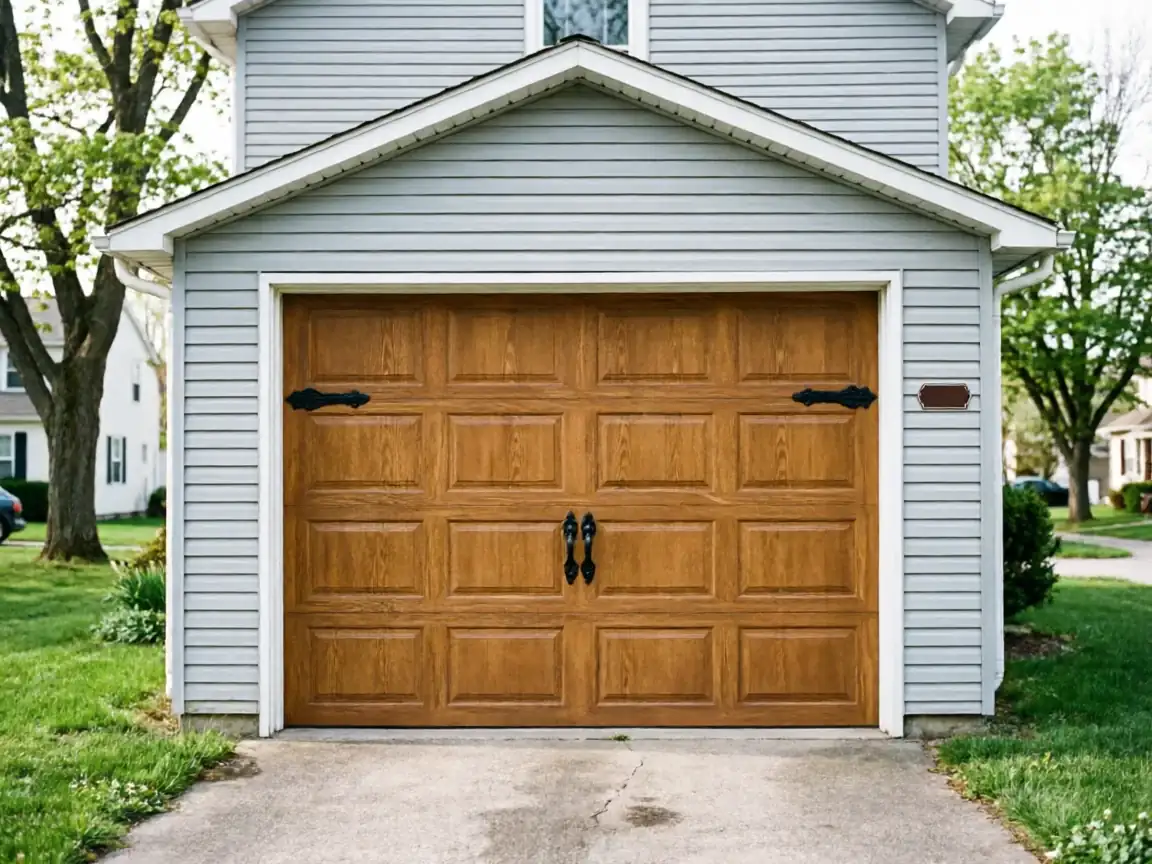
Because Tolono's housing leans mid-80s rather than the older 60s-and-70s stock common elsewhere in the service area, you don't see much of the side-mounted torsion hardware or the odd-width openings that make parts-matching a headache on older blocks. What you do see is more standardized 16x7 double doors and 8x7 singles with extension or torsion springs rated for a door that's now pushing 35-40 years old. The galvanized coating on those original springs is about at the end of its practical life in a lot of these homes, and the openers - often an early chain-drive unit - are old enough that replacement circuit boards can be hard to source. It's not a dramatic difference from the rest of the area, but it's a real one: you're mostly fixing a 1980s door design, not patching a 1960s one.
How That Shows Up in the Door
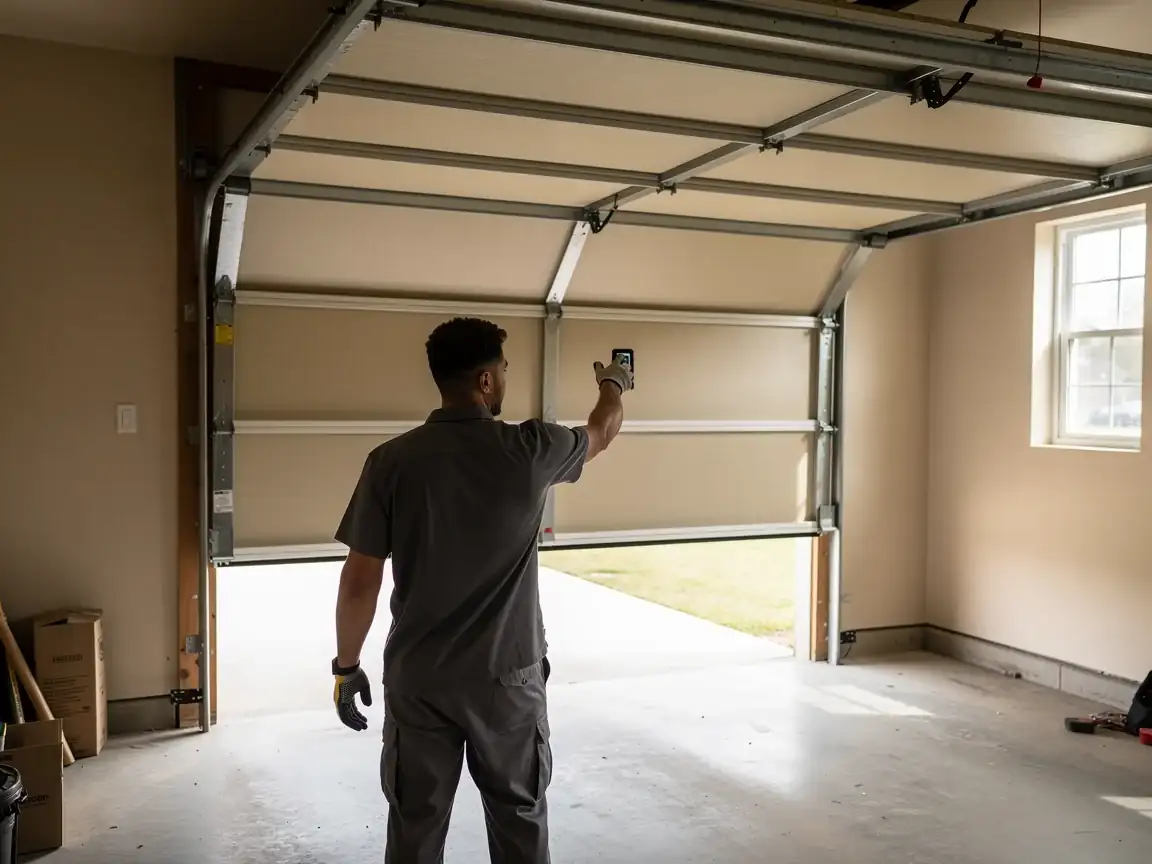
Put the housing age and the climate together and you get a fairly predictable repair pattern in Tolono. The area sits in a cold, moderate climate band, so doors see real temperature swings - summer heat that softens old lubricant and winter cold that makes brittle springs snap rather than stretch. On a mid-80s door, that usually means a torsion spring failing outright rather than slowly sagging, and it often takes the opener's gears with it if nobody caught the warning signs. Weatherstripping on original doors from that era is almost always shot by now, and panel seams that were tight in 1986 have usually loosened enough to let in drafts. One thing worth saying straight: if a door from this era has a cracked panel on top of a dead spring and a failing opener, replacement is often the better call than stacking repairs - we'll tell you when that's the case instead of running up a repair bill on a door that's done.