Time on the Job
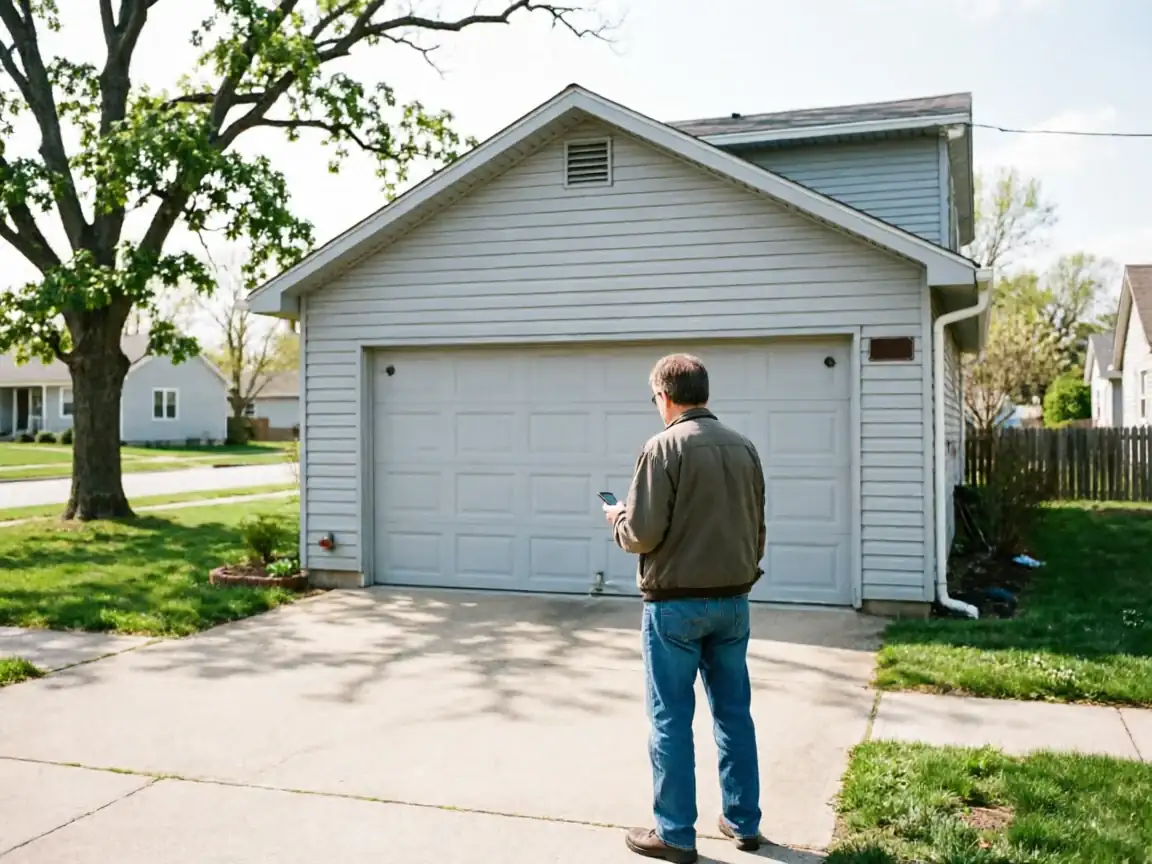
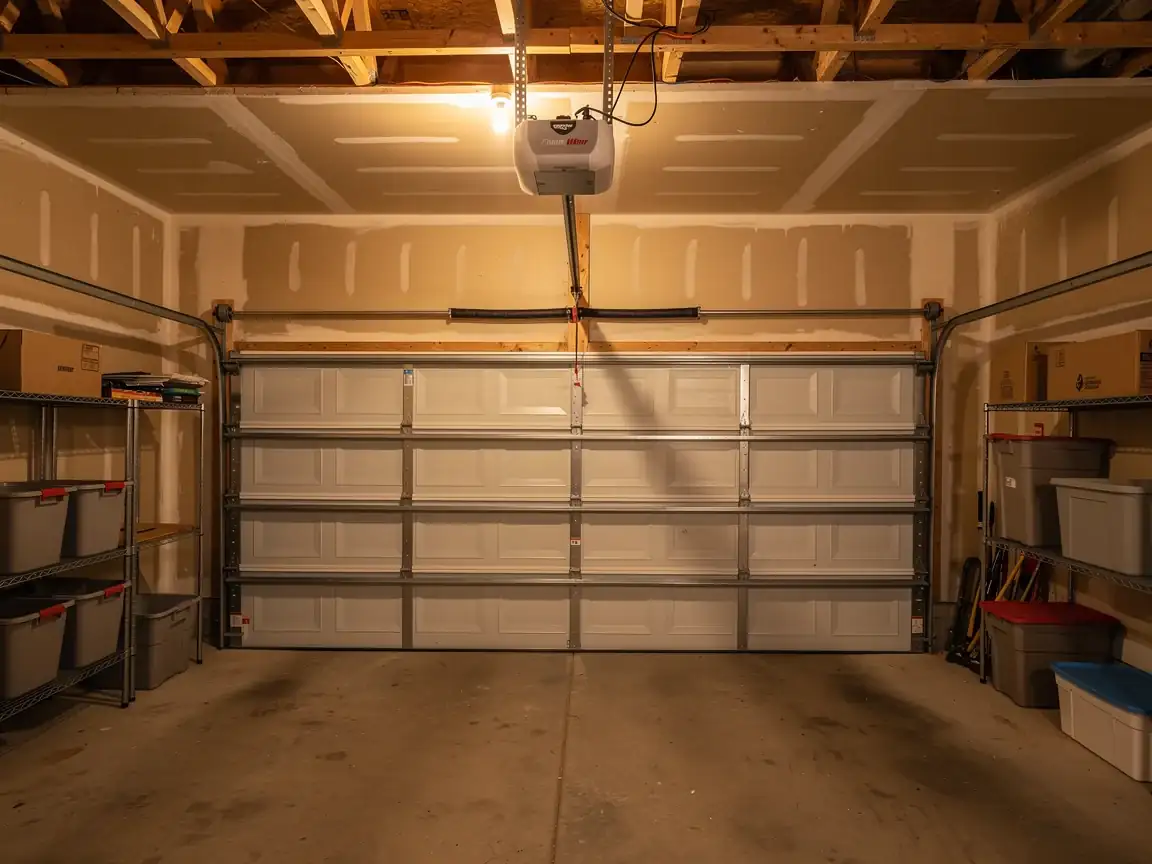
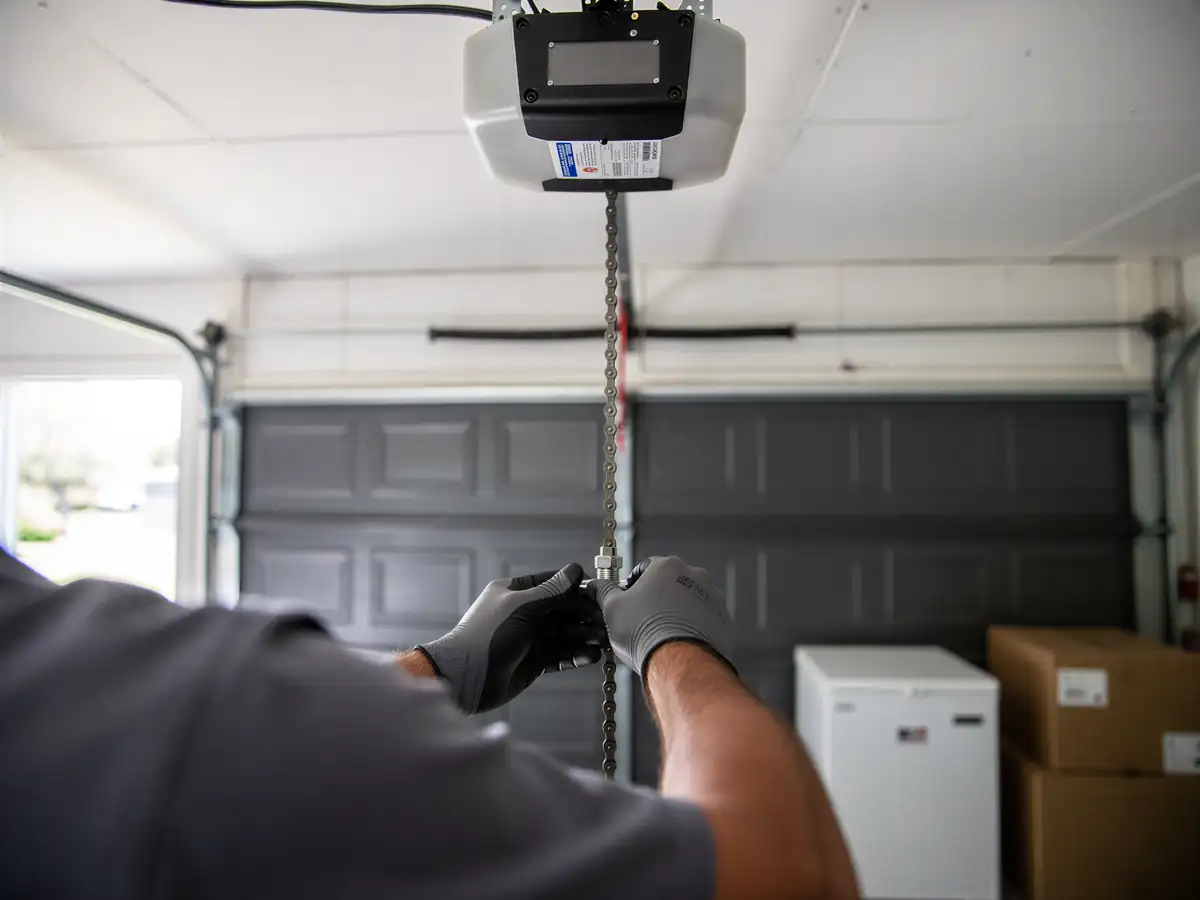
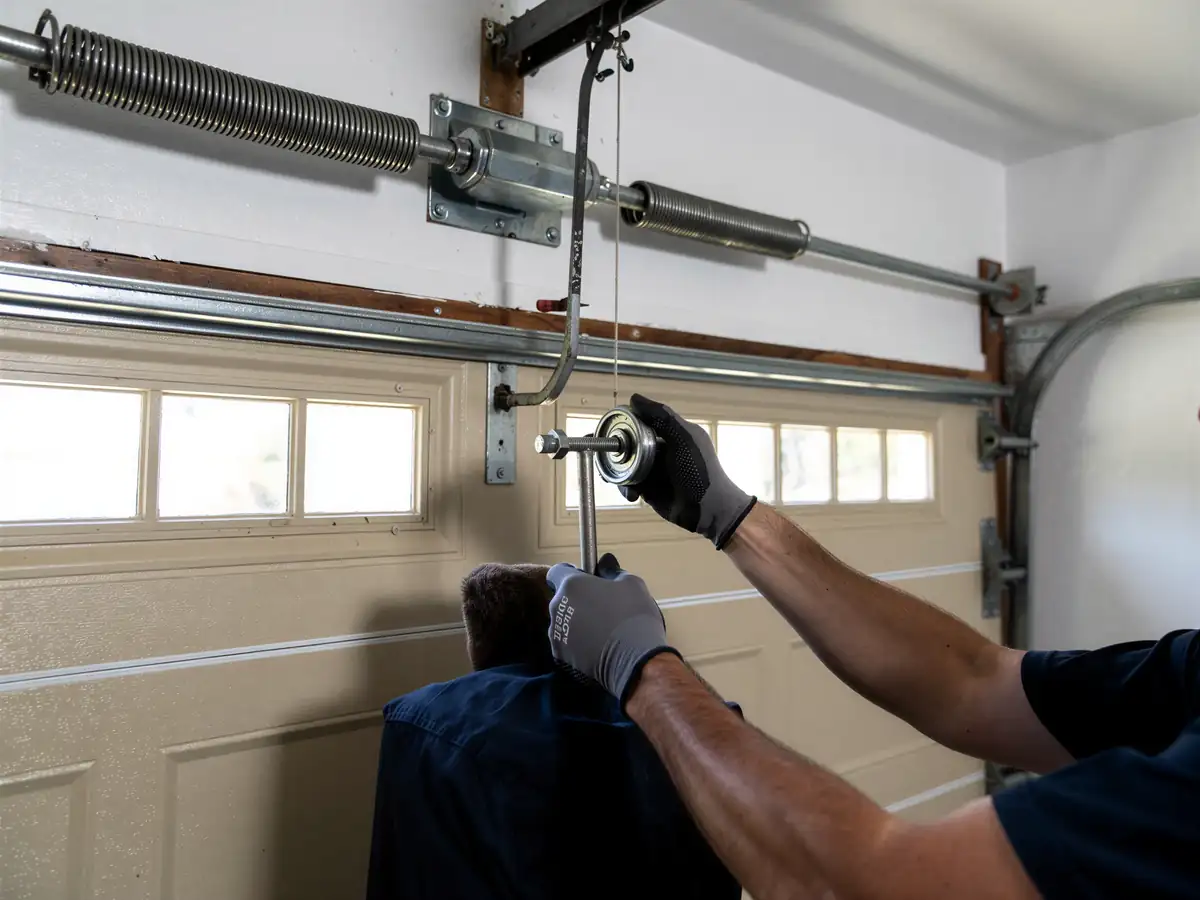
Tolono's median home was built around 1986, which puts most garages here about a decade past what you'd see in parts of Champaign proper. That decade matters. By the mid-80s, builders had mostly moved off the old extension-spring doors with the exposed stretched coils along the horizontal track, and into torsion spring setups mounted on a shaft above the opening. Steel raised-panel doors were standard, often with a single torsion spring sized for a lighter door than today's insulated models. The openers from that era were usually chain-drive, quarter-horsepower units without the modern circuit boards. None of that is rare or exotic, but it's a specific combination of age and parts, and it's the one we expect to find when a call comes in from this side of the service area. We travel out from Champaign for these calls, about 8 miles each way, and we bring stock sized for this generation of hardware, not just newer doors.
How to Book
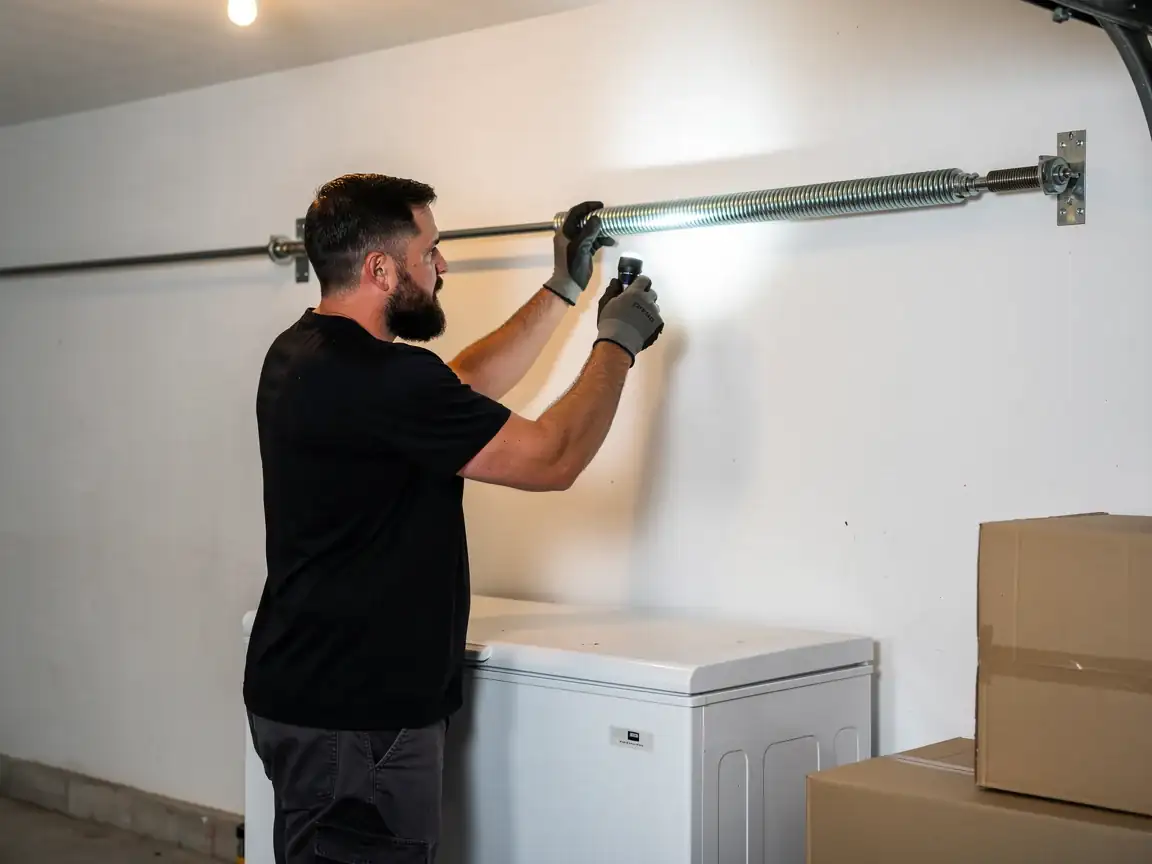
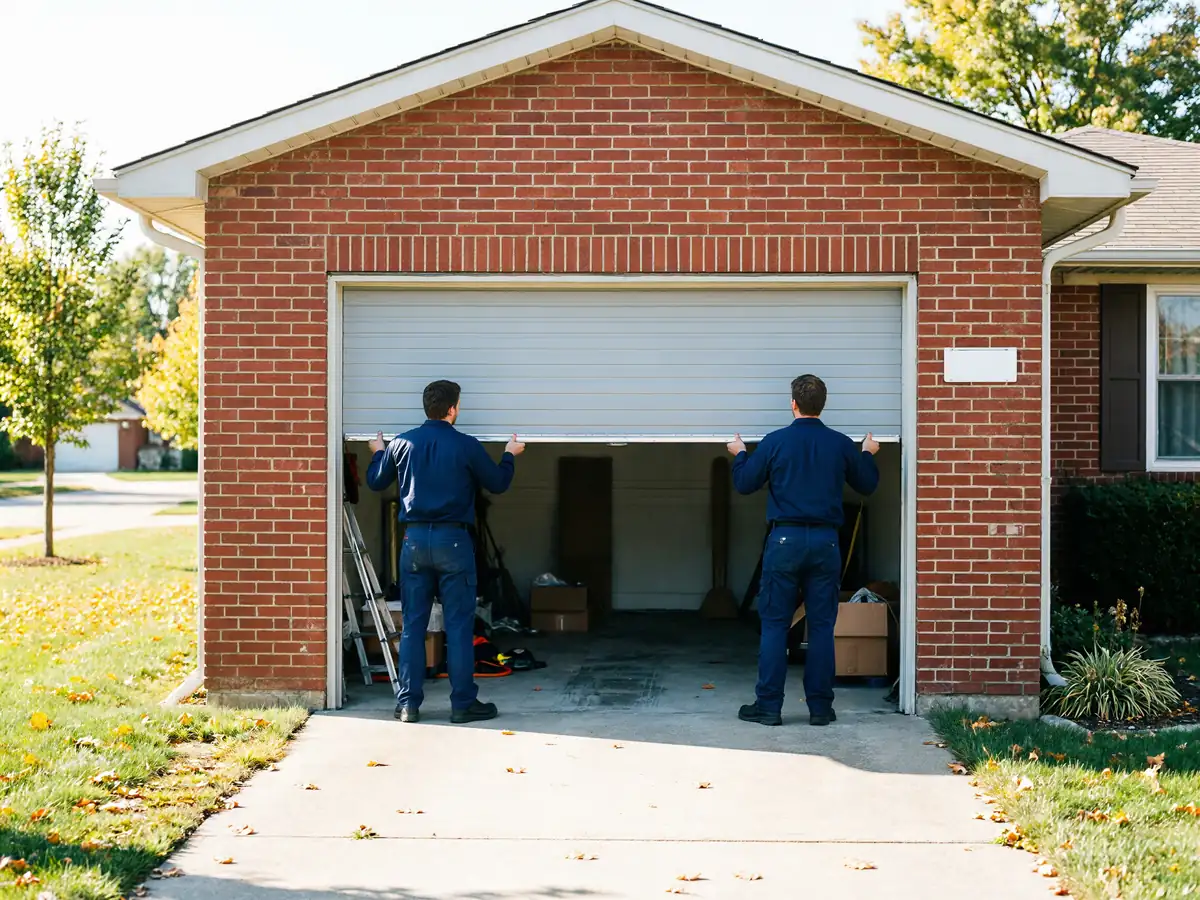
Call and tell us it's Tolono and roughly how old the house is - that's enough for us to guess at spring size and opener type before we load the truck. We don't run a branch out here; every job is dispatched from Champaign, so having the make of the opener (if you can read it off the housing) or a photo of the spring setup saves a second trip. If the door won't open at all, don't force it by hand repeatedly - a seized torsion spring or a snapped cable under load is a different fix than a dead opener, and forcing it can turn a $200 repair into a full door replacement.
The Symptom
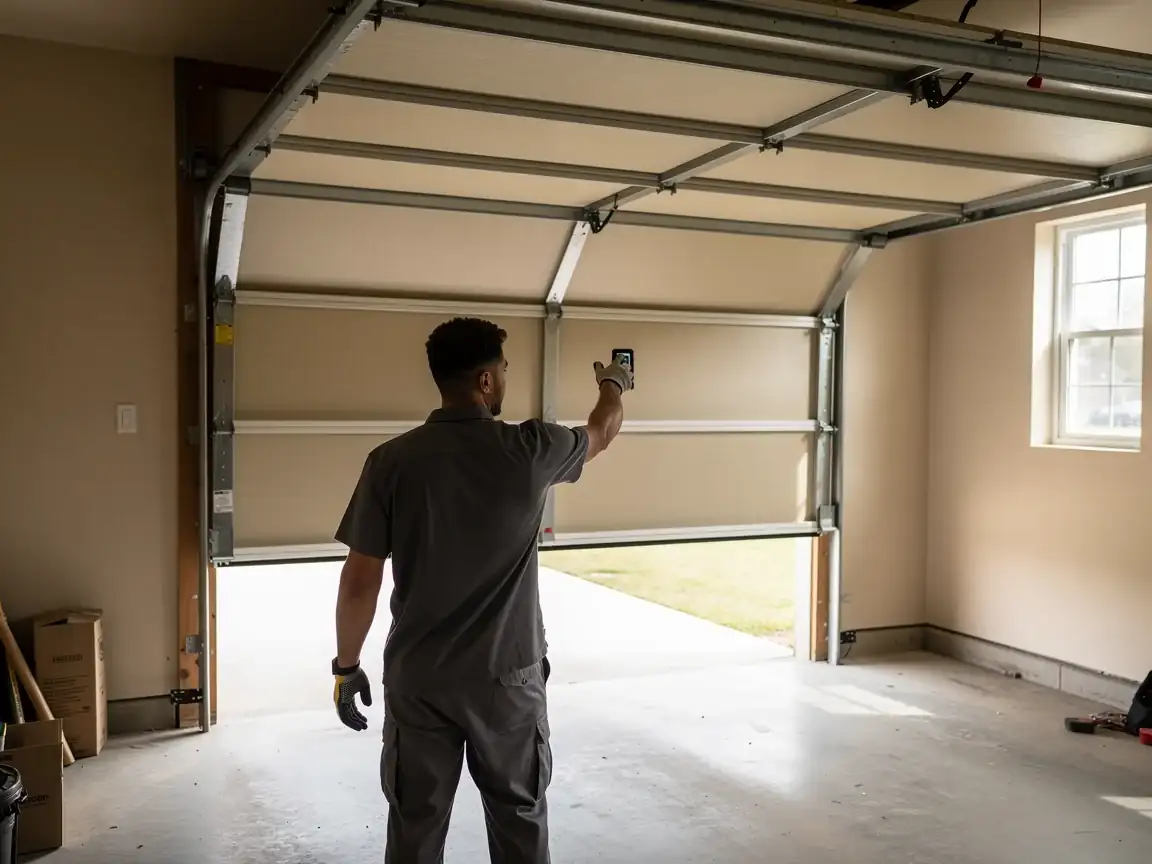
The door that used to open in one smooth motion now jerks, hesitates, or reverses partway up. On a torsion system this old, that's often a spring that's lost tension unevenly, or a roller that's worn enough to bind in a track that's seen four decades of seasonal temperature swings. Some owners report the opener running but the door barely moving - that's usually the spring doing none of the lifting anymore, leaving the motor to carry the full weight, which it wasn't built to do for long. A door that drops suddenly the last foot or two is a cable or drum issue, not an opener problem, no matter what the remote seems to suggest.
What Can Go Wrong
On original hardware this age, the spring is the most likely failure point, but it's rarely alone. A worn spring puts more strain on the cables and drums next to it, and a cable that frays on a 1980s drum can slip its groove and let one side of the door drop unevenly. Rollers from this era are usually plain steel, not sealed, so after years of cold-weather use they can seize in the track rather than roll. We'll tell you straight if a repair makes sense or if the door's reached the point where patching one part just shifts the strain somewhere else - replacement is sometimes the honest answer, especially on a door that's been running mismatched hardware for years. What we won't do is sell a full door replacement when a spring and a cable set will get another decade out of it.