Time on the Job
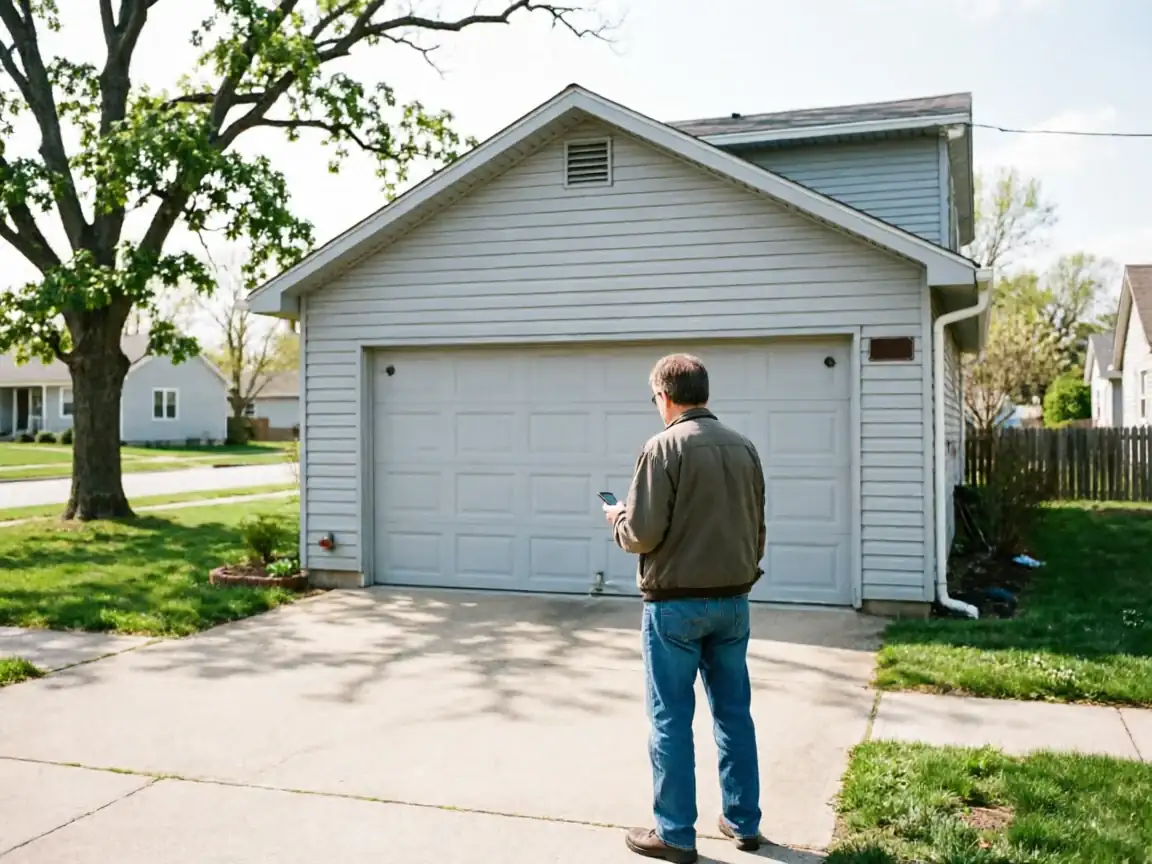
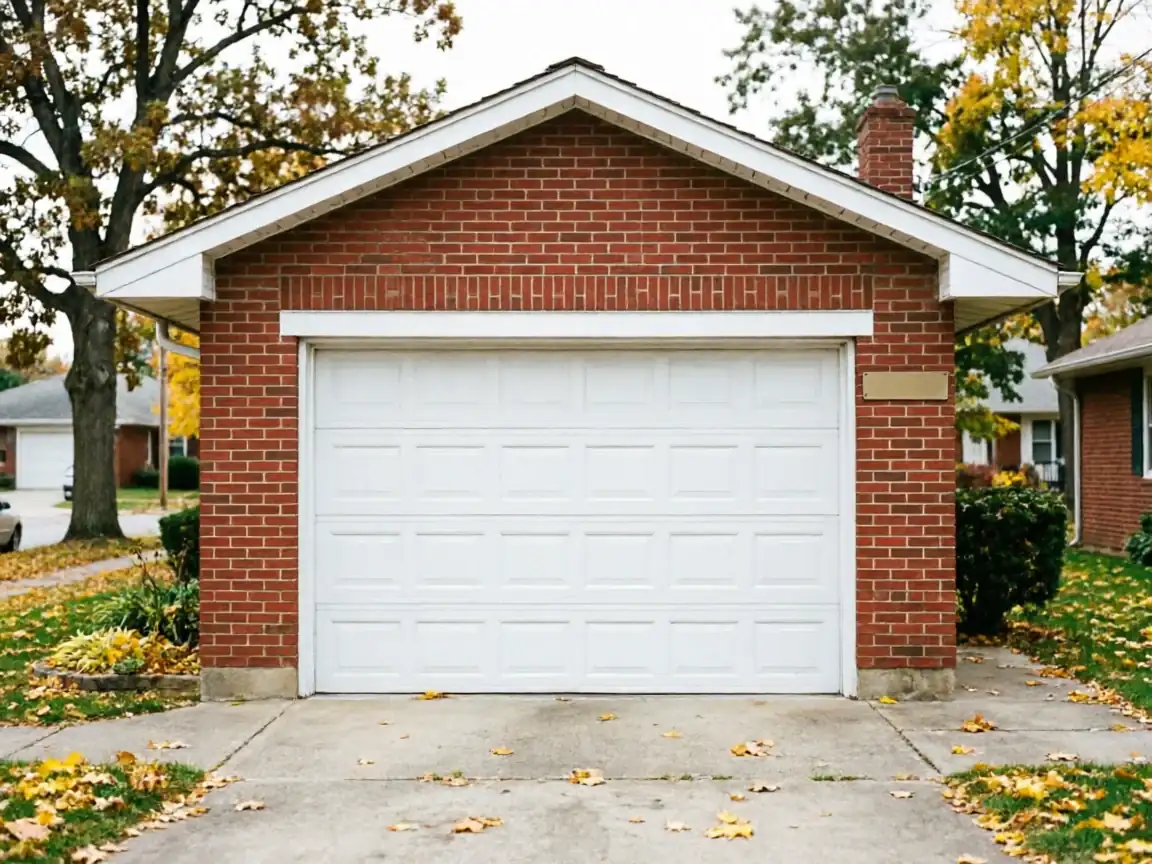
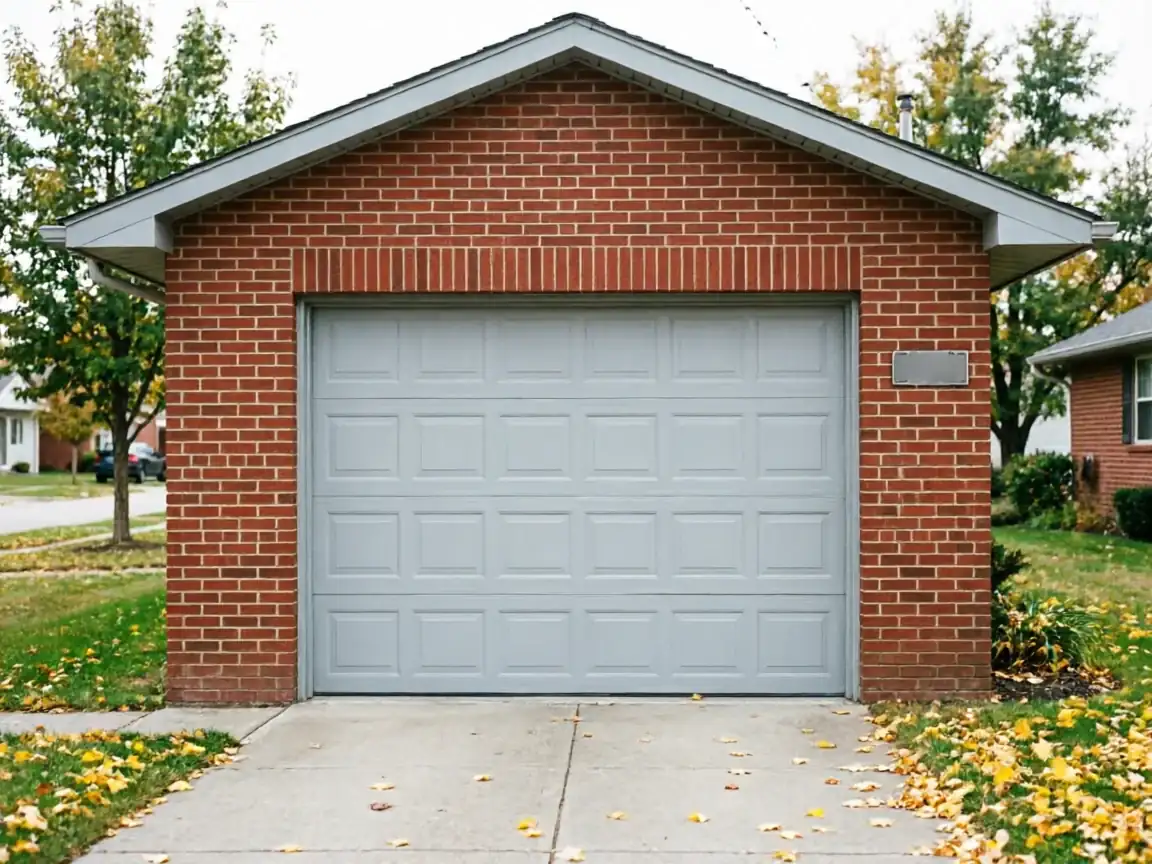
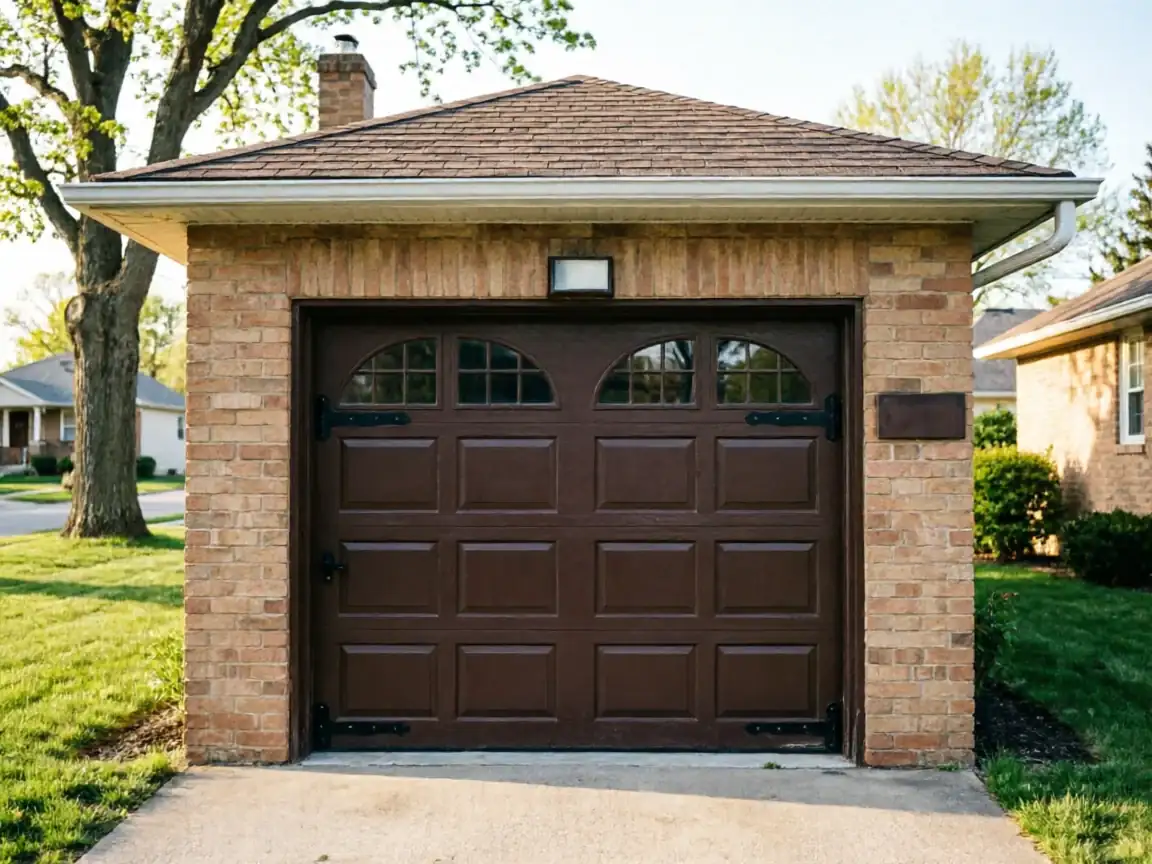
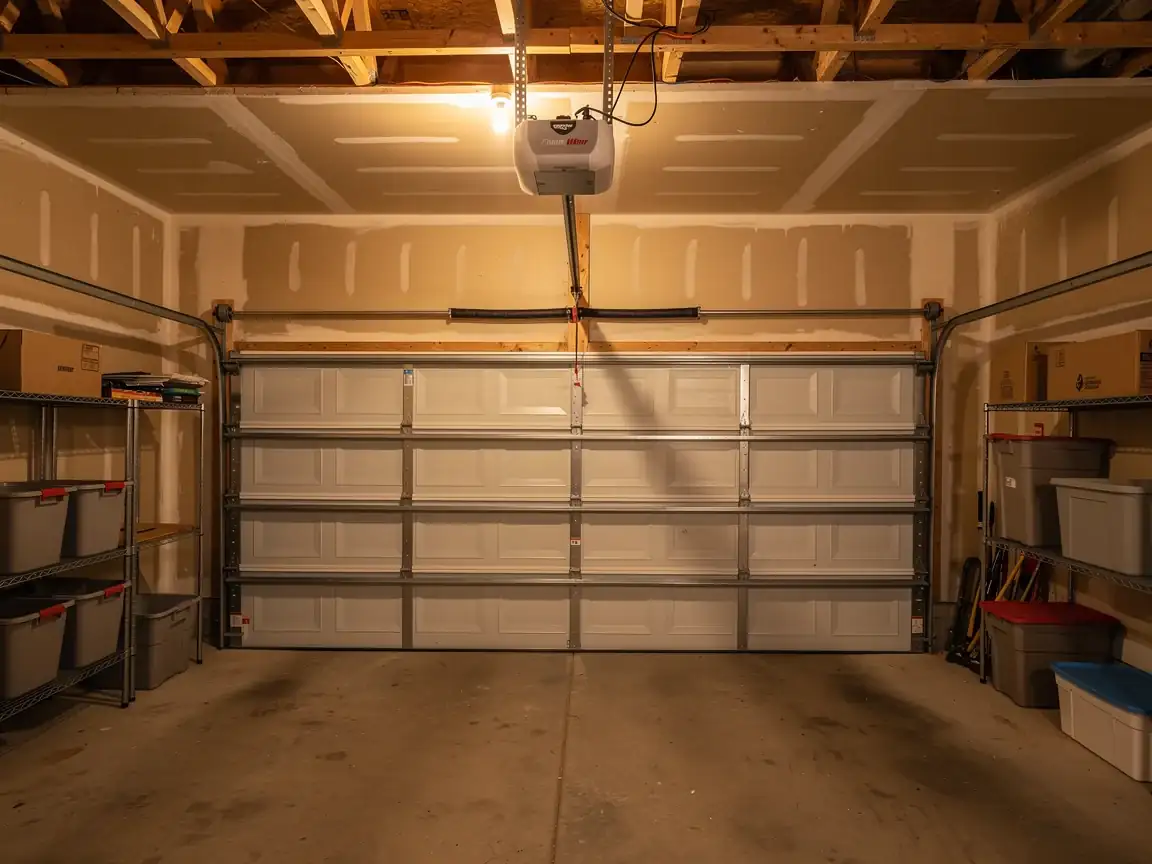
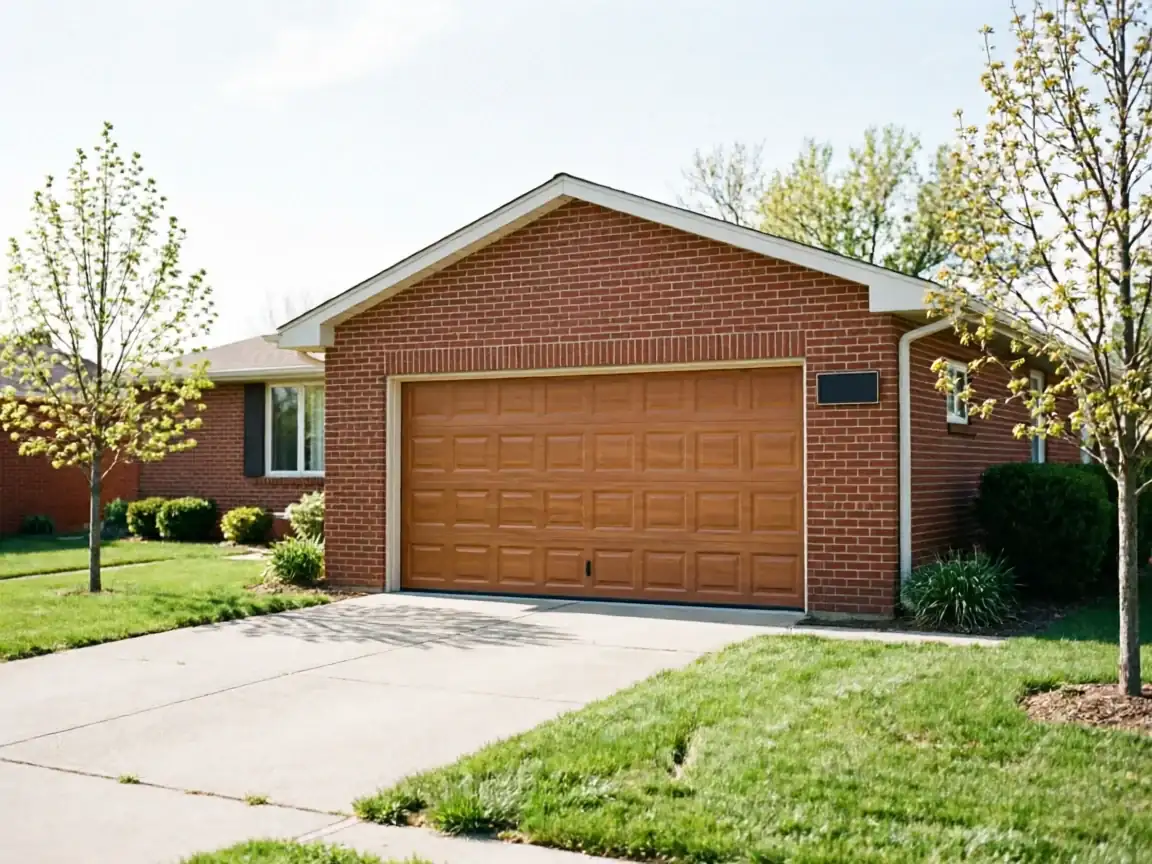
The median house in Tolono went up around 1986, which puts a lot of garage doors here at close to 40 years on the same hardware. That's not a guess about one street - it's the midpoint for the whole town, which means a big share of doors never had the rollers touched since the builder hung them. Steel rollers from that era were cheap to begin with, and nobody budgets for roller replacement the way they budget for a new opener. So the door keeps running on the same ten or twelve rollers, the same end bearings, until something finally seizes or cracks. We get called out from Champaign, 8 miles up the road, and what we usually find matches the build date almost exactly: original steel rollers, worn track grooves to match, and a door that's been complaining for longer than the owner realized. If your house falls in that same build window, the rollers are probably original too - they just haven't failed loud enough yet to get noticed.
How to Book
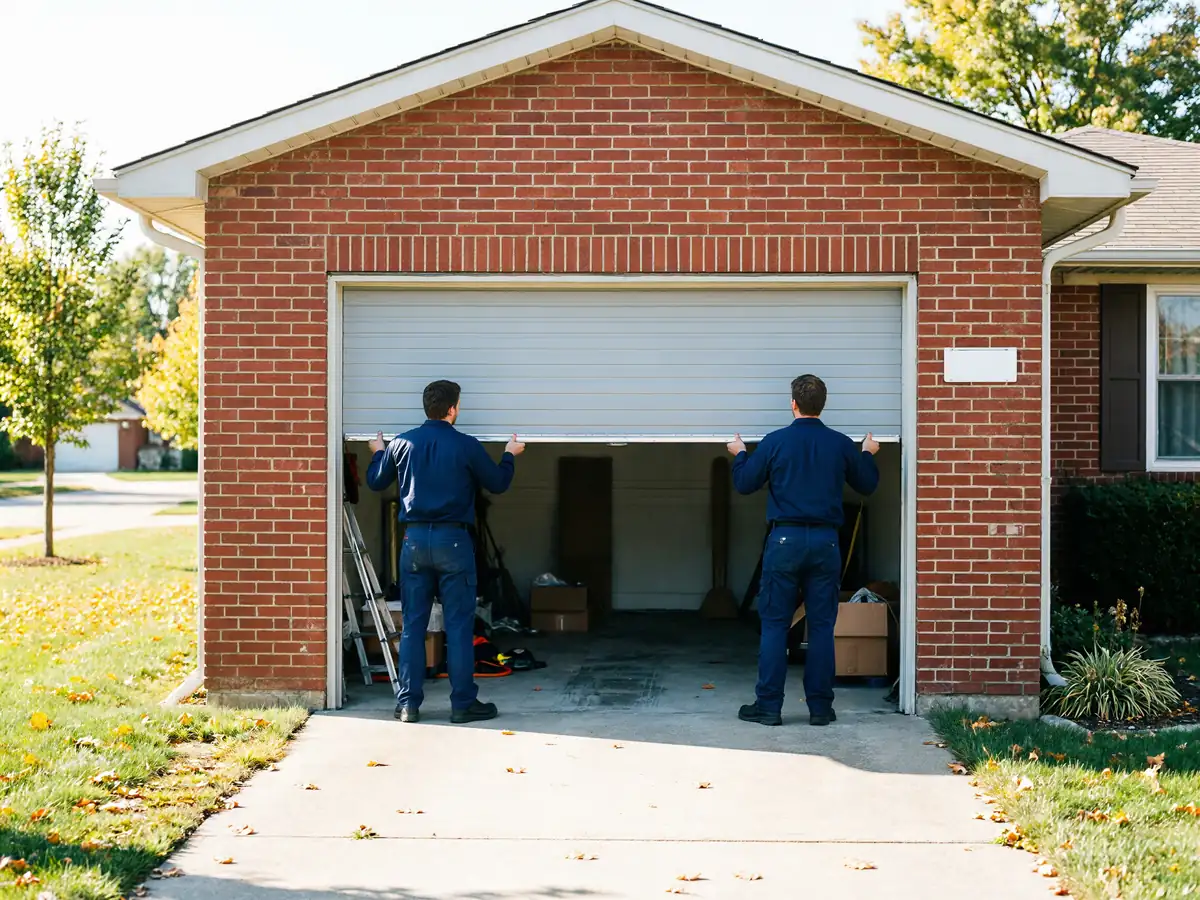
We cover Tolono out of Champaign, about 8 miles away, so there's no local branch to call - just the one number that routes the Champaign truck out to you. Tell us the door's age or the year the house was built if you know it; for Tolono that's often close to 1986, and that alone tells us a lot about what rollers and track we'll be working with before we arrive. We'll ask what the door sounds like when it moves and whether it's sticking at the same spot each time, which helps us bring the right roller stock the first trip instead of a second visit. See the Tolono service page for what else we cover in town, or the Champaign roller replacement page for the broader rundown on the job itself.
The Symptom
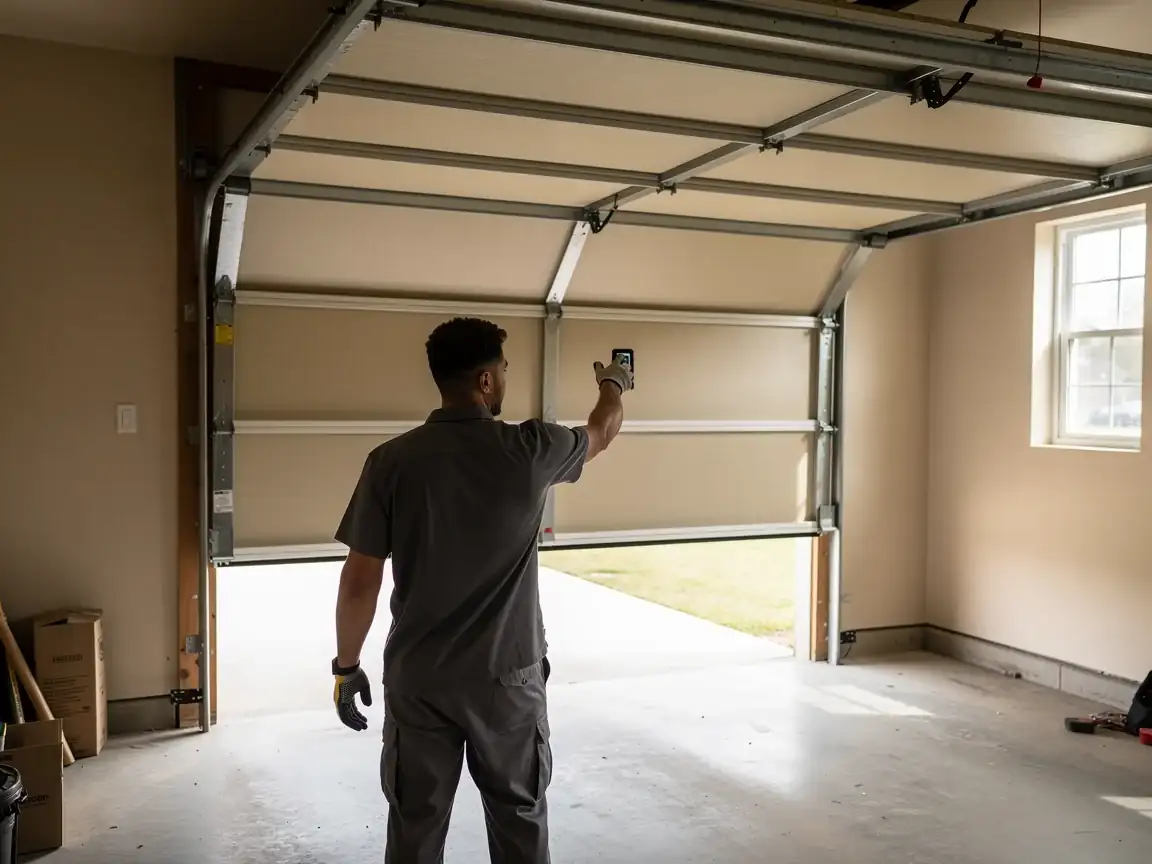
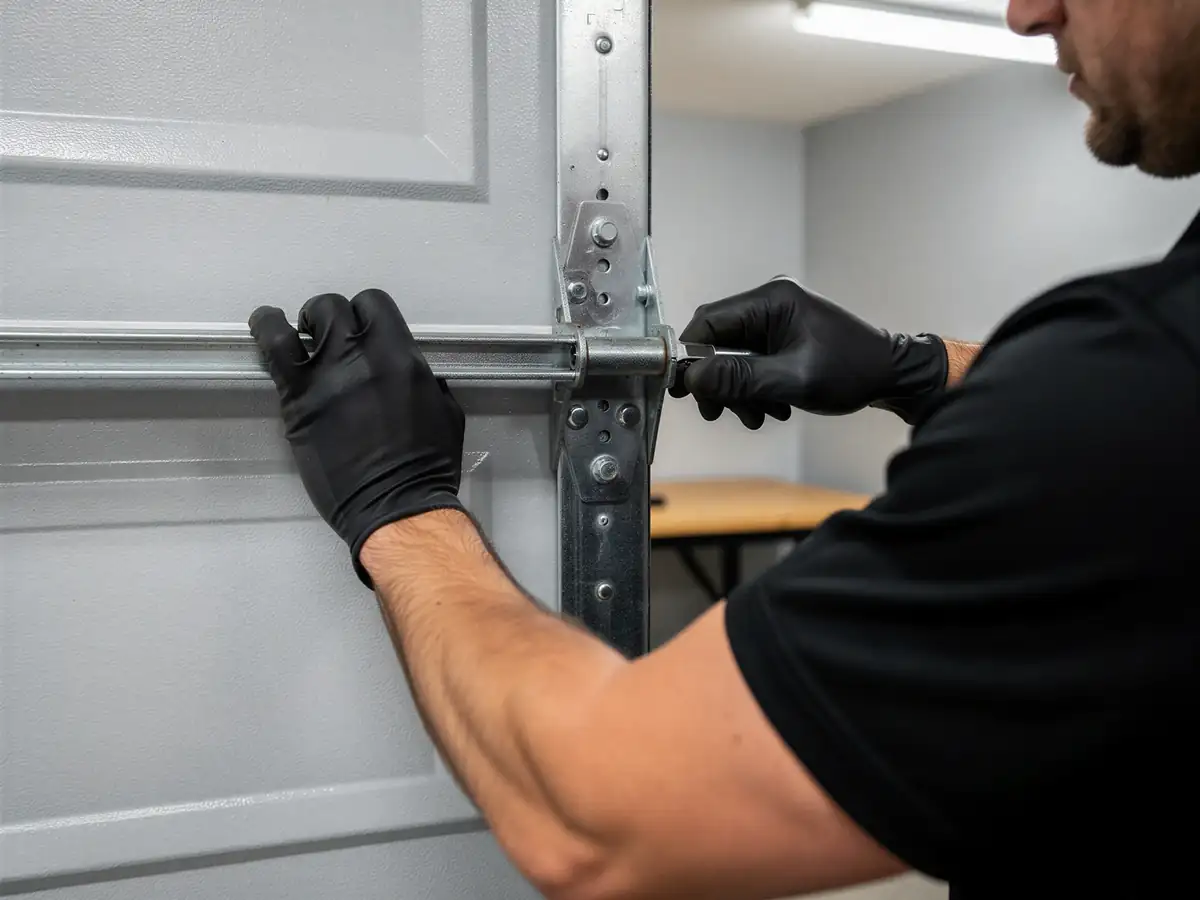
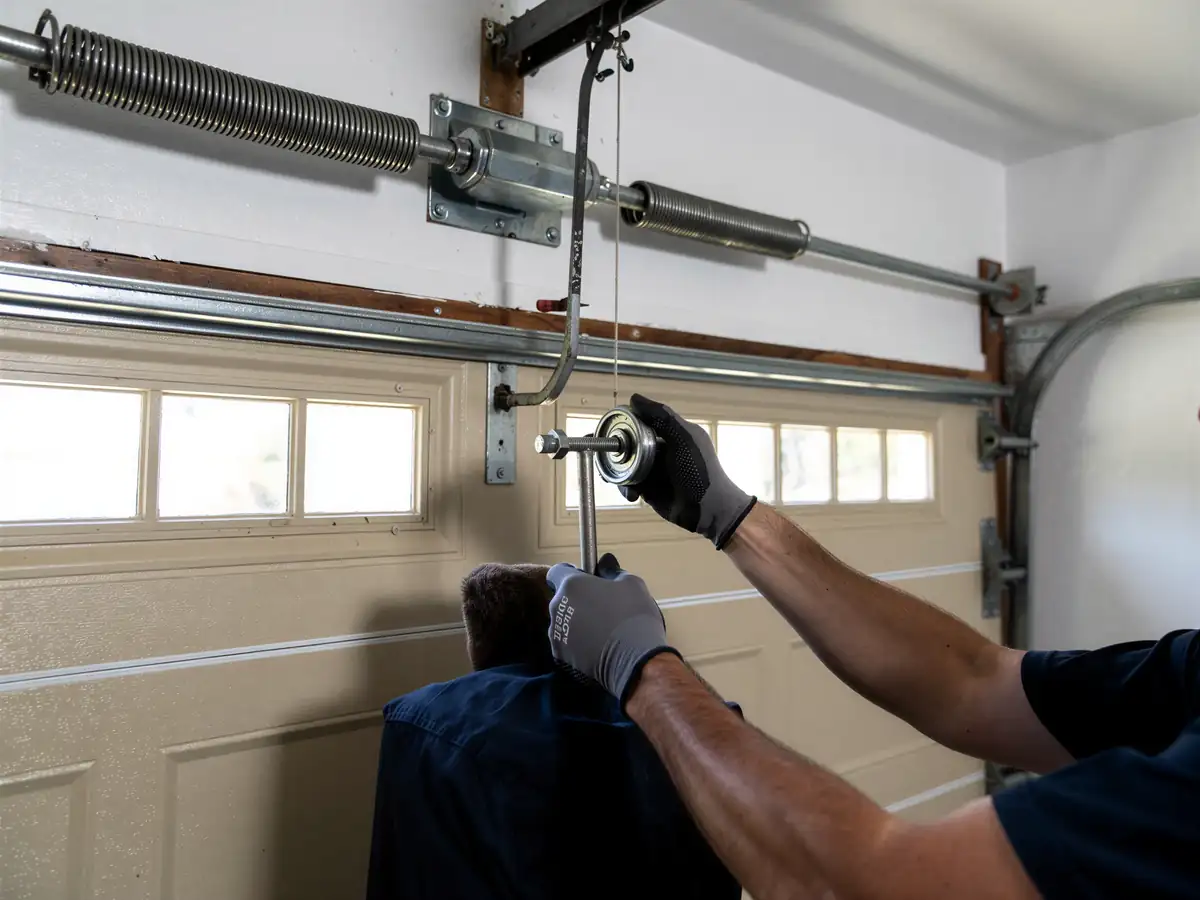
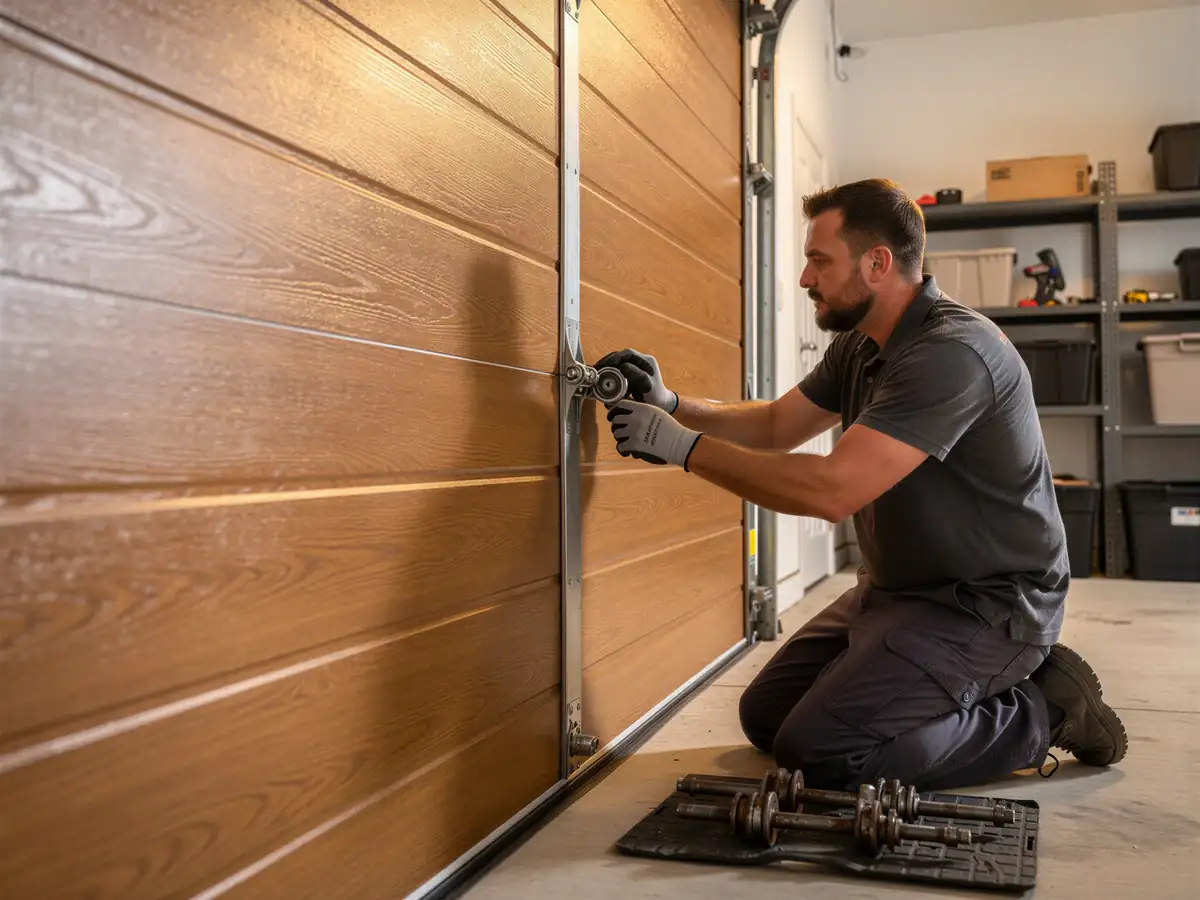
The giveaway on a door this age is a rhythmic grind or clunk that happens at the same point in the door's travel, every time - that's a flat spot on a worn roller hitting the track, not a random rattle. Steel rollers from the 1980s don't have the nylon wheel or sealed bearing that newer rollers use, so the wear shows up as noise well before it shows up as a jam. Some owners describe it as the door 'catching' partway up. It's not the opener struggling - it's the roller skipping instead of rolling smoothly through the track. Left alone, that flat spot deepens and starts chewing the track itself, which turns a roller job into a track job.
What Can Go Wrong
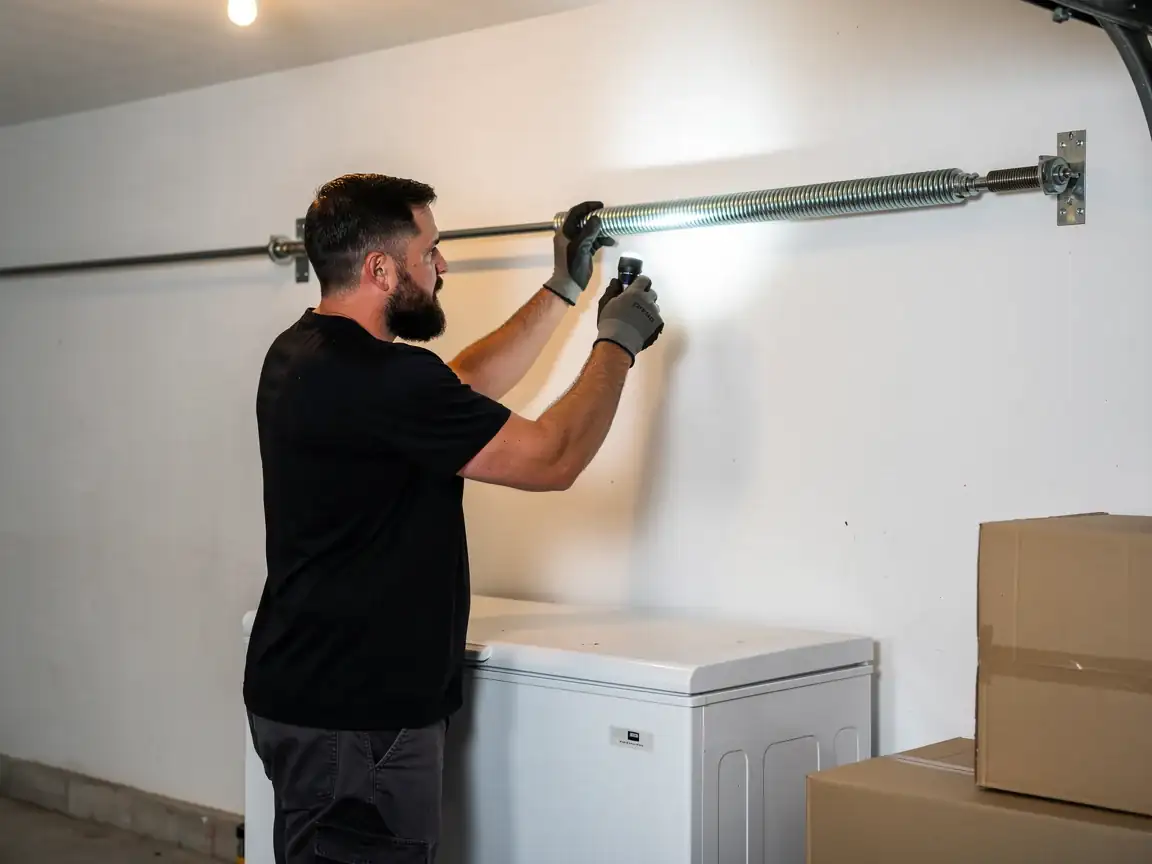
Worn rollers on an original track don't fail in isolation - a bent roller stem or a track that's picked up a groove from decades of the same wear pattern can crack a new roller faster than it should, which is the one honest limitation here: we won't sell you a roller set on a track that's already gouged without saying so first. Swapping rollers on a track that needs straightening or replacing is a short-term fix at best. On a 1986-era door we also check the end bearing plates, since steel rollers that age tend to take the bearing with them when they finally go. None of this requires replacing the whole door - most of Tolono's stock is still sound enough that roller and track work solves it - but it does mean the job sometimes grows past what the first phone call described.