Time on the Job
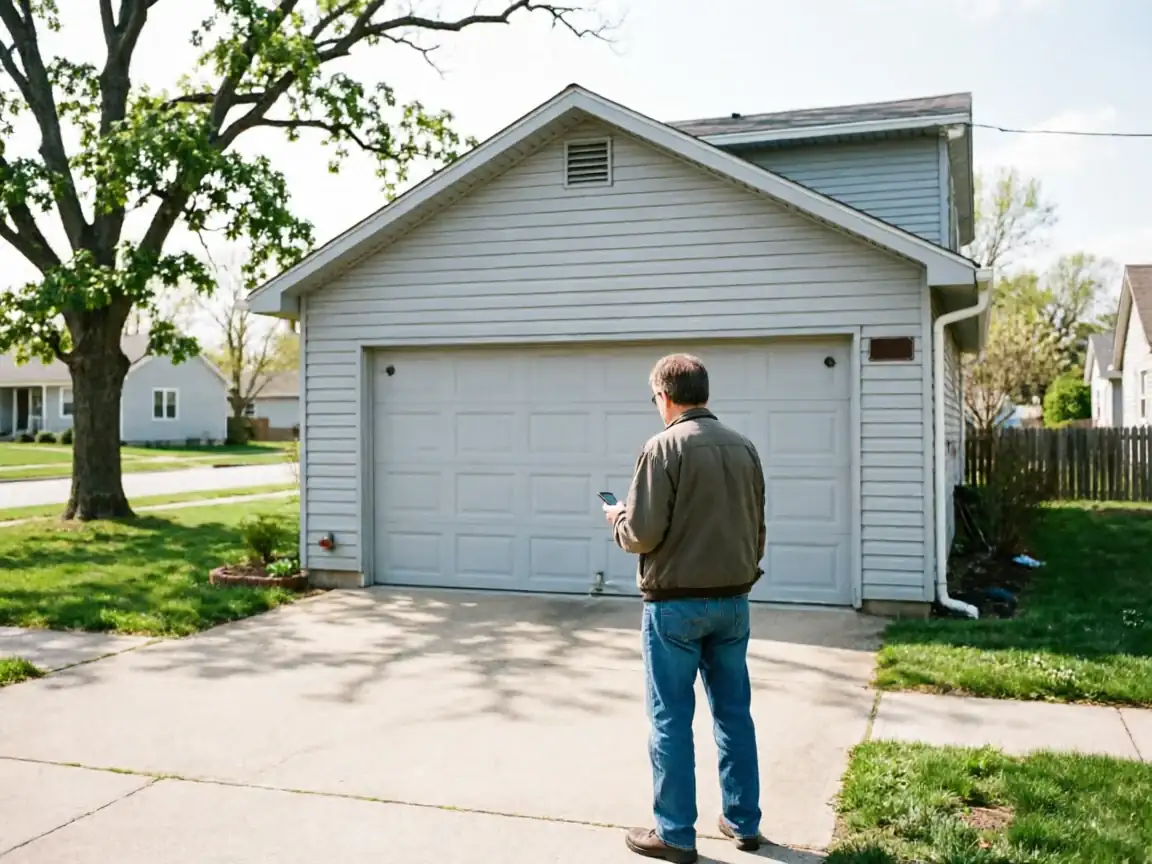
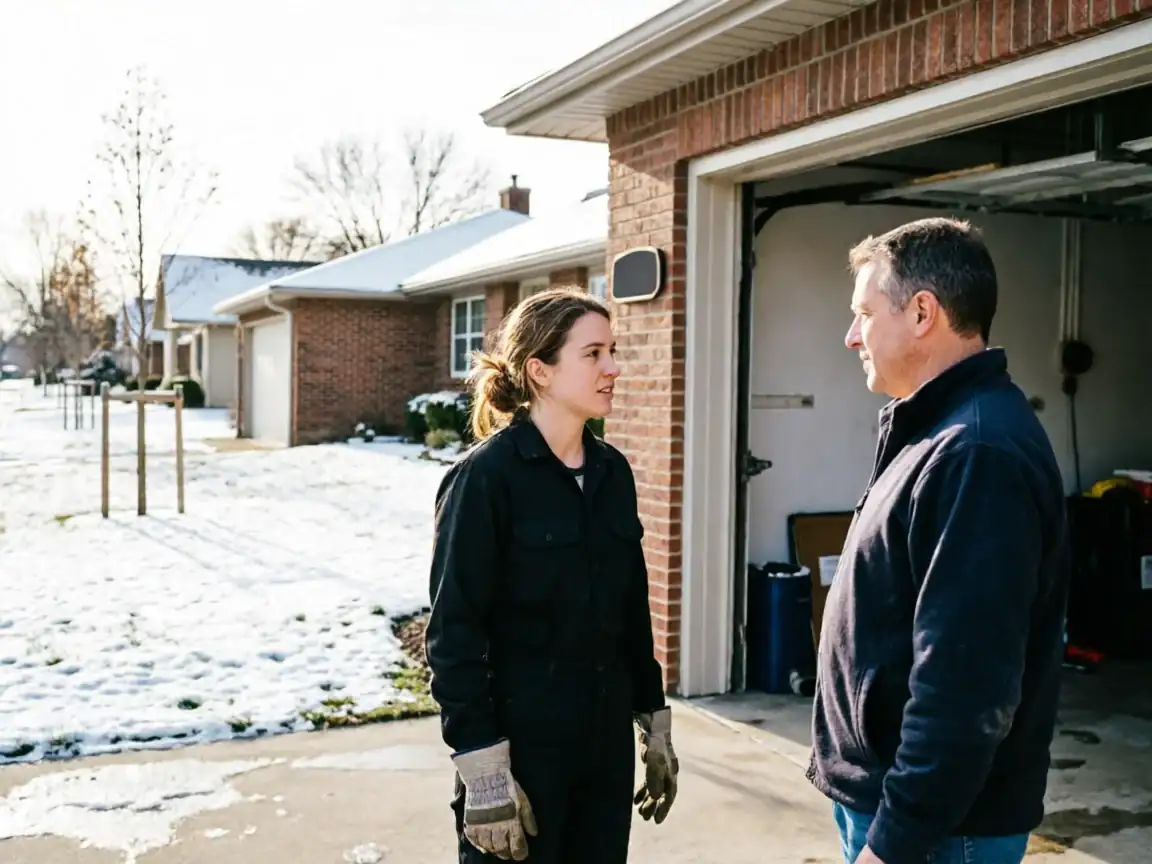
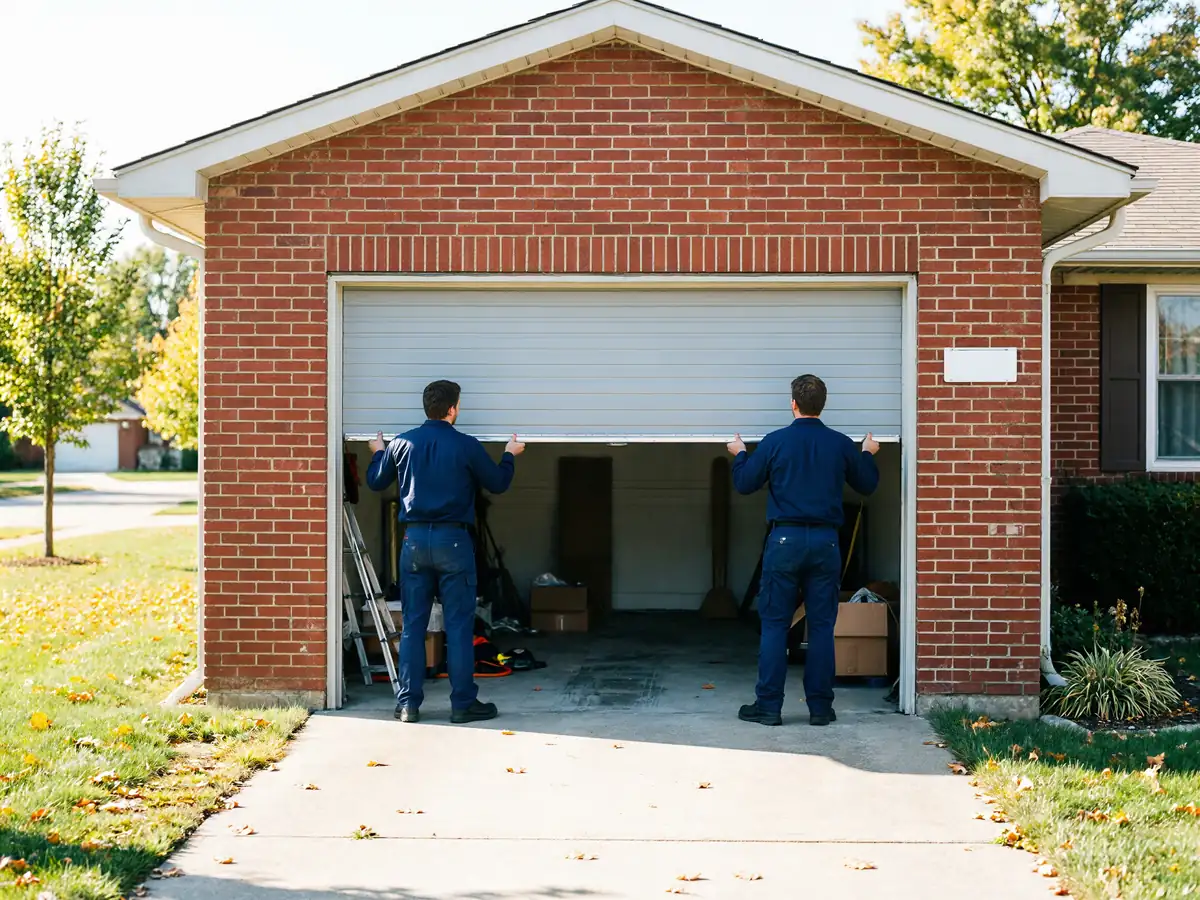
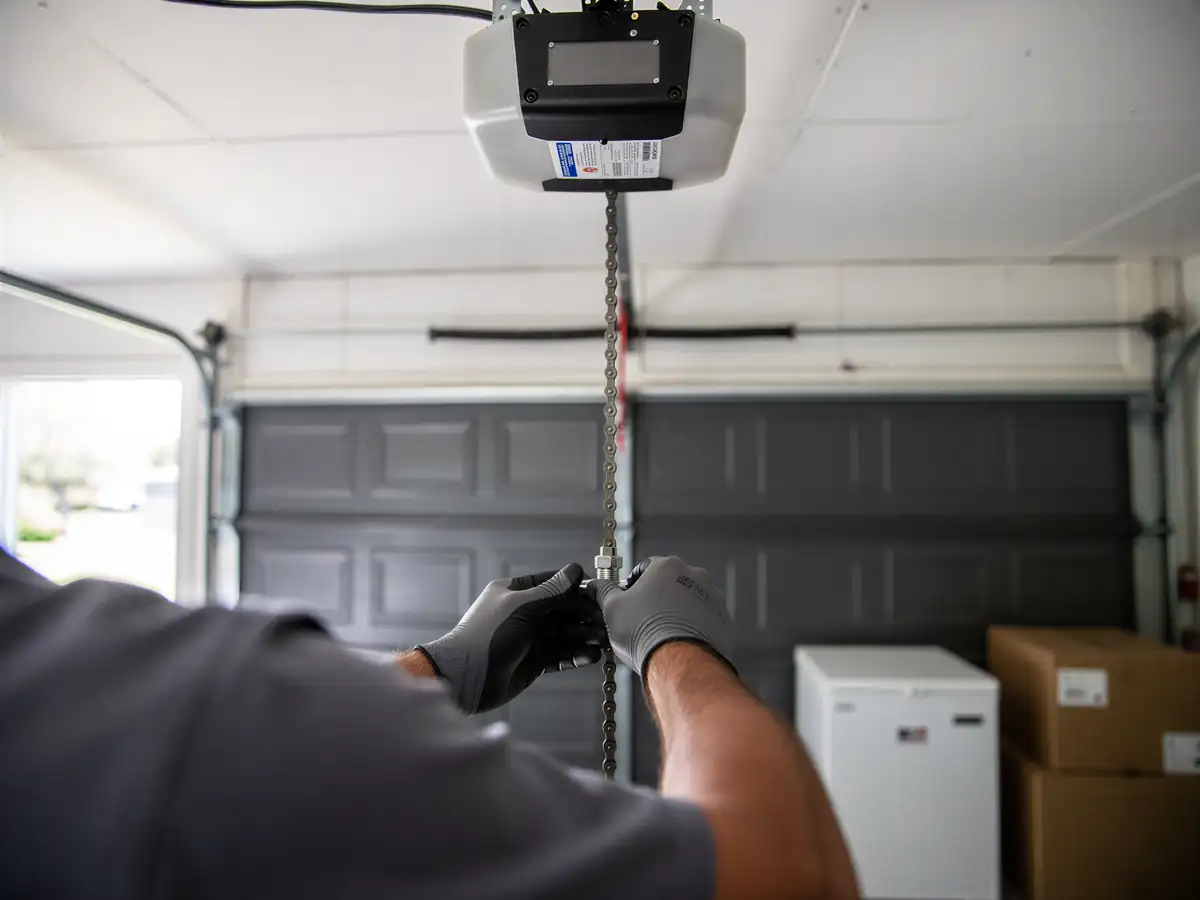
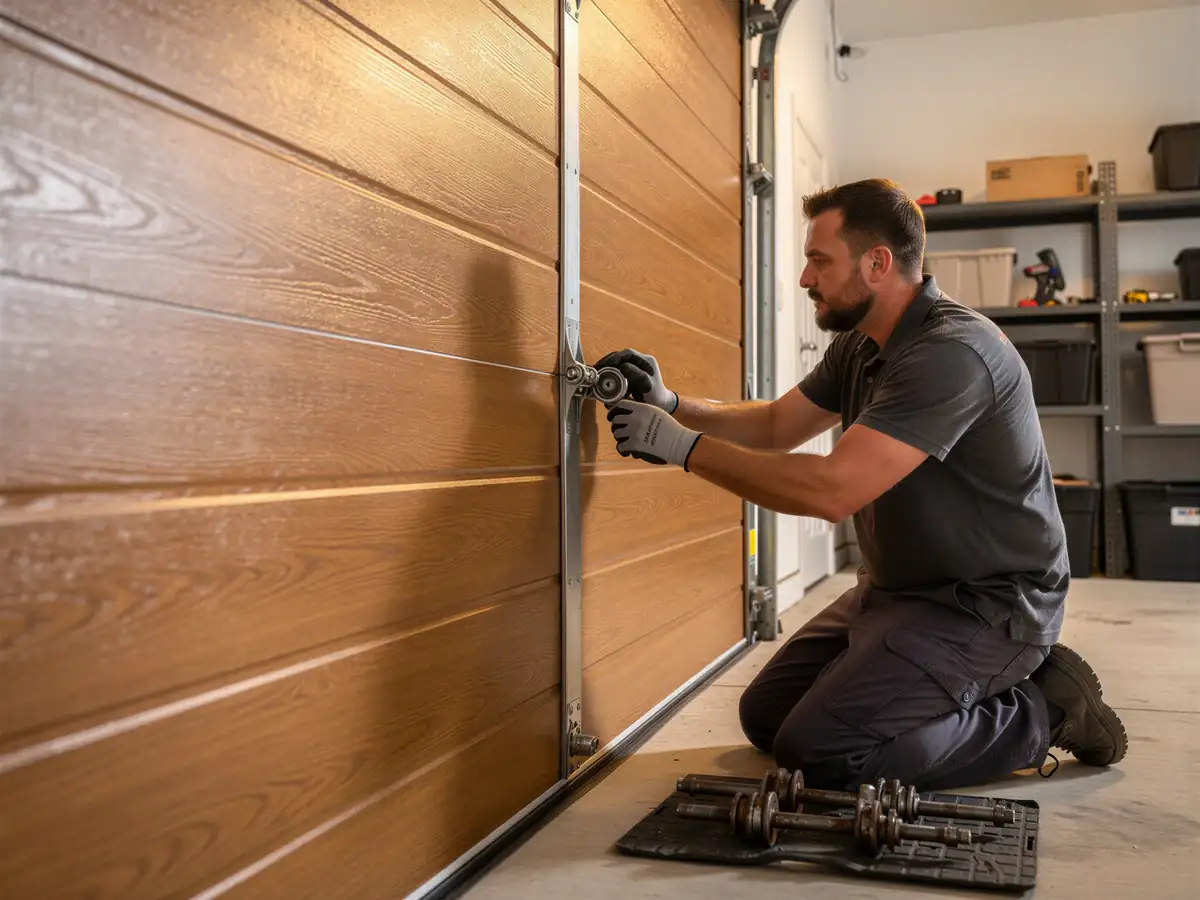
A straight opener swap on a Tolono garage usually runs two to three hours once the truck is on site, same as anywhere else in the area - the extra time here is the drive, not the install. We're coming from Champaign, about 8 miles out, so we block the trip into the schedule rather than treat it as a quick add-on between closer jobs. That means opener installs in Tolono get booked for a specific window, not a same-hour fit-in. Winters in this part of Illinois run cold enough that we avoid scheduling outdoor bracket and rail work during hard freezes when hands and grease both stop cooperating - if your install falls on a bitter week, we may push it a day or two rather than rush a cold-weather job. The honest limitation: if your opener needs a part we don't carry on the truck that day, the 8-mile trip becomes two trips, and that adds a day to the job, not an hour. We'd rather tell you that up front than have you waiting on a truck that already left.
How to Book
Call and tell us it's an opener job in Tolono - give us the door's age if you know it, or just the house's build year, since that tells us more about what's likely wrong than a description of the symptom alone. We'll ask about rail length (there isn't room to guess that over the phone with houses from different decades sitting a few lots apart), and we'll ask whether you want a straight swap of the same drive type or a change, say chain to belt. If you've got other door trouble alongside the opener - a panel, a spring, a track - mention it when you call so we bring the right stock for both jobs in one trip instead of two. For a look at the rest of what we handle on Tolono doors, there's a page for that: /garage-doors-tolono/. If you're comparing opener installs generally across the wider service area, that's covered separately too: /garage-door-opener-installation-champaign-il.
The Symptom
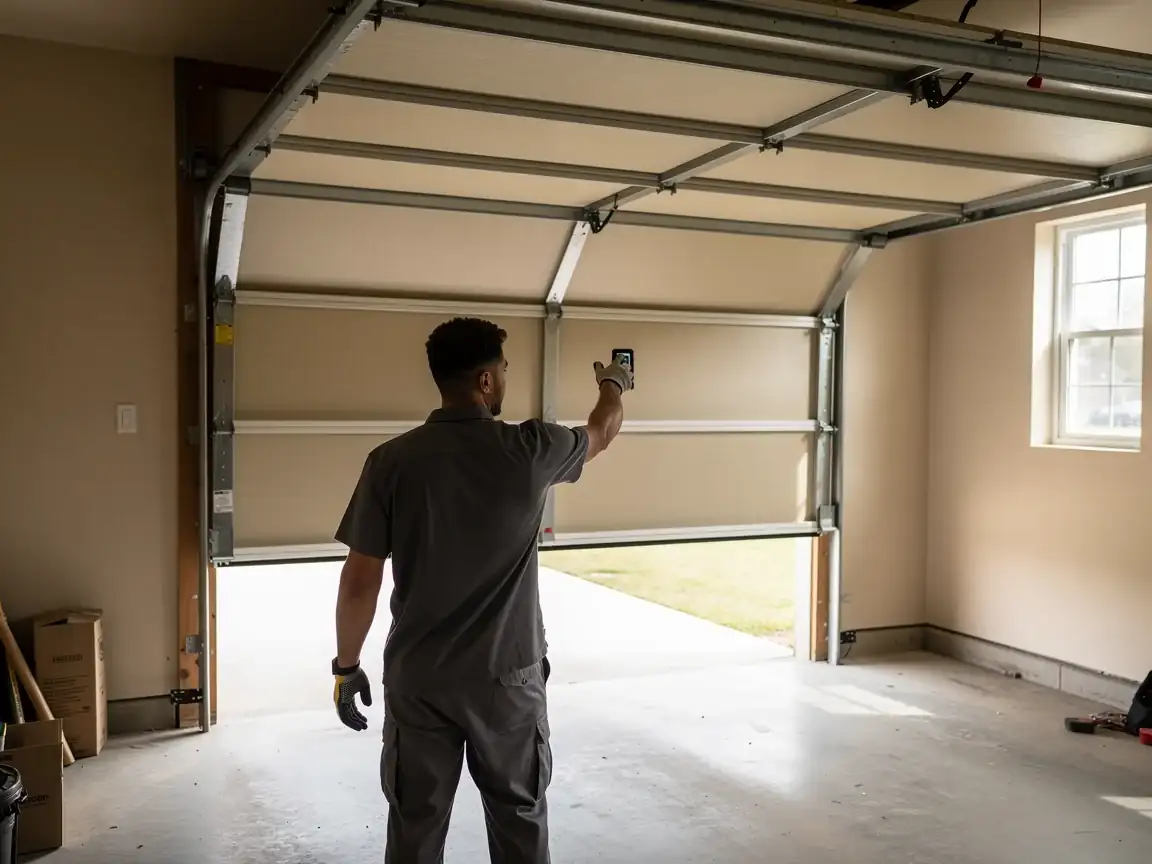
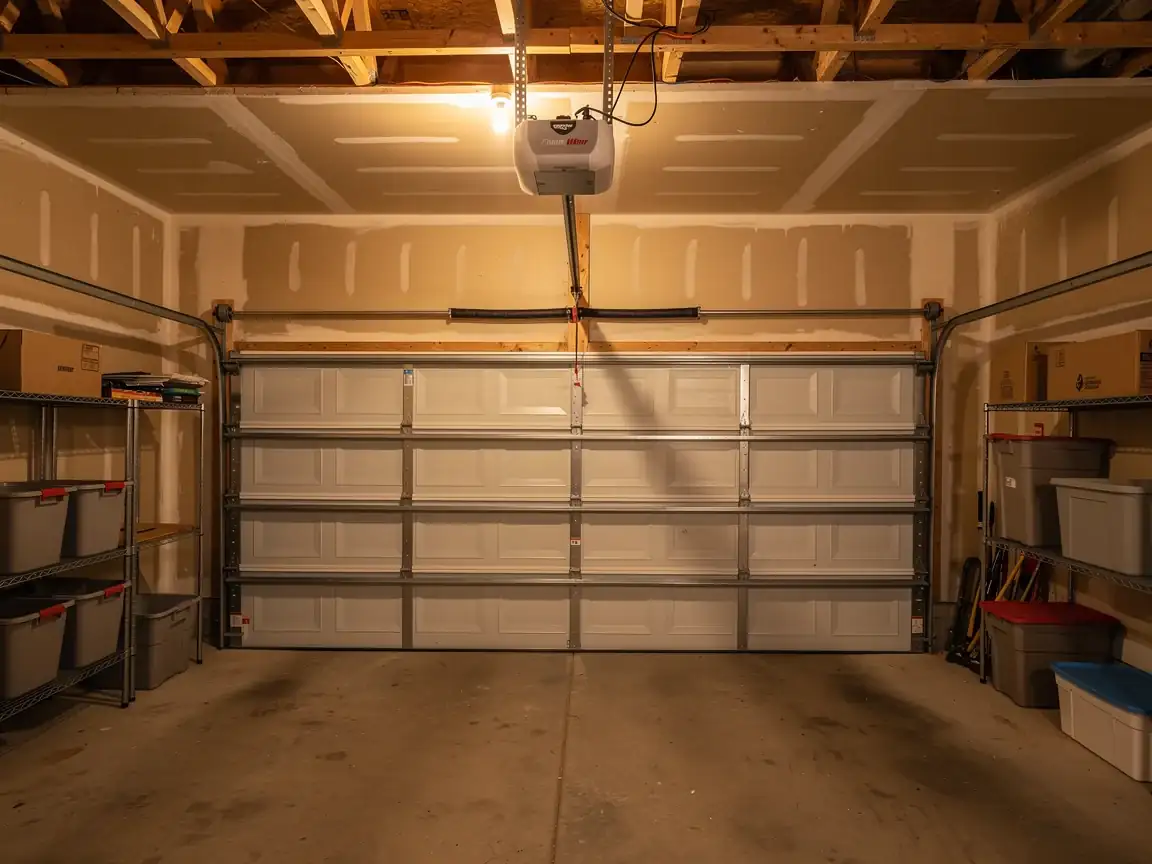
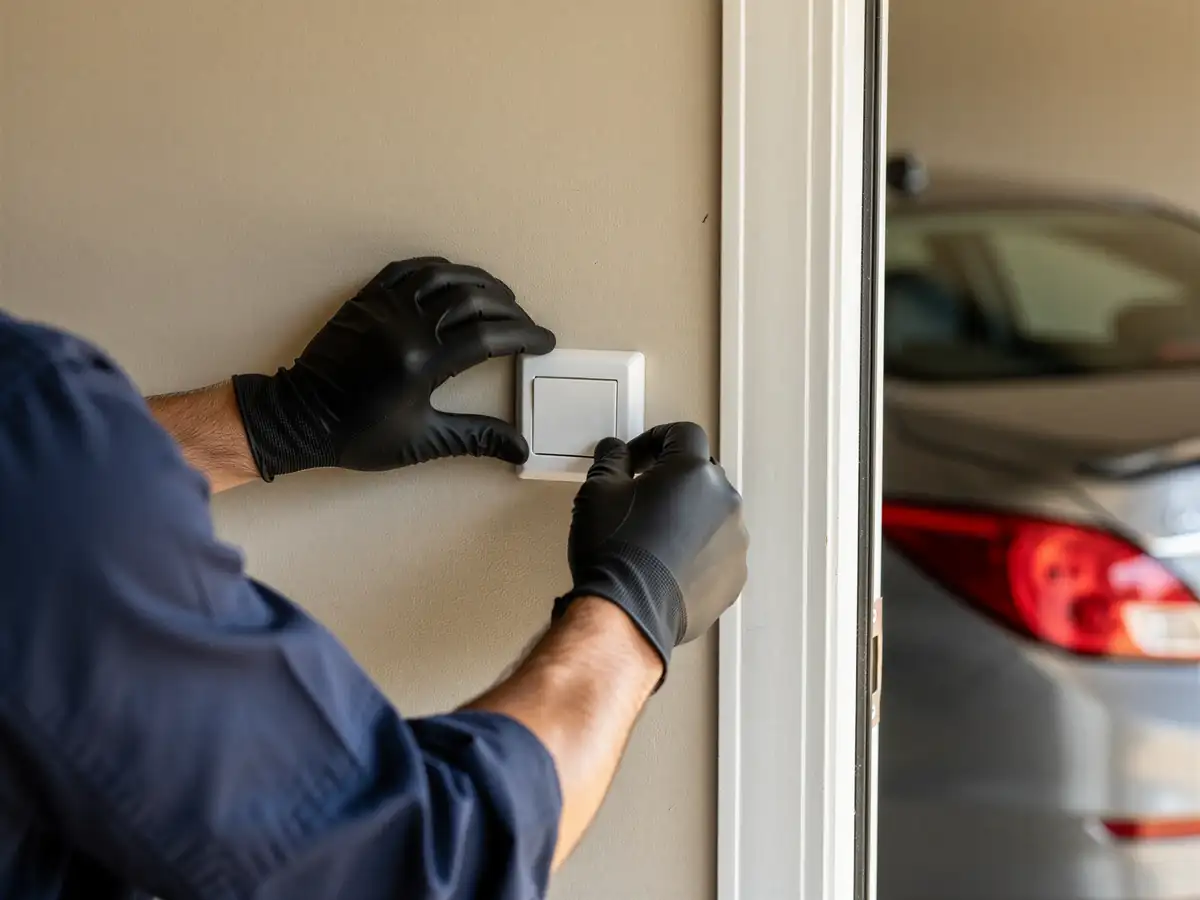
If your opener is original to a Tolono house built in the mid-1980s, it's pushing 35 to 39 years old right now, and that age shows up in specific ways before it fails outright. Listen for a grinding or stripped sound from the motor housing right as the door starts to move - that's the internal gear set wearing through, a common failure point on units this old. Watch for a door that reverses on its own partway up or down without anything in the way, which usually means a worn limit switch or a drive gear slipping, not a safety sensor doing its job. A remote that used to work from the driveway and now needs you standing under the unit is a dying receiver board, not a battery issue most of the time. None of these mean the door itself is bad - the opener and the door are separate problems, and an opener this old is worth replacing on its own rather than nursed along.
What Can Go Wrong
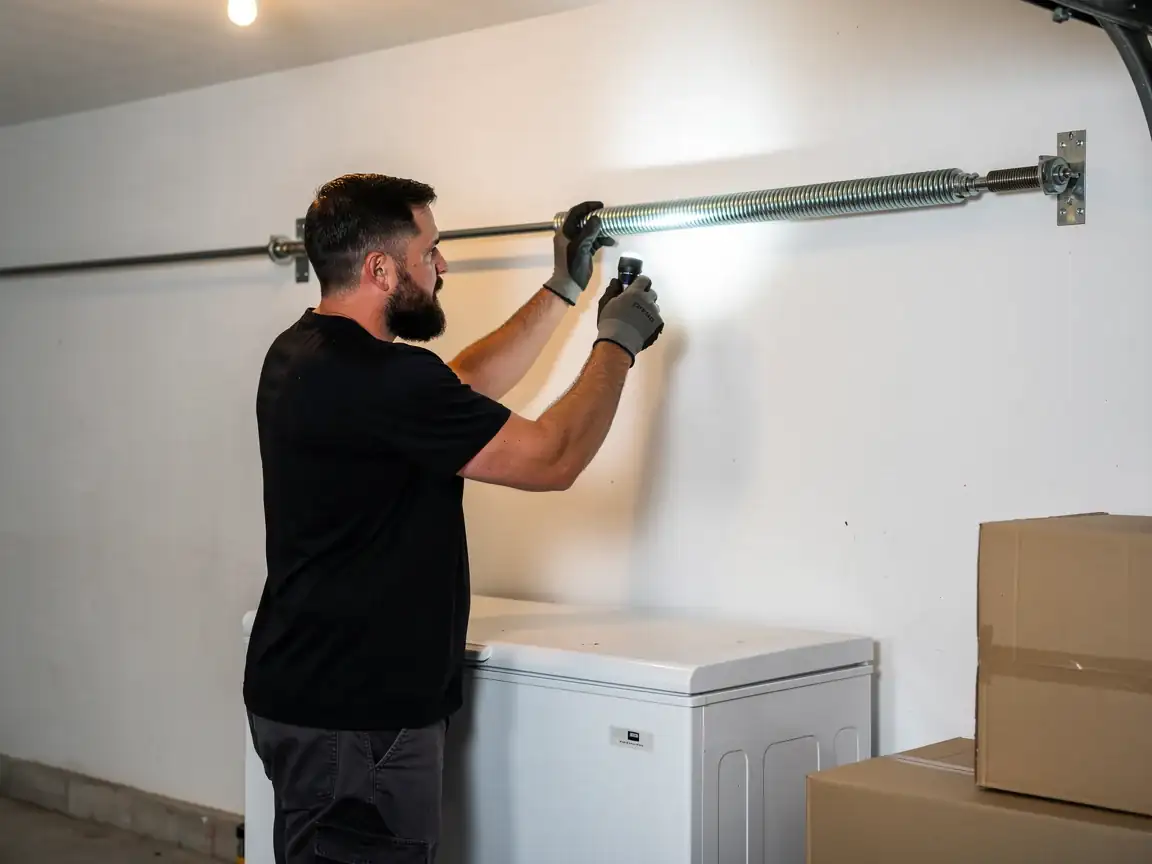
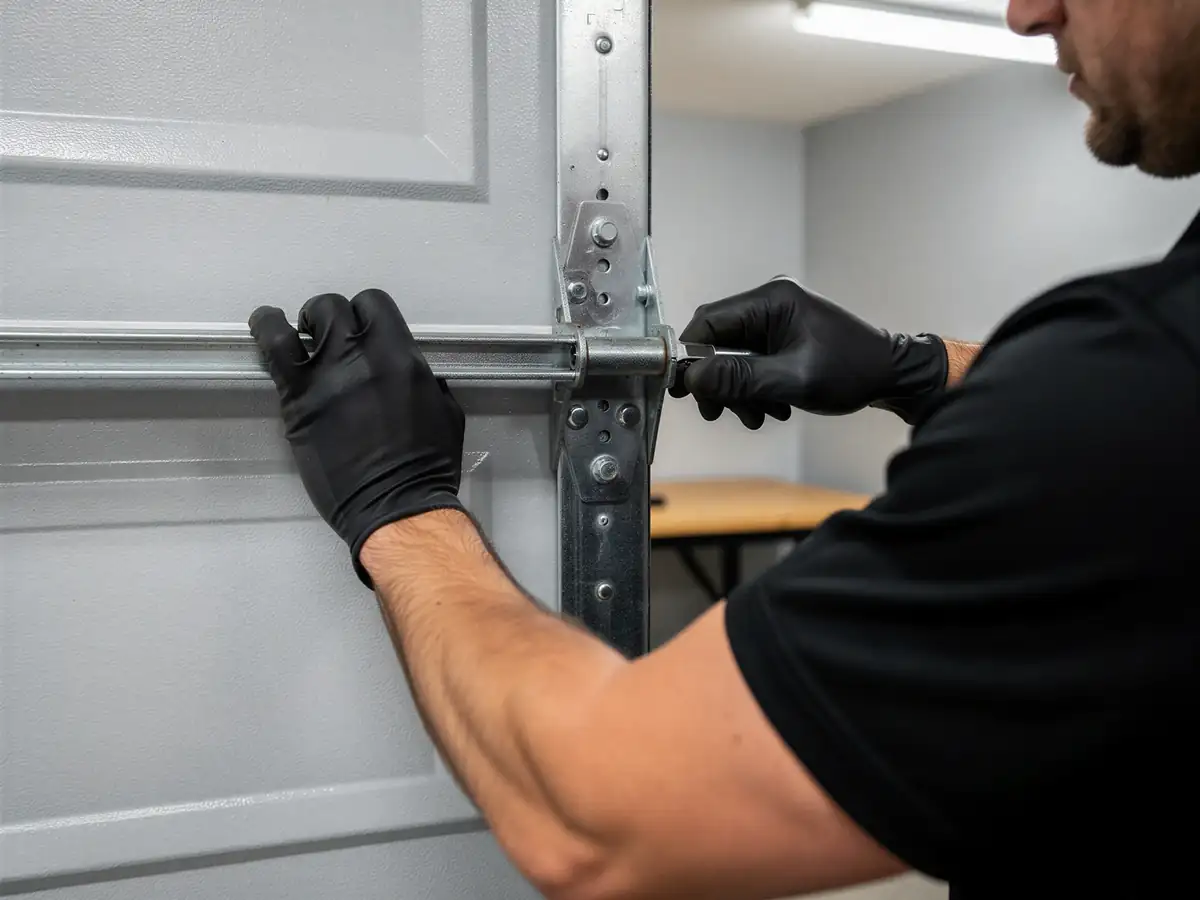
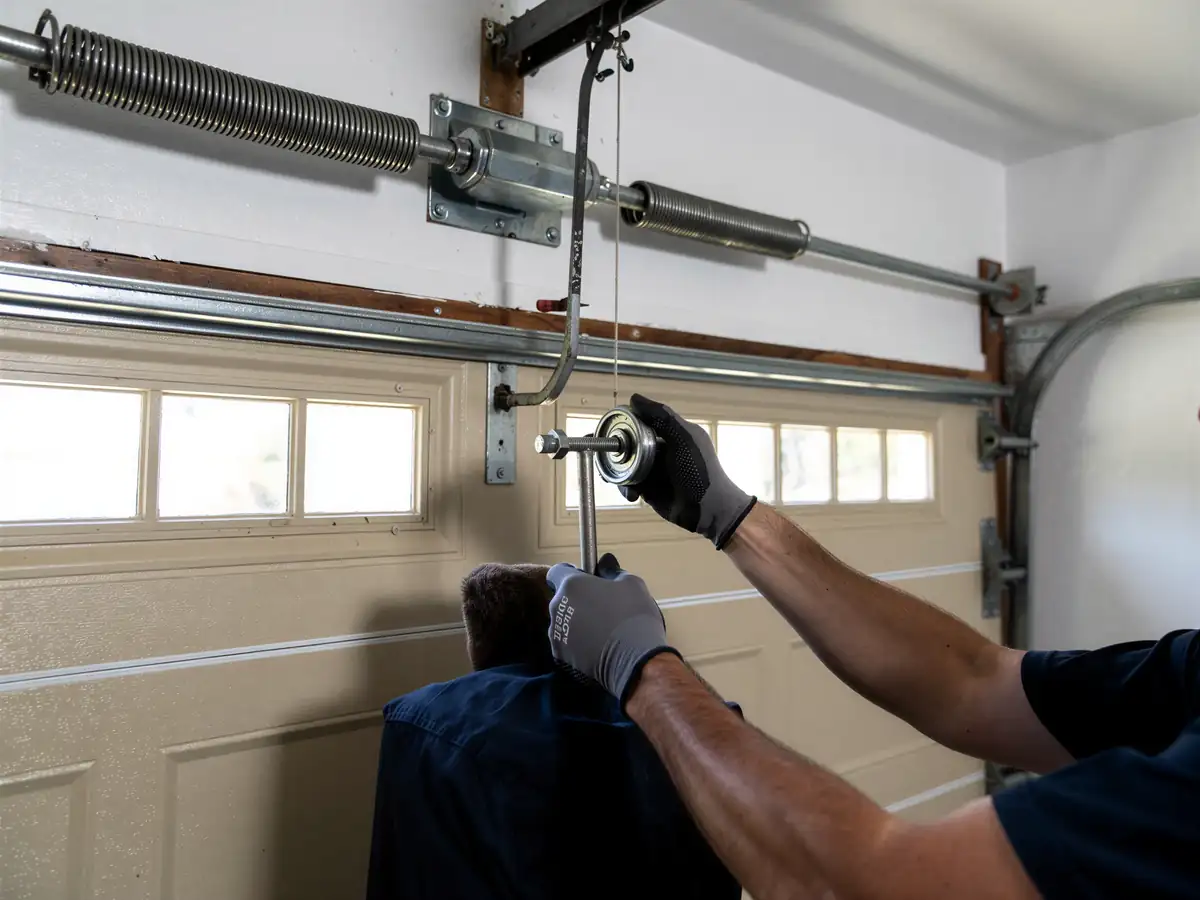
Installing a new opener on an old door without checking spring balance first is the most common mistake we see corrected after the fact. A new motor will force a door with a tired spring open and closed for a while, then burn out early doing work the spring should be doing - the opener takes the blame for a spring problem. Mismatched horsepower is another one: a heavier insulated door swapped in at some point without upgrading the opener to match leaves the unit straining on every cycle. And on houses with an opener old enough to have never had a photo-eye safety sensor added, a straight swap for a modern unit means wiring in sensors that weren't there before, which is a slightly bigger job than the opener alone. We'll flag any of this on site before starting, not after - a repair that quietly turns into a bigger job without warning is the kind of surprise nobody wants on a Tuesday afternoon.