How We Fix It
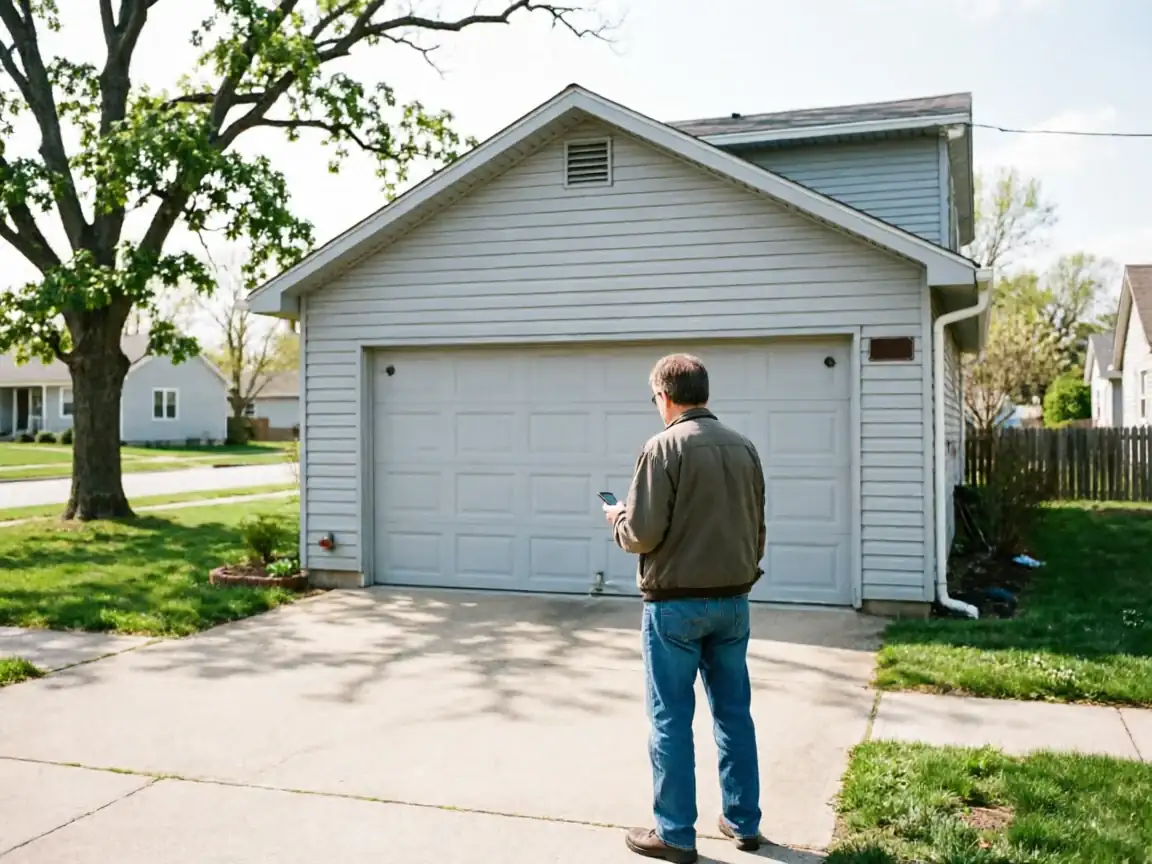
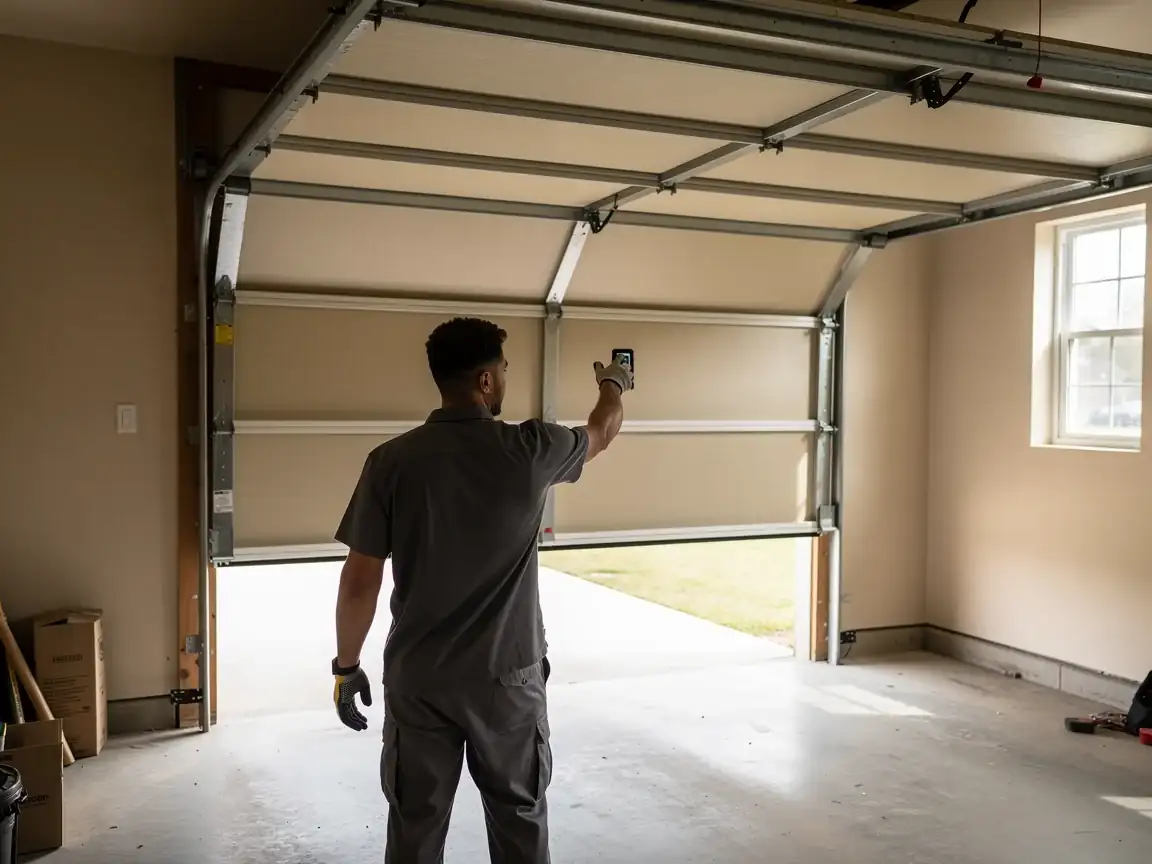
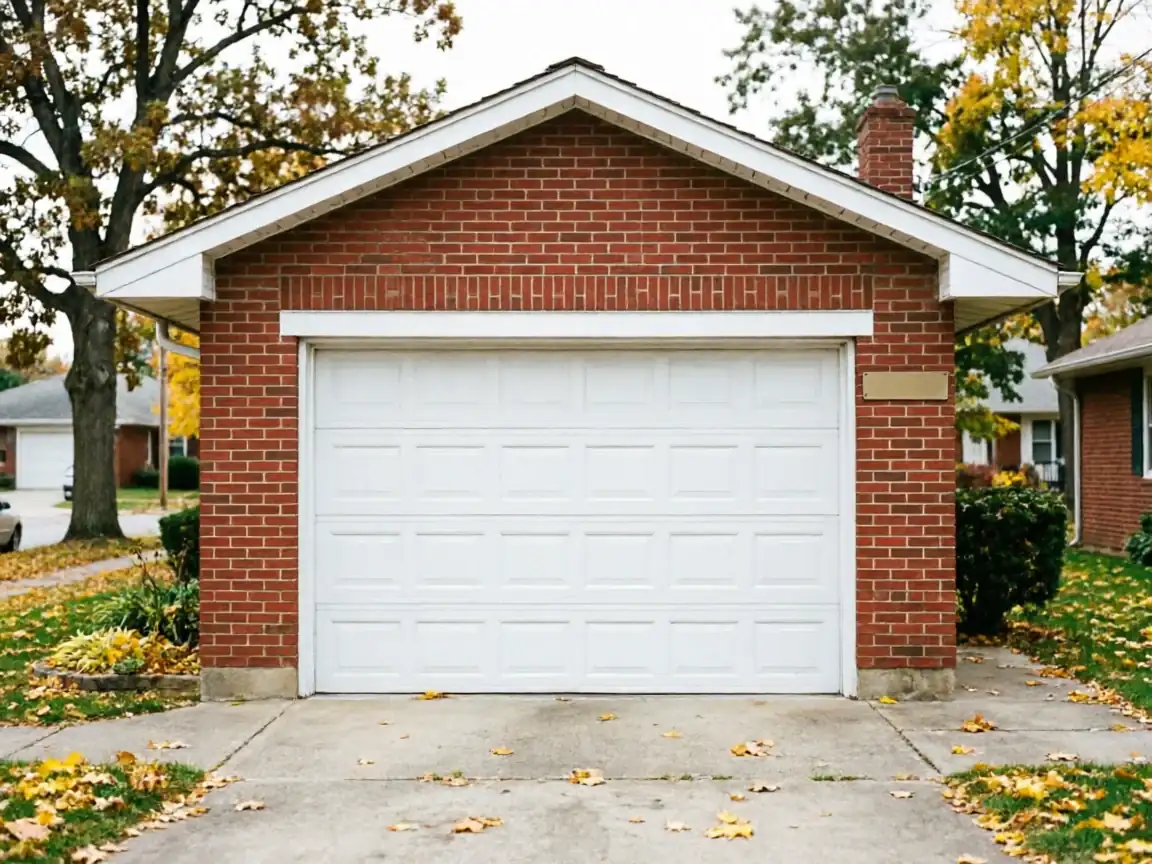
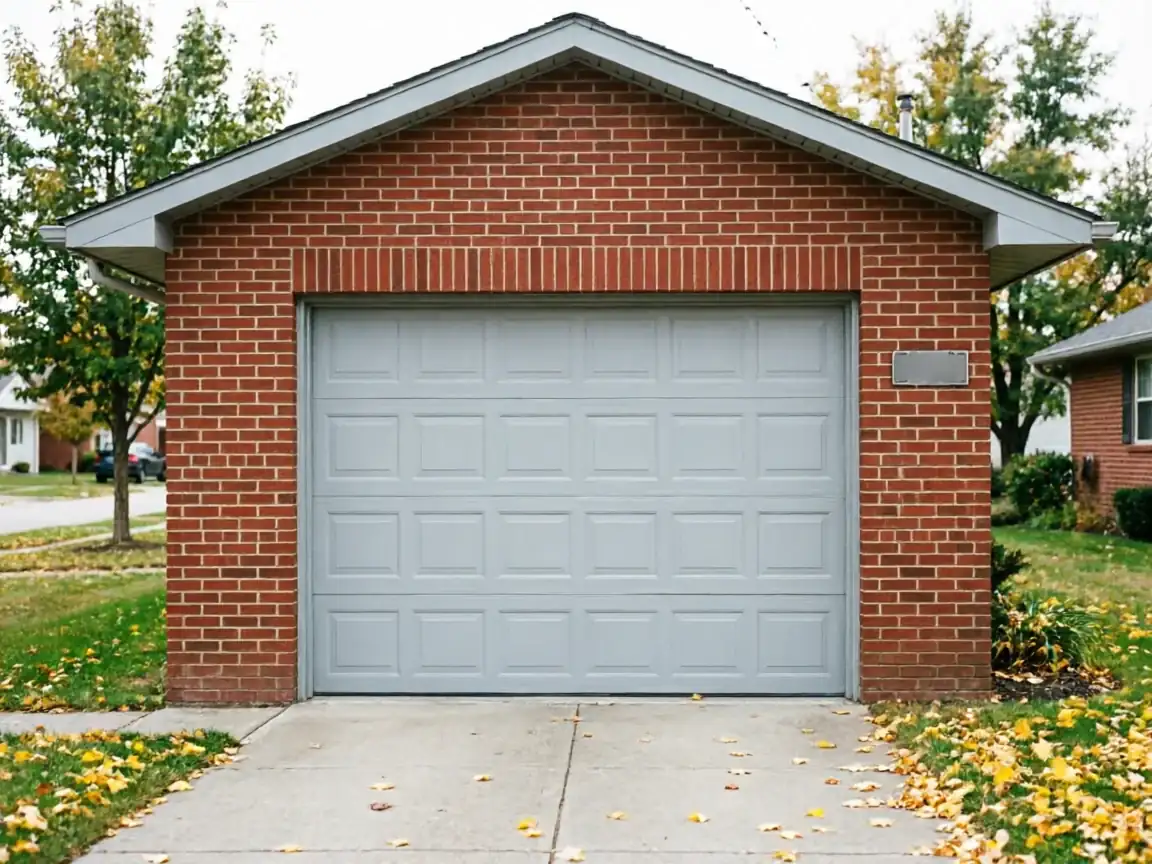
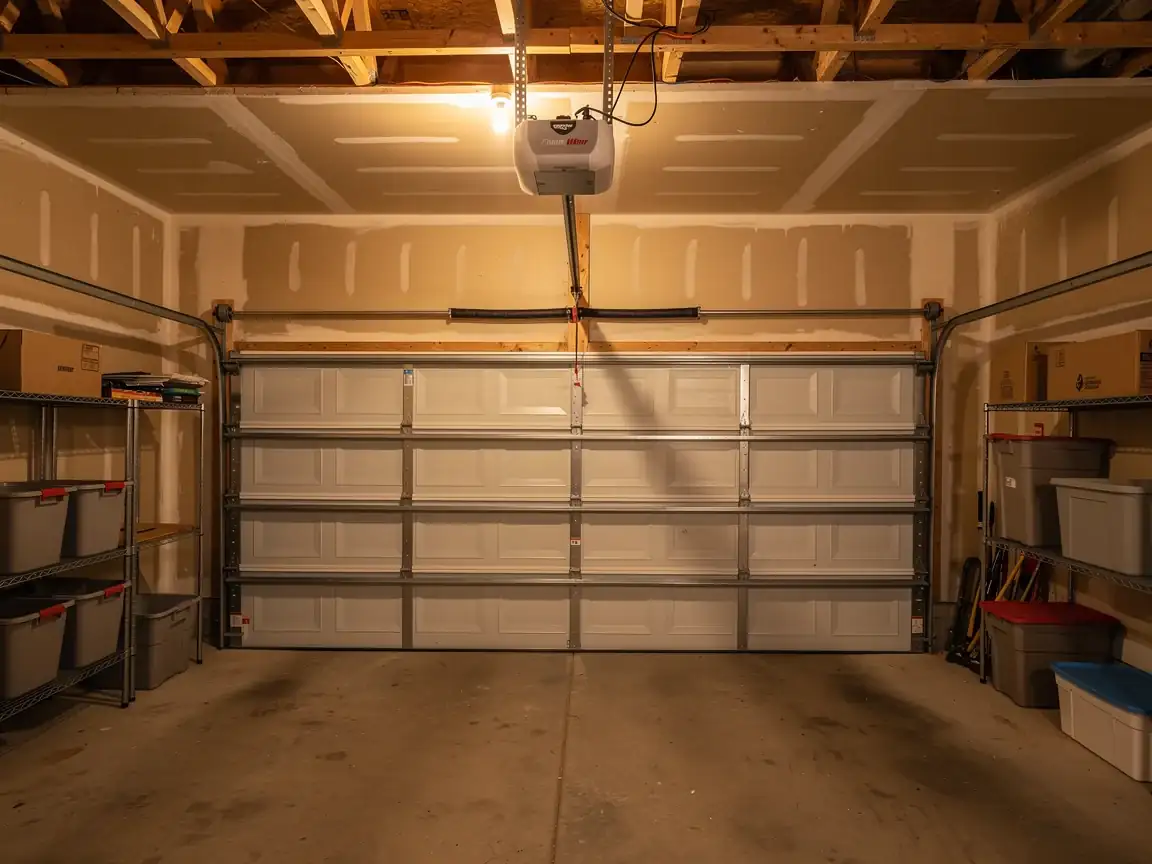
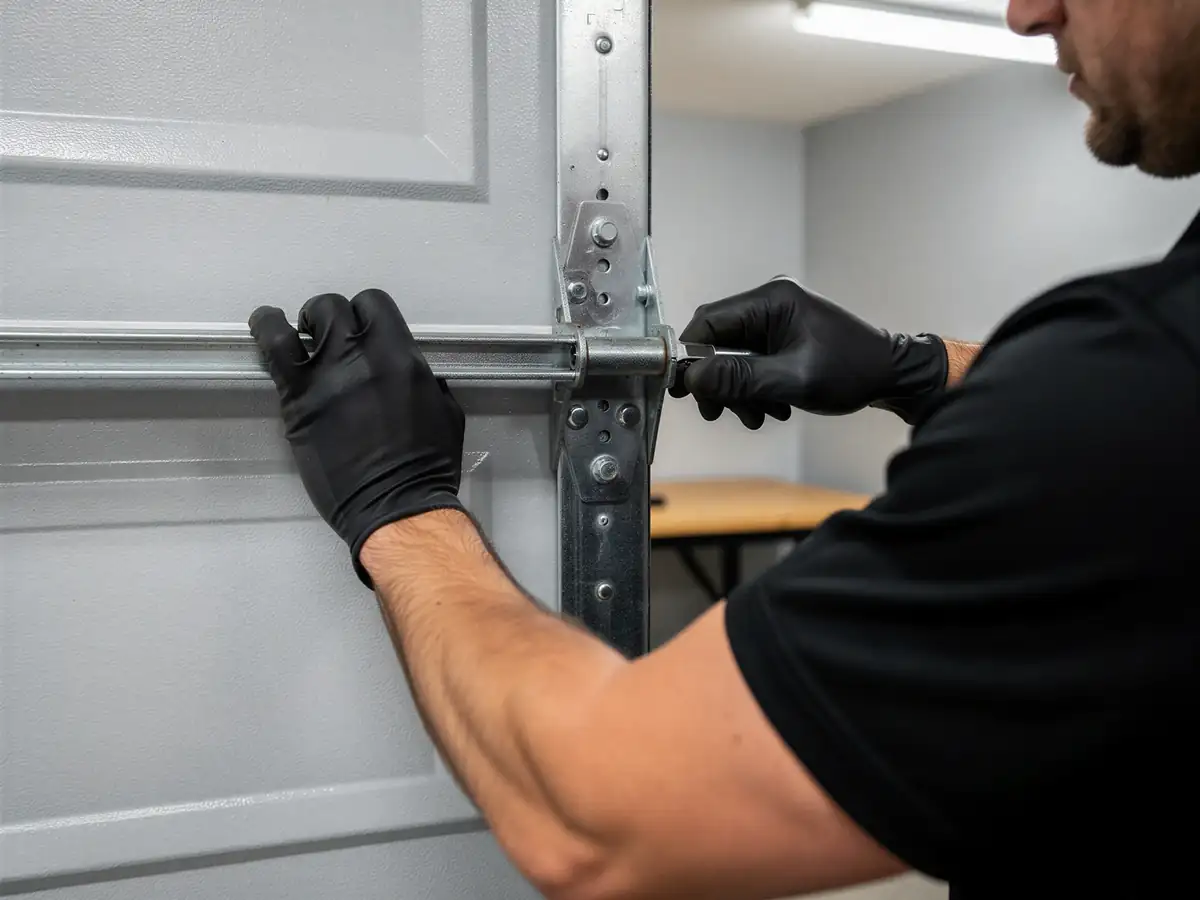
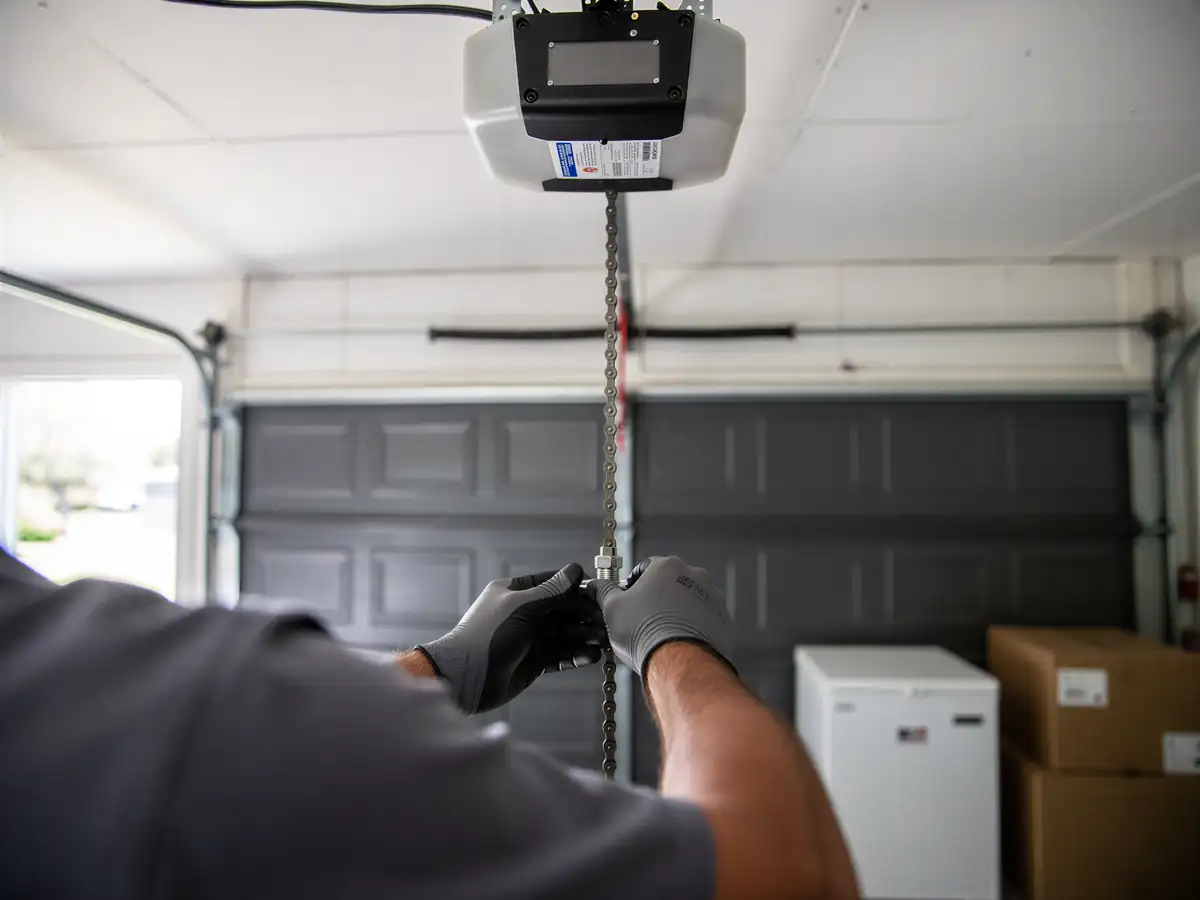
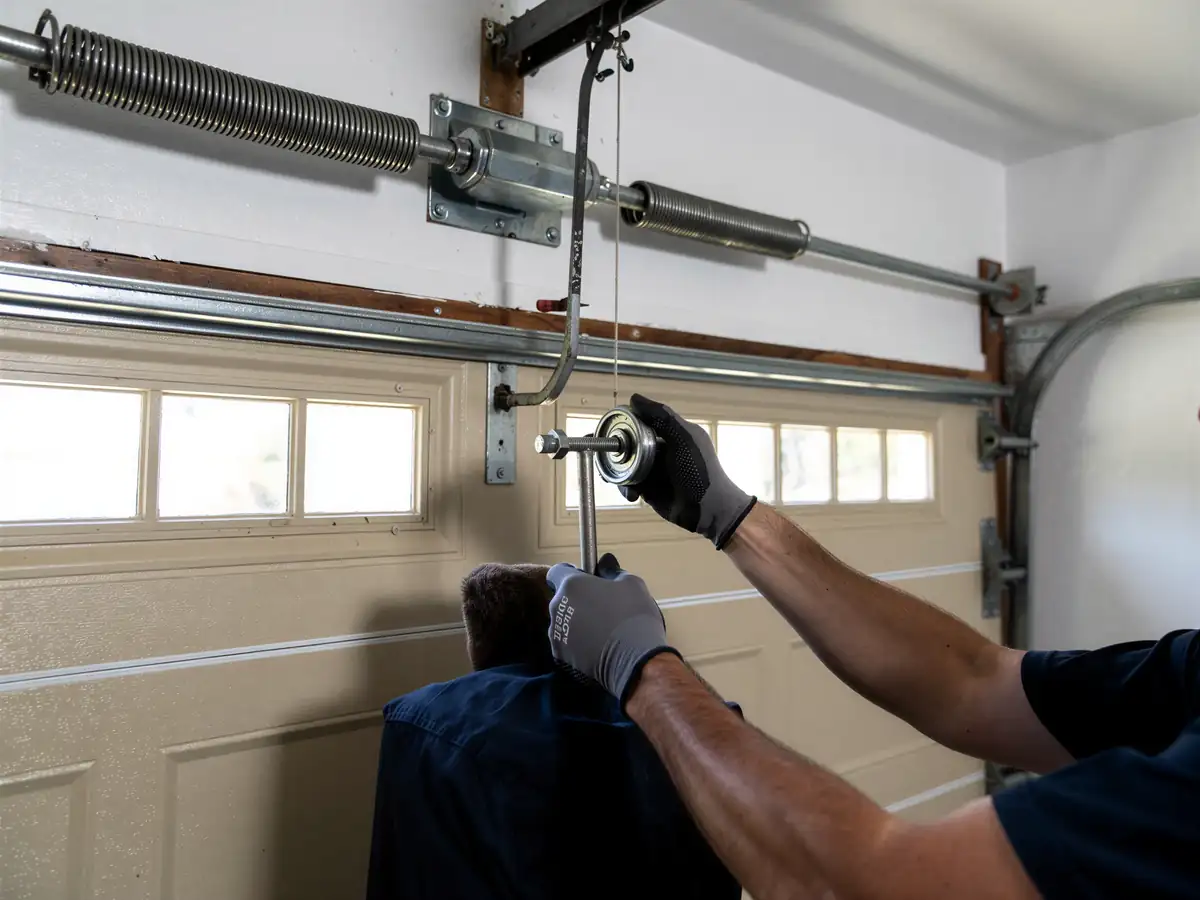
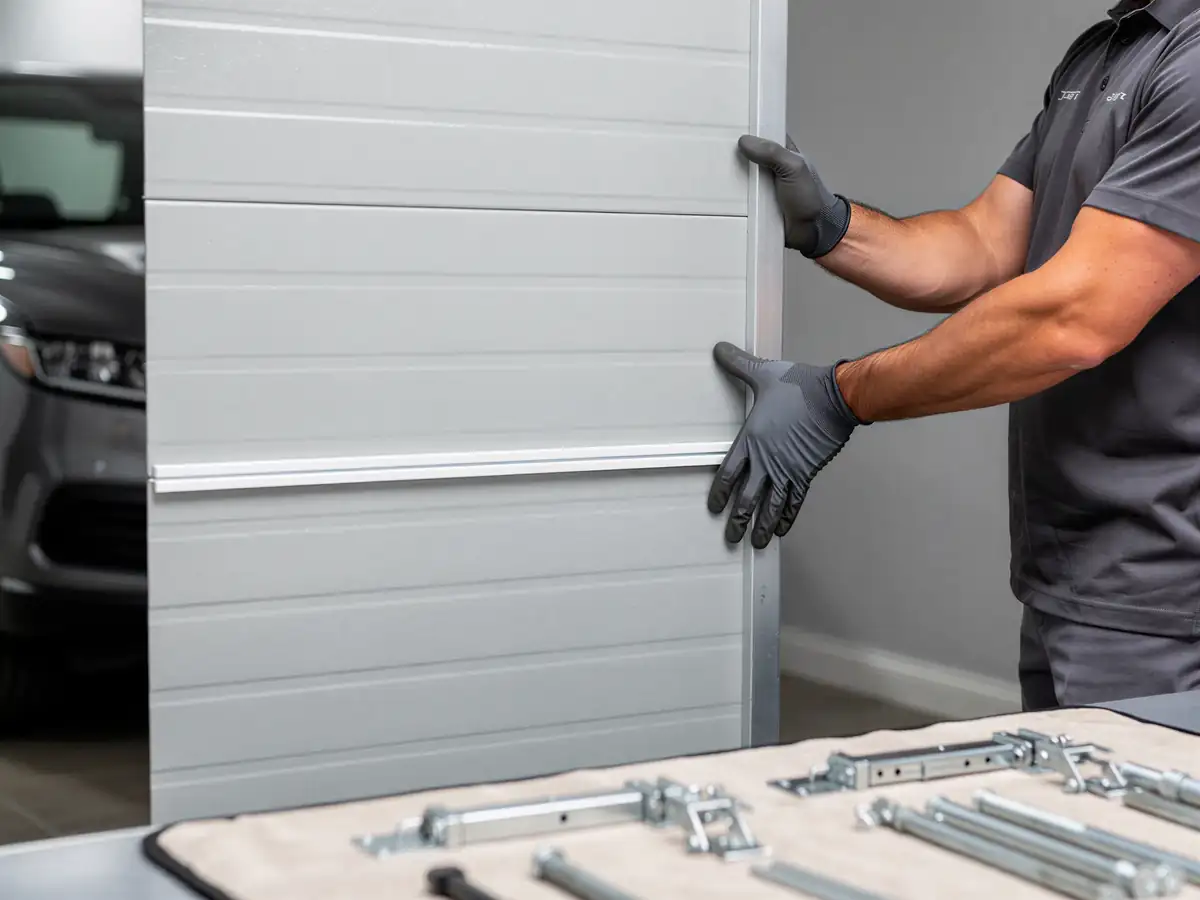
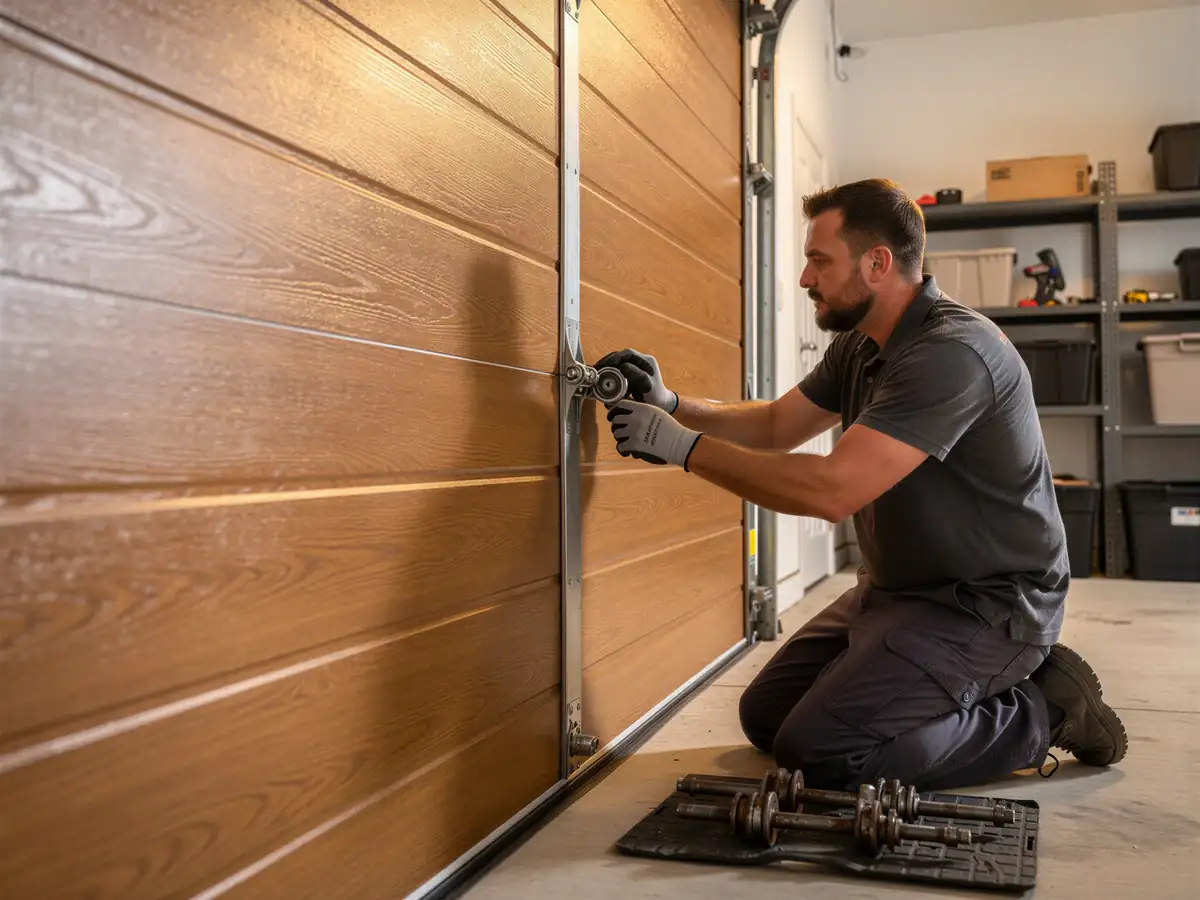
Urbana's median home dates to 1979, a touch newer than the 1978 median across our wider service area, but close enough that the hardware tells the same story: single-layer steel panels, extension springs run bare along the horizontal track with no containment cable, and openers original enough that a replacement trumps a repair. When we come out for an installation, we're not guessing at what's behind the old door. We pull it, check the track alignment and header clearance against the frame it's sat in for four decades, and size the new door and spring system to the opening rather than to whatever was there before. A lot of these openings have settled slightly over the years, so squaring the jambs before the new door goes in matters more here than it would on a house built last year. We run torsion spring setups on everything we install now, which is a different system than what came standard in 1979 and holds up better long-term. One limit worth saying plainly: if the framing itself has shifted enough to need carpentry work, that's a call to a contractor first, not something we paper over with shims.
Stocked Parts
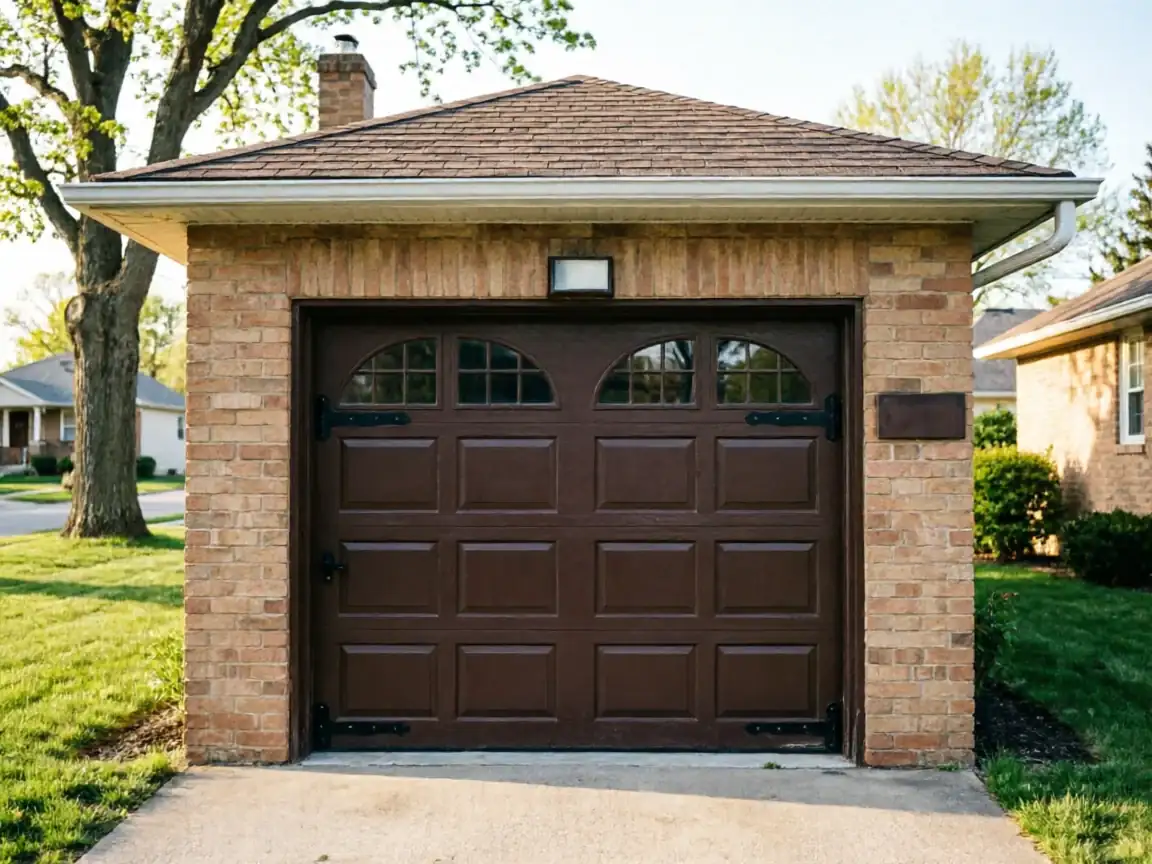
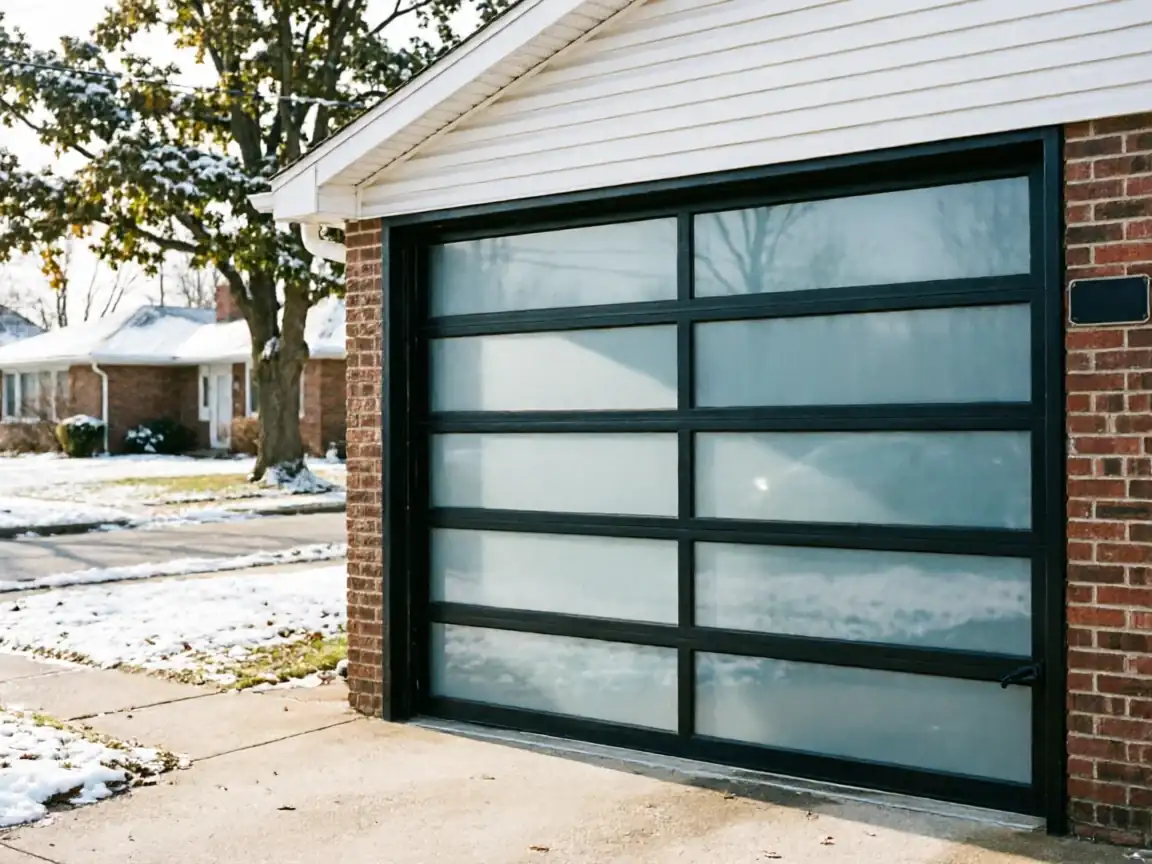
Because Urbana sits about 4 miles from our shop in Champaign, we load the truck before we leave rather than guessing on site. For this housing era, that means standard 7-foot and 8-foot steel sectional doors in common widths, torsion springs sized for both single and double openings, and openers rated for the heavier insulated panels that weren't standard when these houses went up. The area's climate runs cold-moderate, which is why insulated doors are worth the extra cost here rather than a cosmetic upsell - a single-layer steel door on an attached garage loses real heat through a Urbana winter. Median household income here runs $45,854, well under the $81,703 average across our broader service area, and that gap shapes what we keep on the truck: solid mid-tier steel doors rather than high-end glass-and-aluminum lines that get special-ordered case by case. If you want a custom size, a carriage-style door, or a specific insulation rating, that's not a same-day stock item - we'll quote it and order it, and lead time depends on the manufacturer, not on us.
The Symptom
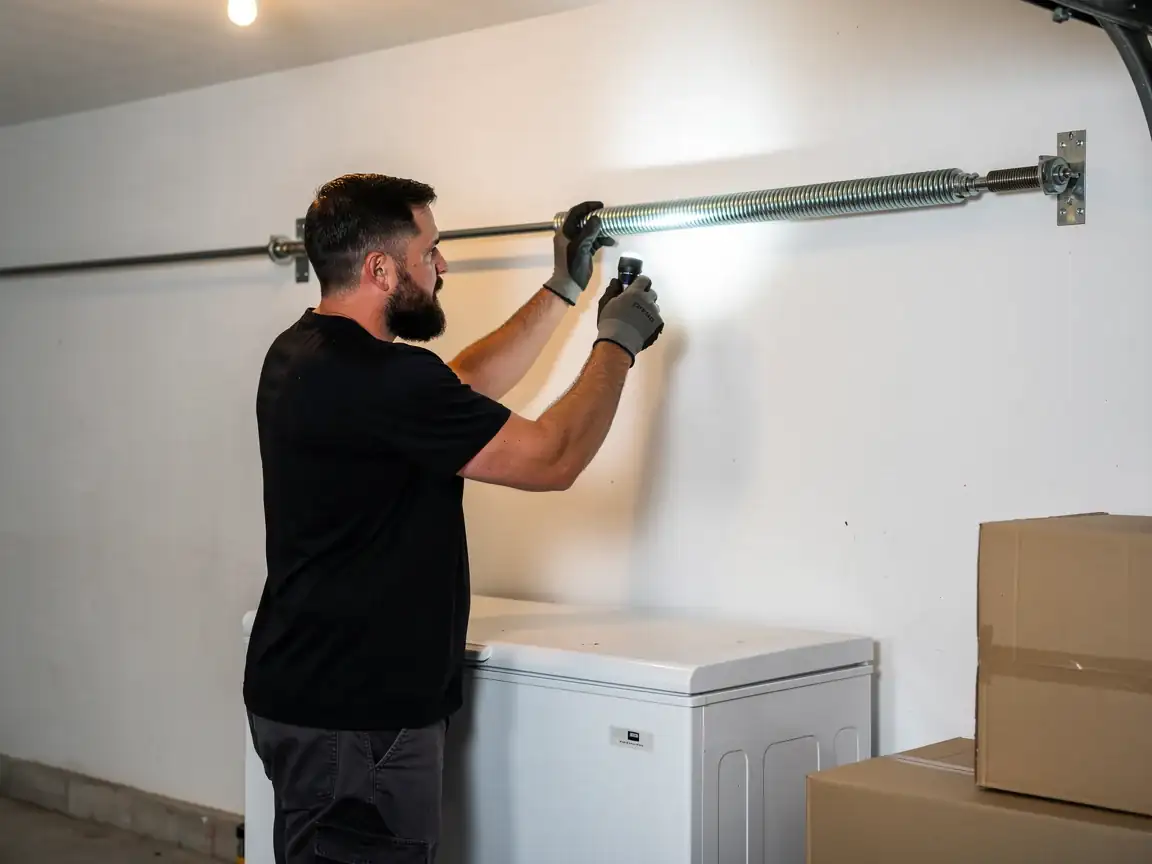
The usual sign it's time to replace rather than repair in this area isn't a dramatic failure - it's a door that still closes but takes two tries, or an opener straining audibly on a door that used to run quiet. On houses built around 1979, that's often the extension springs finally giving out after years without containment cables, or a steel panel that's rusted through at the bottom seam from decades of condensation in an uninsulated bay. Homeowners sometimes call us for a spring repair and the door itself turns out to be the real problem - warped track, bowed panels, a header that's racked slightly with the house. We'll tell you straight if a repair is throwing good money after bad. A door from this era that's never been touched is usually at or past the point where patching it costs more over two years than replacing it once.
Why This Fails Locally
The 1960s-70s building wave that produced most of the housing across this part of the service area used lighter steel, single-pane glass inserts where glass exists at all, and spring systems that assumed a garage was unheated storage, not conditioned space. Urbana's homes, centered a year later at 1979, inherited the same assumptions. In a cold-moderate climate, that single layer of steel does nothing to stop heat loss, and the temperature swing between a 60-degree garage and a 20-degree night is exactly the condition that makes old steel brittle at the seams and makes grease in an original opener gum up. None of that is a defect specific to one house - it's what every door from that build era does eventually, on a predictable schedule, which is why replacement here tends to be planned rather than emergency work if you catch it early.