How to Book
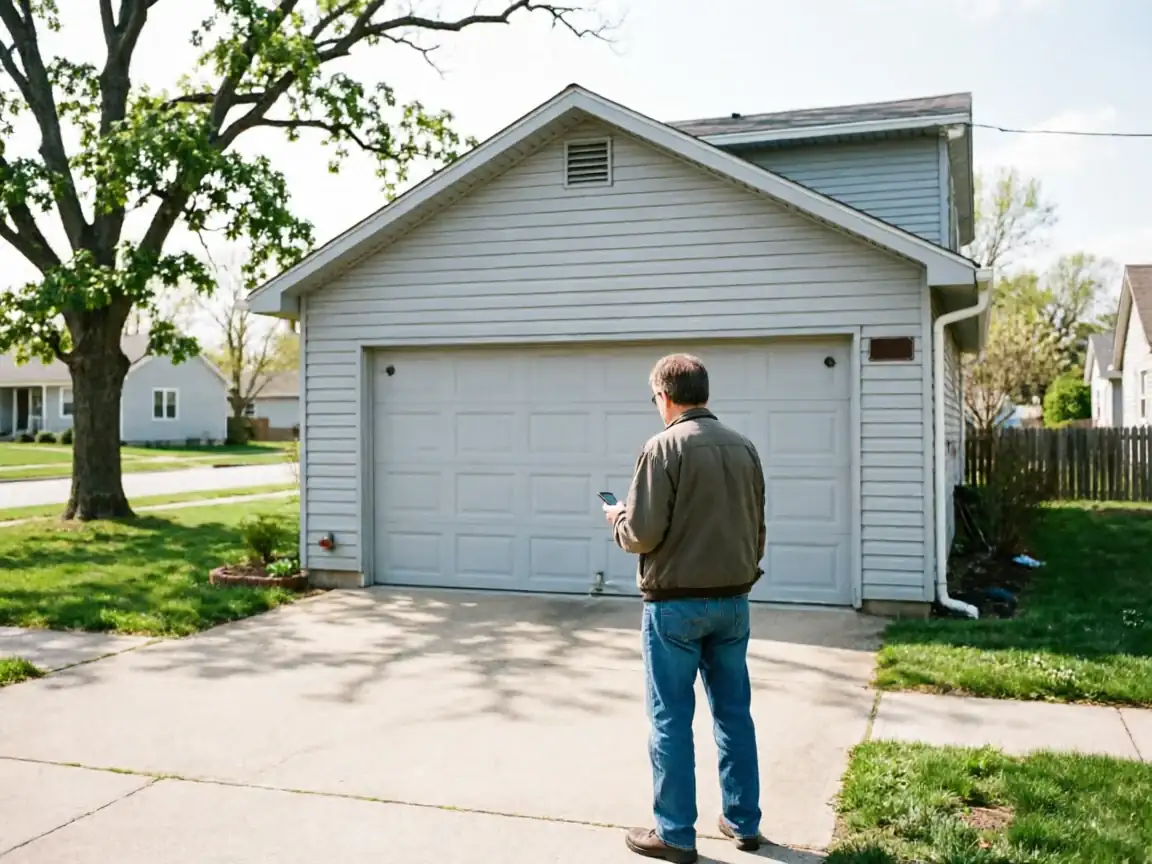
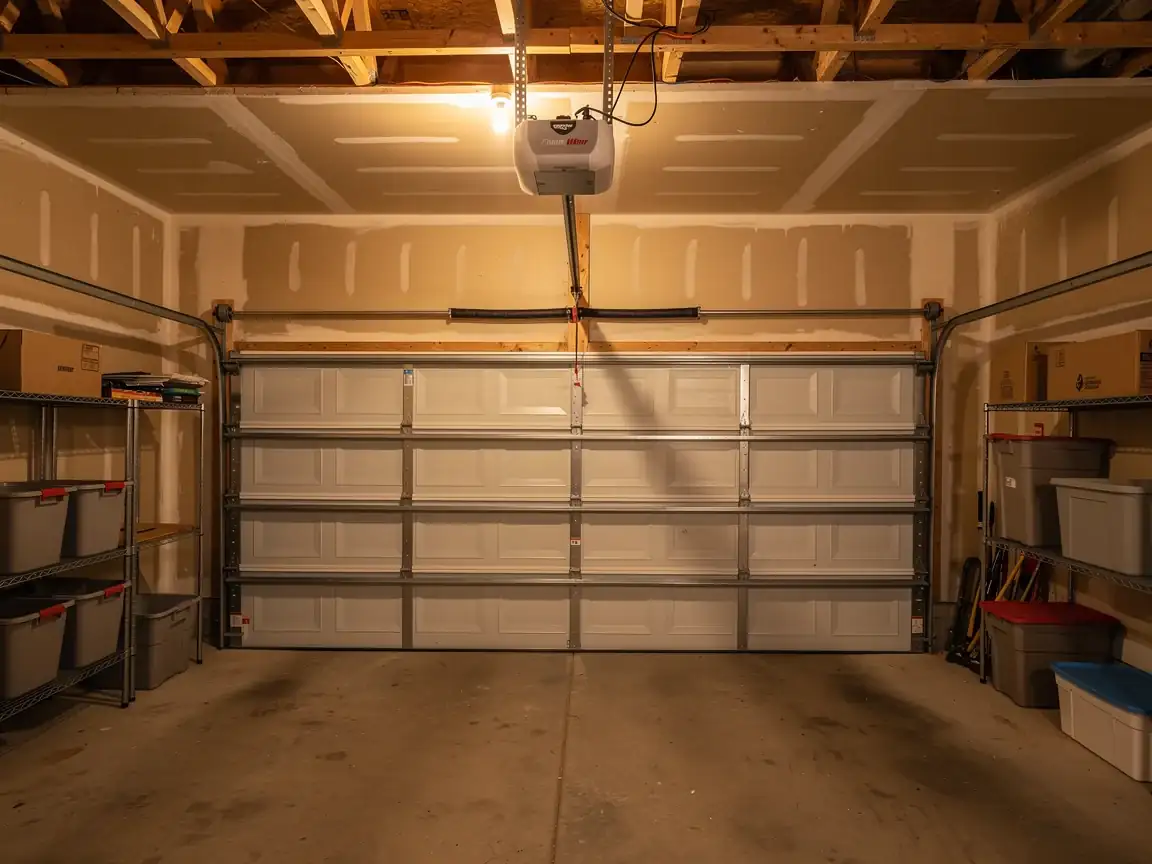
We run this job out of Champaign, about 8 miles from Mahomet, so there's no local branch to call - just one crew that drives out for the appointment. When you call, tell us the opener brand if you can read it off the unit (it's usually printed on the motor housing or the yellow warning sticker), whether the door moves at all, and whether any lights blink when you hit the wall button. That gets us the right board or sensor on the truck instead of guessing twice.
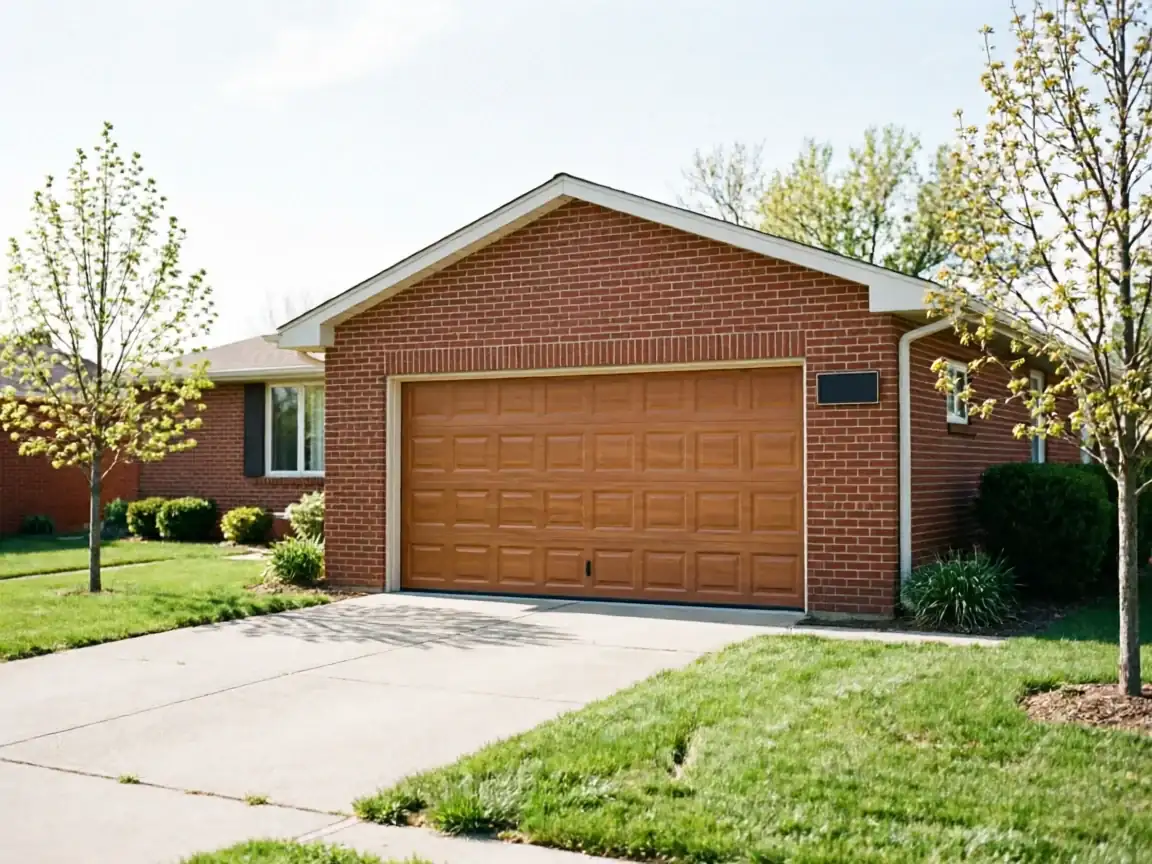
Most of the garages we see out here went up around 2000, which means openers from that first build wave are now old enough to be hitting their first real failures - logic boards, capacitors, worn drive gears. If yours is the original unit, say so when you book; it changes what we bring.
We don't do same-day guarantees for Mahomet specifically - that's a Champaign-based promise we won't make for a drive this far, and we'd rather tell you that up front than have you plan around it.
Doing It Yourself
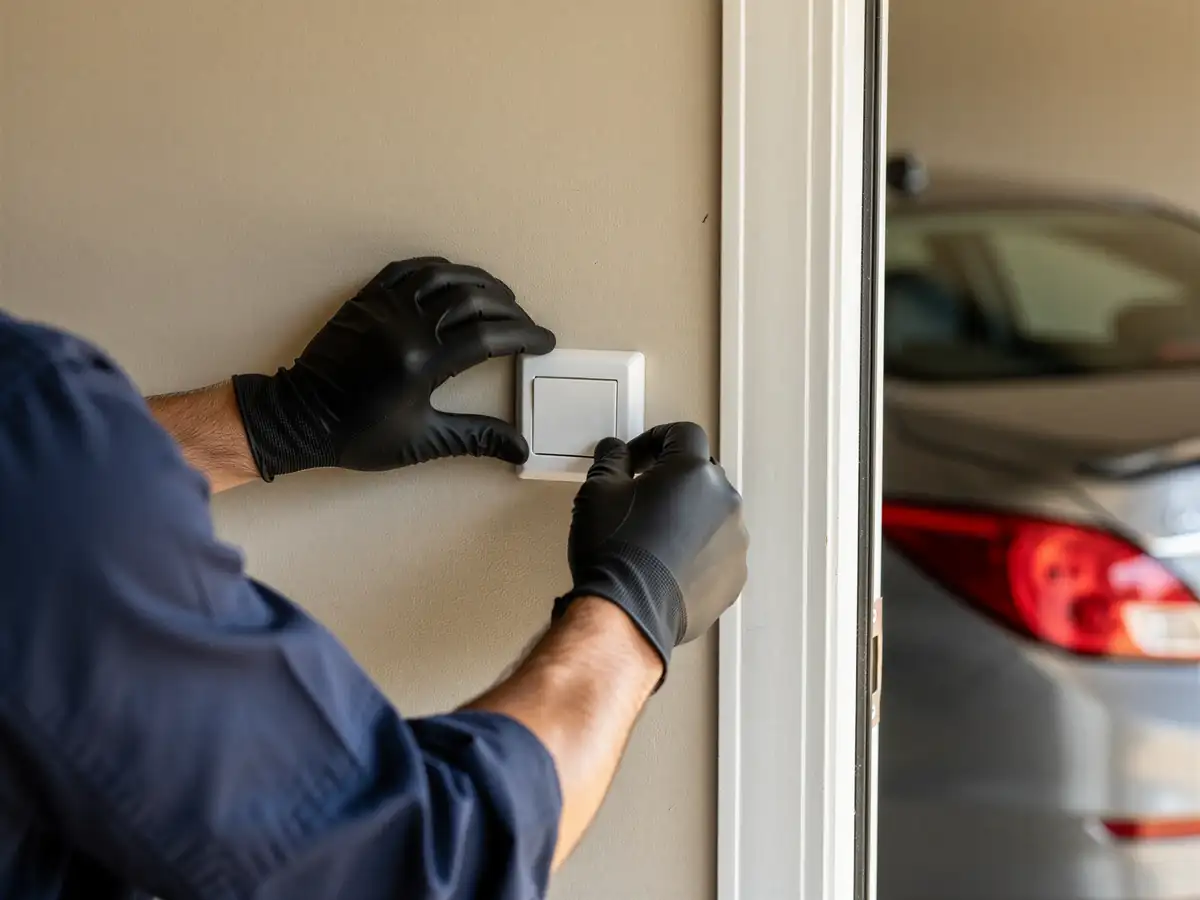
Before you call anyone, check the obvious: is the wall switch getting power, are the safety sensors at the bottom of the track aligned (a blinking opener light almost always means one sensor is knocked out of line or has a spider web in front of the eye), and has the remote's battery actually been swapped recently. On a house built in the last 20-25 years, like most of what's around Mahomet, these are logic-board openers with safety circuits, not the old chain-drive units with a simple switch - so a dead remote or a tripped sensor looks identical to a real board failure from the driveway.
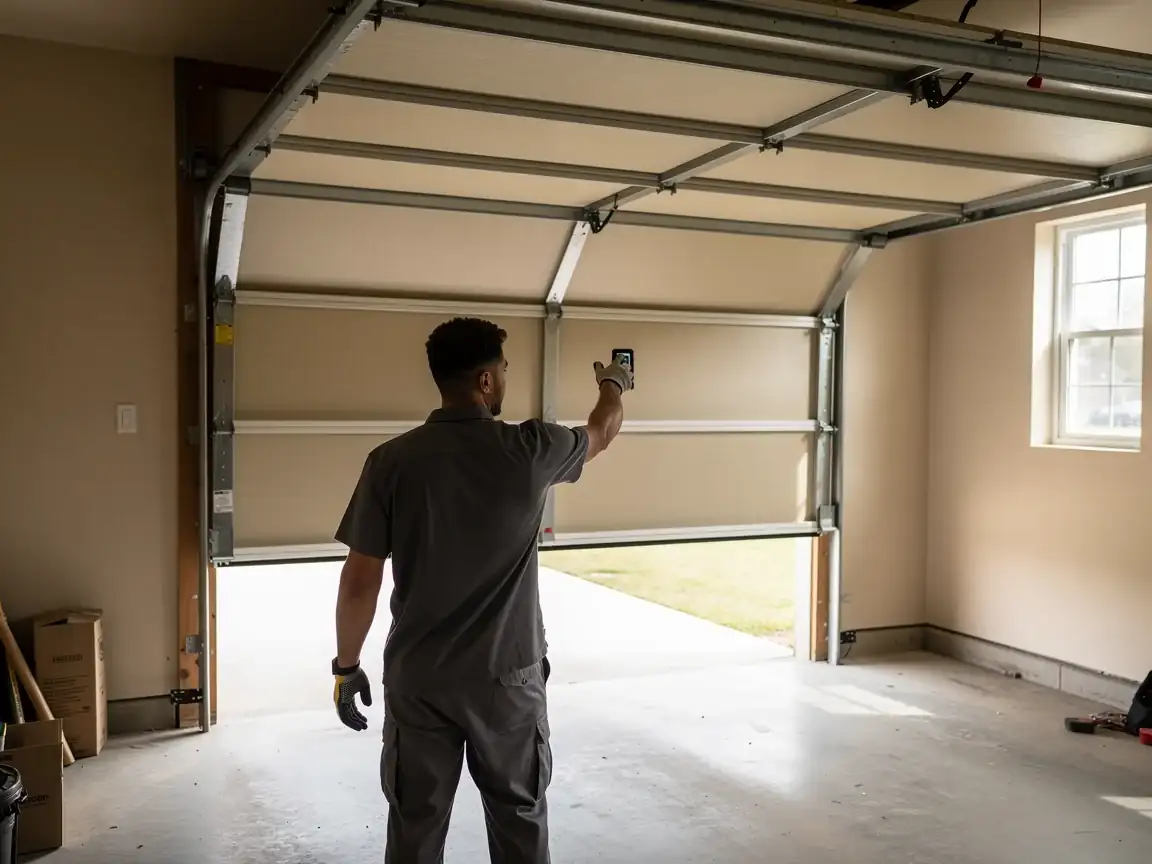
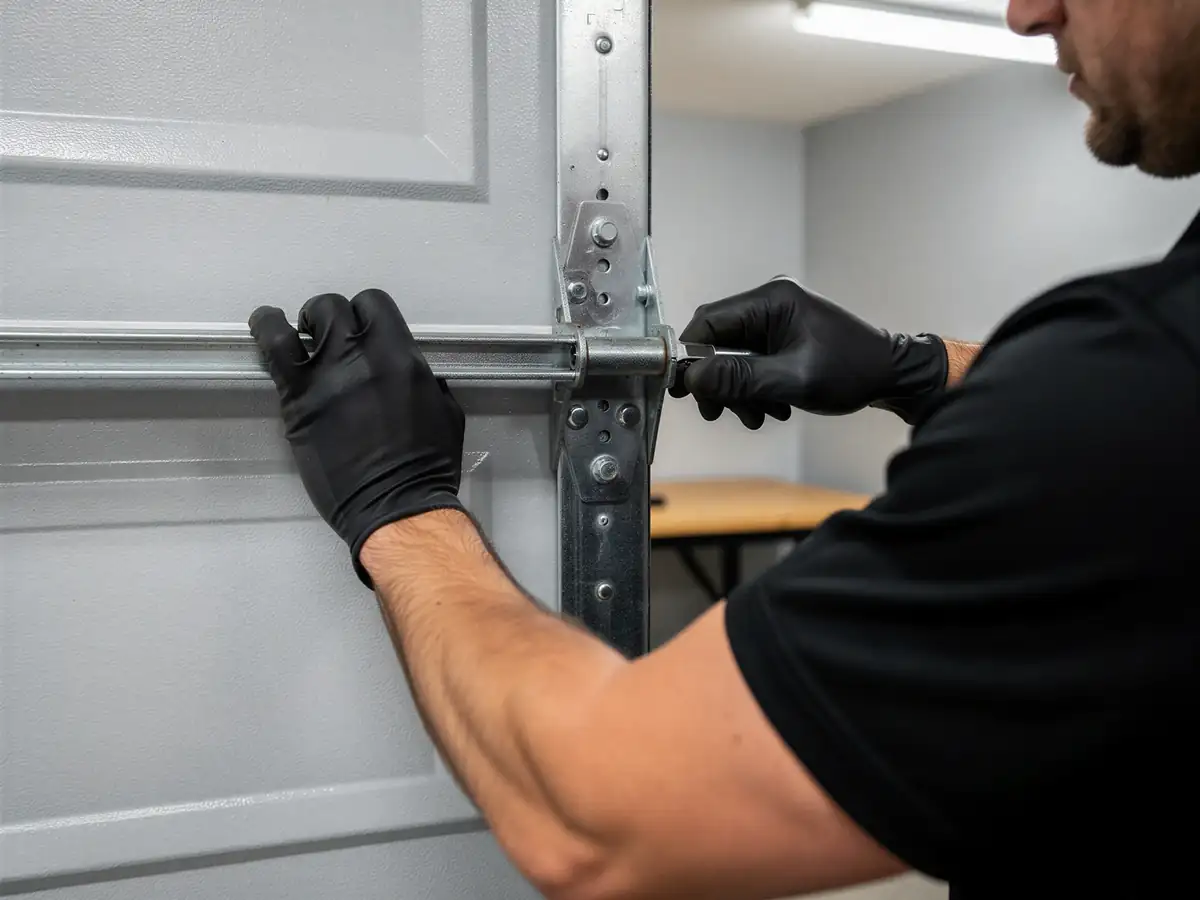
What we don't recommend DIY-ing: opening the motor housing to look at a circuit board, or touching anything on the high-voltage side of the unit. If the opener runs but the door doesn't move, or runs backward immediately, that's a travel-limit or force-setting issue that's fast for us and easy to make worse on your own. If you've reset the opener and reseated the sensors and it still won't fire, that's the point to stop and call.
Time on the Job
A straight opener swap
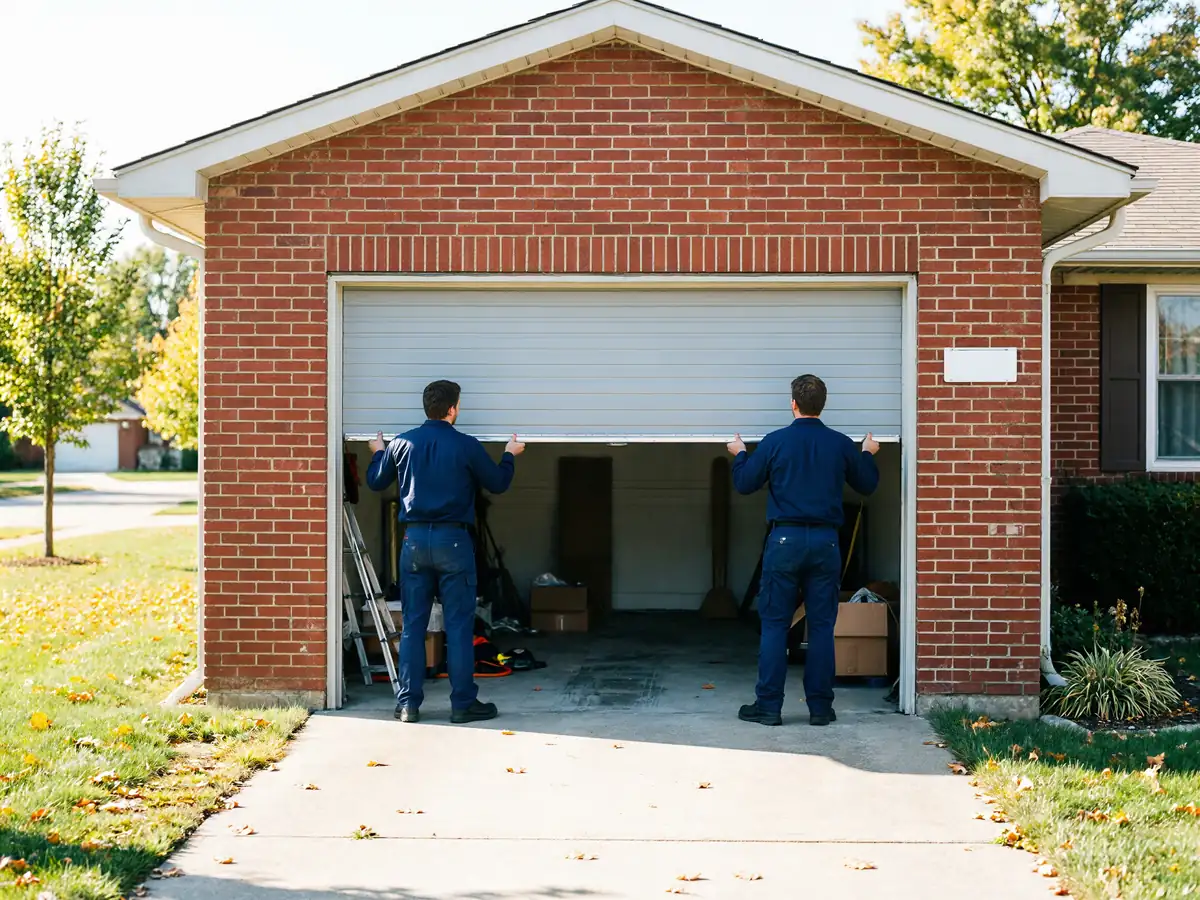
Same mounting rail, similar horsepower - usually runs under two hours once we're on site, not counting the drive out from Champaign. Board or sensor replacements on a working chassis are quicker, often closer to half an hour. What slows a job down in this area isn't the house, it's parts: if your opener is a less common brand or an older board that's been discontinued, we may need to order it rather than carry it on the truck, which pushes the job to a second visit.
We size the opener to the door, not the garage
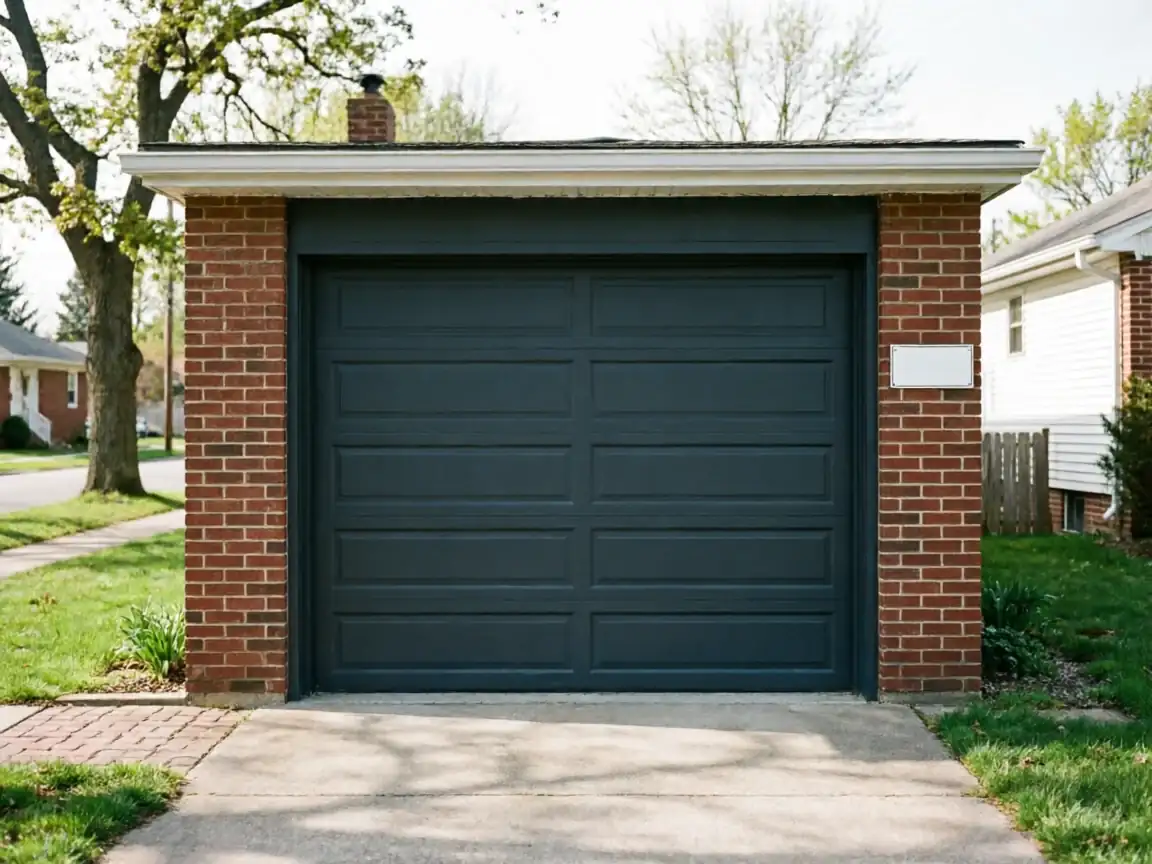
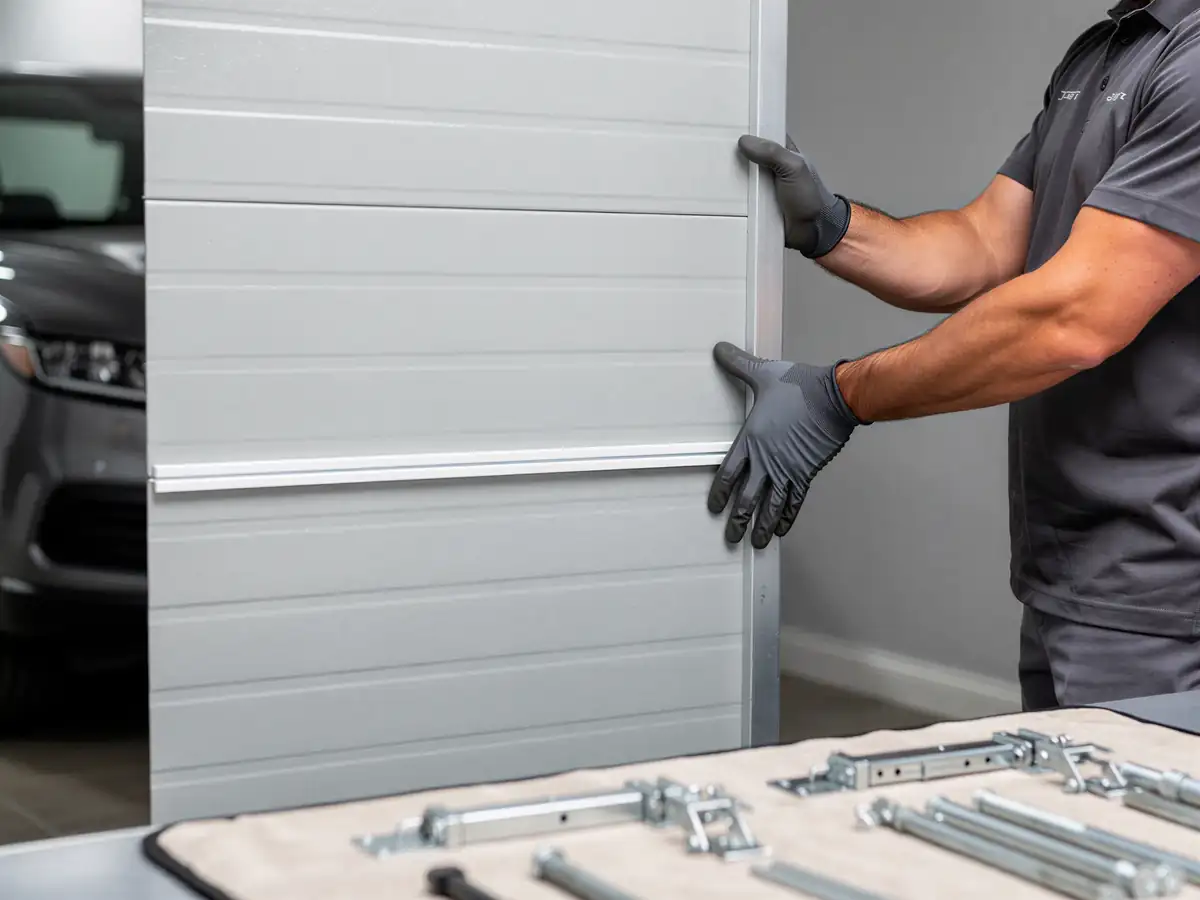
Newer two-car doors in this area tend to run larger and heavier than the smaller single doors typical of older housing stock, so a replacement needs enough lift capacity to handle that, which is one more reason to tell us the door's rough dimensions when you book.
Stocked Parts
We carry the parts that fail most on openers from the 2000s build era: circuit boards for the common chain and belt-drive models, safety sensor pairs, drive gears and sprockets, and remotes/keypads for rolling-code systems, which is what almost everything installed since 2000 uses. Capacitors for older motor units are a more occasional item - we often have them, but on a less common brand we may need a day to get the exact part in.
What we don't stock on the truck is obsolete boards for openers from before rolling-code systems existed; those are rare in this area given how recent most of the housing stock is, but if you've got one, expect an order-in rather than a same-visit fix.
What Can Go Wrong
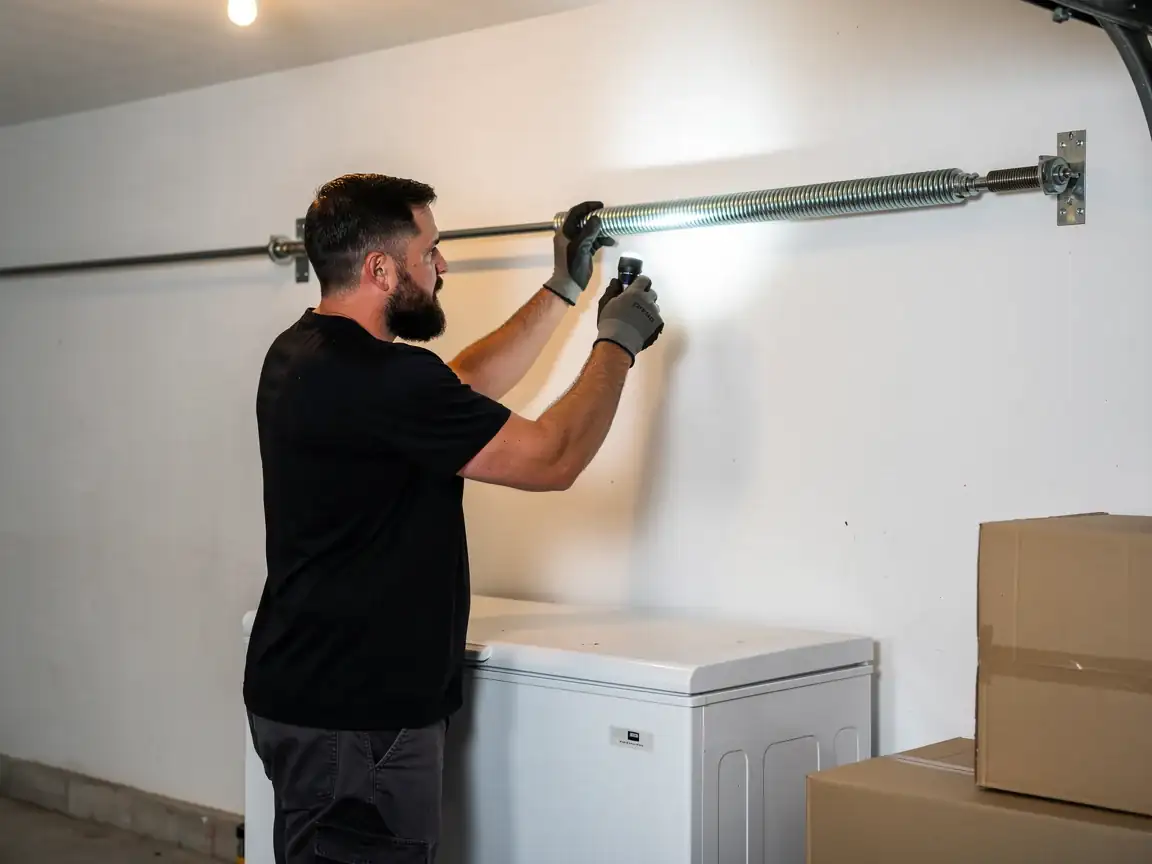
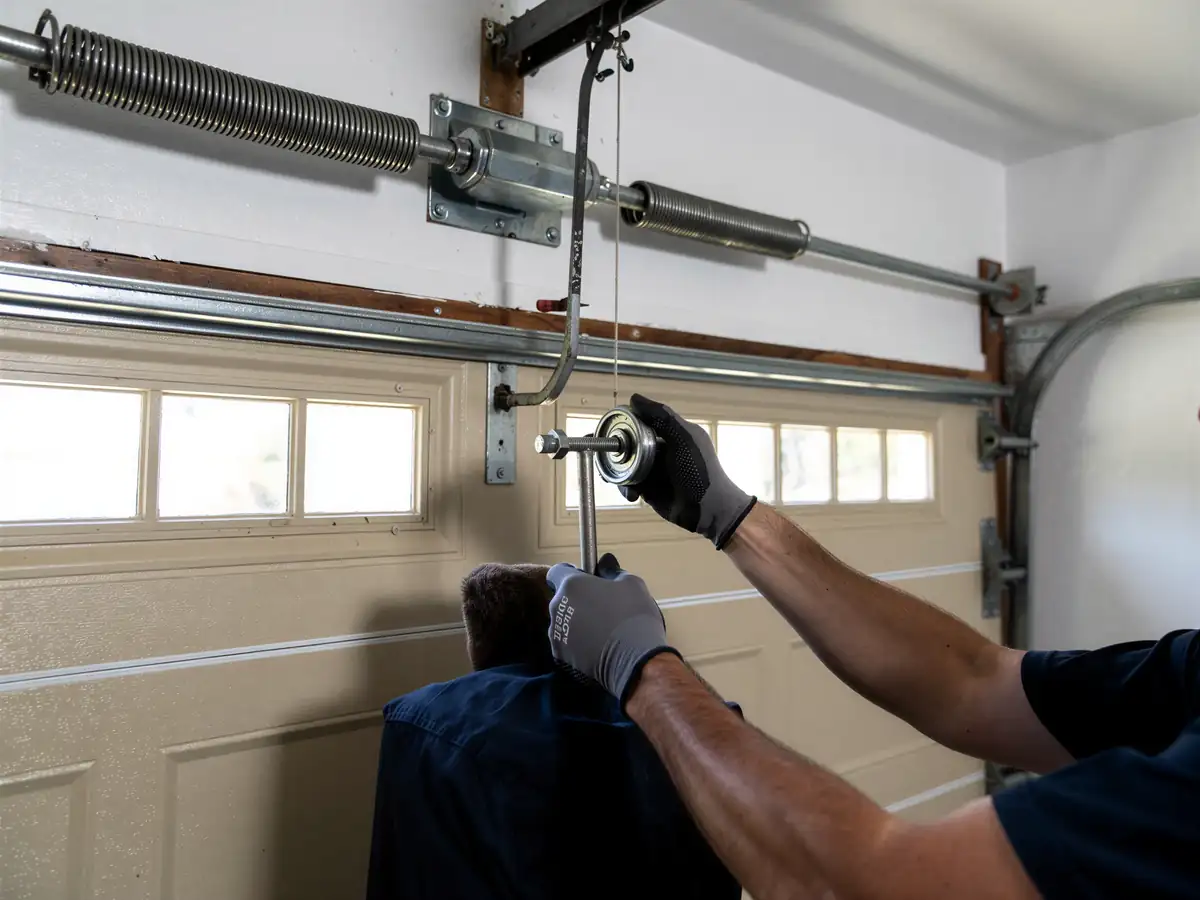
The opener itself is rarely the whole story. On garages built around 2000, the door is typically a full-size steel sectional, heavier than the single-car wood doors common on older 1960s-70s stock elsewhere in the county - and a worn opener motor straining against springs that are losing tension will burn out faster than it should. If your door feels heavy to lift by hand with the opener disconnected, that's a spring problem, not an opener problem, and replacing the opener won't fix it.
The other common failure here is simpler: battery backup units in newer openers fail quietly, so the opener seems dead until you realize the backup battery, not the motor, is the problem. We check that before we touch anything else.