How to Book
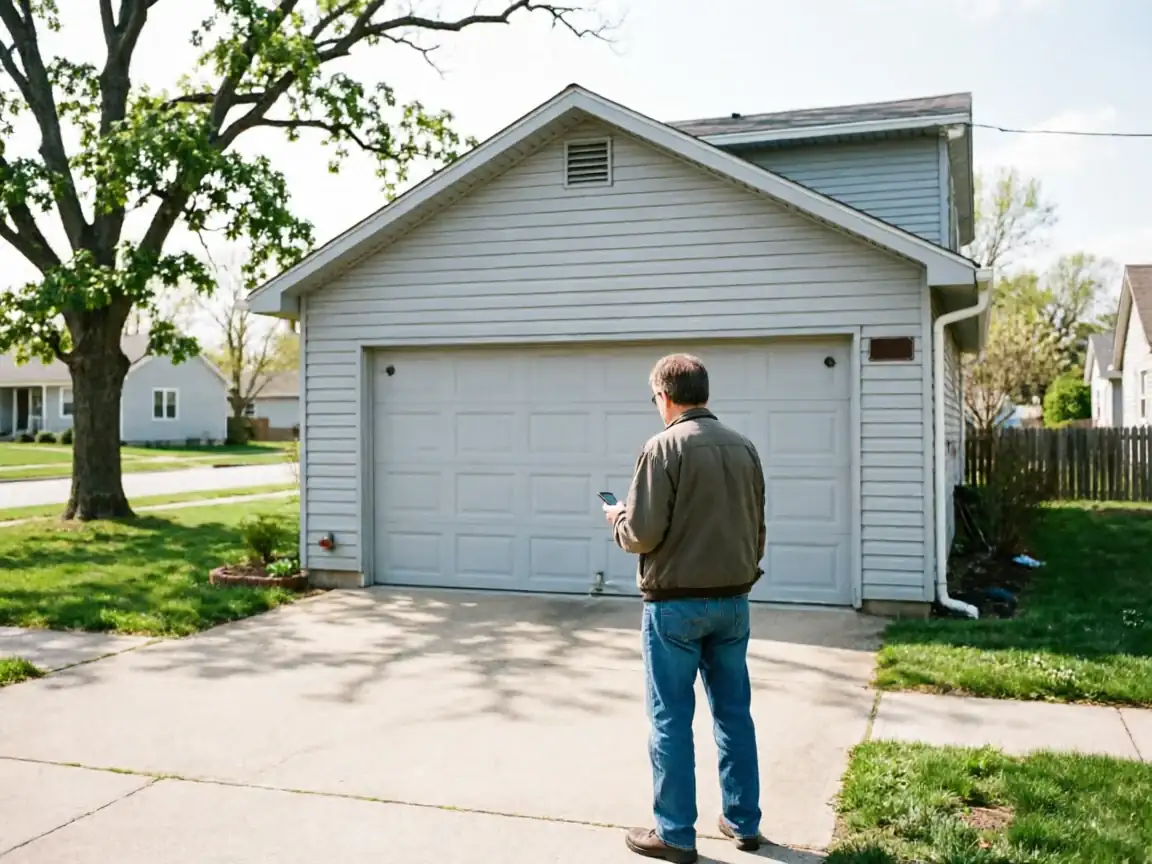
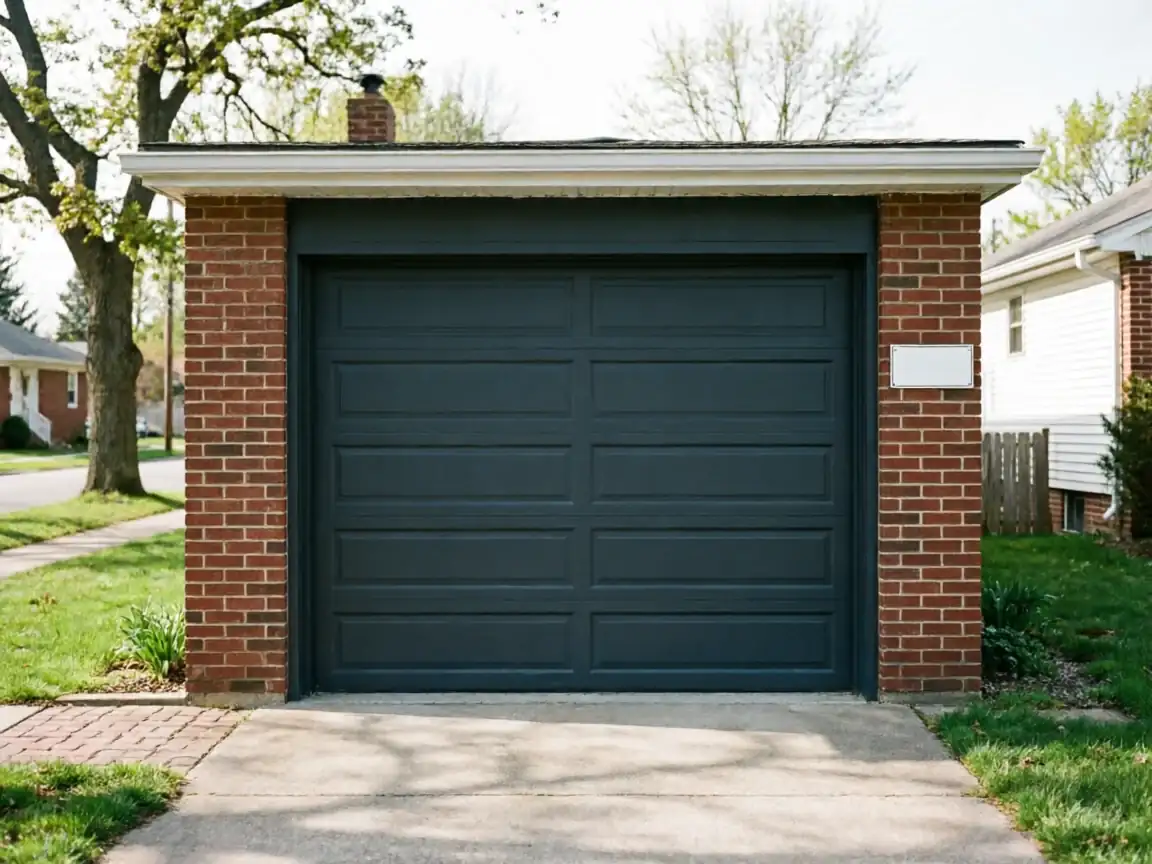
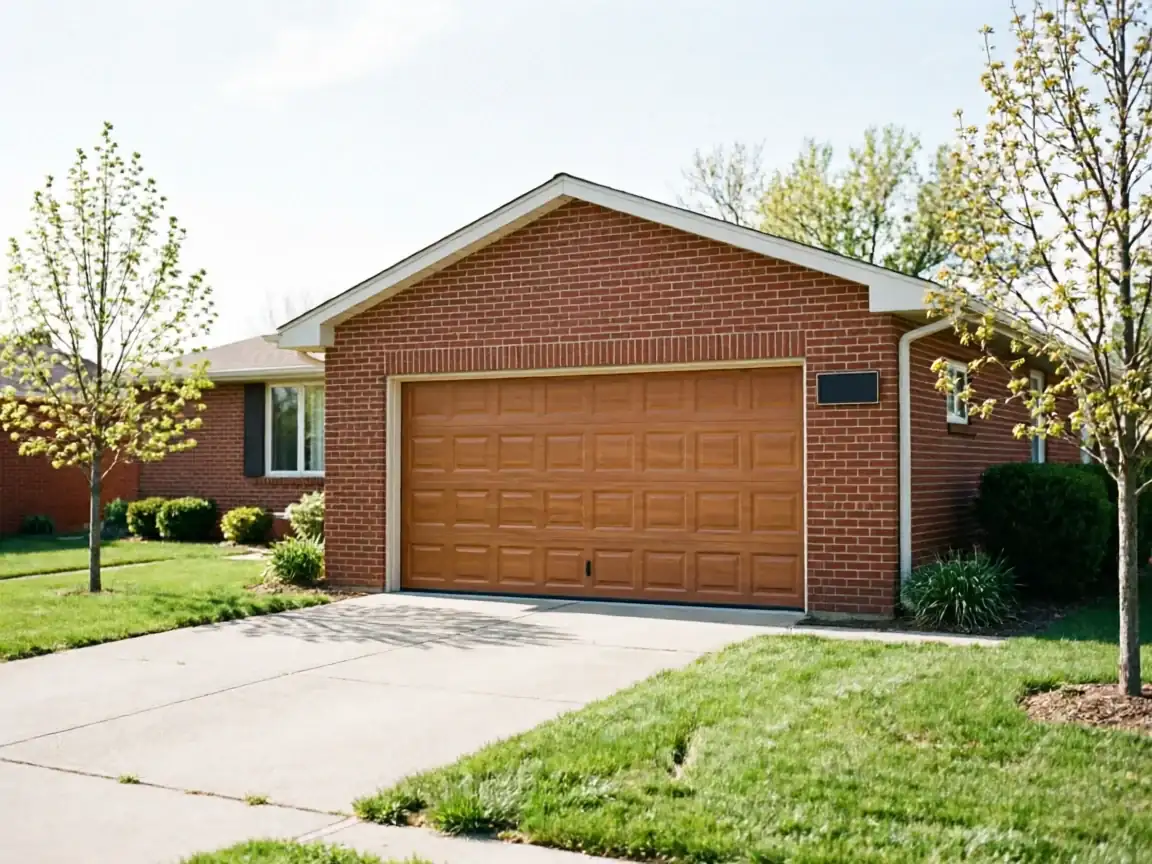
Mahomet sits about 8 miles from Champaign, and that's the distance the truck covers to get to you - there's no branch or depot sitting inside town, so every job here gets scheduled out of the Champaign shop. When you call, have the door's brand and the approximate install year ready if you know it; since most Mahomet houses went up after 2000, there's a decent chance the door is still the original builder-grade unit, and that narrows down which panel profiles we need to check stock on before the truck leaves. We'll ask whether it's one dented panel or several, and whether the opener still runs fine with the door closed partway - that tells us if the track took damage too. Booking a panel swap is simpler than booking a full replacement, but we still need a look at the door in person before we quote it, because panel fit depends on exact width, panel height, and whether the section is insulated or not. If you're not sure what you're dealing with, that's fine - plenty of calls start that way.
Doing It Yourself
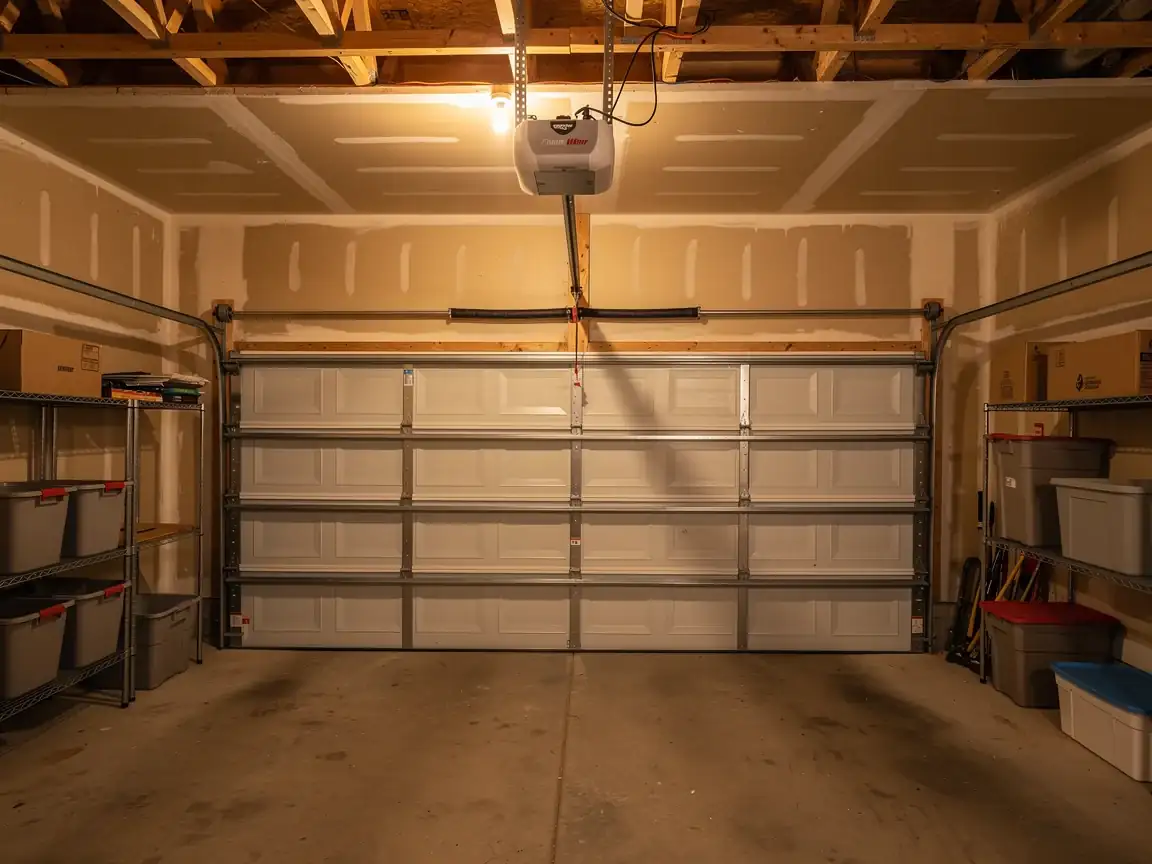
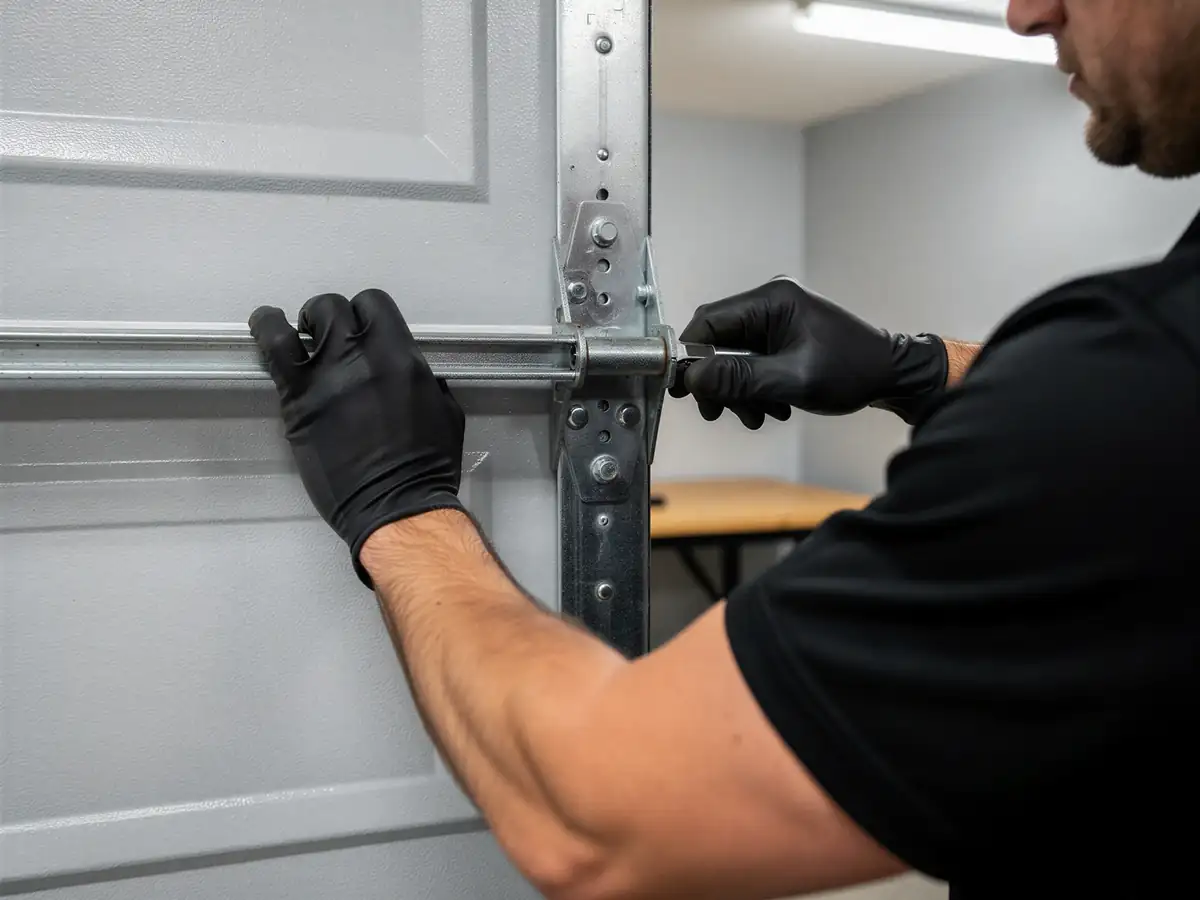
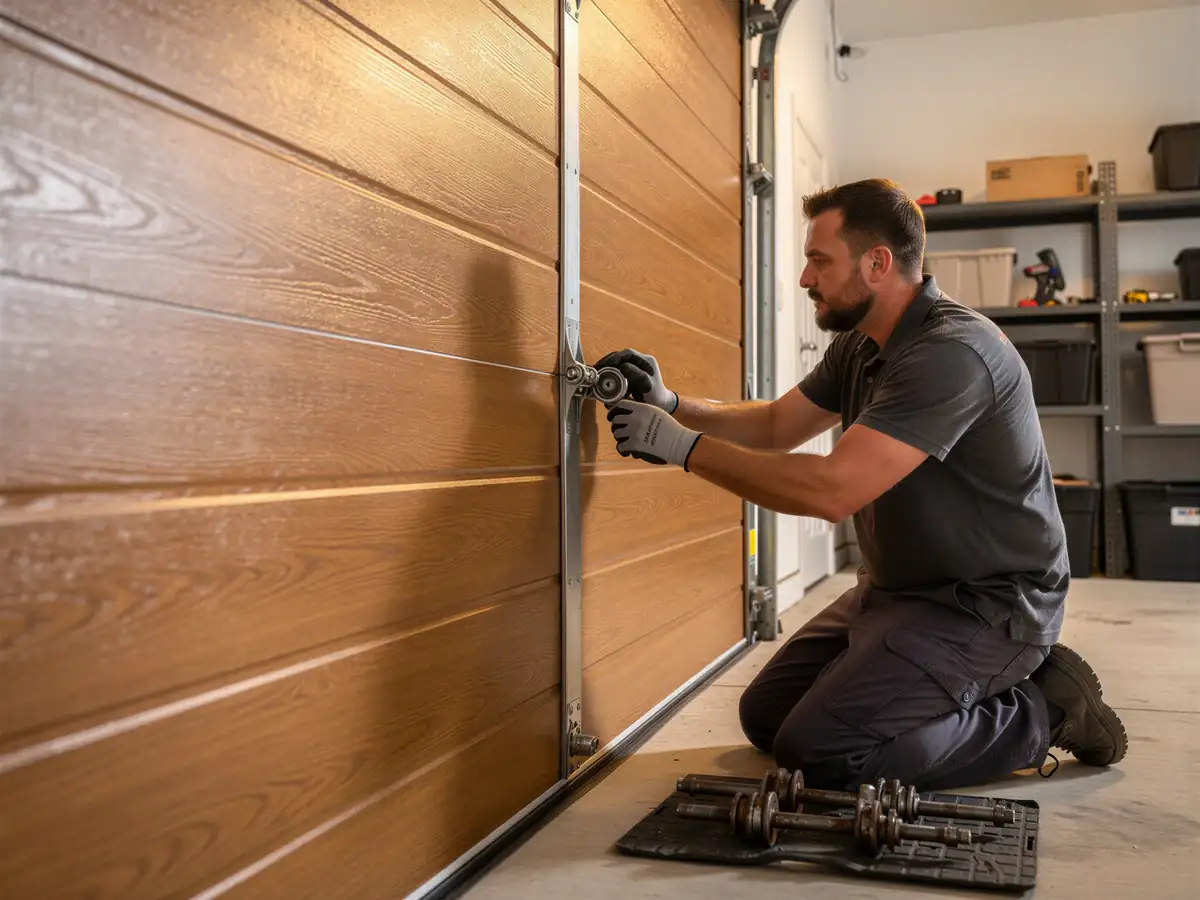
A single dented or cracked panel on a sectional door looks like a bolt-off, bolt-on job, and on paper it is. In practice, the houses going up in Mahomet since 2000 mostly carry steel sectional doors in factory colors and panel textures that got matched to the siding at build time - and matching a 20-plus-year-old factory color or a discontinued raised-panel stamp yourself is the part that trips people up, not the wrench work. Order the wrong panel and you end up with a door that's one shade off or one ridge pattern different, visible from the street. If the section is insulated, you're also dealing with a sandwich panel bonded to steel skins, not a flat sheet - those aren't something you cut or reshape at a workbench. DIY makes sense for cosmetic trim pieces, end caps, or a panel on a door you're planning to replace outright anyway and don't care about matching. It makes less sense when the rest of the door is in good shape and you want the swap invisible. We're honest about that trade-off on the phone before you buy a panel that doesn't fit.
Stocked Parts
We don't keep a Mahomet-specific inventory - parts for this job travel out with the truck from Champaign, same as everything else on this side of the service area. Common panel profiles and standard white or almond colors are usually something we can source quickly. Where it gets slower is a panel that was painted or textured to match a specific build run from around 2000, since manufacturers discontinue colors and stamp patterns over time and the door doesn't know that. That's the honest limitation here: if your exact panel profile isn't made anymore, the real options are a close color match on one section, repainting the whole door to even it out, or replacing the full door instead of chasing a part that doesn't exist. We'll tell you straight which situation you're in once we've seen the door, rather than quoting a part number over the phone and hoping.
What Can Go Wrong
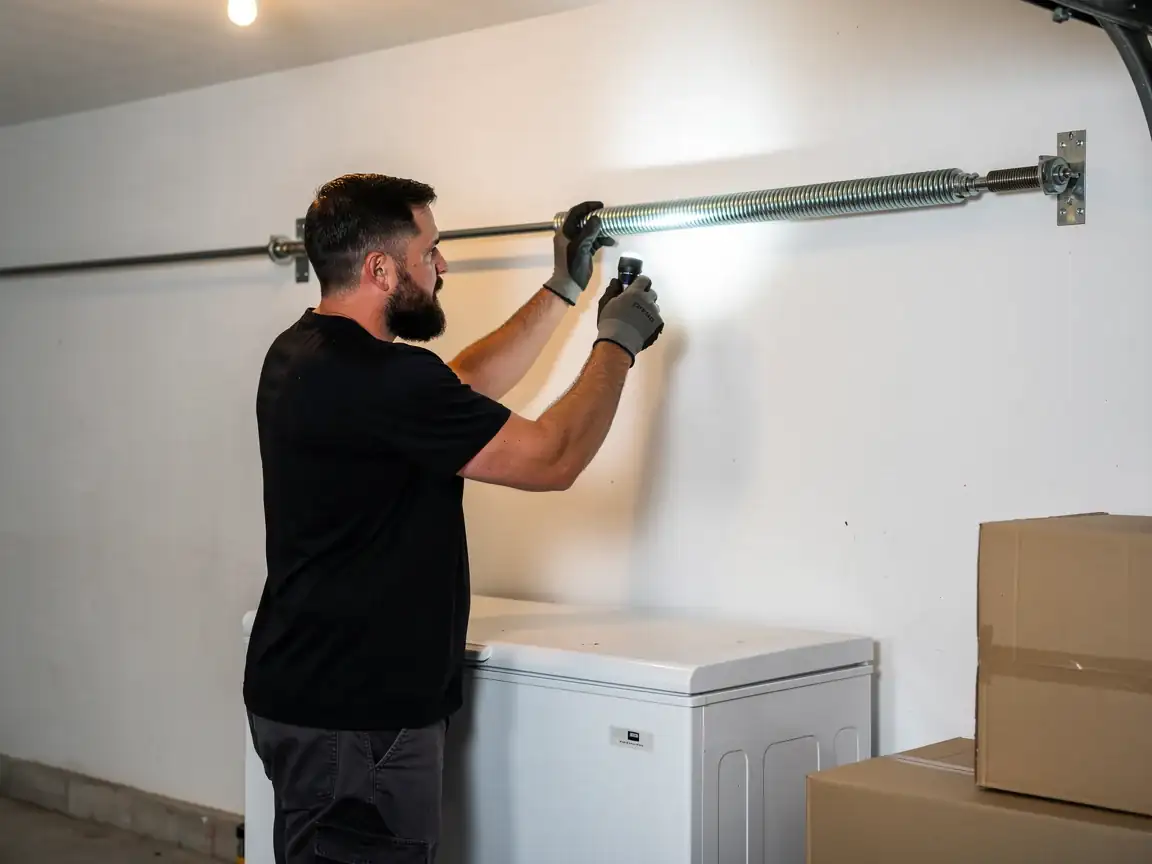
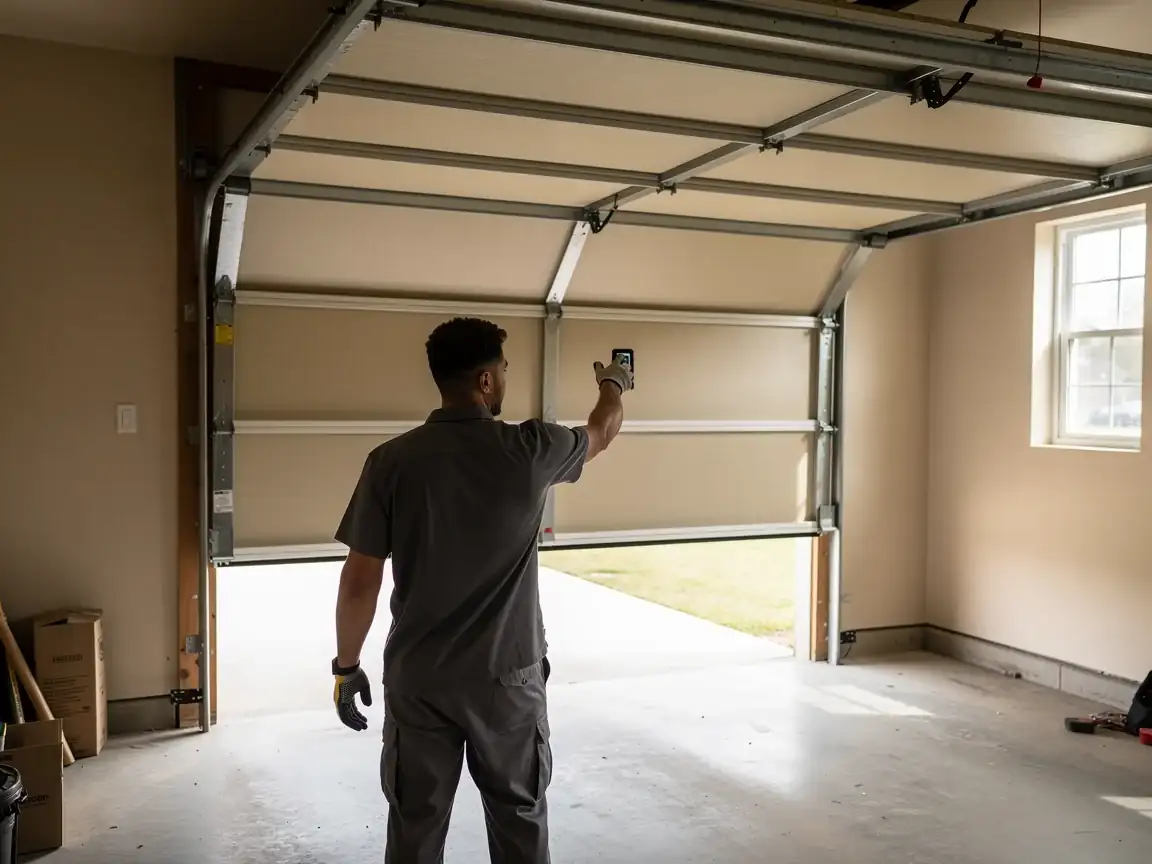
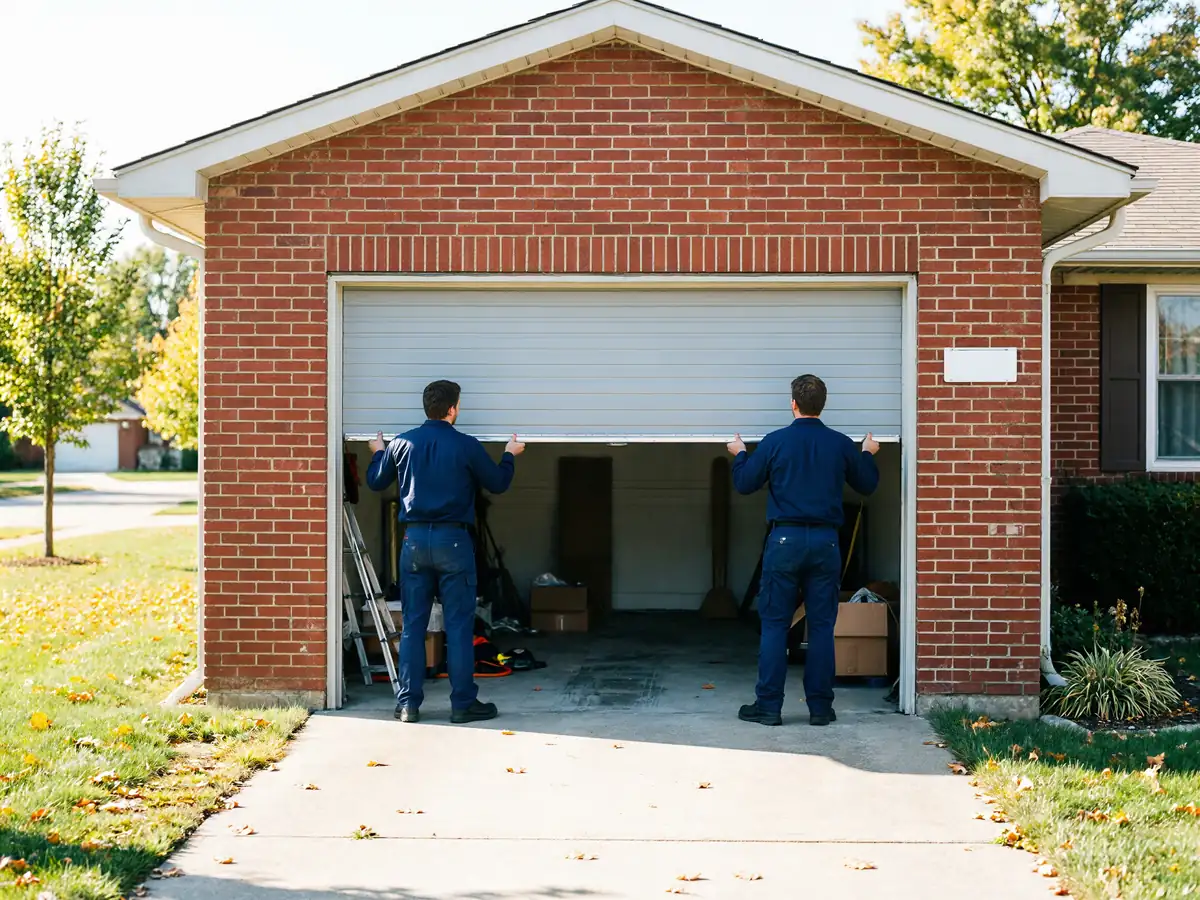
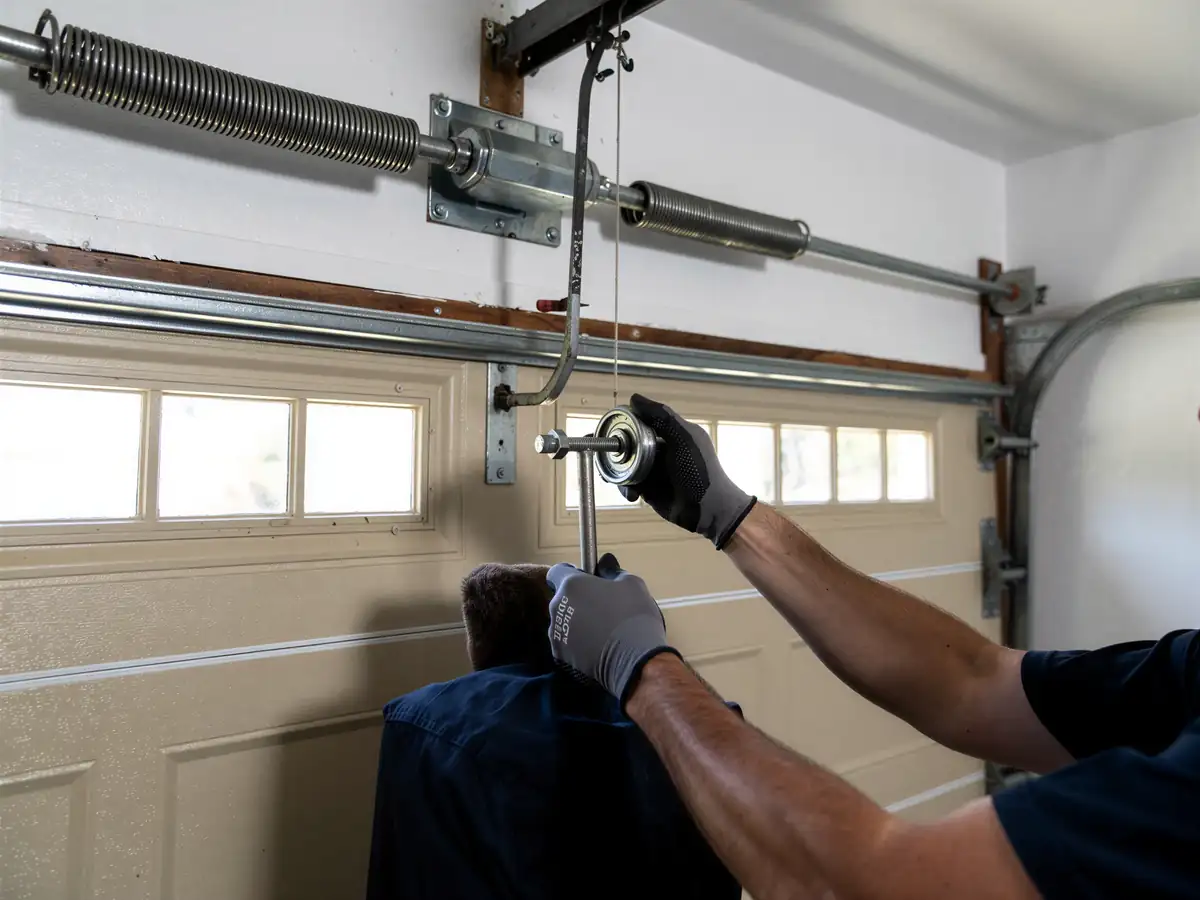
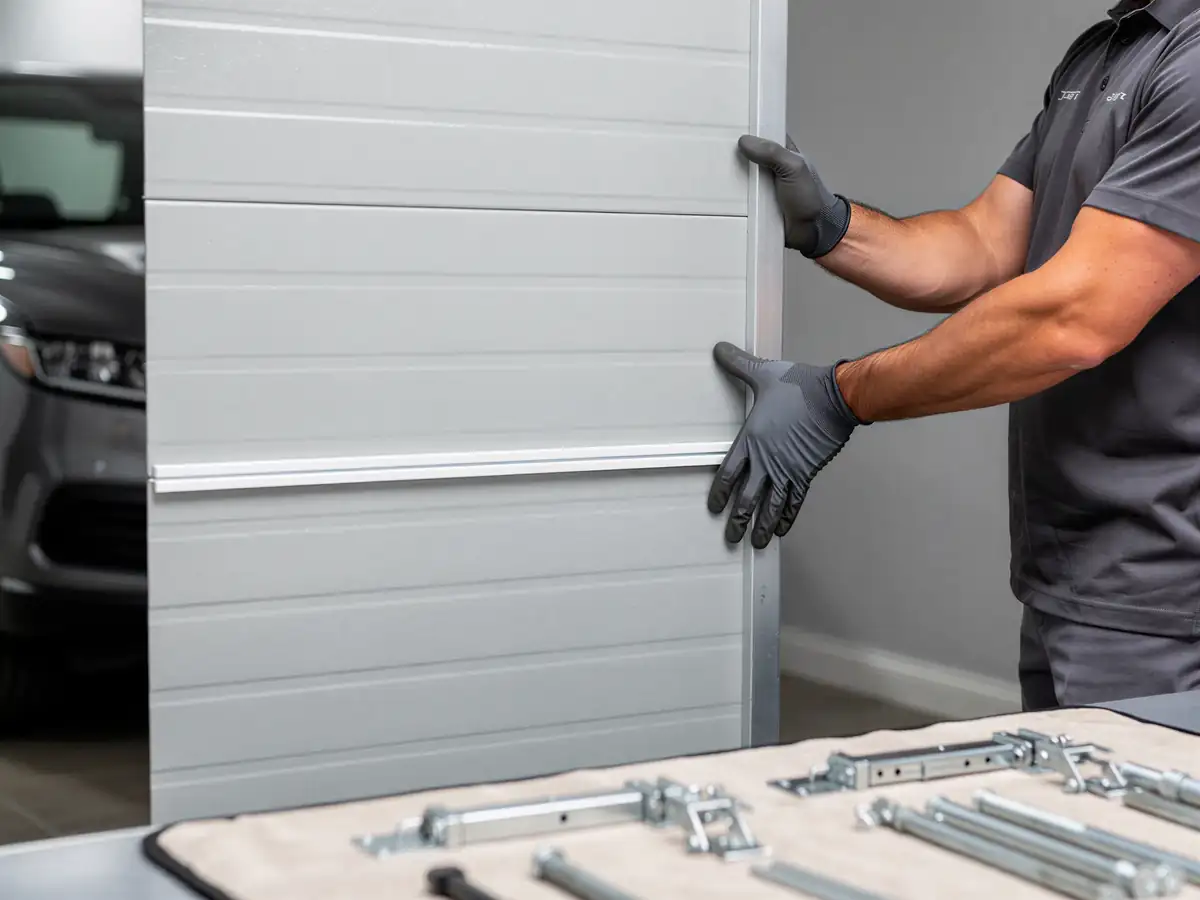
The most common miss on a panel-only job is a color or texture mismatch that only shows up once the new section is bolted in next to 20-year-old, sun-faded steel - paint fades unevenly, and a brand-new panel next to it can look wrong even when it's the correct part number. Second is insulation mismatch: Mahomet's post-2000 housing stock often has insulated sections as standard, and swapping in a non-insulated panel changes how the door handles a cold winter, both in comfort and in condensation on the inside skin. Third, on multi-section doors, pulling one panel without supporting the stack can let the remaining sections rack out of square, which then binds the rollers in the track. None of these are reasons to avoid the repair - they're reasons to have someone check fit, insulation type, and panel alignment before reassembly, not just bolt the new piece in and call it done.