What You Pay
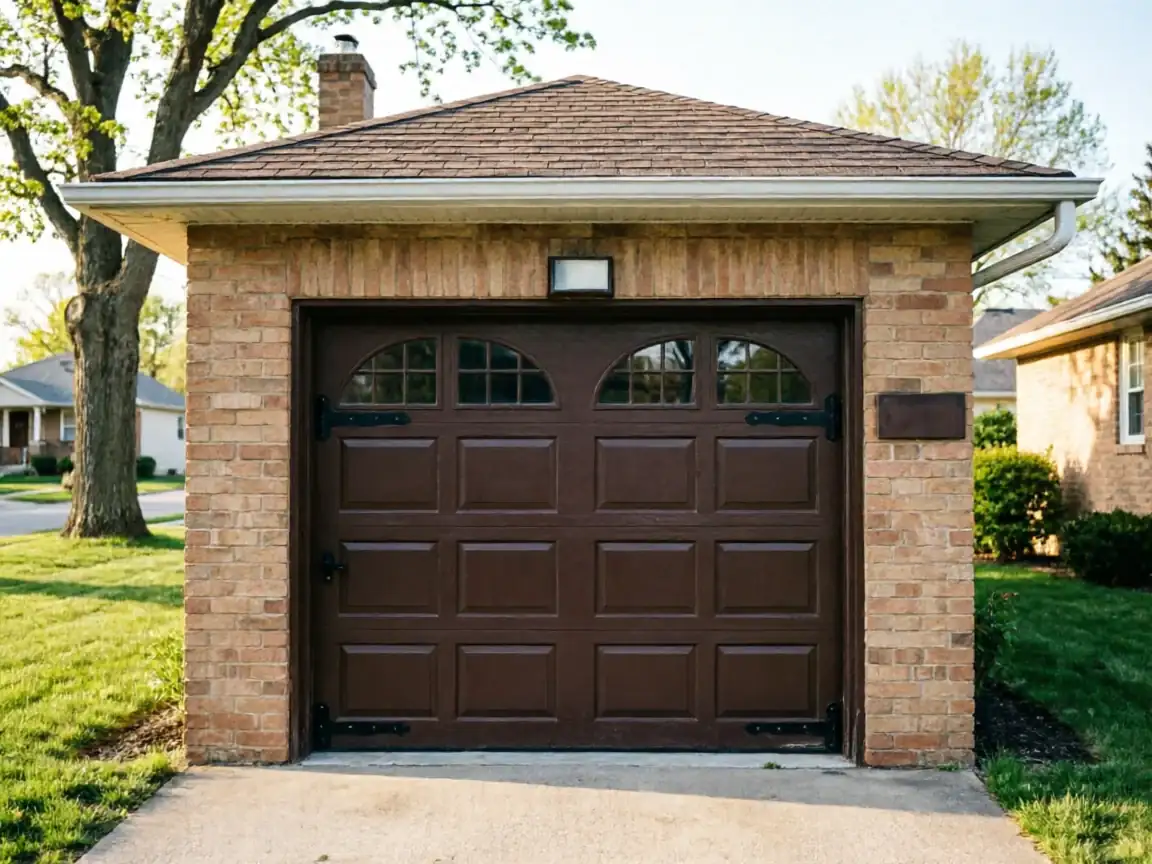
Fisher's median household income runs $92,697, well above the $81,703 median across the wider Champaign service area. That number matters here more than most places, because it changes where the repair-or-replace line sits. On a lot of jobs in older, lower-income neighborhoods, a cracked bottom panel gets patched and left alone for another five years. In Fisher, with household incomes this high and houses mostly dating to 1974, owners are more likely to replace a damaged section outright rather than live with a mismatched patch job, especially on a door that's visible from the street. We don't carry a published price list here because every door is a different width, panel count, and insulation type, and a 1974-era door often takes a different panel profile than anything built after 2000. What we can tell you up front: single-panel swaps on a door this age cost less than full replacement, but only if the manufacturer still makes that profile. If they don't, you're pricing a new door, not a panel.
Why This Fails Locally
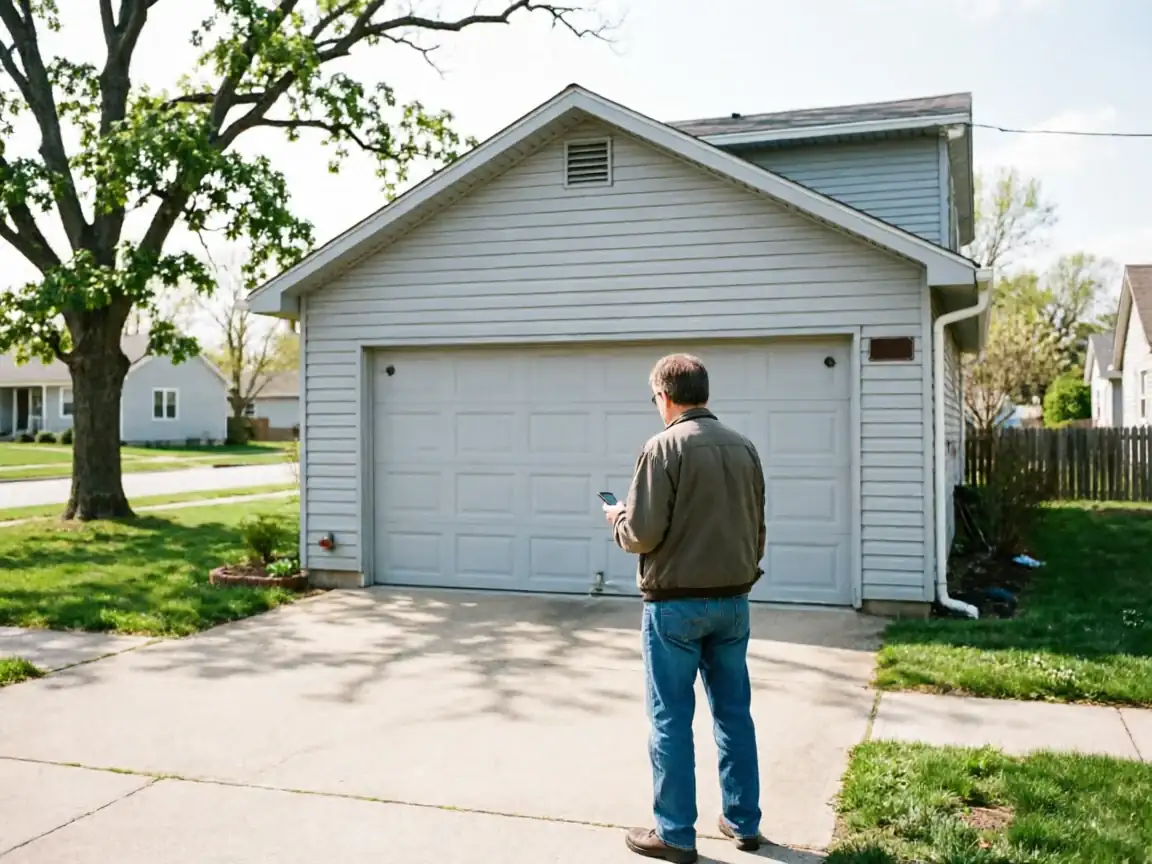
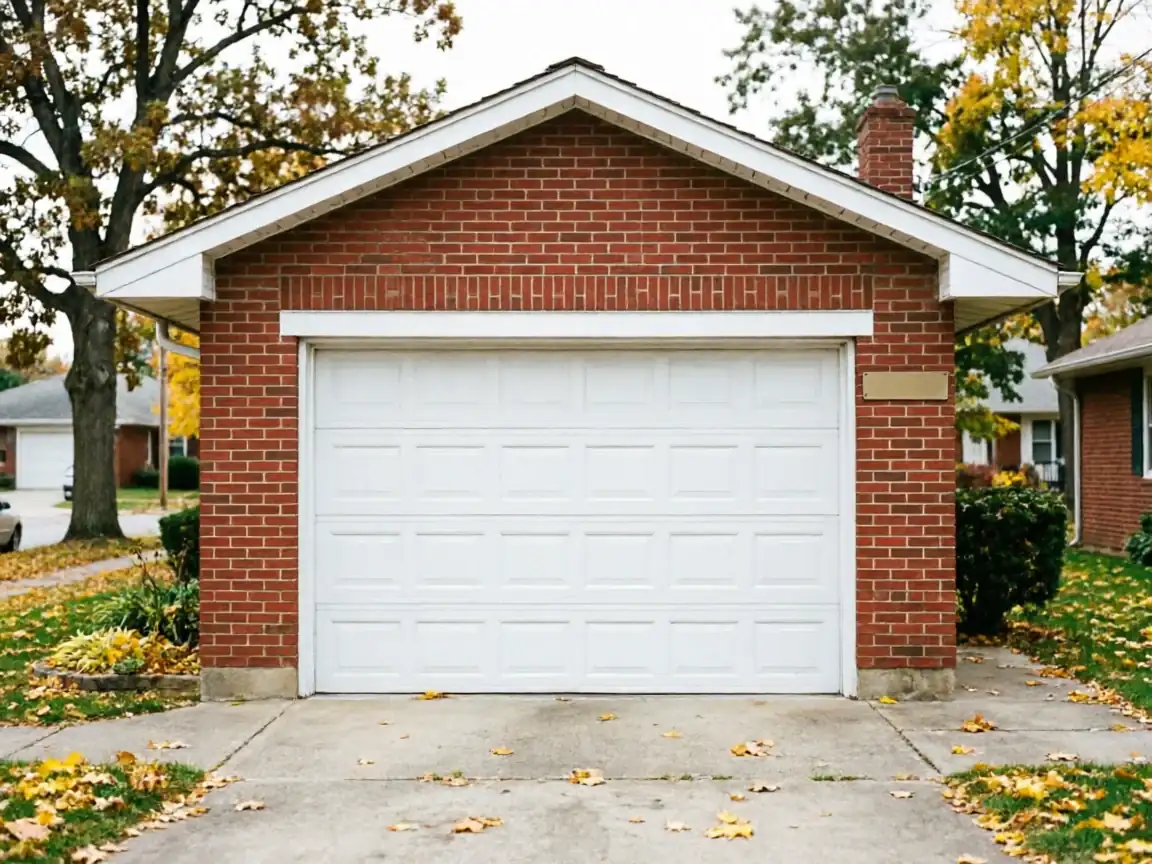
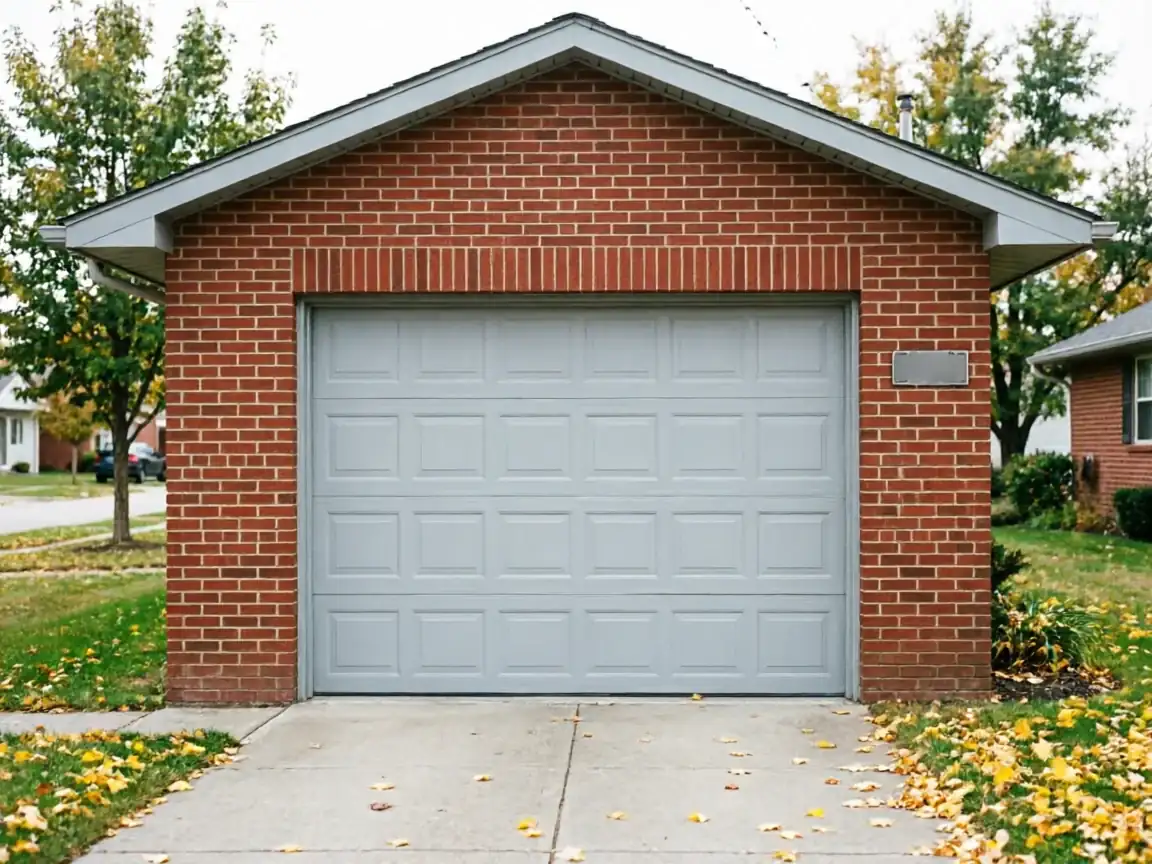
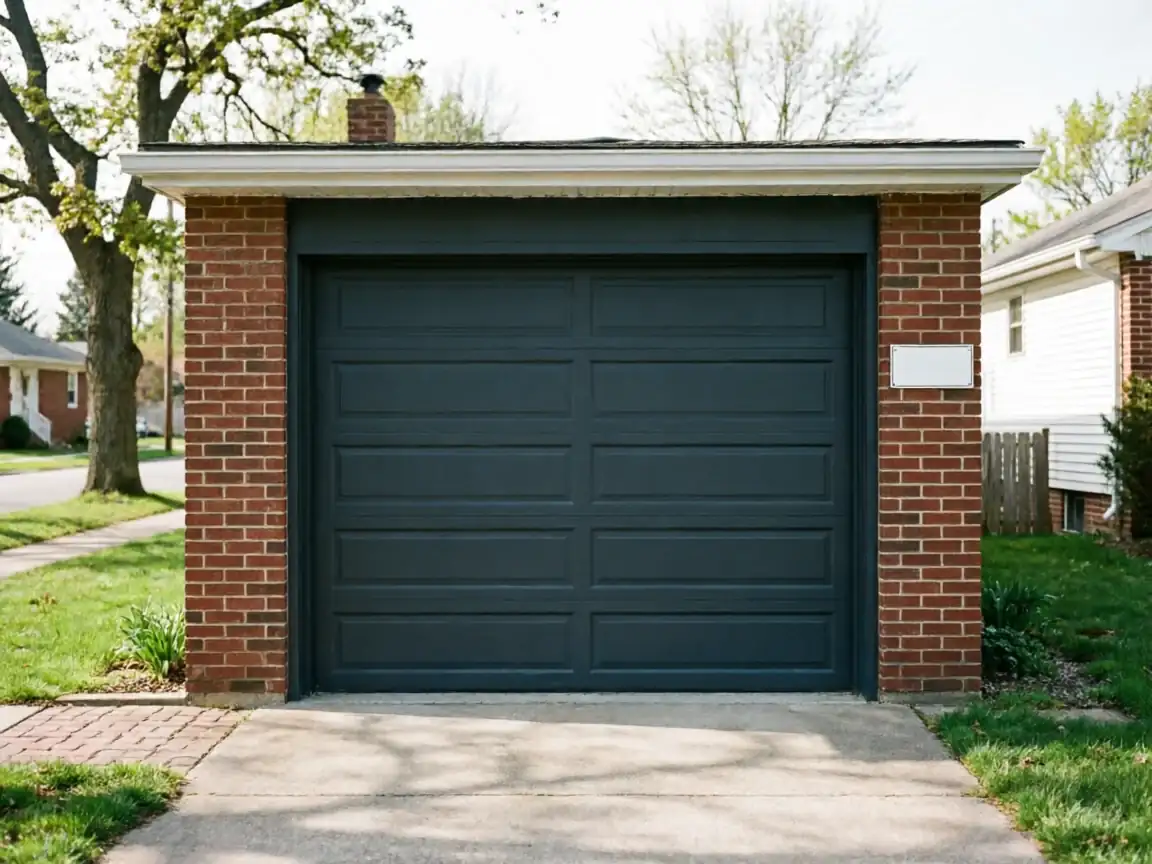
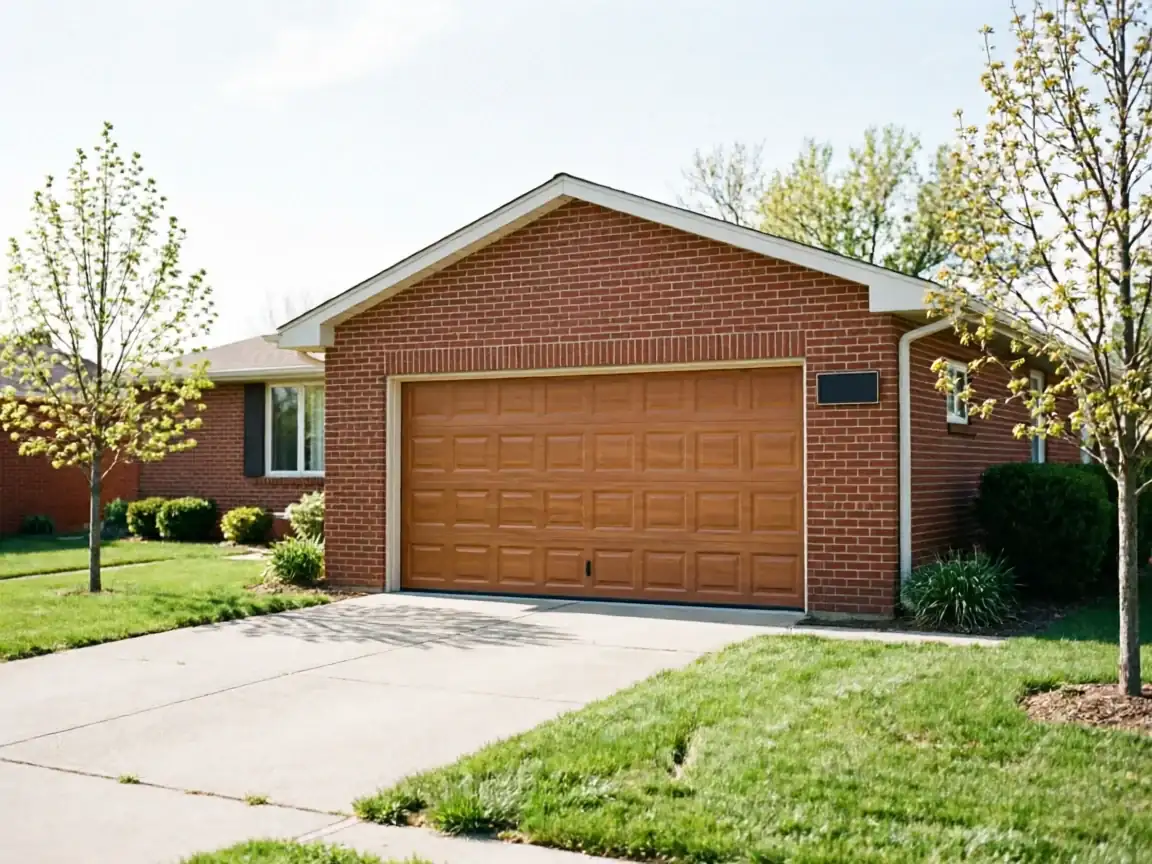
Fisher sits about 14 miles out from Champaign, and the housing stock out here skews toward the 1974 build year - squarely in the middle of the 1956-2000 range that covers most of this service area, and right in the thick of the 1960s-70s wave that dominates construction across the twelve communities we cover. Doors from that era were built with thinner steel skins than anything made today, often without the foam-core insulation that became standard later. That steel dents easily and, worse, it fatigues at the hinge points after a few decades of cold-weather cycling. This region sits in a moderate-cold climate band, so these doors see real freeze-thaw stress every winter: the steel contracts, the seams at the panel joints loosen, and a panel that was fine in October comes back from February bowed or hairline-cracked along the bottom edge. A door built in 2015 doesn't fail this way nearly as fast. A door built in 1974 does, and a lot of Fisher's garages still have that door.
The Symptom
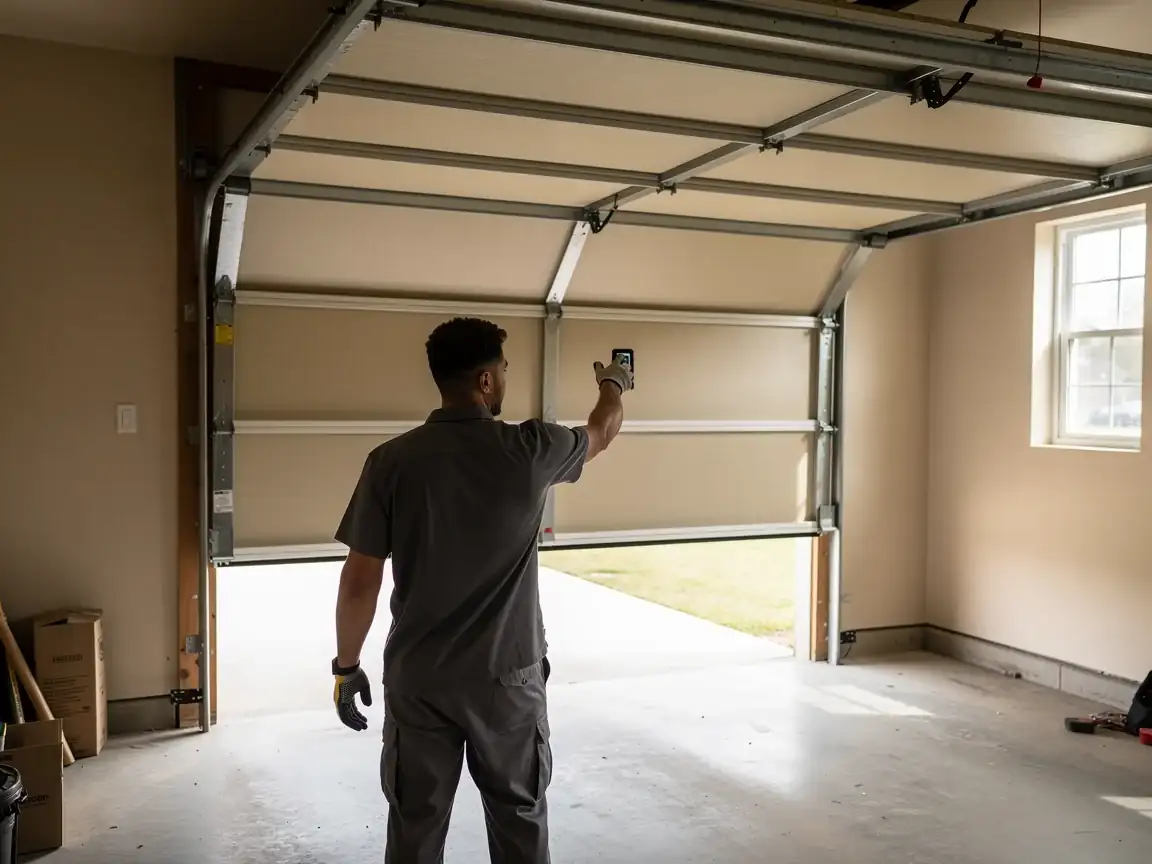
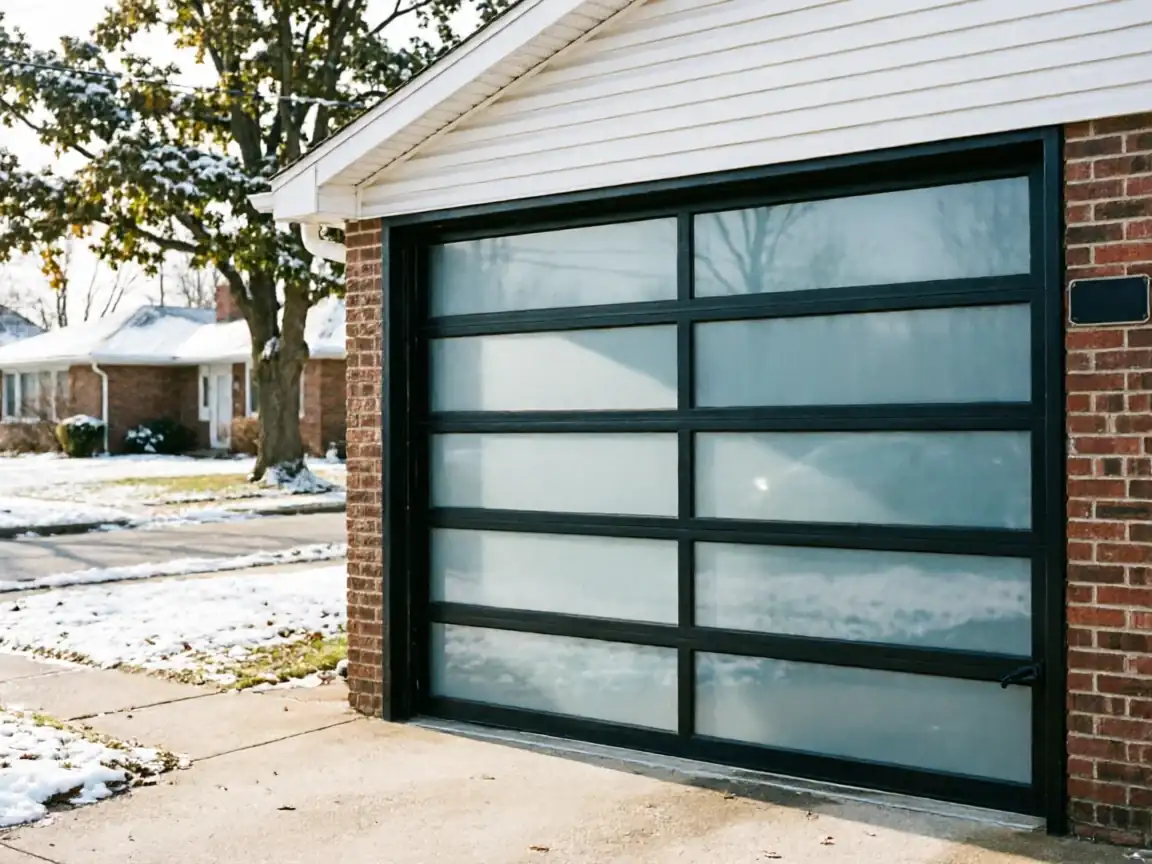
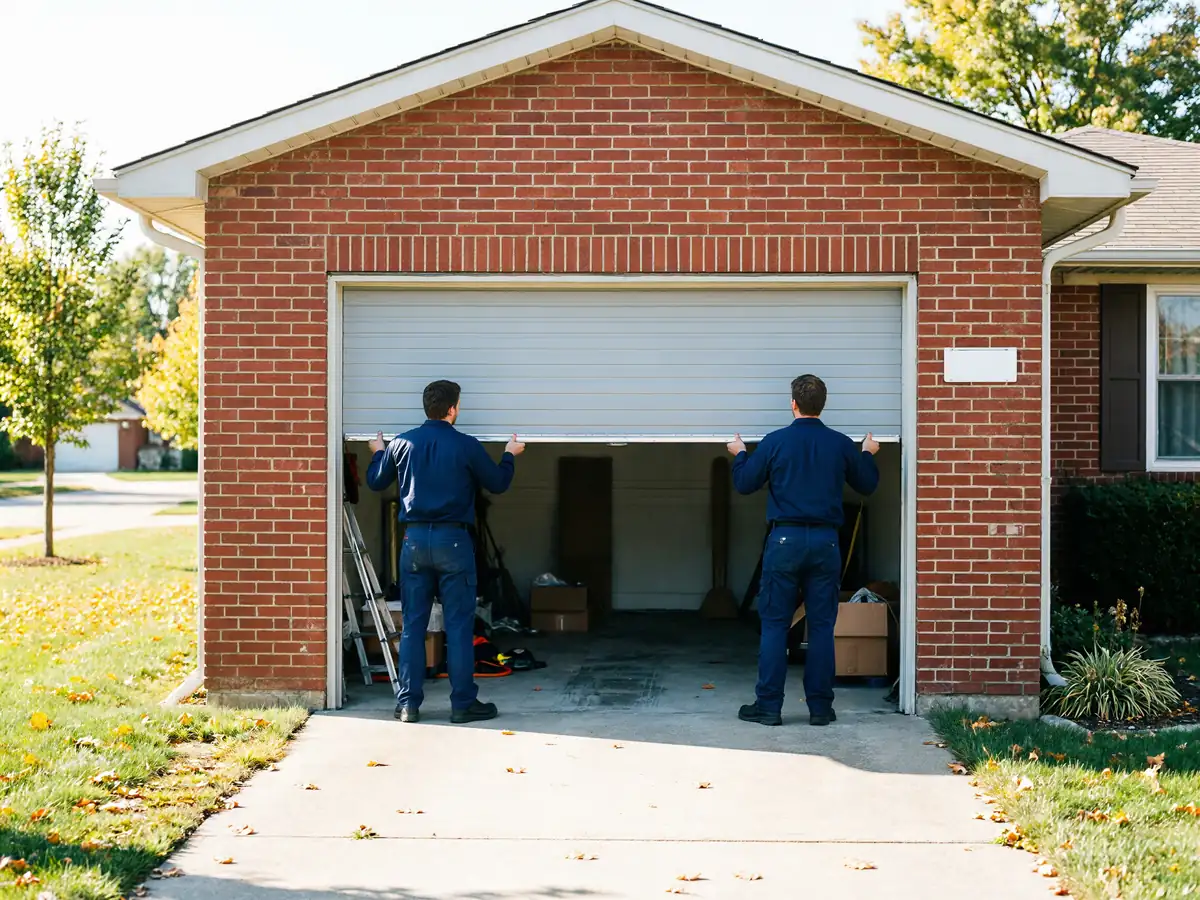
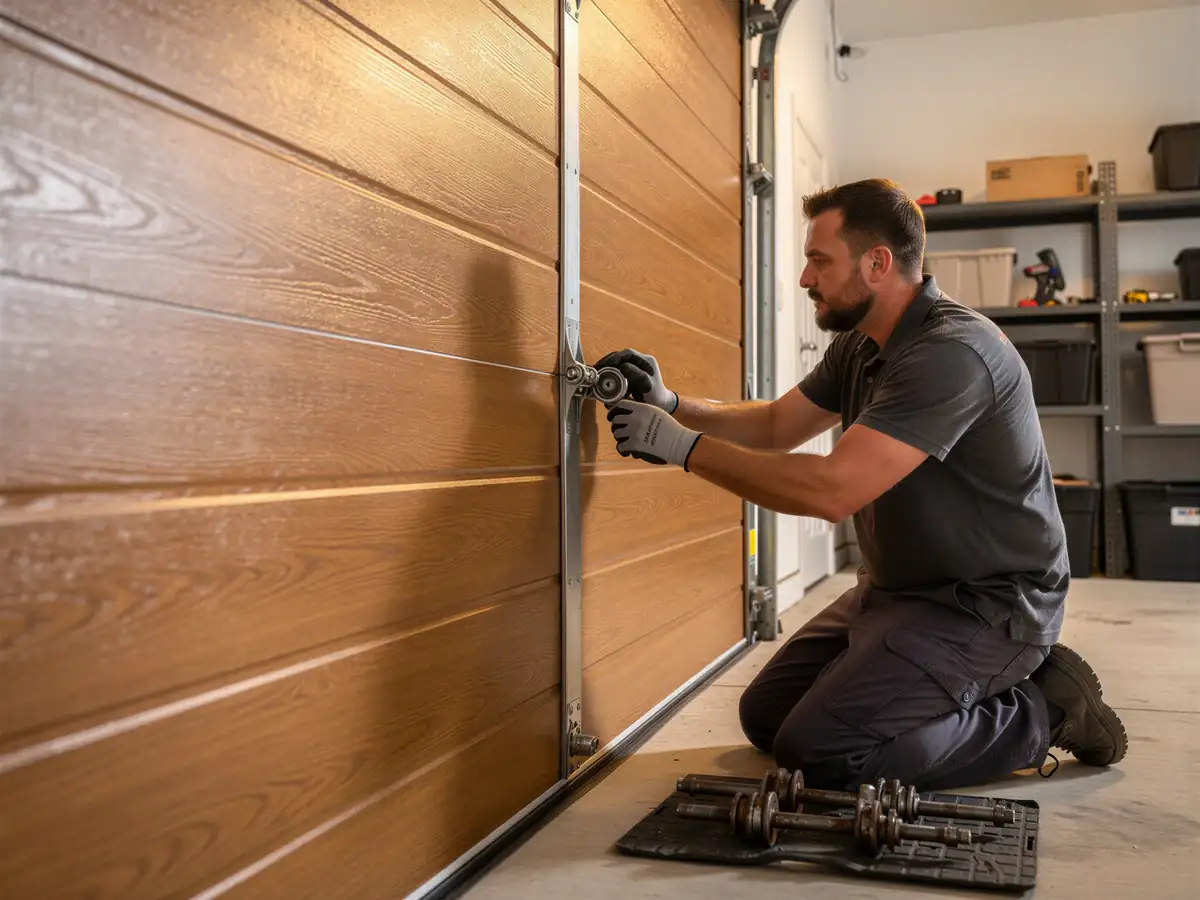
The most common call out here is a bottom panel that's rusted through at the corners, usually from years of snowmelt sitting against the steel where it meets the driveway. Close behind that is a dented mid-panel from a car bumper or a thrown branch - cosmetic at first, but once the steel skin separates from the backing, the panel stops sealing right and the door starts letting cold air into the garage. On insulated doors from the later end of the 1956-2000 range, you'll sometimes see the foam core crumbling inside a cracked panel, which means the whole section needs replacing, not just a dent pulled. If your door sags visibly on one side when it's down, that's not a panel problem by itself - check the track and rollers first, because a bent panel can look like the cause when it's actually the result.
What Can Go Wrong
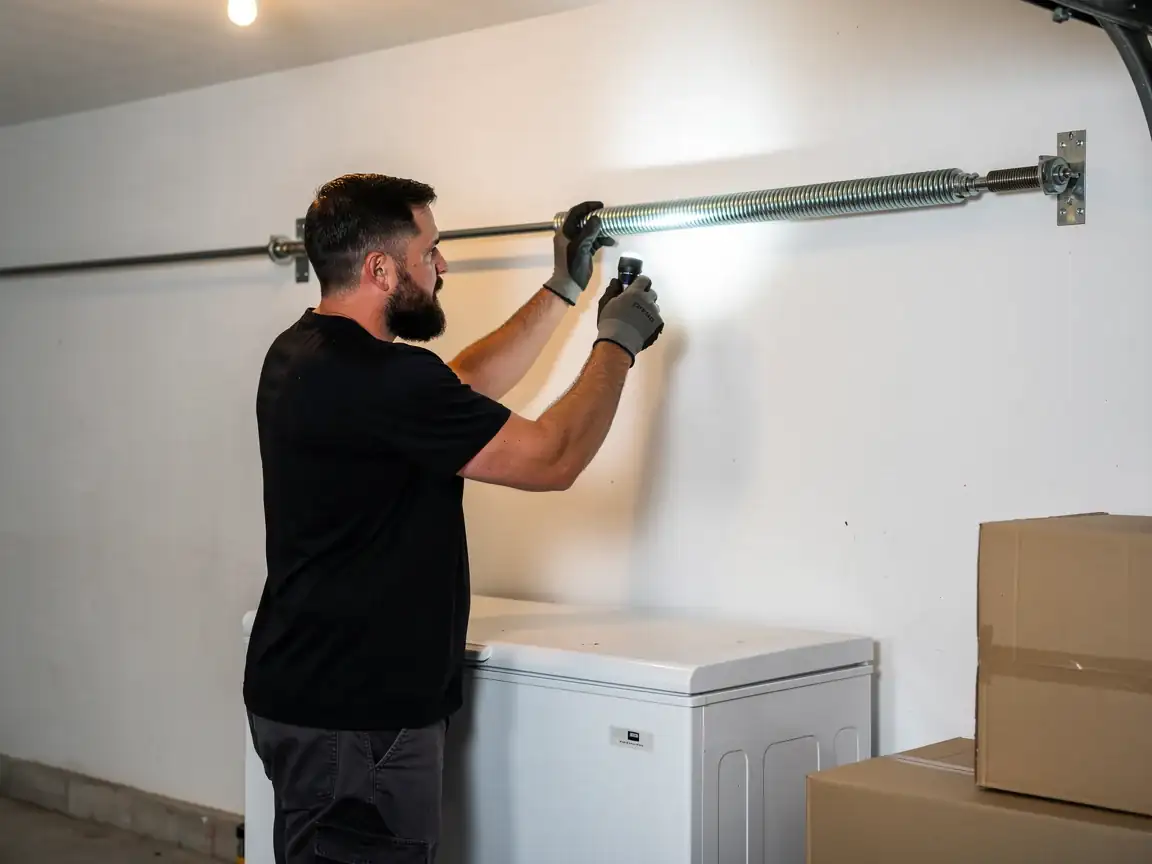
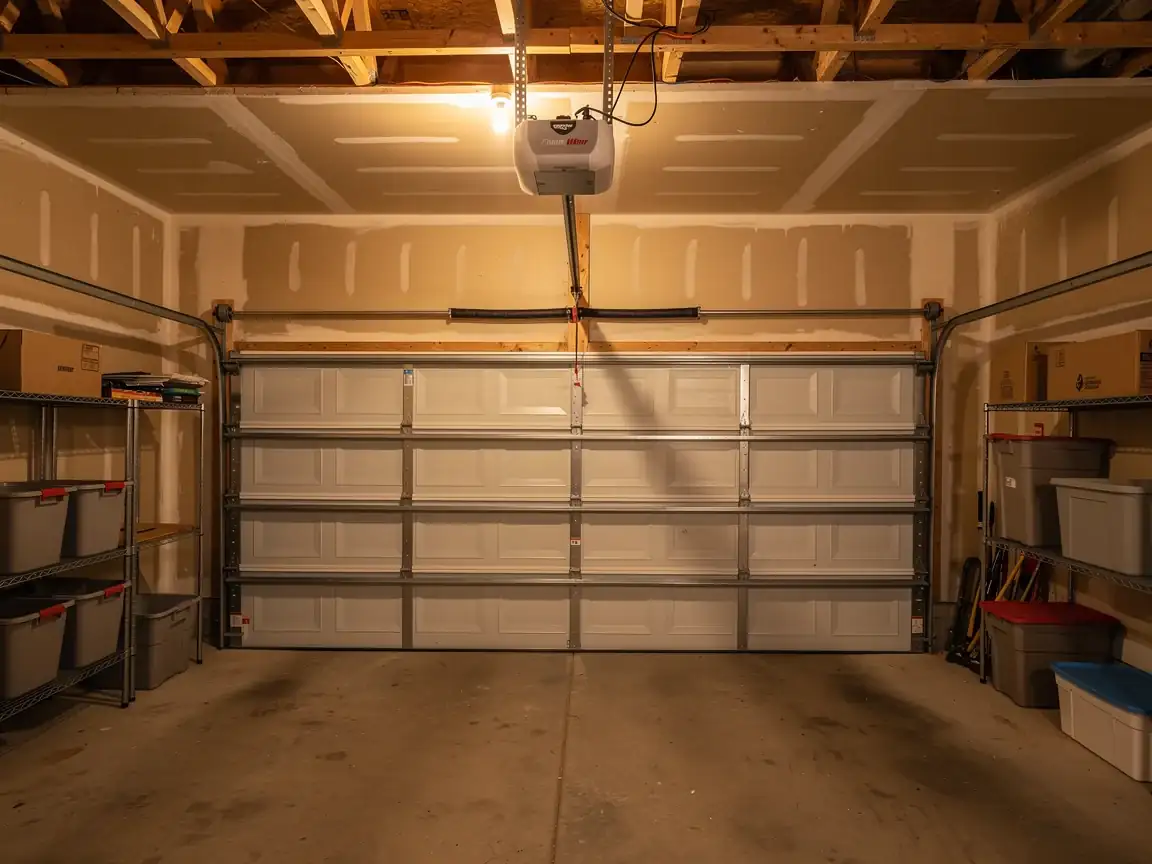
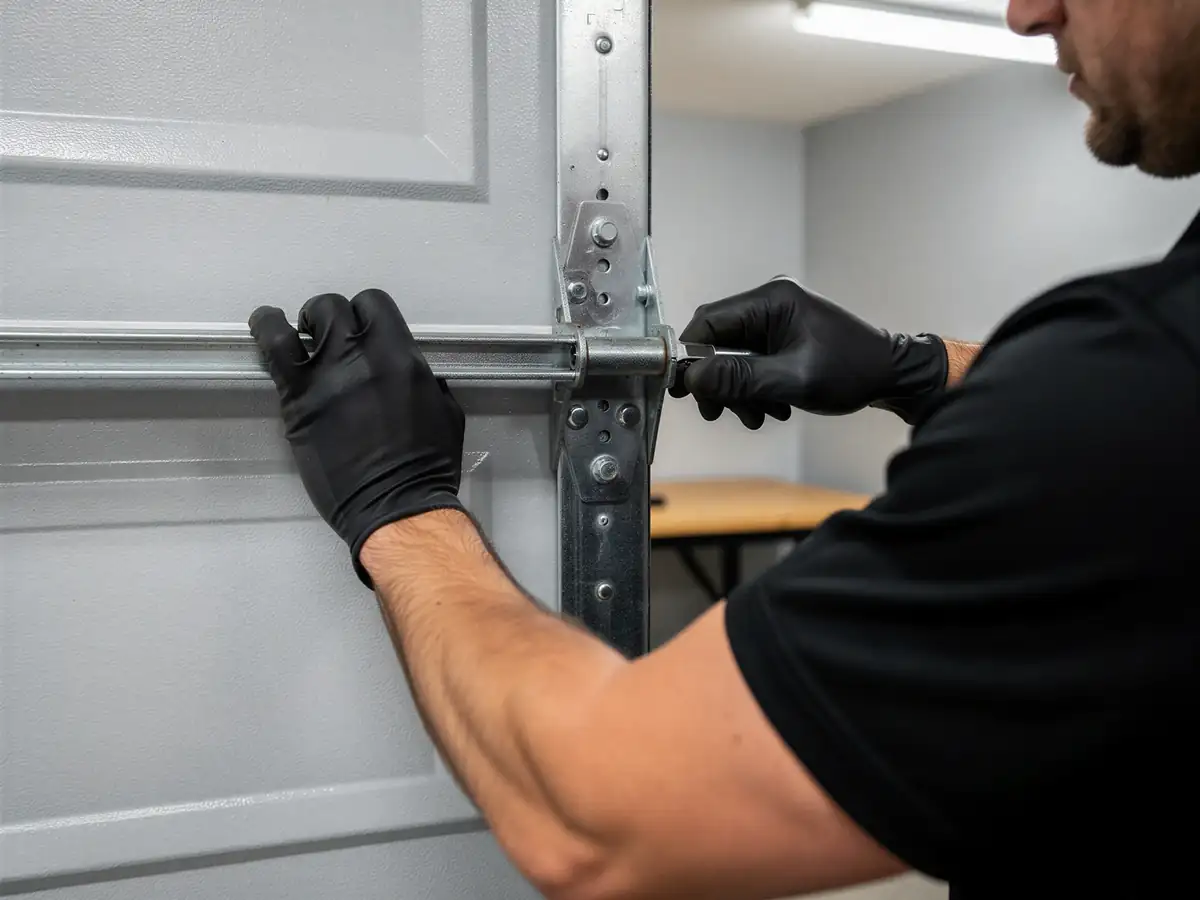
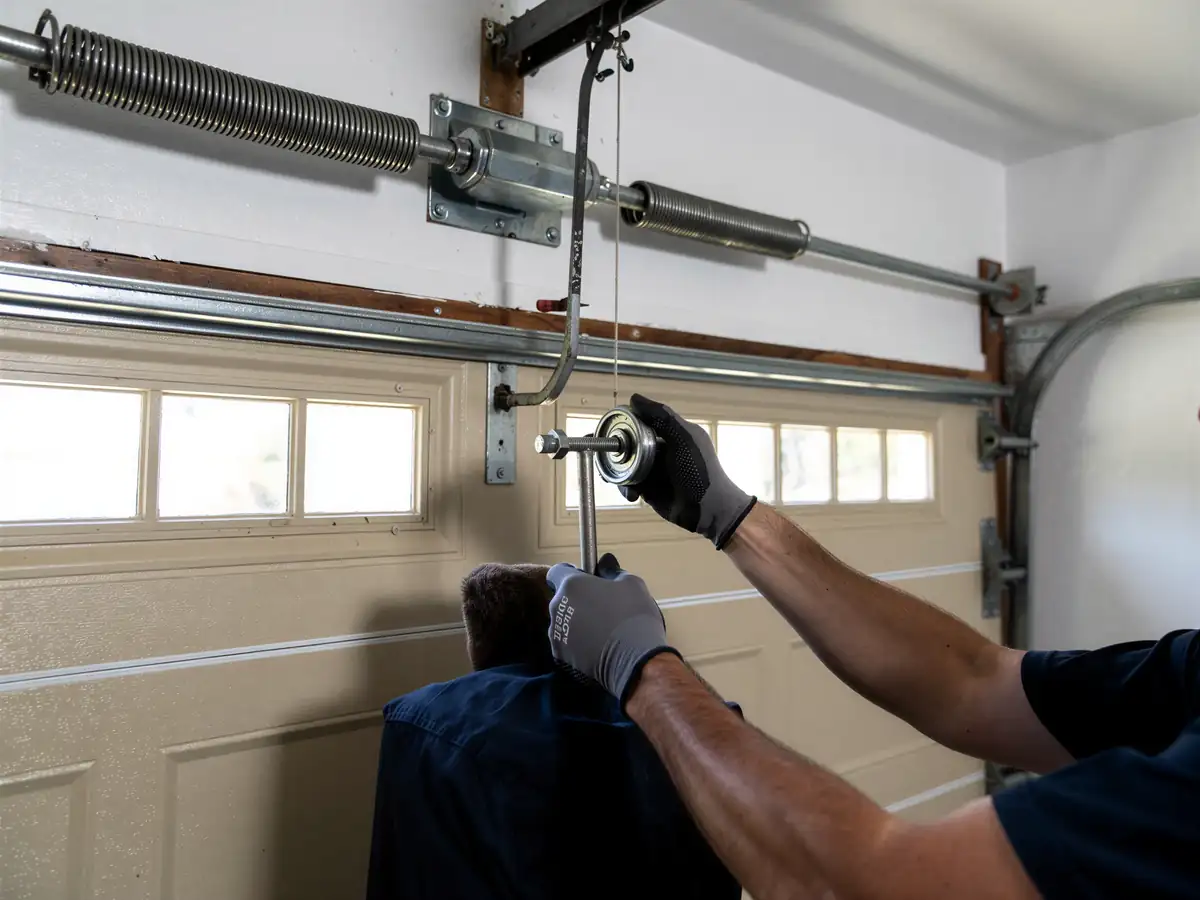
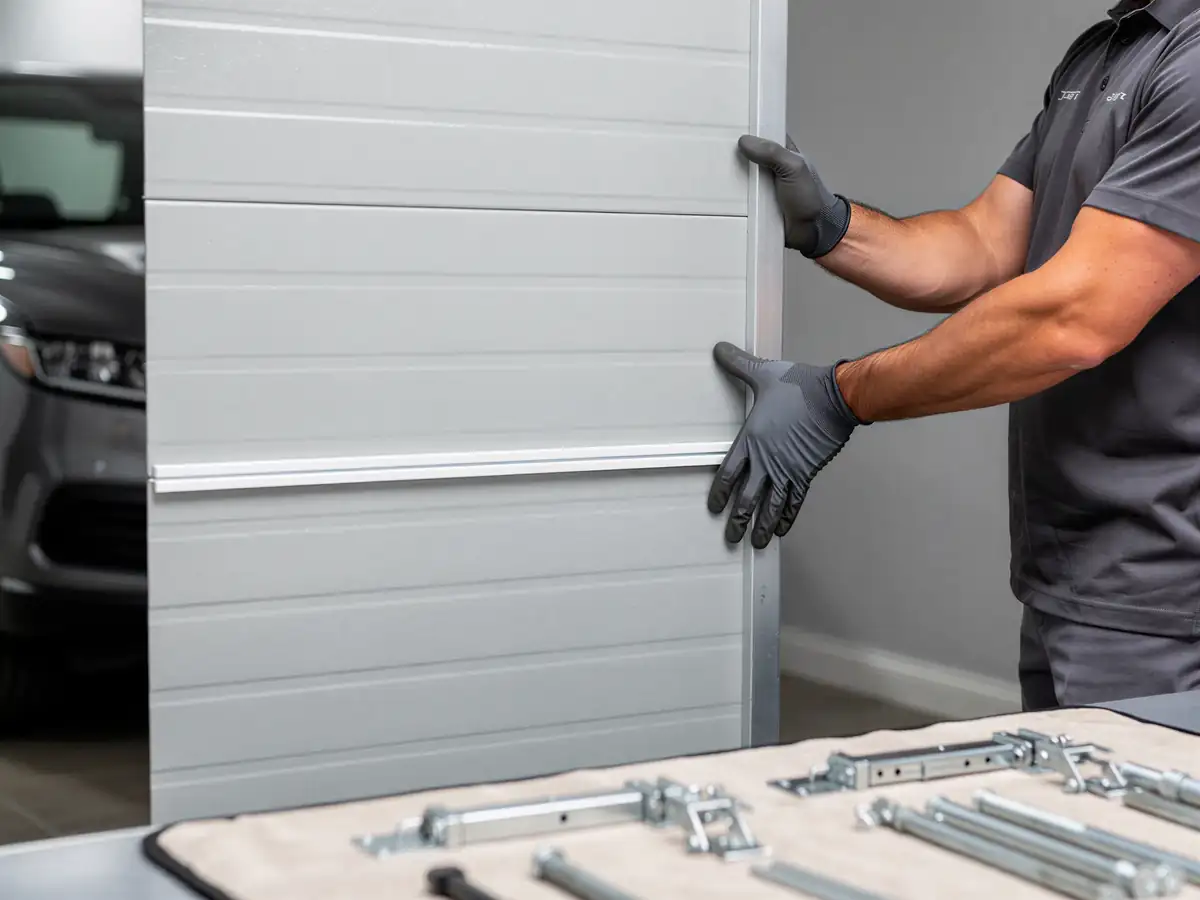
The biggest risk on an older door is ordering a panel that's close but not exact - a slightly different gauge of steel, a different screw-hole spacing, or a rib profile that doesn't quite line up with the sections above and below it. That mismatch stresses the hinges and can throw the whole door out of alignment, which shows up later as a door that won't close square or trips the opener's safety reverse. On double-car doors especially, uneven weight from a mismatched panel puts extra load on the torsion spring, and a spring under uneven tension wears out faster than one that's balanced. If a panel replacement isn't available for your door's age or profile, we'll tell you that at the estimate rather than installing something that won't hold up, because a patched door that fails again in six months costs you more than doing it right once.