What You Pay
Fisher is a small town - around 595 households total - so we're not running a truck past your street every day the way we might in a bigger subdivision closer to Champaign. That changes how a job gets priced a little: we're not quoting a drop-in diagnostic the way a company with a branch in town could. What we charge depends on what's actually wrong - a logic board, a drive gear, a worn sprocket on a chain drive, a dead circuit board from a power surge - and on the opener brand and age, since parts for a unit from the late 1970s or 1980s aren't the same cost or availability as something installed in the last decade. We'll tell you the number before we start, and if the opener is old enough that parts aren't worth chasing, we'll say so rather than bill you for the attempt.
We travel from Champaign, about 14 miles away, and that trip is part of the job, not an add-on surprise - we fold it into the quote so there's no separate call-out line hiding on the invoice.
Why This Fails Locally
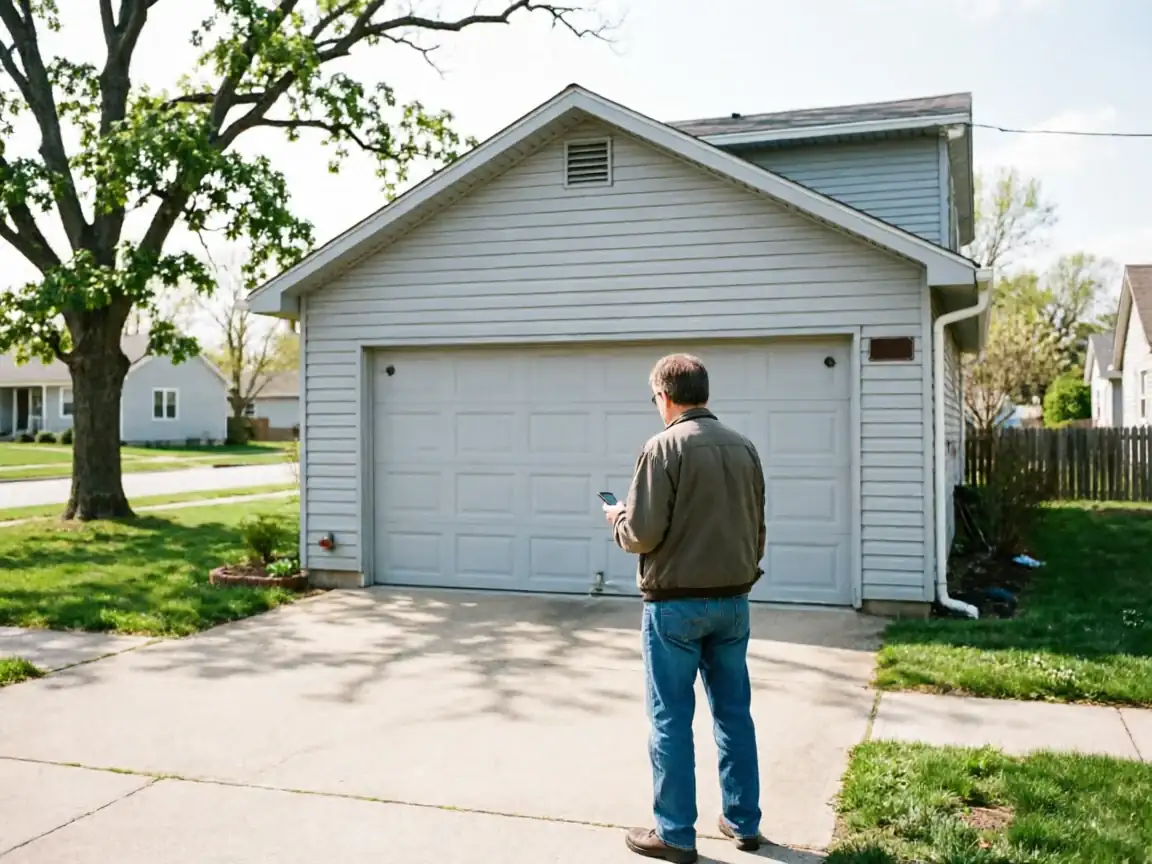
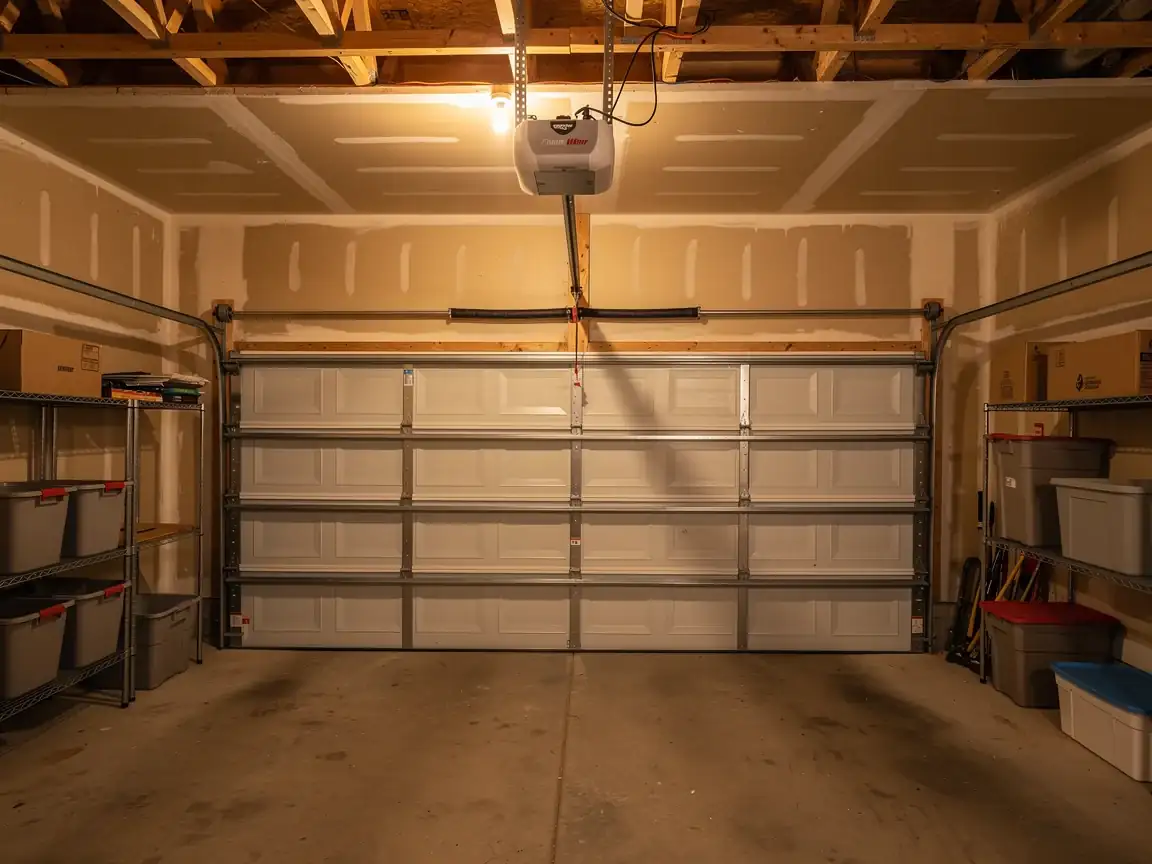
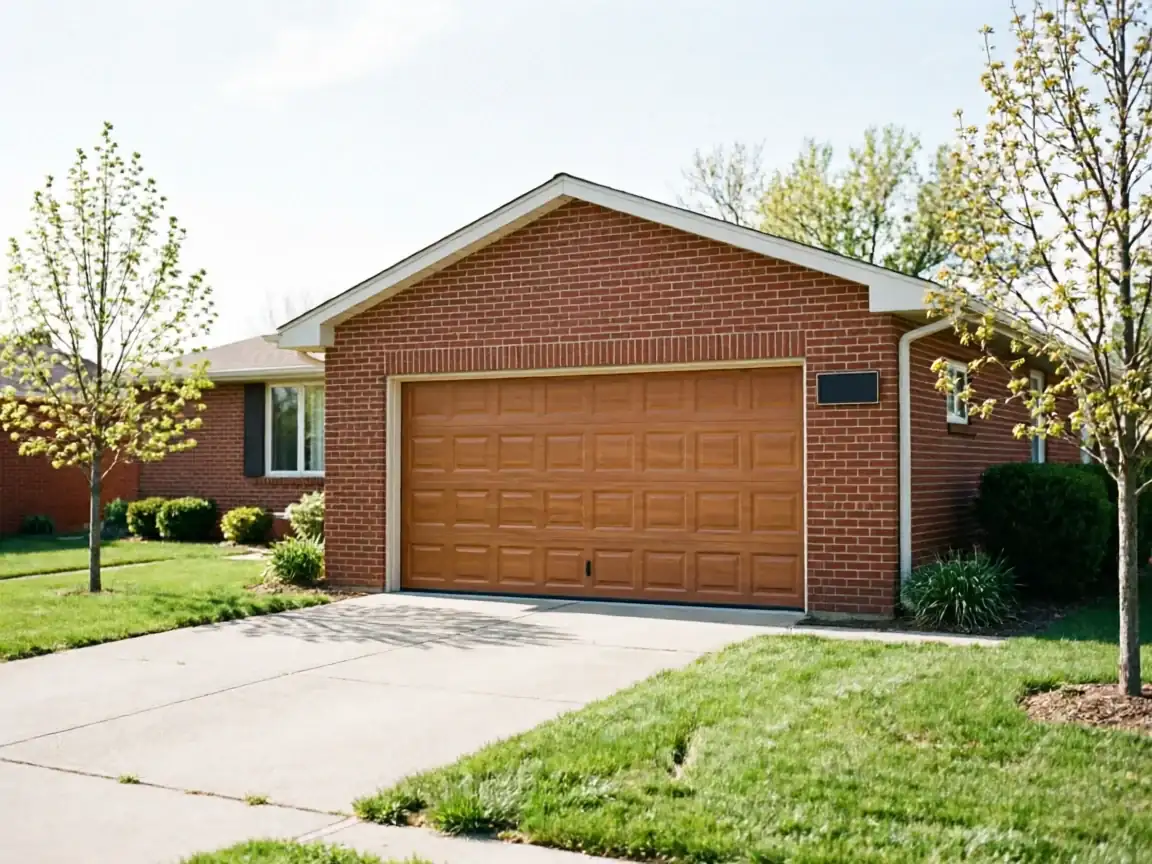
The housing stock across this area runs mostly 1960s-70s, and Fisher sits right in that window - most houses here went up around 1974. That means a lot of original or first-replacement openers are chain-drive units from a different era of hardware, often paired with doors that were never upgraded to match. The opener and the door frequently don't match each other's age, which is its own failure point: a newer opener bolted onto an old door, or an old opener straining against a heavier replacement door, both wear out the drive mechanism faster than a matched pair would.
The cold winters here matter too. A chain or belt that's gone slack over twenty summers tightens up and binds when the temperature drops, which is when a lot of these openers finally quit - not from one dramatic failure but from years of mismatched stress finally catching up with the gear or the chain.
Doing It Yourself
Some of this is reasonable to check yourself before you call anyone
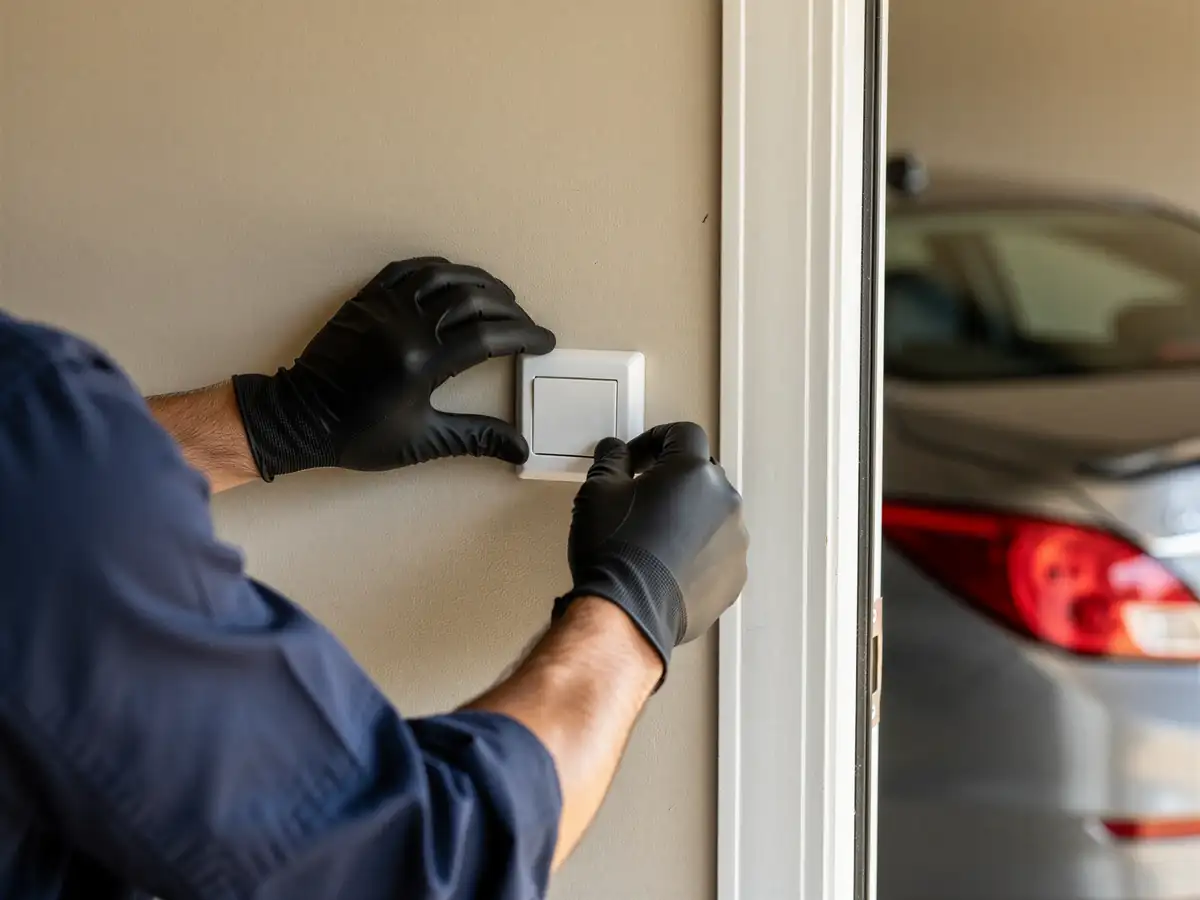
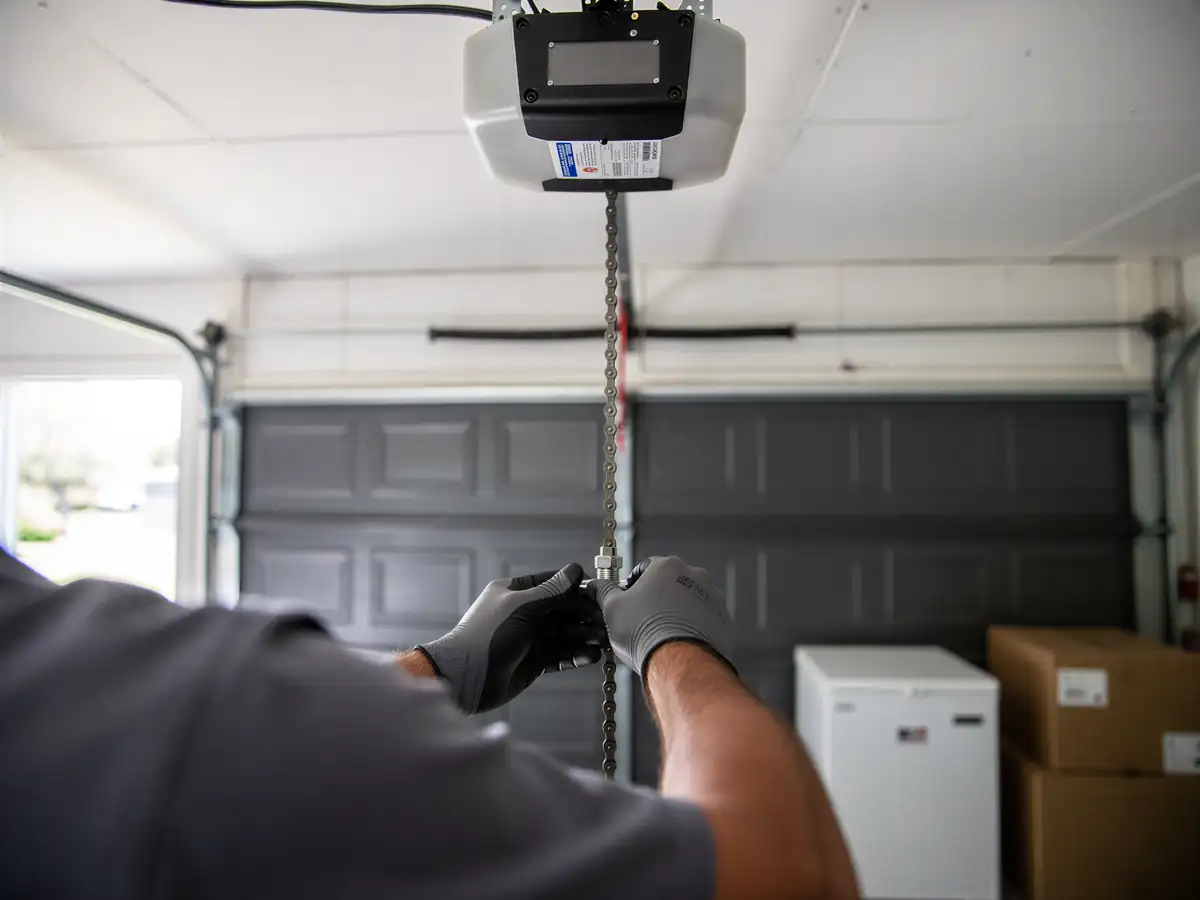
If the opener hums but the door doesn't move, look at the drive gear - on a lot of units from this era it's a plastic gear that strips with age, and a stripped gear sounds exactly like what you're describing. If the remote works intermittently, check the battery and the wall button wiring before assuming the logic board is bad. If the opener does nothing at all, confirm it's actually getting power - a tripped breaker or a loose outlet connection in an older garage is more common than people expect.
What's not worth doing yourself
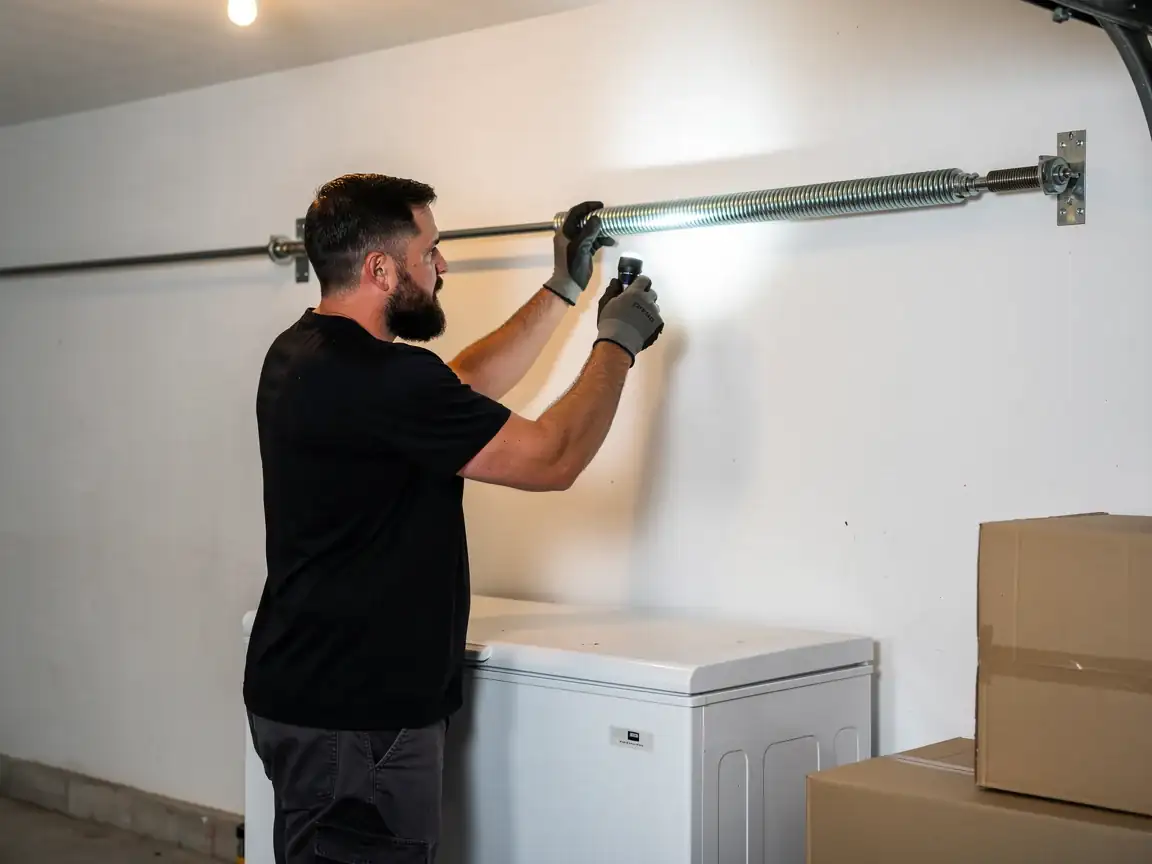
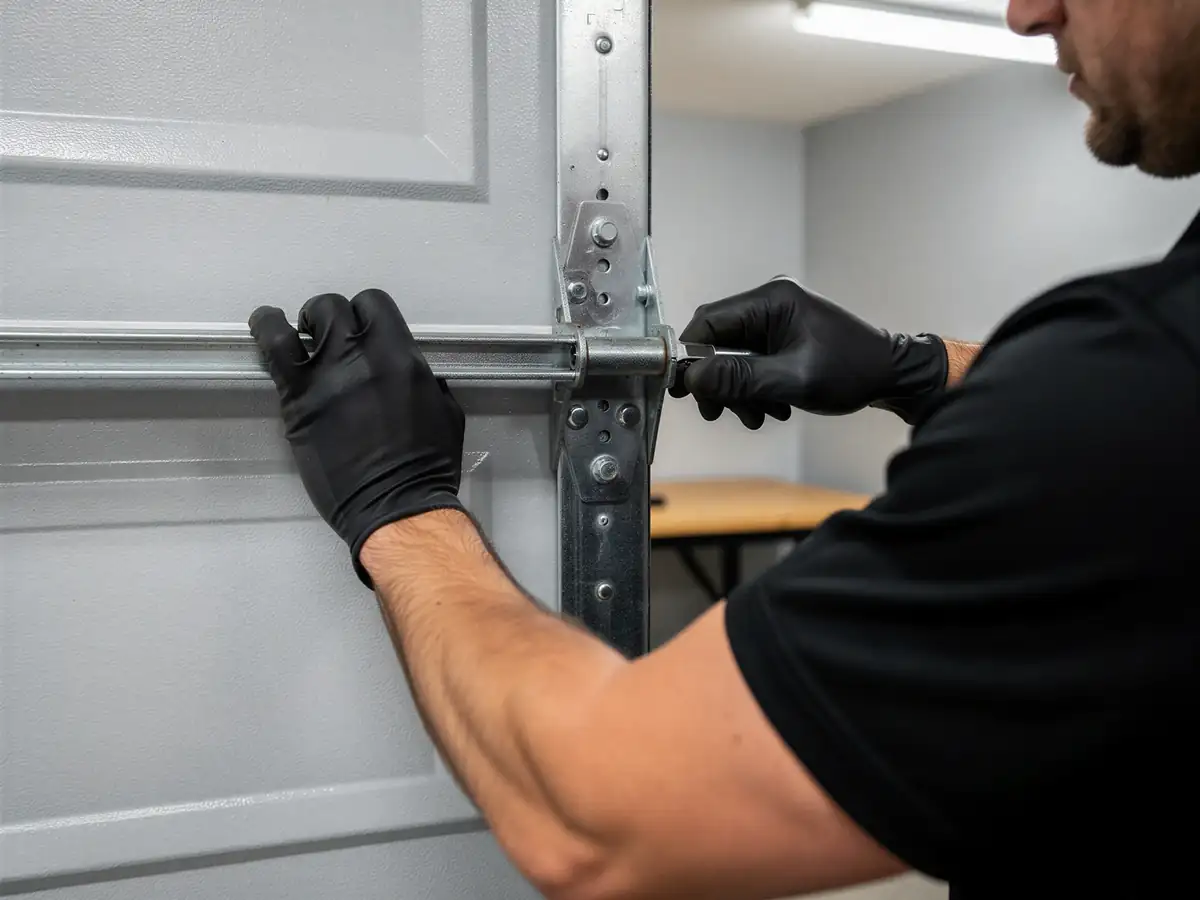
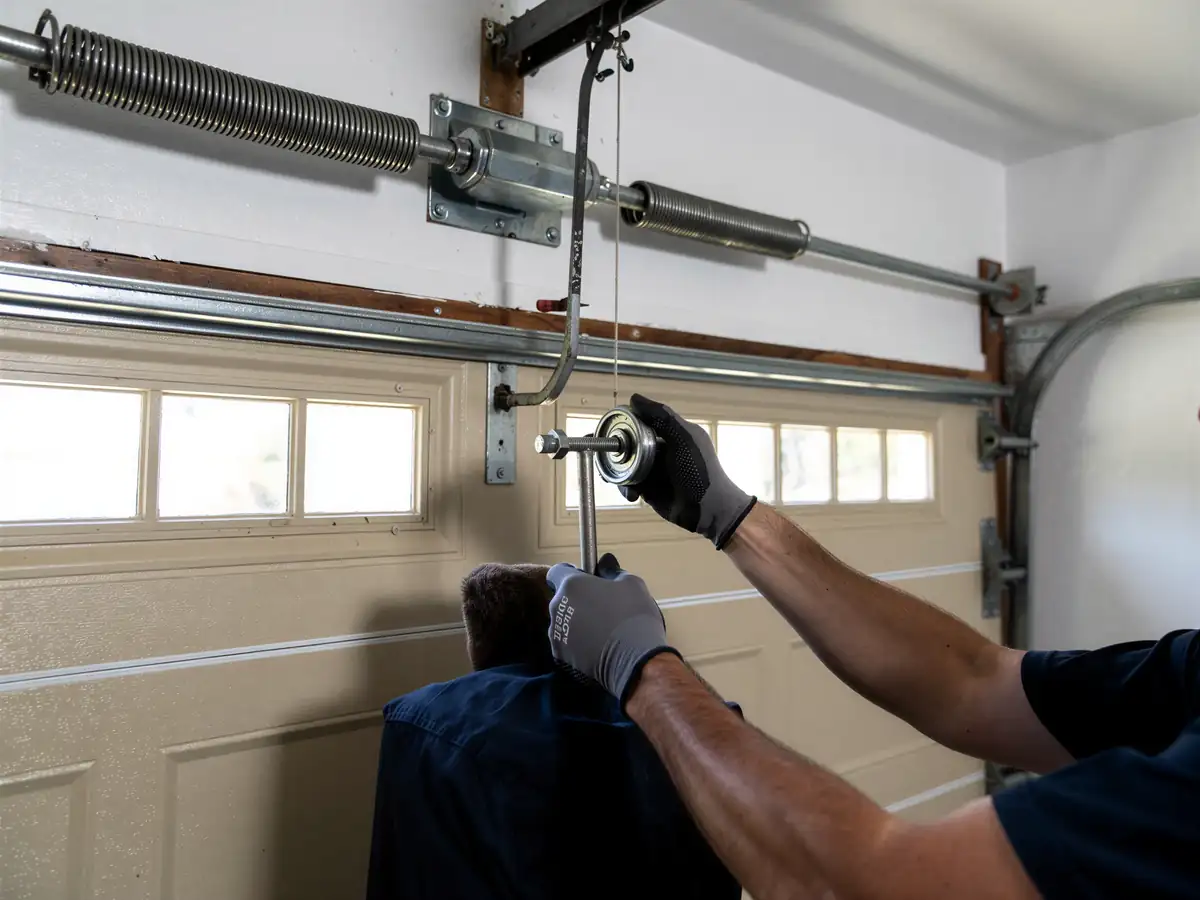
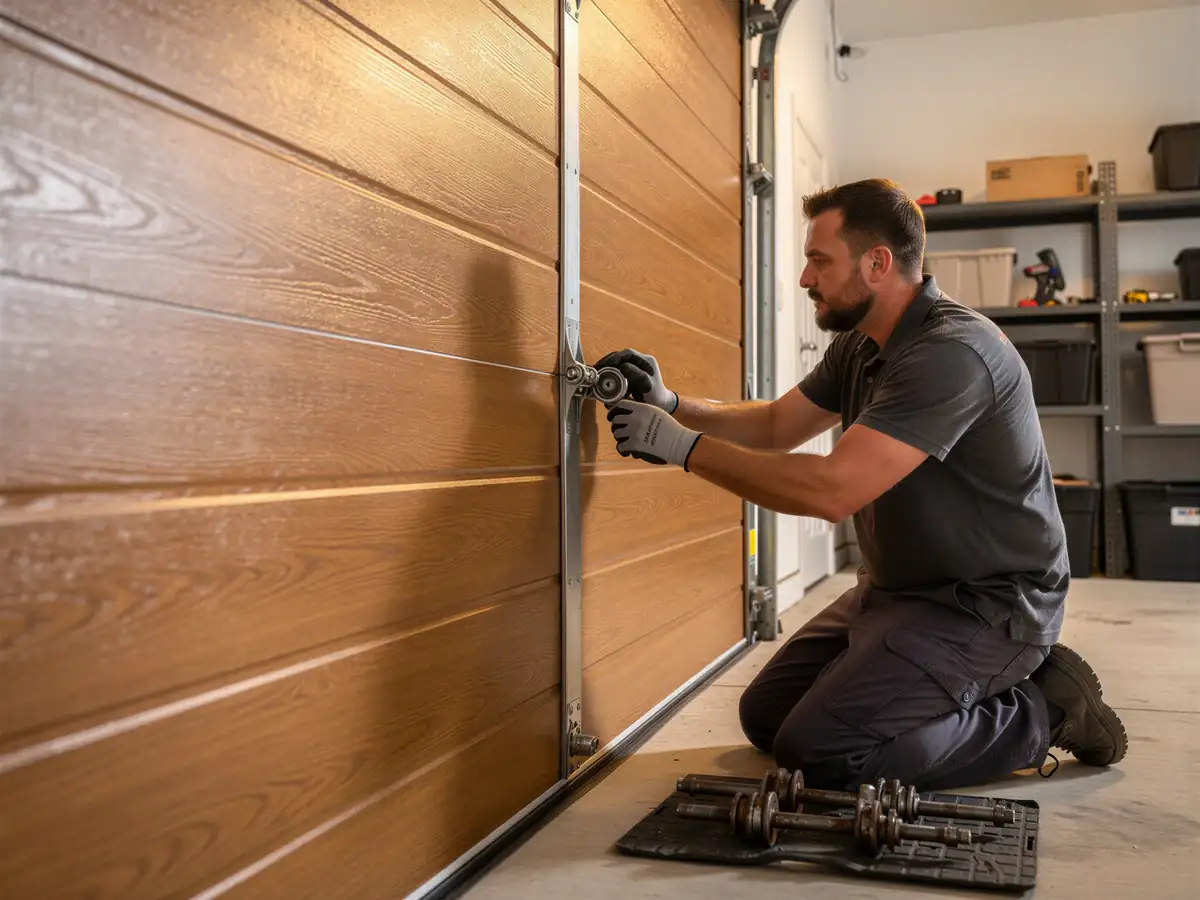
Opening the opener housing to get at the circuit board, or working anywhere near the torsion spring on the door itself if it's a torsion-spring setup. That's not caution for its own sake - a spring under tension can do real damage, and a logic board you've opened and can't diagnose usually ends up needing replacement anyway, just with an extra trip charge added on.
The Symptom
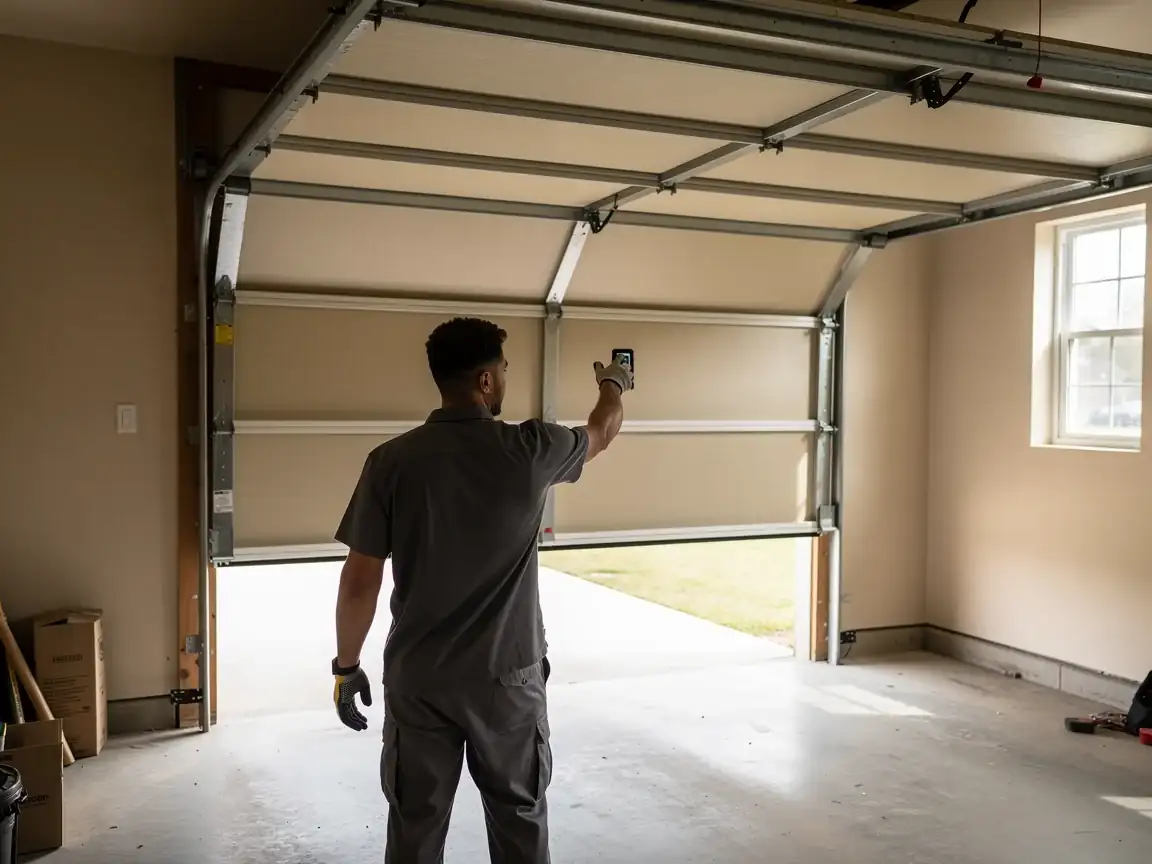
The call we get most from homes in this part of the area is the opener that runs but the door barely moves, or moves and then reverses partway up. On a house built in the mid-1970s, that's often the drive mechanism itself - a worn sprocket, a stretched chain, or a stripped gear - rather than anything electronic. A second common one: the opener works fine in warmer months and stops responding reliably once it gets cold, which points to a mechanical binding issue rather than a wiring fault, since cold doesn't usually kill electronics outright the way it can seize up metal and lubricant.
Less common but real: the opener that runs silent-smooth but the door won't latch or lock at the bottom, which is usually a sensor alignment problem rather than the opener itself failing.
What Can Go Wrong
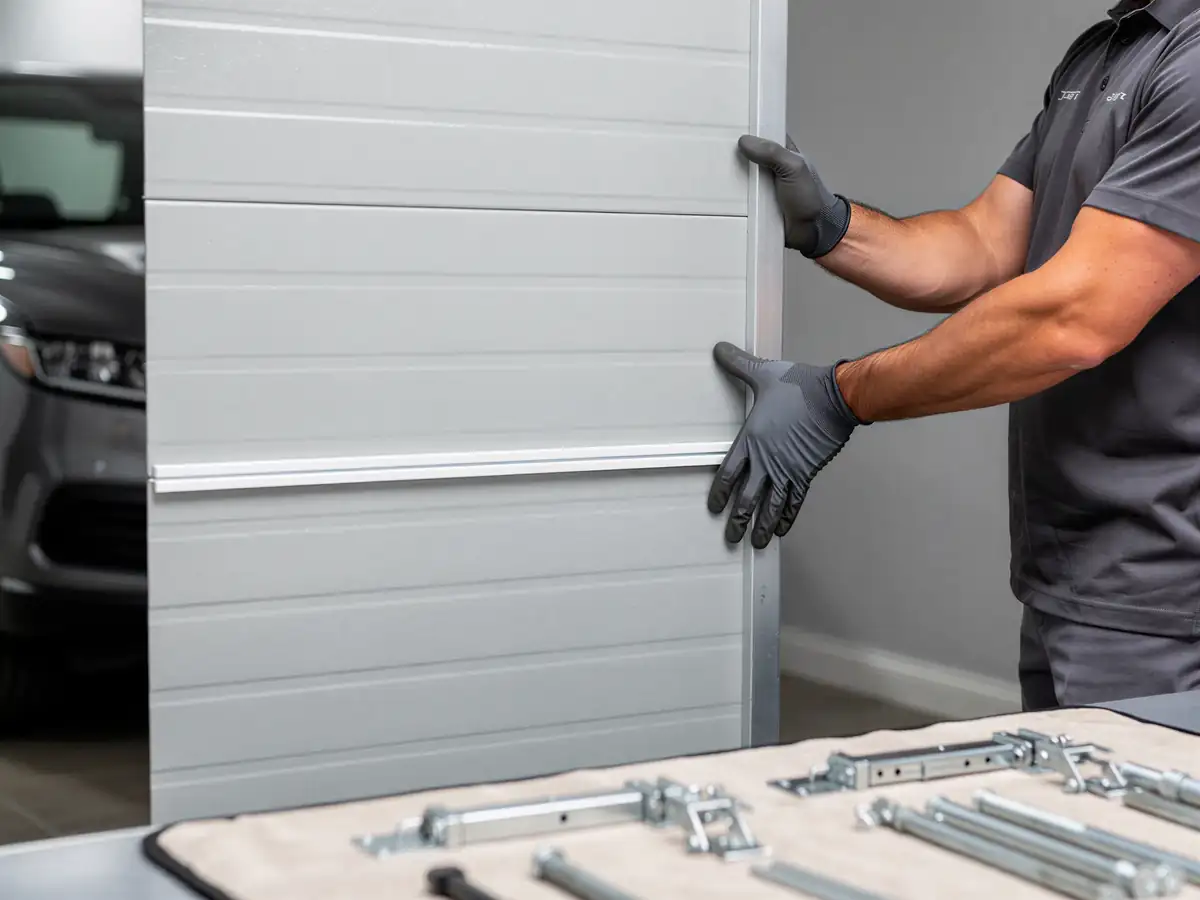
Replace the wrong part and you've spent money without fixing anything - swap a logic board when the real problem is a stripped drive gear, and the opener still won't lift the door. Leave a worn gear running and it can eventually damage the rail or strip further, turning a $40-$80 part into a full opener replacement. And on these older houses, pairing a brand-new opener with original door hardware that's thirty or forty years old can mean the new unit strains against springs and rollers that were never built for it, which shows up as nuisance reversals or a door that won't fully close.
Our limitation here: if the opener is old enough that the manufacturer no longer makes parts for it, we're not going to chase a part that doesn't exist. At that point we'll tell you replacement is the honest answer, even though it's a bigger job than a repair.