What You Pay
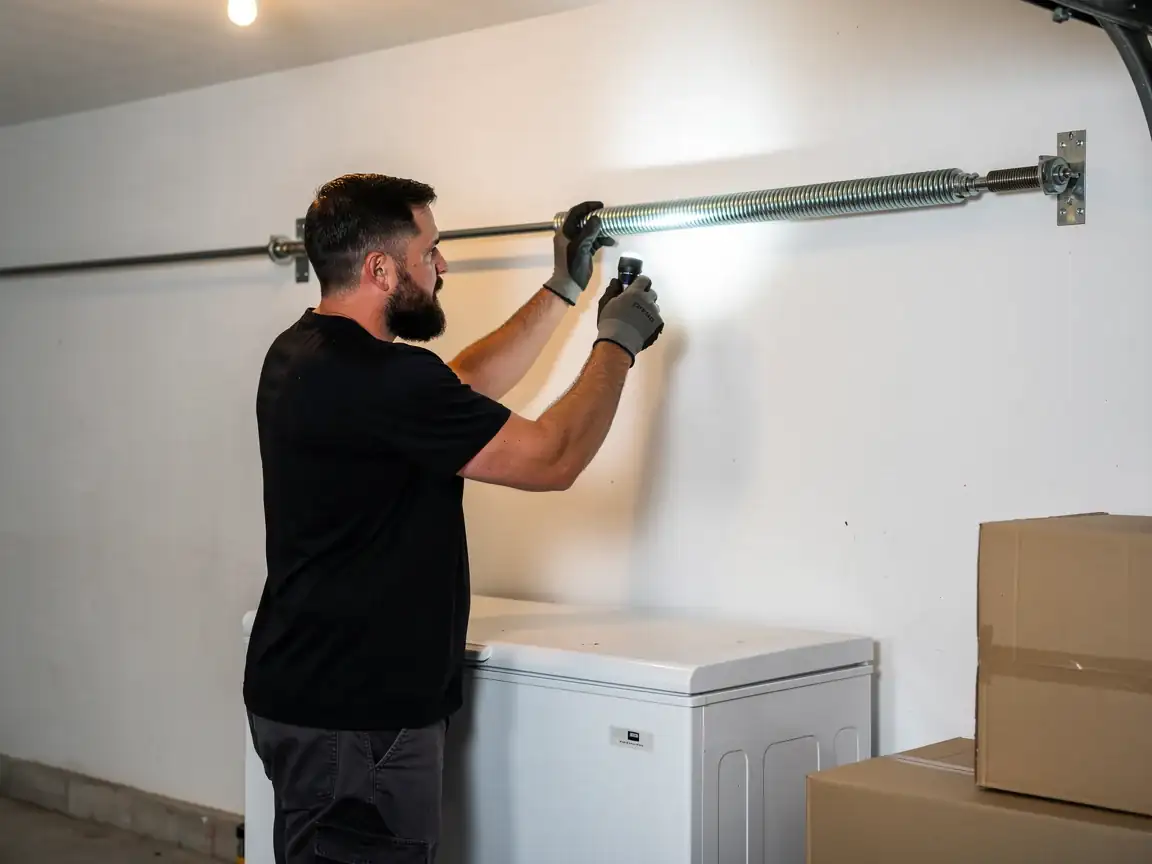
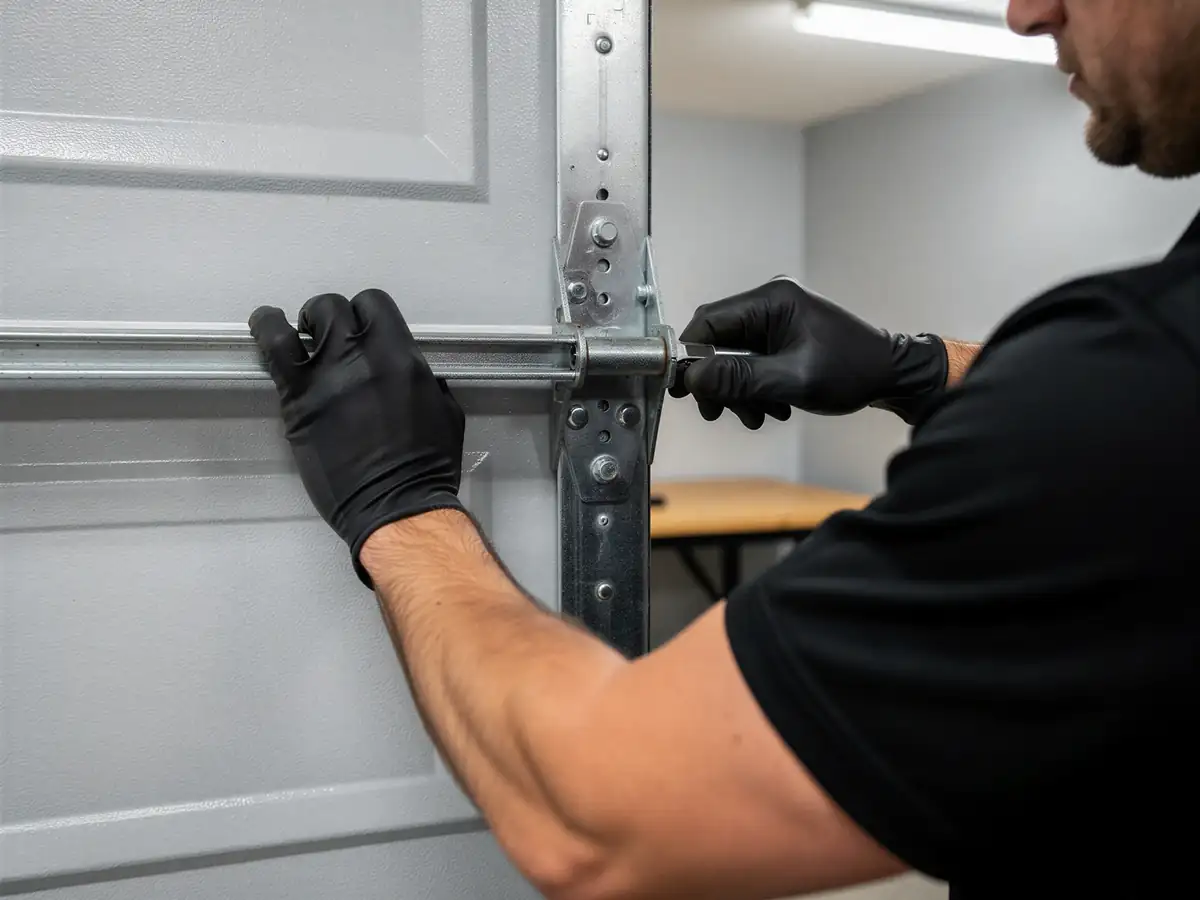
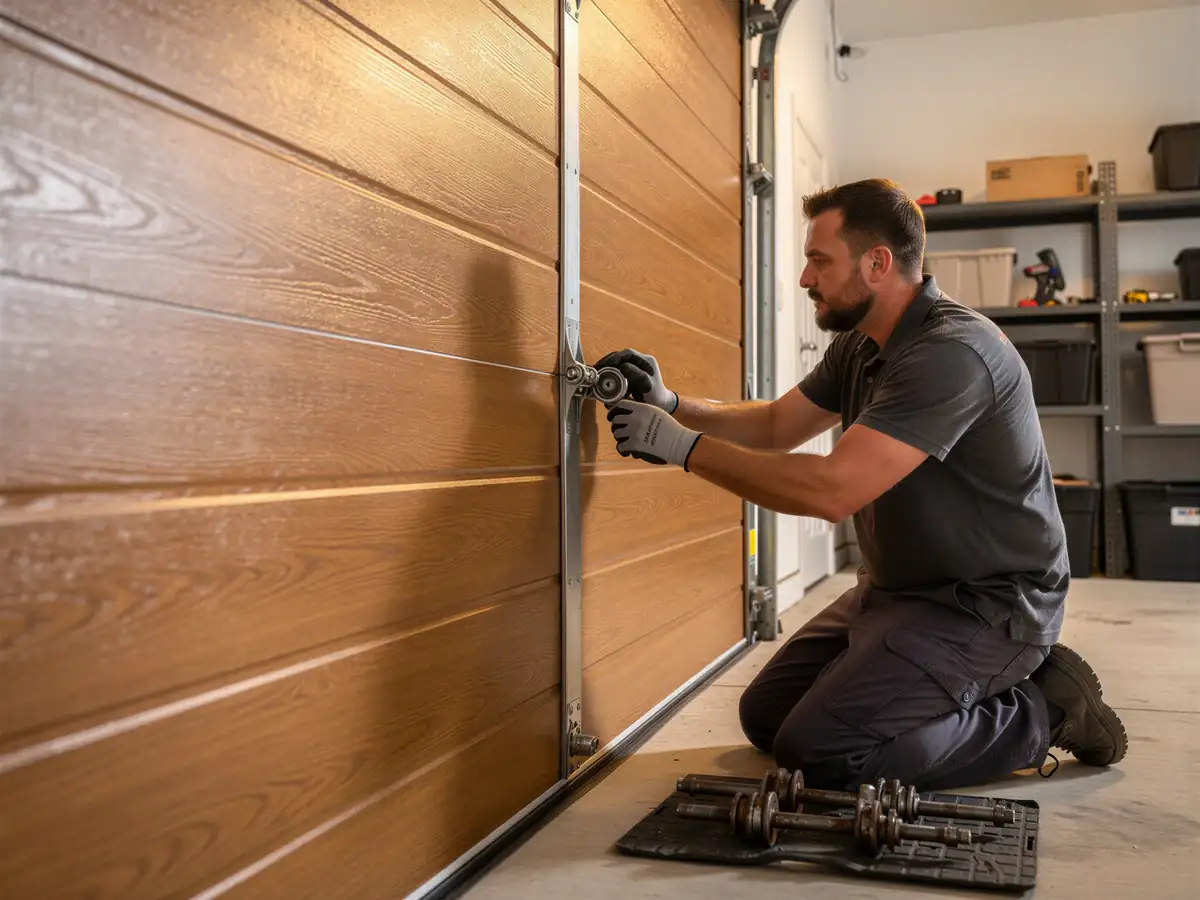
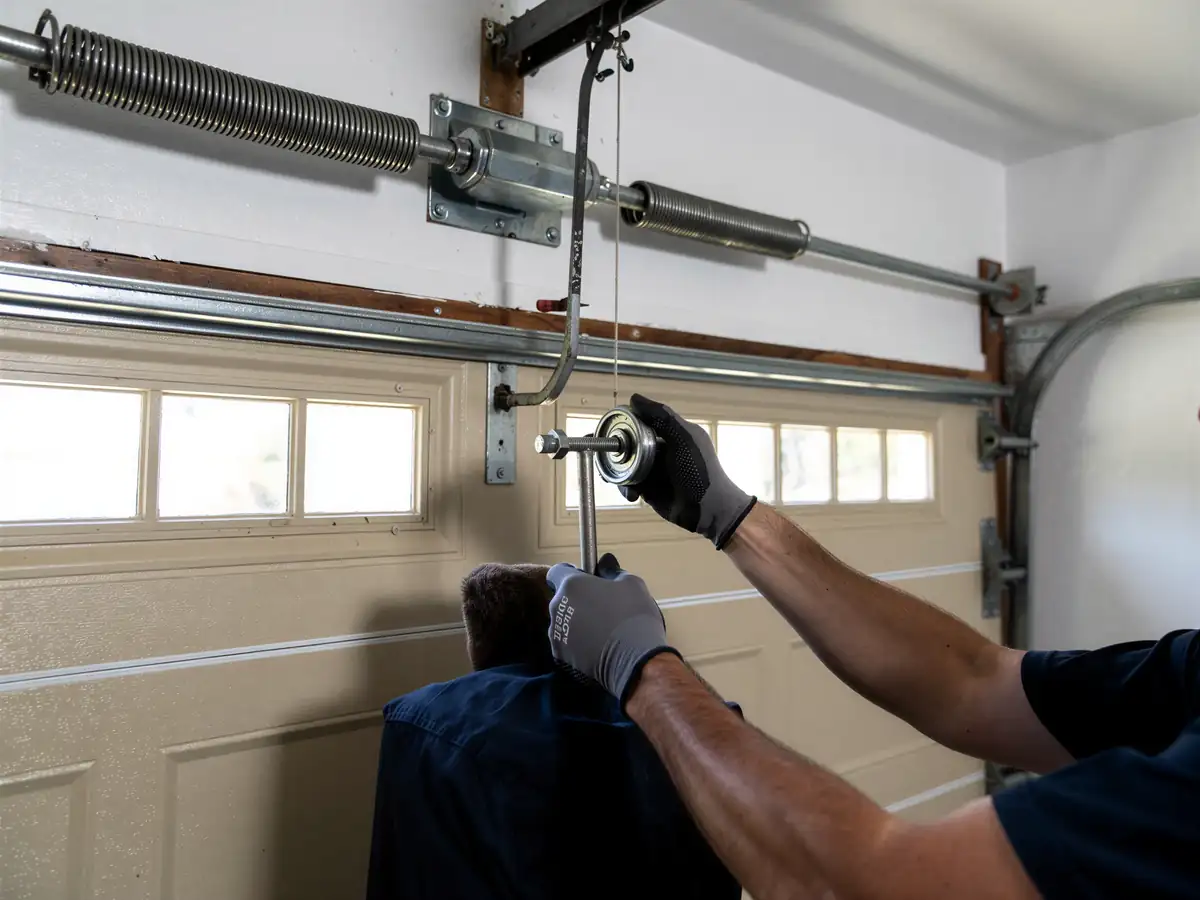
We don't post a number here because spring cost depends on what's on the door: a single torsion spring, a pair, or the older extension-spring-and-pulley setup still common on houses built around 1974 in Fisher. What we can tell you is that the job is priced by the spring, the drum, and whether the cable and rollers need to come off at the same time. If your house sits in the part of the broader Champaign-area stock built between 1956 and 2000, you're likely dealing with either a single torsion spring from a 1990s retrofit or the original extension setup from construction. Those two jobs price differently because the extension setup means pulling more hardware apart. We quote on-site once we've looked at the shaft, the winding cones, and whether the drums show wear, because guessing over the phone gets the number wrong either way. The honest limitation: if your opener board or safety sensors are also failing, that's a separate diagnosis and a separate line item, not folded into the spring price.
Why This Fails Locally
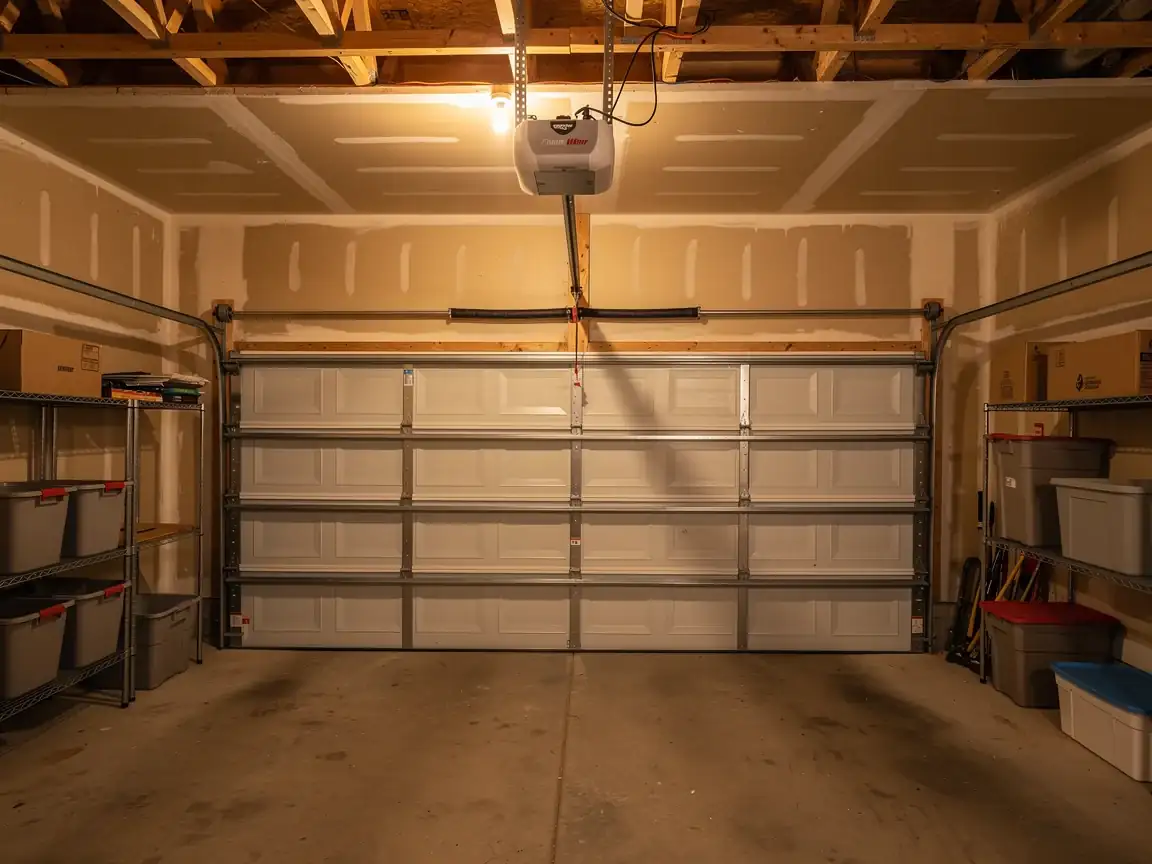
A torsion spring is rated for a cycle count, not a calendar date, so a door opened twice a day in a house built in 1974 has likely put that spring through its rated cycles more than once already. In this area's cold-moderate climate, steel fatigues faster through repeated temperature swings between a heated house and an unheated garage, which is exactly the setup in most of the housing stock from this build era. The spring doesn't announce itself failing slowly - it holds right up until the last coil lets go, usually on a cold morning when the steel is stiffest and least forgiving. Houses from the 1956-2000 build window across this service area were mostly fitted with single-spring torsion systems as standard, not the dual-spring setup you'd see on a newer heavier door, so when that one spring goes, the door is fully dead, not just heavier to lift.
The Symptom
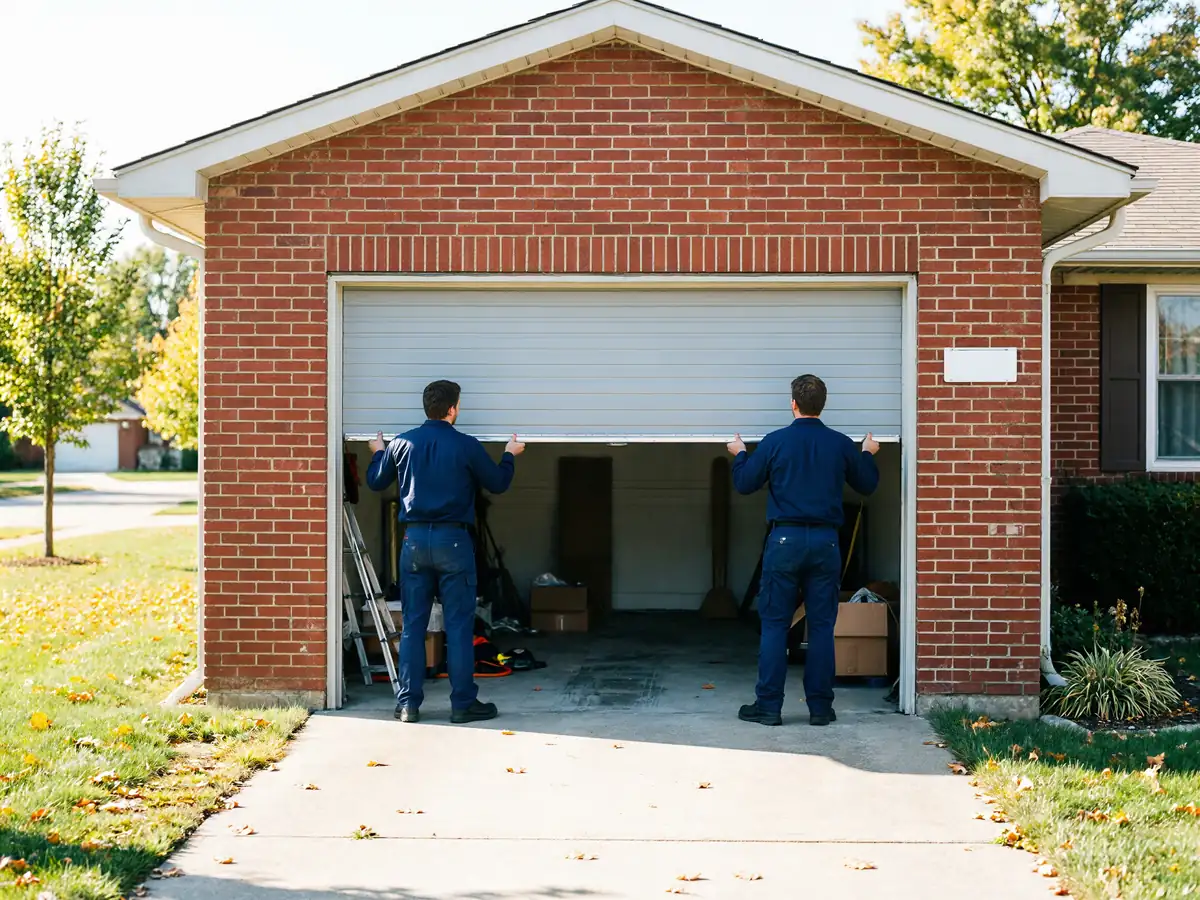
The door won't budge, or it only goes up a few inches before the opener motor strains and reverses. Sometimes you'll hear the bang first - a loud crack from the garage, often first thing on a cold morning, which is the spring letting go under tension. On a door that's been running on its original 1970s-era hardware, you might also notice the door feels heavier than it used to well before it fails outright, which is the spring losing tension gradually rather than snapping clean. If the door opens unevenly, with one side dropping lower than the other, that points to one spring on a two-spring setup or uneven cable tension rather than a single clean break.
What Can Go Wrong
Replacing one spring on a door that's run both springs since the house was built in the mid-1970s almost always means the second one goes within months, since it's carried the same cycles and the same cold-climate stress. We'll tell you when that's the case rather than sell you a single spring and let you call back. On original extension-spring setups, the drums, pulleys, and cable can be worn enough that the spring isn't the only failing part, and skipping that inspection to save money on the first visit usually means a second truck trip. The other real risk is a door that's simply reached the end of its service life - if the track is bent, the panels are rusted through, or the opener is as old as the springs, a spring repair buys you a few more months on a door that needs replacing anyway, and we'll say so instead of just swapping parts.