What You Pay
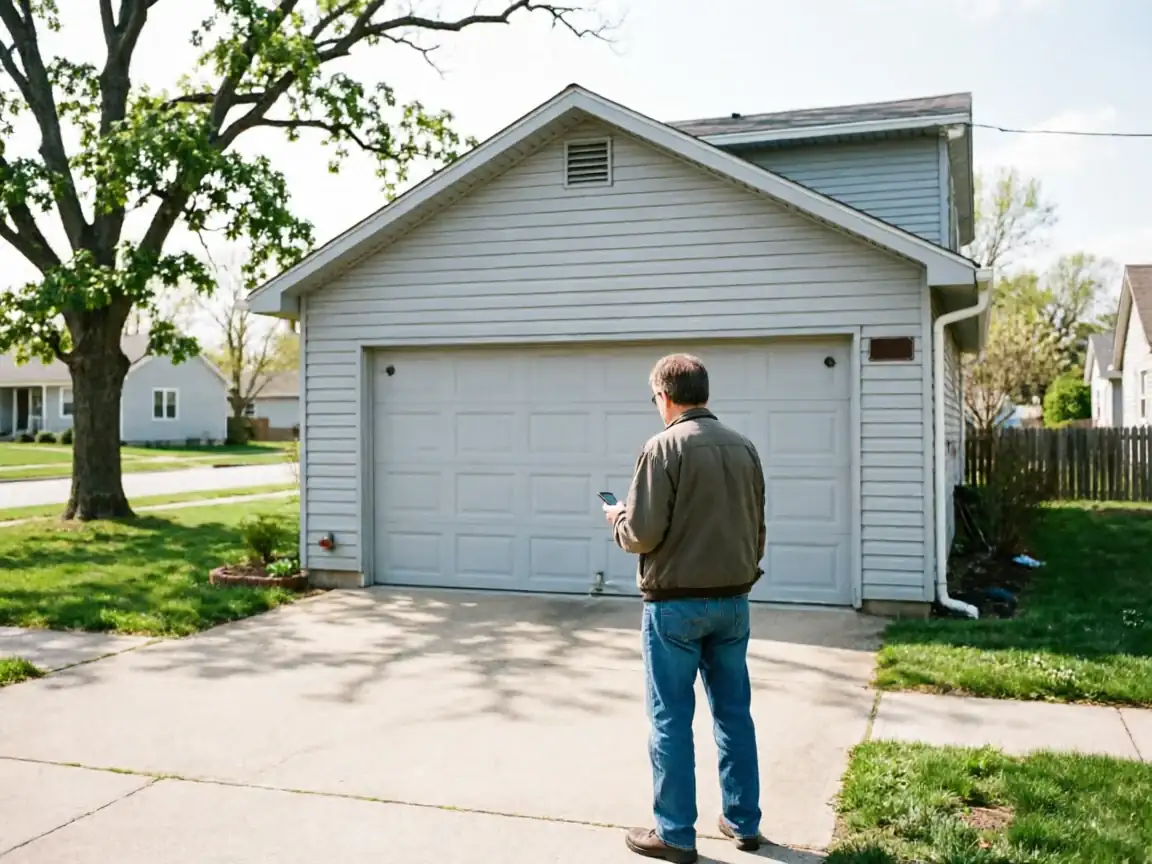
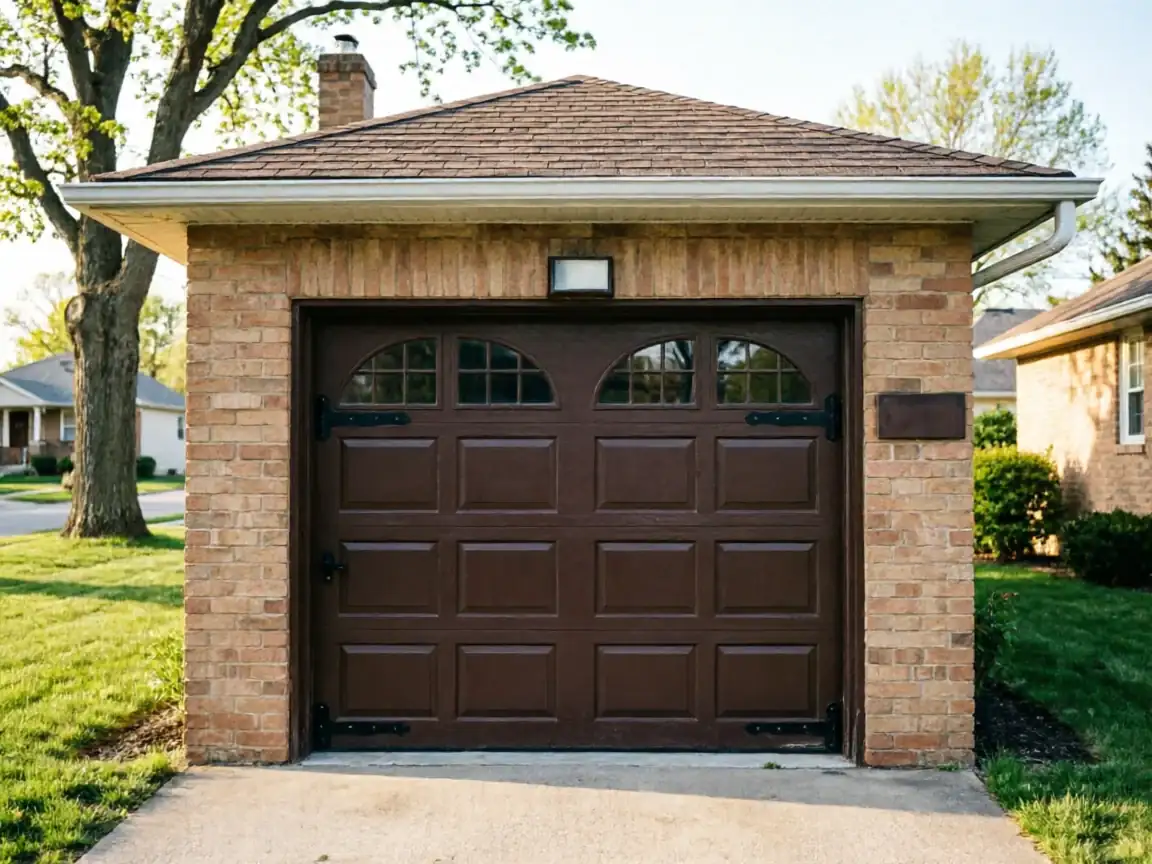
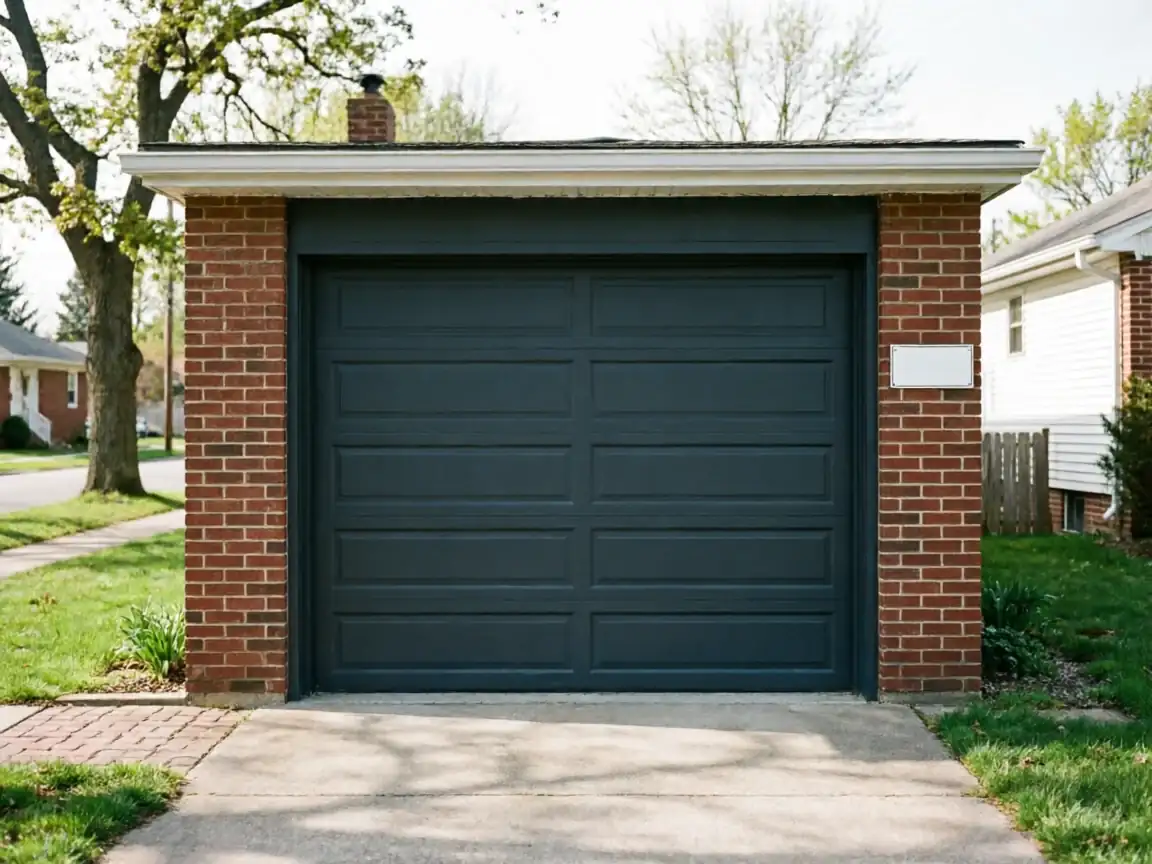
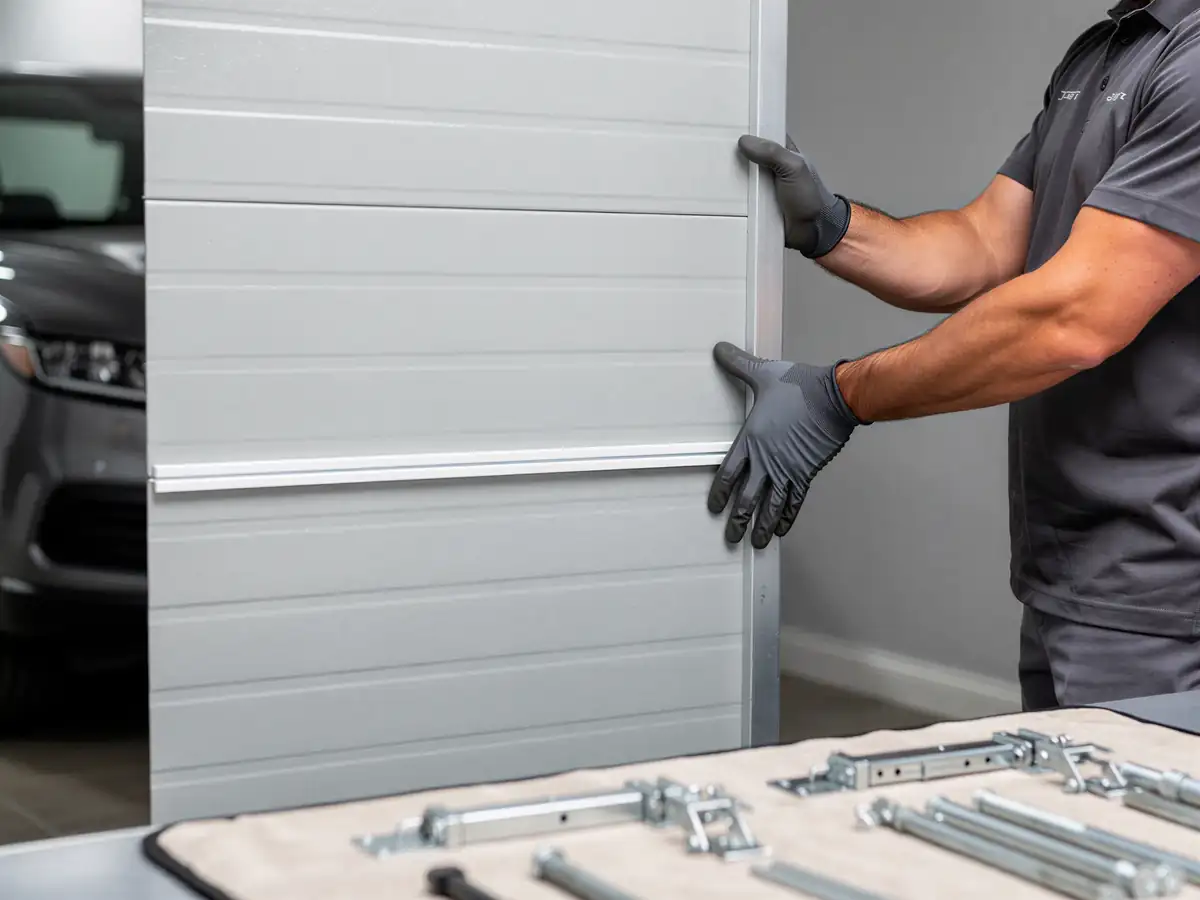
We don't post a flat price for Fisher because what a job costs here depends on what's actually on the house, not the town name. A 1974-built garage usually carries its original steel door on torsion hardware that's never been swapped, and once a spring or cable on that setup lets go, the question becomes repair versus replace. Patching a panel that's already thinned from rust can cost nearly as much as a new insulated door, so we'll tell you straight when fixing it isn't worth it. The 14-mile drive from Champaign doesn't carry a separate line item - it's the same route we run for Savoy, Urbana, and Sidney calls, so Fisher isn't priced as an outlier. With a median household income of $92,697, well above the $81,703 median across the wider service area, more owners here choose full replacement with a modern insulated door rather than keep feeding parts into a 50-year-old panel. We'll give you both numbers - repair and replace - before any work starts, not after.
One honest limit: we don't stock every obsolete torsion spring size on the truck, so a same-day fix on an unusual original setup sometimes means a return trip once the part's in hand.
Why This Fails Locally
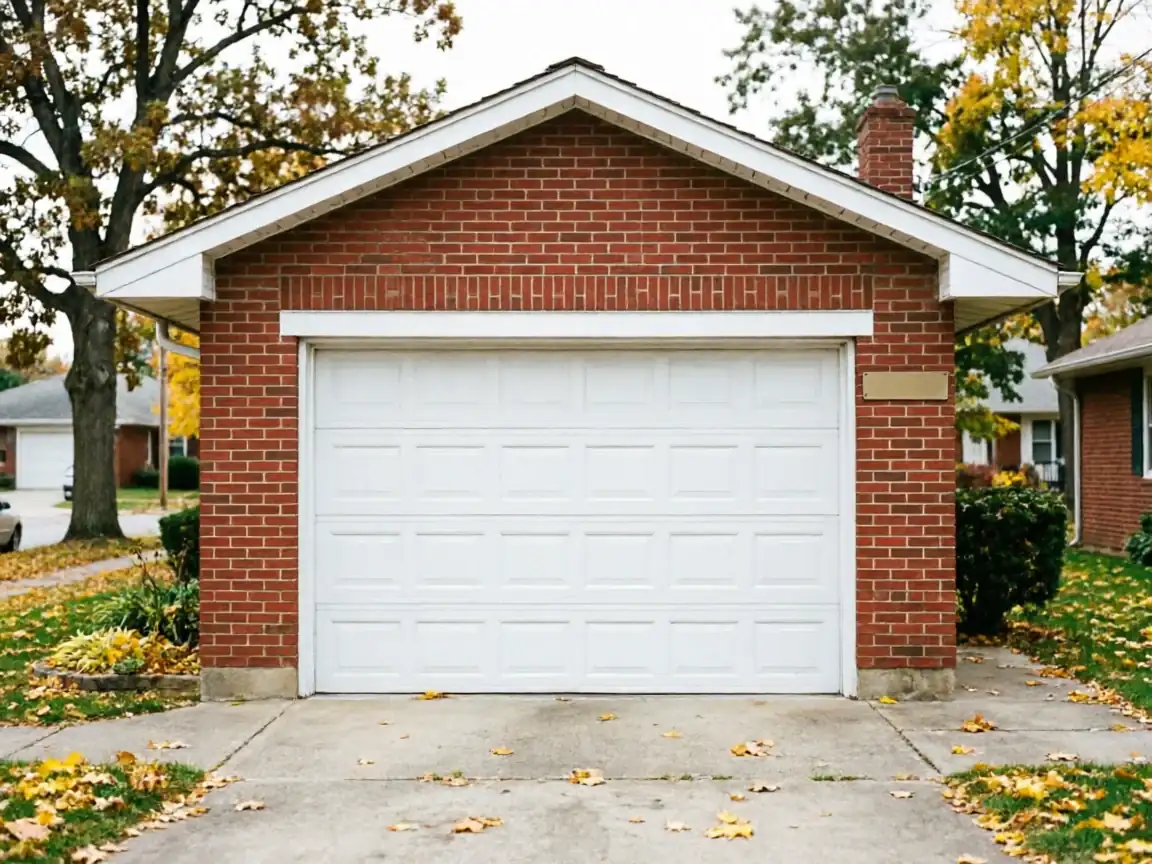
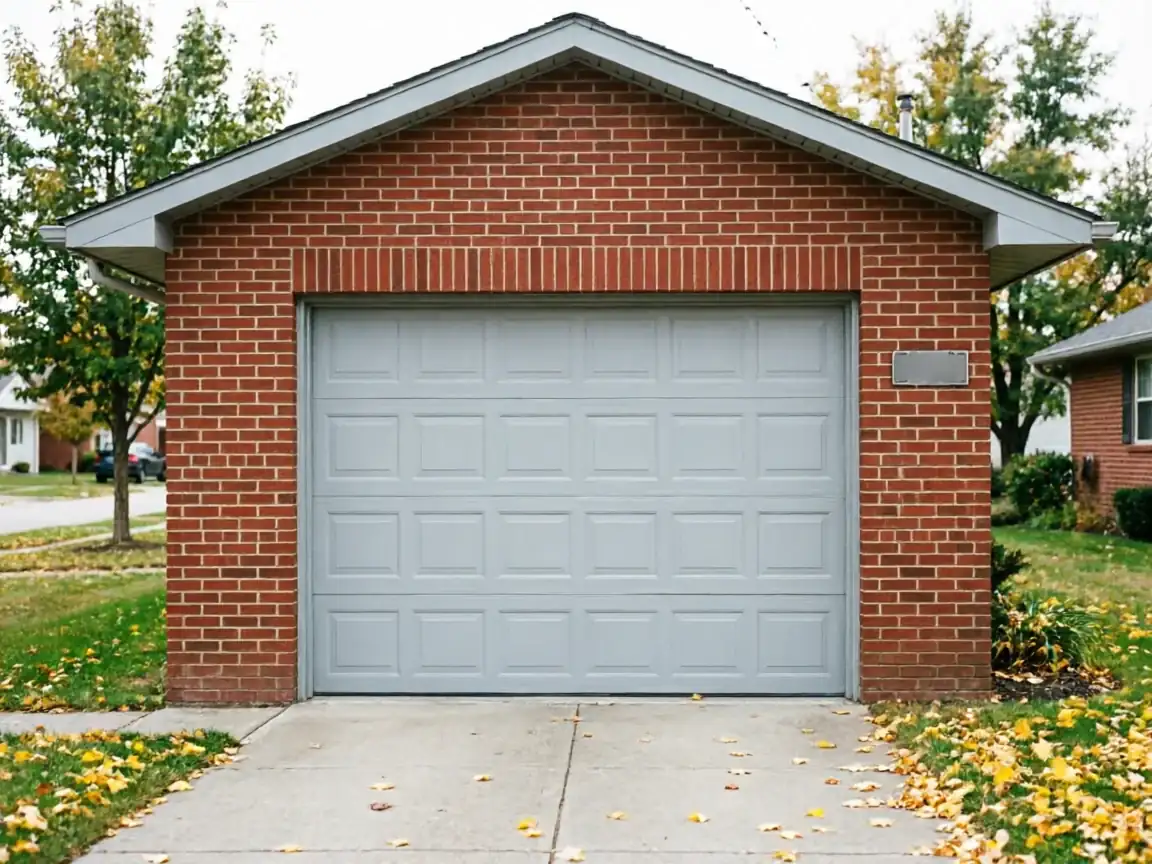
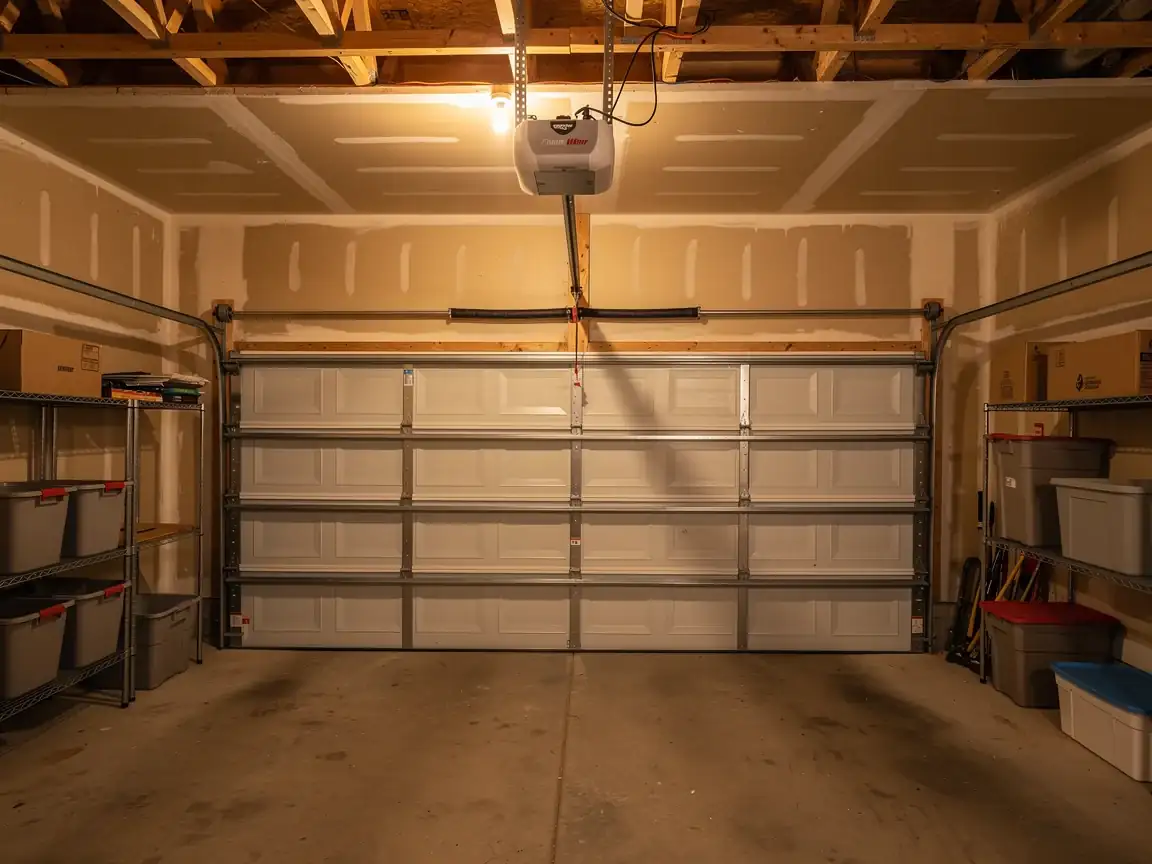
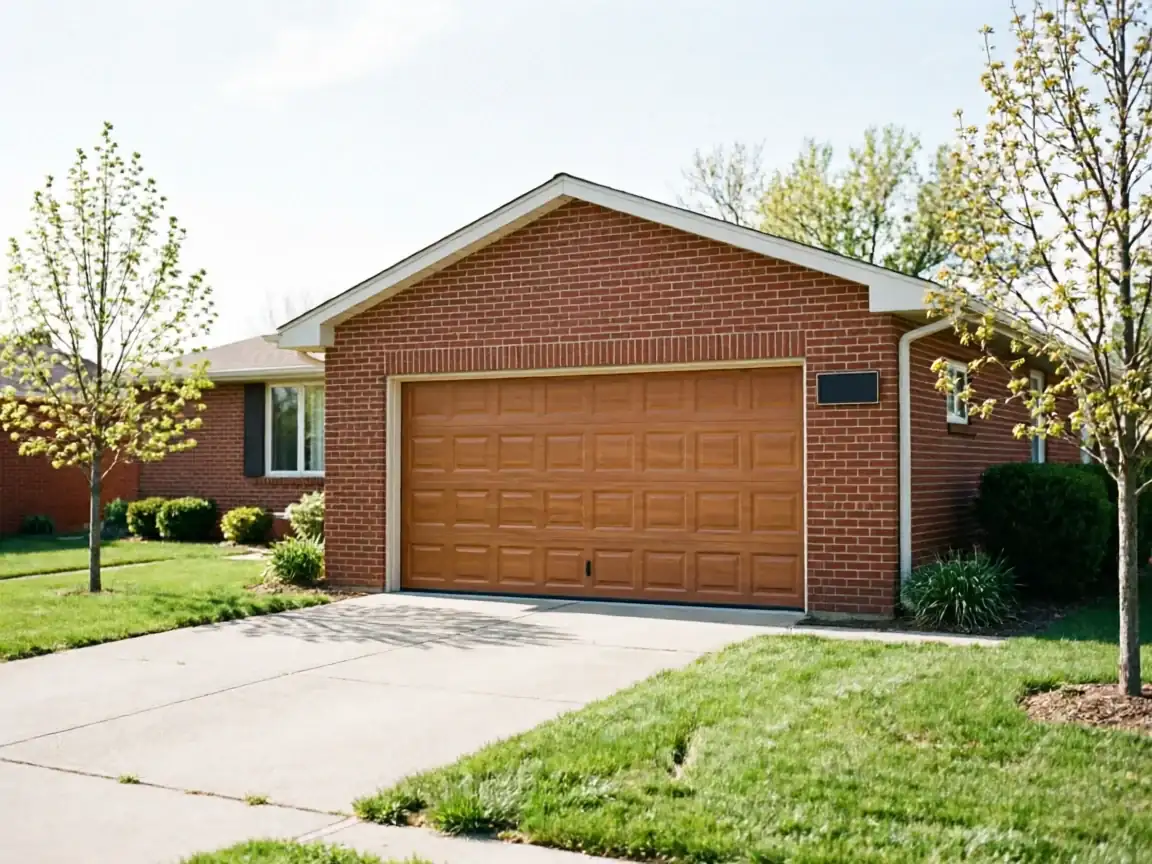
Fisher's median year built is 1974, a few years ahead of the 1978 median across the broader service area and still well inside the 1956-2000 range that defines most of this stock. That matters because a door from 1974 almost never has the galvanized hardware or nylon rollers you'd find on anything built after the mid-1990s. What's on the house instead is often the original torsion spring, sized for a lighter, non-insulated steel panel, running on steel rollers in a track that's had five decades of Illinois winters to work on it.
The climate band here is cold-moderate, and that's not a small detail for a door this old. Steel contracts and track alignment drifts season to season; a spring rated decades ago for a specific cycle count has usually already burned through most of that count just sitting there expanding and contracting. None of this is a Fisher-specific defect - it's what 1970s hardware does everywhere it's installed - but it's the reason the failure shows up now, on this house, rather than on a door built twenty years later.
Doing It Yourself
There's real DIY room on a door this age, and real limits to it
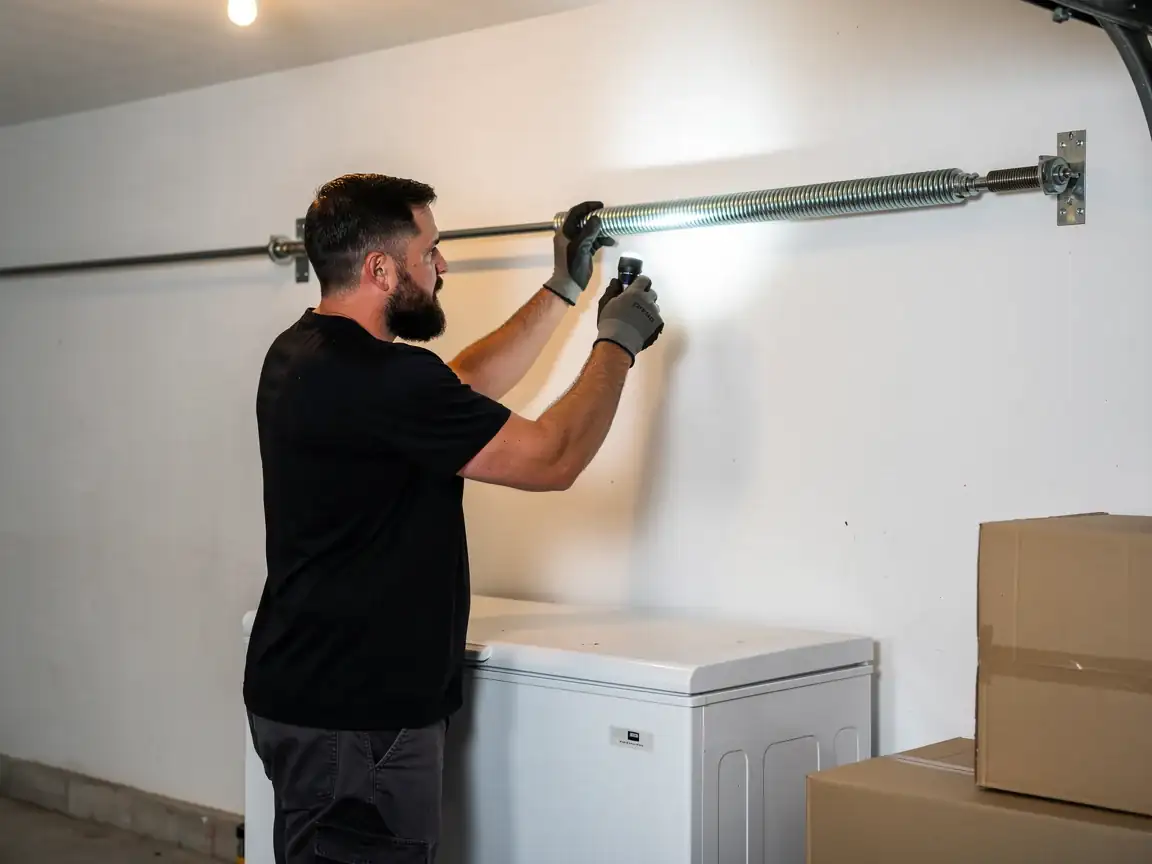
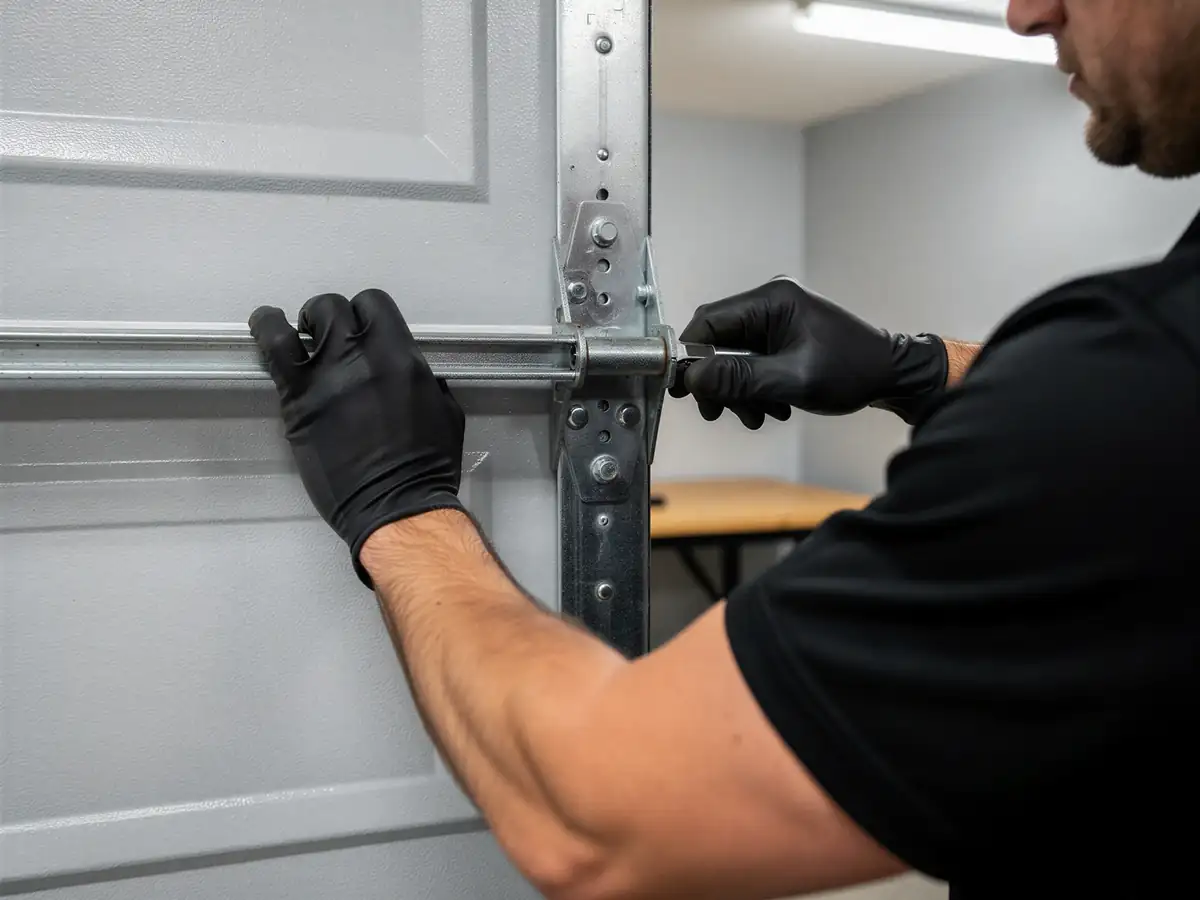
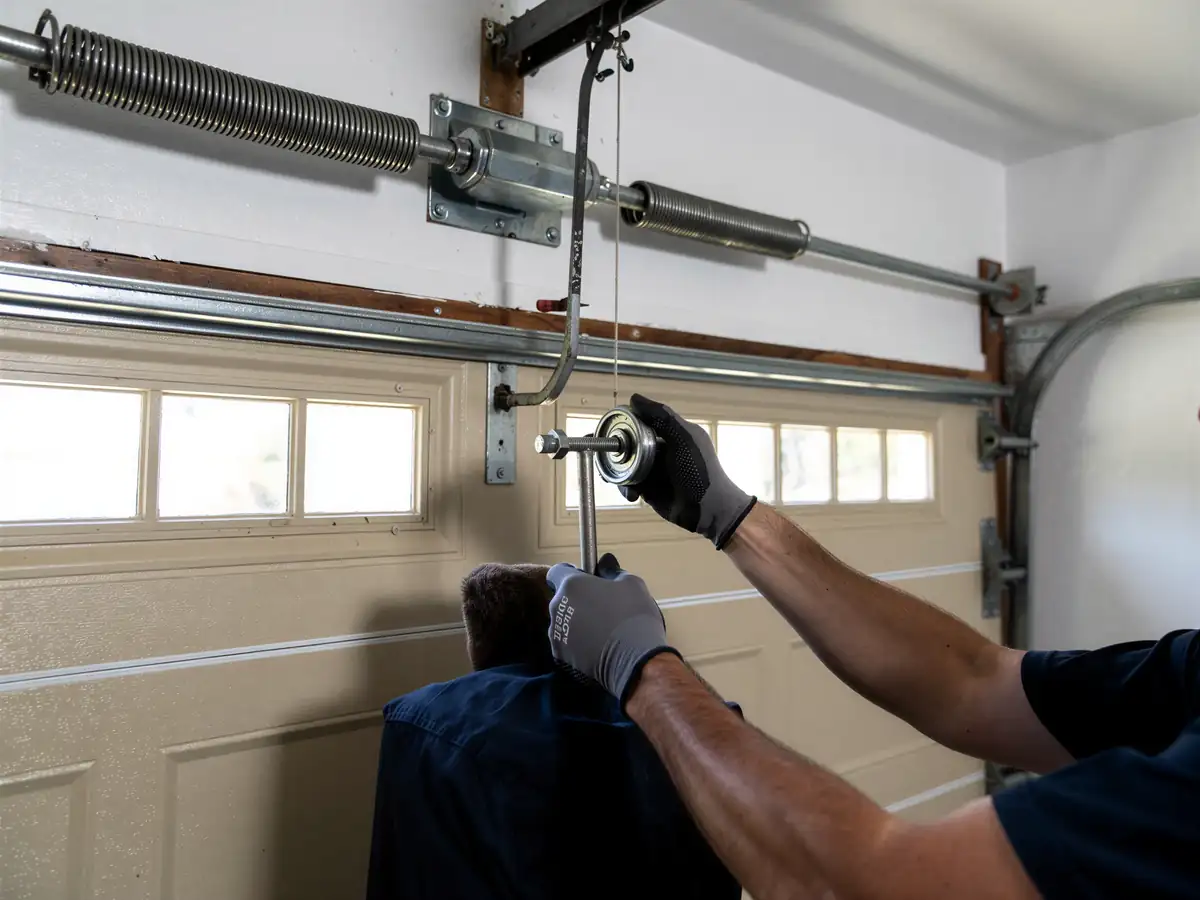
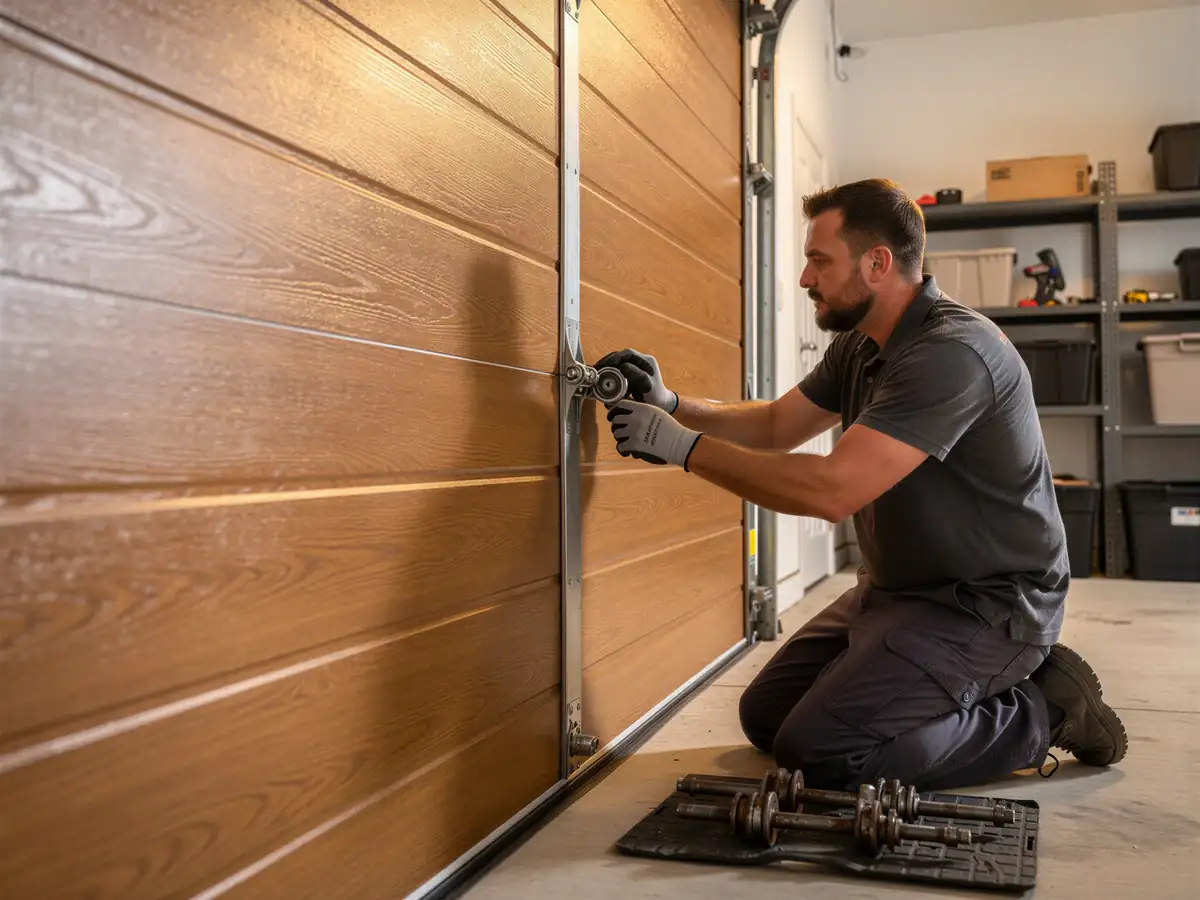
Lubricating hinges and rollers, checking that the photo-eye sensors are aligned, tightening loose roller brackets, vacuuming track debris - all fine, and all things an owner can do without calling anyone. What we won't talk you through over the phone is torsion spring adjustment or replacement. A spring on a 1974-era door is under enough stored tension to break a bone or worse if the winding bars slip, and the sizing on original hardware isn't always what a parts counter has on the shelf, which makes guesswork more likely, not less.
If the door is sagging on one side or the opener is straining and reversing
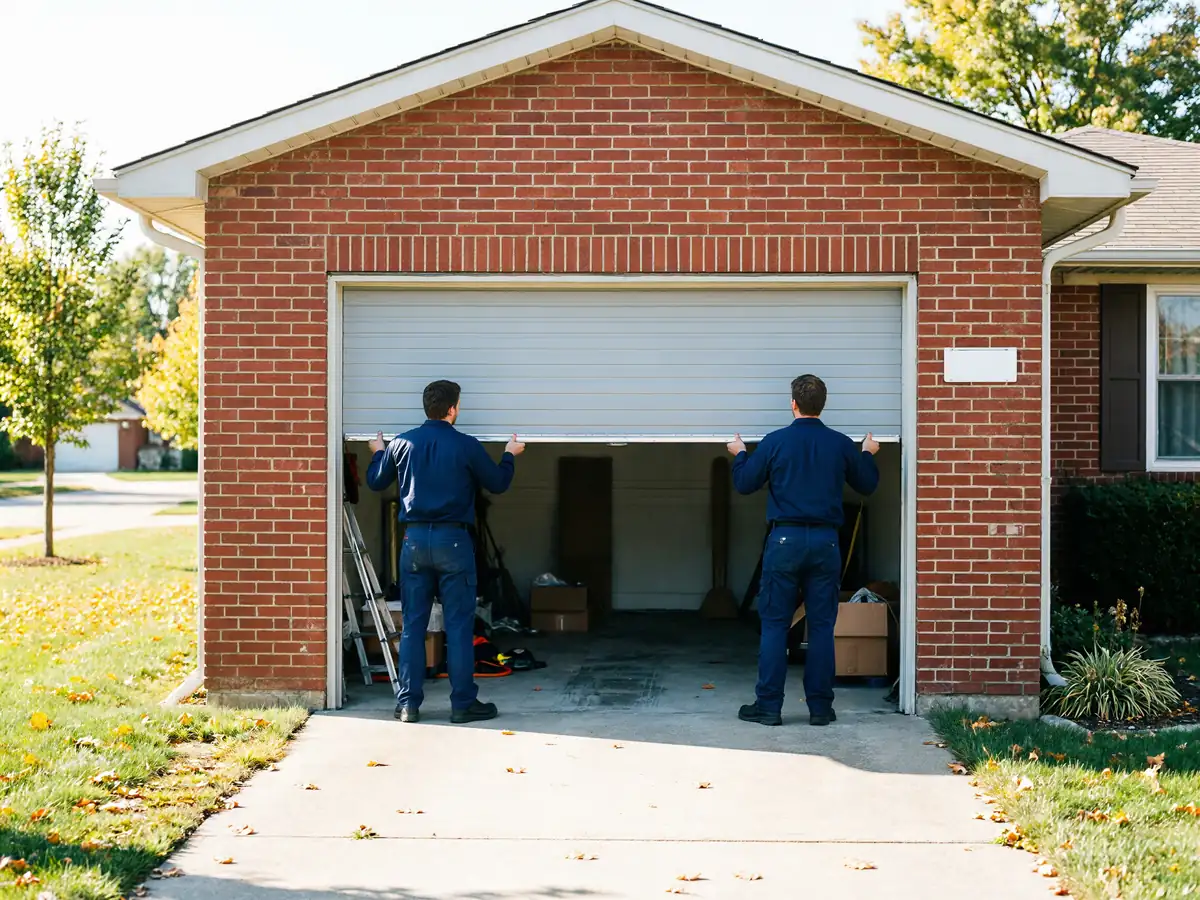
That's past the lubrication-and-tighten stage. At that point you're looking at cable, spring, or track wear that needs hands-on diagnosis, and trying to force it open manually just to get the car out can bend the track further. Know the line: anything involving the spring or the cable drum, stop and call. Anything involving dust, squeaks, or a loose bracket, go ahead.
The Symptom
The door that's 1-2 seconds slower to open than it used to be, or that starts with a shudder before it moves, is usually telling you the spring has lost tension - common on original torsion springs from the 1970s that have simply outlived their rated cycle count. A door that opens unevenly, with one side lagging the other, often points to one spring failing while its pair still holds, which is common on double doors from this era since they were set as a matched pair and rarely replaced together.
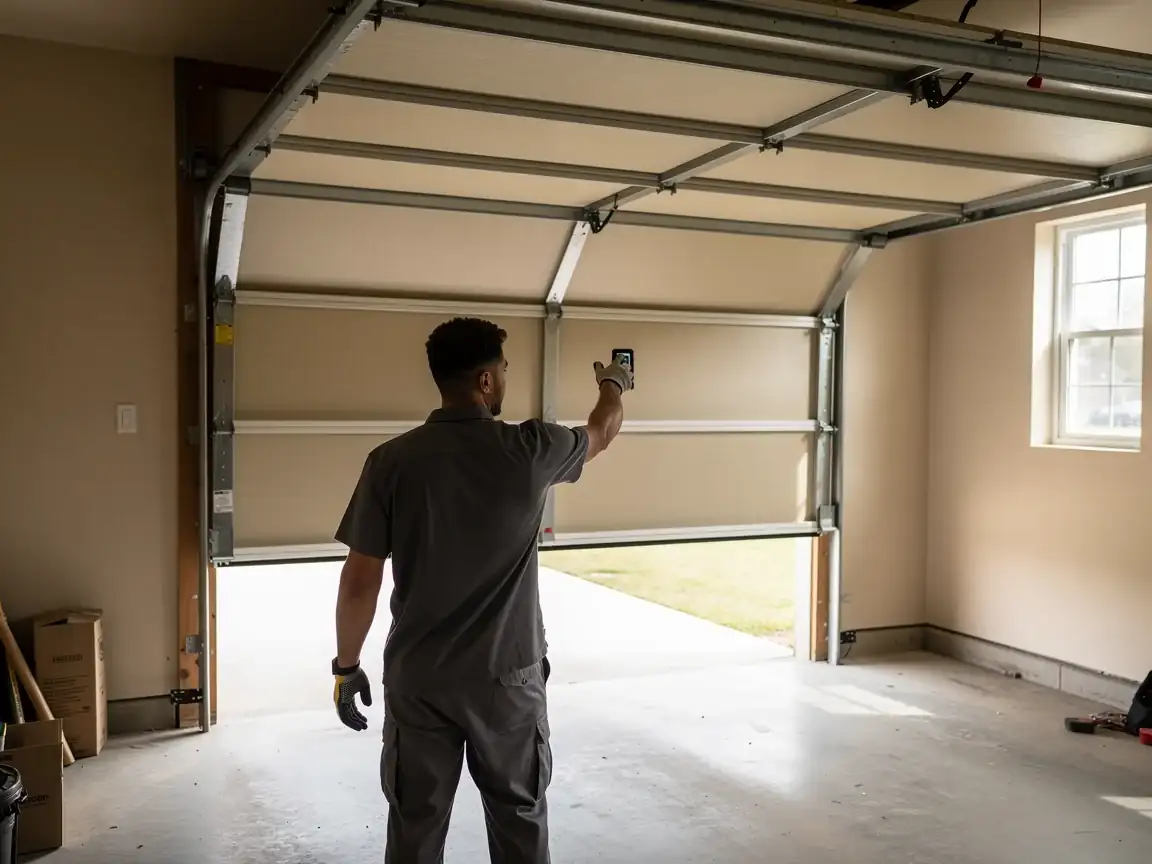
A grinding or popping noise on the way up, rather than a smooth roll, usually means the roller wheels have worn down past round - steel rollers from this build period don't hold their shape the way nylon does. And a door that won't fully seat at the bottom, leaving a gap along the slab, often means the track has shifted slightly out of plumb after decades of seasonal movement in cold-moderate winters. None of these show up overnight; they're the slow end of hardware that was installed once and never touched again.
What Can Go Wrong
On a door from this period, the failure that escalates fastest is a frayed lift cable on one side. Once a strand starts going, the cable can snap under load, and with the opposing spring still pulling, the door comes down crooked and binds hard in the track - sometimes bending the track itself. Rust is the other slow failure: steel panels from the 1970s weren't always galvanized to today's standard, and once rust gets past the surface at the bottom panel seam, it weakens the metal exactly where the roller bracket bolts through.
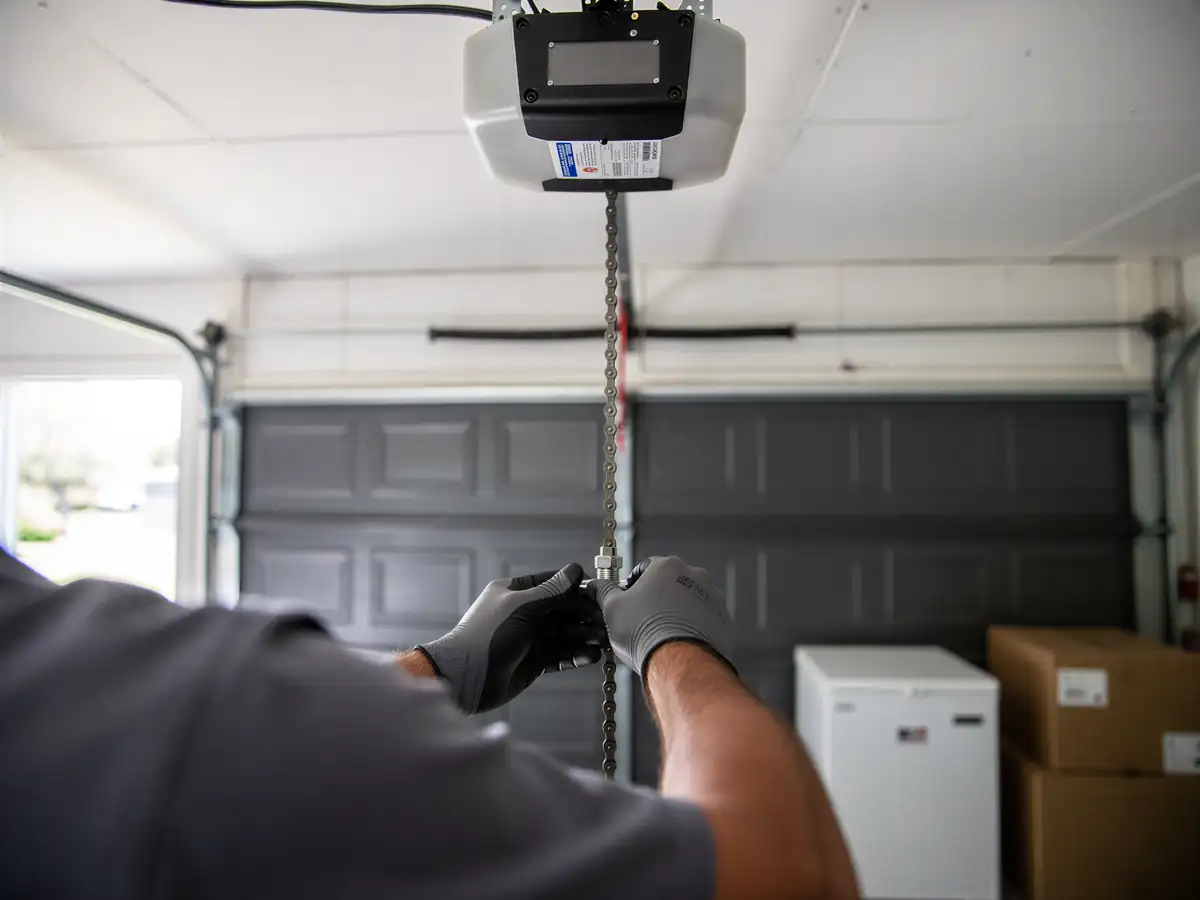
Openers add a second layer. An original door that's gotten heavier with rust or sag puts more strain on an opener that was never sized for that load, and a motor working overtime will burn out its gears faster than one lifting a door that's still at its intended weight. We'll always check spring and track condition before touching the opener, because replacing a motor on a door that's fighting bad hardware just means you're back here again in a year.