What You Pay
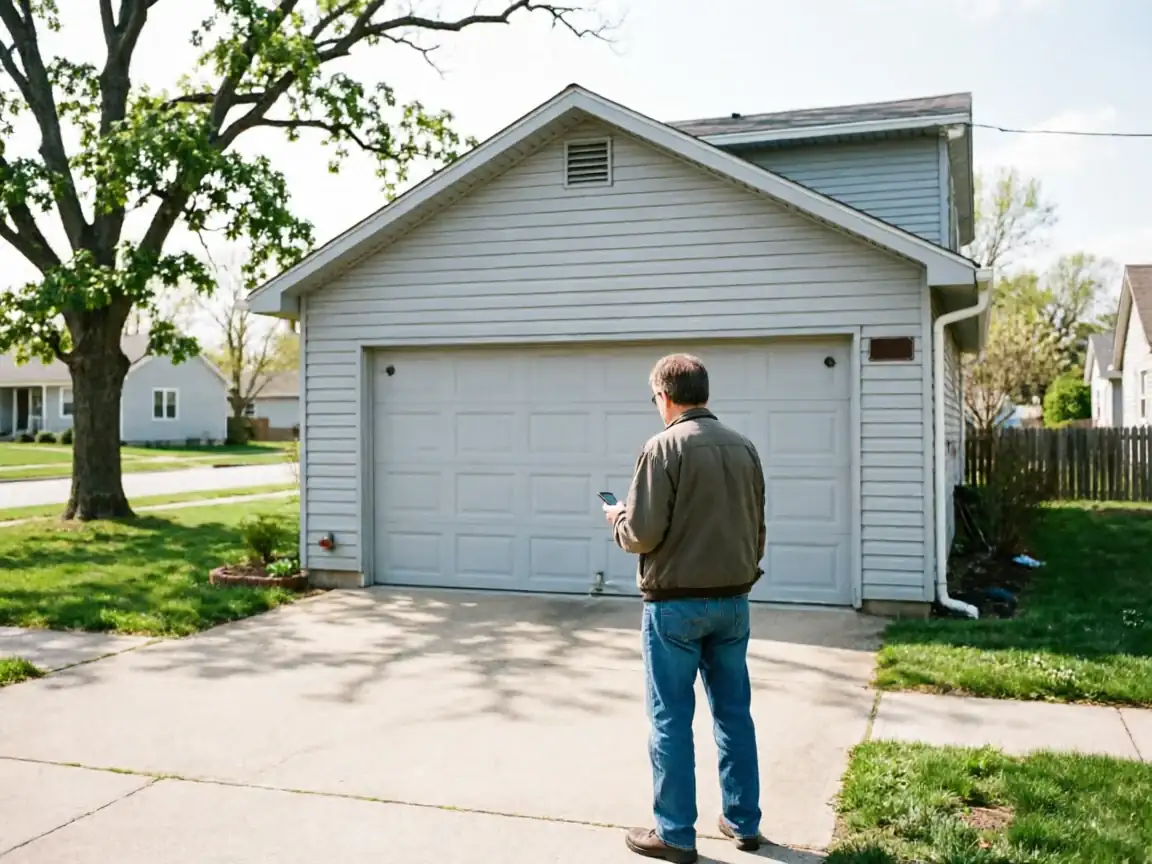
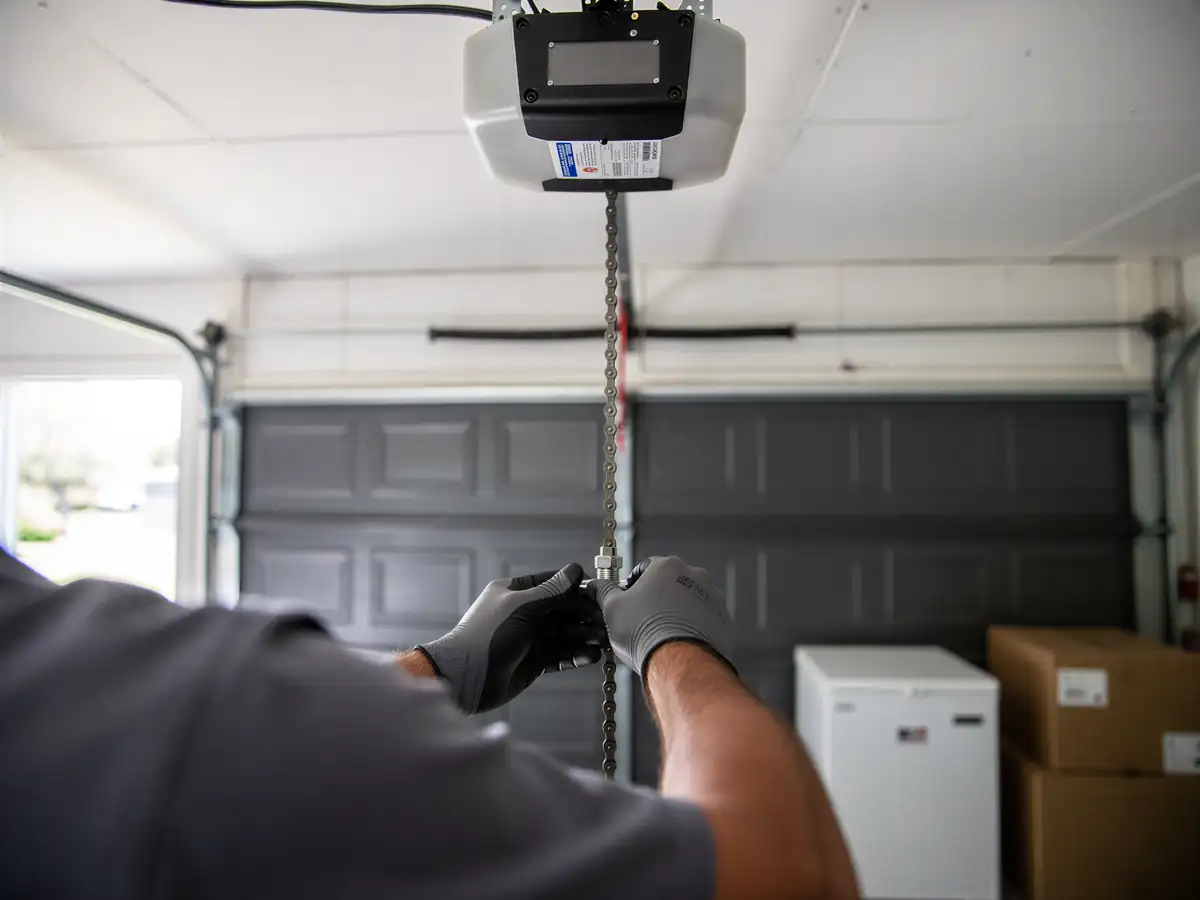
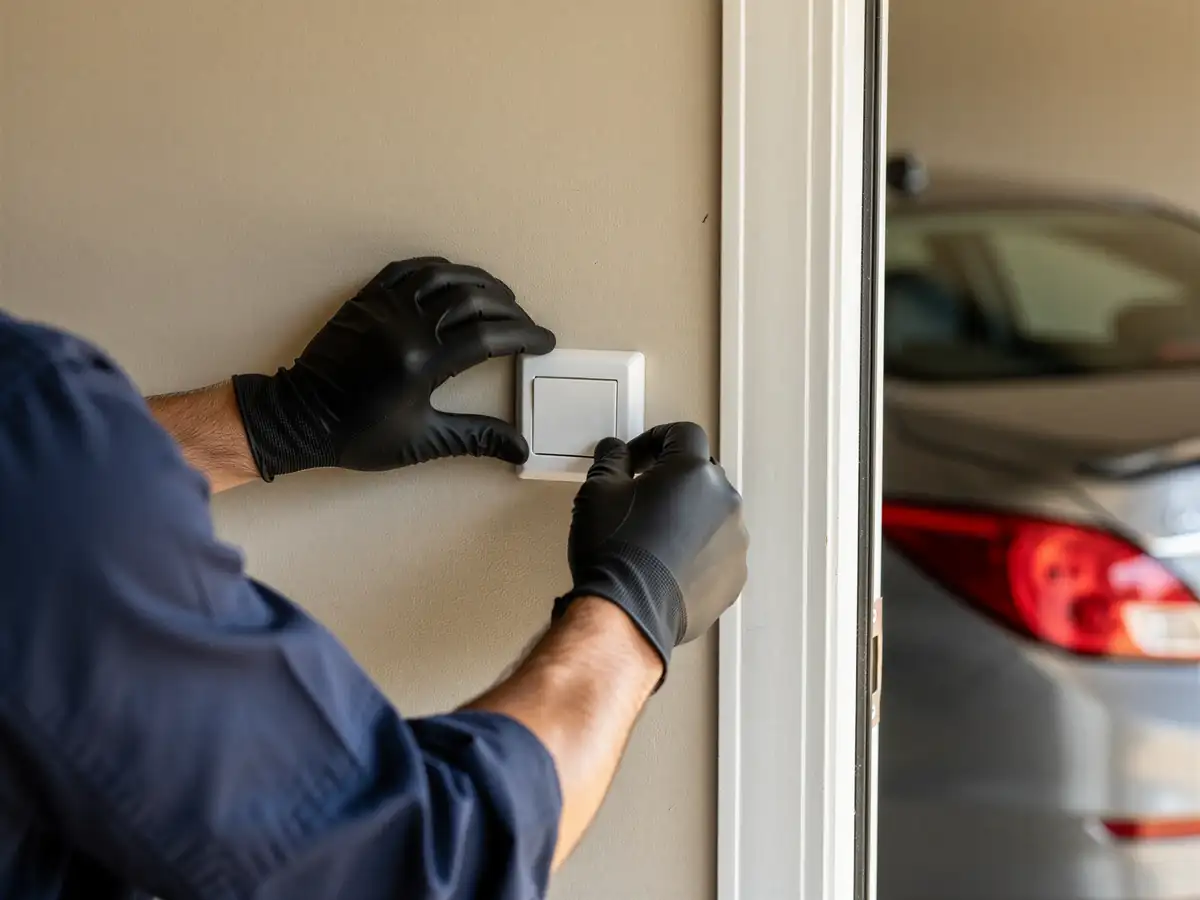
Fisher sits 14 miles from our shop in Champaign, and that drive is part of the job, not an afterthought. We don't keep a branch out here, so every opener install gets planned as a single trip: the unit, the rail, the bracket kit, and the right wall control have to be on the truck before it leaves, because a missing part means a second 14-mile trip instead of a quick parts run across town. We don't post a flat price here because the hardware on your header and the condition of your track change the job - a straight-rail chain opener on a door that's already square costs less in parts and time than a belt-drive unit going onto an older low-headroom track that needs an extension kit. What we can tell you is that the quote accounts for the drive, not on top of it as a surprise line item. Ask for the number before you book, and ask what's included - opener, rail, two remotes, keypad, safety sensors - so you're not comparing a stripped quote to a full one. With about 595 households in Fisher, we're not running multiple trucks through here on a given day, so scheduling two or three jobs on the same trip is how we keep the travel from inflating your bill.
Why This Fails Locally
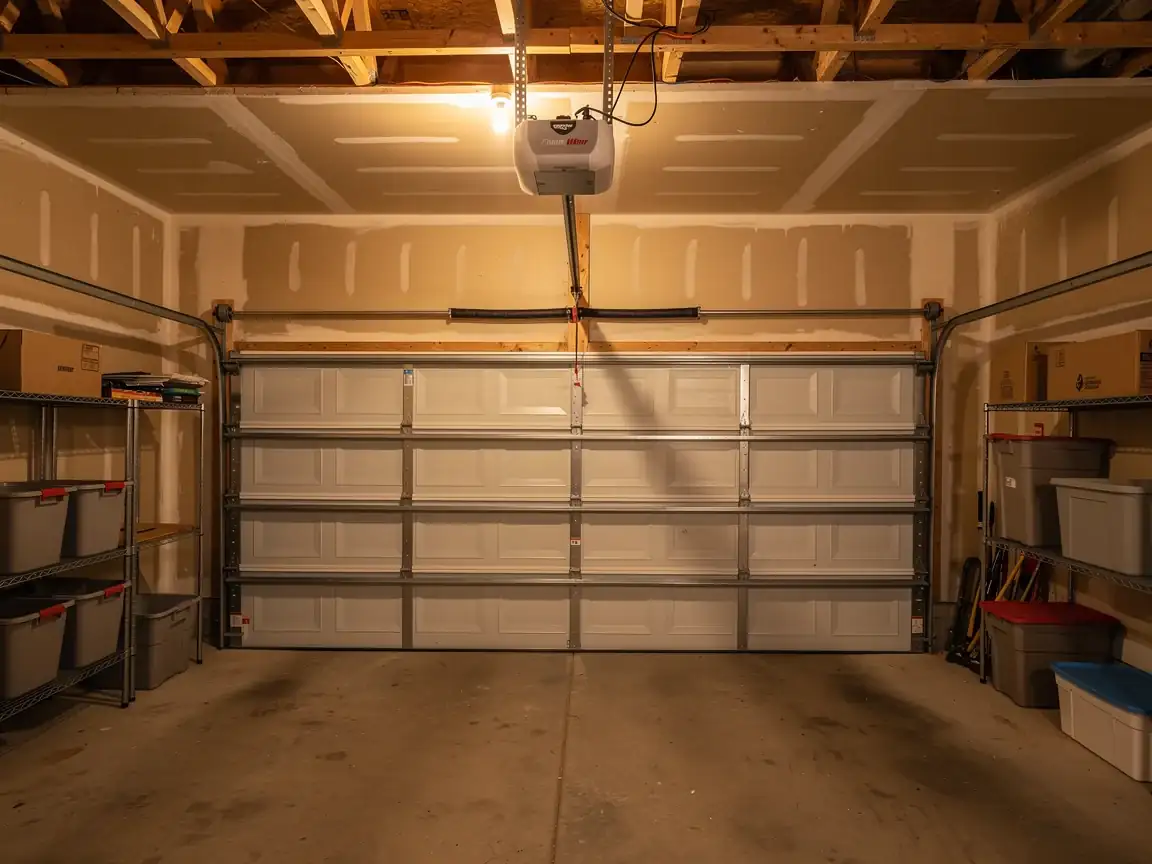
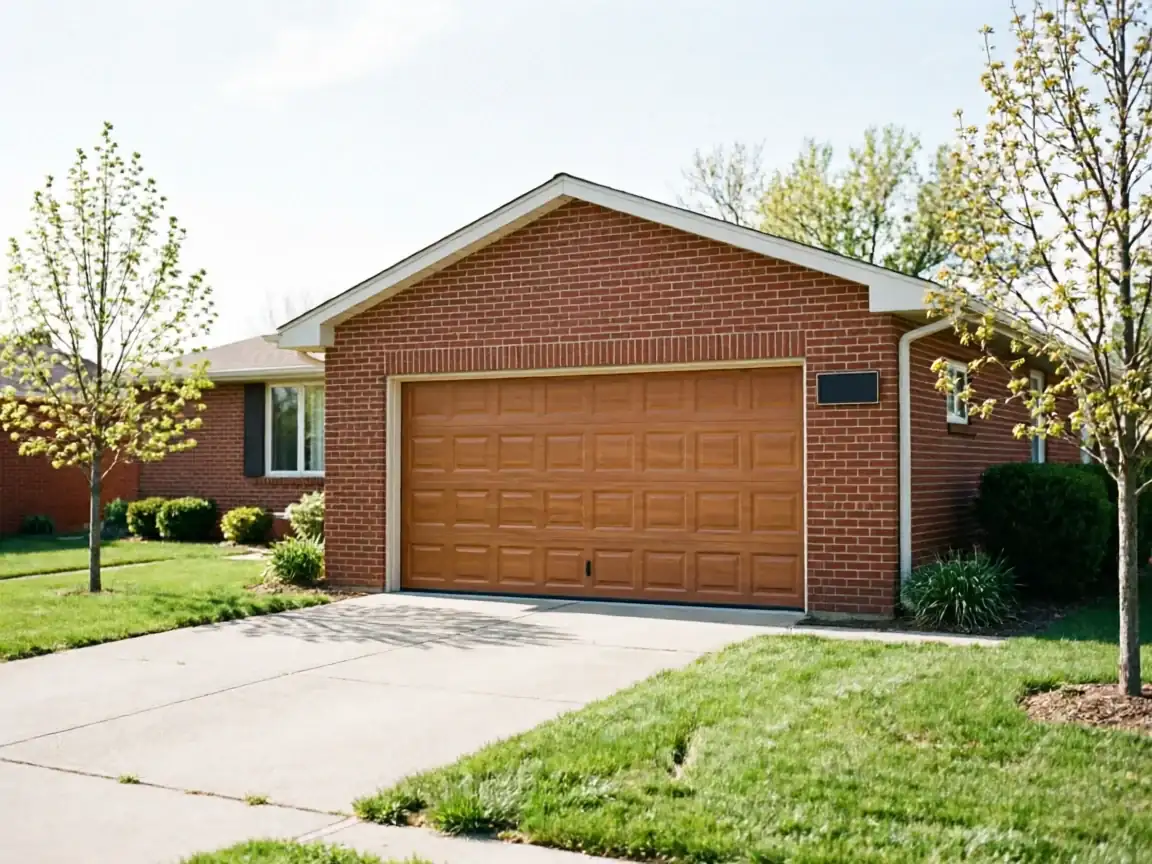
Fisher's housing mostly went up around 1974, which puts a lot of garage doors here on the tail end of the original steel-and-track era before openers were standard equipment in new construction. That means a fair number of garages had an opener added after the fact, bolted onto a header and track that were never engineered with powered lifting in mind. The header might be a single ungraded 2x6, the track might be older roll-formed steel with wear nobody's measured, and the door itself might be heavier than a modern insulated panel. An opener strong enough to run a modern door can rack an old track or pull a weak header loose over time if nobody checks the structure first. This isn't a Fisher-specific defect - it's what happens anywhere a 1970s door meets a 2020s opener - but it's common enough in this stock that we check header condition and track alignment before mounting anything, not after the first callback.
The Symptom
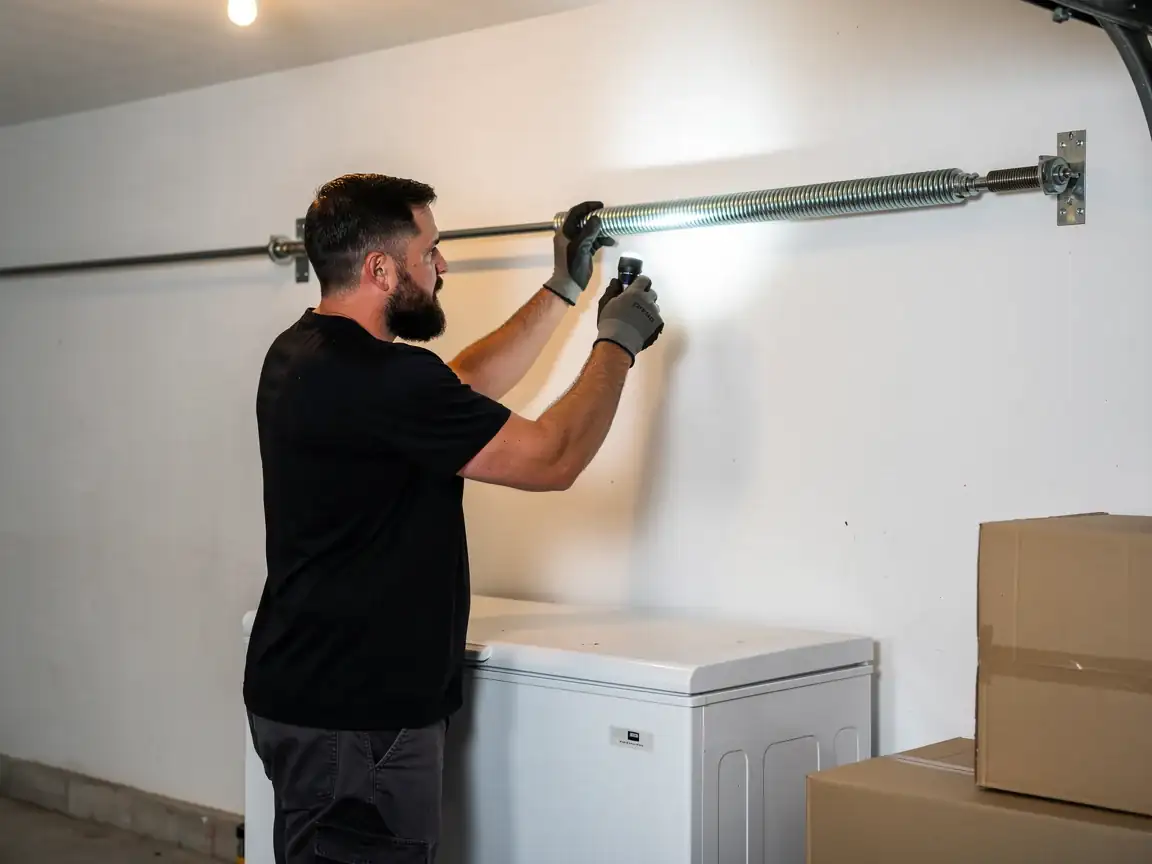
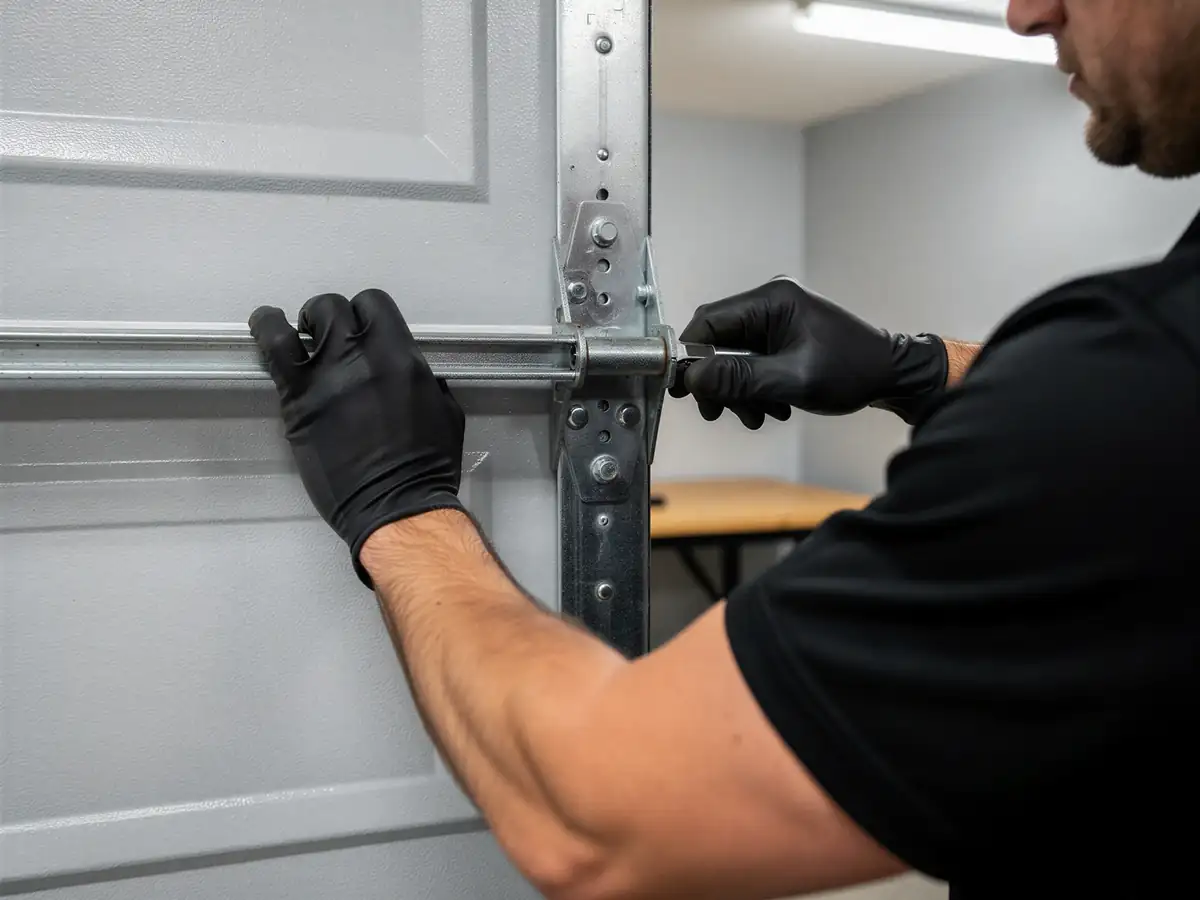
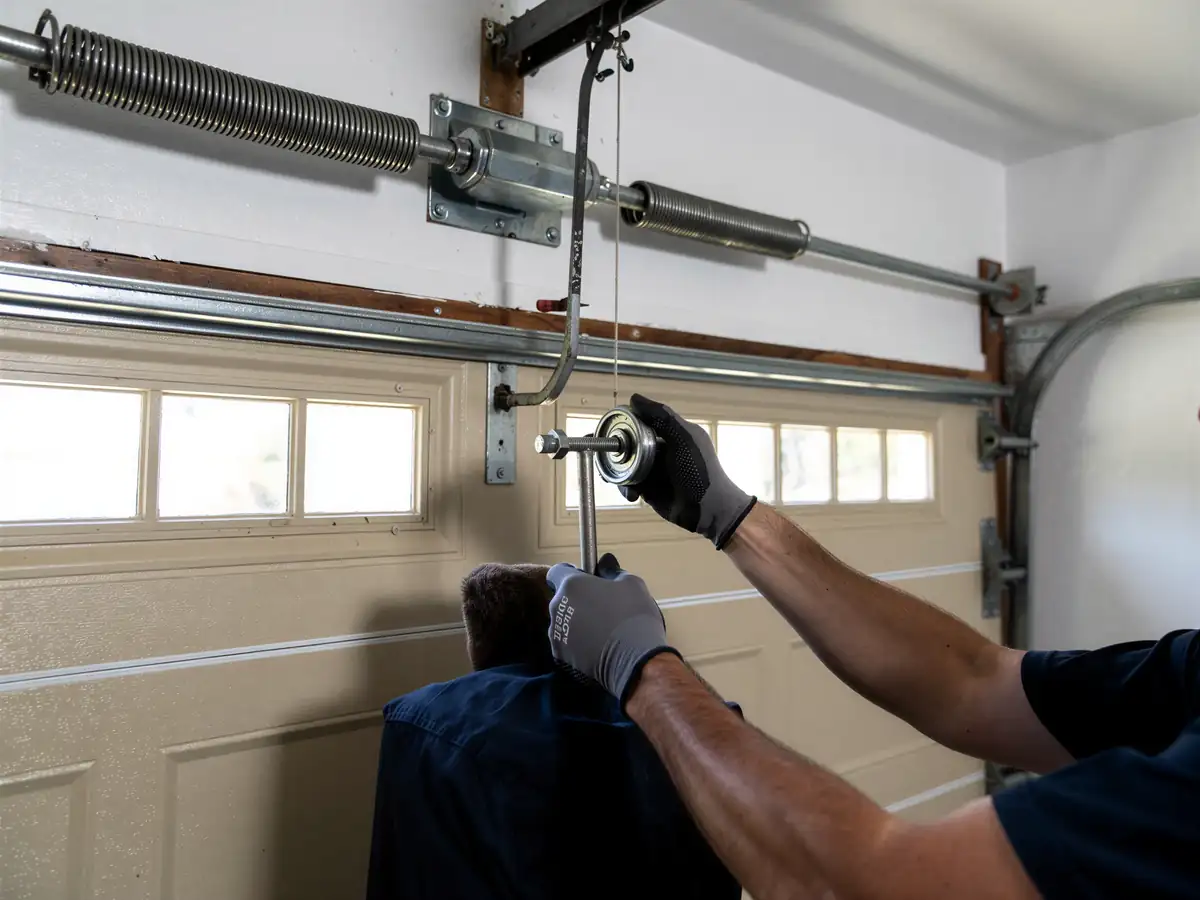
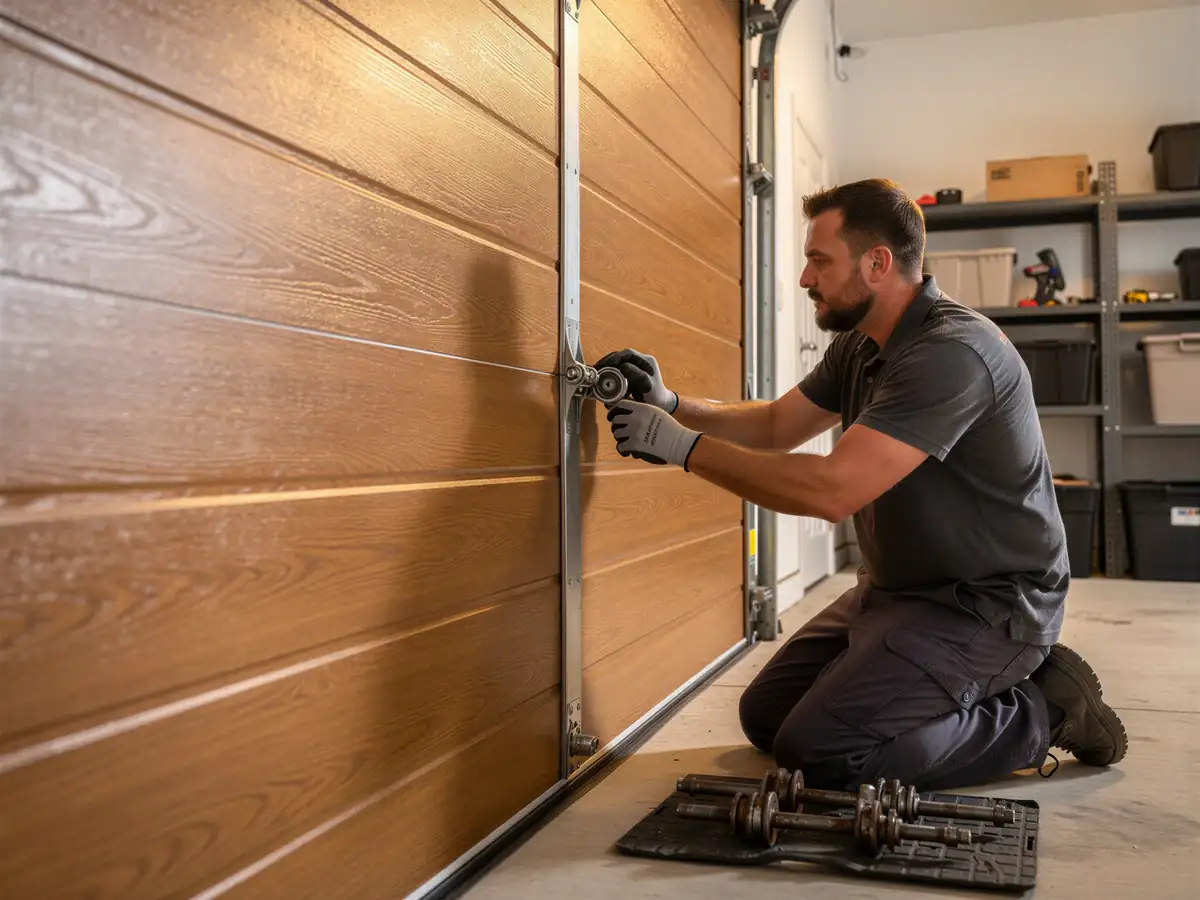
The call we usually get from this area is an opener that runs the motor but the door barely moves, or moves a few inches and reverses. On a 1974-era door with original hardware, that's often the door itself - a spring that's lost tension, rollers worn oval, a track knocked slightly out of true - making the opener work harder than it's rated for, not a defect in the opener itself. Replacing the opener on a door that's actually a spring problem fixes nothing; the new unit inherits the same fight and fails the same way inside a year or two. We separate the two issues on the call before quoting a new opener, because selling you an opener for a spring problem is a bad trade either way it goes.
What Can Go Wrong
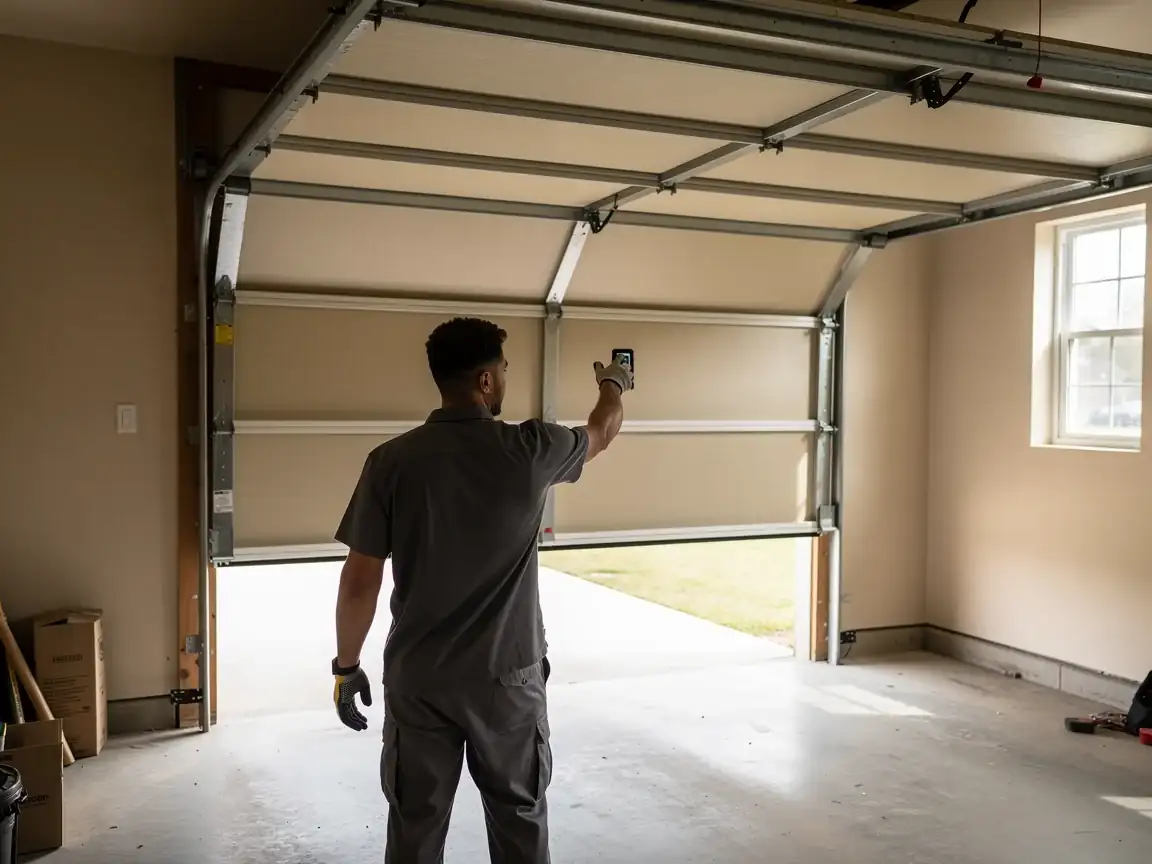
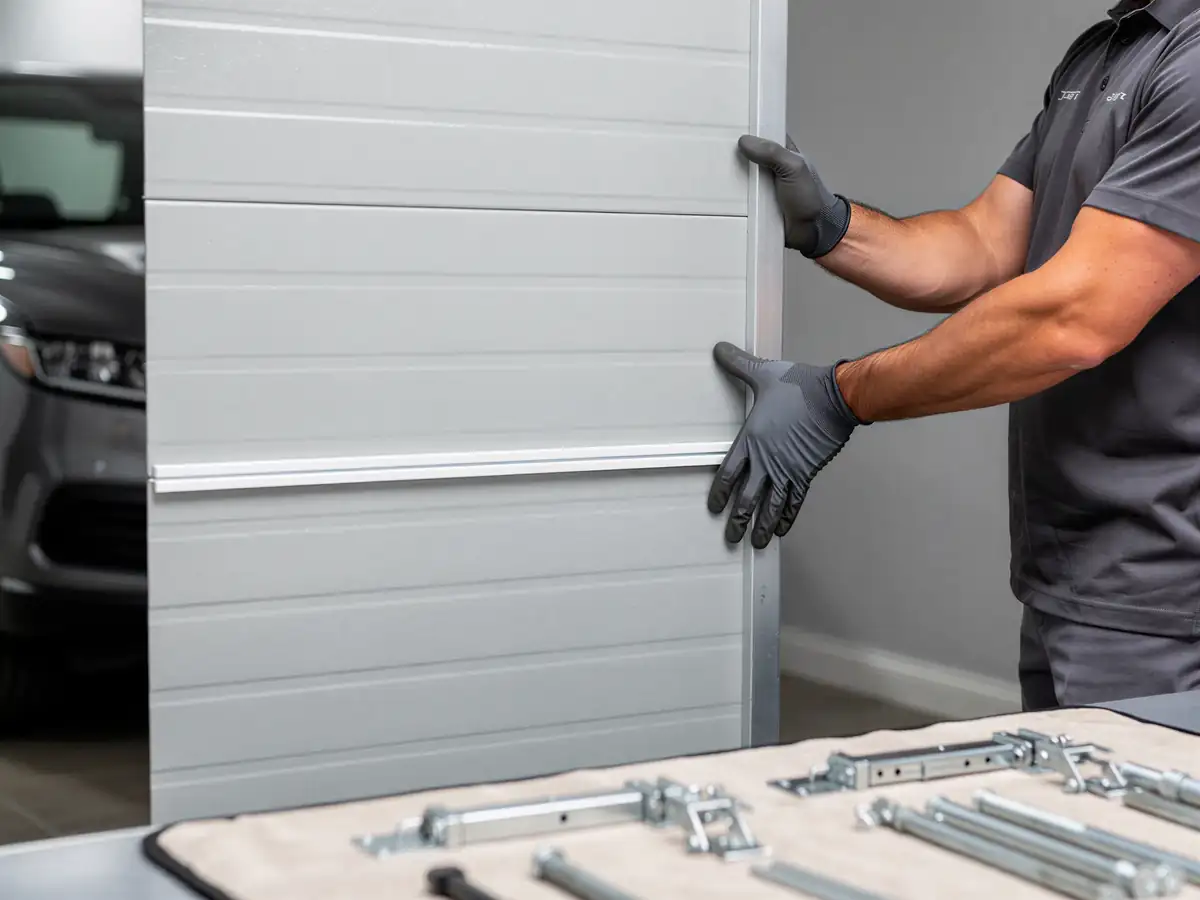
Cold matters more here than people expect. In a moderate-cold climate band, lubricant in an older chain or screw-drive opener thickens on the coldest mornings, and a motor already working against a slightly misaligned track can stall or trip repeatedly before the day warms up. Installing a new opener without re-checking door balance is the single biggest mistake we see - it passes inspection in the shop lighting of a mild afternoon and fails the first cold snap. The other thing we won't do is install a residential opener on a door that's structurally failing - if the panels are rusted through or the track is bent beyond straightening, a new opener just lifts a door that shouldn't be lifted, and we'll say so instead of selling the install.