What You Pay
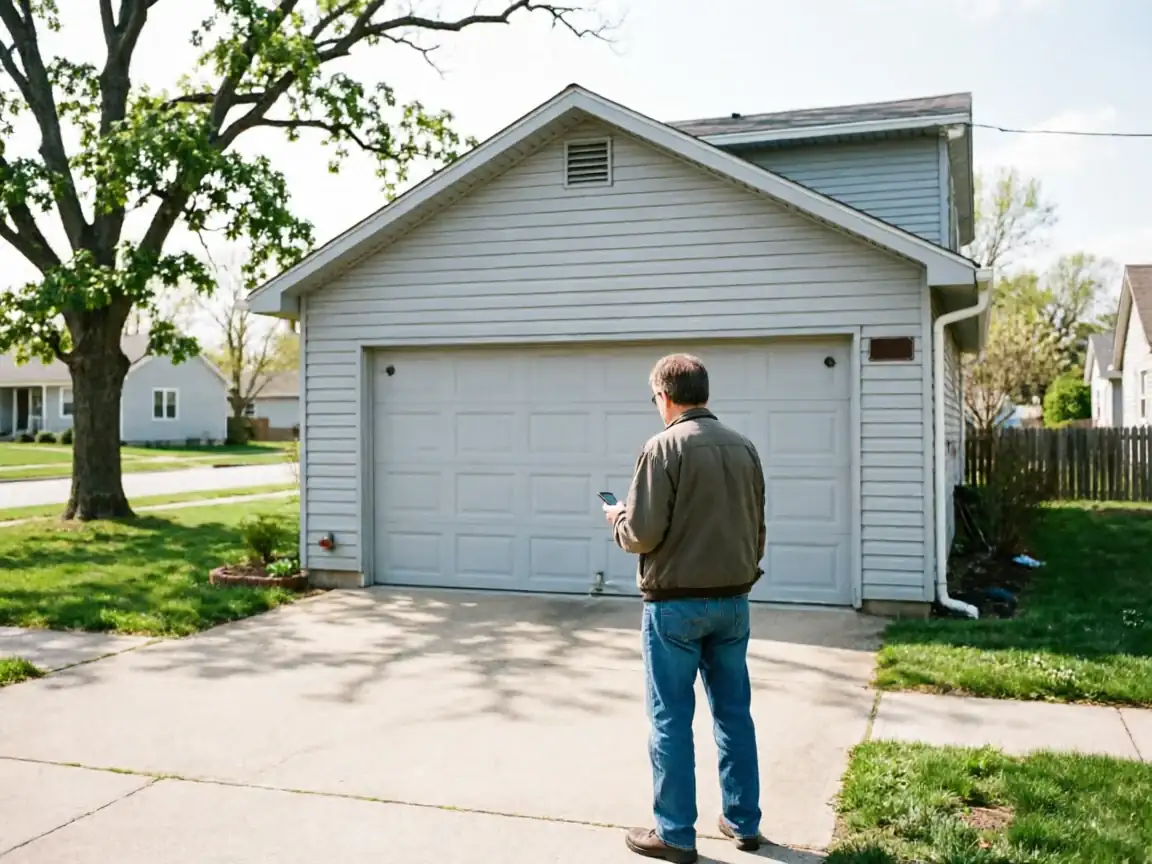
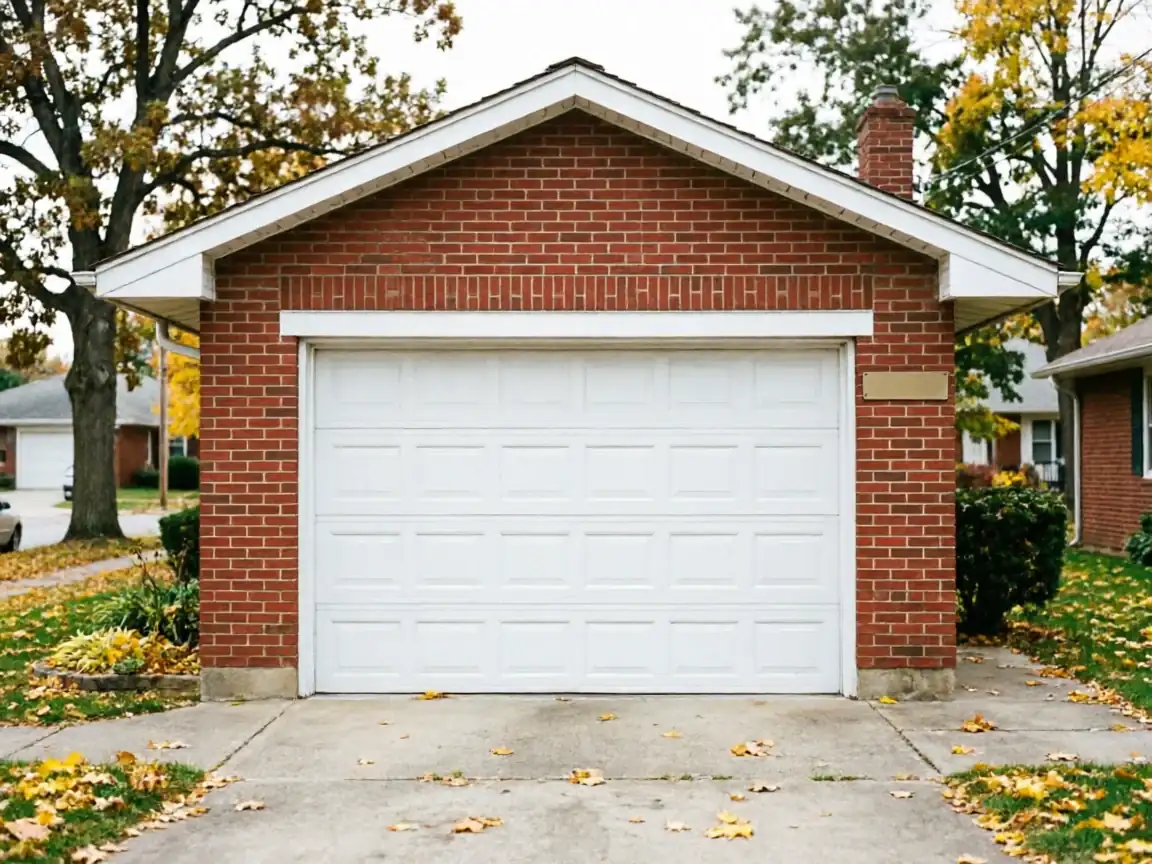
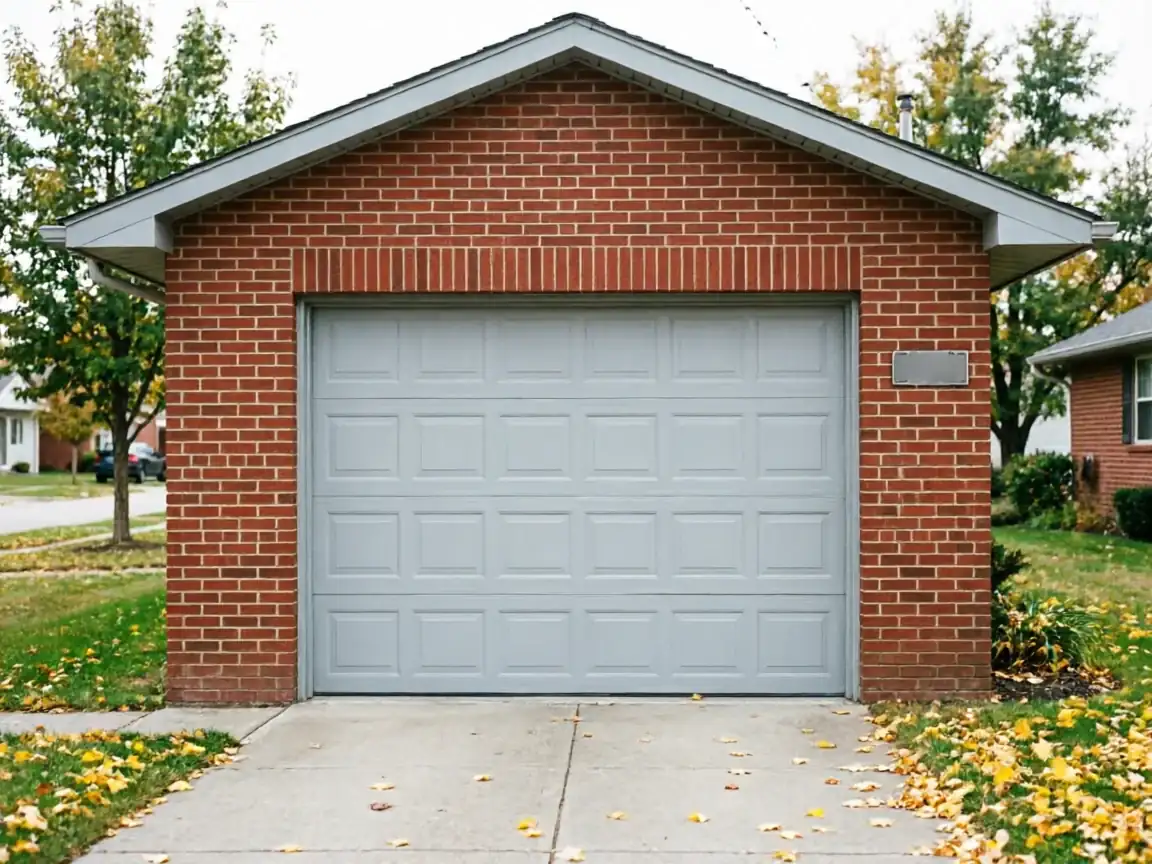
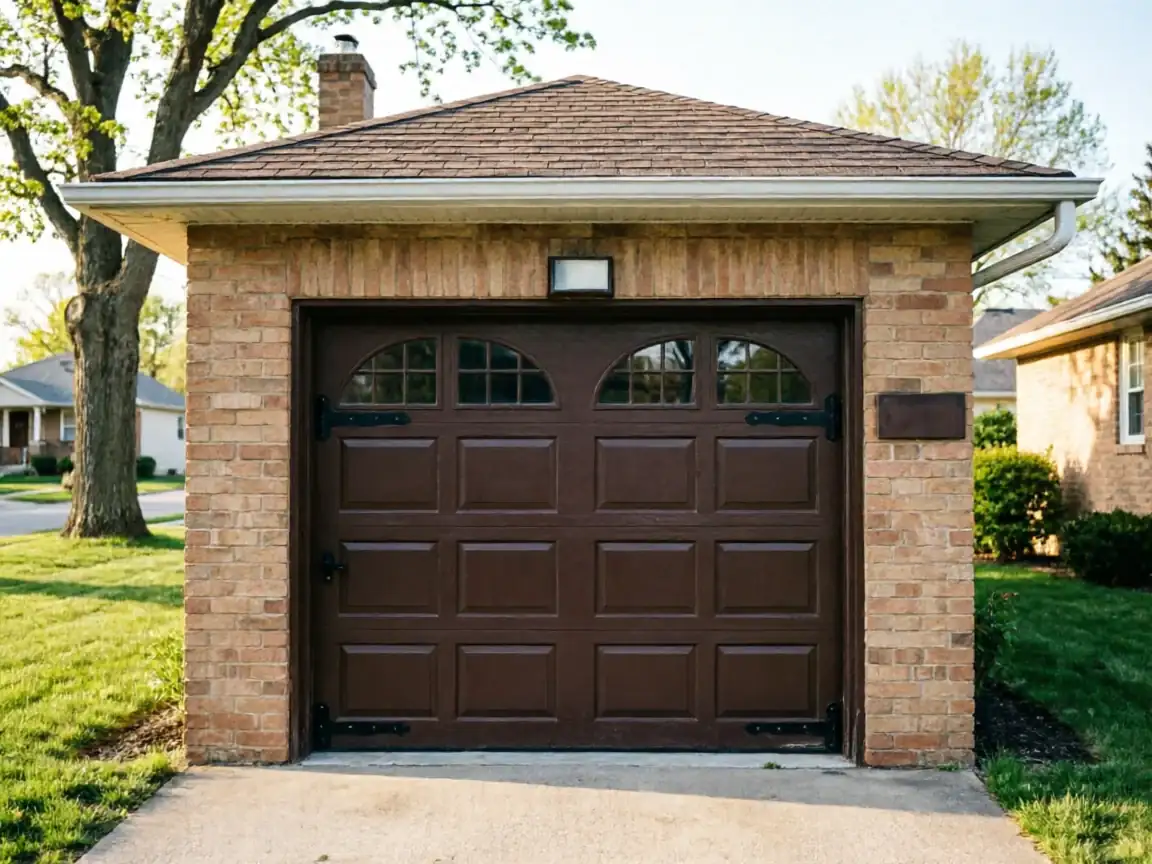
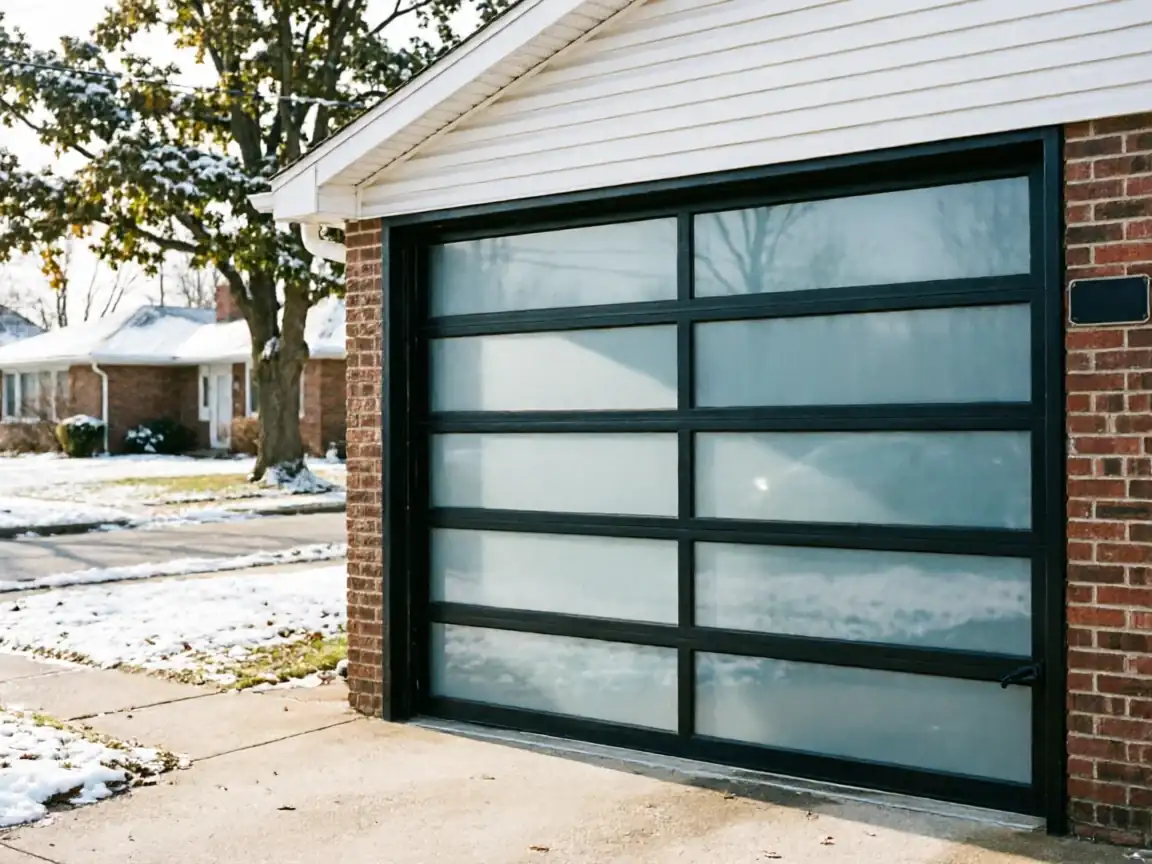
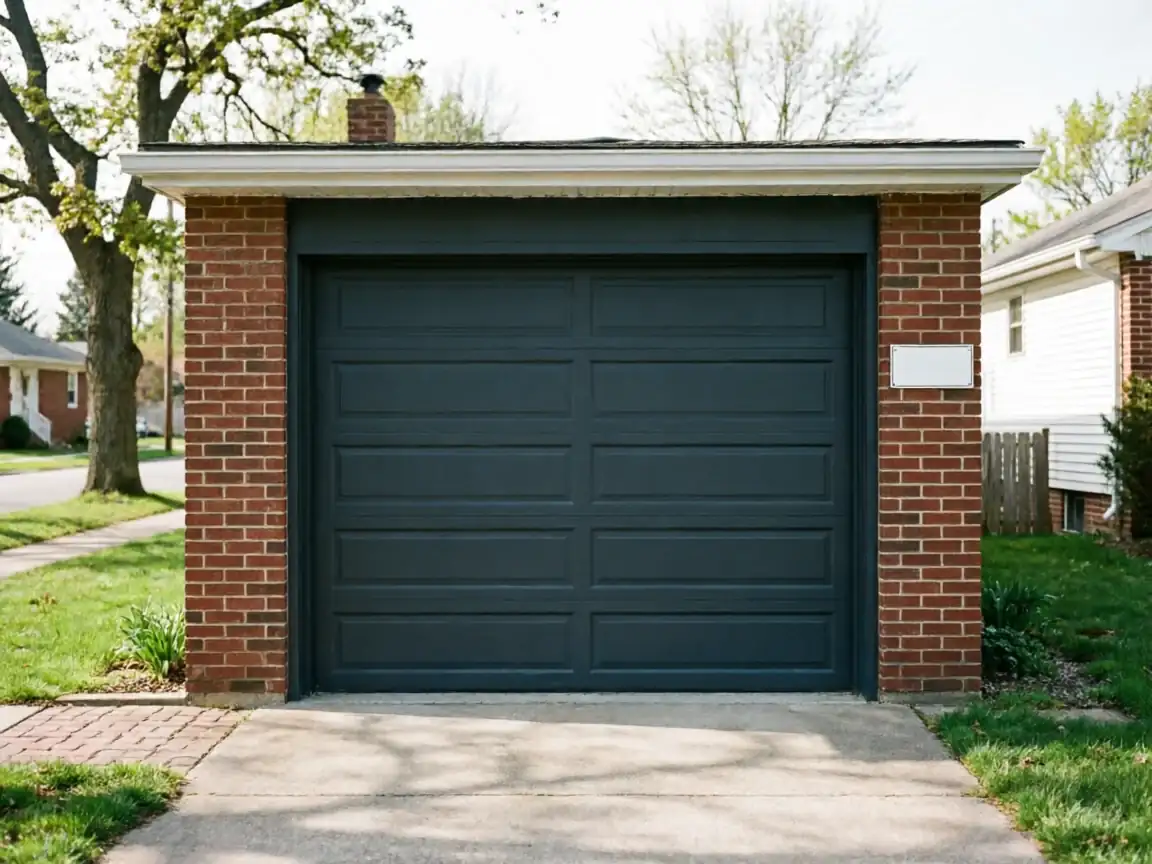
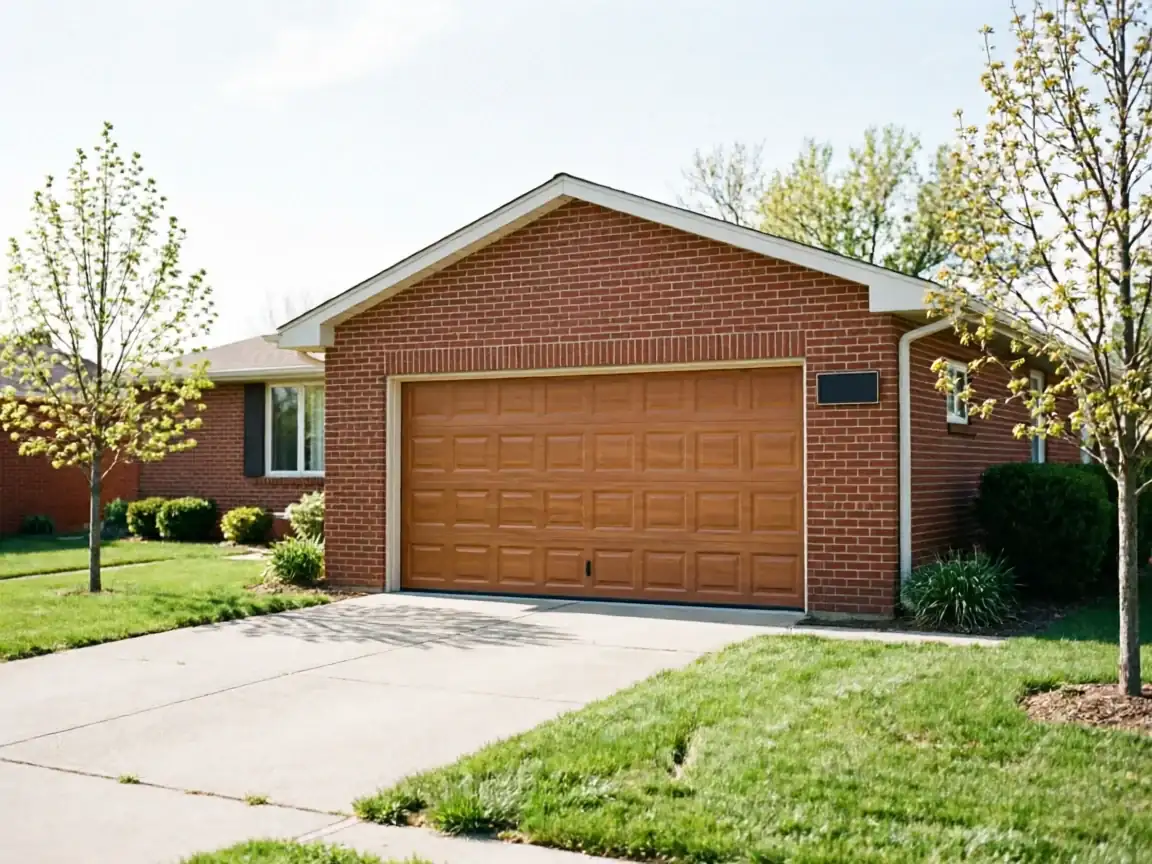
We don't have a Fisher-specific price list to quote here, and we're not going to make one up. What we can tell you is how the math tends to shake out in a town built mostly in the early-to-mid 1970s: most of the openings we size up are single 16x7 or 9x7 bays on wood-framed garages, not the oversized three-car bays you see in newer subdivisions. That keeps door width and panel count on the smaller end, which matters because panel count and insulation grade are the two biggest swings in an installed price. Fisher's household income runs well above the wider service area's median of $81,703, and we see that reflected in requests for insulated steel doors over the bare single-layer doors that shipped standard when these houses were built. For an exact number on your opening, call it in - we measure before we quote, we don't guess off a square-footage estimate.
Why This Fails Locally
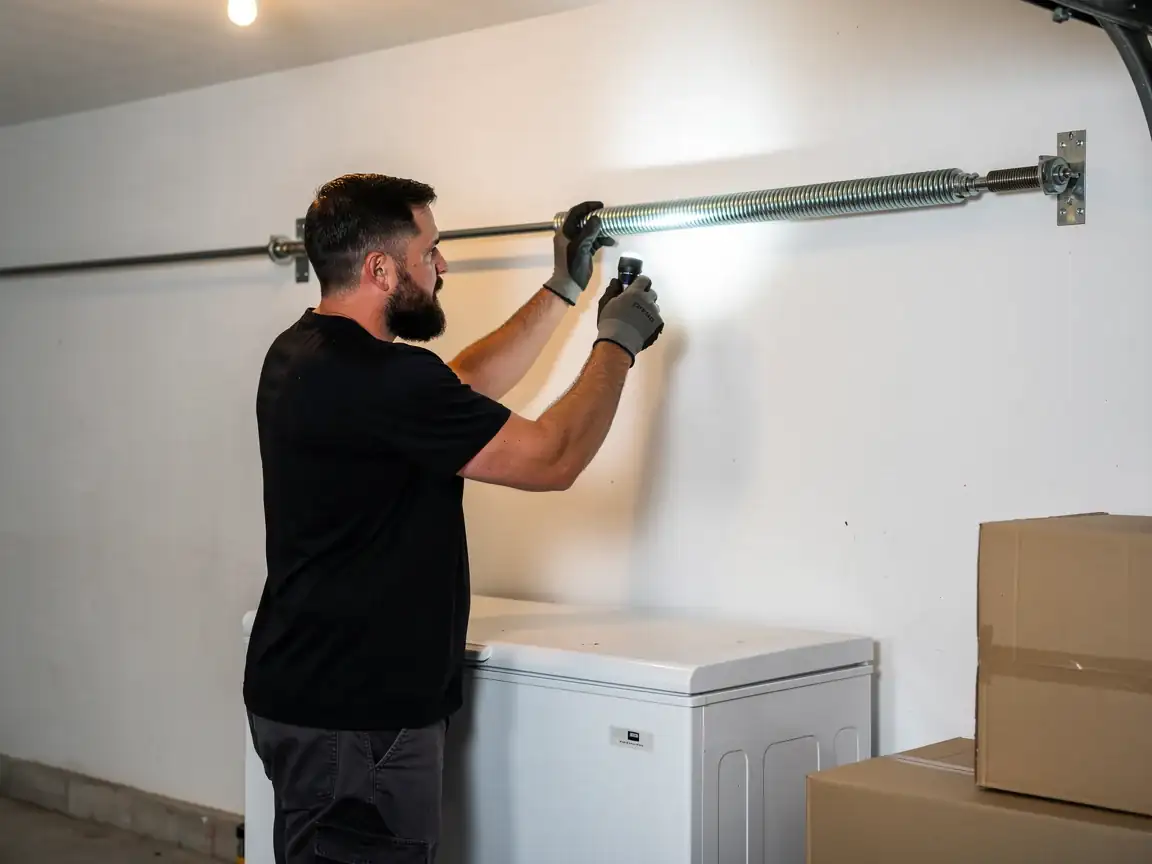
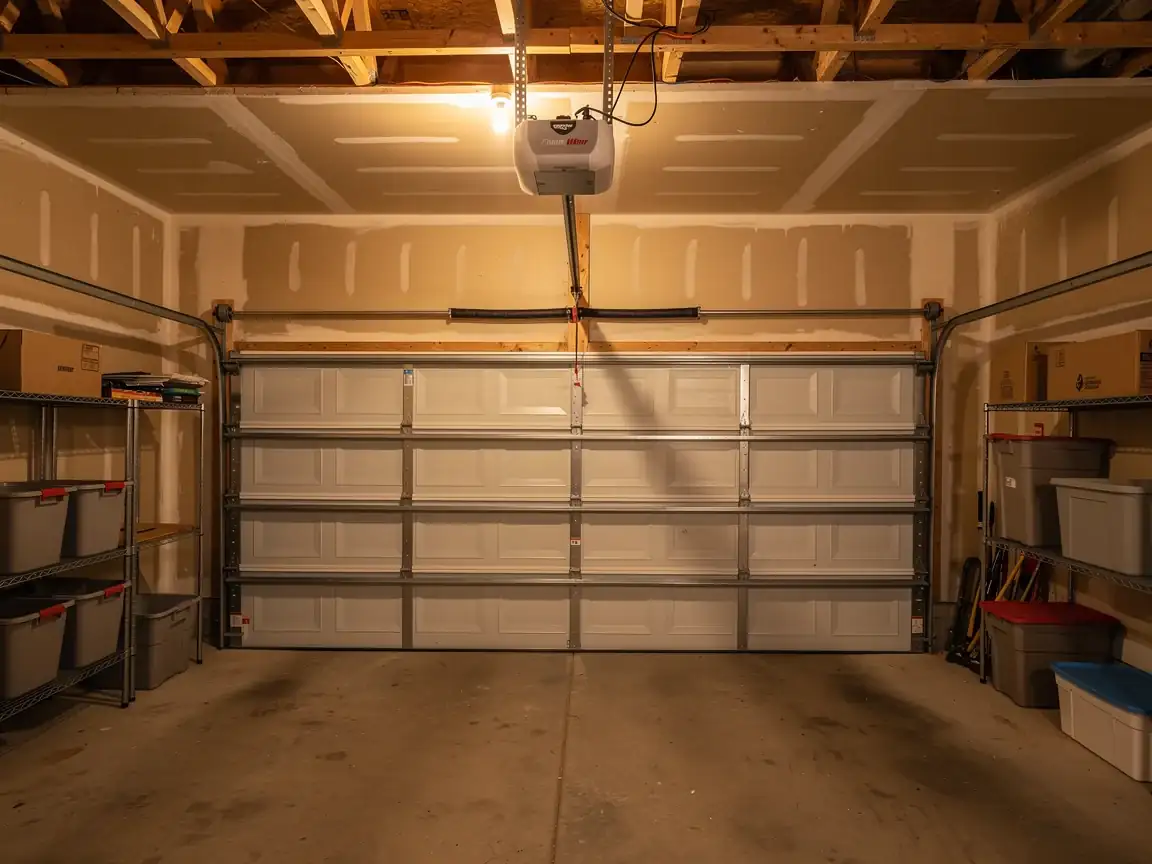
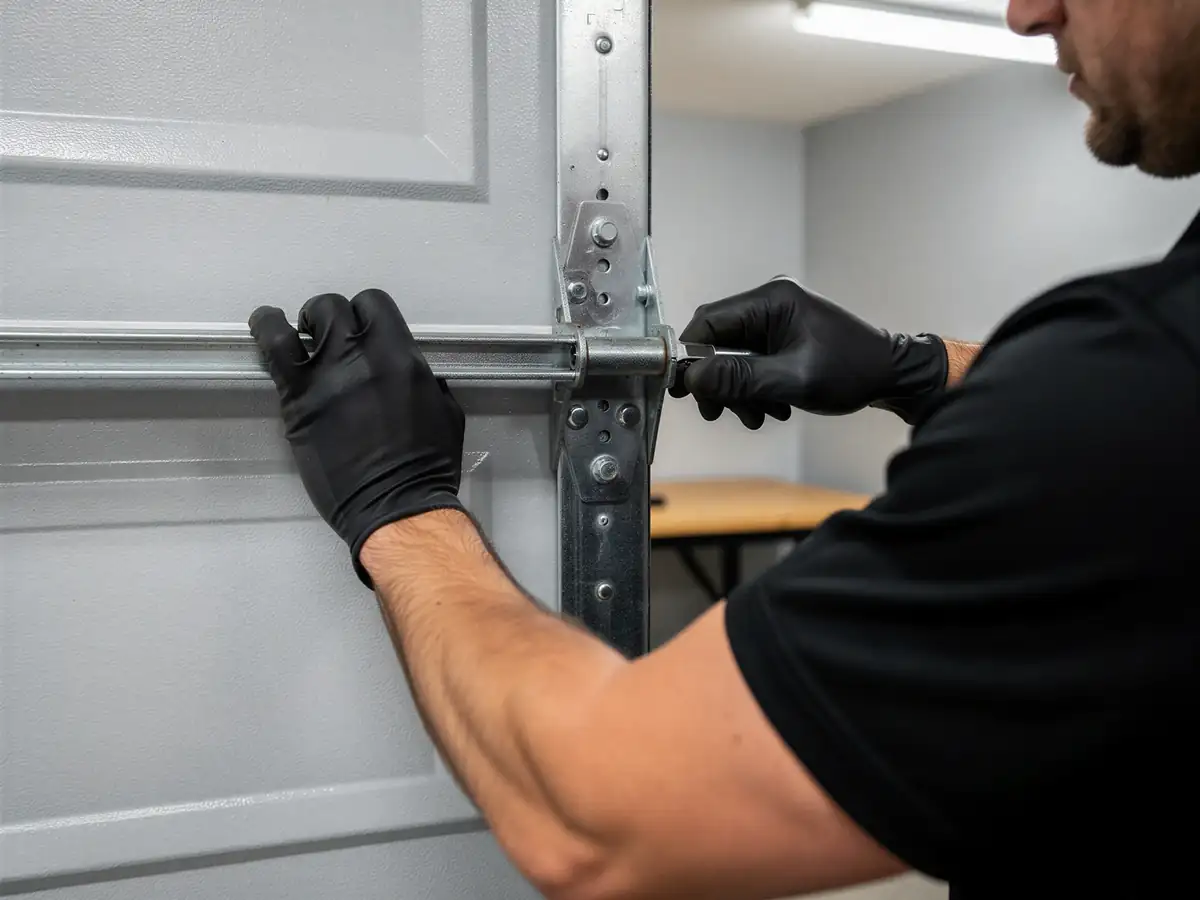
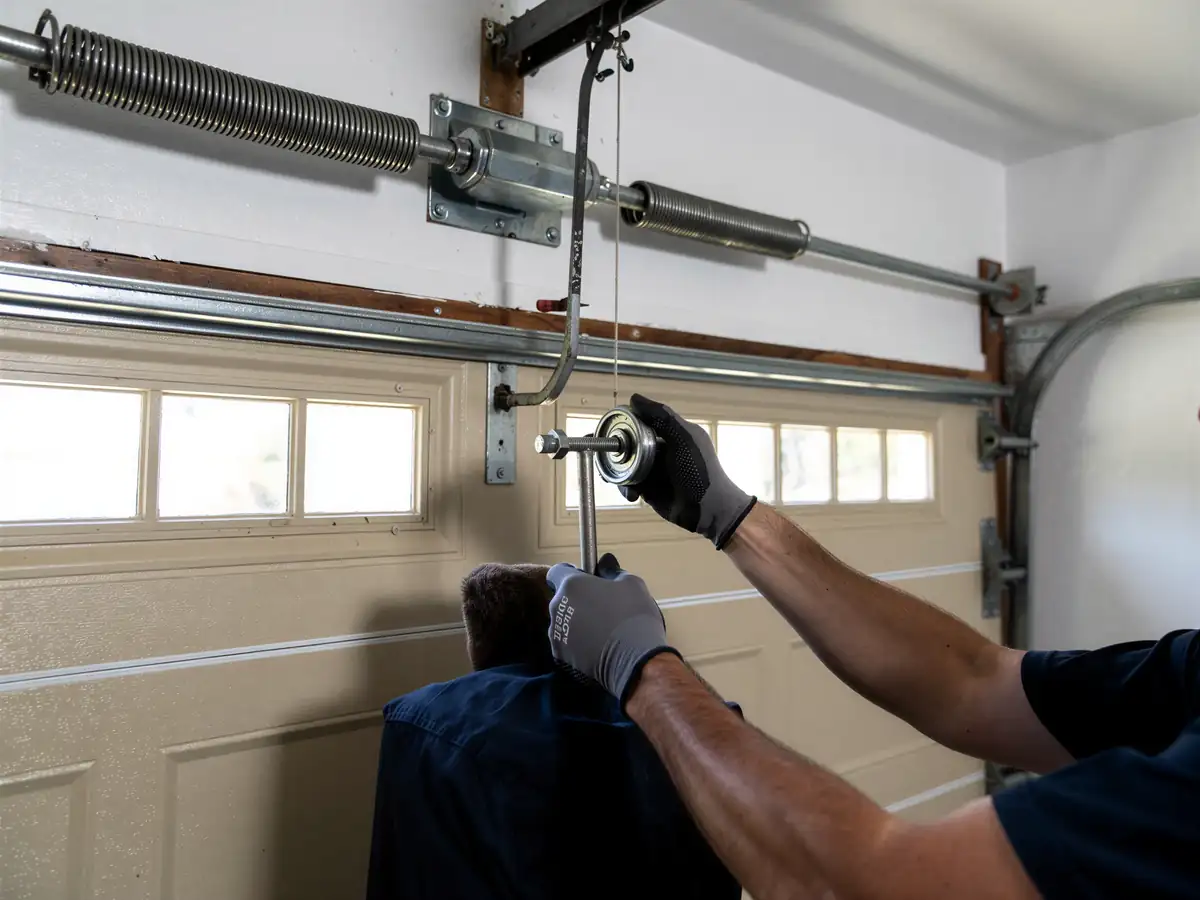
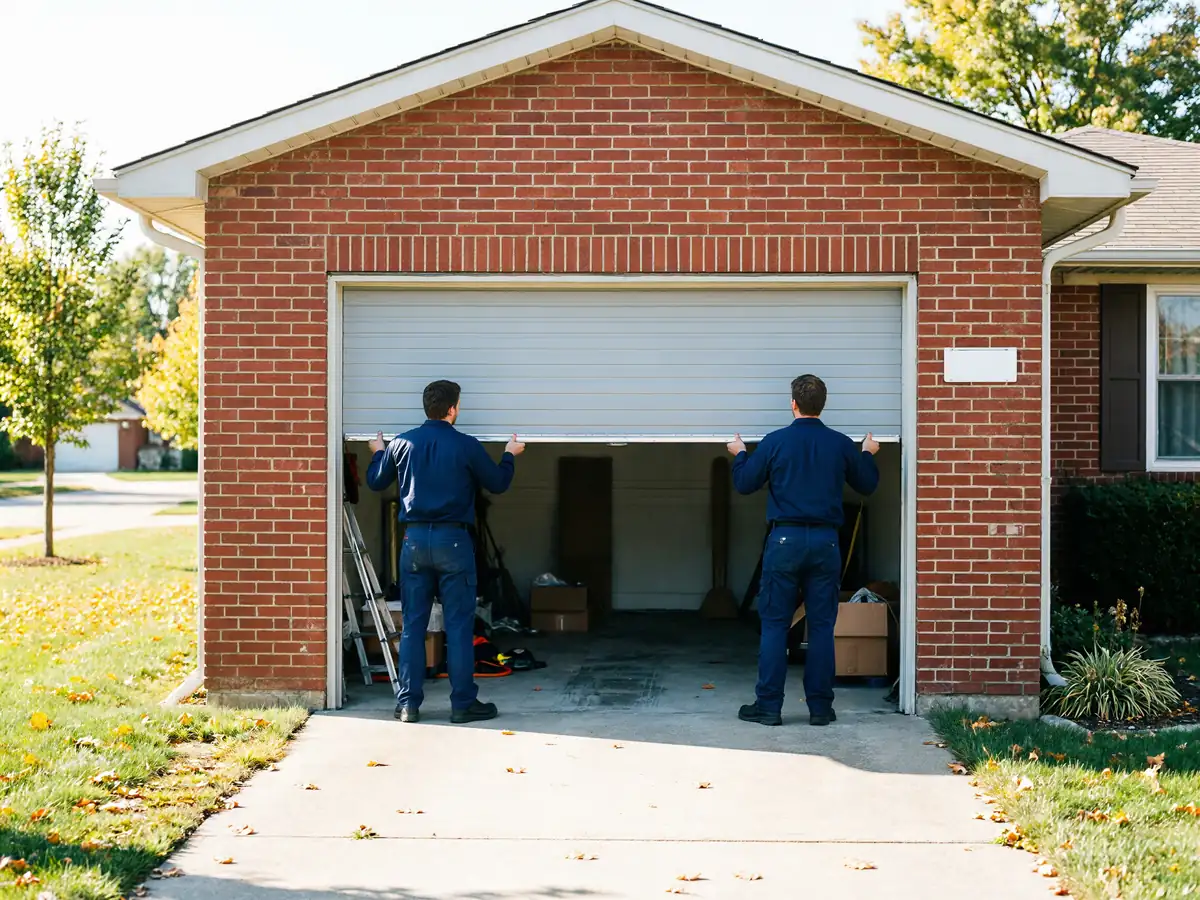
A door built for a house framed around 1974 was speced to a different standard than what goes up today. Back then, a single torsion spring on a 7-foot door was common, insulation was often skipped entirely on single-car garages, and the track hardware was sized to a lighter door than the insulated steel sections most people buy now. When a homeowner swaps in a heavier modern door but keeps the original spring and track sized for the old one, the opener strains, the spring wears out early, and the door doesn't sit level in the track. This isn't a Fisher-only problem, but it's the problem you'll actually run into here, because the housing stock skews to that build window rather than the mixed 1956-2000 range you'd find elsewhere in the service area.
The Symptom
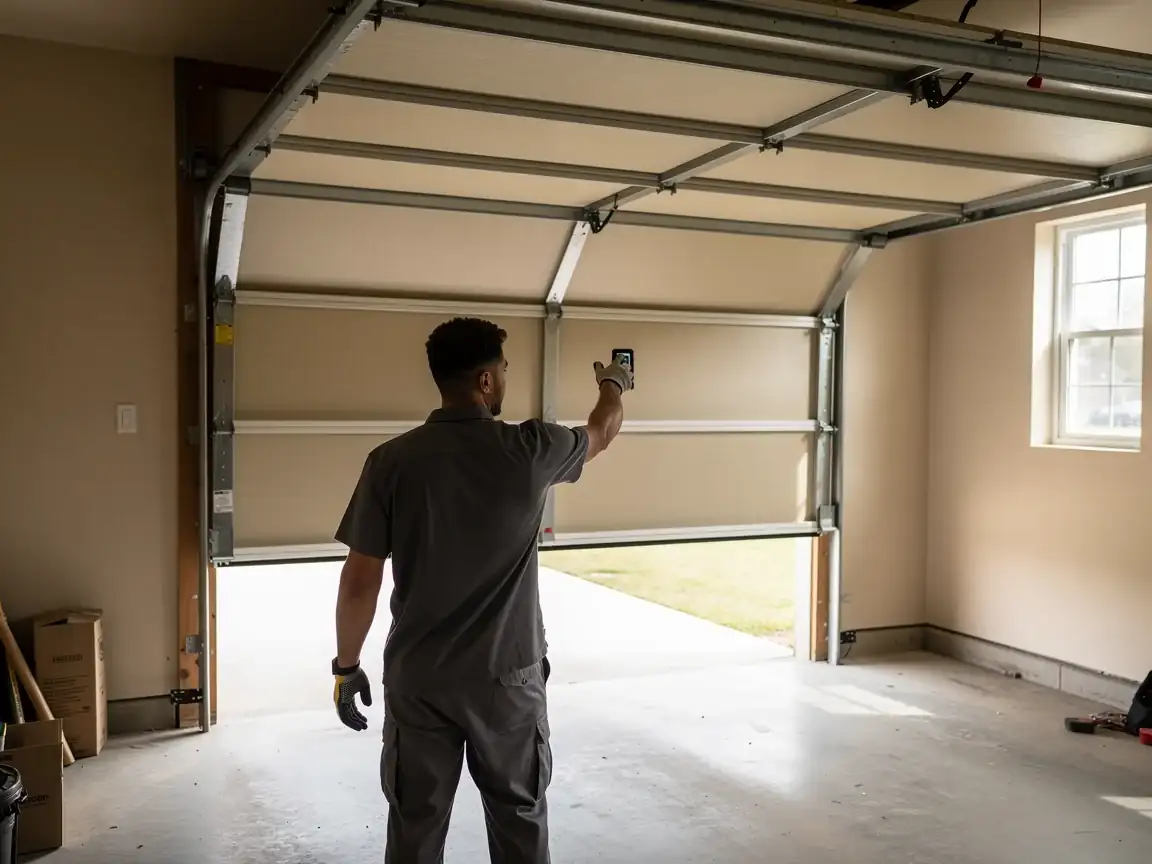
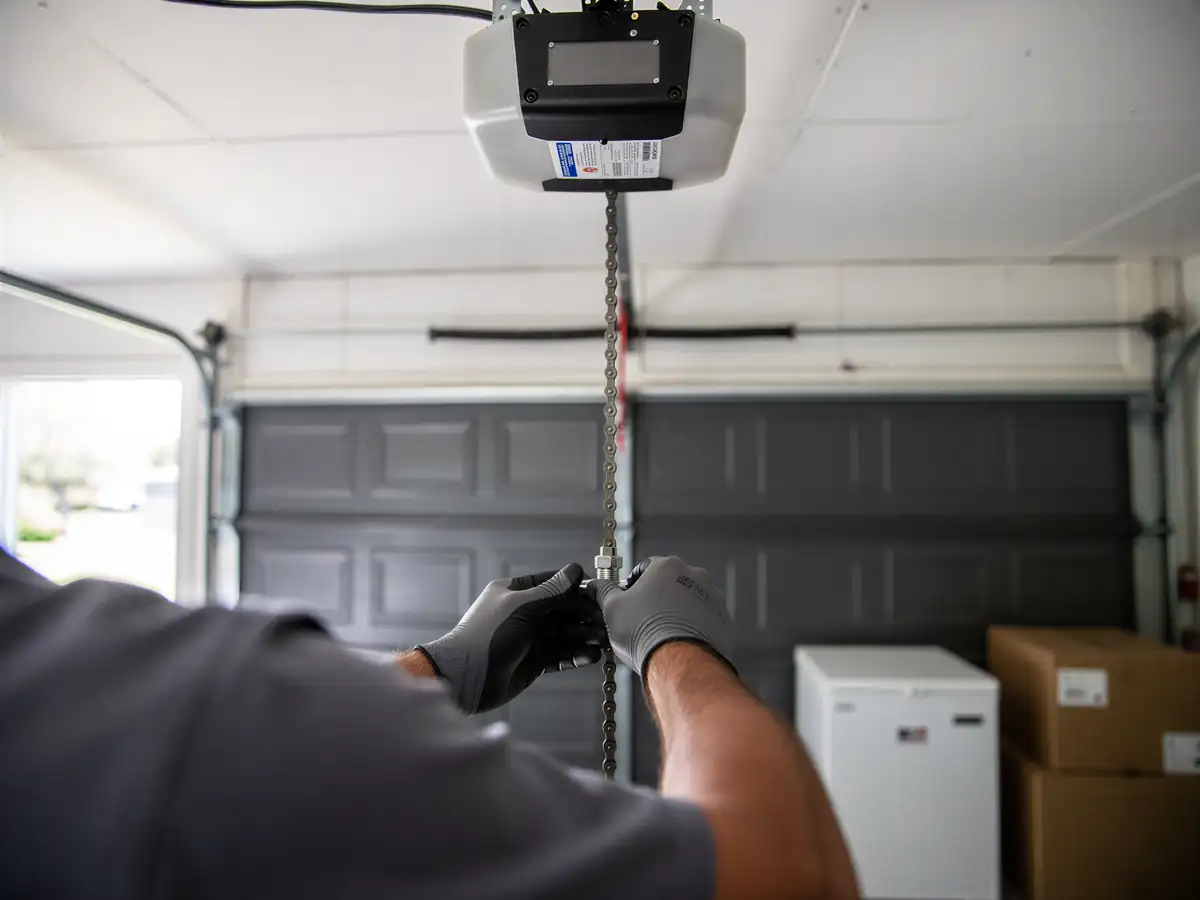
The most common call we get out of this part of the service area isn't a broken door - it's a door that runs but sounds wrong or shudders partway up. That's usually the spring and track mismatch described above, showing up as extra strain on a door that was never resized to match what's hanging on it now. Fisher sits about 14 miles out from our Champaign base, so when we come out for this, we're not doing a quick look and leave - we bring what we need to either resize the hardware to the existing door or talk through a full replacement if the door itself is past the point of being worth saving.
What Can Go Wrong
Installing a new door on hardware built for a 1970s-era opening without updating the spring and track invites a few specific failures: the opener motor burns out early from lifting more weight than it was geared for, the cables fray faster because the drum isn't matched to the new door's sag, and the door can bind in the track if the new panel is thicker than what the original rollers were set for. None of that shows up on day one - it shows up six months to two years later as a slow leak of reliability. The households in this part of the area run smaller - around 595 compared to roughly 37,000 across the whole service territory - so this isn't a volume call center problem, it's worth getting the hardware matched correctly the first time rather than treating it as a quick panel swap.