What Can Go Wrong
Villa Grove is 18 miles from our shop in Champaign, which matters more for spring work than for most repairs. A broken spring doesn't wait for a convenient day, and a door that won't lift because of a snapped torsion spring or a frayed extension cable is a door that sits open or shut until someone gets out there. The drive means we batch calls out this way when we can, so if your door just failed, tell us that clearly when you call rather than describing it as "acting slow" - a slow door and a broken spring get scheduled differently.
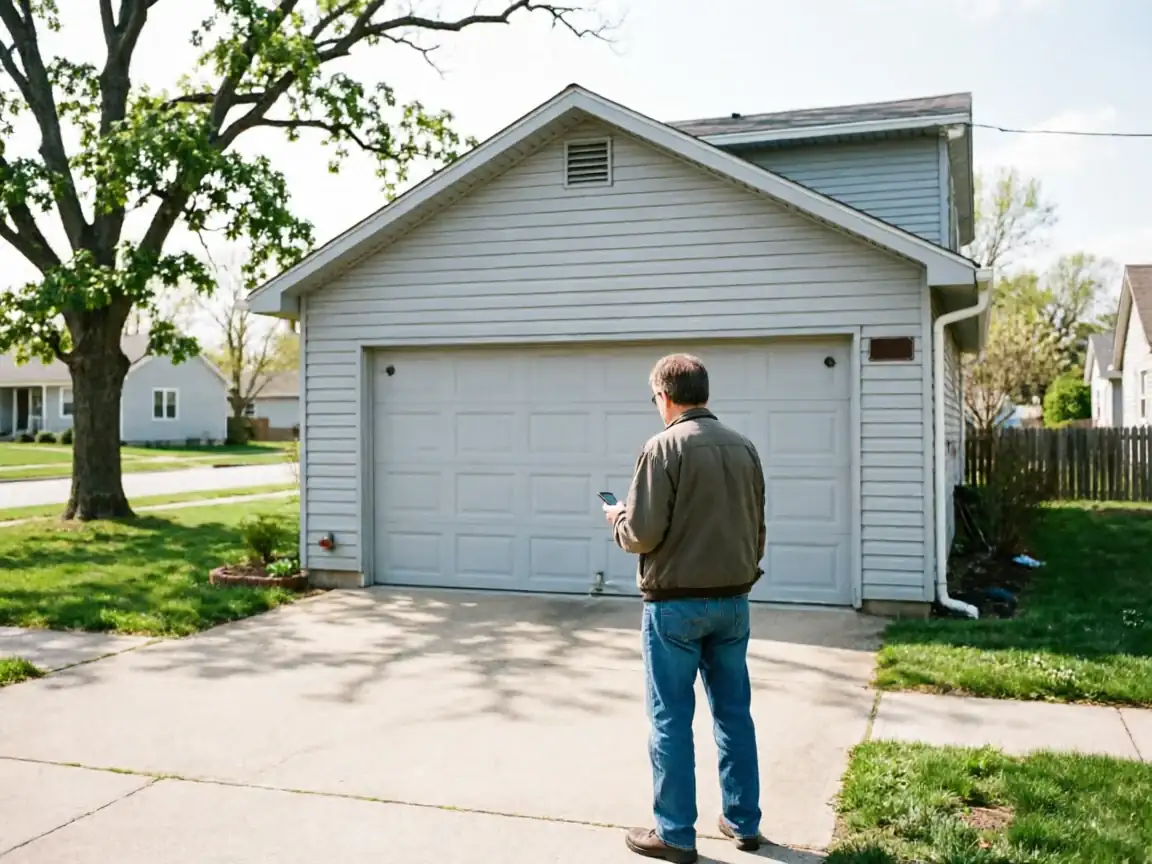
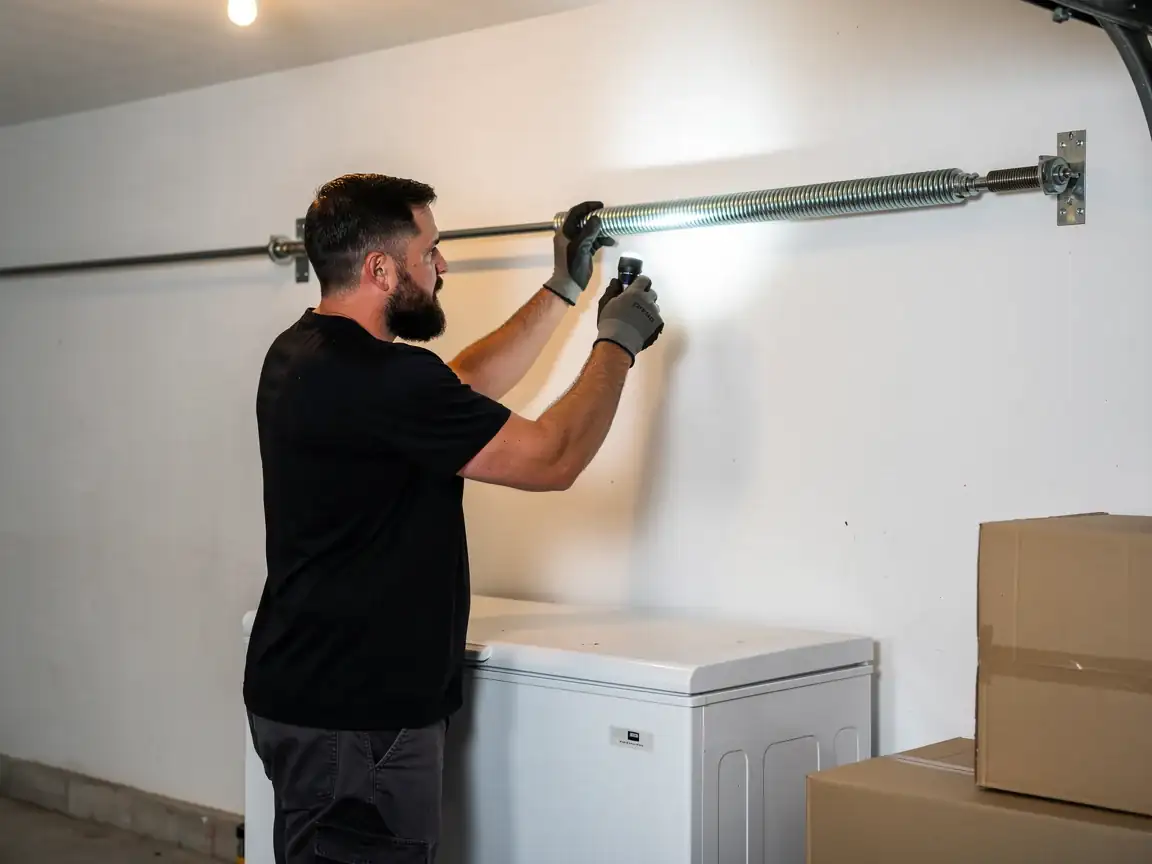
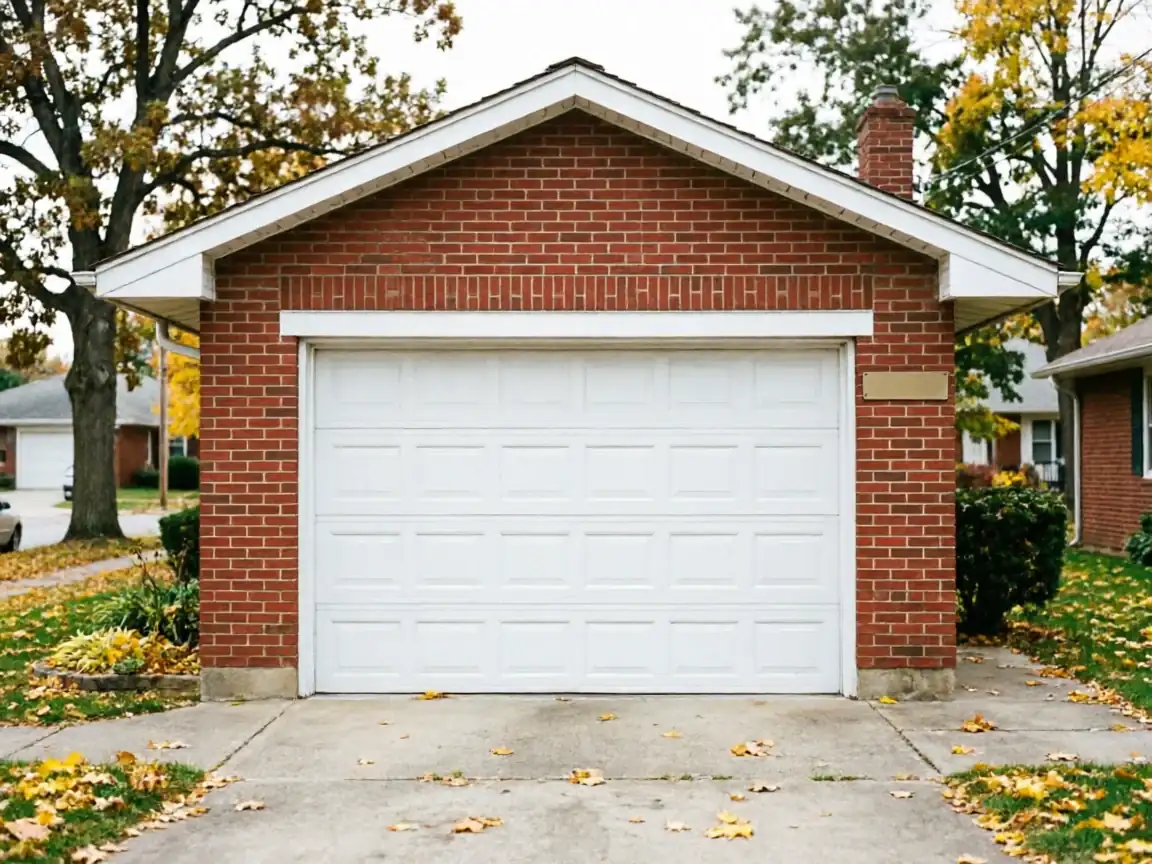
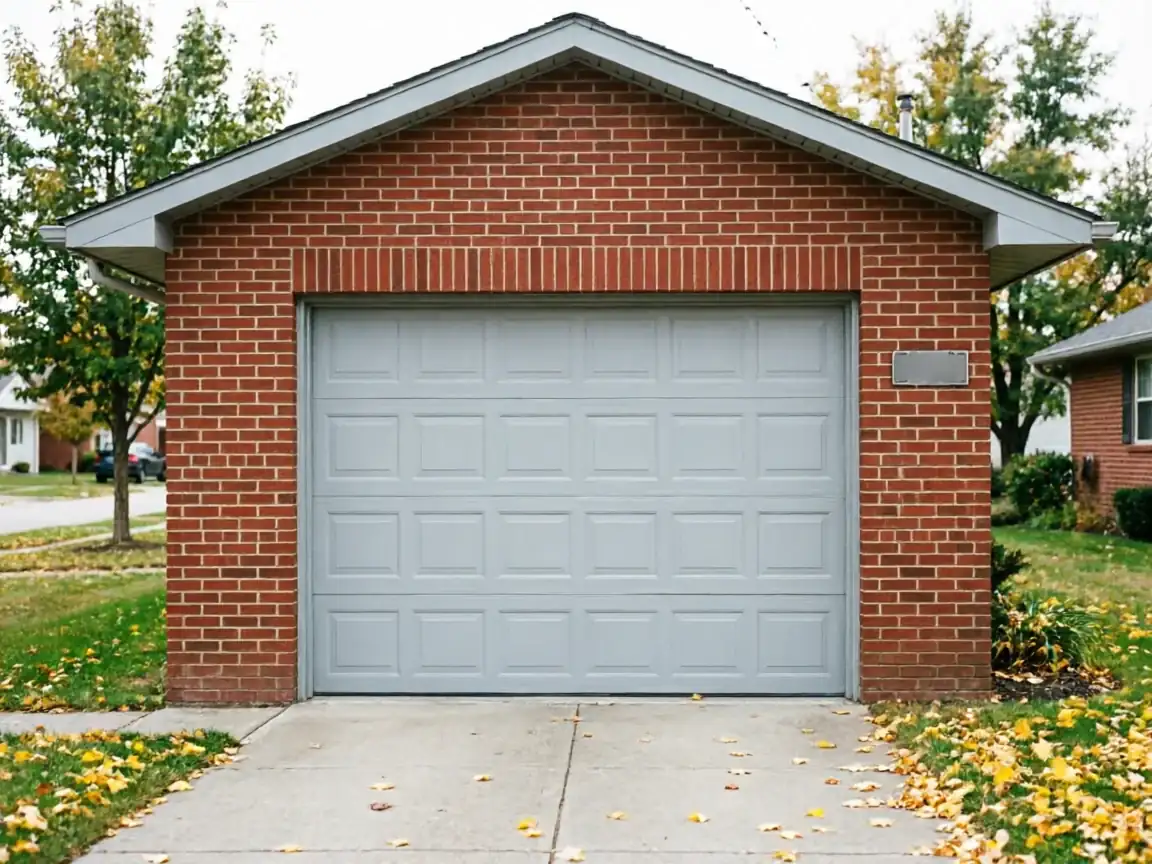
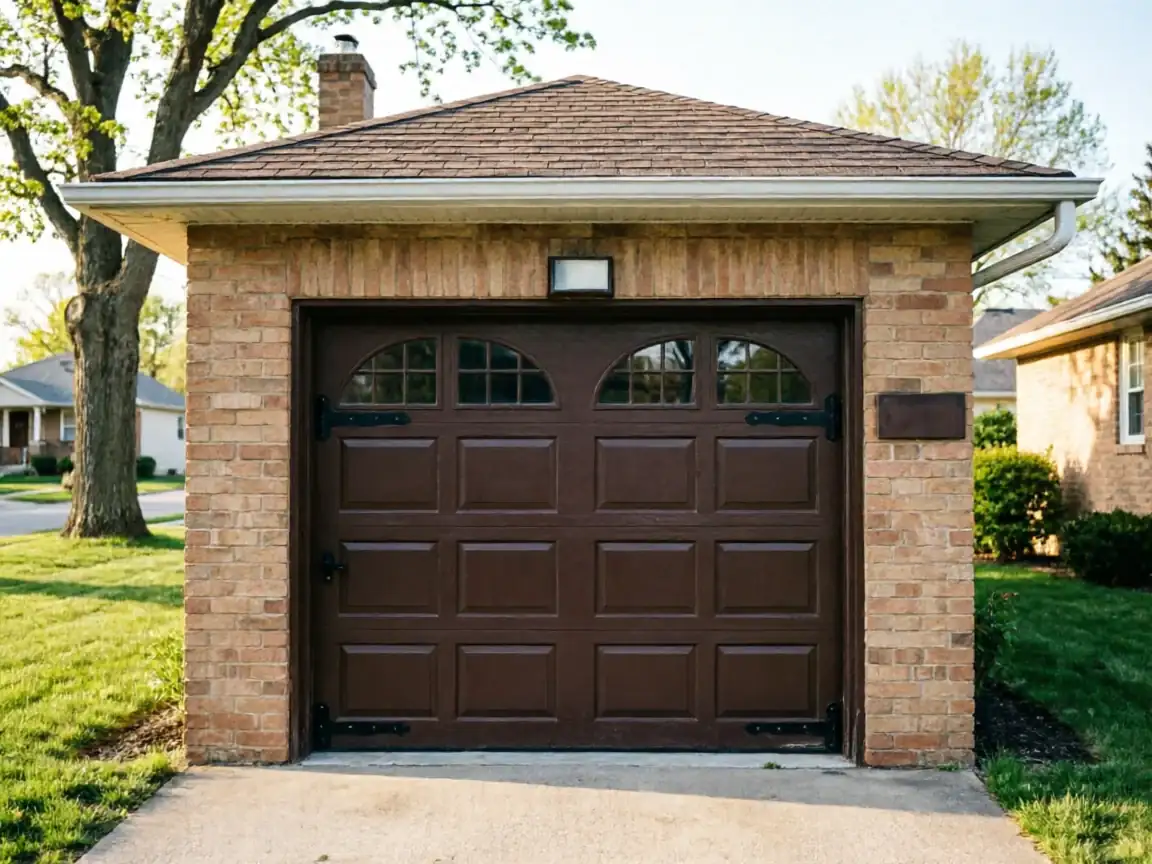
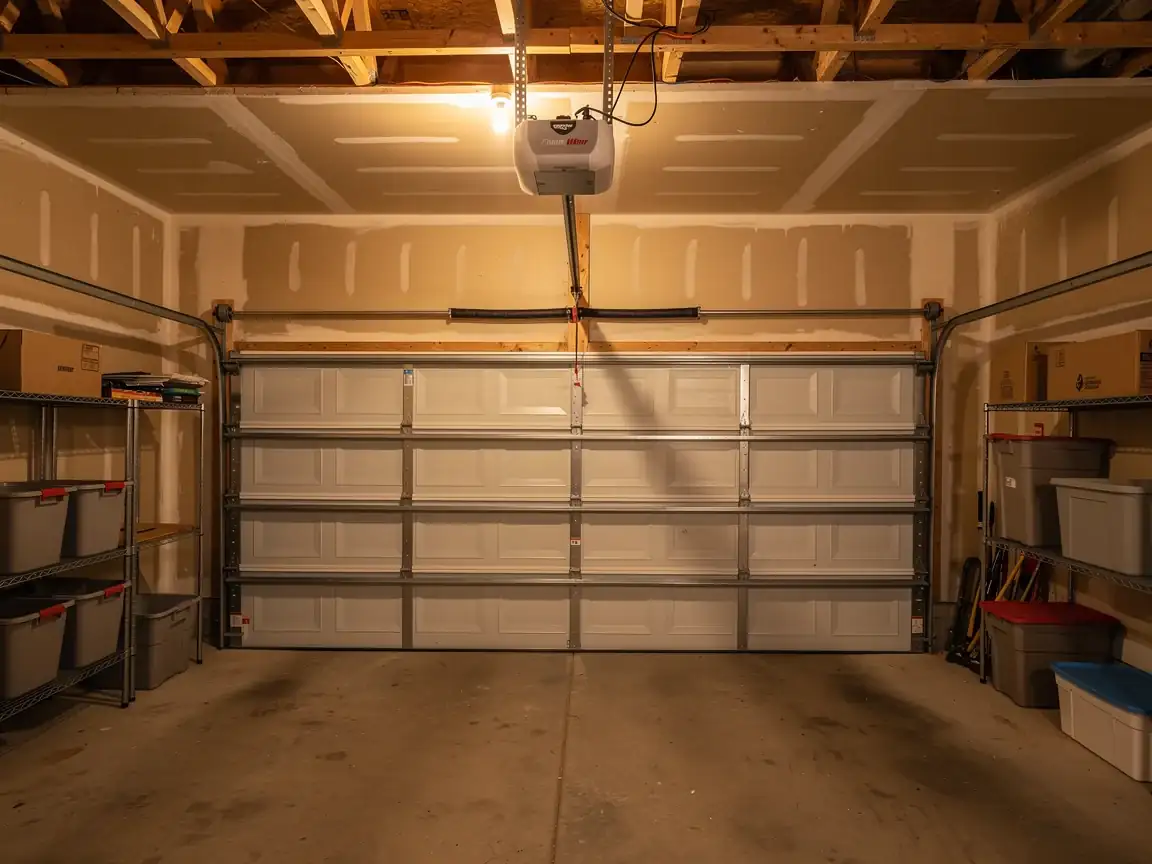
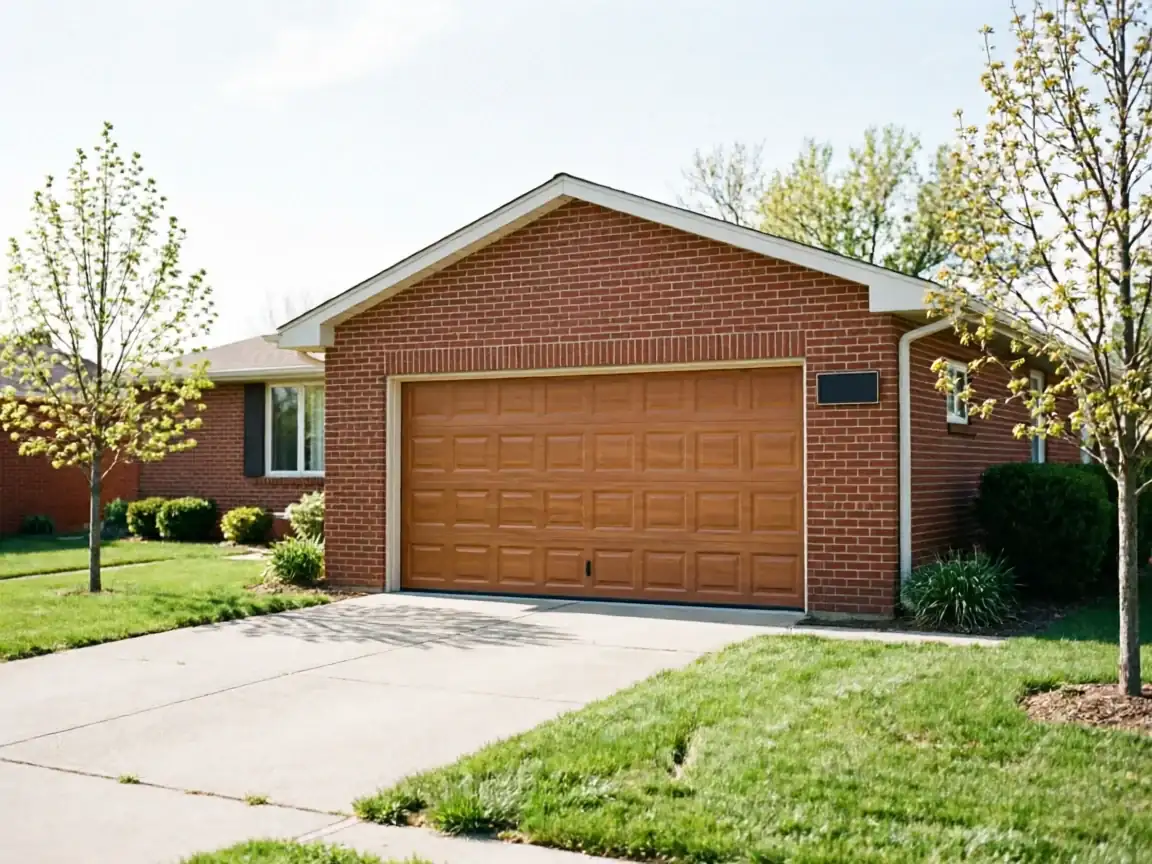
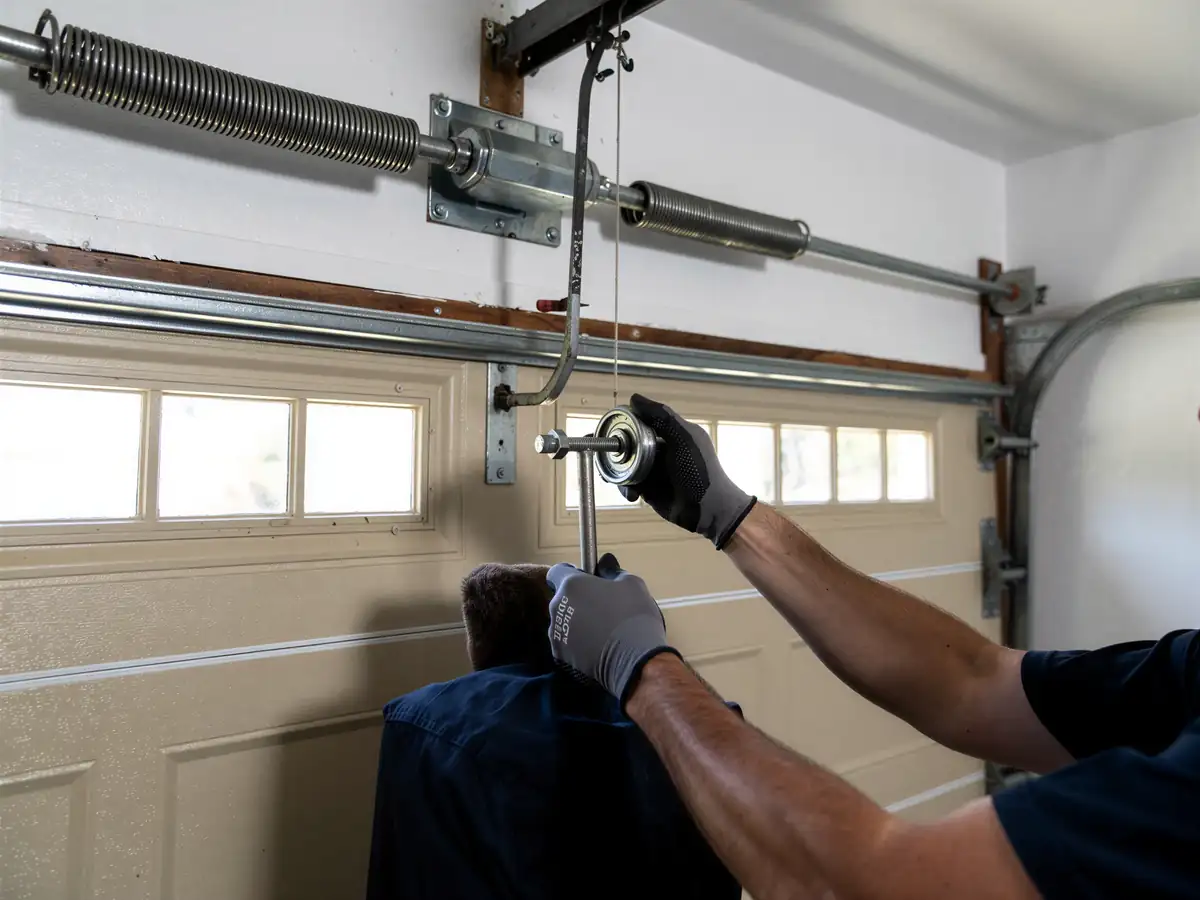
The houses out here mostly went up around 1956, decades before most of Champaign's 1978 median build year. That earlier stock tends to carry older torsion setups - sometimes a single spring on a double door that was never upgraded to a two-spring system, sometimes a cable size that doesn't match what's on the truck for newer builds. Extension springs with worn safety cables are also common on garages from this era that haven't been touched since they were installed. None of this is Villa Grove-specific superstition - it's just what tends to be behind the wall when a door from the Eisenhower era is still running on its original hardware.
Doing It Yourself
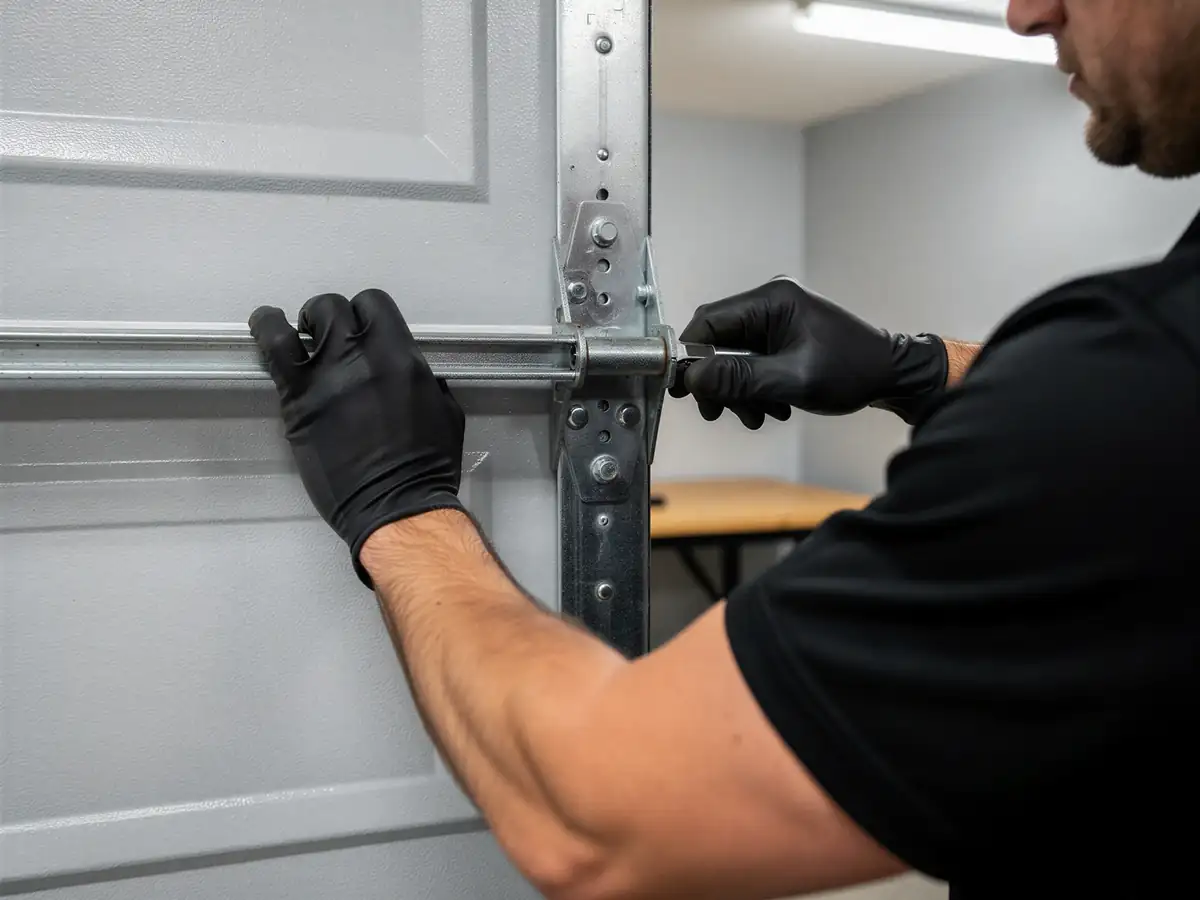
Don't. A torsion spring under tension can break a hand or worse, and the winding bars and clamps that make it safe aren't something most garages have lying around. Extension springs are less violent but still store enough force to send a cable whipping if it lets go mid-adjustment.
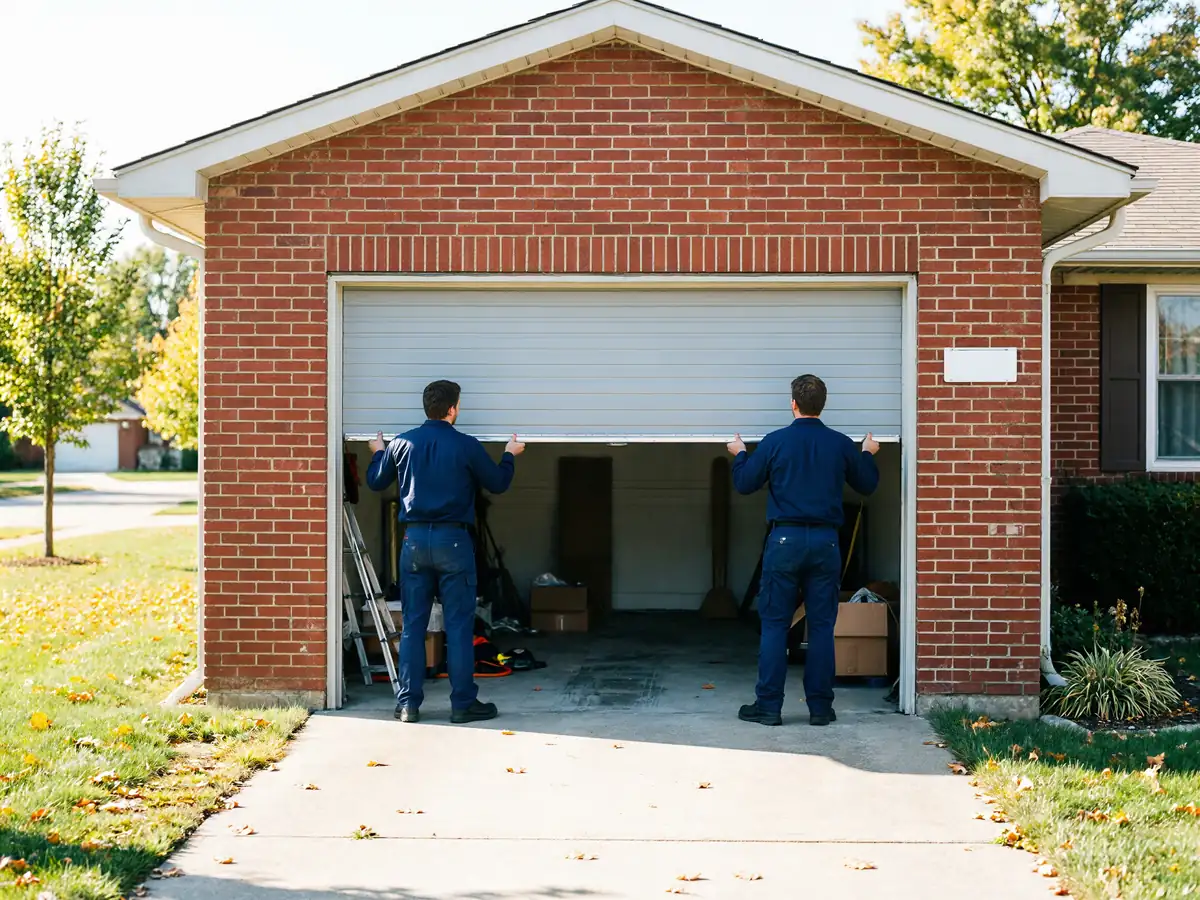
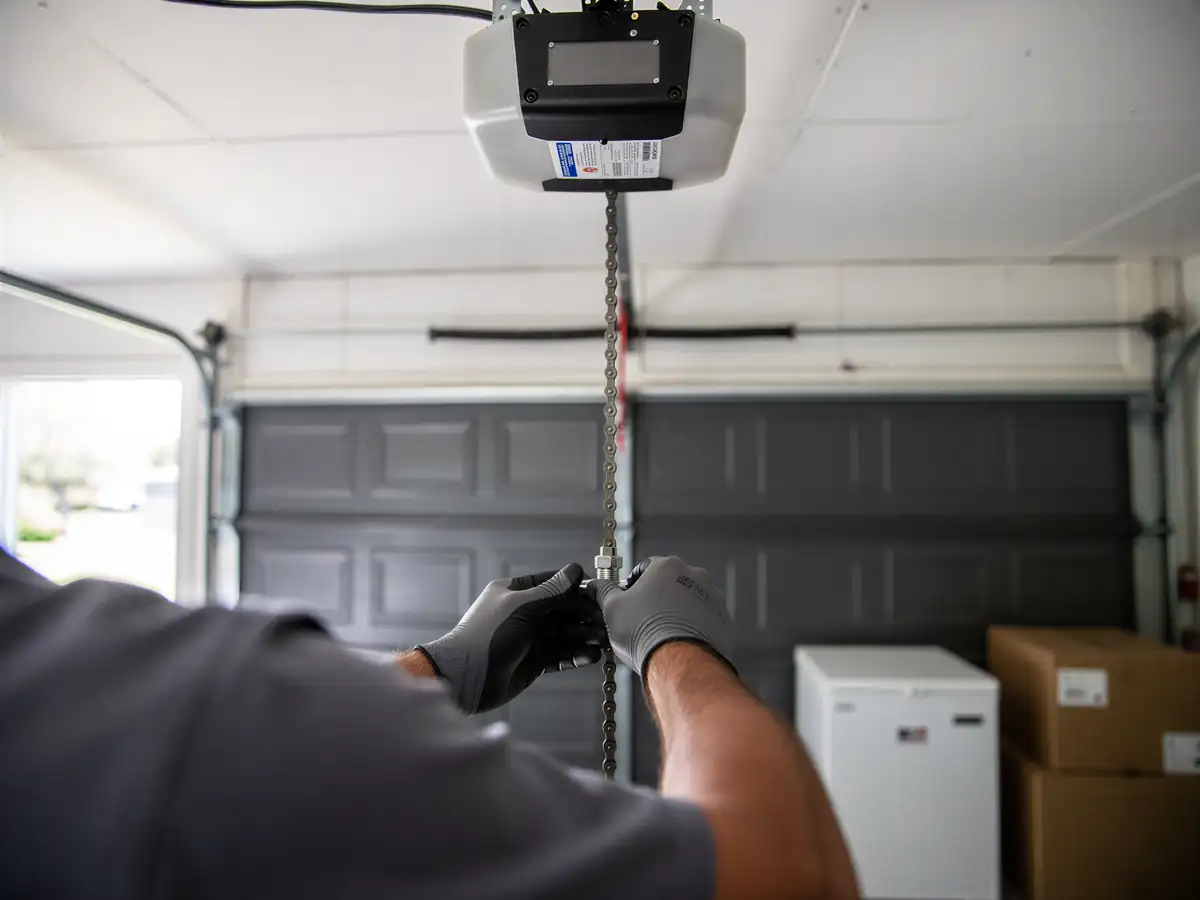
What you can safely do yourself: pull the emergency release cord so the door disengages from the opener if it's trapped shut, and leave the door down and the opener unplugged until someone looks at it. Don't try to force the door up by hand past the first foot or two - if a spring is broken, the door's full weight is now on you and the track, not the spring. If you're not sure whether it's a spring or something else, a door that feels unusually heavy the moment you lift it is almost always a spring problem, not an opener problem.
How We Fix It
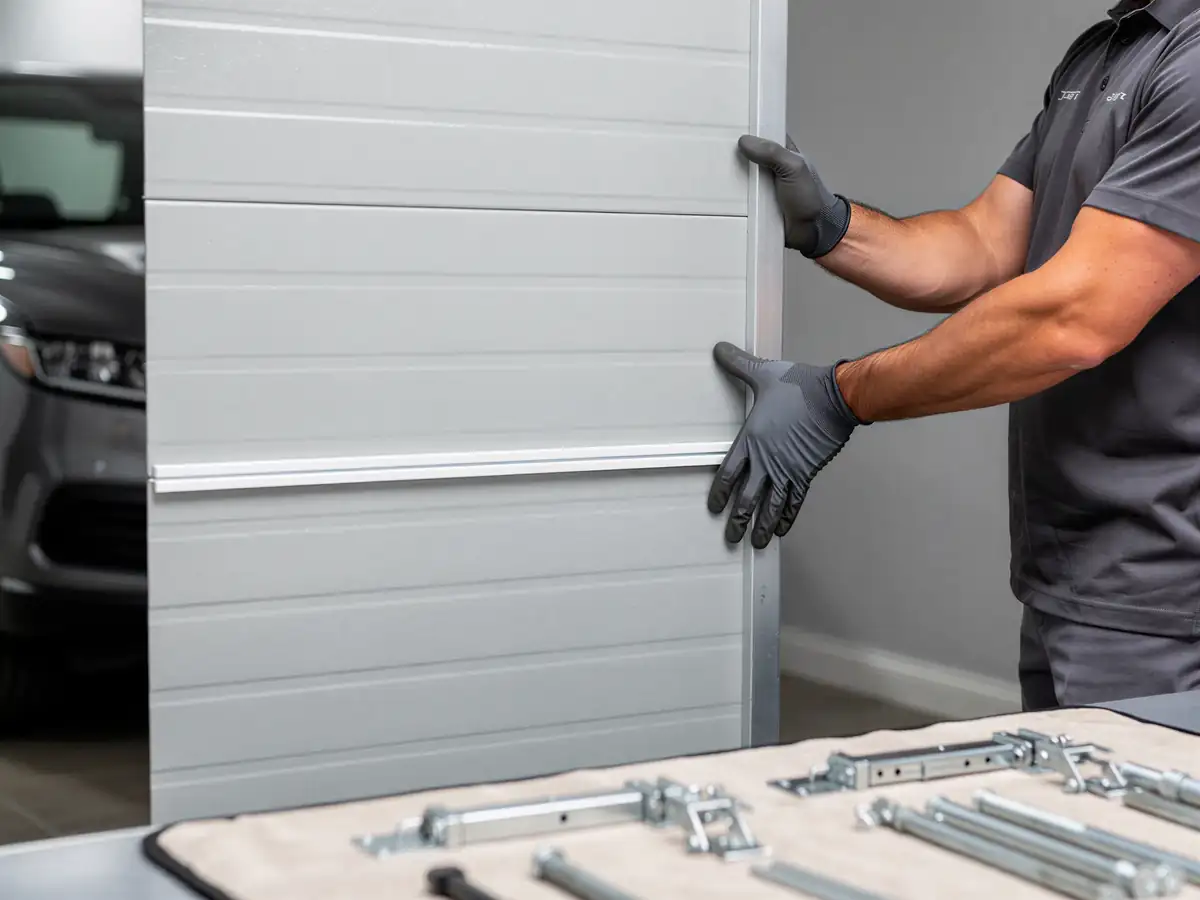
We match the spring to the door's actual weight and the drum size on your shaft
Not just a generic size that happens to fit. On the older single-spring doubles that show up a lot in Villa Grove's 1956-and-up housing, we'll usually talk through whether to replace in kind or upgrade to a second spring, since a single spring working twice as hard wears out twice as fast.
We check the cables, the end bearings, and the winding cones while we're in there
Because a spring rarely fails alone - if the hardware around it is also original to a house built before 1978, it's often due. We balance the door after the new spring is in so the opener isn't fighting gravity on every cycle, which is what actually kills openers early.
What You Pay
We don't have a published price list for this page, so we won't guess a number here - ask when you call and we'll quote the job once we know the spring size, whether it's one spring or two, and what shape the rest of the hardware is in. What we can tell you is that spring jobs are priced by the job, not the mile, so the drive from Champaign doesn't show up as a separate line on your invoice.
The Symptom
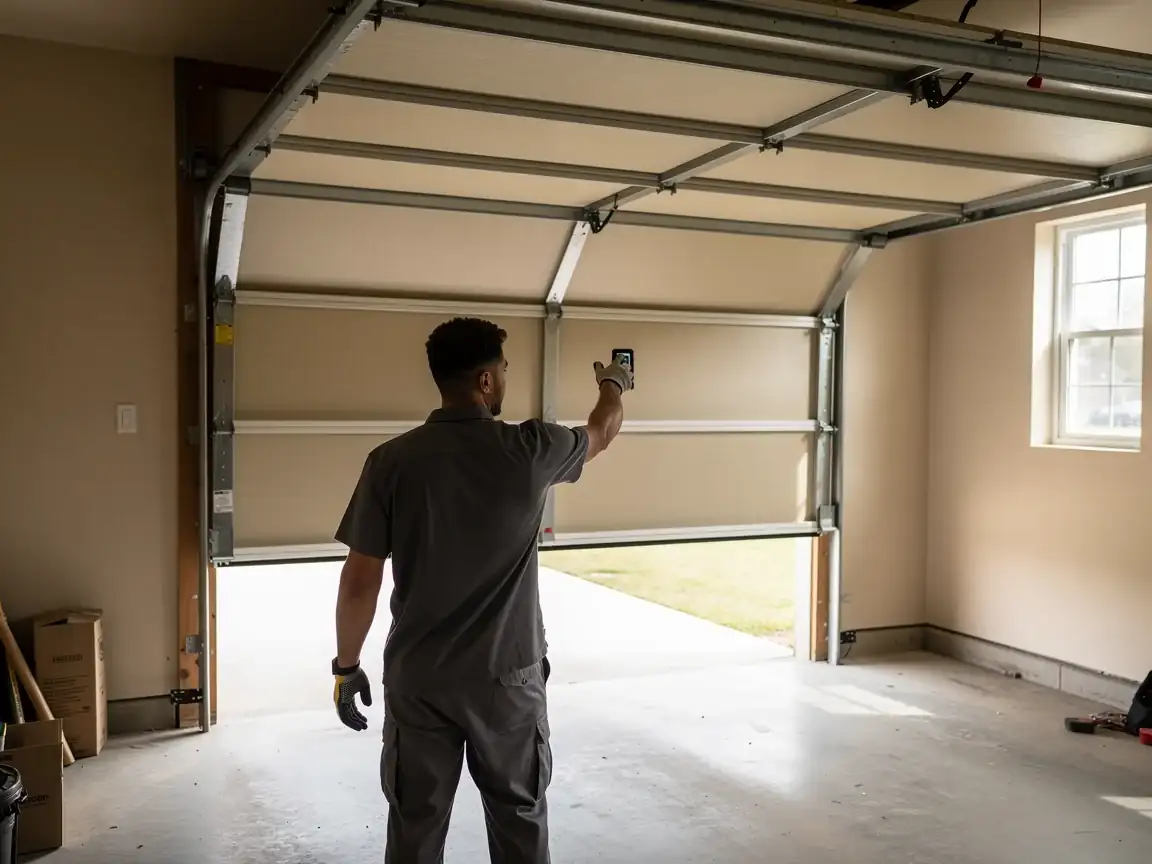
The door won't budge, or it slams down fast on the way closed, or it opens a few inches and stalls while the opener motor strains. Sometimes there's a loud bang from the garage before any of that starts - that's the spring letting go. If you hear it, don't run the opener again; you can bend the track or burn out the motor trying to force a door with no spring tension.
A door that's merely noisy, slow to respond to the remote, or drifting open a crack on its own is more likely a track, roller, or opener issue, not a spring. We'll sort out which on the call, but the one-sentence version: if the door feels normal weight and just won't respond, it's probably not the spring; if it feels like dead weight the second you touch it, it probably is.