What Can Go Wrong
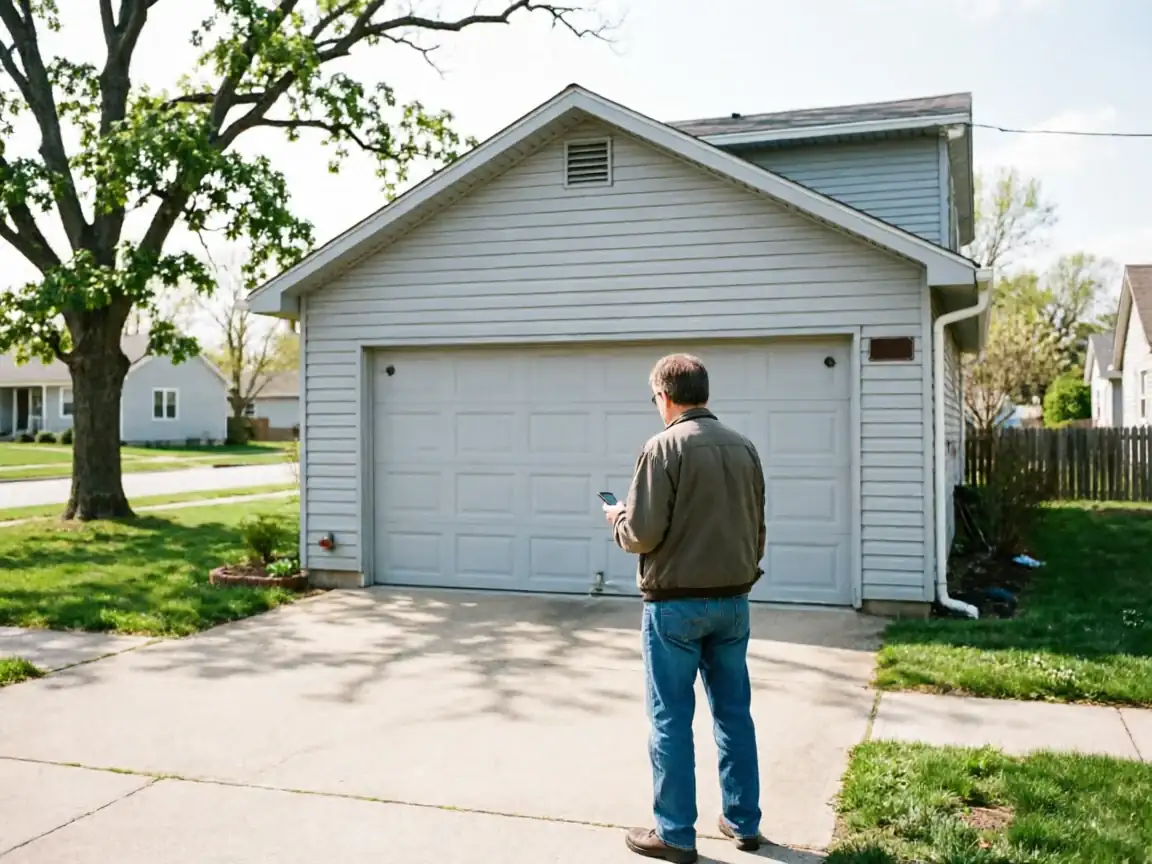
Villa Grove's median household income runs about $69,900, noticeably under the $81,703 median we see across the rest of the territory we cover from Champaign. That number matters more than people think, because it sets where the repair-or-replace line actually falls. At incomes closer to the area average, a full door and opener swap on a double-wide is an easy call. Here, a lot of households are better served stretching a repair as far as it'll go before they commit to a new unit.
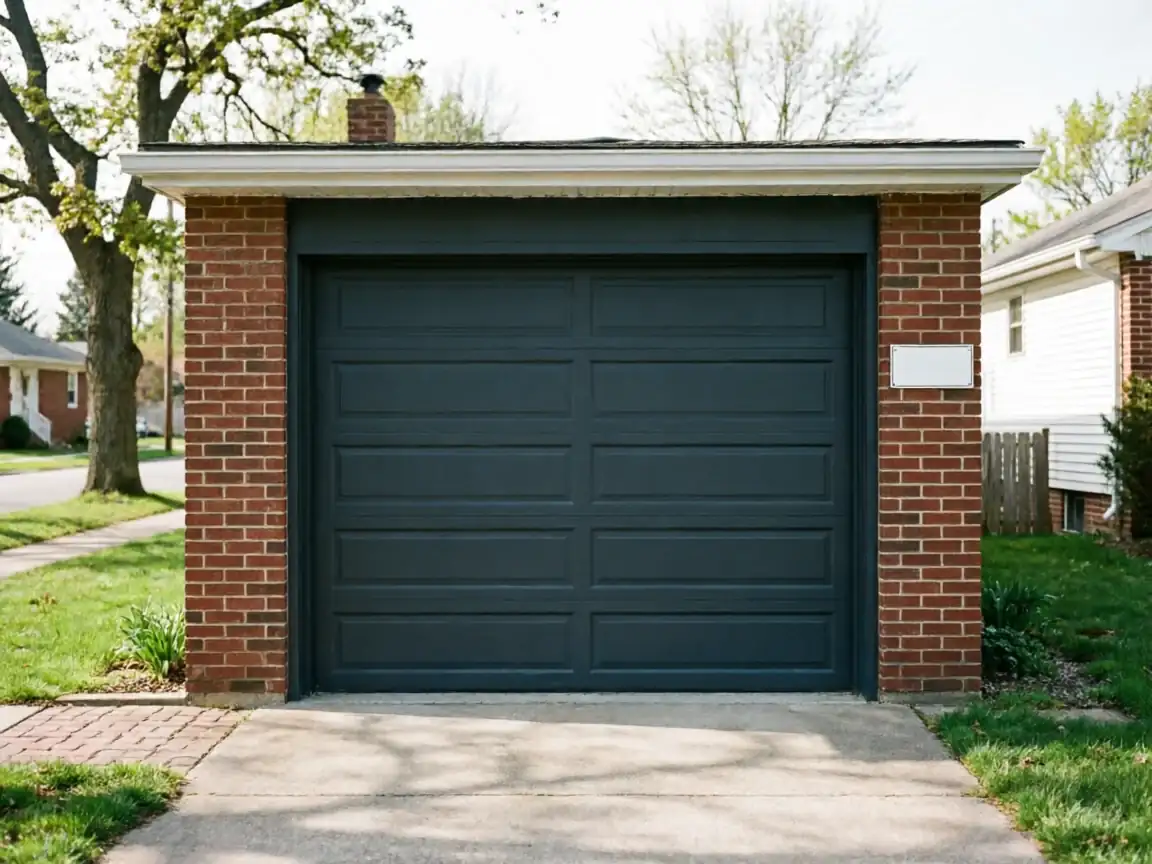
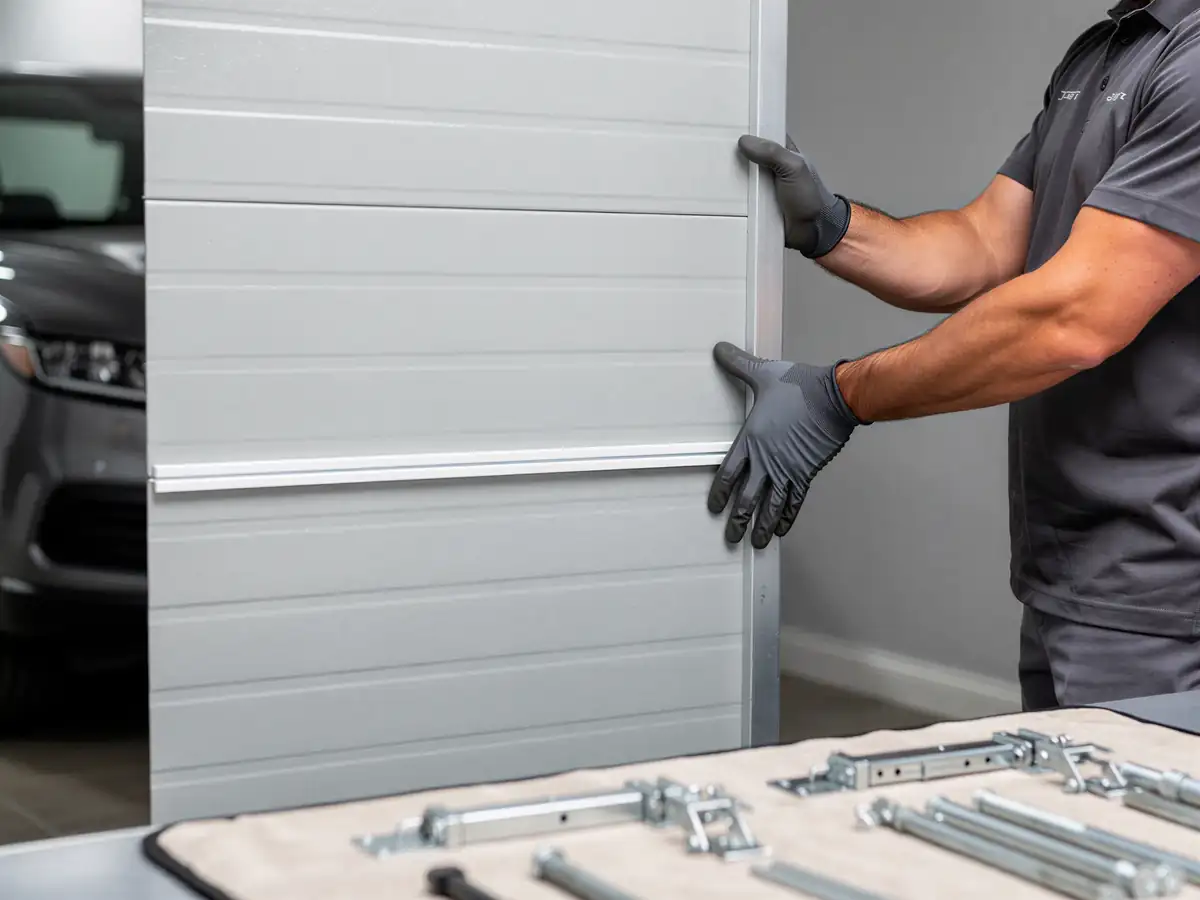
The houses back that up. Median build year in Villa Grove is 1956 - the oldest end of the 1956-to-2000 range we see across the twelve towns we work. A door built or replaced in the 1950s or 60s typically runs a lighter-gauge steel panel, a single torsion spring sized under today's code assumptions, and hardware that was never meant to carry an insulated retrofit panel. When one of those springs lets go, or a roller track pulls loose from the jamb, it's usually not a one-part fix - the whole setup is working harder than it was built for.
Doing It Yourself
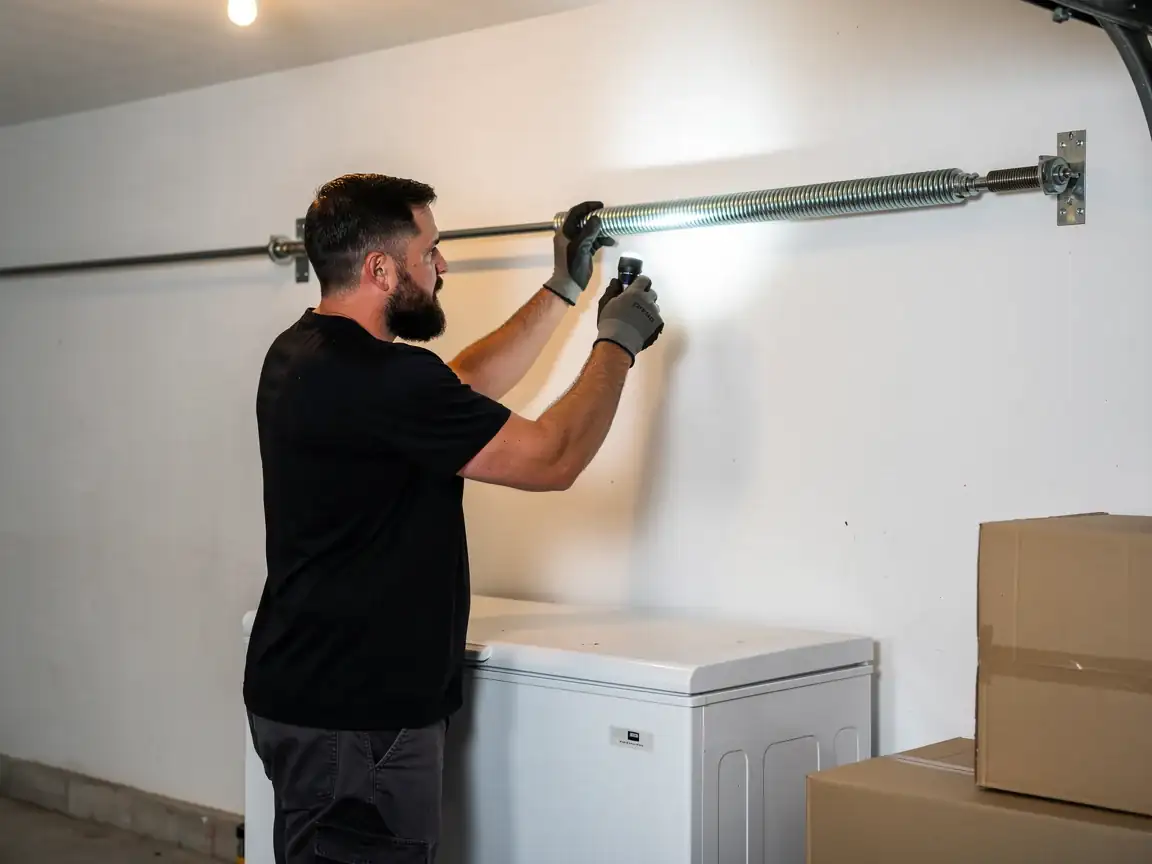
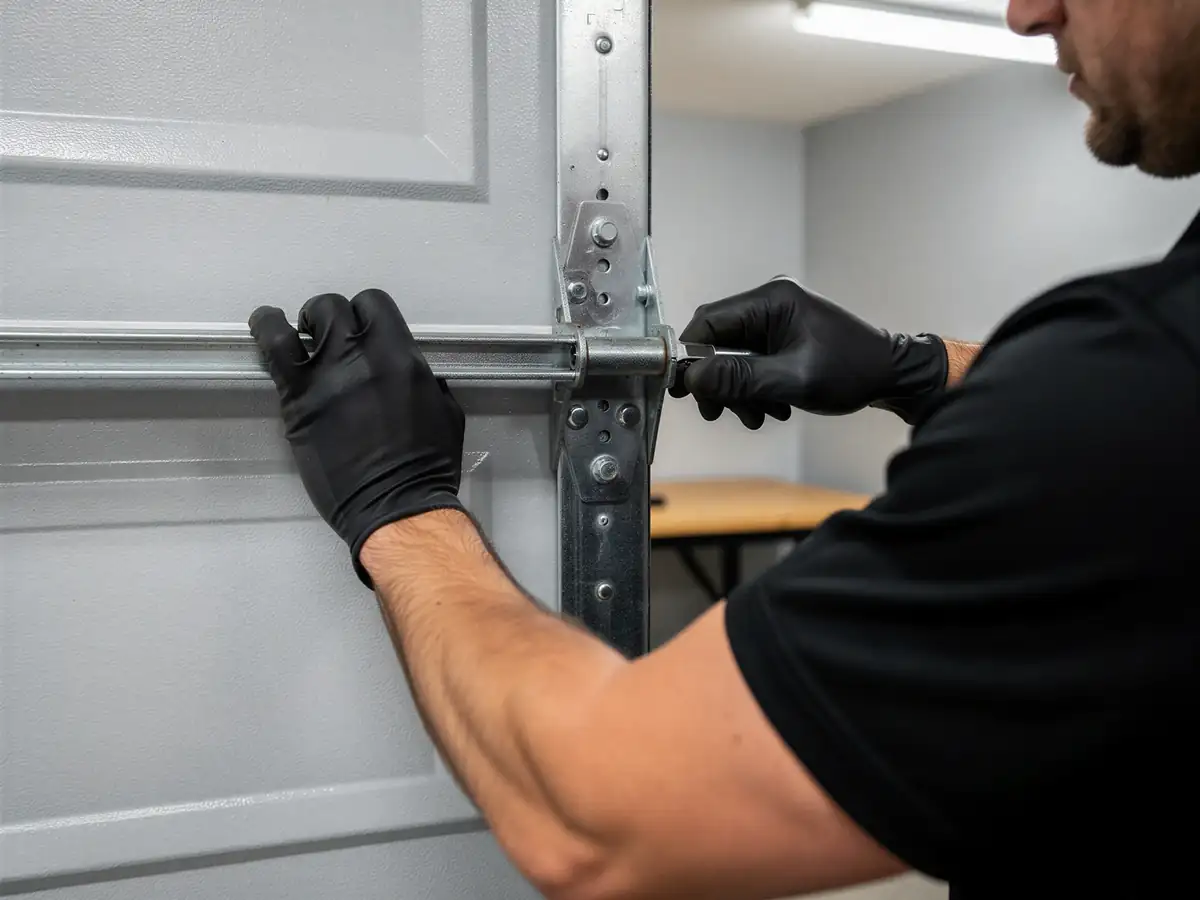
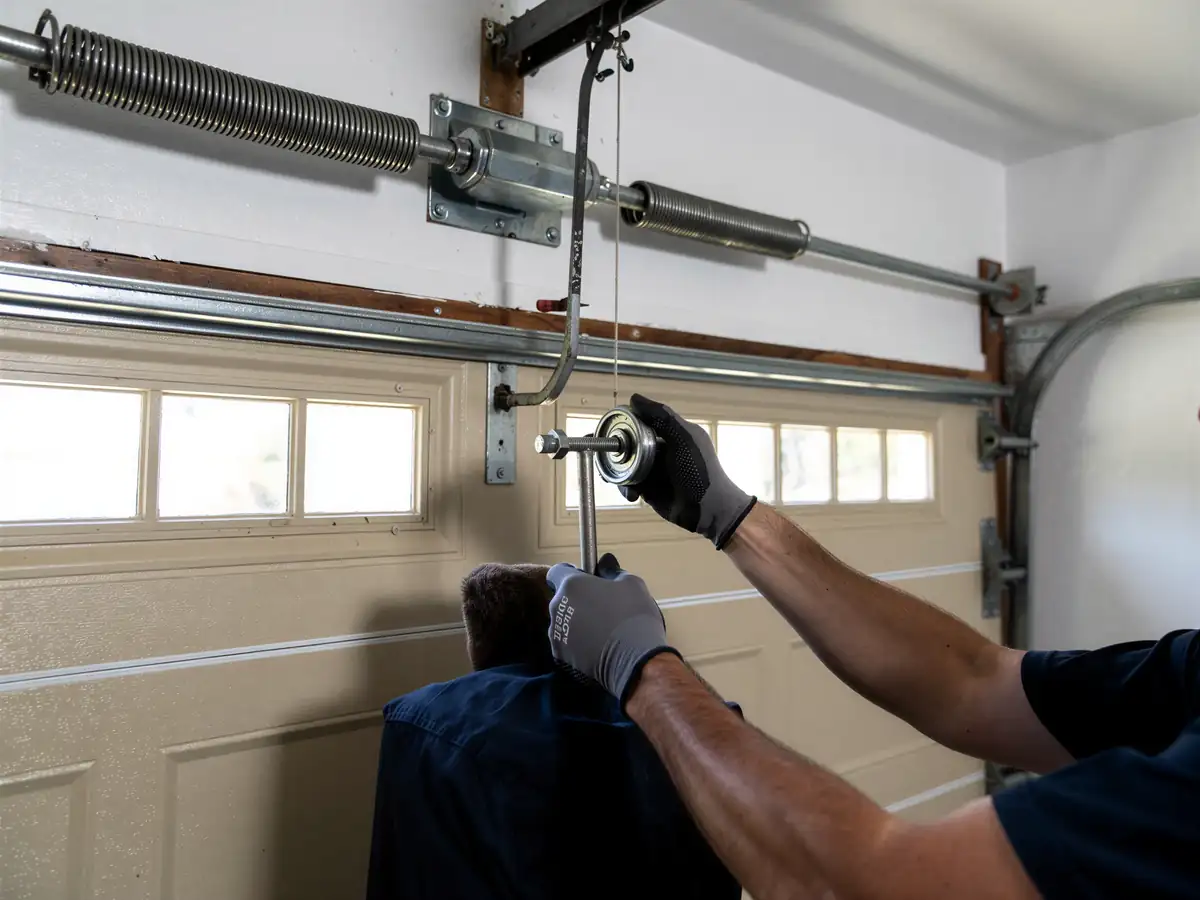
A torsion spring under tension will put you in the ER faster than almost anything else in a garage, and on a door from the 1950s or 60s you often can't tell the wind count or wire gauge just by looking - the stamp's long gone. If a spring's broken, leave it. Cables are the same story: a frayed cable under load can whip hard enough to break a finger.
What you can safely check yourself: the photo-eye sensors near the floor on each track (a spiderweb or a kid's bike leaned against one is the most common opener complaint we hear), the weatherstrip at the bottom panel if cold air's getting in, and whether the door is binding on one side only - that's often a track out of plumb, not a spring problem, and it's worth mentioning when you call so we bring the right parts.
How We Fix It
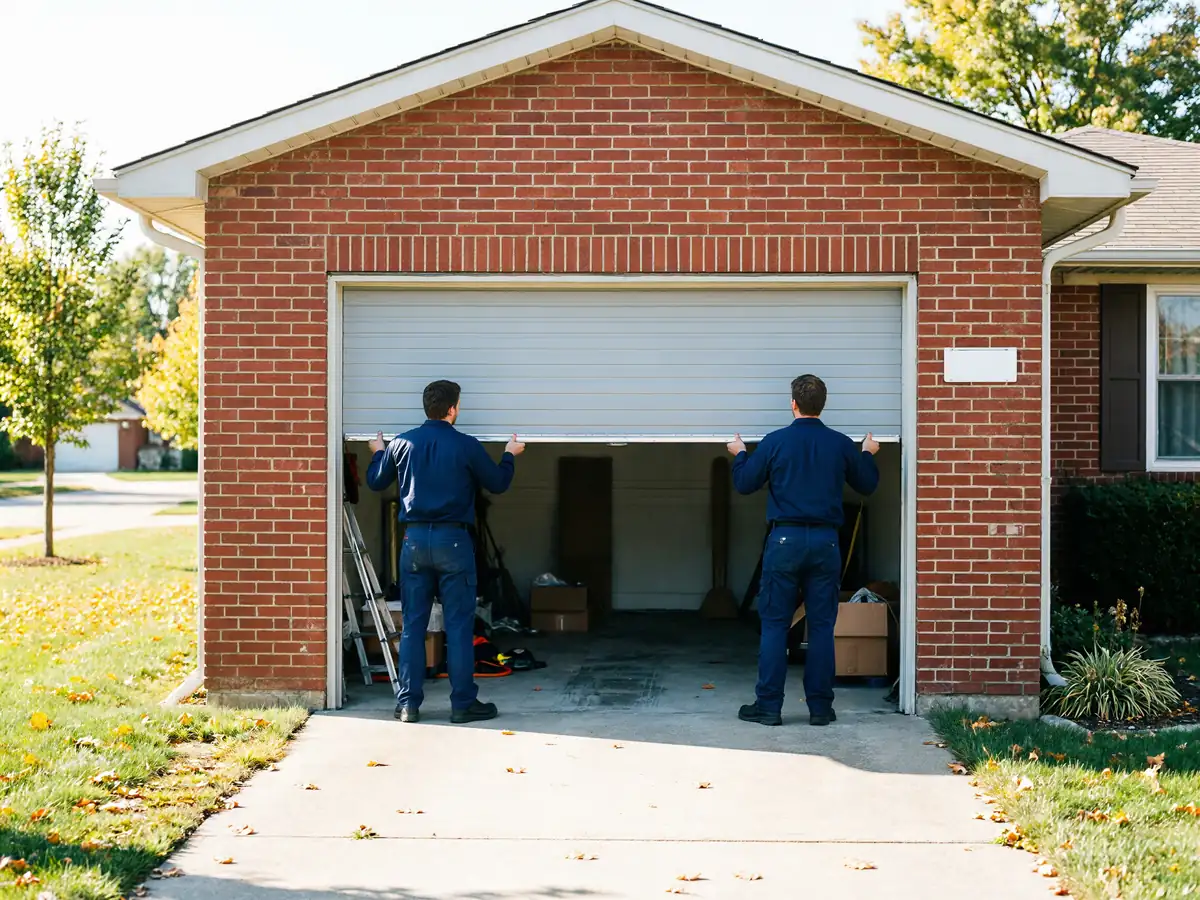
We drive out from Champaign
Villa Grove is about 18 miles, the farthest stop on our regular route - so when we book a job here we try to nail down the problem over the phone first: age of the door, whether it's a single spring or two, and whether the opener's original or a later add-on. Houses built mid-century around here often got a replacement opener decades after the original door went in, which means the spring and the opener don's always match in capacity.
- 18 miles
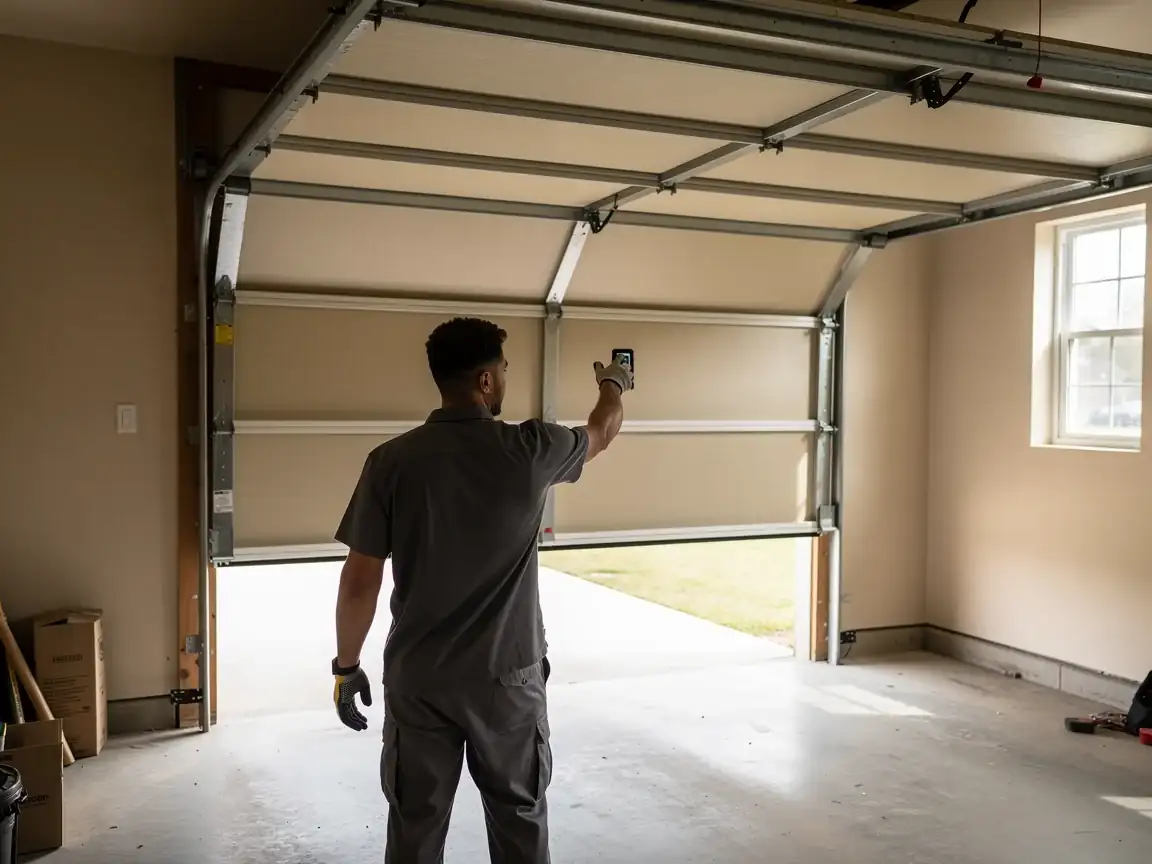
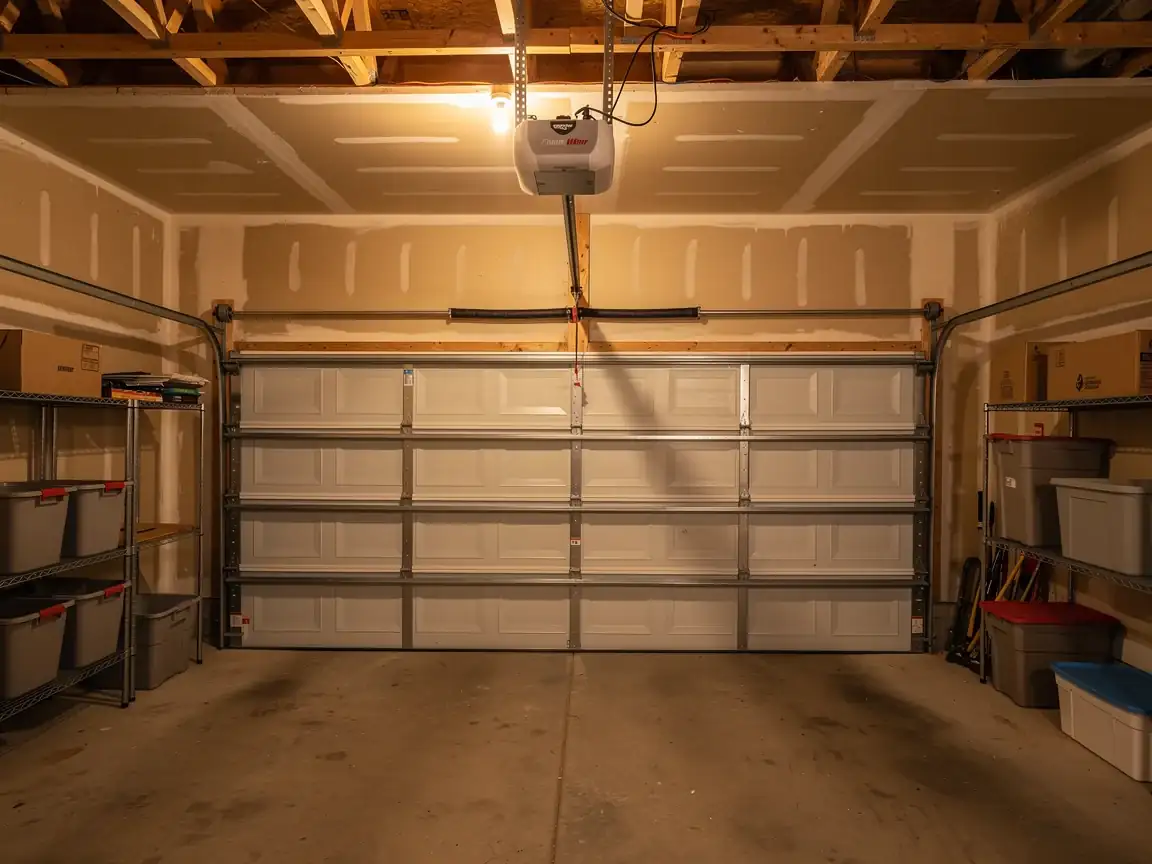
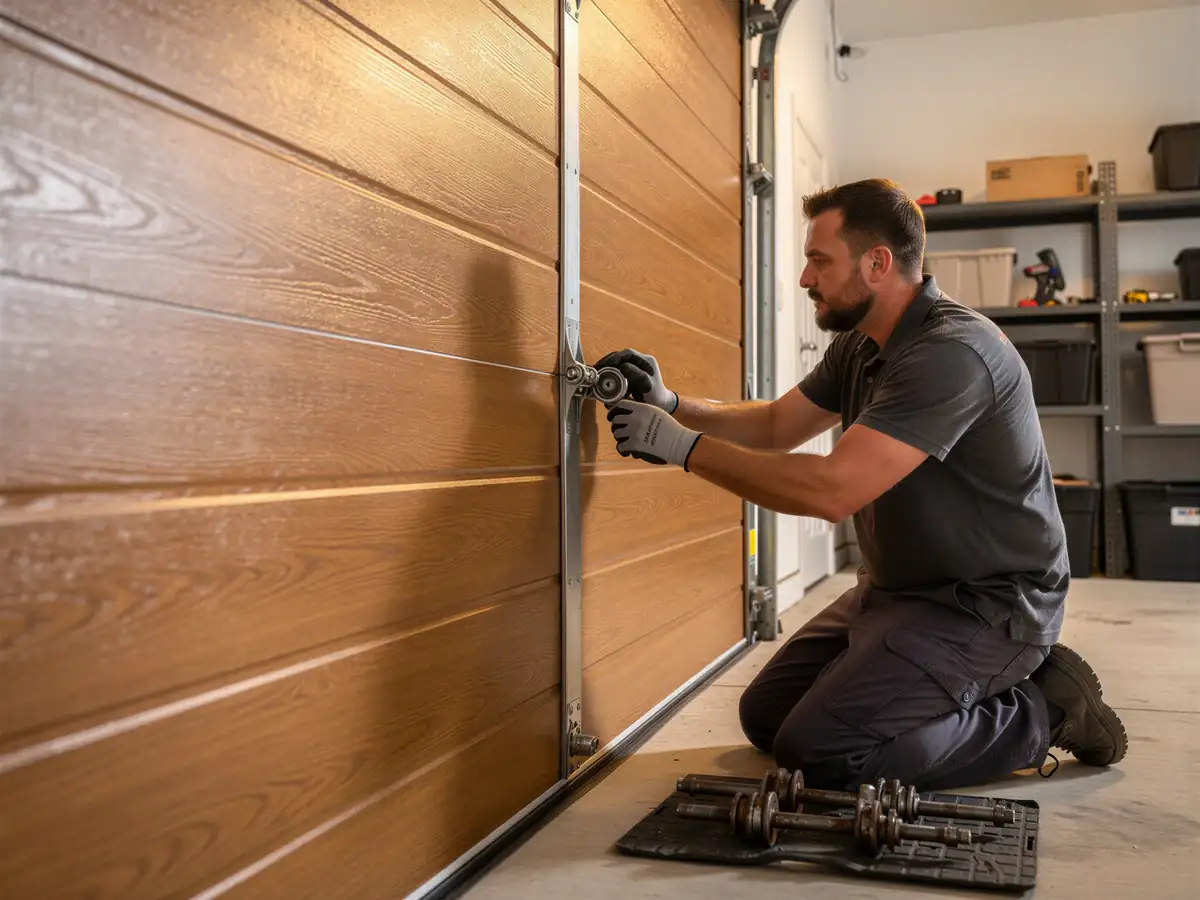
On site, we test the door balance by hand before touching anything electric
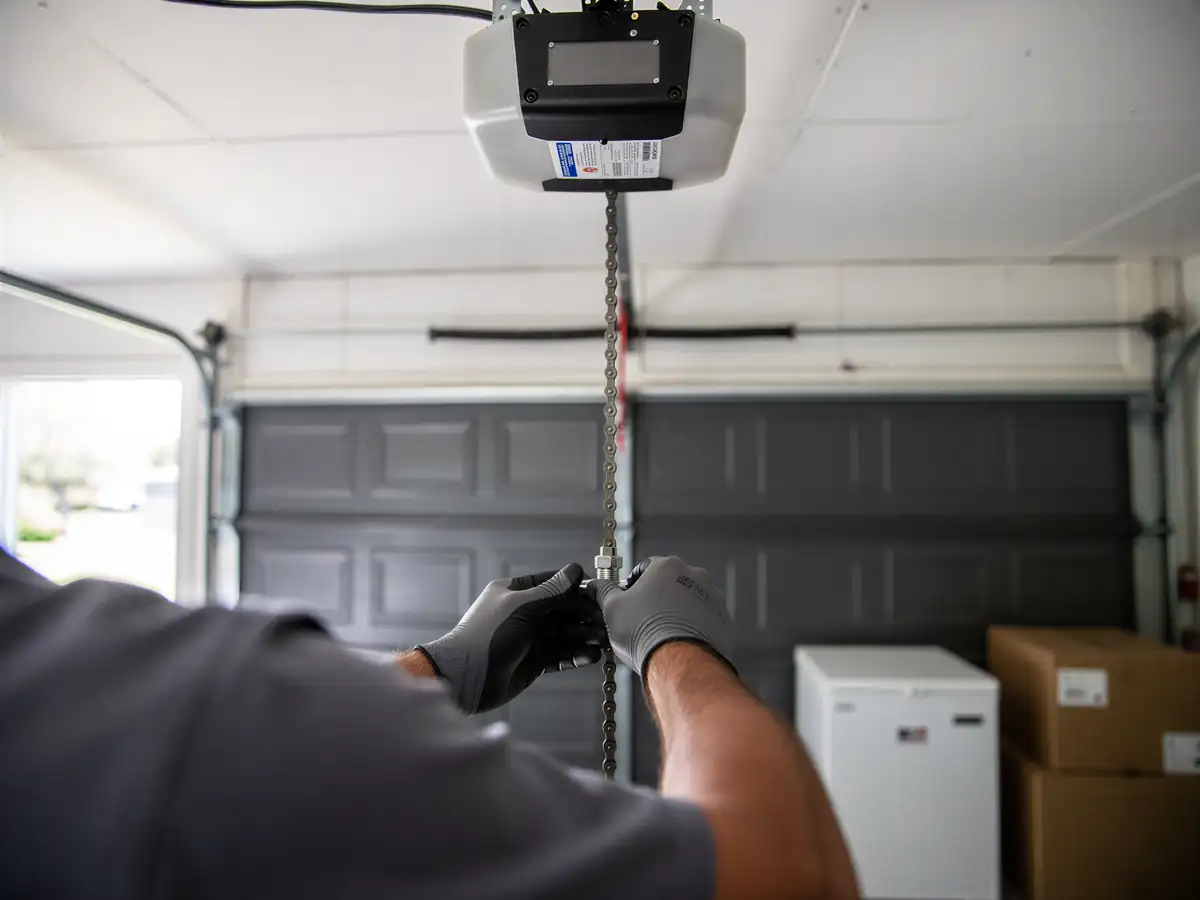
That tells us whether the spring is actually the problem or whether it's a cable, a bent track, or hinges that have worked loose over fifty-plus years. We carry standard torsion spring sizes and cable on the truck, but a genuinely obsolete panel or a discontinued opener board can mean a short order wait. We'll tell you straight if that's the situation rather than make you wait around guessing.
What You Pay
We don't publish flat prices here because spring size, door weight, and opener age all move the number, and on a 1956-vintage door those three things vary more than they do on newer construction. What we will say: given the median income gap between Villa Grove and the rest of our service area, we quote the repair first and only bring up replacement when the door or opener is actually past the point of a fix holding. A new double-door system is rarely the right first conversation for a household here, and we don't try to make it one.
You'll get a number before any work starts, not after.
The Symptom
The complaint we hear most from this part of our coverage area is a door that's suddenly heavy - it used to open with one hand on the emergency release and now it won't budge without the opener straining. On a house built in the 1950s or 60s that's almost always one side of a torsion spring giving out, sometimes helped along by a cable that's started to fray at the drum. The second most common call is an opener that runs but the door barely lifts - that's usually the spring compensating for a motor that's finally worn out after years of doing more work than it was designed for.