What Can Go Wrong
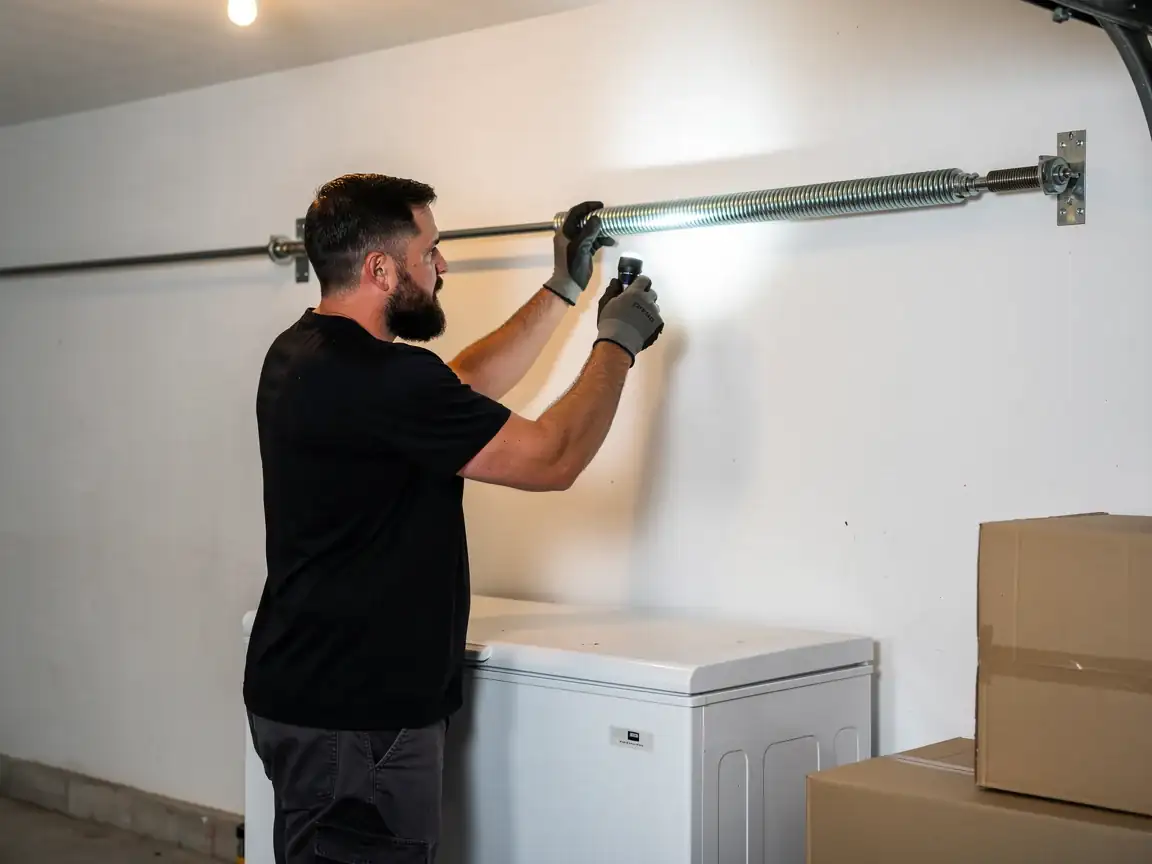
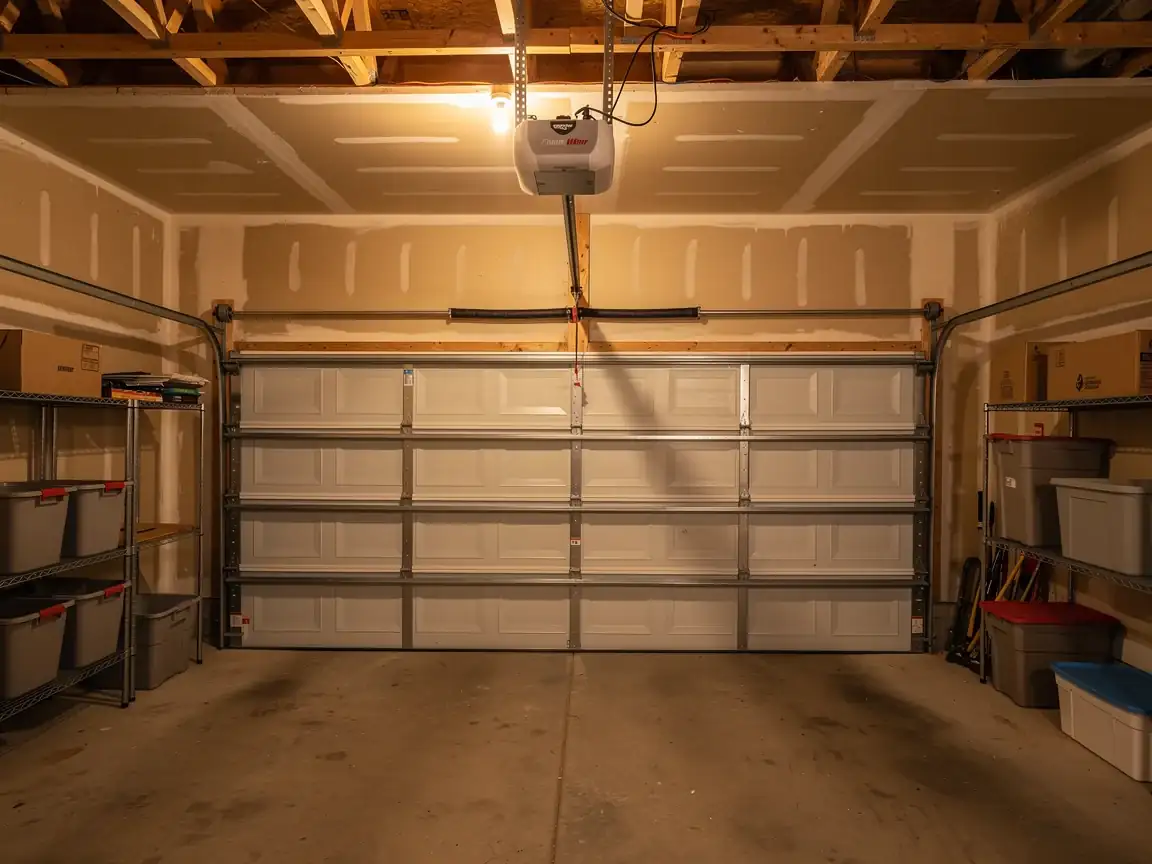
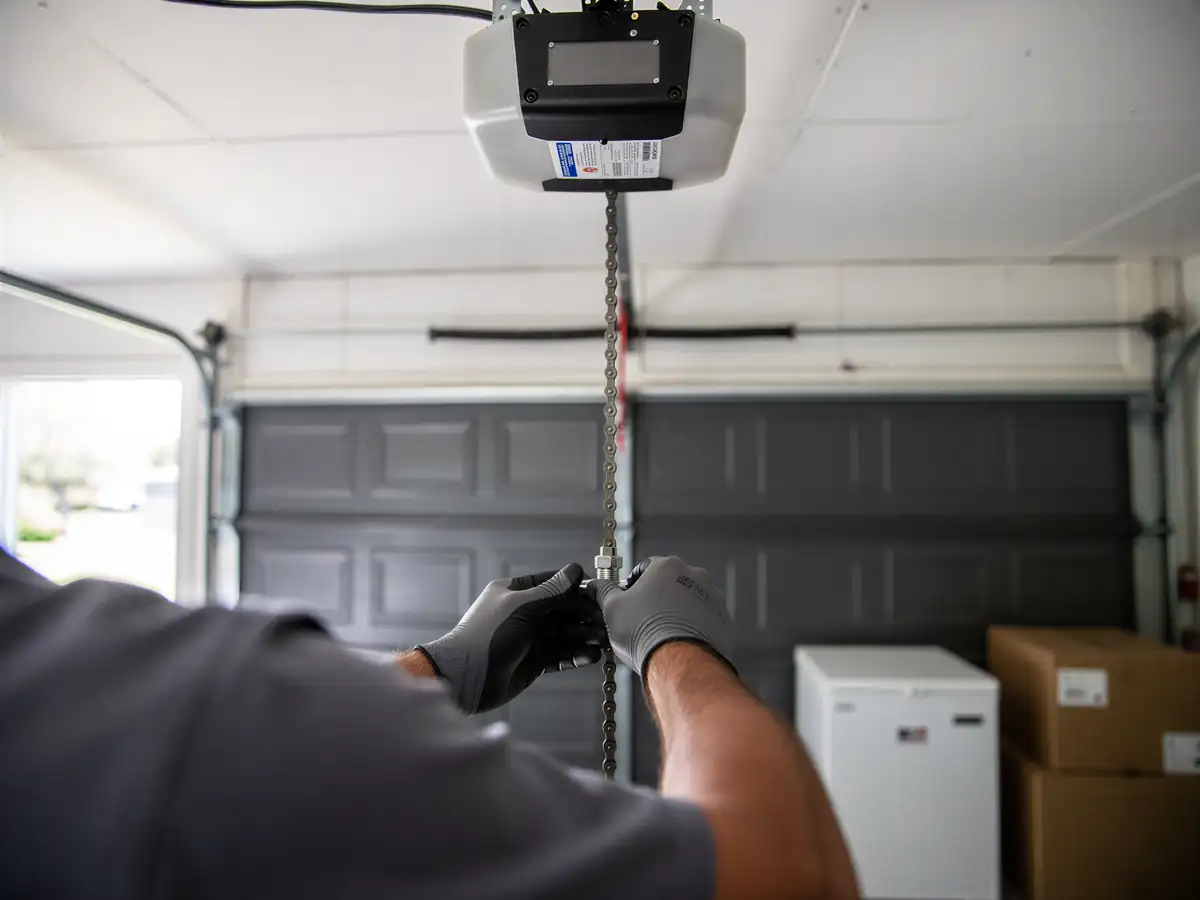
Villa Grove's housing centers on 1956, which puts it a good two decades ahead of the 1978 median you see across the wider service area. That matters for openers because almost nobody's garage had a powered opener installed new in 1956 - they went in later, often during a retrofit wave in the 1970s or 80s. So what's 'original' in a lot of Villa Grove garages isn't the house-era opener, it's a replacement unit that's now itself 30-plus years old. On units that age, the failure points are predictable: the drive gear inside the housing strips and starts slipping under load, the capacitor on the motor weakens so the door starts to lift and then stalls, and the logic board that runs the remote and wall button develops dead zones where nothing on the circuit responds. None of that is Villa Grove-specific hardware you can't get anymore - it's ordinary wear on an ordinary unit that's simply had more years to wear. The other piece is the travel chain itself: on older chain-drive units the chain stretches, and once it's stretched past the take-up adjustment, the door opens unevenly or stops short before it ever hits the track.
Doing It Yourself
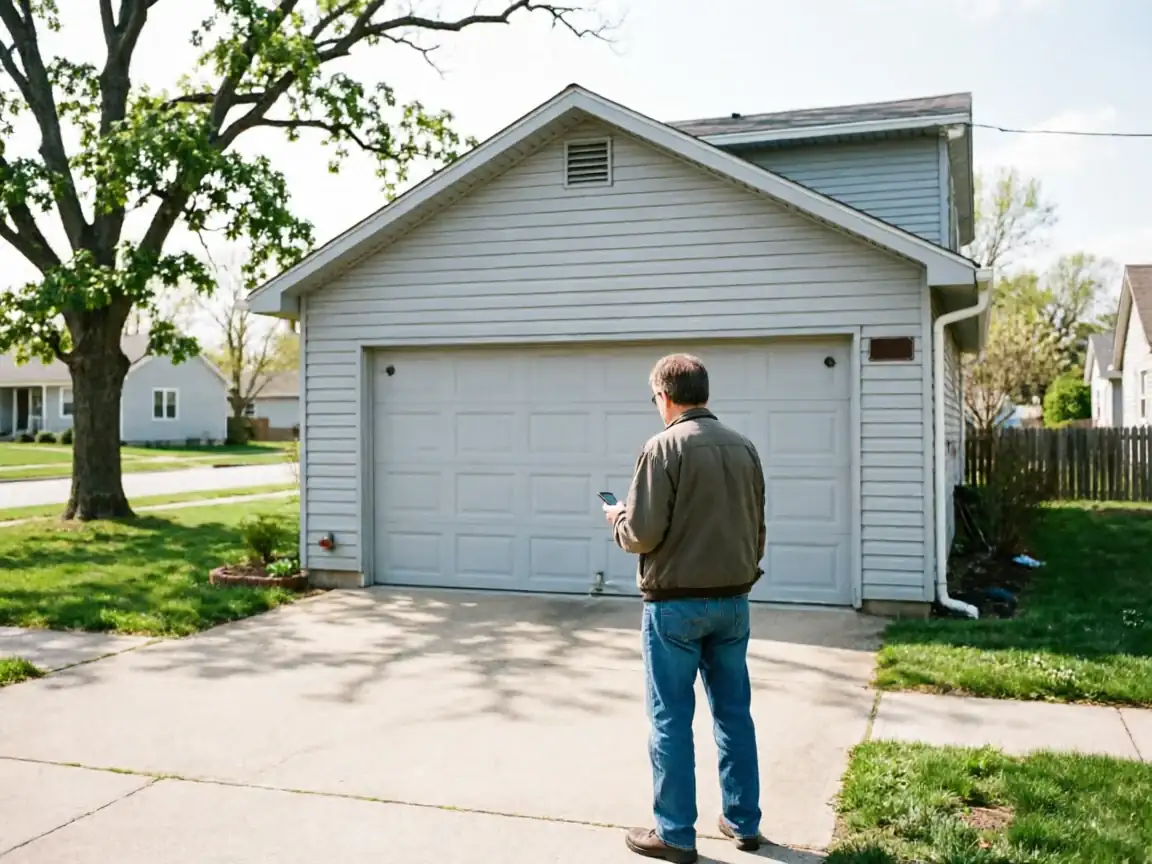
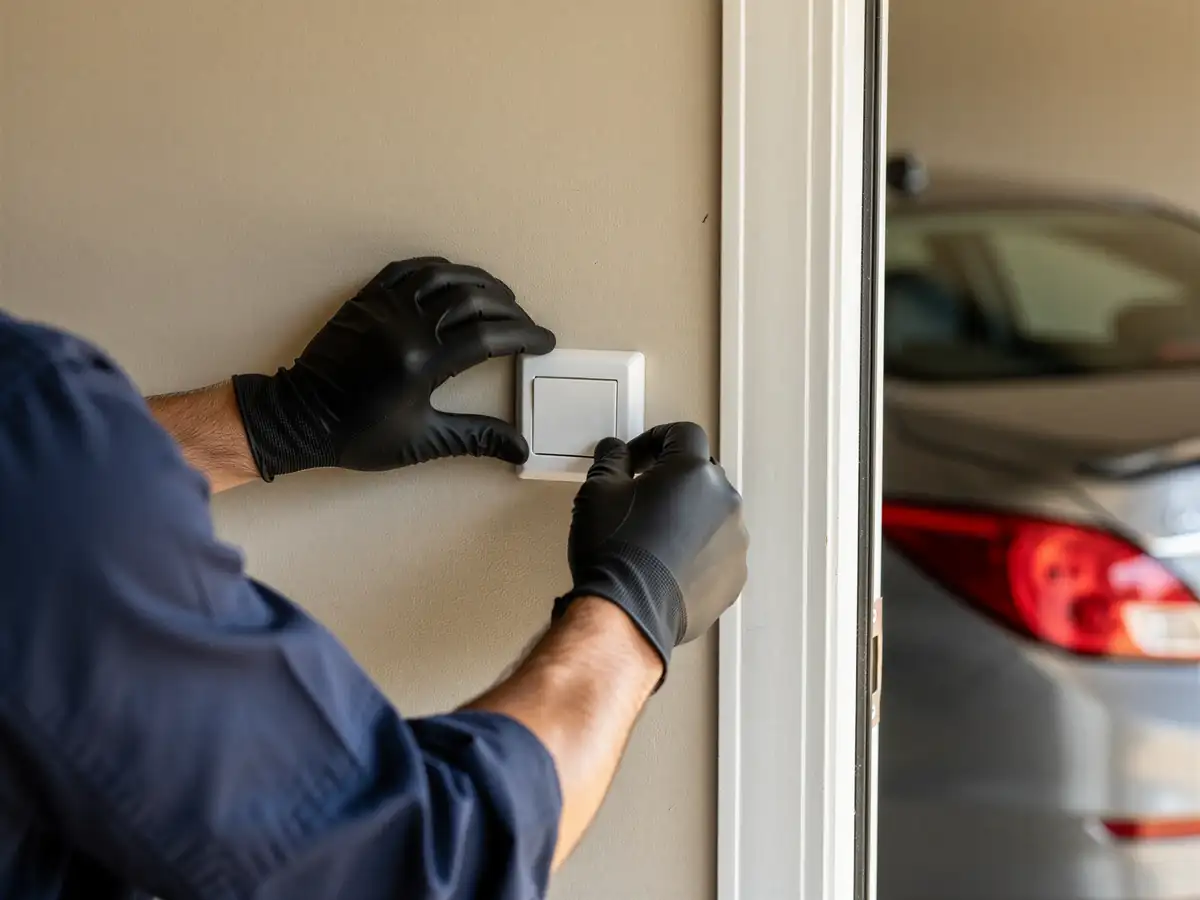
A few opener problems are worth a homeowner's five minutes before anyone calls a truck. Dead remote, dead wall button, door won't respond at all - check the wall outlet the opener plugs into, and check whether the safety sensors near the floor have drifted out of alignment or picked up a cobweb across the beam. Those two things cause more 'my opener is broken' calls than any mechanical failure does. Past that, we'd rather you not open the housing. A stripped gear set, a failing capacitor, or a logic board with no diagnostic output isn't something you fix by guessing - and on a unit that's already 30-plus years old, the wrong part swap can mean paying twice. Our honest limit here: we don't carry every logic board for every obsolete opener brand on the truck, so on rare models a repair can mean a short wait while we source the part, or a straight recommendation to replace rather than chase a board nobody stocks.
What You Pay
We don't quote opener repair prices sight unseen, because the range between a sensor realignment and a full logic board swap is wide. What we can tell you is how we think about the decision with Villa Grove homeowners specifically: median household income here runs around $69,900, noticeably under the $81,703 median across the wider service area, and that's part of why we lean toward repair over replacement whenever the unit's motor and gearing are still sound. Replacing a whole opener costs more than swapping a gear or a capacitor, and on a unit that's otherwise healthy, that's money you don't need to spend. We'll tell you plainly when a repair isn't worth it - usually that's a motor that's drawing far more current than it should, or a board that's failed in a way no single part replacement will fix.
The Symptom
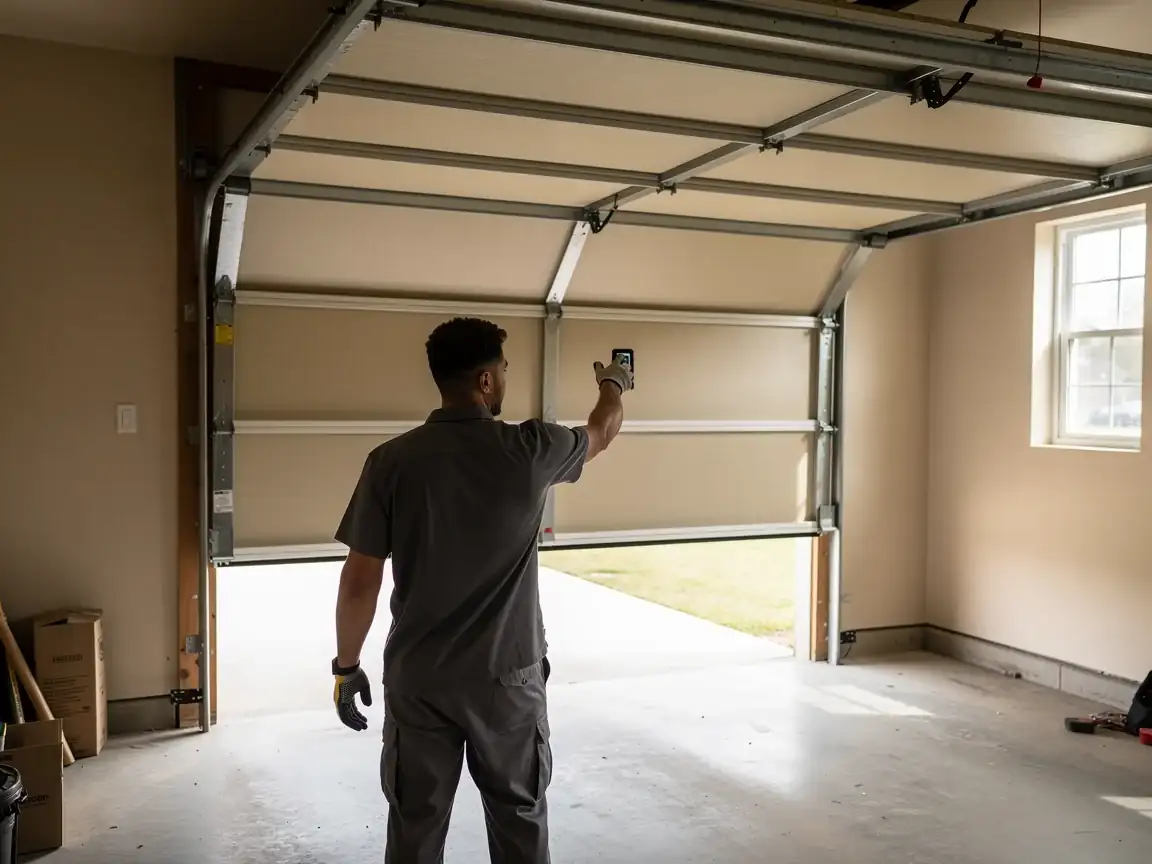
The complaint we hear most from this area in winter is the door that starts to lift, hesitates, and reverses on its own, sometimes reversing twice before it finally gives up. On a 30-year-old chain-drive unit, that's almost always a stretched or loose chain combined with a motor that's lost some of its running capacitance - cold temperatures make a weak capacitor worse, since the motor needs more of a starting kick when it's cold and a marginal capacitor just can't deliver it. A newer belt-drive opener handles cold starts better, but most of what's running in Villa Grove's garages predates that shift. If your door hesitates on the way up and reverses before it's fully open, that's the opener telling you it's working harder than it should, not the door fighting you.