What Can Go Wrong
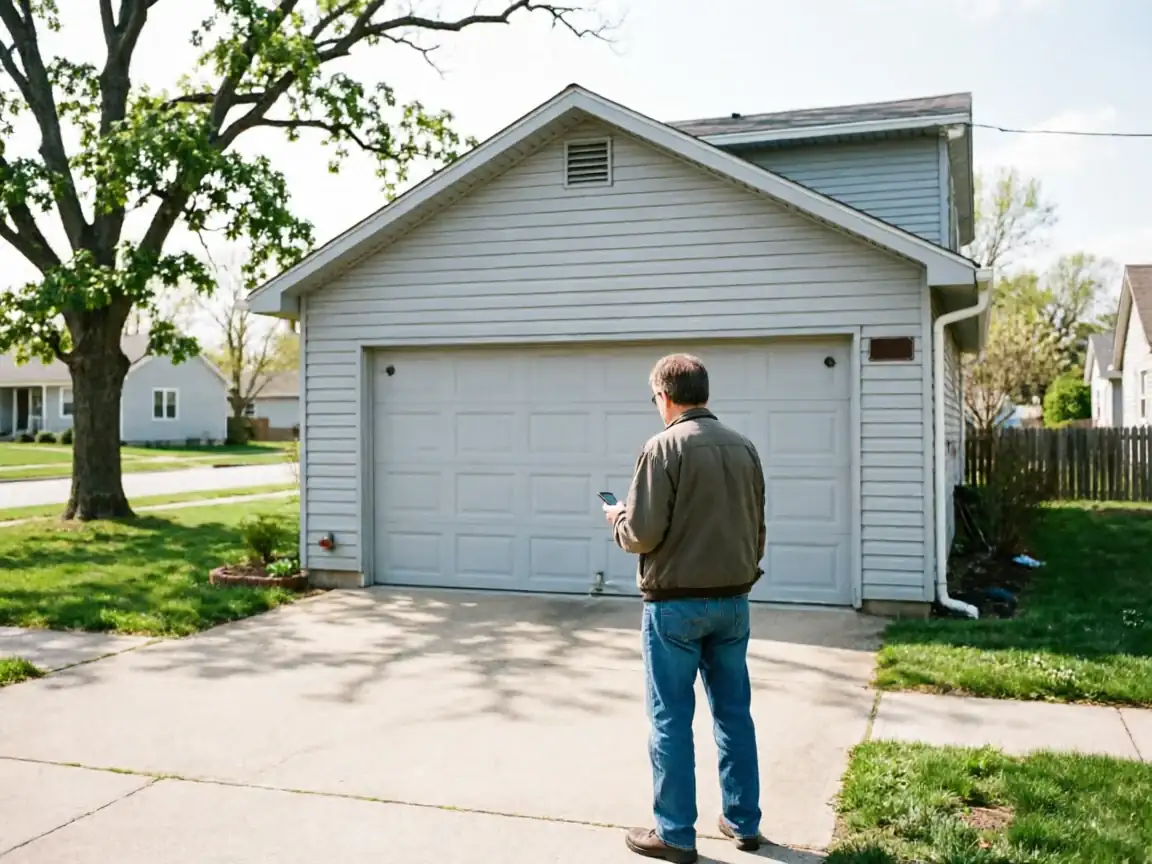
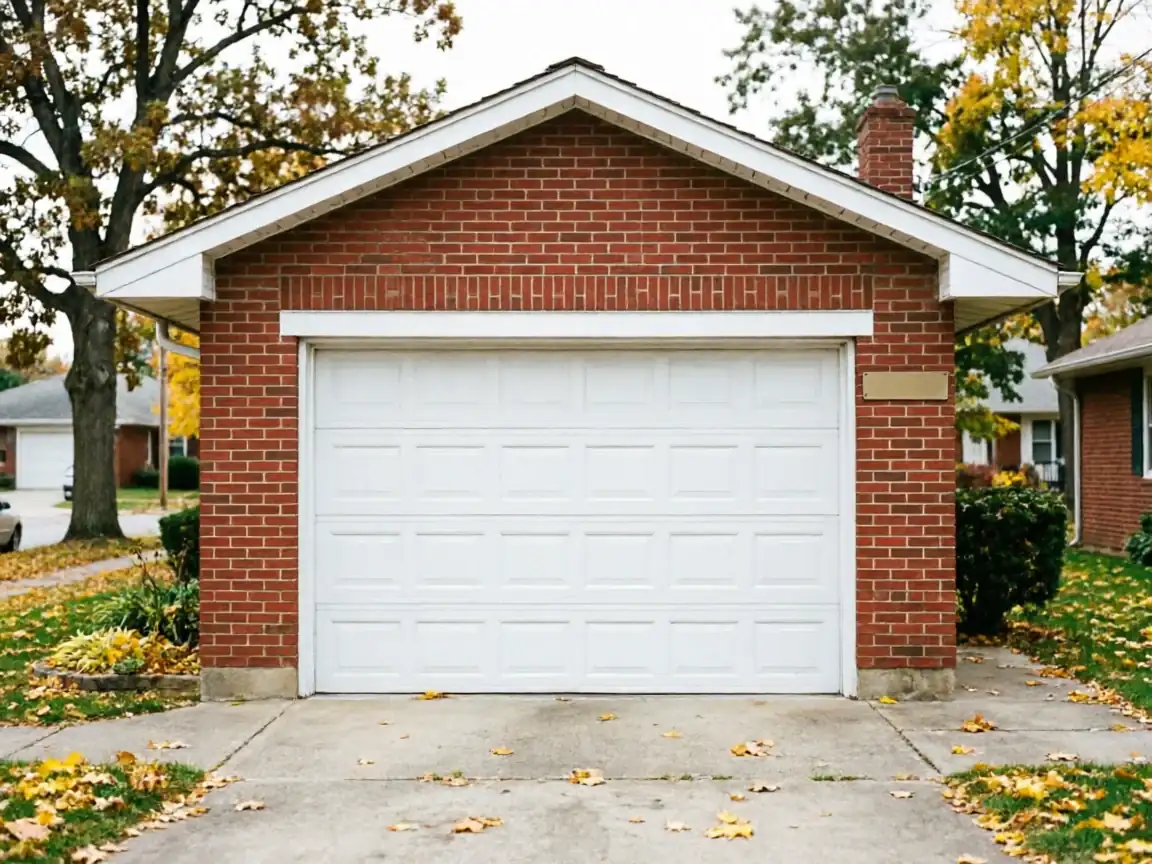
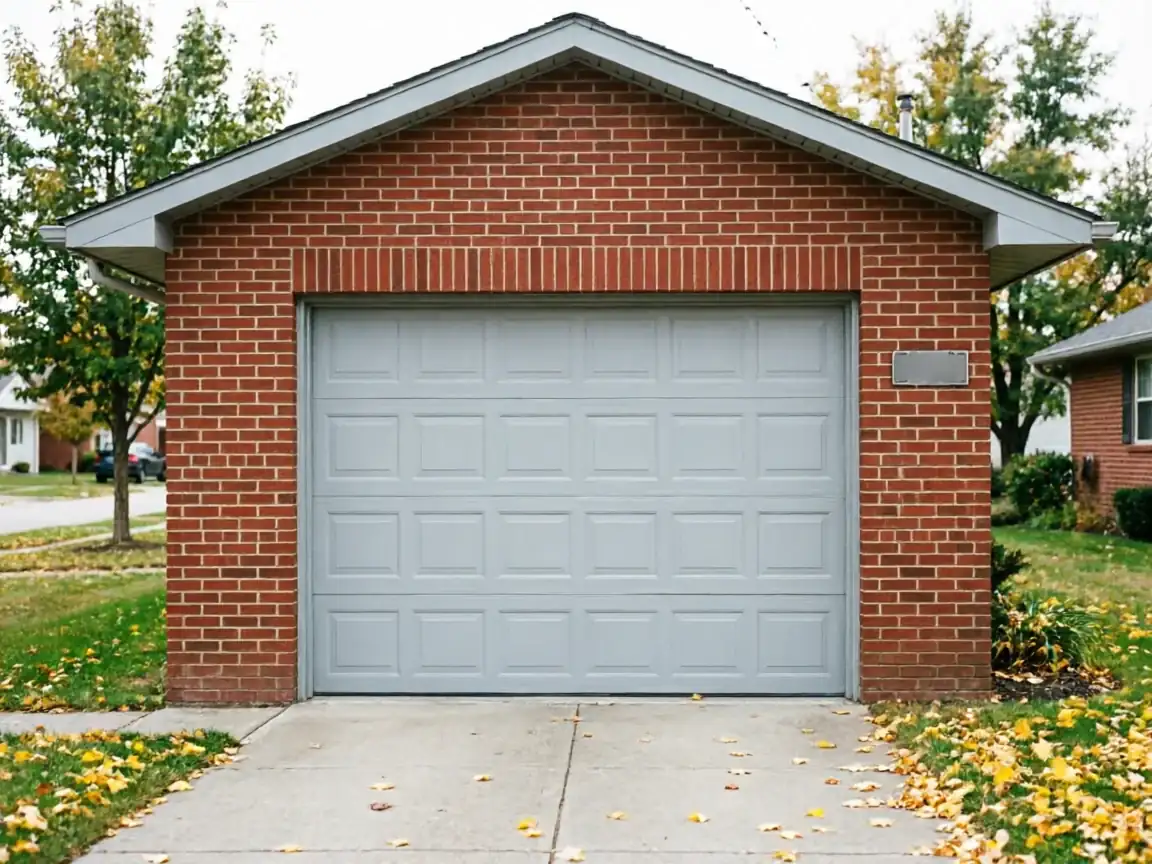
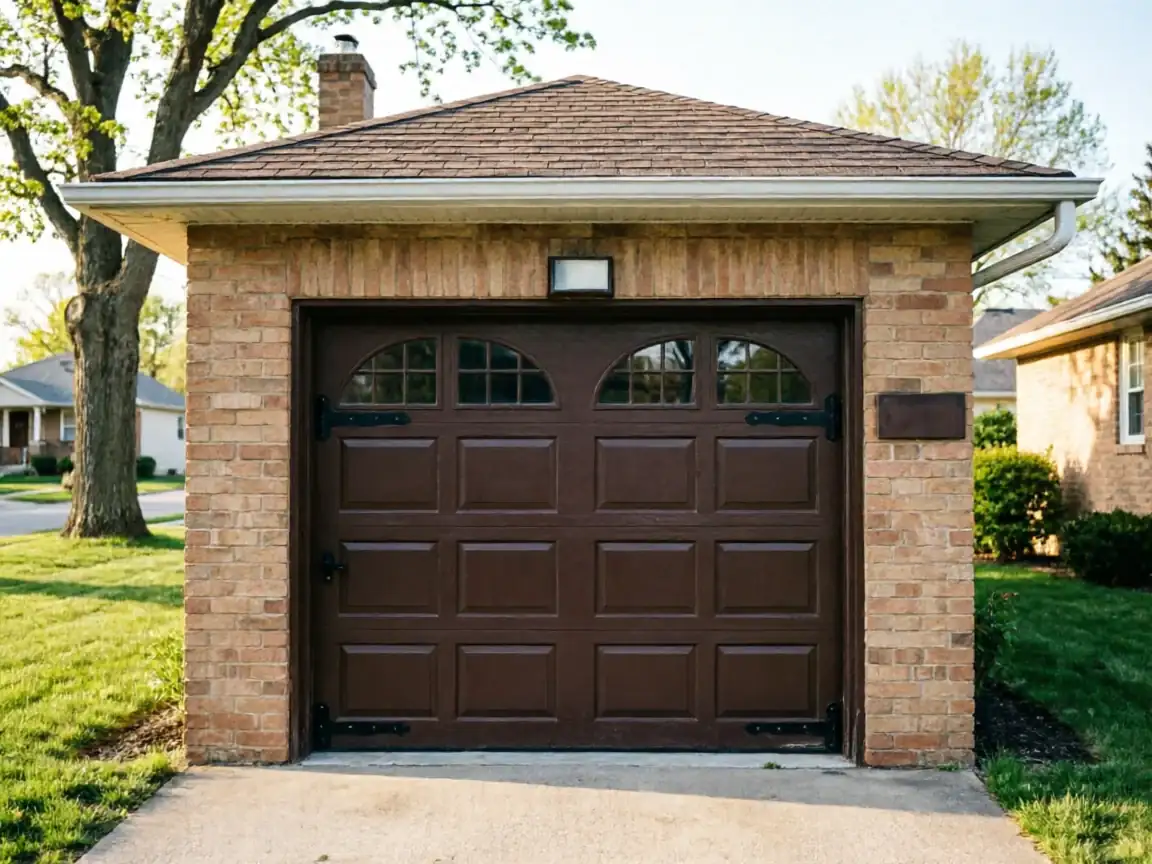
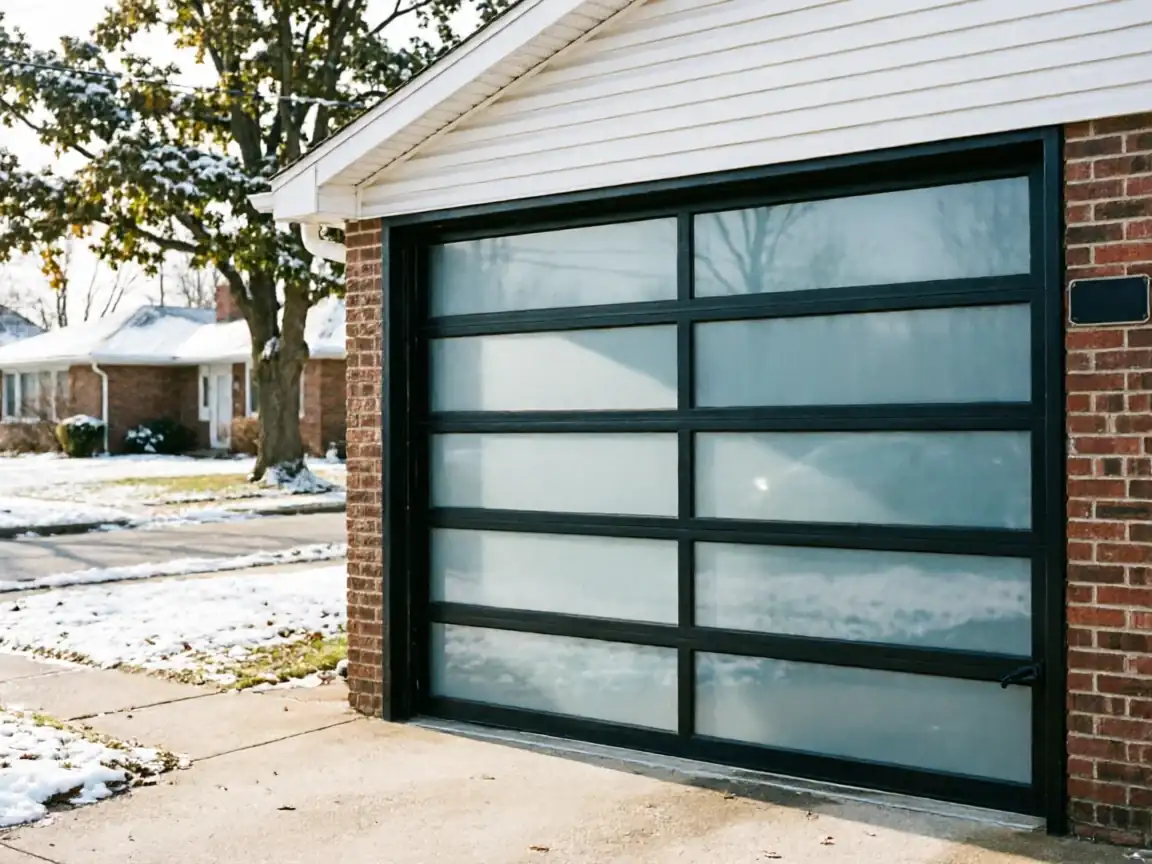
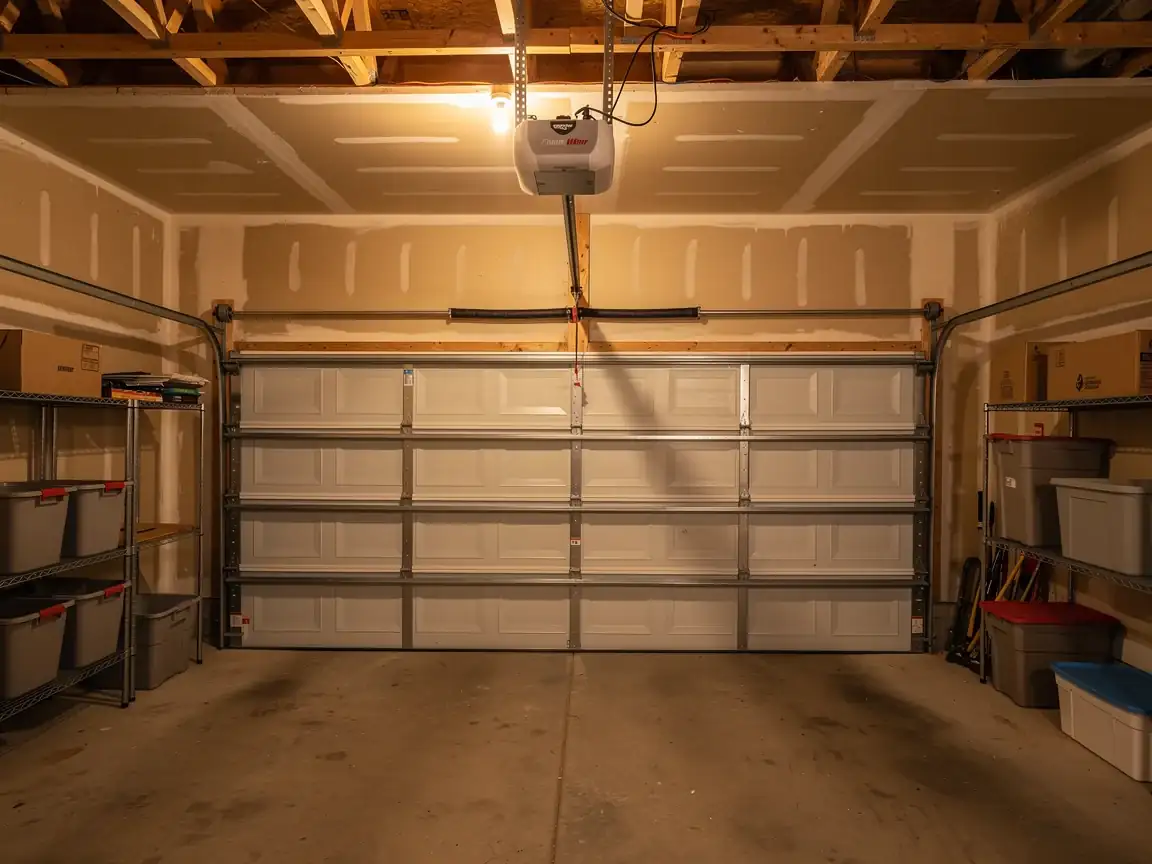
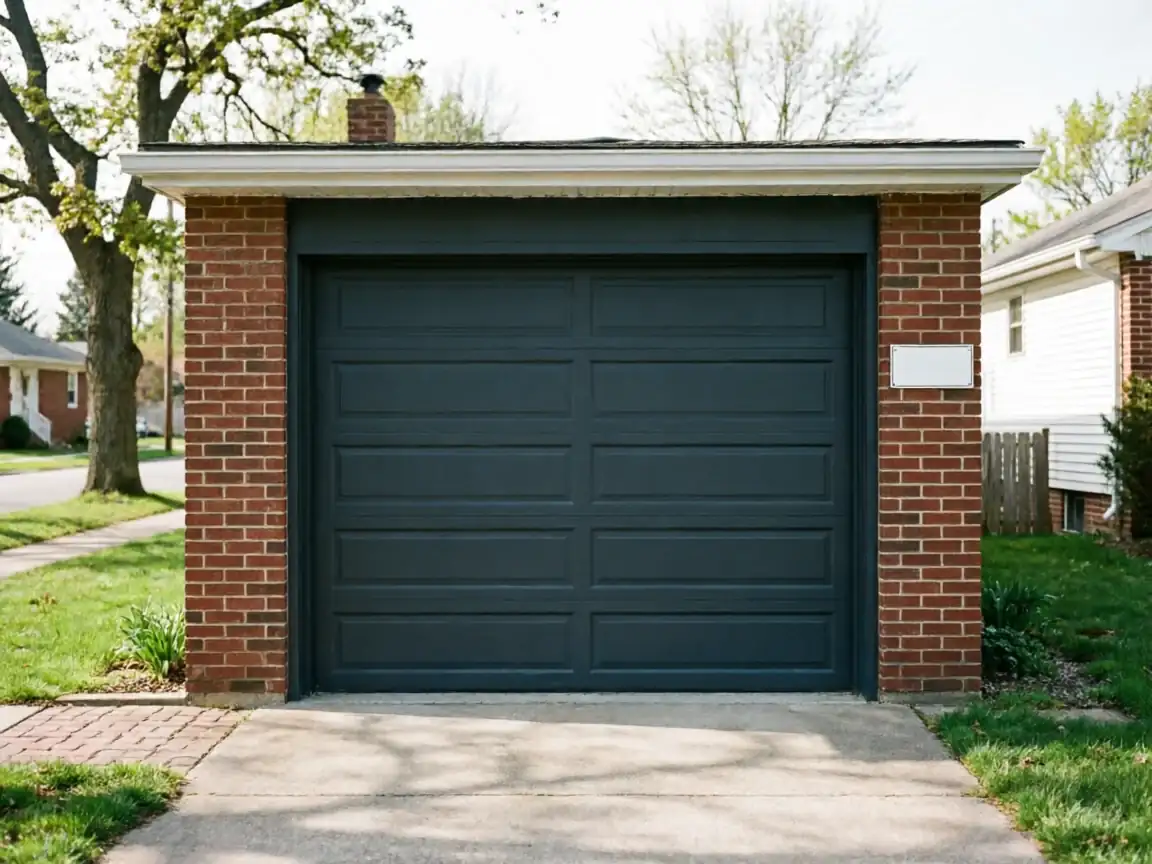
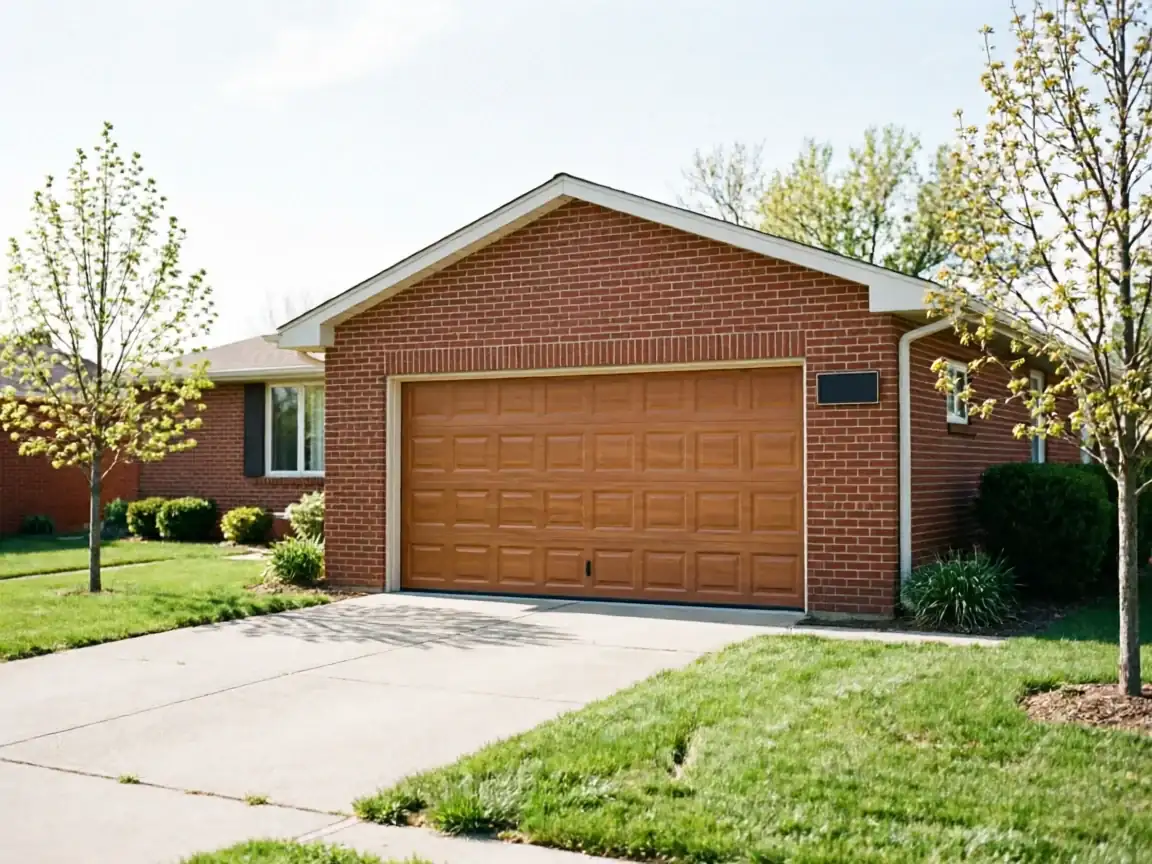
Champaign Garage Door Pros works on houses across this service area built anywhere from 1956 to 2000, with a median around 1978. Villa Grove sits at the old end of that range - the typical house here dates to 1956, roughly two decades ahead of where most of the area's stock lands. That matters for a new installation because older openings were framed for doors and track systems that don't match what's sold today. The jamb width, the header clearance, and the way the opening was framed around the original door all tend to run narrower and lower than what a modern insulated door and torsion system expect. On a house built in the late 1950s, we often find the opening has settled slightly or the framing was never square to begin with, which a straight swap-in replacement won't fix on its own. We also see a lot of single-layer doors with no insulation at all, put in before anyone thought about a COLD-moderate winter driving heat loss through a garage wall. None of that is a defect - it's just what a 1956-era opening looks like, and it changes what the install involves before a new door ever goes up.
Doing It Yourself
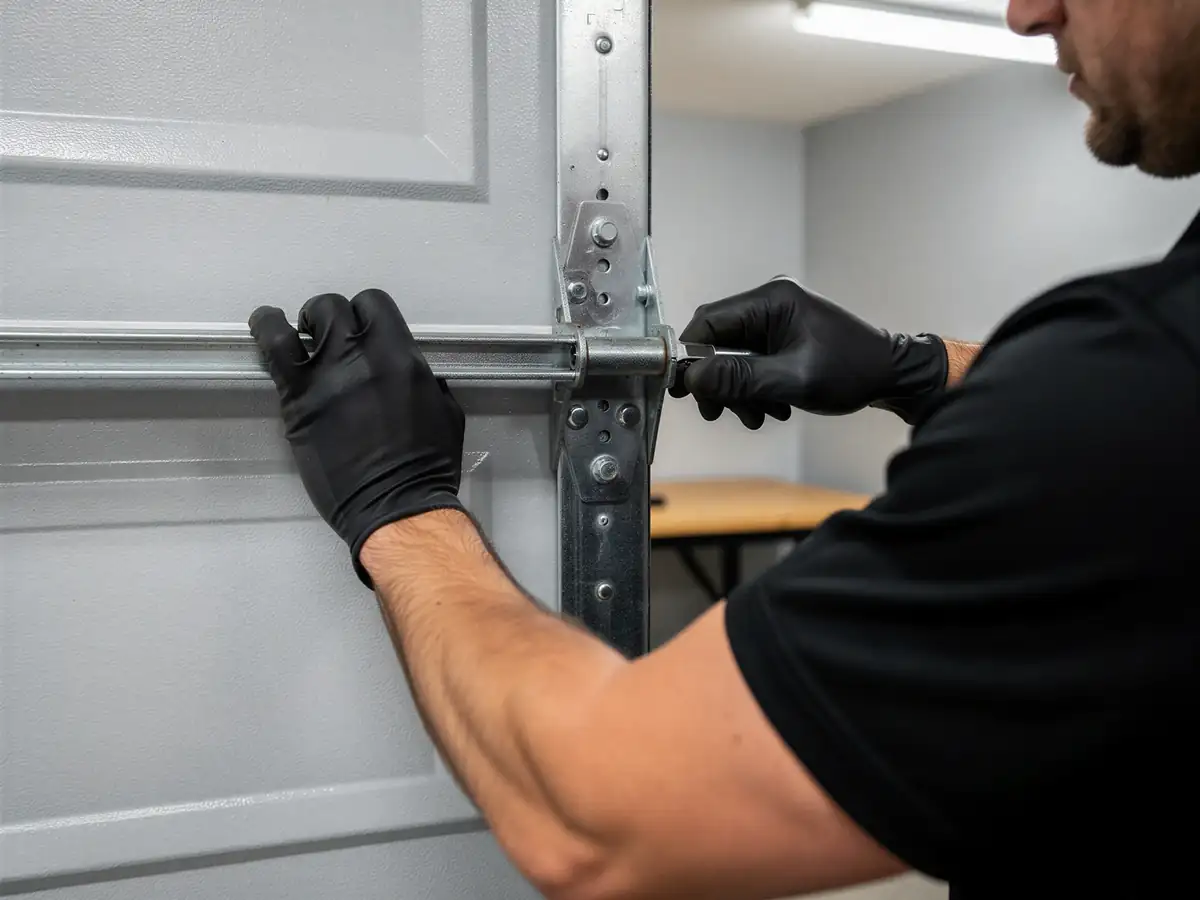
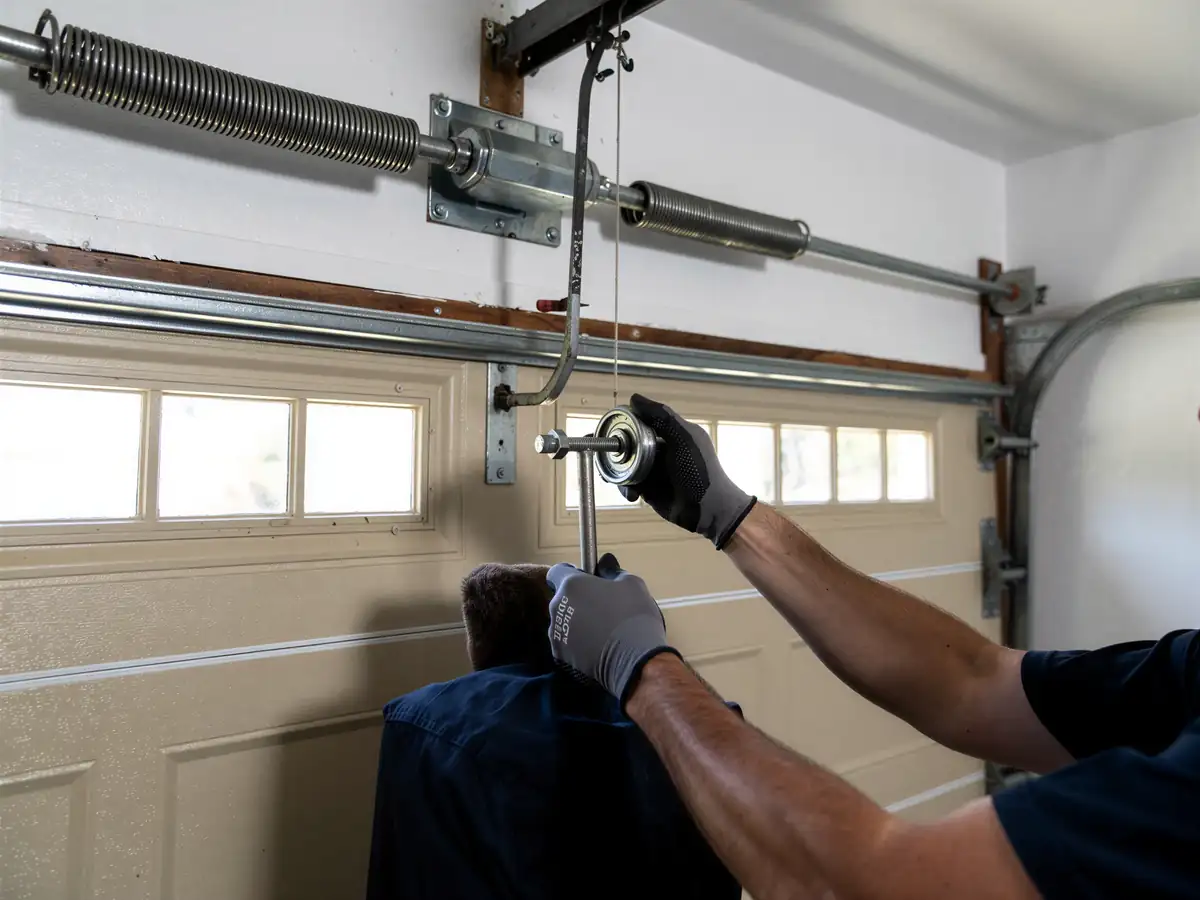
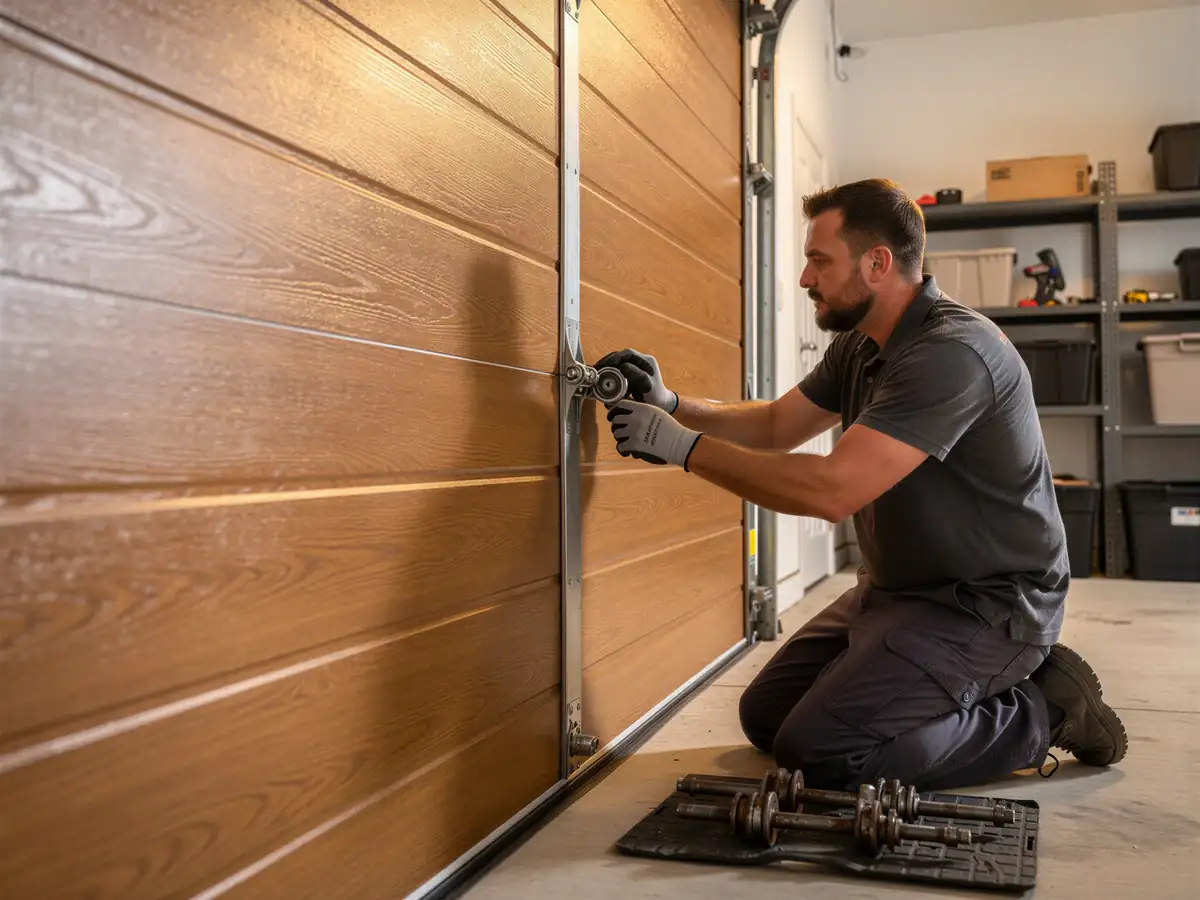
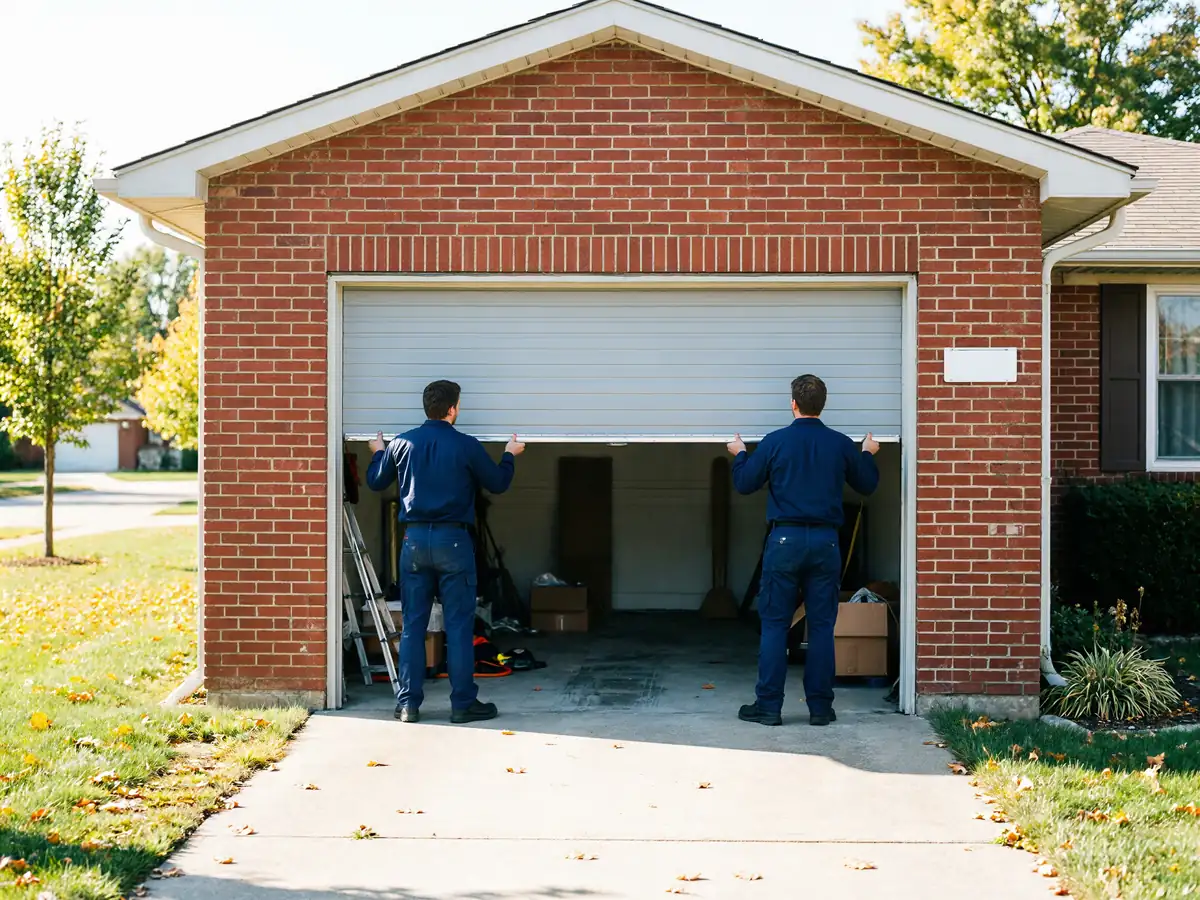
A kit-box door from a home center assumes a standard, square, modern opening. On a house from 1956, that assumption often doesn't hold. If the jamb is out of plumb by even half an inch, a DIY install can leave you with a door that binds on one track or won't seal at the bottom - and on a door this age, you won't know until the rollers are already hung. Pulling the old track and spring system safely also takes two people and the right clamps; a wound torsion spring let go wrong has put people in the hospital. We won't tell you it can't be done - some owners do it fine - but on older framing, the margin for error is smaller than the box makes it look.
What You Pay
We don't have a fixed price list to quote you here - what a Villa Grove install runs depends on door size, insulation level, and how much the opening framing needs before a new door goes in. Households in this area report a median income of $69,900, noticeably below the roughly $81,703 median across the wider service area, and we price jobs the same regardless of where you sit on that range. What we can tell you is that framing correction on an older opening adds labor beyond the door and track itself, so a quote for a 1956-era house is rarely the same number as one for a house built in 1990. Ask for the itemized breakdown before you sign - door, track, spring, opener, and any framing work should be separate line items, not one lump sum.
The Symptom
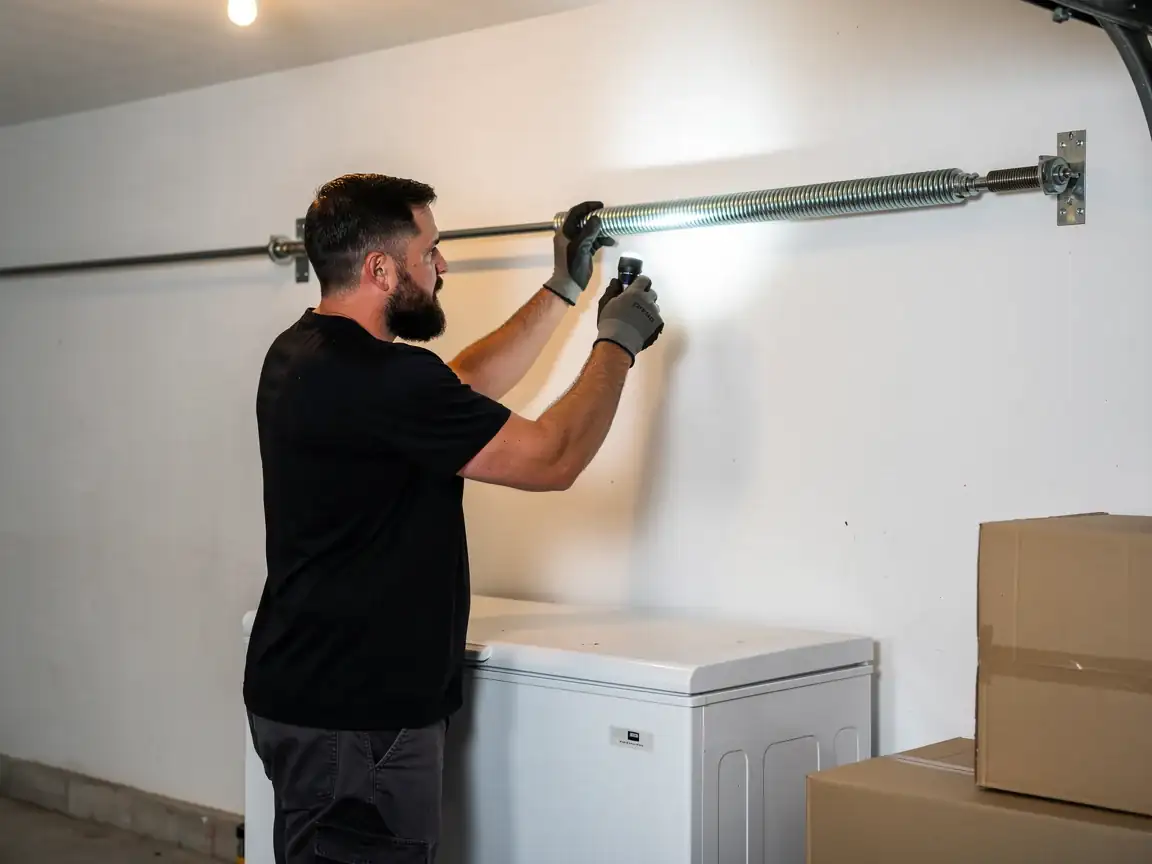
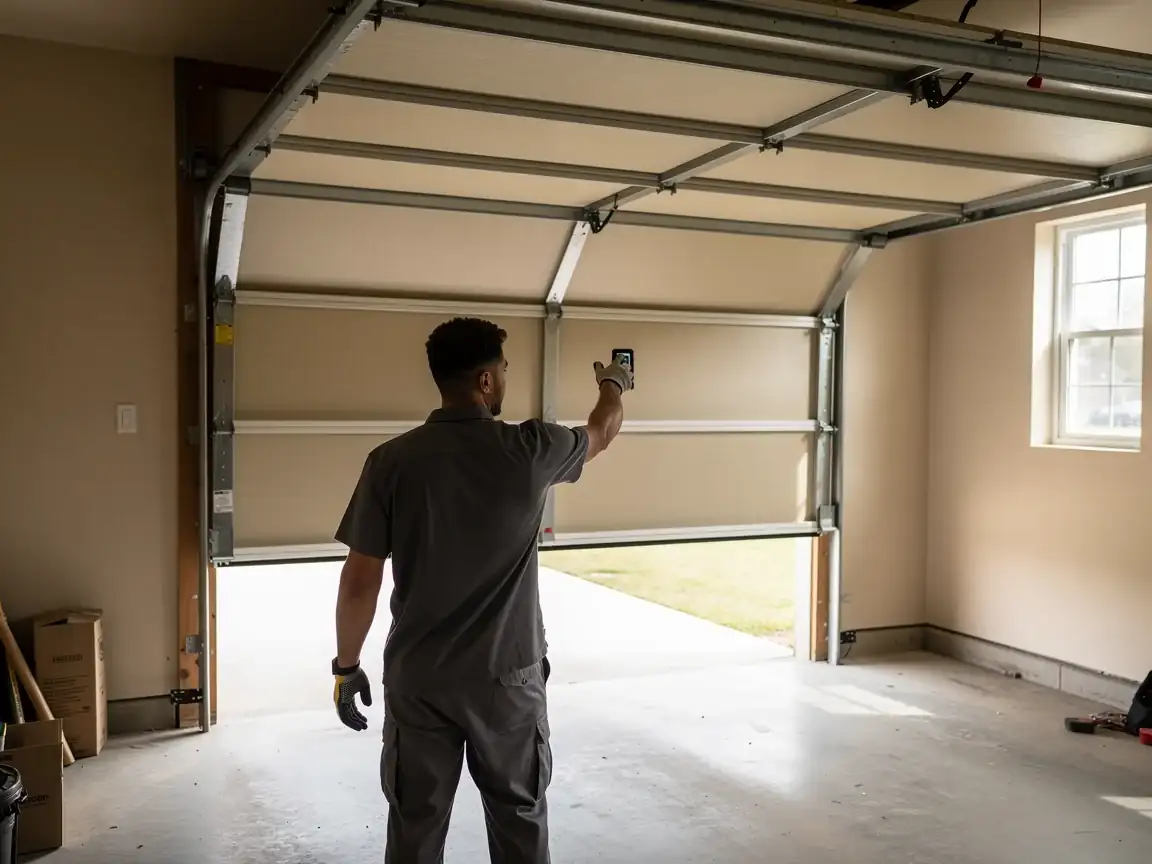
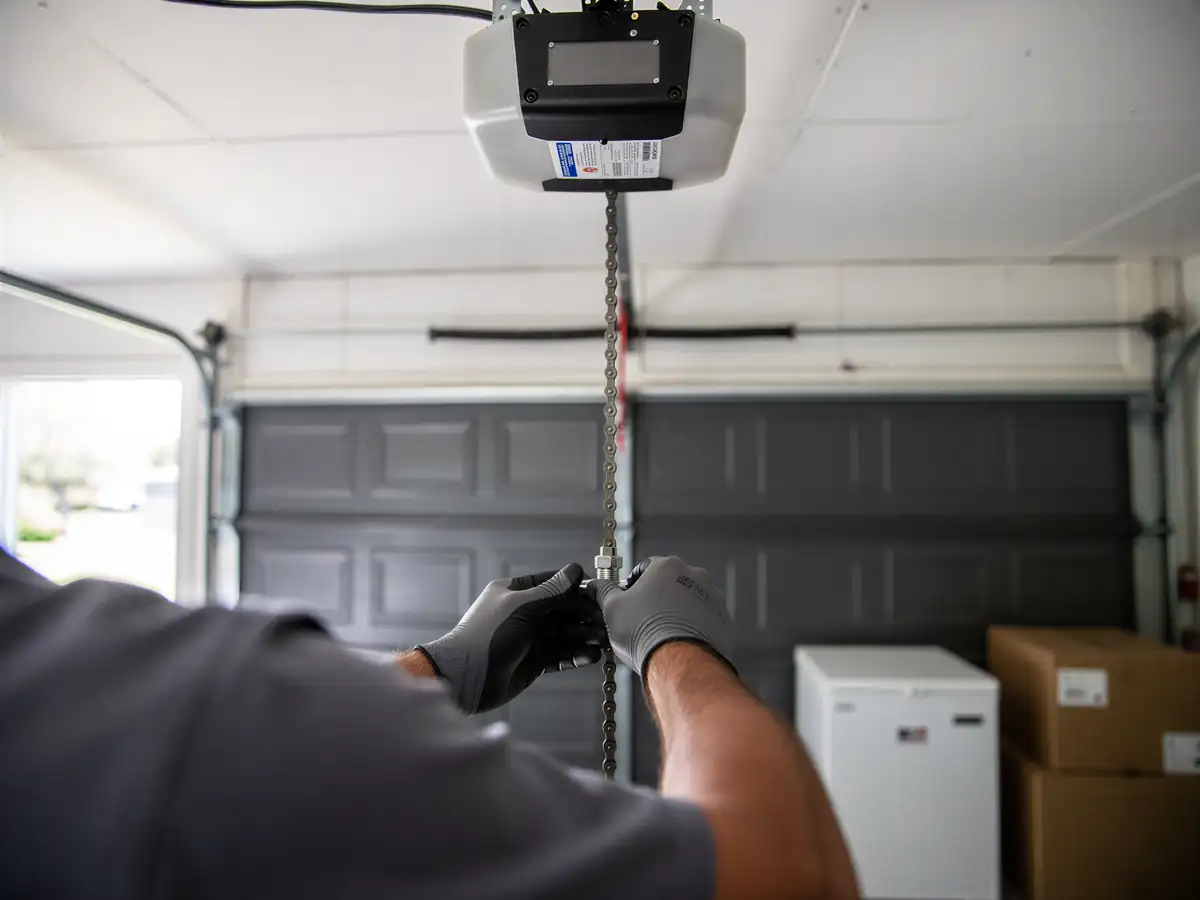
The most common call we get from this part of the area is a door that's noticeably heavier to lift by hand than it should be, or an opener that strains and reverses partway up. On a house built around 1956, that's usually the spring - either undersized for the door's actual weight or simply worn out after decades of cycles - combined with a track that's never been realigned since the original install. If your door drags on one side, hangs at an angle when disconnected from the opener, or the opener motor runs hot and shuts off, that's your signal the opening and the door need a real look, not just a new spring bolted onto old track.