The Symptom
The sound comes first: a grinding or hopping noise every time the door passes a certain spot on the track, usually right where the door levels out near the top. Open the door by hand and you can feel it too - a catch, a slight jump, like the wheel isn't rolling so much as skipping over flat spots worn into it.
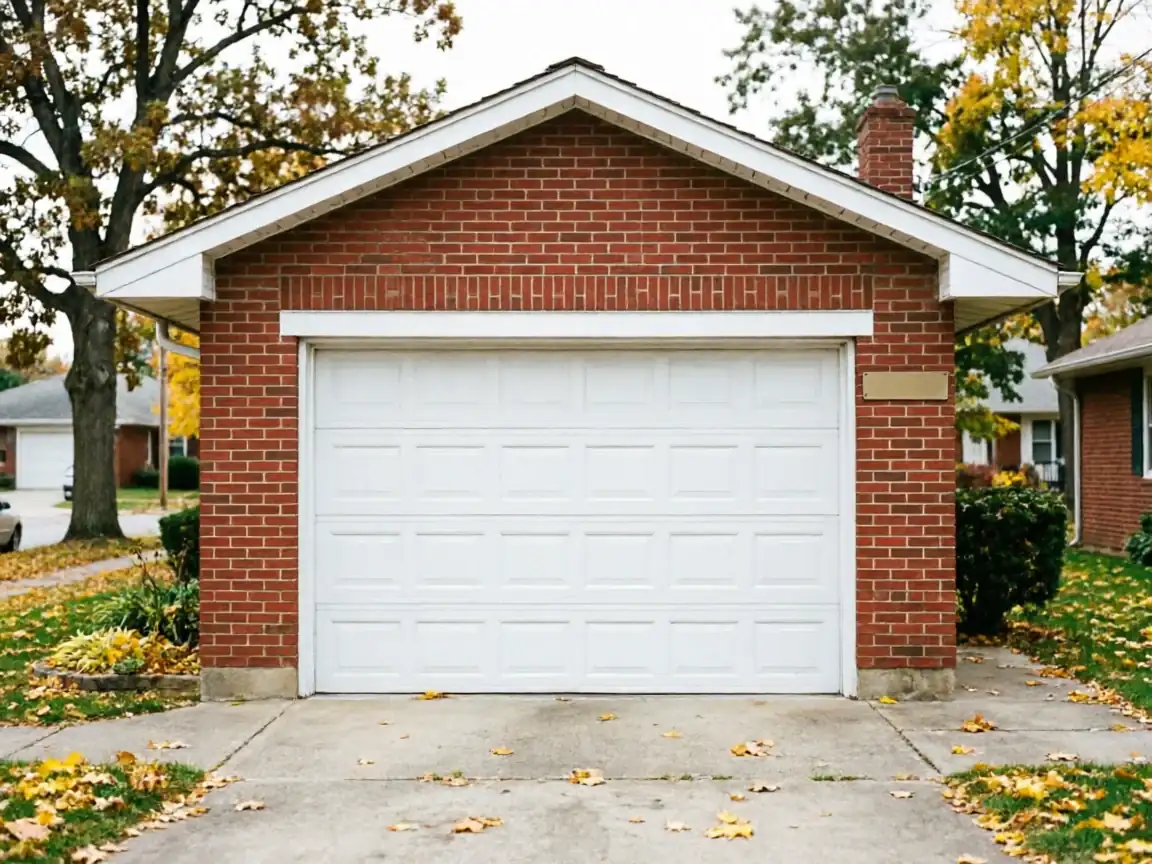
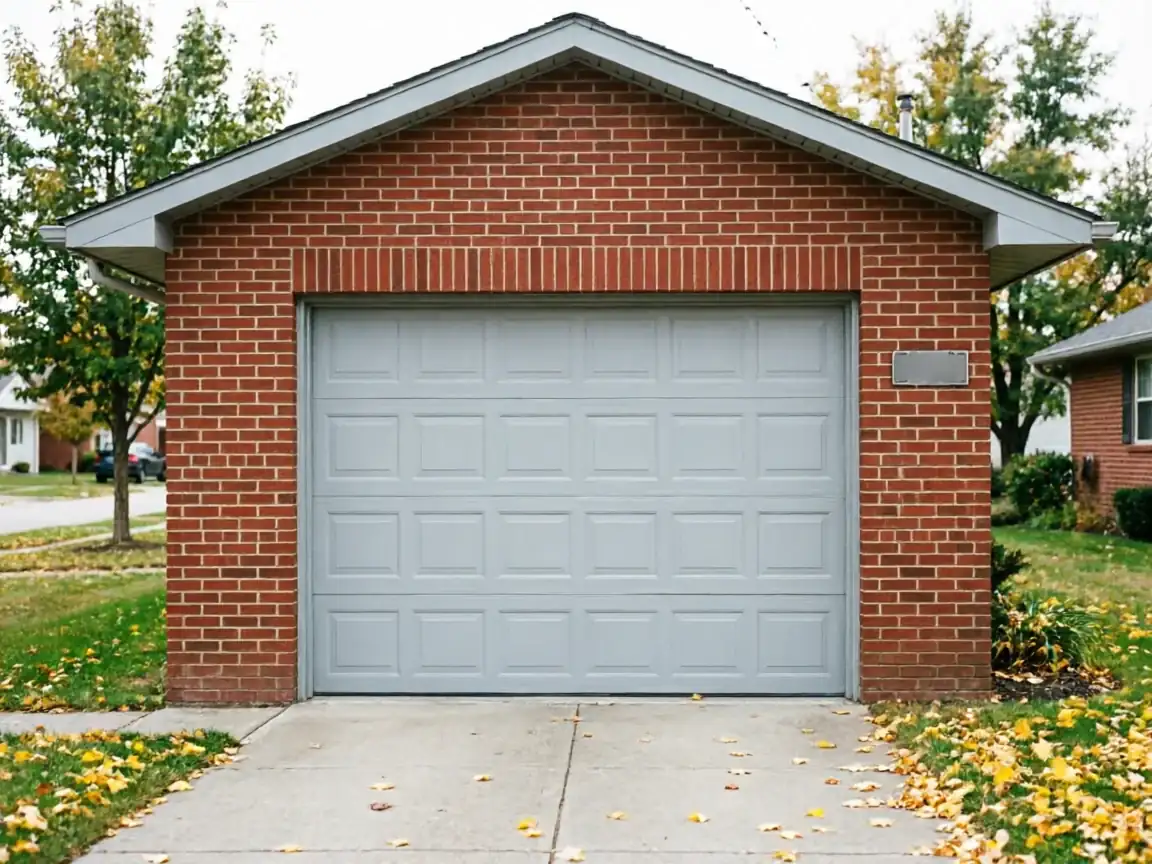
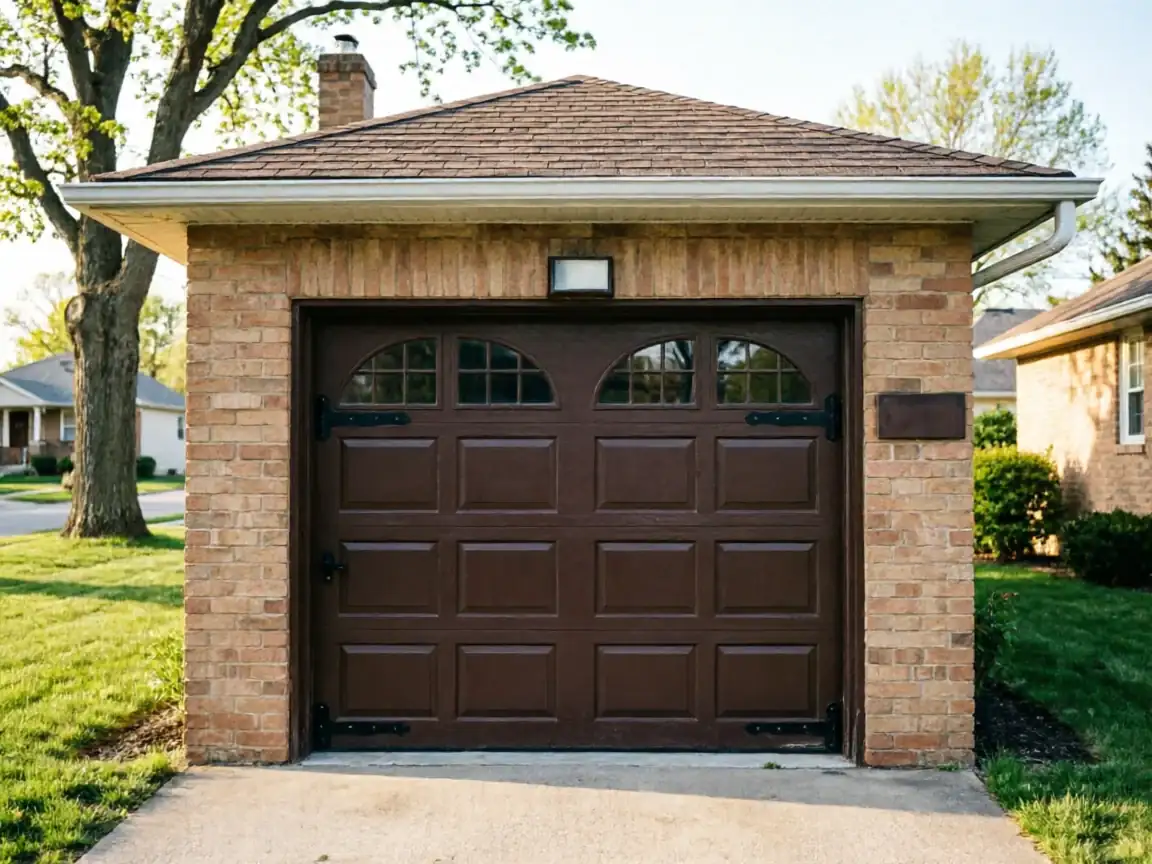
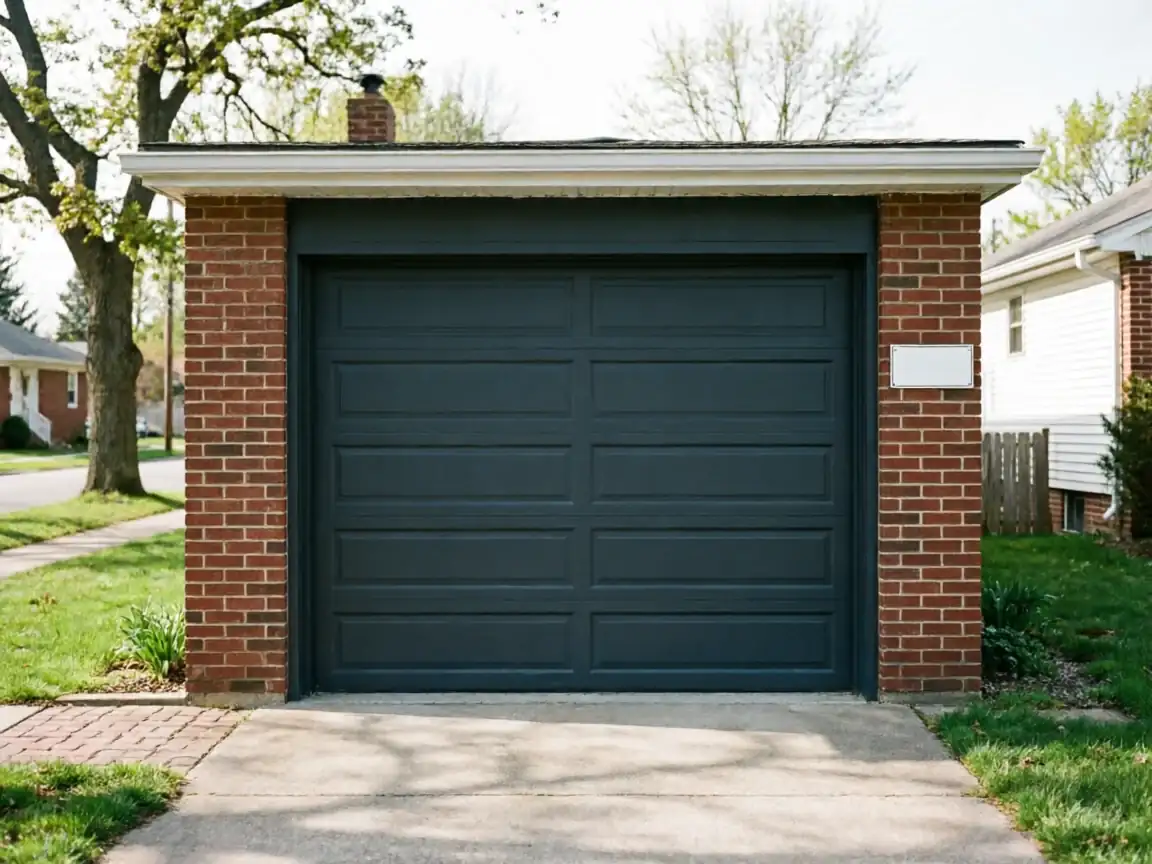
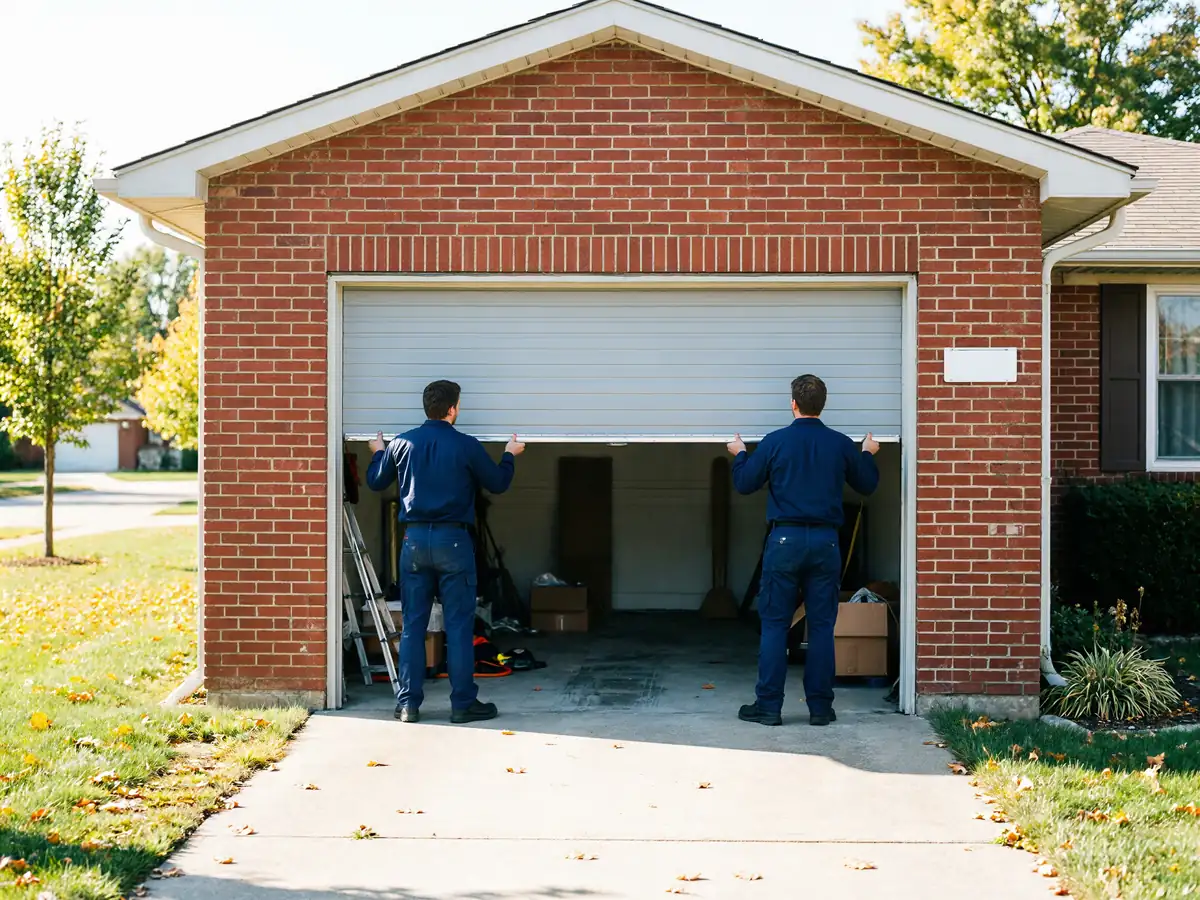
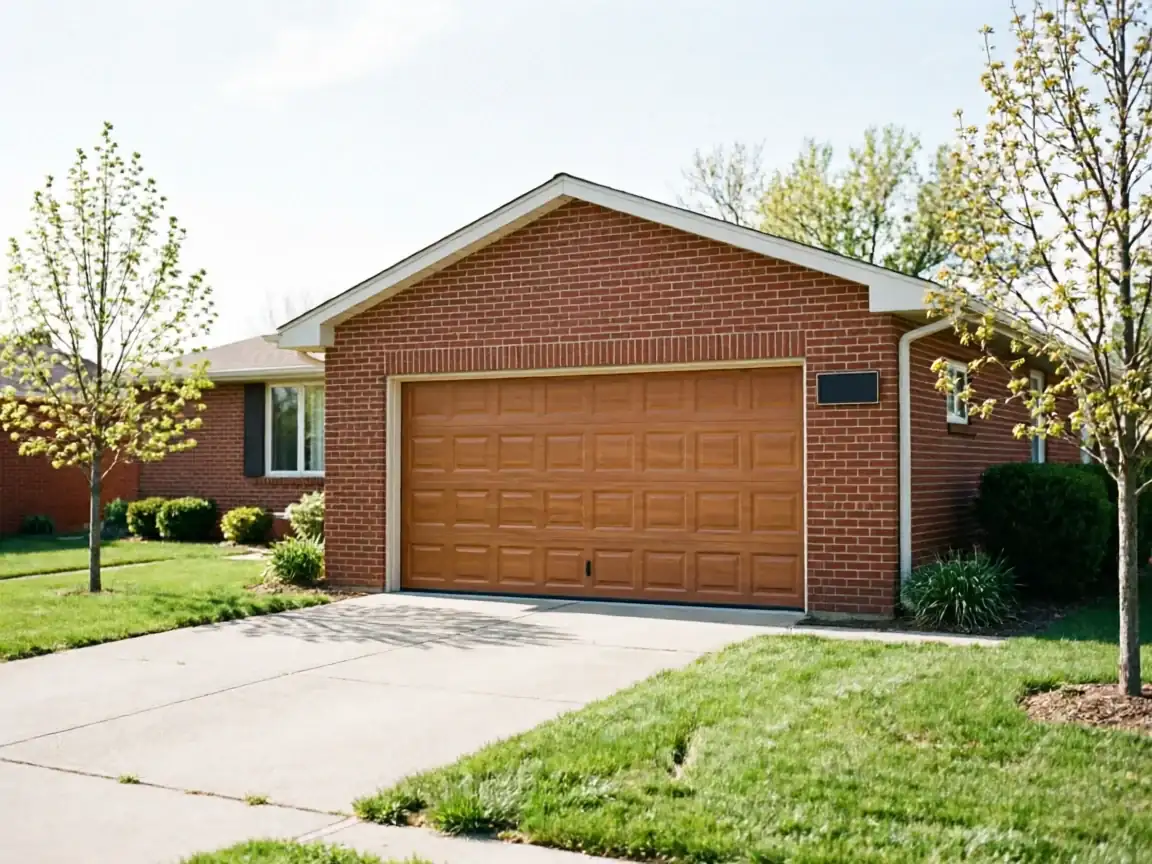
In Rantoul that symptom shows up earlier than it might elsewhere, because a lot of the housing stock here went up around 1965, squarely inside the 1956-2000 build window that covers this whole service area. Doors from that era were usually hung with steel rollers running in narrower track than what's standard now. Steel doesn't flex, so every bit of wear telegraphs straight into the stem and the track flange. Fifty-some years on, a lot of those stems are worn oval instead of round, and the track edges have peened over from decades of steel-on-steel contact.
Time on the Job
A full roller set swap, both tracks, usually runs a predictable job once we're on site - it's not a diagnostic puzzle like a spring failure can be. The time add for Rantoul calls is the 14 miles out from Champaign, which we build into scheduling rather than charging as a separate trip fee. We don't keep a branch or a drop point in Rantoul itself; every job here is dispatched from the Champaign shop, so we ask for a specific time window rather than a same-day drop-in.
Most of the delay, when there is any, comes from matching roller stem length and wheel diameter to whatever track profile is already on the door - not every 1960s track takes the same replacement part, and guessing wrong means a second trip.
How We Fix It
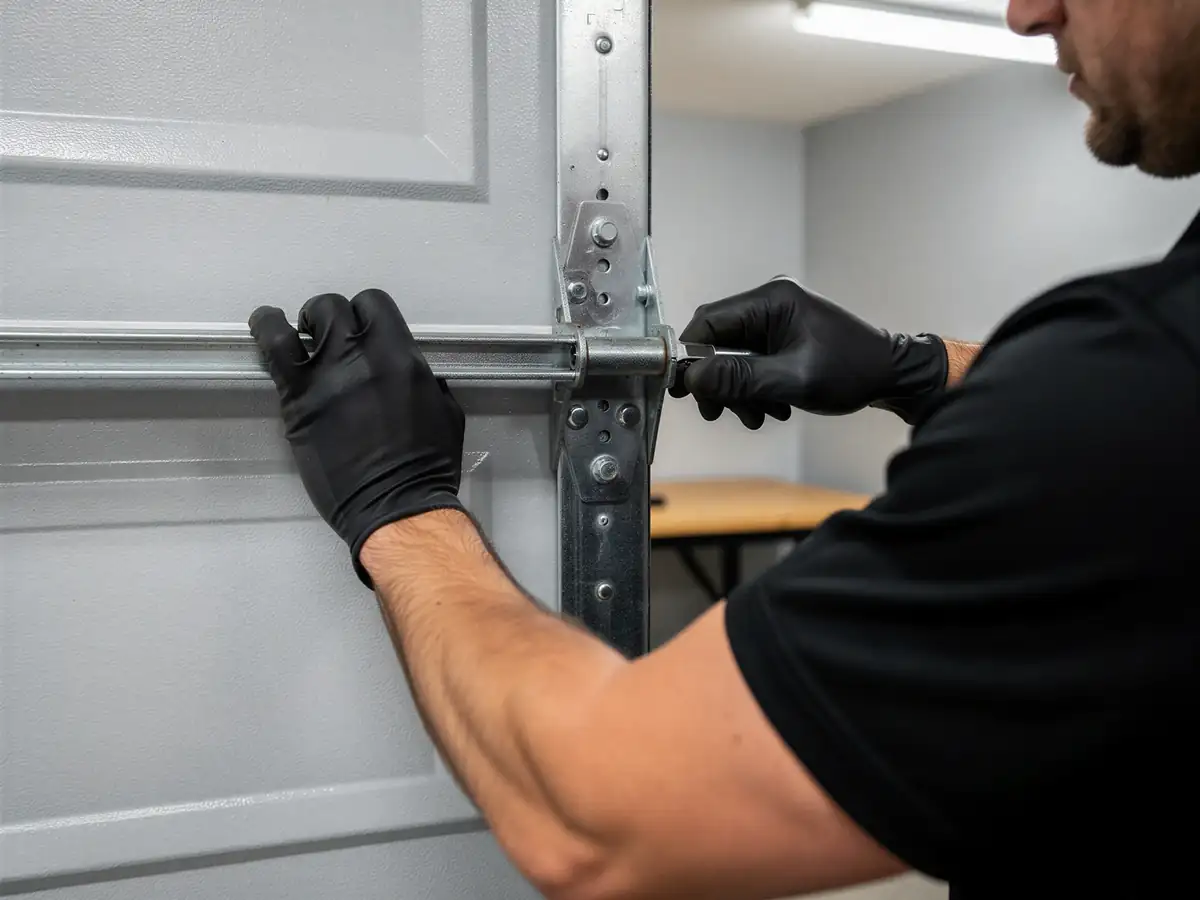
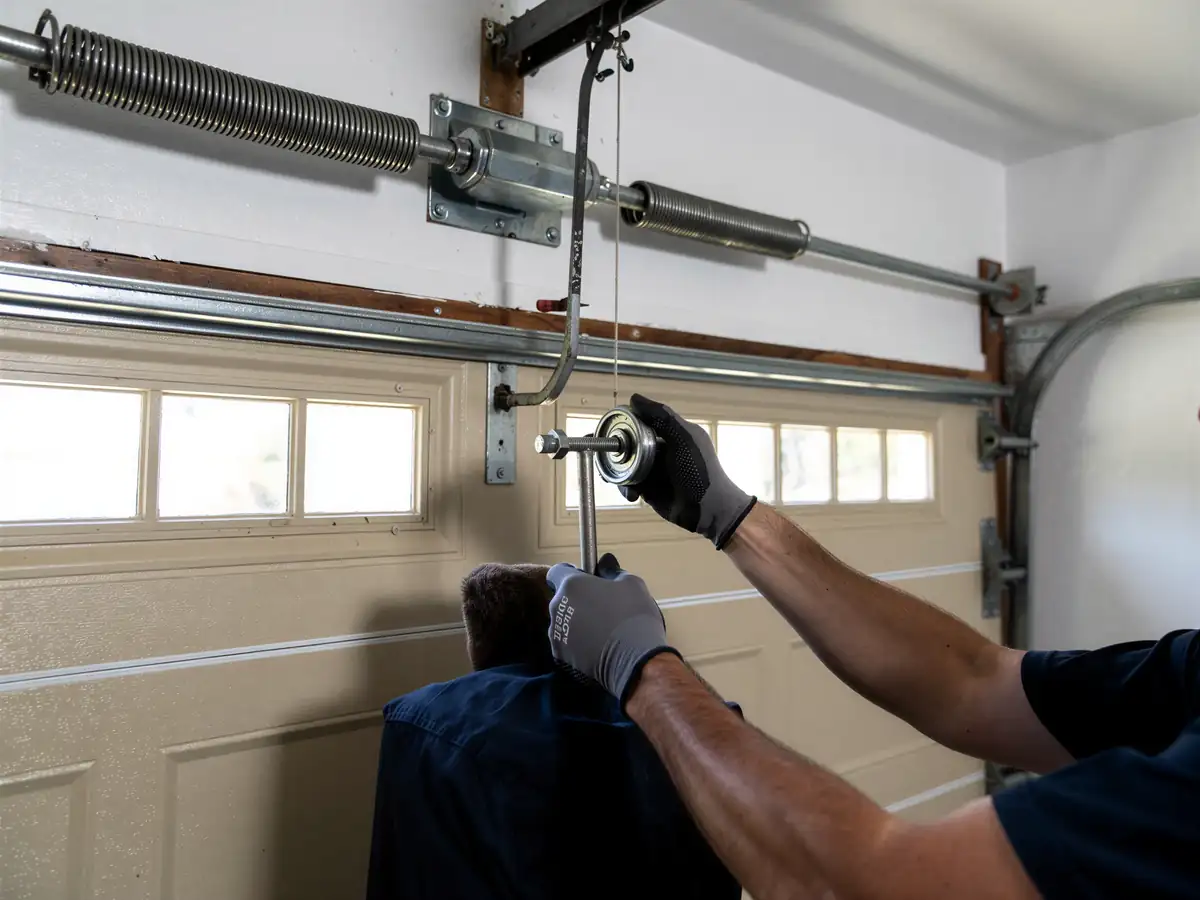
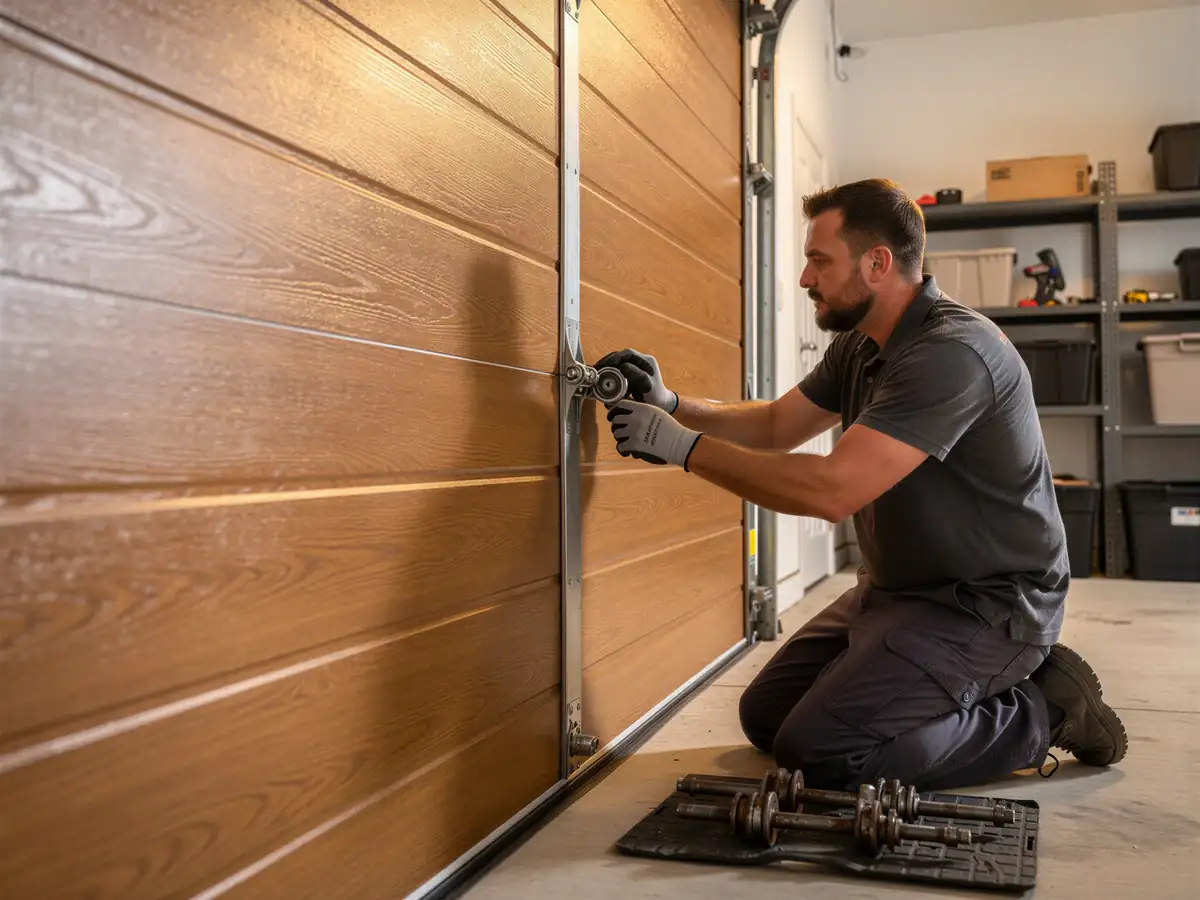
We pull the old rollers one at a time, support the door section
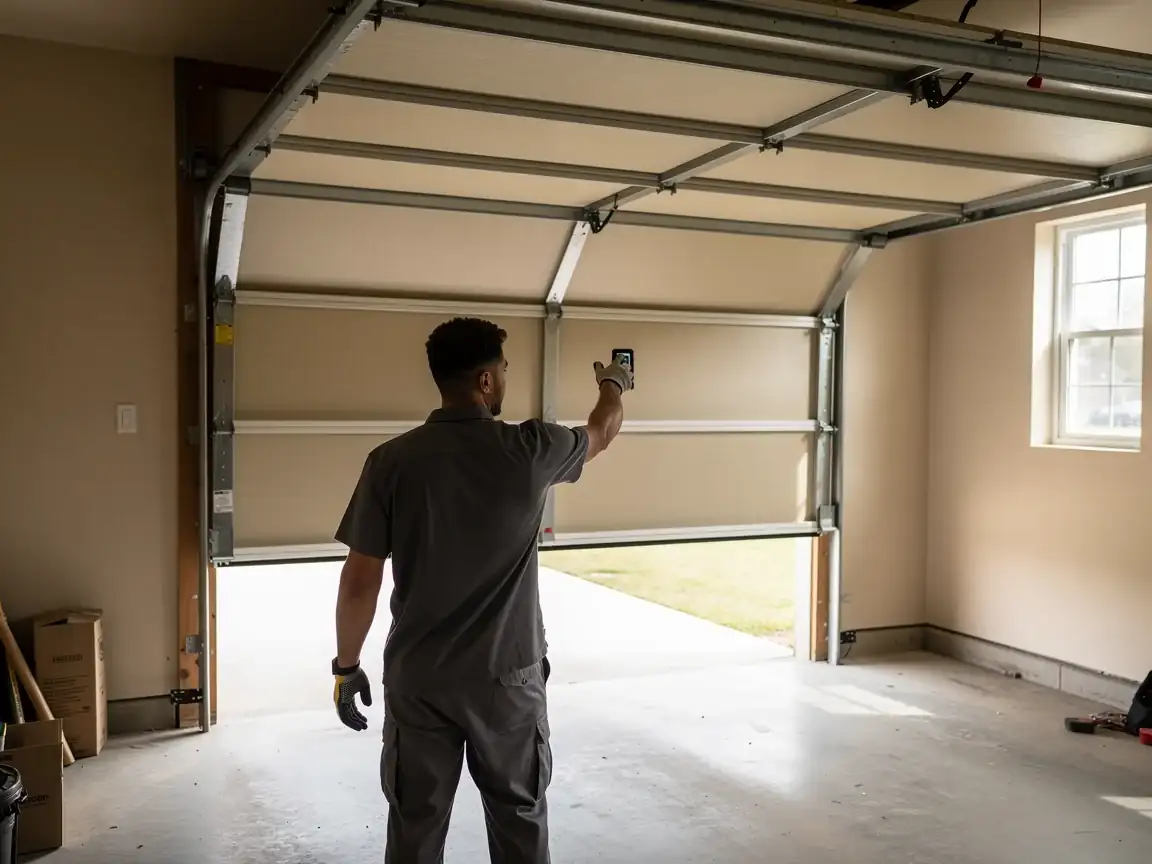
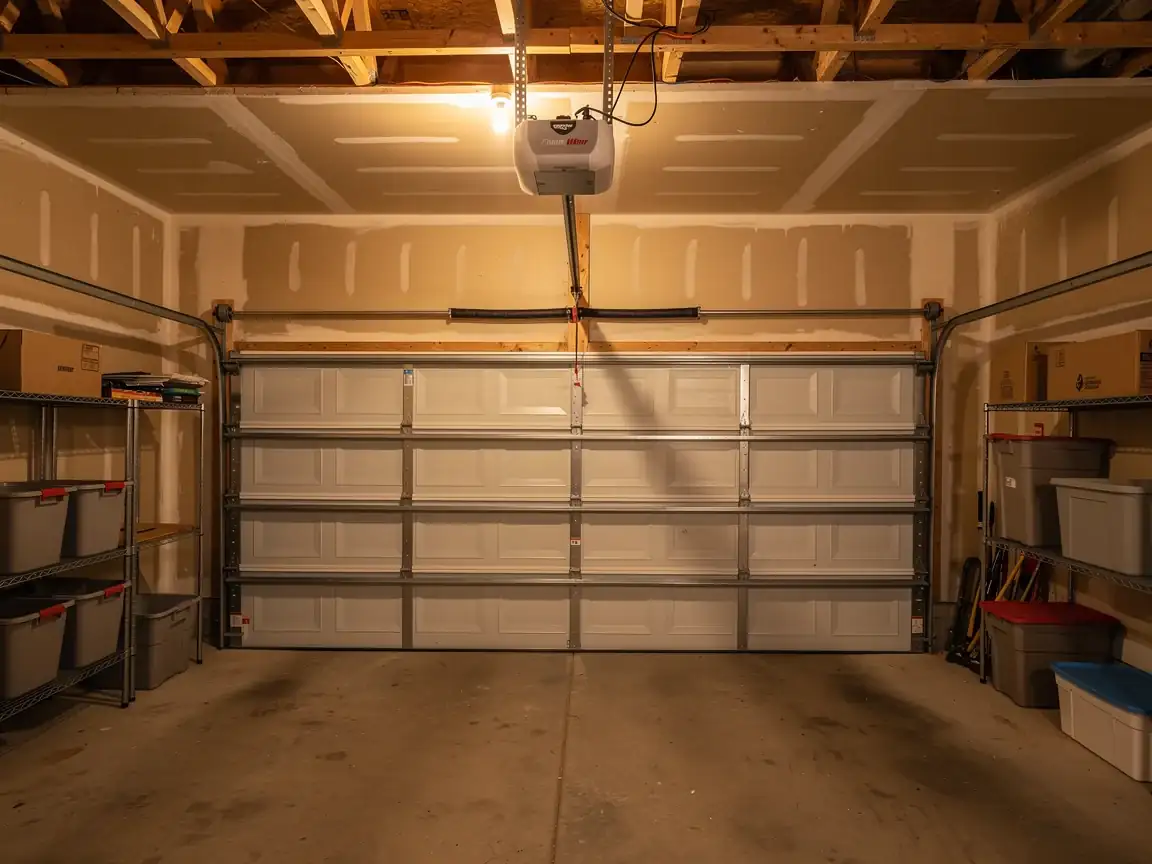
And check the track alignment before anything new goes in - on a house this age, the vertical track has often racked slightly over the years as the jamb settled, and a new roller riding in a bent track will just wear the same way the old one did. If the track's still true, we set nylon rollers with sealed bearings in place of the steel wheels, matched to the stem length the hardware actually needs.
We also check the hinges the rollers sit in
On steel doors from this build era, the hinge holes themselves sometimes elongate along with the roller stem wear, and a new roller in a stretched hinge hole will start the same failure cycle again within a year or two.
What Can Go Wrong
The most common surprise is a track that looks fine standing still but is bent in a way you only see once the roller's out and the section is unsupported - a bowed track can let a section drop a few inches if it's not braced first. We brace before we pull anything.
The other issue specific to this housing stock: original 1960s track is a profile that newer rollers don't always fit cleanly. If the track's narrow or the gauge is thinner than current stock, we sometimes need to replace a section of track along with the rollers rather than mixing new wheels into old steel. That adds to the job, so we tell you before we start, not after.
Why This Fails Locally
Rantoul's median household income sits at $49,821, noticeably below the roughly $81,703 median across the wider service area this company covers. That gap matters for roller choice: a lot of homeowners here have been deferring a full door replacement and getting rollers done instead, which is the right call mechanically as long as the track underneath is sound - it's the cheaper fix that actually holds.
The area also sits in a cold climate band with real winter swings, and steel rollers contract and seize slightly in hard cold, which is exactly when a worn roller finally locks up instead of just complaining. Nylon rollers tolerate that temperature swing better, which is one reason they outlast steel on houses built in this window.
Doing It Yourself
Swapping a single roller on a side panel
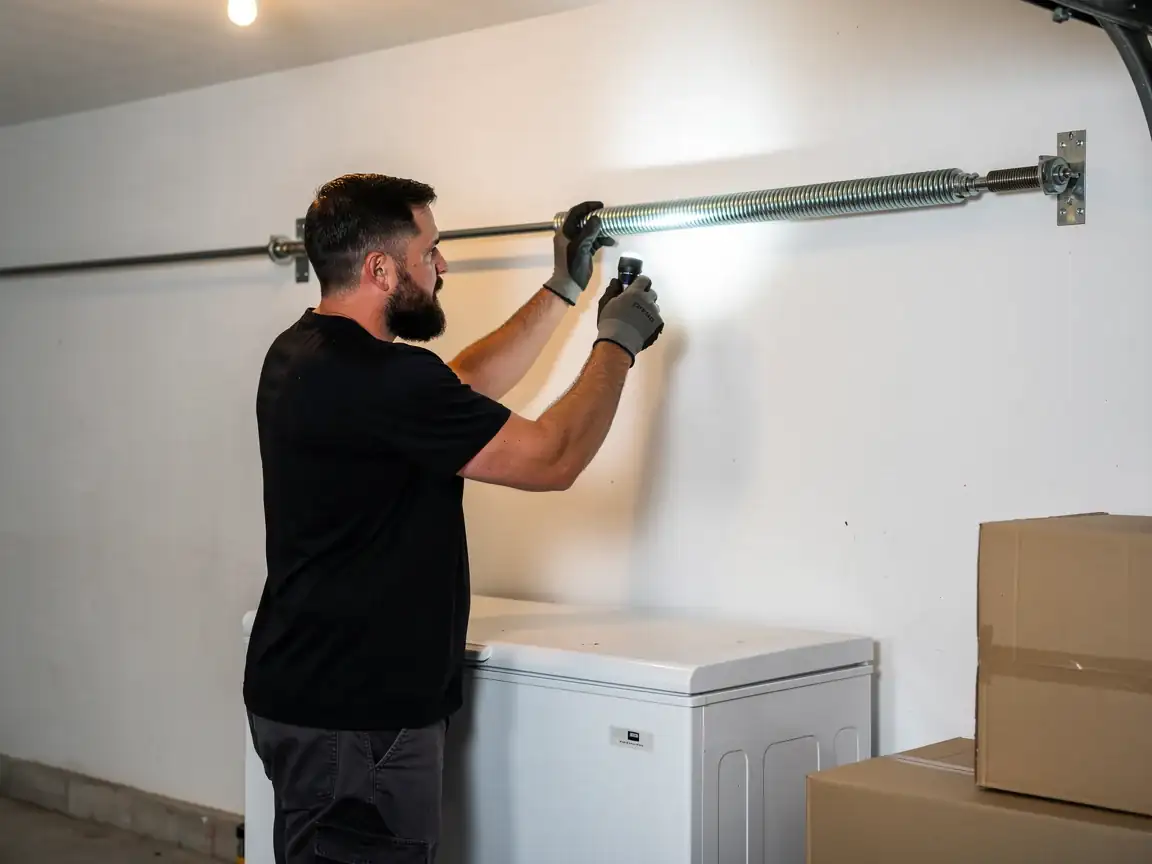
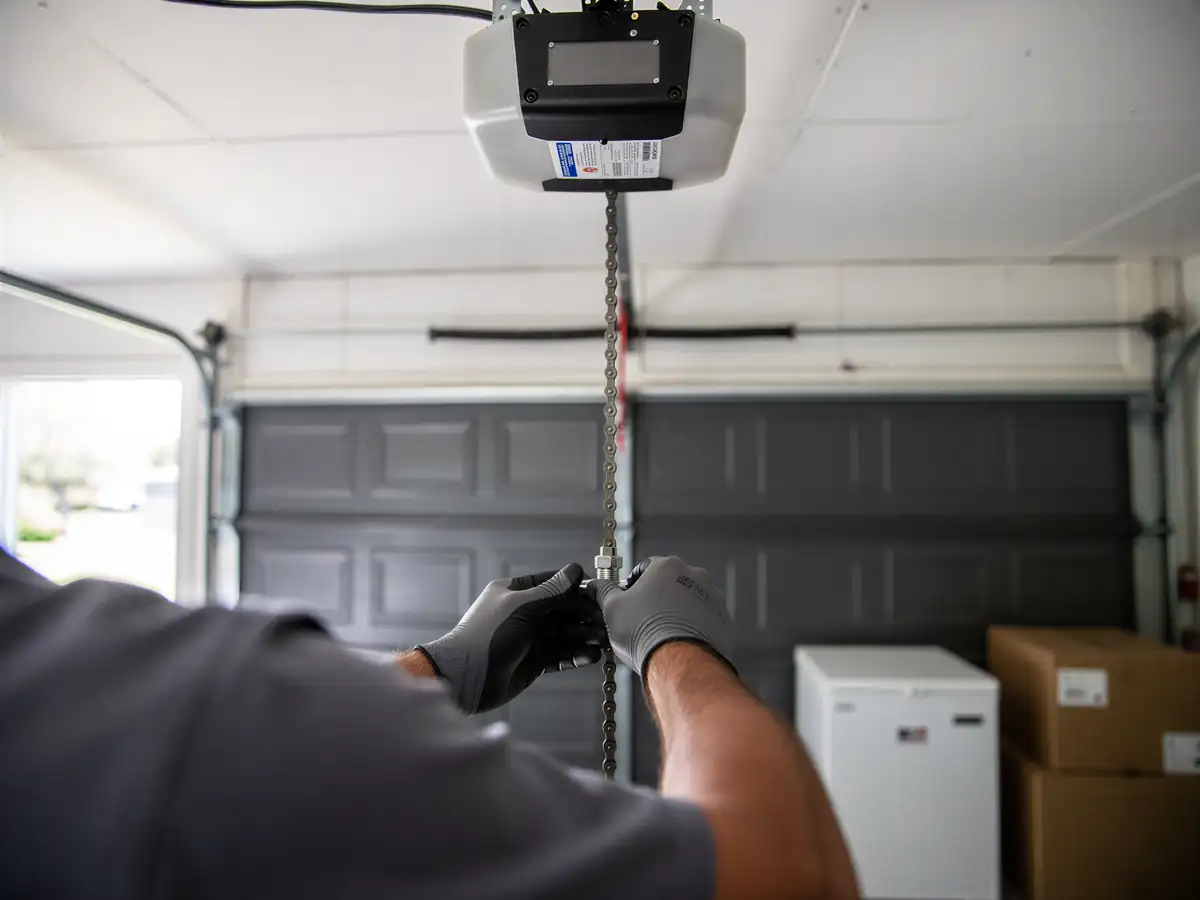
With the door down and the opener disconnected, is within reach for a careful homeowner - loosen the hinge, slide the old roller out, slide the new one in, retighten. What isn't a DIY job is anything involving the two bottom rollers, since they sit under spring tension and cable, or anything where the track itself needs straightening or replacing.
Our honest limit here
If the track is bent badly enough to need replacing, we're not going to sell you a roller fix that won't hold. That's a different, bigger job, and we'll say so on site rather than charge you twice.