The Symptom
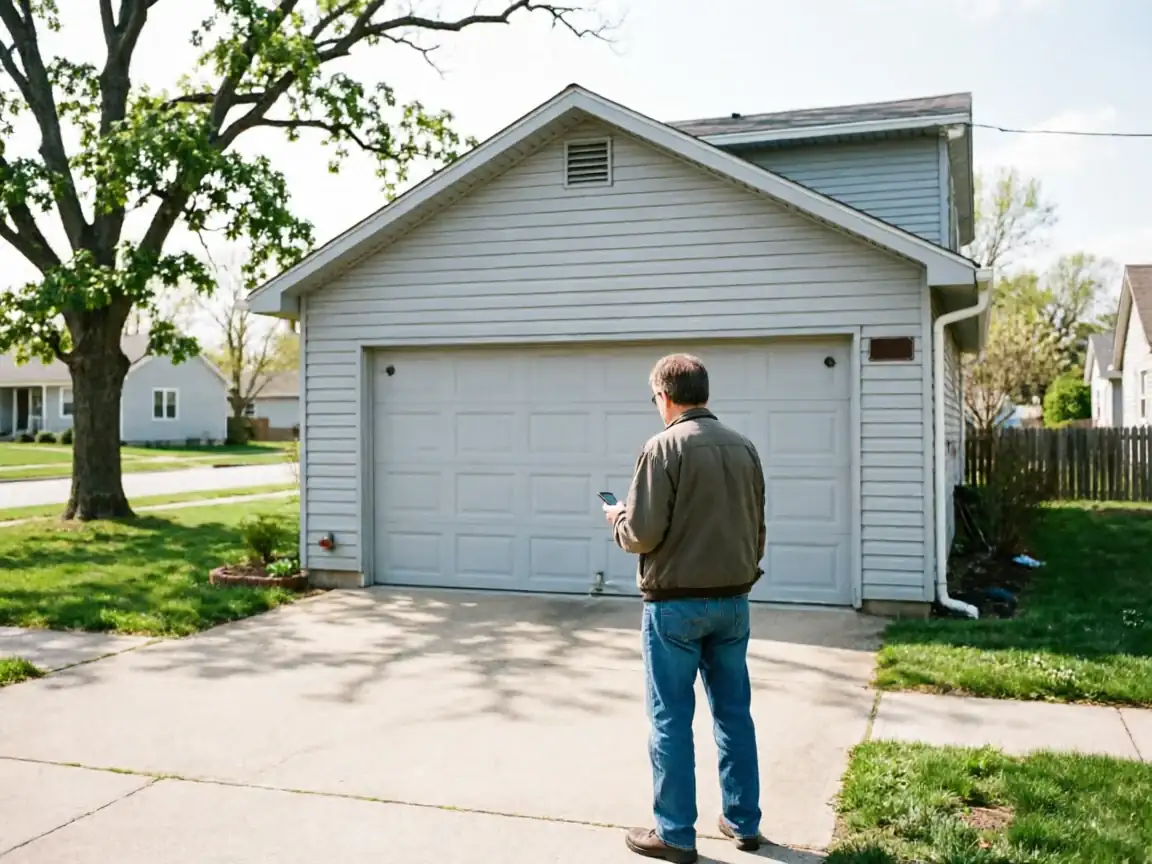
Rantoul is a smaller town - 5,086 households, not the tens of thousands spread across the wider service area. That size shapes what we see when a call comes in. In a bigger town you get every decade of garage door hardware mixed together on one street. Here, the symptom repeats: an opener groaning on the way up, a remote that works some days and not others, a unit that's clearly original to the house and finally giving out. When the housing stock is this uniform, the failure pattern is too. Most of what we're called out for is the same chain-drive unit from the same era, wearing out the same way, on doors built to the same spec.
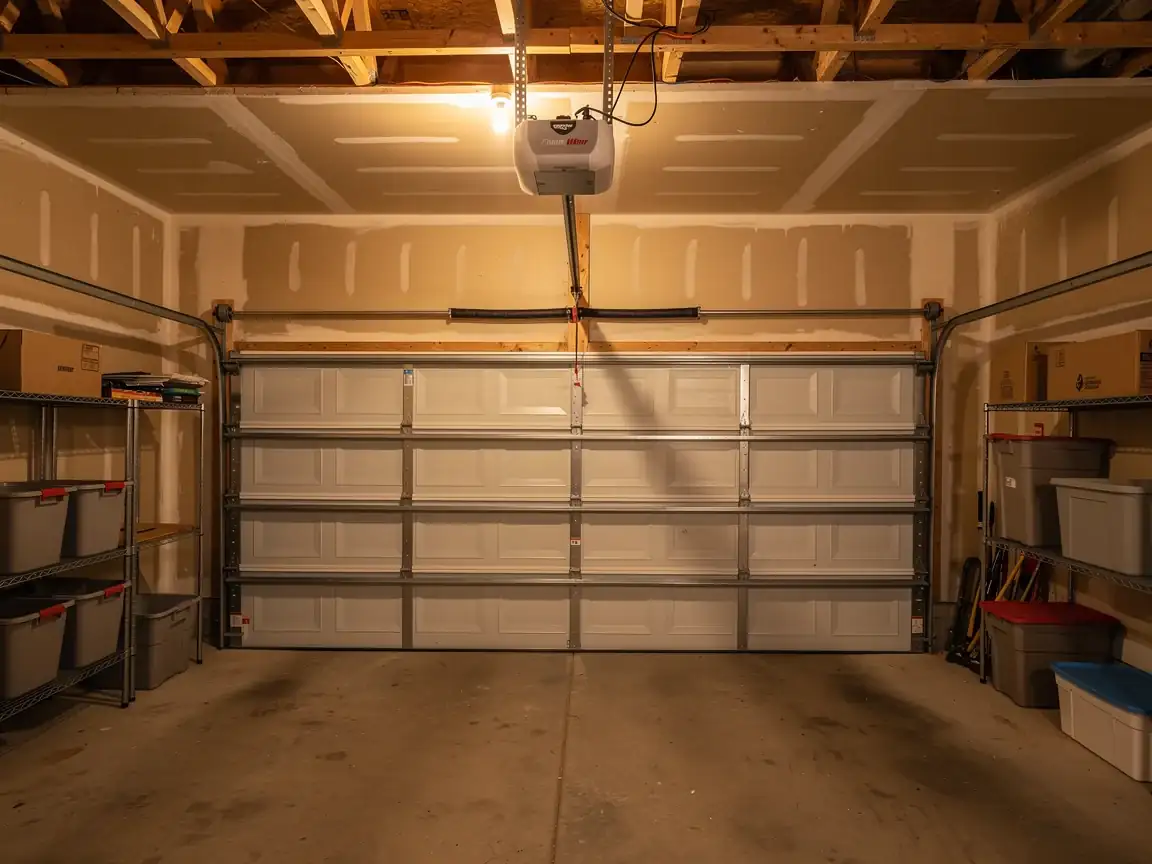
That's actually useful. It means when you call about an opener acting up, we already have a good guess at what's inside the housing before we open the truck doors - a 1/3 or 1/2 horsepower chain-drive, often without a battery backup, on a door that was never engineered for a modern Wi-Fi unit's mounting bracket. We still check it in person. But the guesswork is smaller here than it is in towns with a more scattered build history.
Time on the Job
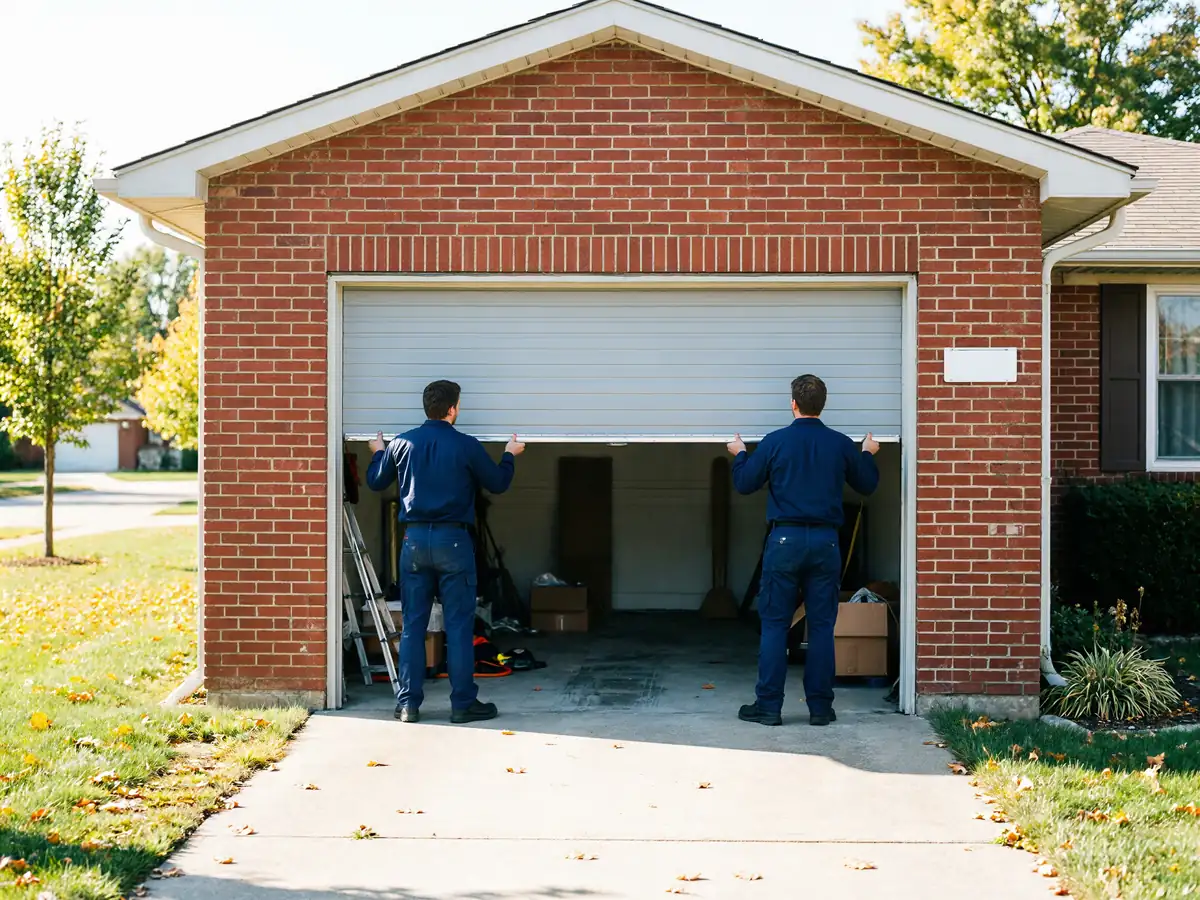
We run this job out of Champaign, and Rantoul is 14 miles out. That's not a complaint - it's just the planning reality for both of us. We don't keep a branch or a standing crew in Rantoul, so when you book an opener install, we're driving the distance for that visit, and we'd rather do the full job in one trip than come back twice for something we could have caught the first time.
If your garage has other issues riding along with a dead opener - a bent track, a spring on its way out, rollers that are seizing - tell us when you call. Bundling it into the same trip from Champaign means one visit covers it instead of two separate drives out. We're not going to promise a same-day arrival here; we're honest that a 14-mile trip from Champaign gets scheduled like any other job on the route, not treated as an emergency stop unless the situation genuinely is one.
How We Fix It
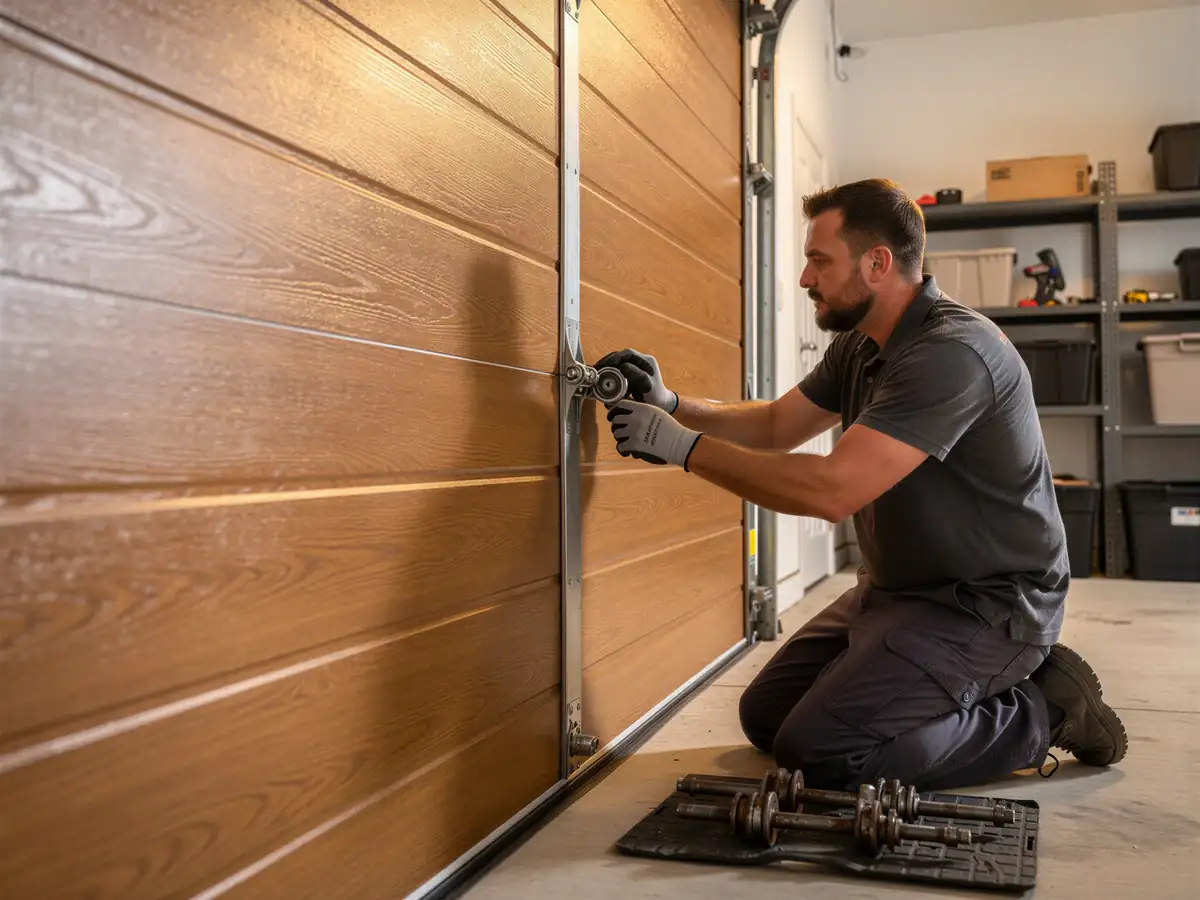
Installing an opener in a Rantoul garage usually starts with the door itself, not the unit
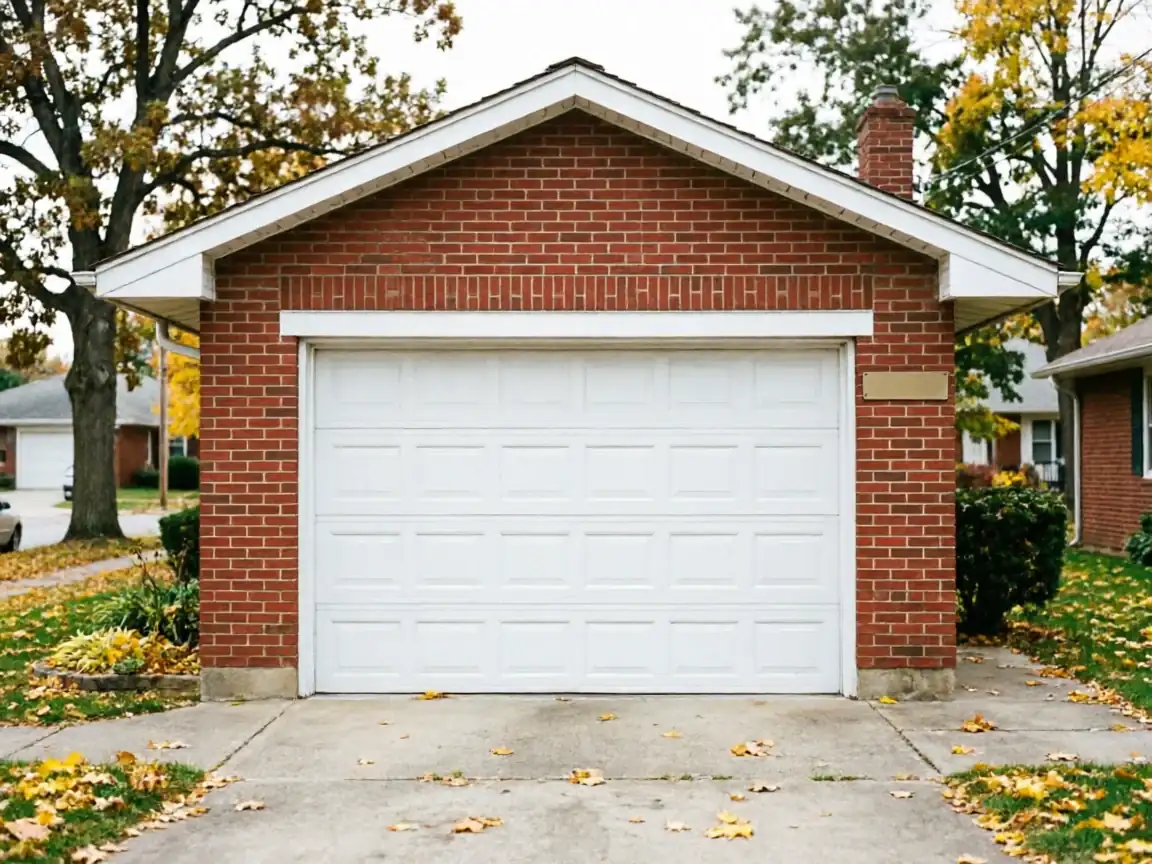
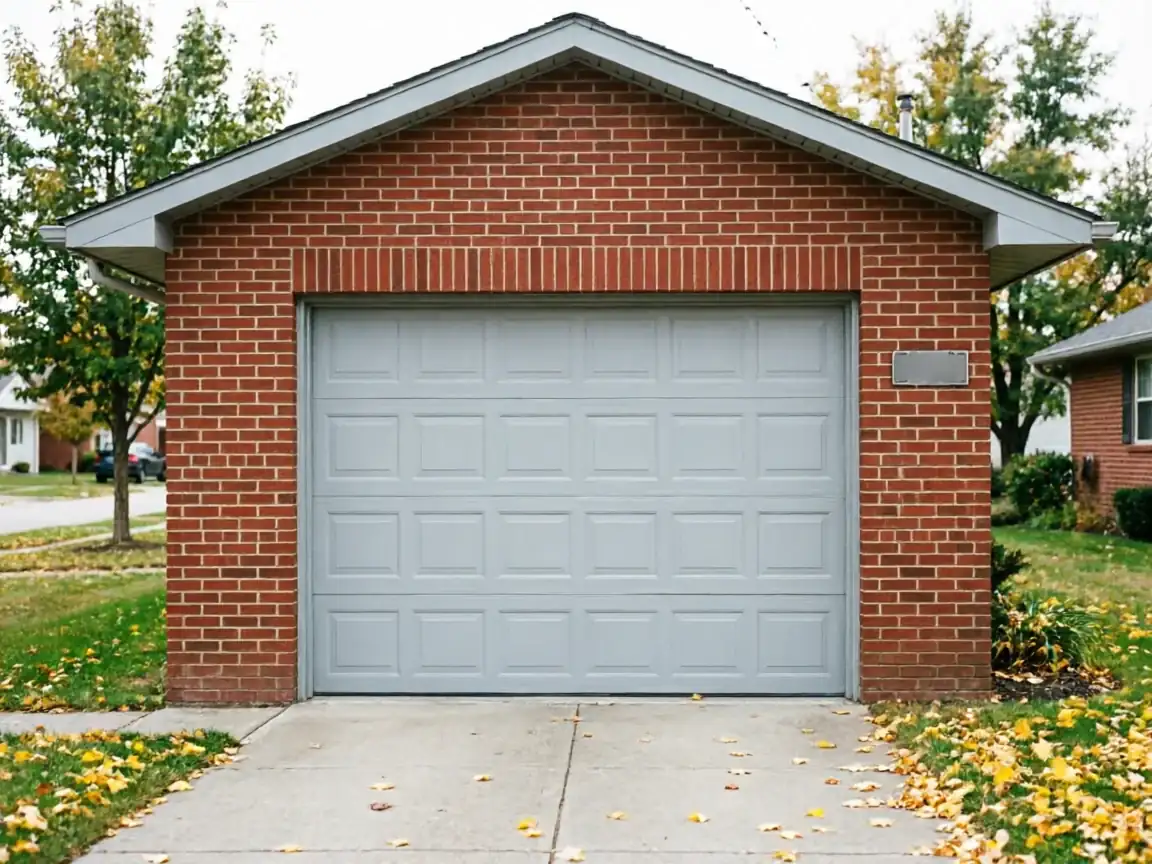
Houses here went up mostly around 1965, which means steel doors and track hardware sized for openers that were simpler and lighter than what's sold today. We measure the door's actual weight and balance before we pick a horsepower rating, because mounting a modern 3/4 horsepower belt-drive on hardware built for a half-horsepower chain-drive is how you strip gears in under a year.
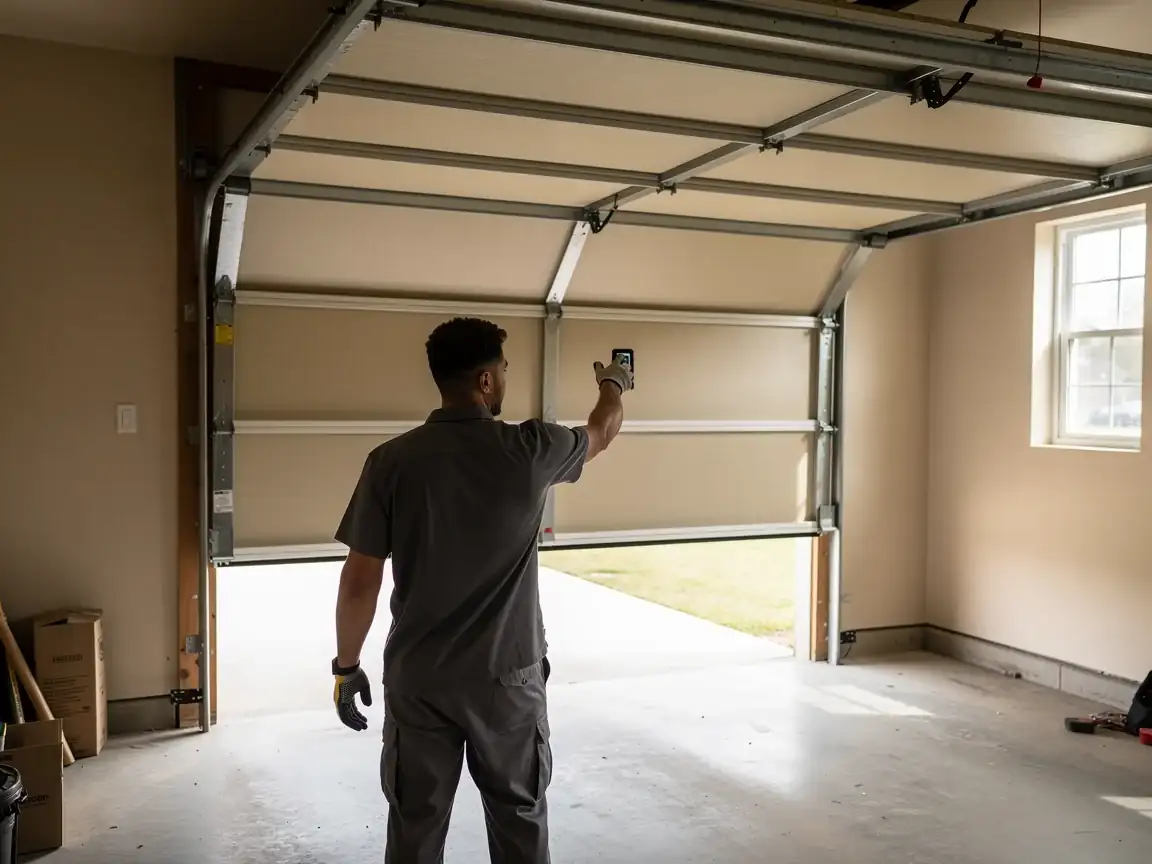
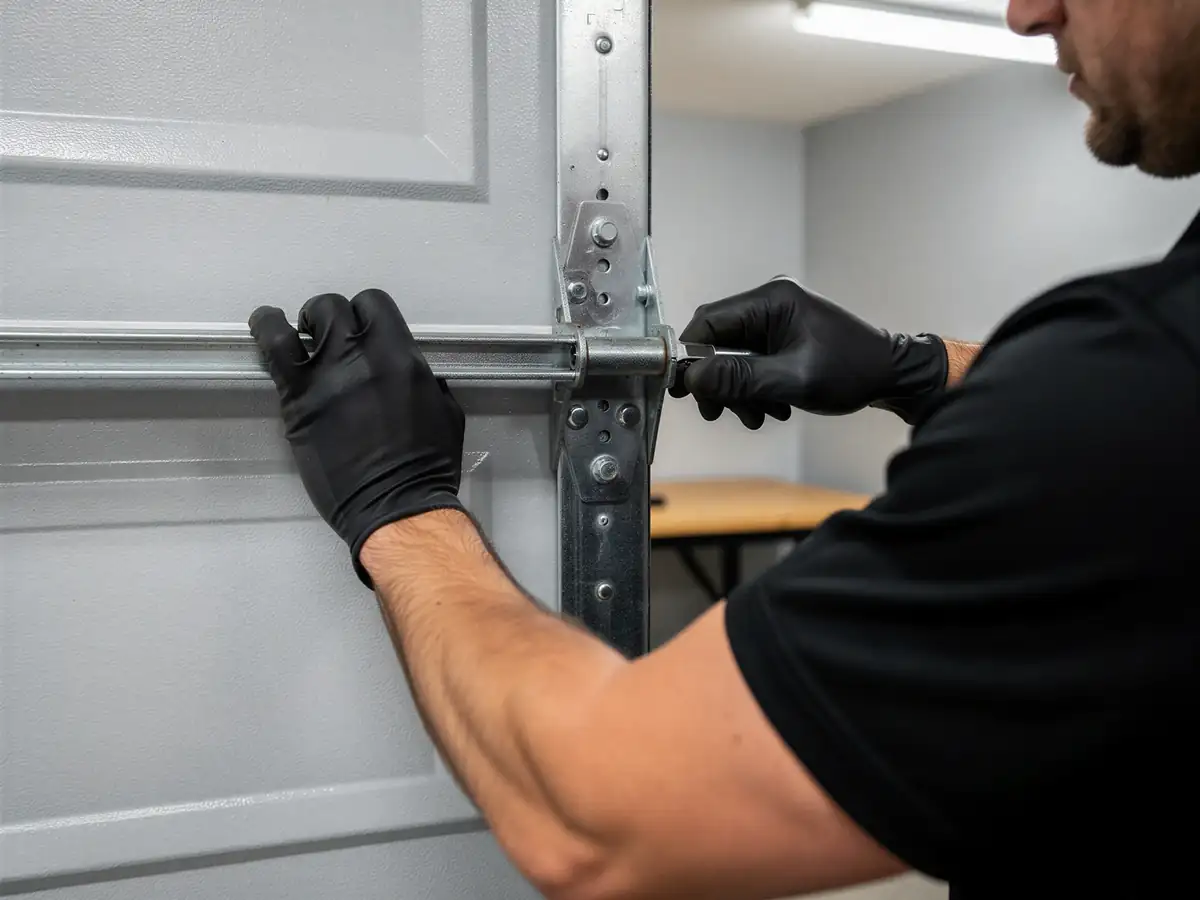
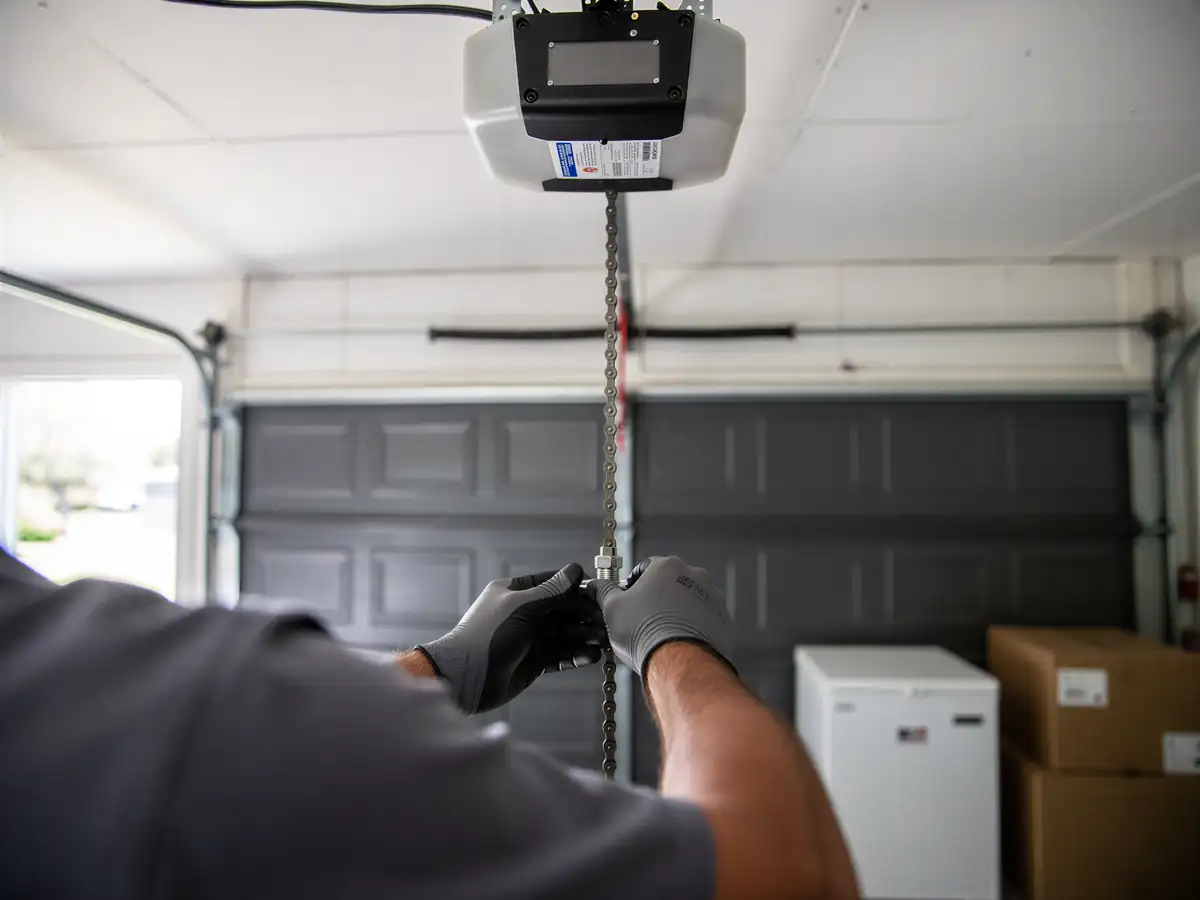
We mount the rail, set the limit switches to the door's actual travel (which on older doors is rarely the factory default)
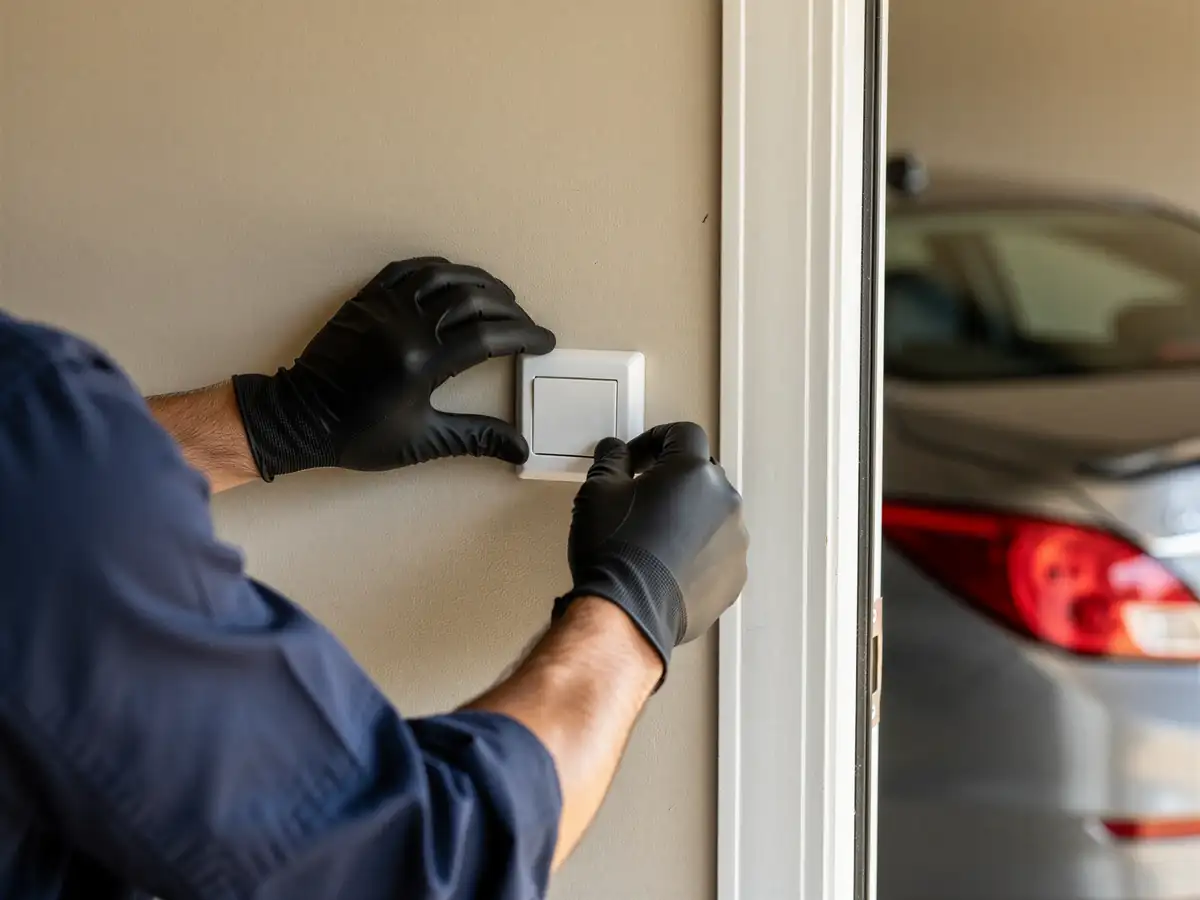
Wire in the safety sensors at the height code requires, and test the auto-reverse with a real object in the door's path - not just a visual check. If the existing track or springs won't support the new unit safely, we say so before we install anything, rather than bolting a new opener onto hardware that's going to fail next season anyway.
What Can Go Wrong
The most common mistake we find undoing other people's work is an opener sized for the wrong door weight - too much force masks a bad spring instead of fixing it, and too little leaves the opener straining every cycle until the motor burns out early. On the older steel doors common here, rust at the track brackets is another one; a new opener bolted to a bracket that's half rusted through will work for a few months and then start binding.
Wiring is the other spot people cut corners. A opener installed without a dedicated outlet, or with the safety sensor wiring just stapled along the floor where it gets caught by whatever's parked in the garage, is a callback waiting to happen. None of this is unique to any one brand of opener - it's about matching the install to the door that's actually there, not the door the manual assumes you have.
Why This Fails Locally
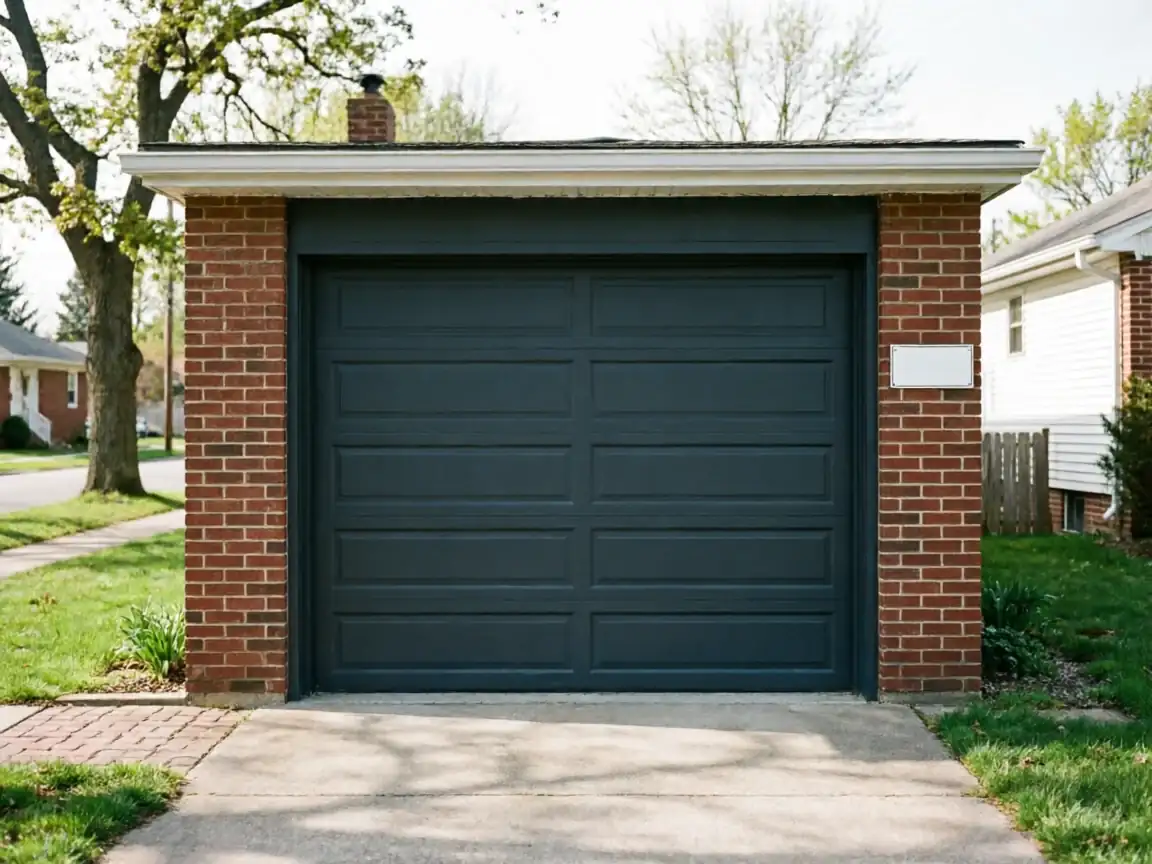
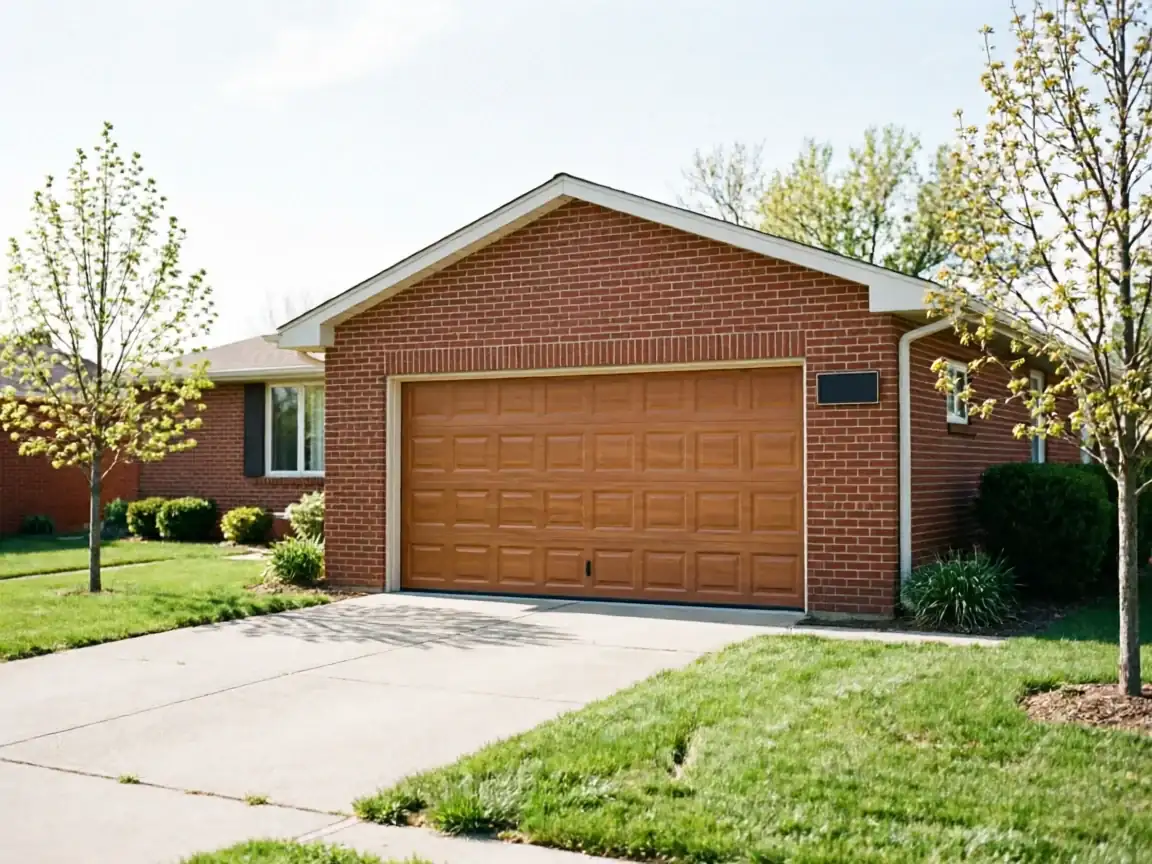
Most houses here went up around 1965, nine years ahead of the 1978 median across the rest of the service area, so the track brackets and door weights the opener has to lift are lighter, older steel than what you'd find on a house built in the '80s. An opener sized by a national big-box chart, built around a generic 16-foot double door from the 2000s, can be flat wrong for what's actually hanging in a Rantoul garage.
At a median household income of $49,821, well under the $81,703 average across the twelve towns we cover, the openers that make sense here are usually the mid-range chain-drive units, not the top-tier Wi-Fi models with smart-home integration that get quoted in higher-income pockets of the service area. That's not a knock on the town - it's just where the value sits. A reliable chain-drive opener properly matched to a 1965-era door will outlast a premium unit mismatched to the same hardware, and it costs less to begin with.
Doing It Yourself
Swapping an opener yourself isn't crazy if the door and track are already in good shape and you're comfortable with basic wiring and a ladder
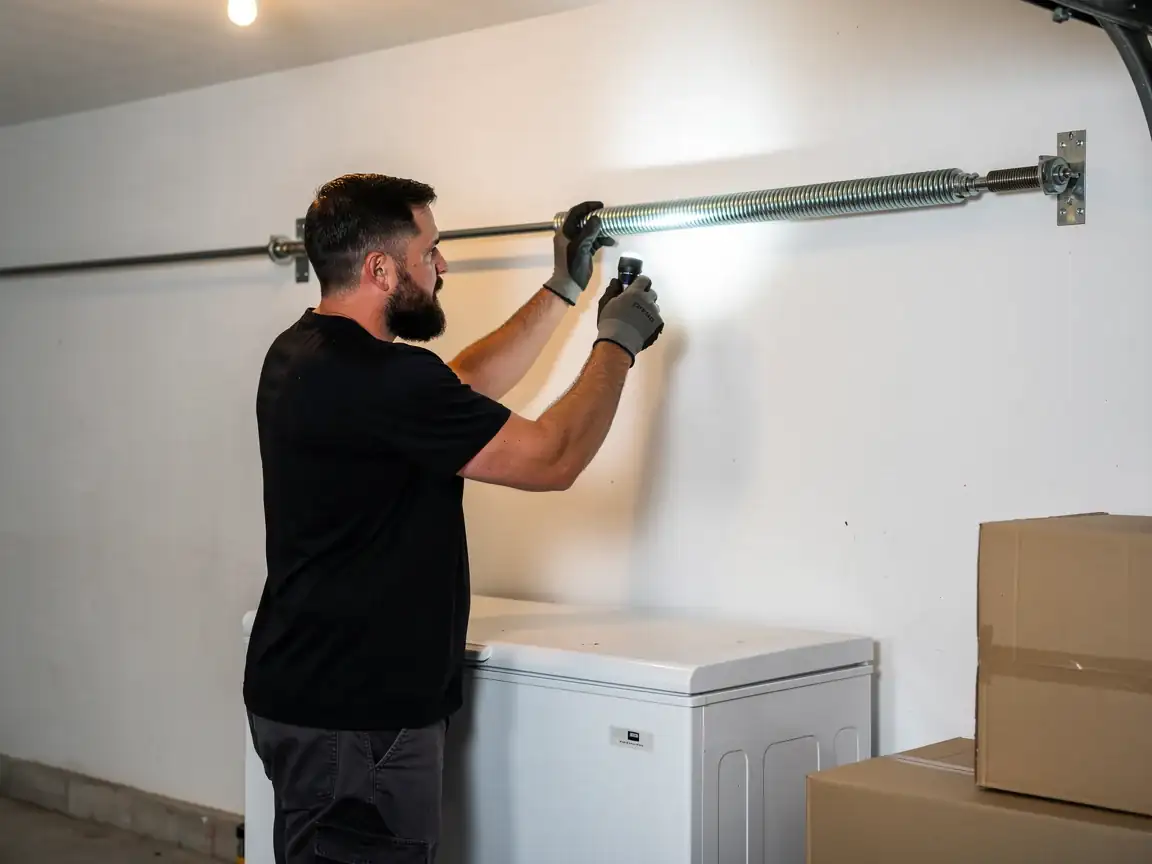
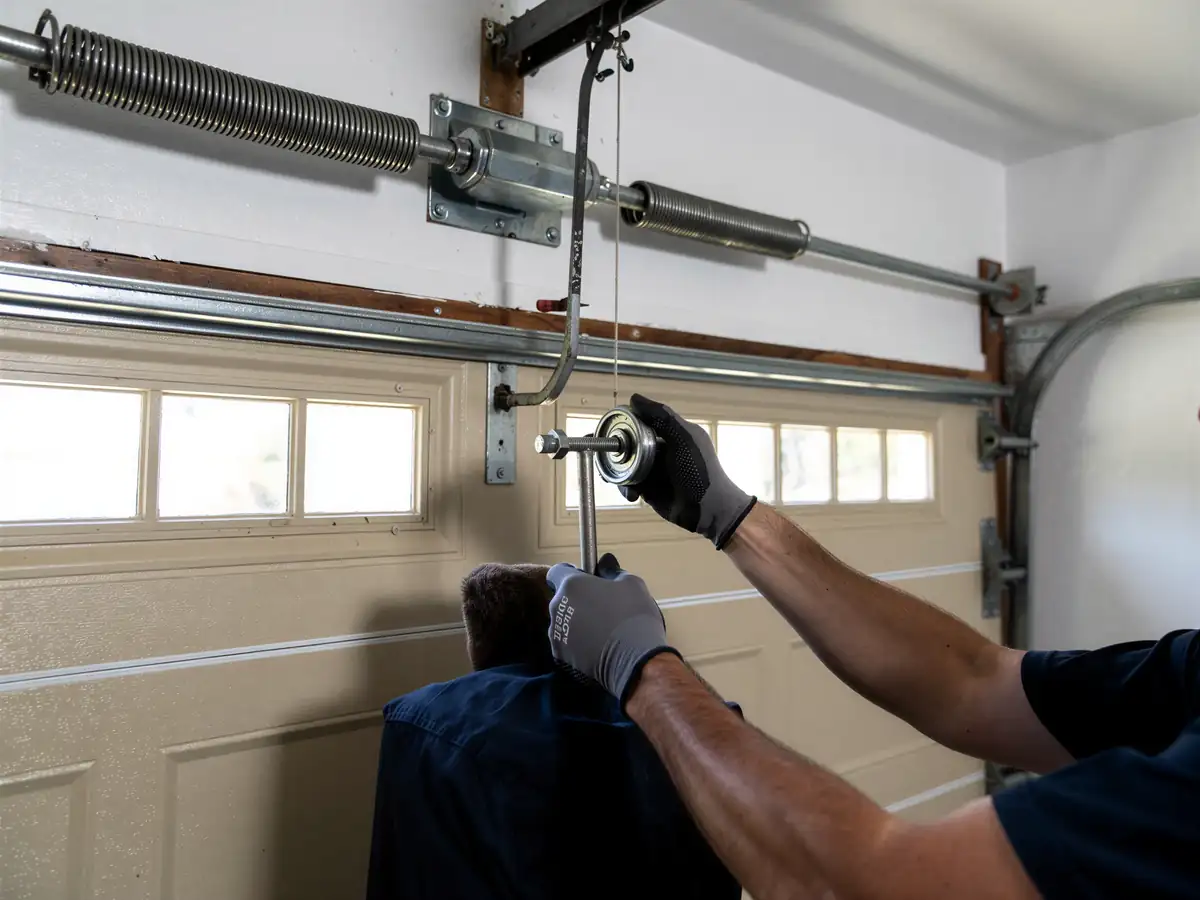
Where people get hurt, literally, is the spring system - garage door springs hold enough tension to cause real injury, and that's not a DIY step regardless of how simple the opener box makes the rest of the job look.
The other place DIY installs go wrong is the safety sensor alignment and auto-reverse test
It's easy to get a door that closes fine on an empty driveway and still fails to stop on an actual obstruction, because the sensors are a half-inch out of alignment. If you're not going to test that step properly with a real object, it's worth having someone check it even if you did the rest of the install yourself.
We'll be straightforward about one limit of our own
We don't stock every opener brand's parts on the truck, so if your existing unit needs a specific replacement part rather than a full swap, there can be a short wait on ordering it. For general opener installs, see our page on <a href="/garage-doors-rantoul/">garage door service in Rantoul</a>, and if you're closer to Champaign itself, our <a href="/garage-door-opener-installation-champaign-il">Champaign opener installation page</a> covers that side of the service area.