The Symptom
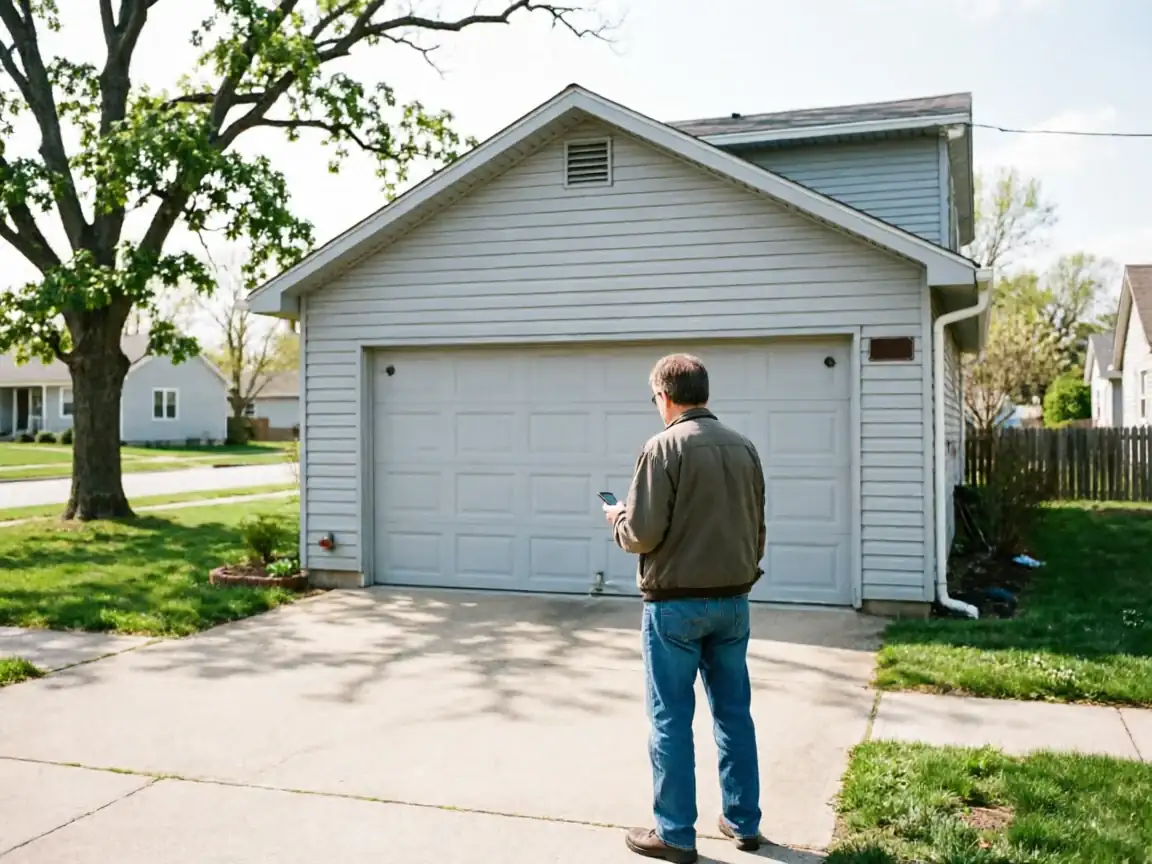
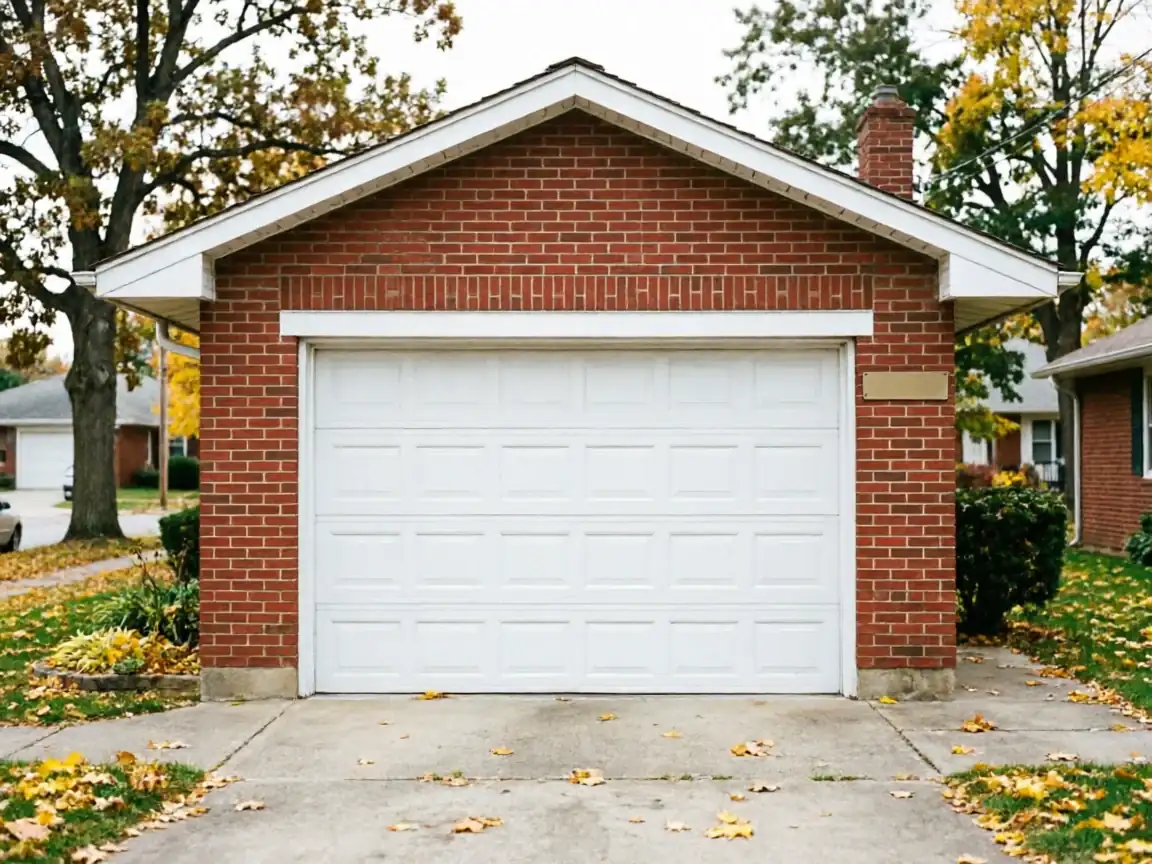
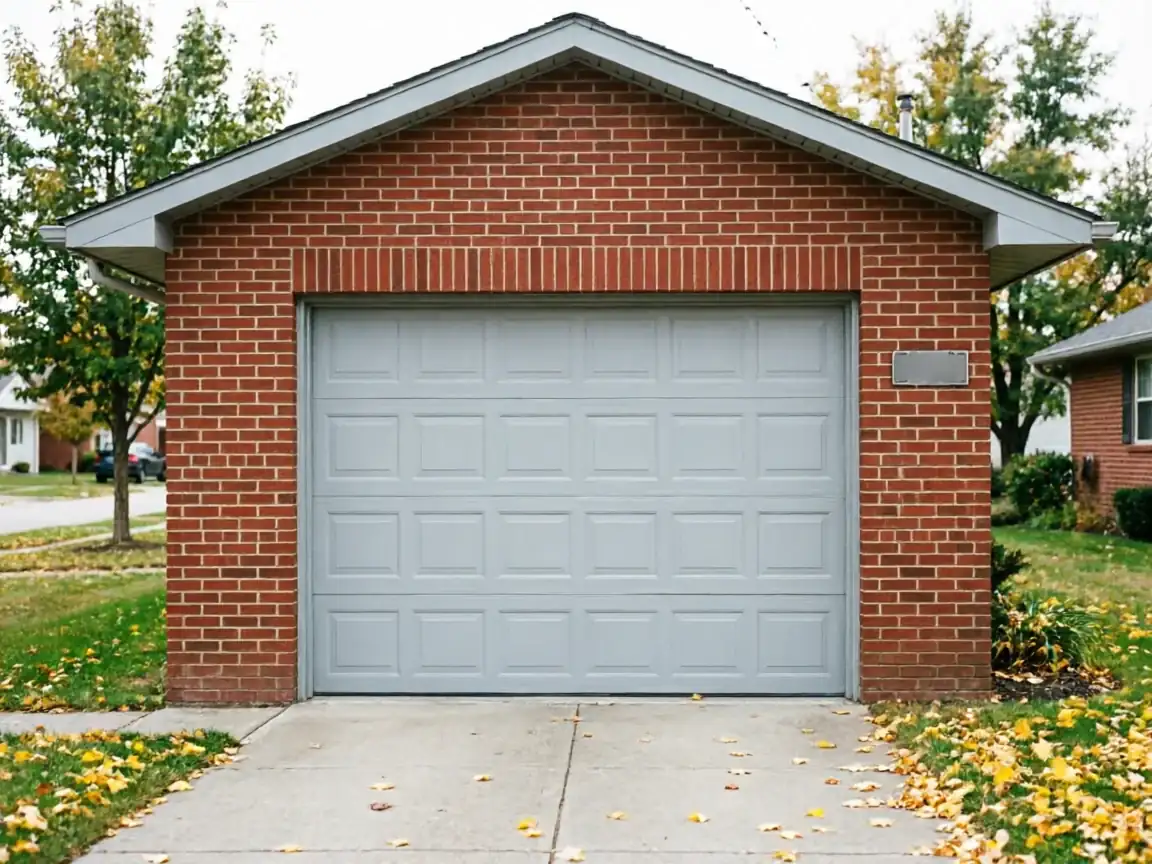
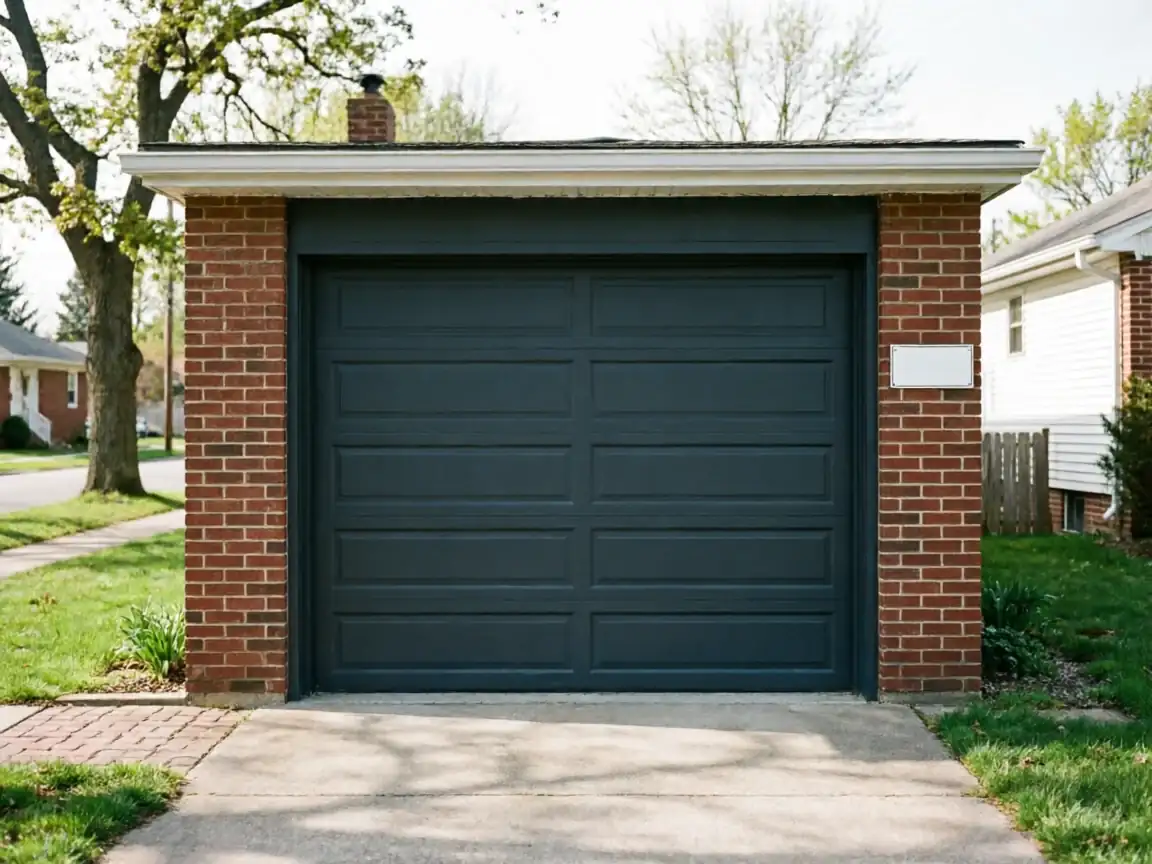
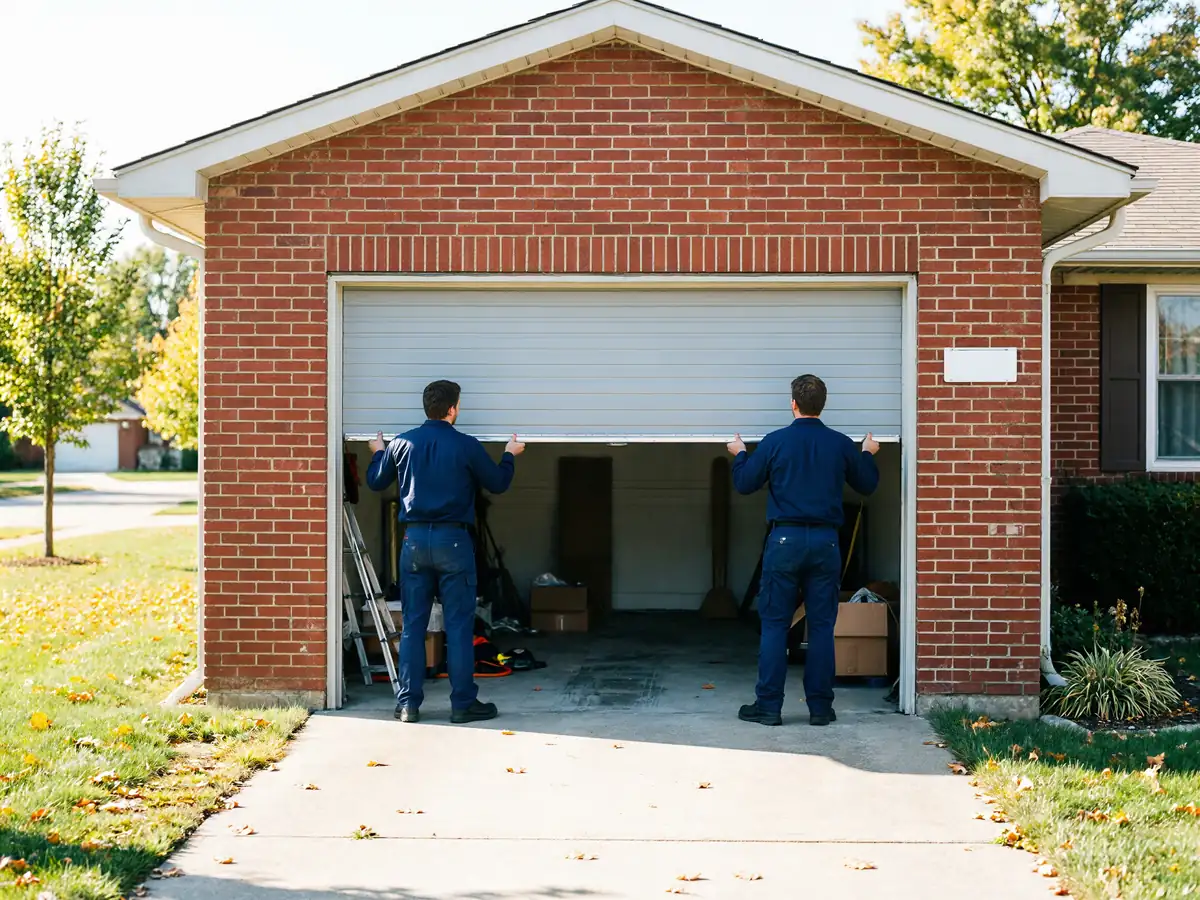
Rantoul sits about fourteen miles from our Champaign shop, tied with Fisher as the farthest stop on our regular route. That distance doesn't change how a torsion spring breaks or how an opener motor burns out, but it does change how the job gets scheduled - a Rantoul call is a dedicated trip, not a drive-by between two closer jobs. What usually brings us out here isn't an emergency at all. It's an owner standing in front of a door that still works but barely: a single steel panel from the 1960s, sagging on its track, the paint gone chalky, hardware that nobody makes replacement parts for anymore. The door isn't broken. It's just old, on a house that's old in the same specific way as most of its neighbors.
Time on the Job
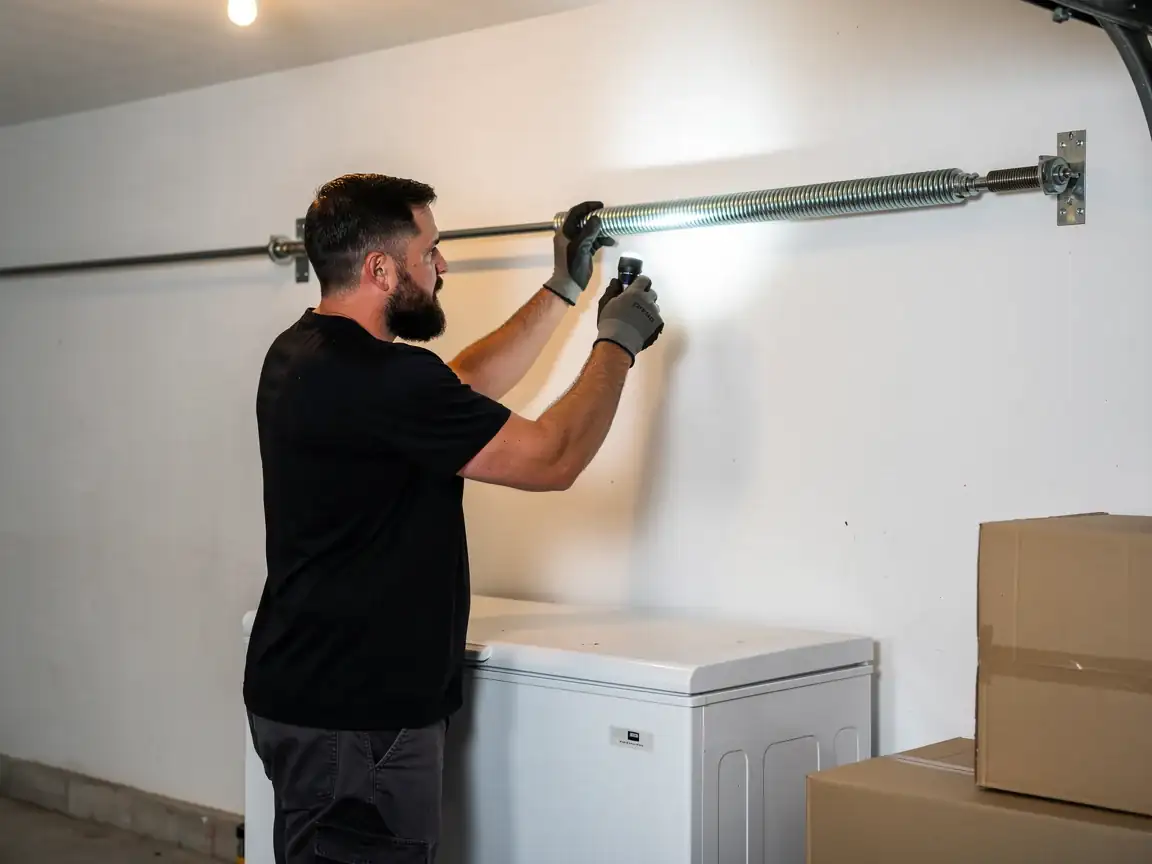
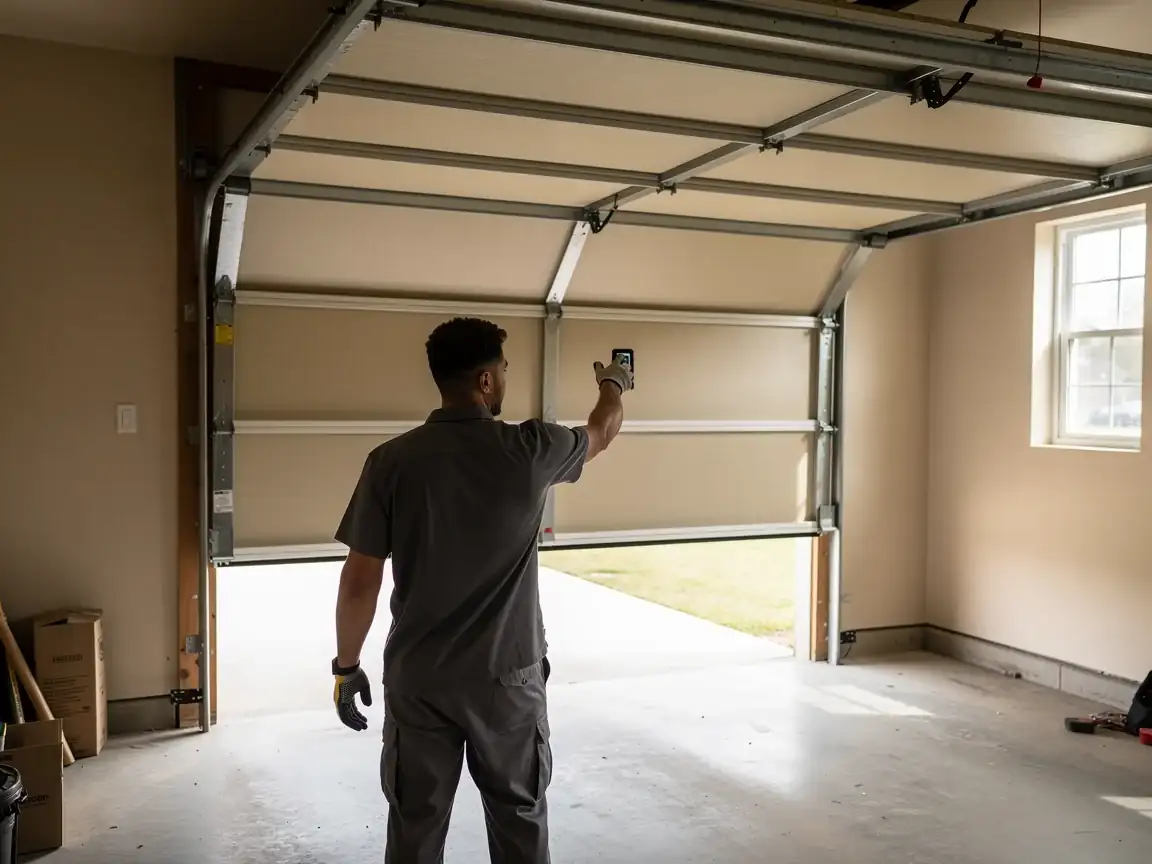
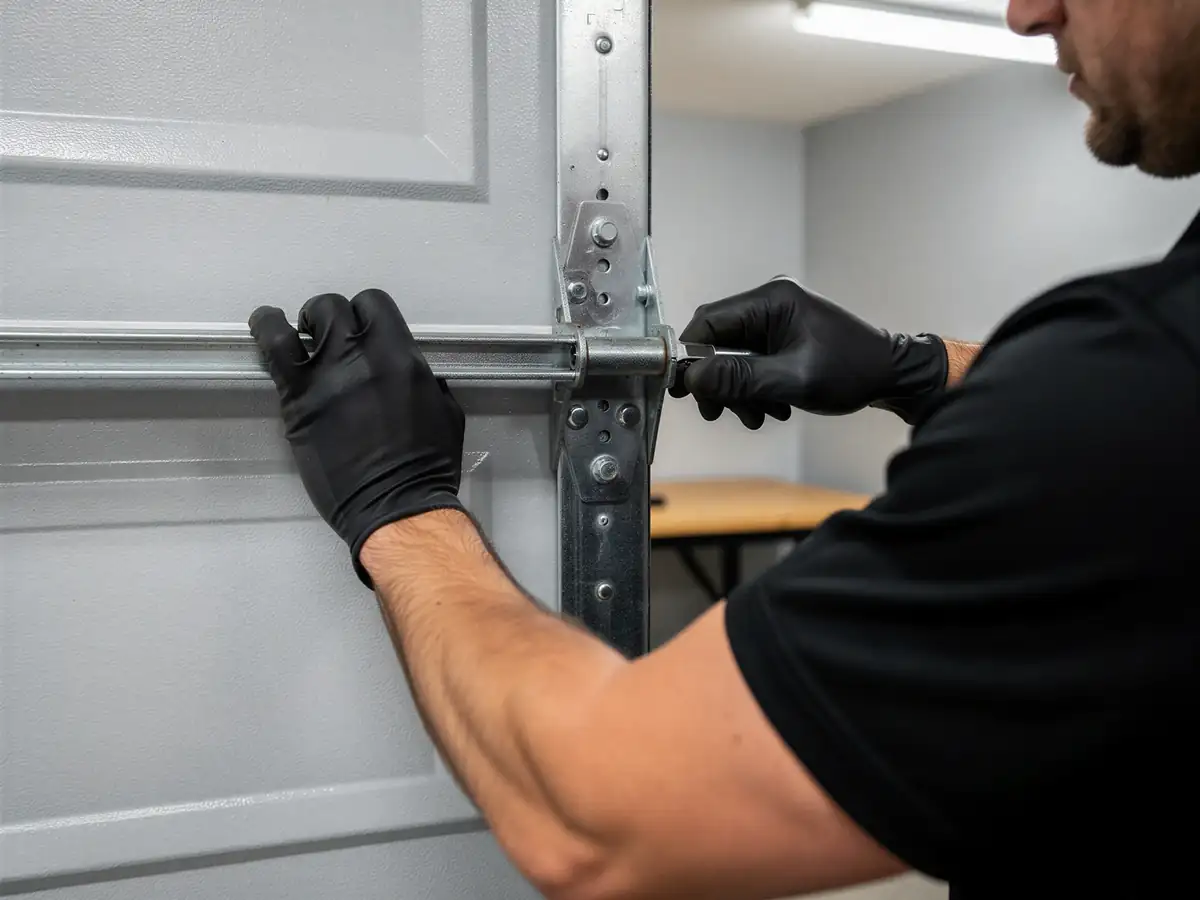
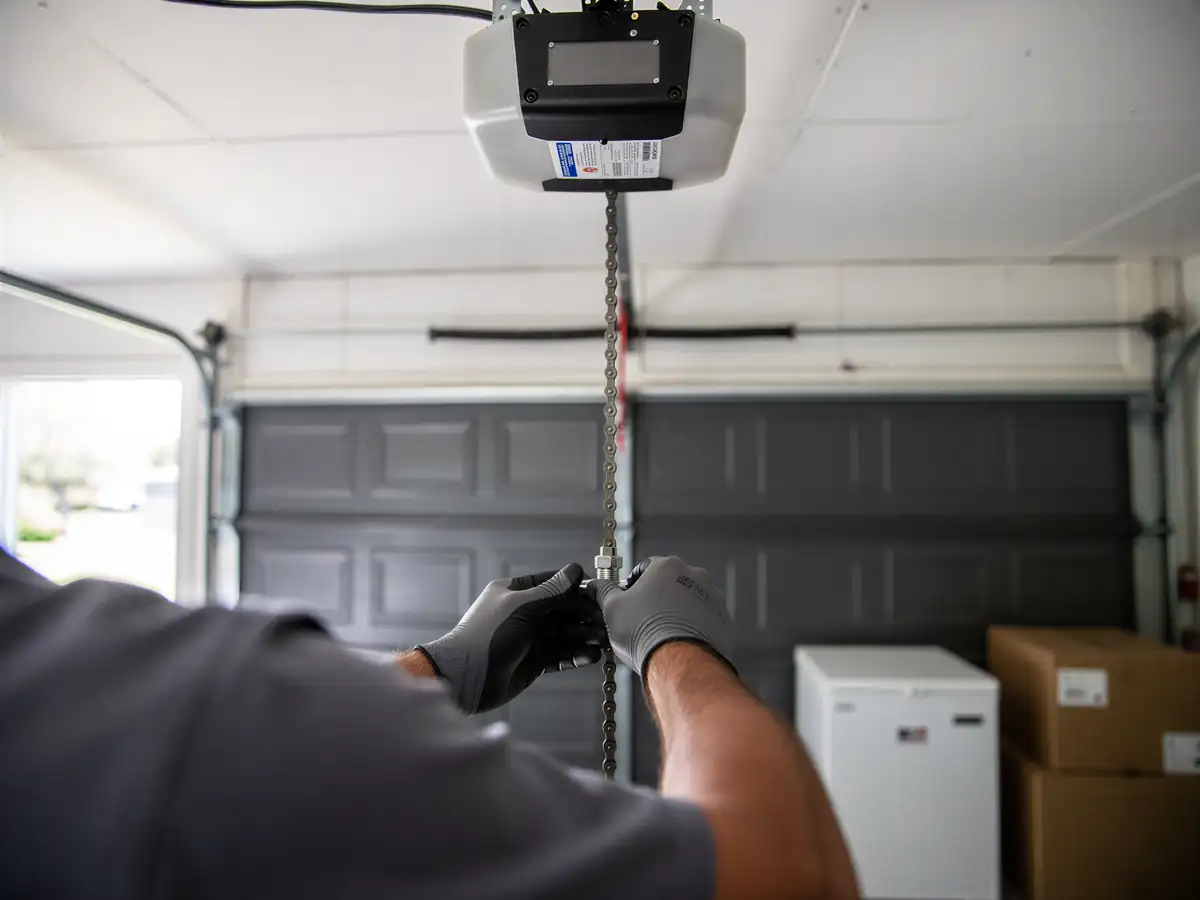
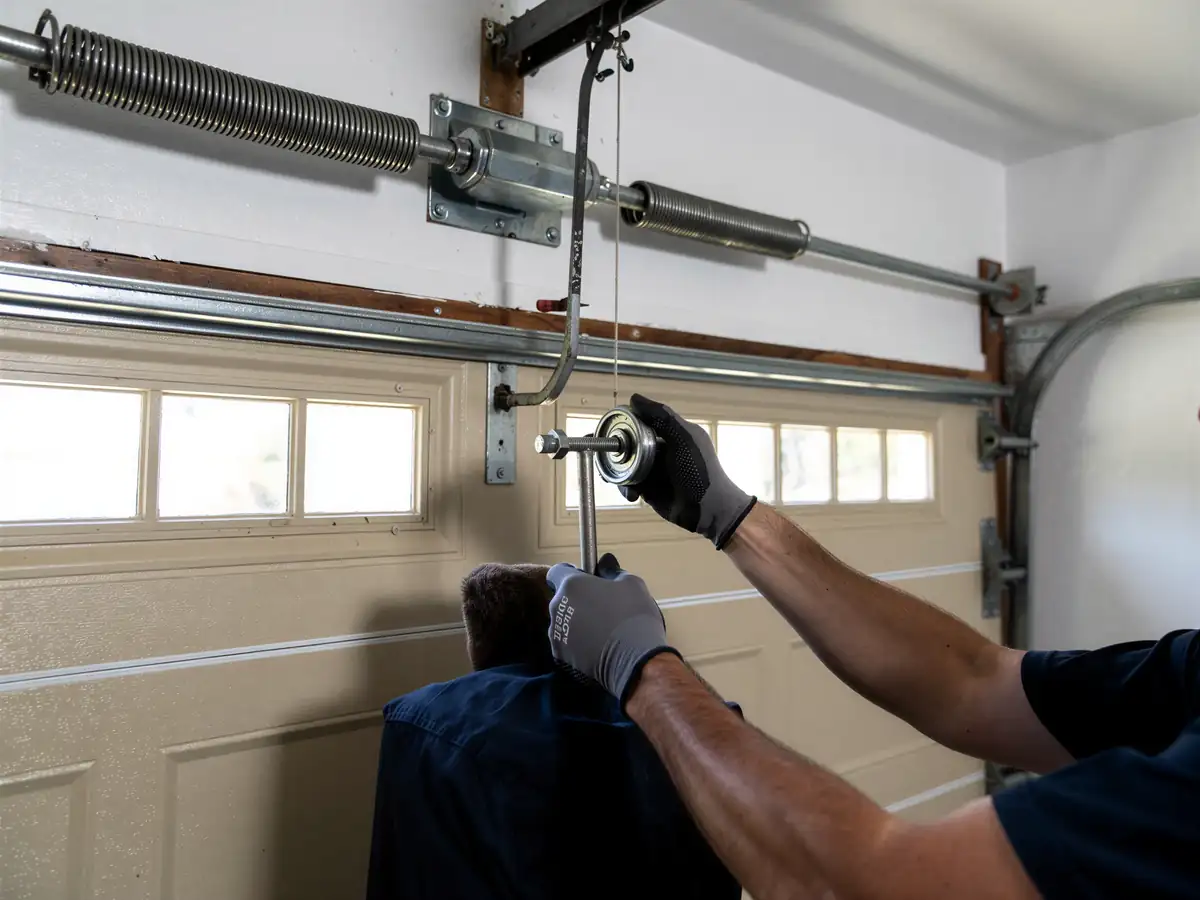
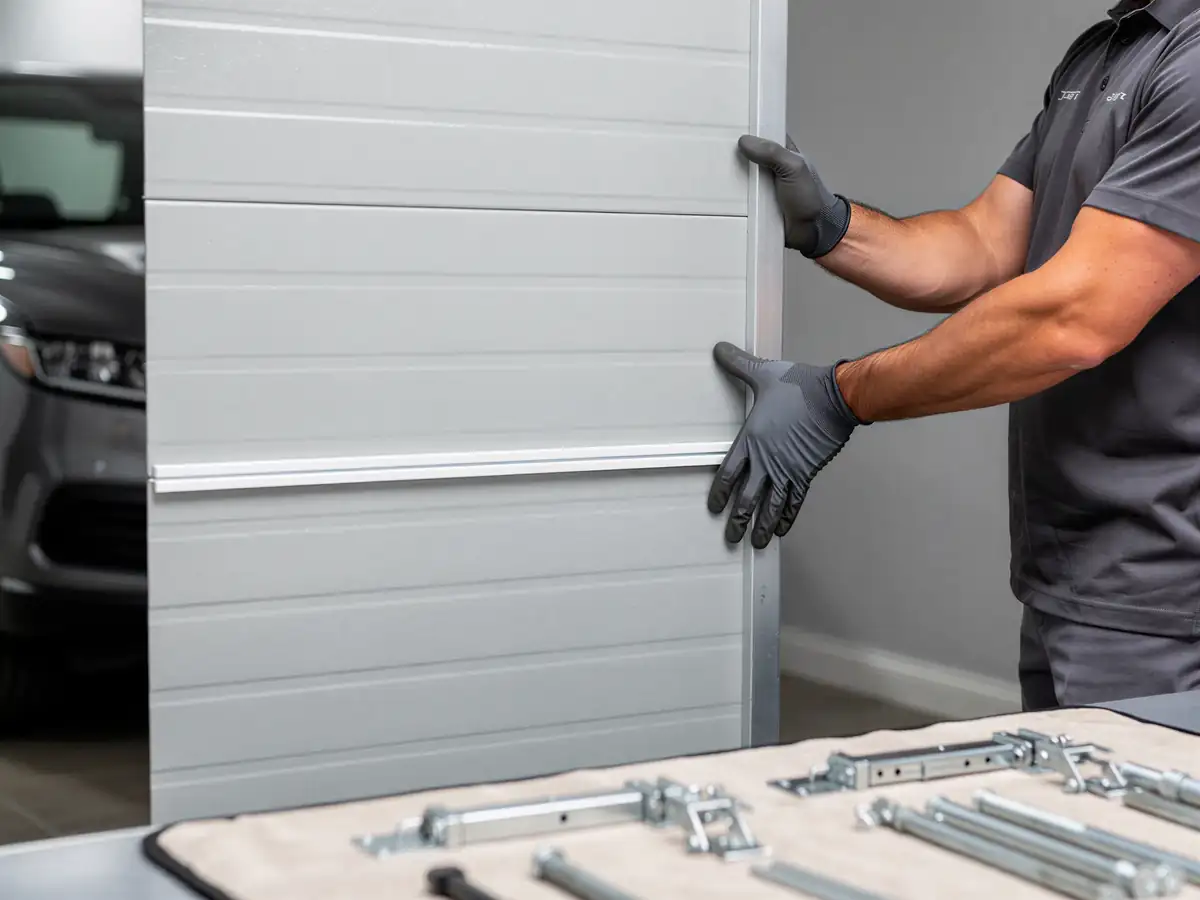
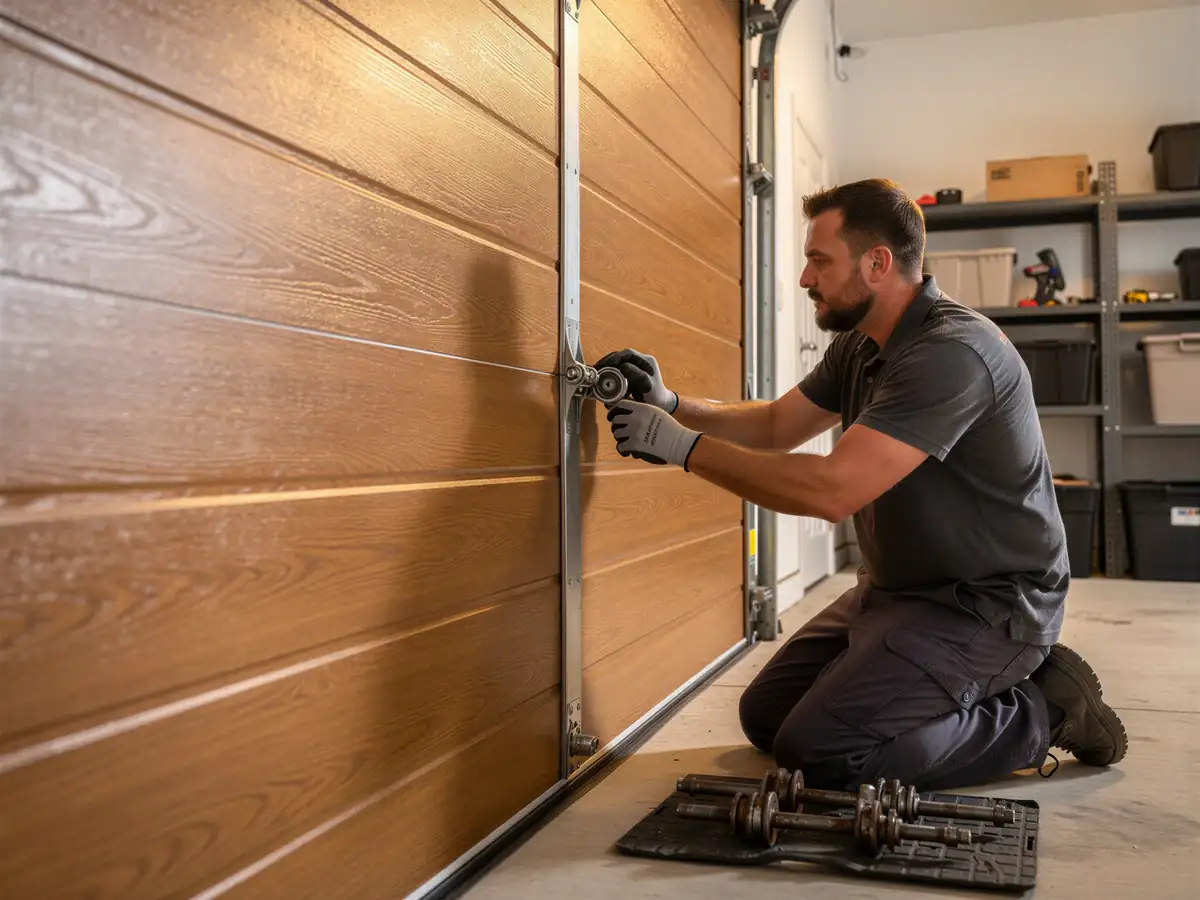
Because the trip out eats real time, we plan Rantoul installs as a single block rather than squeezing one in around other stops. Most of the work itself is routine - remove the old door and track, set new jamb brackets square on framing that's been settled for sixty years, hang the new sections, balance the springs to the door's actual weight rather than a generic chart number. The part that takes longer here than it might on a newer house is getting the opening true. A lot of these garages were framed once, in 1965 or so, and never touched again, so the header and jambs aren't always plumb. We check that before we order anything, not after we've already shown up with a door that doesn't fit square.
What Can Go Wrong
The most common surprise on a 1965-era opening is framing that's shifted just enough to throw off a factory-standard track kit - the door hangs, but it binds or rattles because the jambs aren't parallel anymore. We catch that at measurement, not at install, but it sometimes means custom shimming or a different track profile than the one we quoted. Electrical is the other wildcard: older garages weren't wired with an opener outlet in mind, and running new power isn't something we do - that's a call to an electrician before we hang anything that needs a plug. If the opening itself has settled out of square by more than a small amount, a new door won't fully fix a framing problem, and we'll say so rather than install around it.
Why This Fails Locally
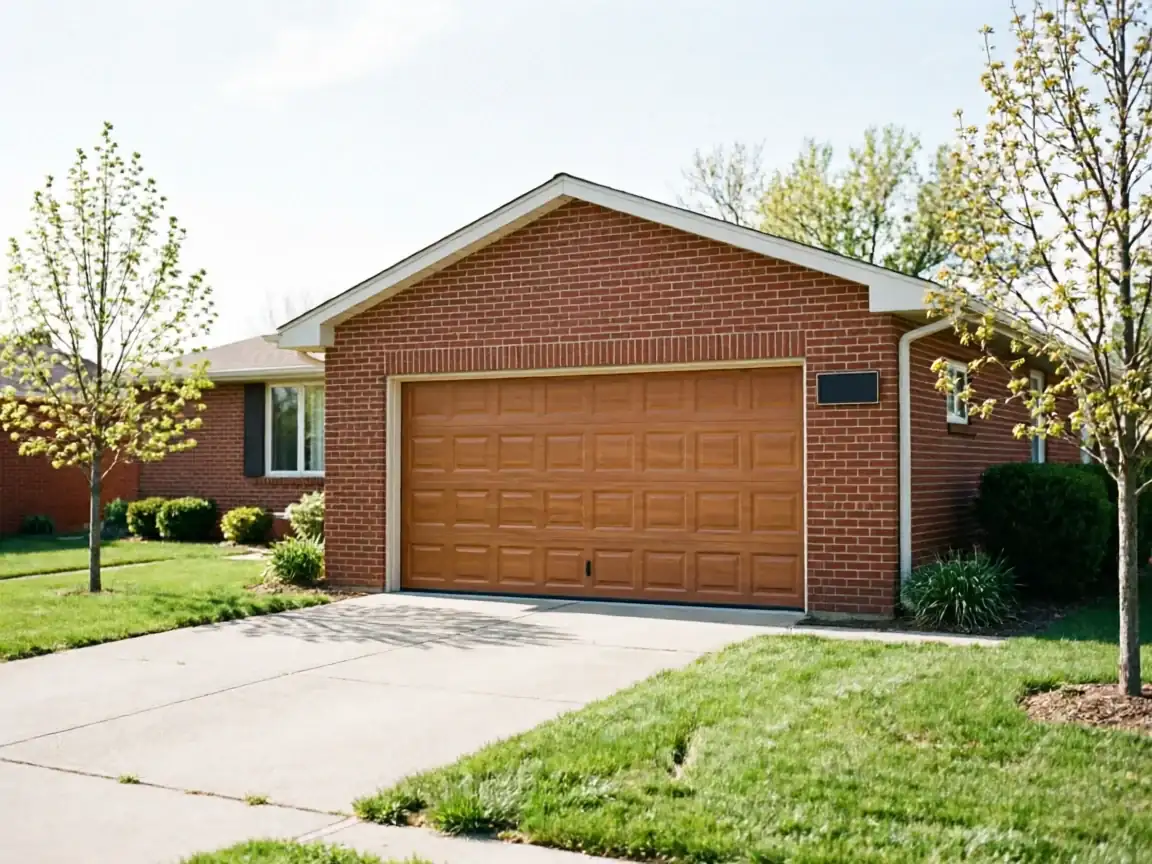
Rantoul's housing stock centers on 1965, a decade ahead of the broader service area's 1978 median, which means more of the original single-panel doors and side-mounted torsion hardware are still in place here than in some of the newer pockets we cover. Median household income in town runs $49,821, well under the roughly $81,703 average across the twelve communities we serve - which matters for installation, because it means the math on repair-versus-replace gets looked at harder here, and a mid-grade insulated door often makes more sense than a premium one. With around 5,086 households total, Rantoul is also one of the smaller markets on our list, not the volume stop that lets a crew standardize parts on the truck the way they might closer to Champaign.