The Symptom
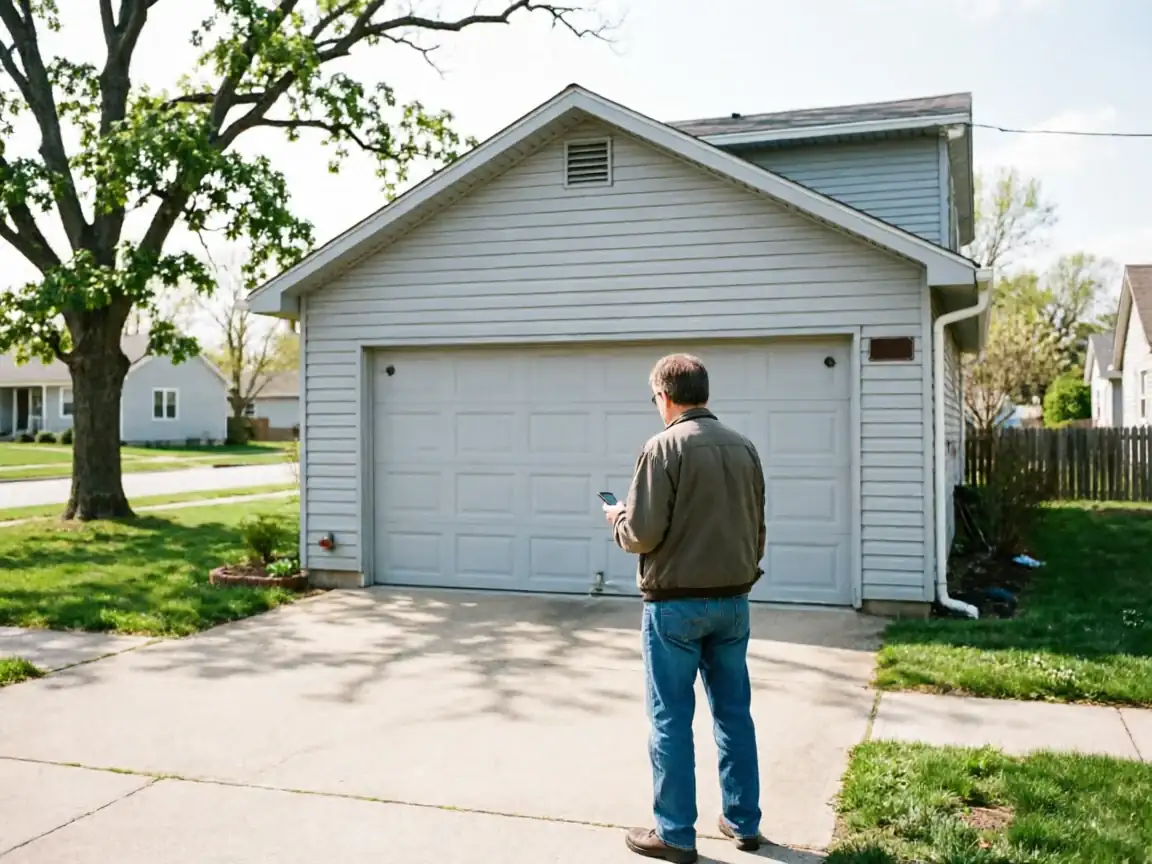
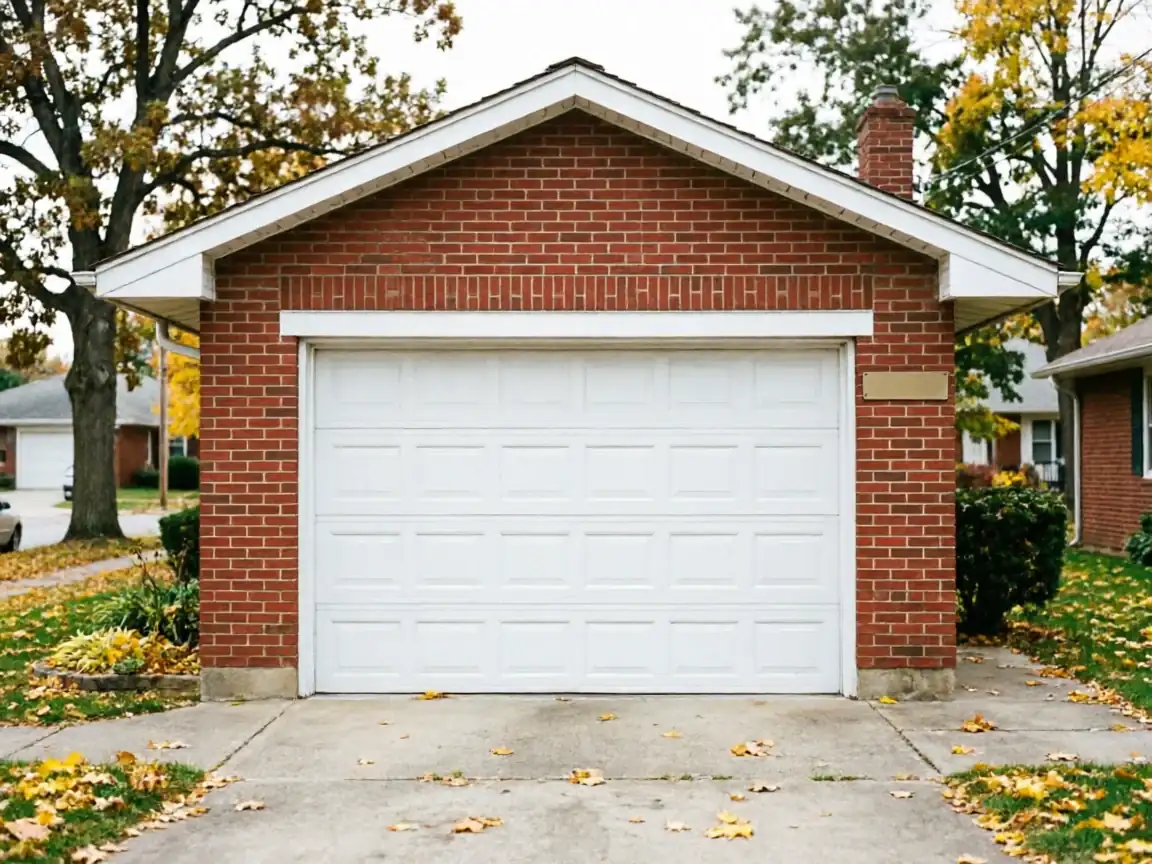
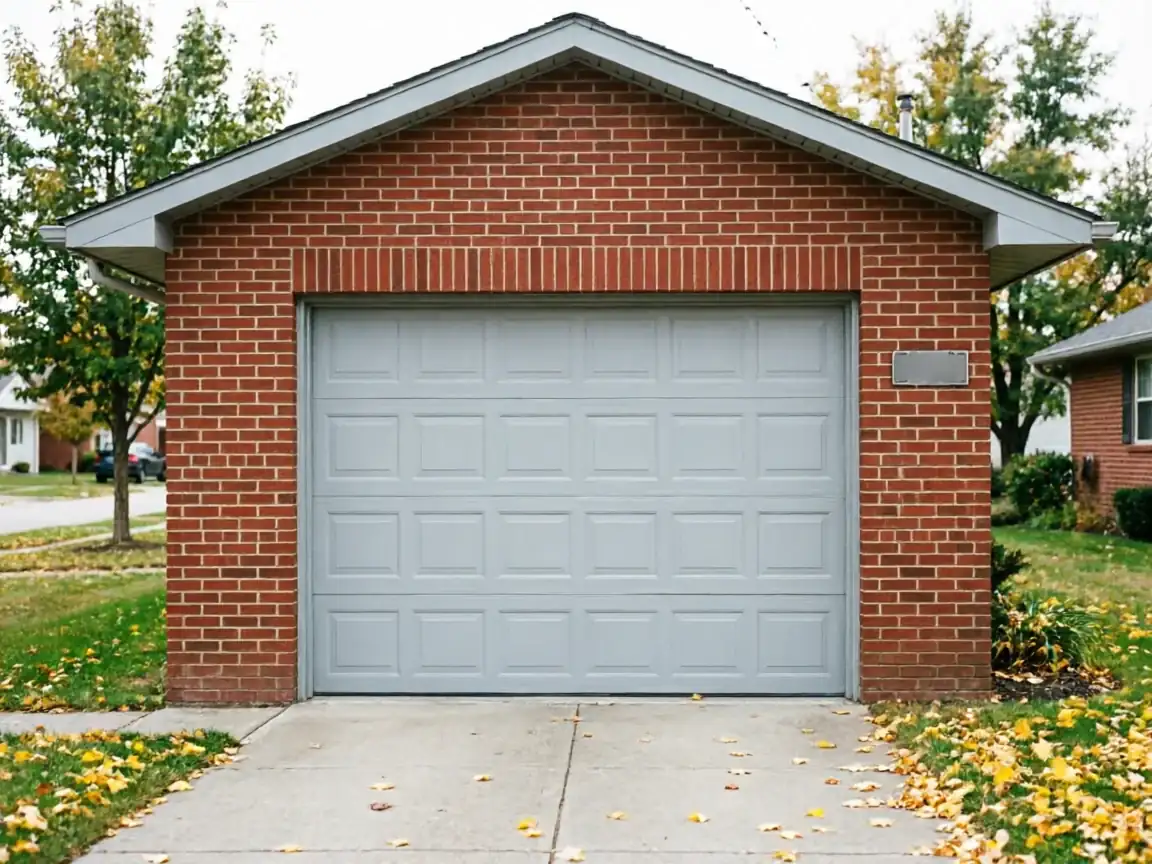
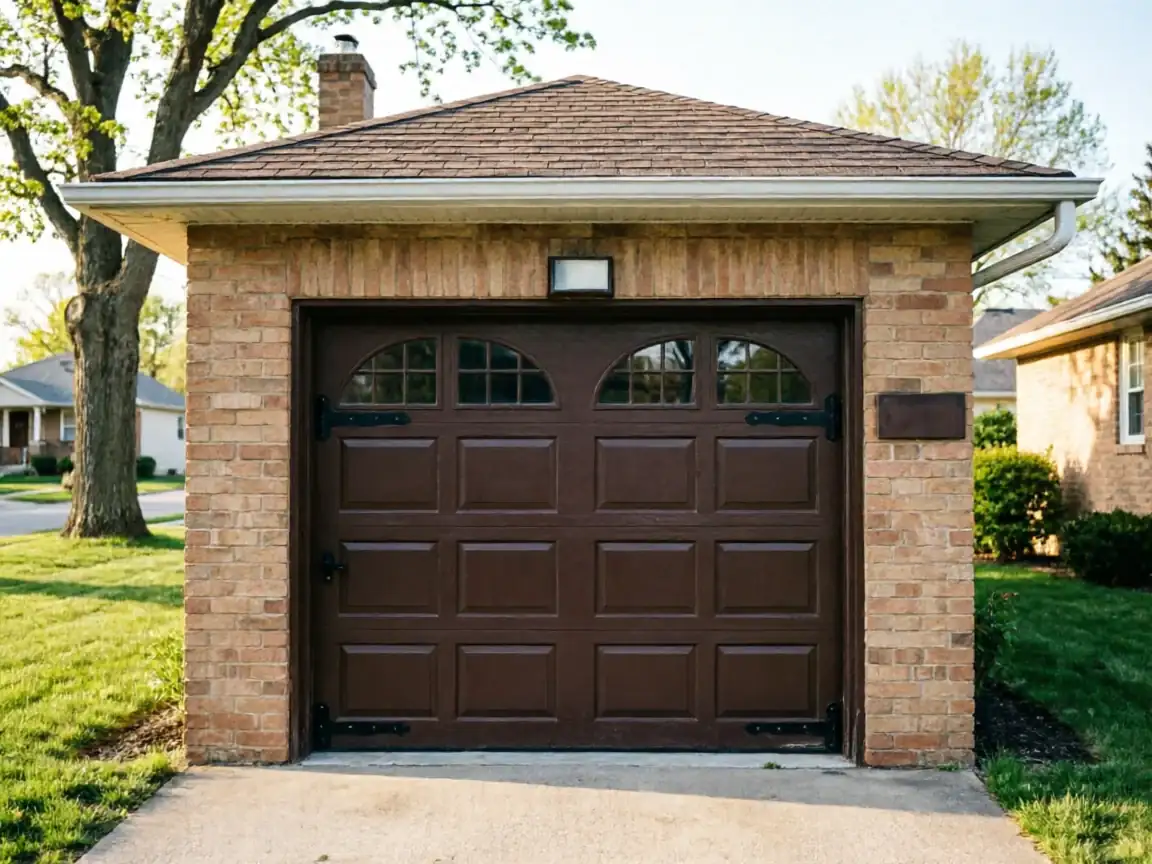
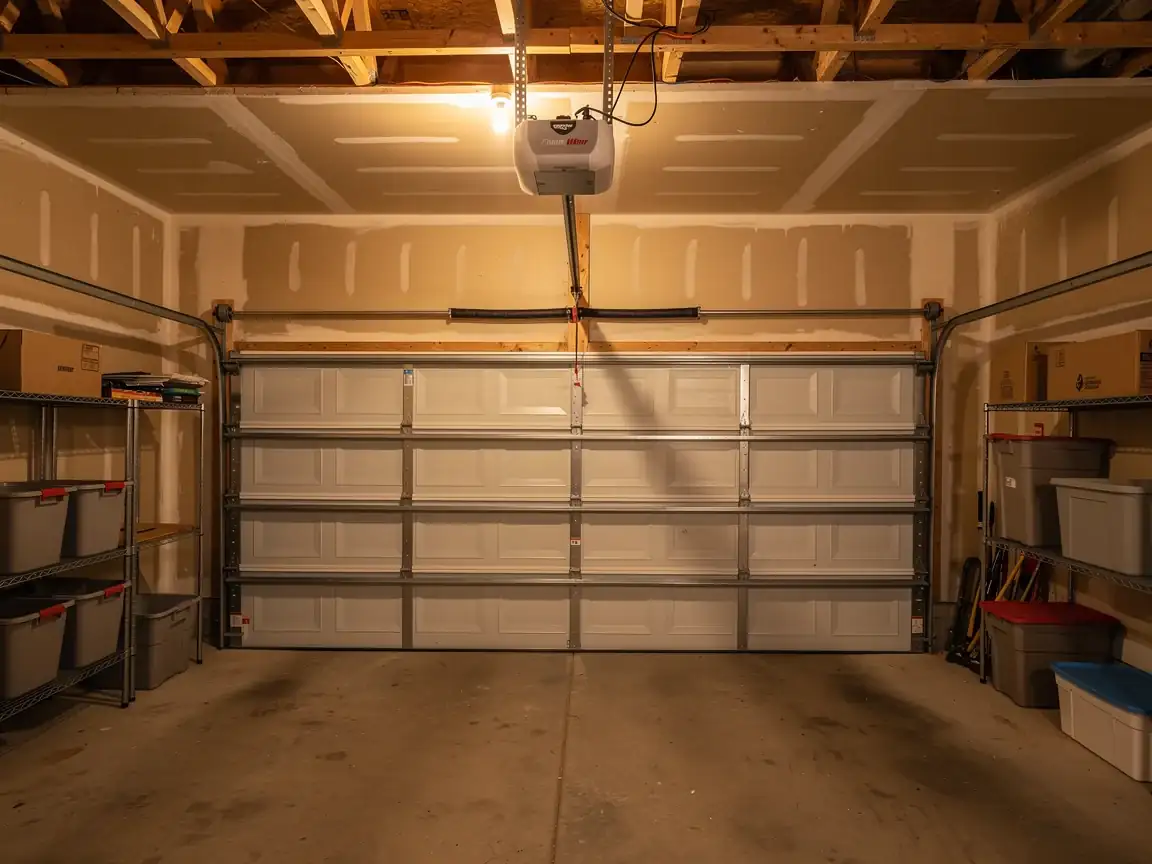
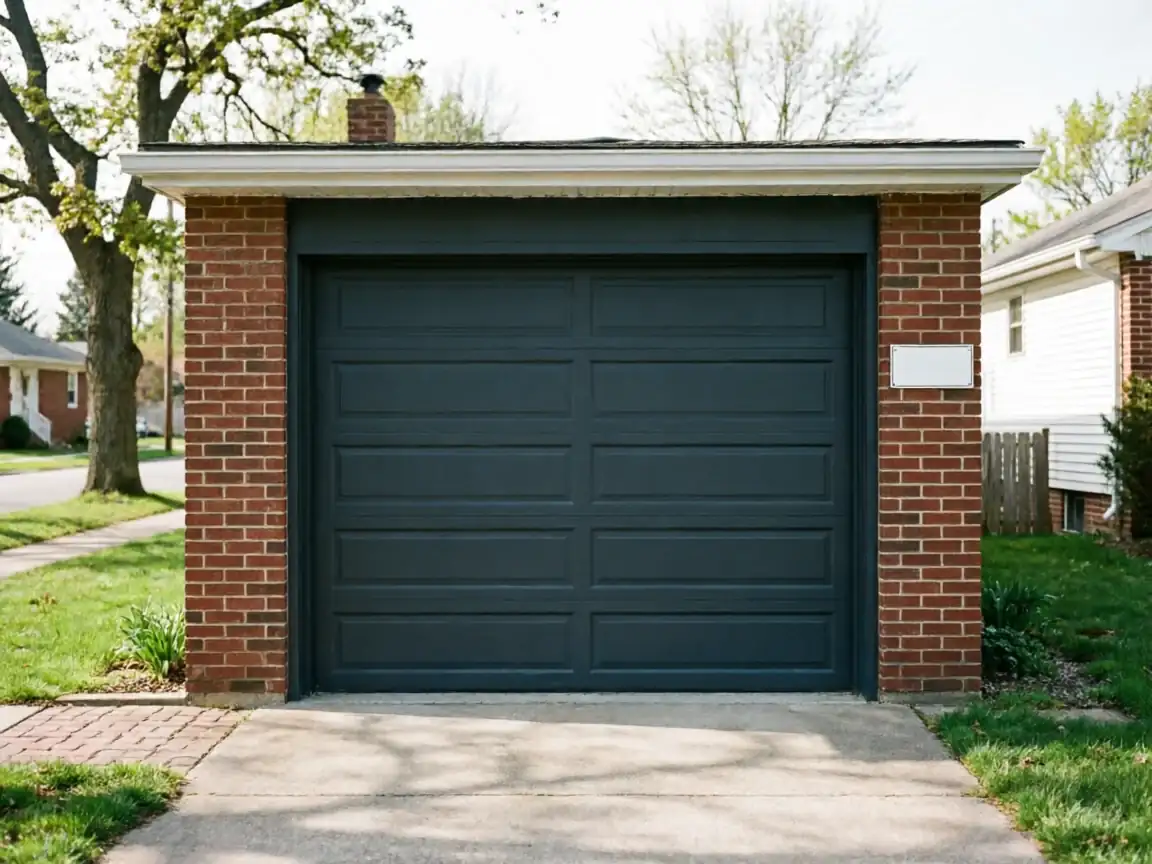
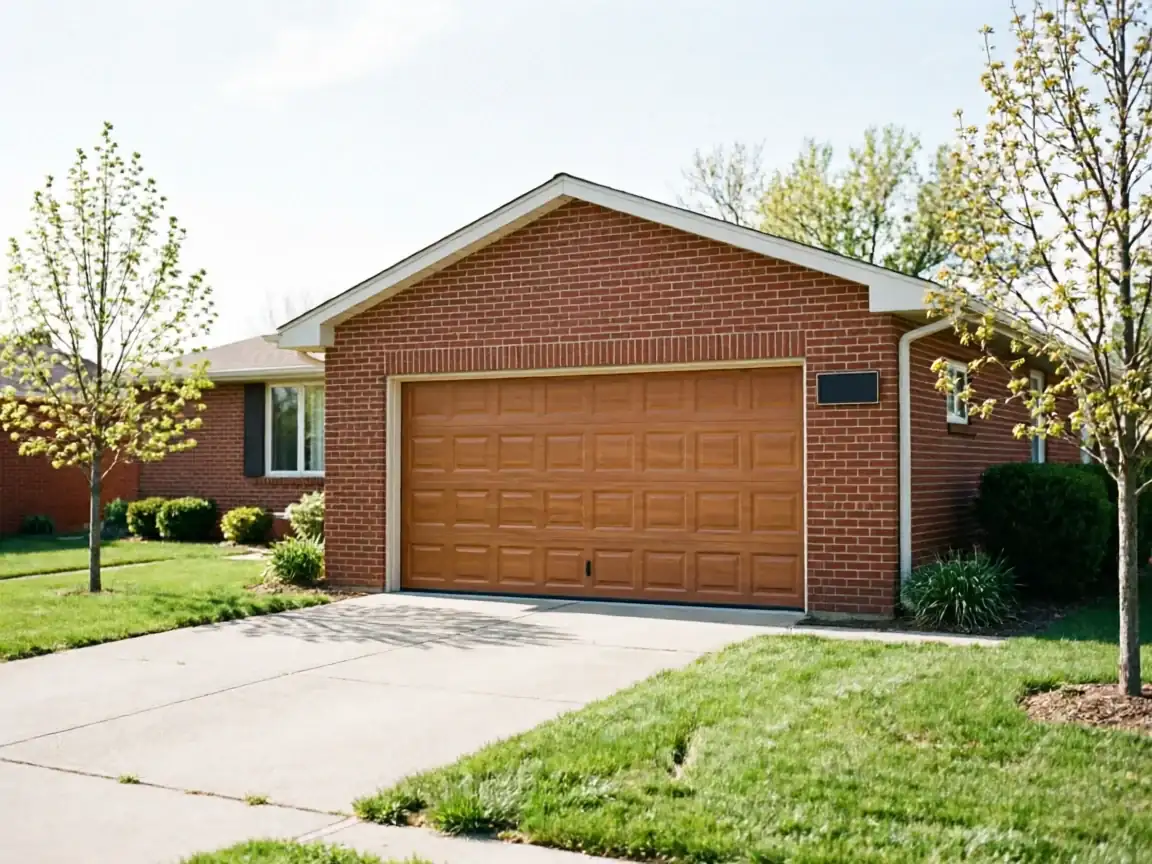
Most garage doors in Rantoul went up around 1965, which puts them ahead of the broader service area's median build year of 1978. That gap matters more than it sounds. A door from the mid-60s is usually a single steel or wood-panel slab running on extension springs mounted along the horizontal track, not the torsion bar over the opening that became standard in tract construction a decade or so later. These doors were built single-car as often as double, and the hardware was sized for a lighter door than what gets installed today.
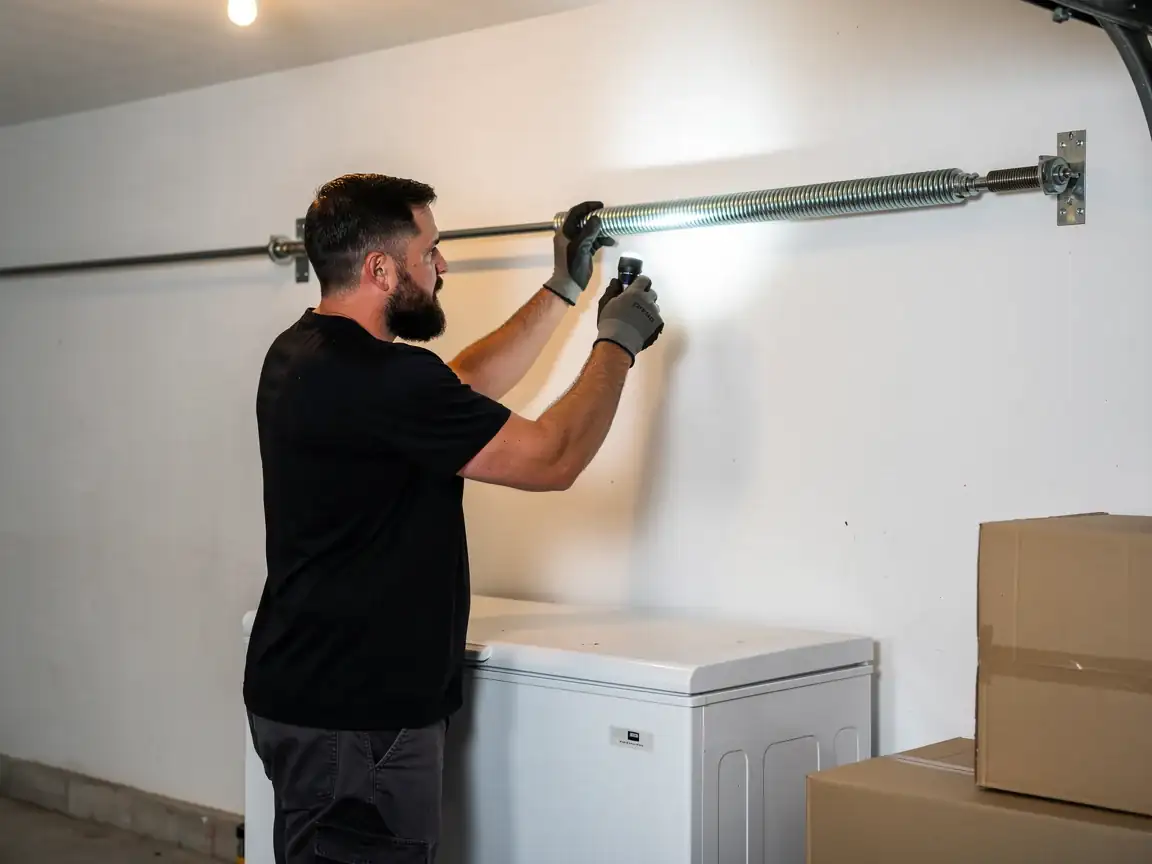
What you notice first is usually noise or hesitation - a door that shudders partway up, a cable that looks frayed at the drum, or a door that slams the last foot of travel instead of settling. On a door this old, that's not random wear. The extension spring system stretches and relaxes with every cycle in a way torsion springs don't, and after fifty-plus years of winters the galvanizing on those springs and the pulleys they run over has usually worn through. The symptom shows up as a loud door. The cause is a system that was never meant to run this long.
Time on the Job
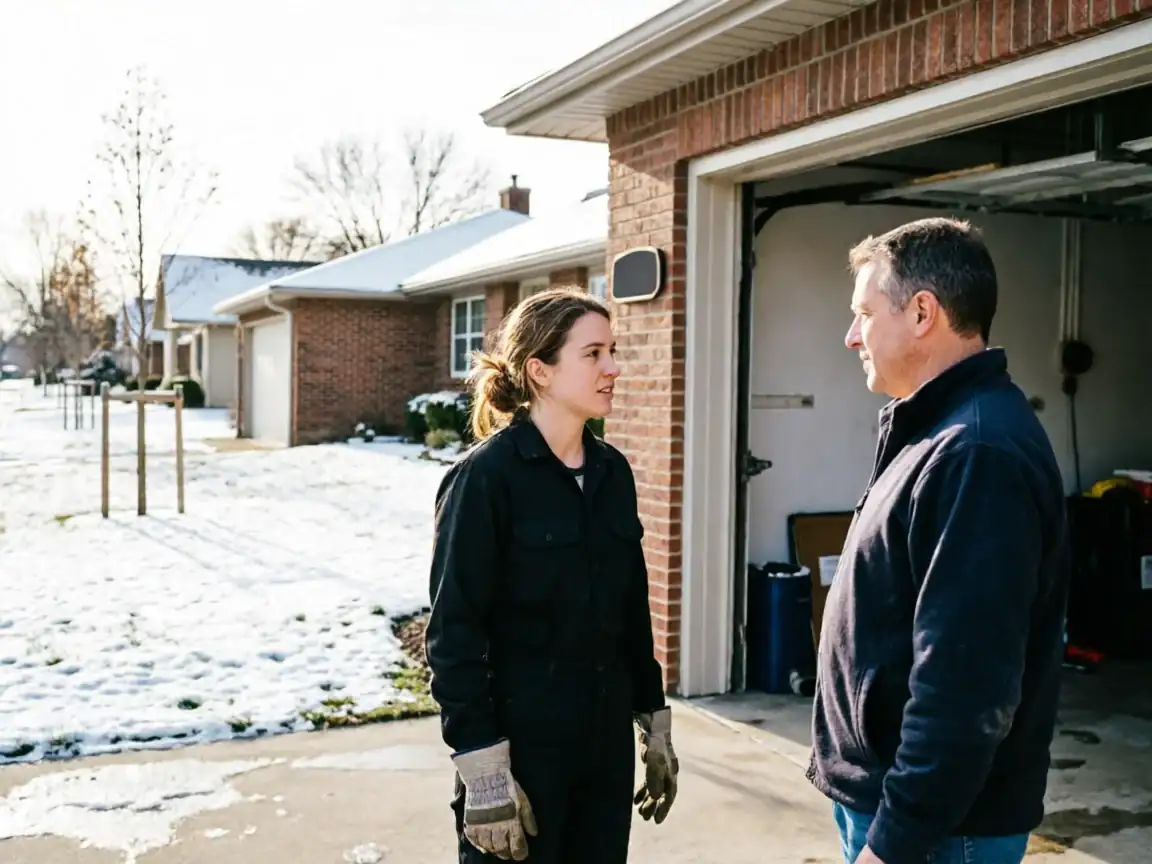
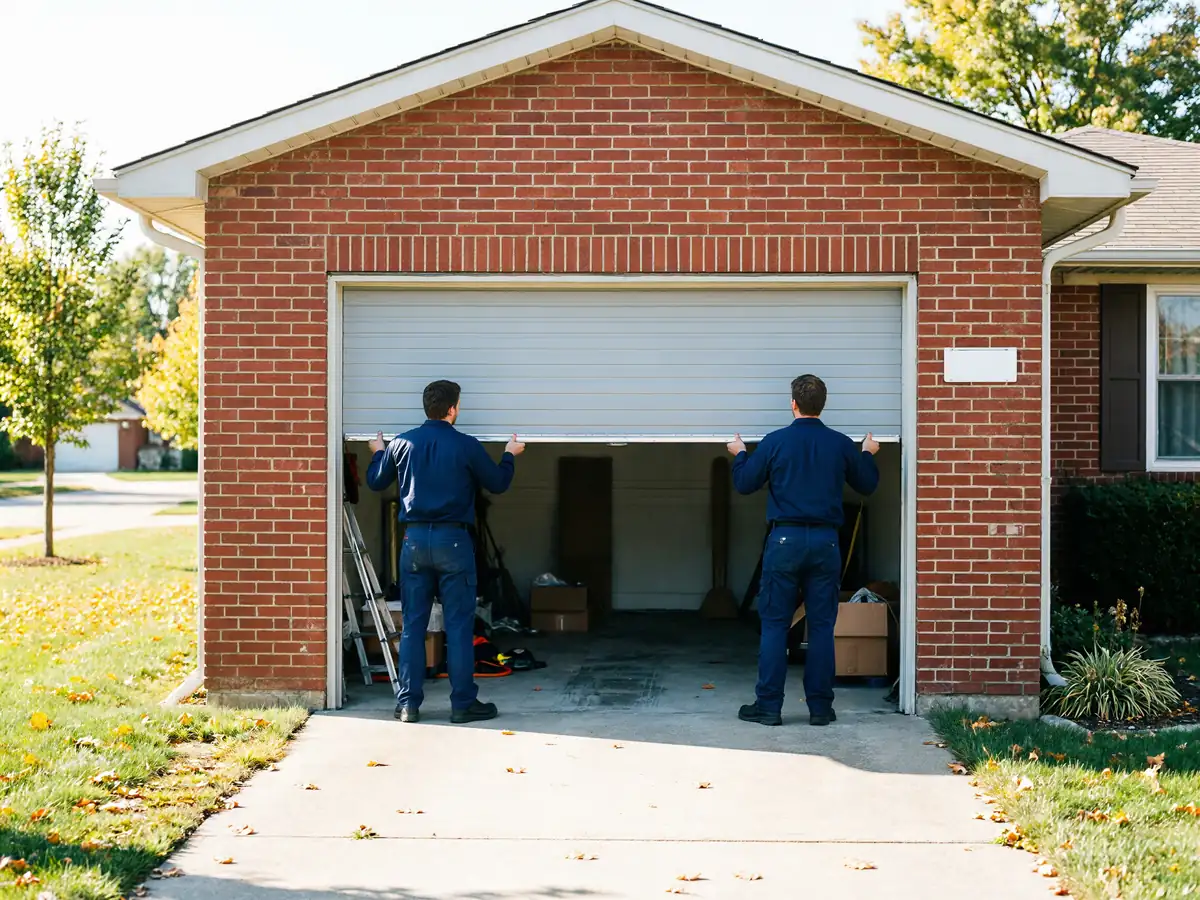
There's no Champaign Garage Door Pros branch in Rantoul - the truck comes from Champaign, about 14 miles out. That distance doesn't change what gets fixed once we're there, but it's worth saying plainly rather than implying a local depot that doesn't exist. With 5,086 households in Rantoul, this isn't a high-volume stop on the route the way some closer suburbs are, so a same-day visit depends on what's already scheduled that morning rather than a standing local crew.
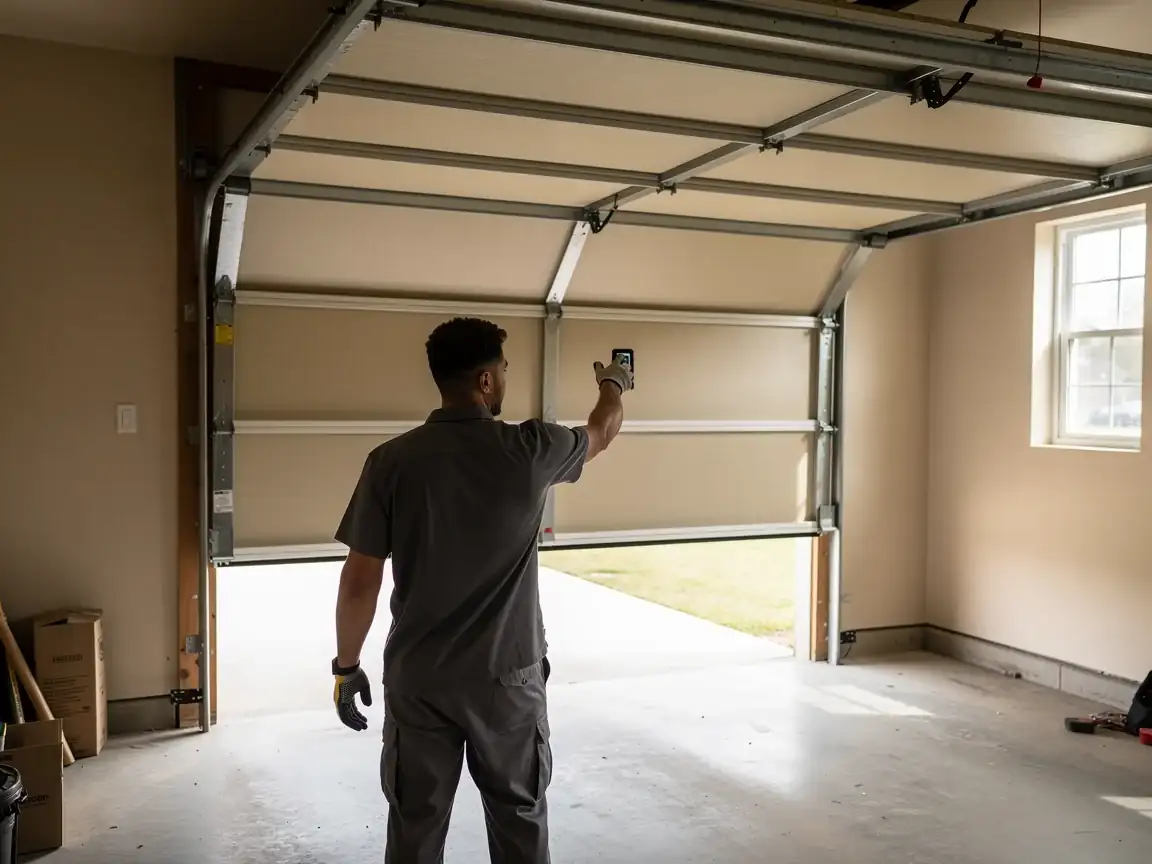
Once on site, the job itself runs the same as anywhere: diagnose, quote, fix, test under load. The travel is just part of the math we're upfront about - we're not going to promise a response time we can't back from 14 miles away.
How We Fix It
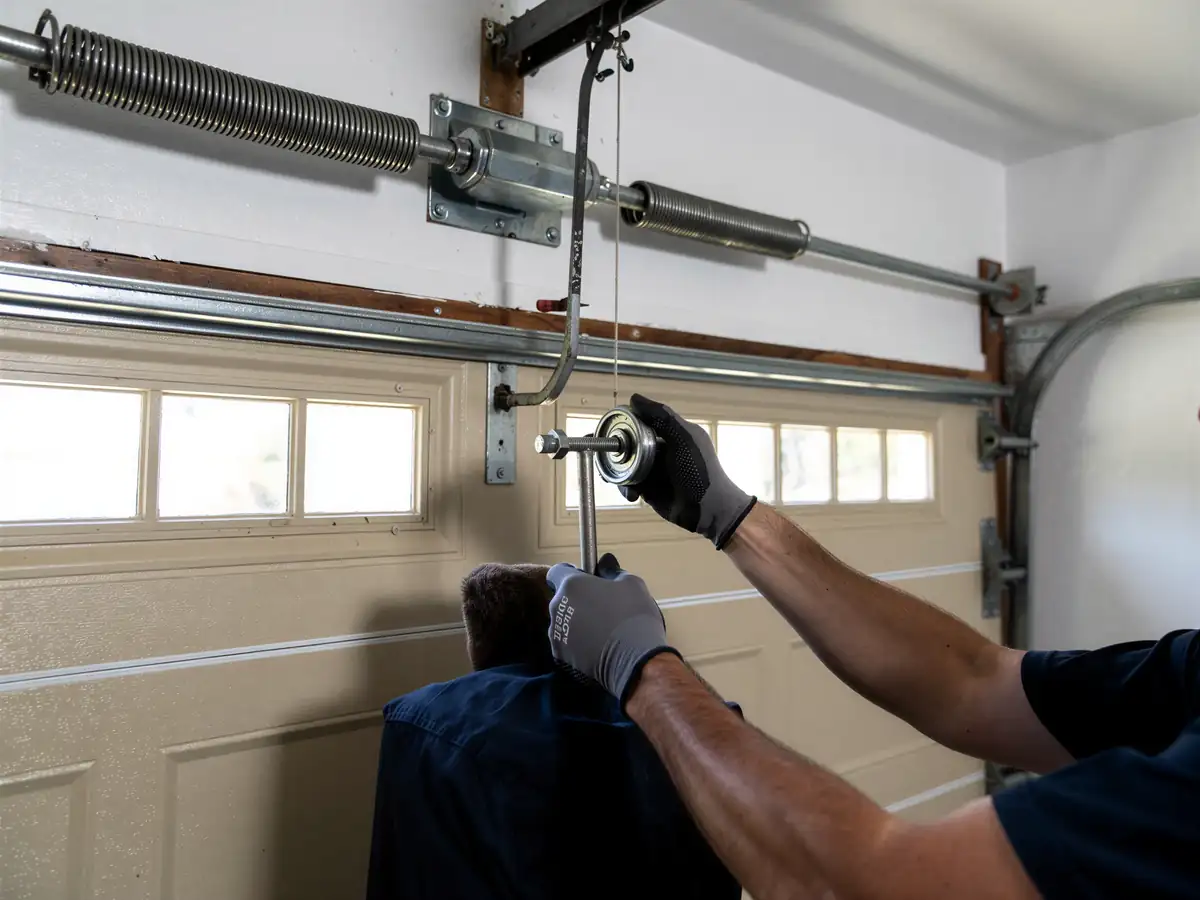
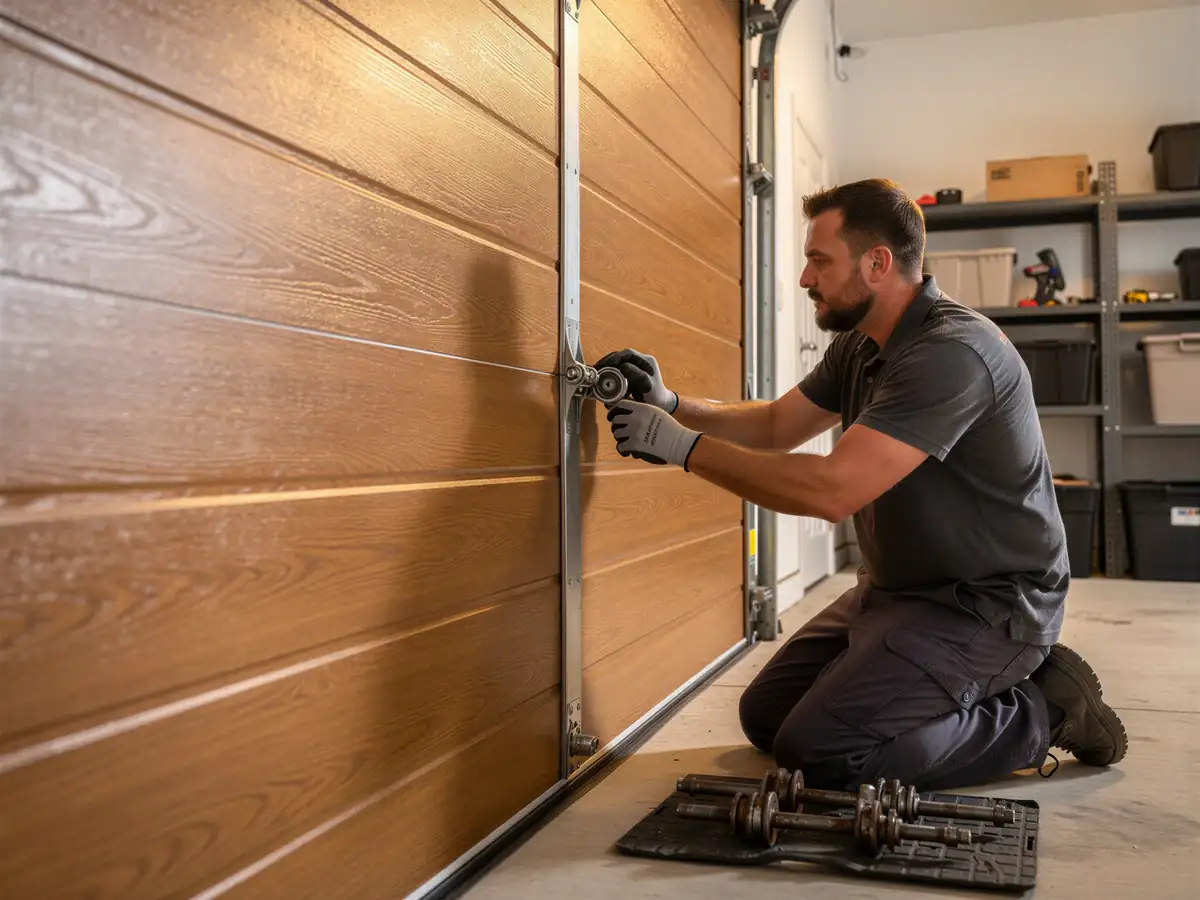
On a 1960s extension-spring door, the repair almost always starts at the springs and the pulleys they ride on
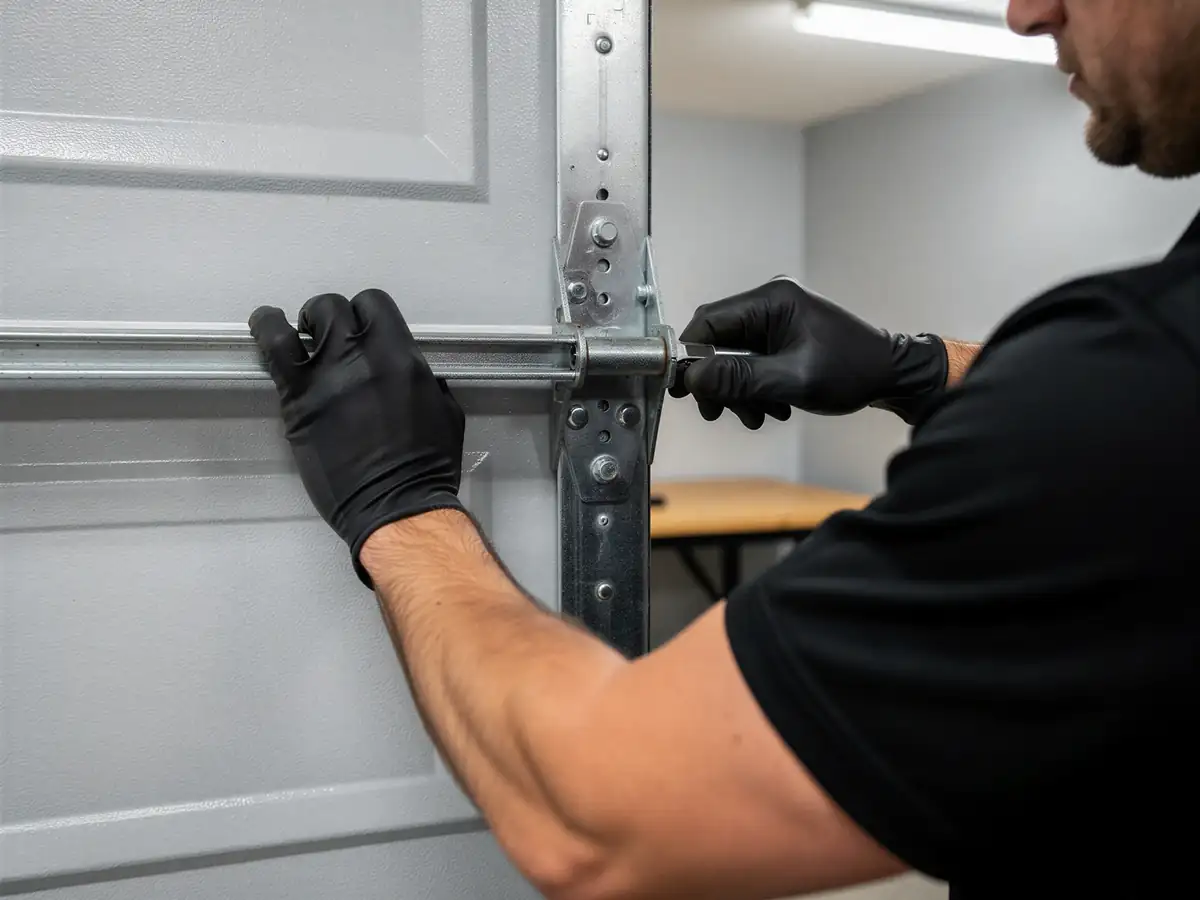
Since both take the brunt of fifty years of temperature swings in a cold-moderate climate. We replace the spring pair as a set - never one alone, since a mismatched pair just means a door that pulls crooked - and check the safety cables threaded through them, which are often missing entirely on doors this old since they weren't required when the door went in.
Track alignment comes next
On a door this age the track is usually original, and galvanized steel from 1965 has had decades to pit and bend slightly at the mounting brackets. We true it up rather than replace it outright when the metal's still sound - a full track swap only when the door is binding no matter how it's adjusted. Rollers get swapped for sealed nylon ones regardless, since the original steel rollers are almost always the noise source nobody's identified yet.
What Can Go Wrong
The most common failure on this hardware is a snapped extension spring with no containment cable - the spring lets go under tension and the whole assembly can whip across the garage. Second most common is a frayed lift cable at the bottom bracket, which usually shows up as a door that hangs crooked on one side before it fails outright.
Pulleys are the quiet one. They're stamped steel on doors this old, and once the bearing surface wears, the cable starts riding at an angle and saws through itself faster than normal wear would suggest. None of these are emergencies that announce themselves loudly in advance - they're each a few weeks of worsening noise before the day they let go.
Why This Fails Locally
Rantoul's median household income is $49,821, well under the wider service area's $81,703, and that number shapes the repair conversation more than people expect. On a door this old, a full replacement is sometimes the honest answer once a part is discontinued - but we'd rather requote a repair with available parts first here than default to a new door, because the budget math is different from a newer subdivision where income supports that choice more easily.
The cold-moderate climate adds its own wear pattern: extension springs lose tension faster through repeated freeze-thaw cycling than torsion springs do, since they're exposed along the open track rather than sealed above the door. Combine a 1965 build year with that climate exposure and you get springs that are due for replacement on a schedule shorter than the door's own lifespan would suggest - which is the gap most homeowners here don't find out about until the spring is already gone.
Doing It Yourself
Lubricating hinges, rollers, and the track with a garage-door-specific lubricant is reasonable DIY work on any door
Including these. Tightening loose hinge screws and checking the bottom bracket bolts for play is fine too.
Extension springs are not a DIY repair
They're under less tension than torsion springs, which makes them feel more approachable, but a spring that fails while someone's hands are on it still releases enough force to cause real injury - and without a safety cable, which many of these original installs don't have, there's nothing containing that release. If the spring looks stretched, rusted, or has visible gaps between coils, that's a call, not a weekend project. We also won't pretend every part on a door this old is still in stock - some pulley and bracket styles from the mid-60s are long out of production, and matching them sometimes takes longer than the repair itself.