
What Can Go Wrong
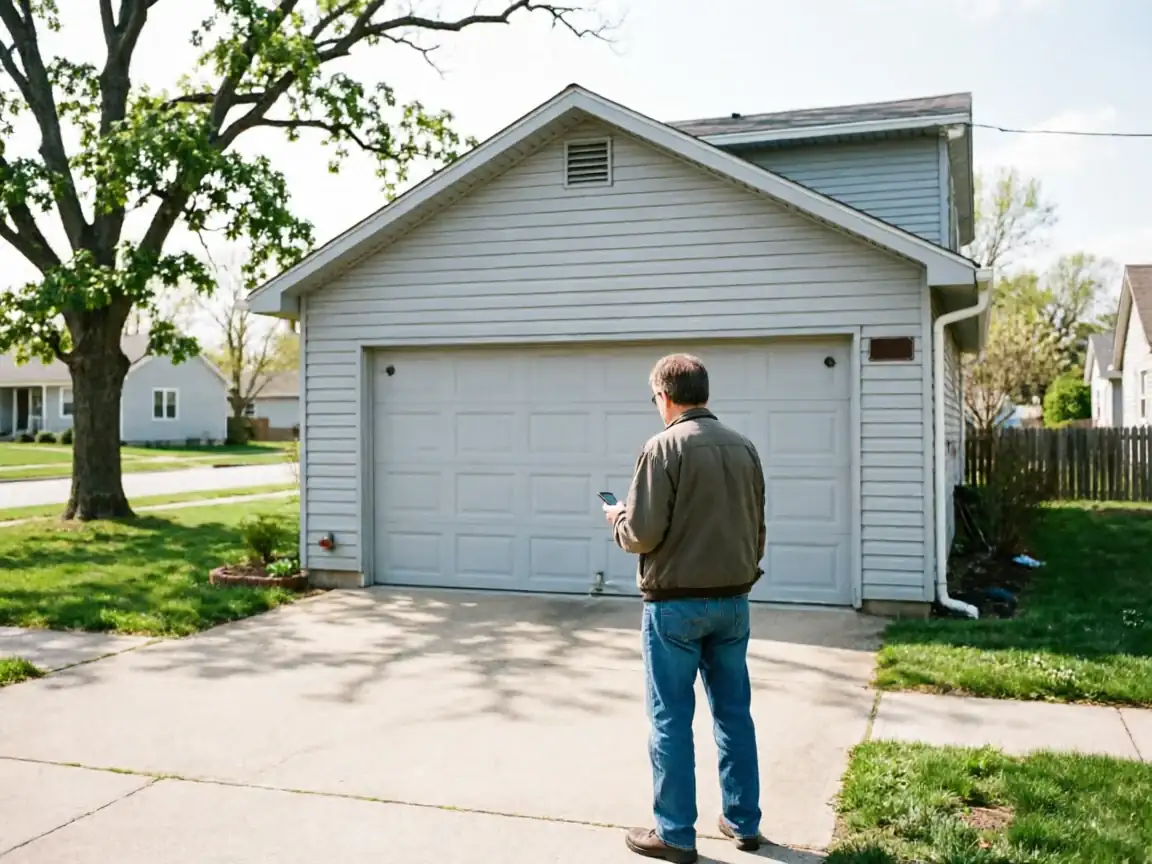
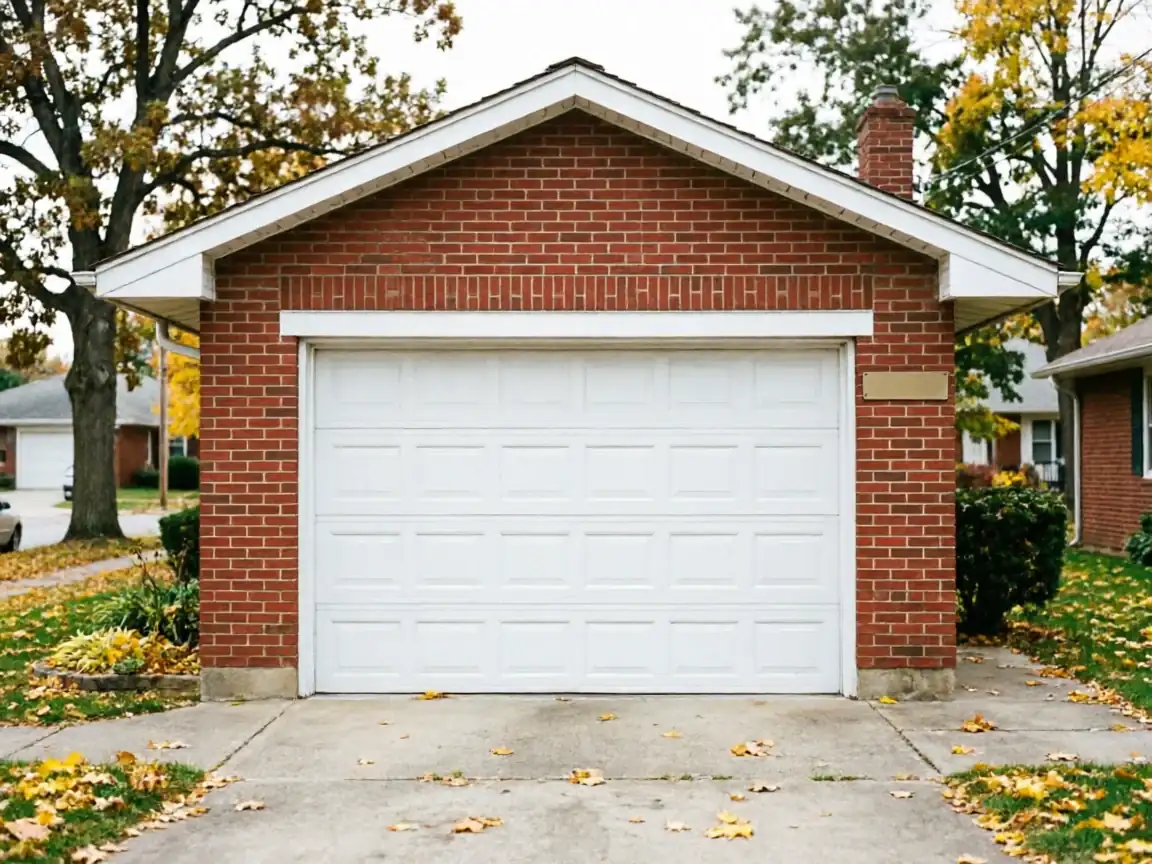
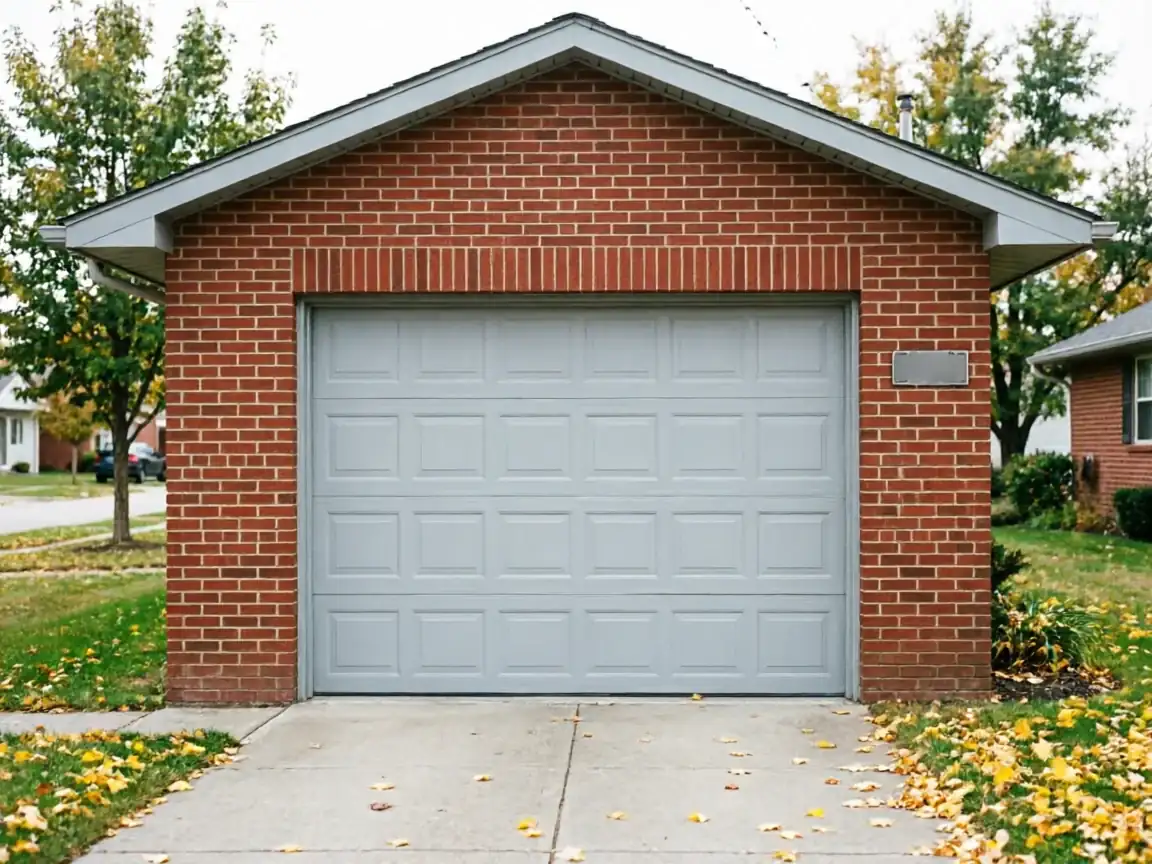
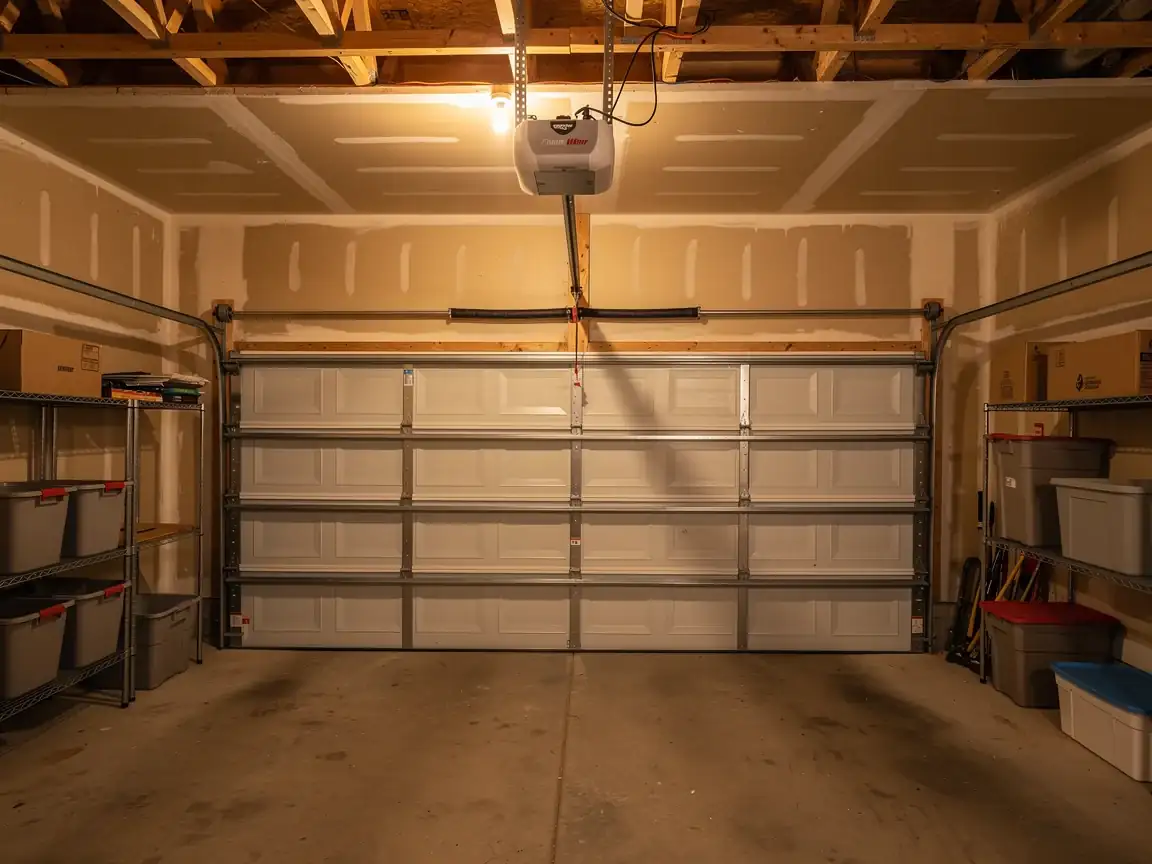
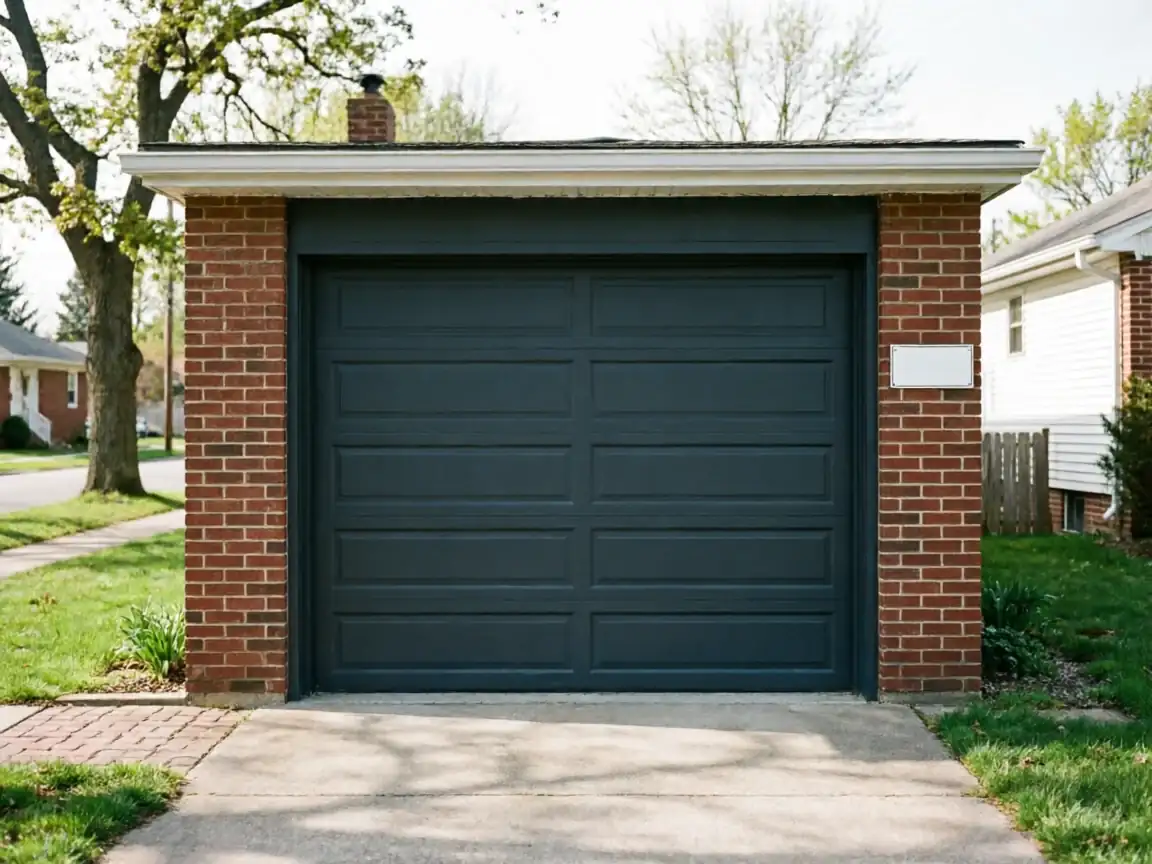
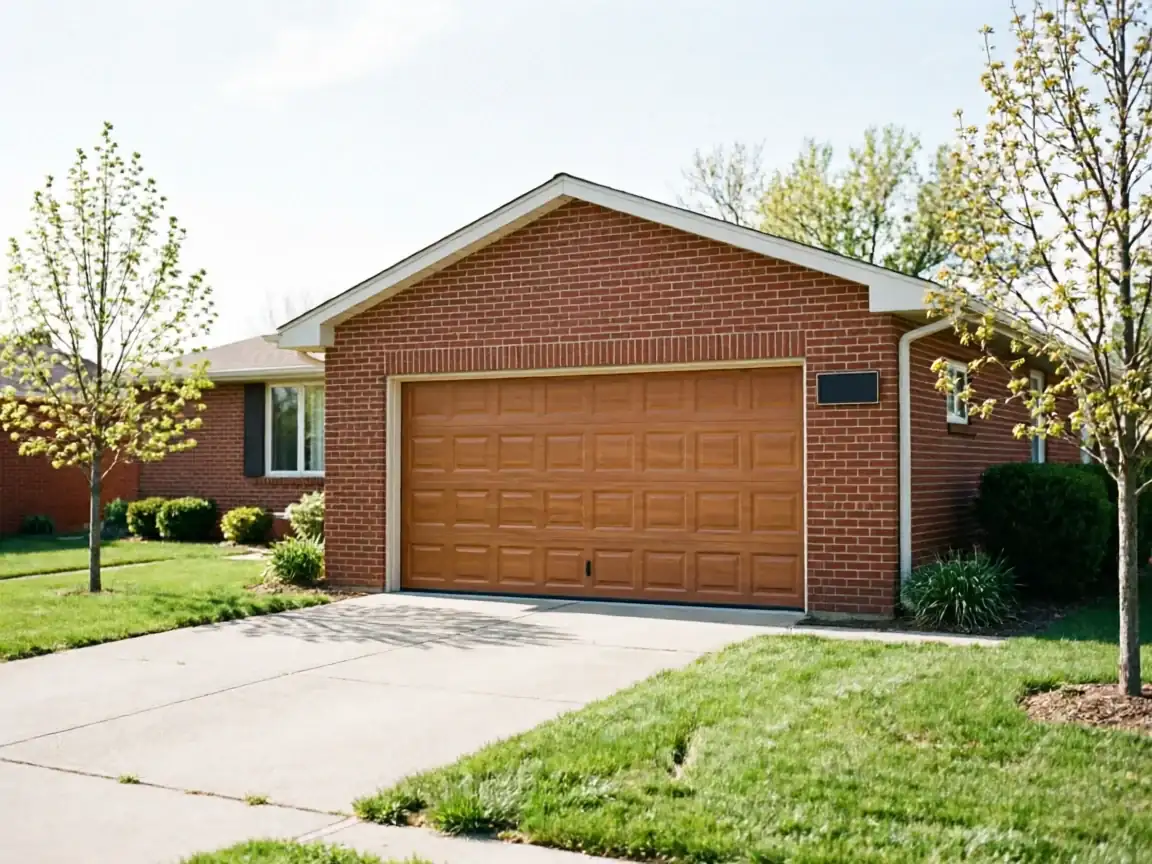
Most houses in Savoy went up well after Champaign's older neighborhoods settled in, with a median build year around 1995. That means the garage doors here are almost always steel sectional units in standard builder sizes - 16x7 double or 9x7 single - hung on roller tracks that were new technology for the era but are now 25-plus years old. The panels themselves are usually two-layer steel with a foam core, not the heavier wood or single-layer steel you'd find on an older door. A dented bottom panel from a mower or a bumped car is common. So is a cracked seam where the foam core has started to separate from the steel skin after two decades of Illinois freeze-thaw cycles. Because builders in this stretch of the county tended to use the same handful of door brands and sizes, panels are usually easier to match here than on a mixed-era street. The failure you're most likely dealing with is cosmetic and structural at once: a panel that looks fine from six feet away but has lost its rigidity and is putting uneven strain on the hinges and rollers next to it.
Time on the Job
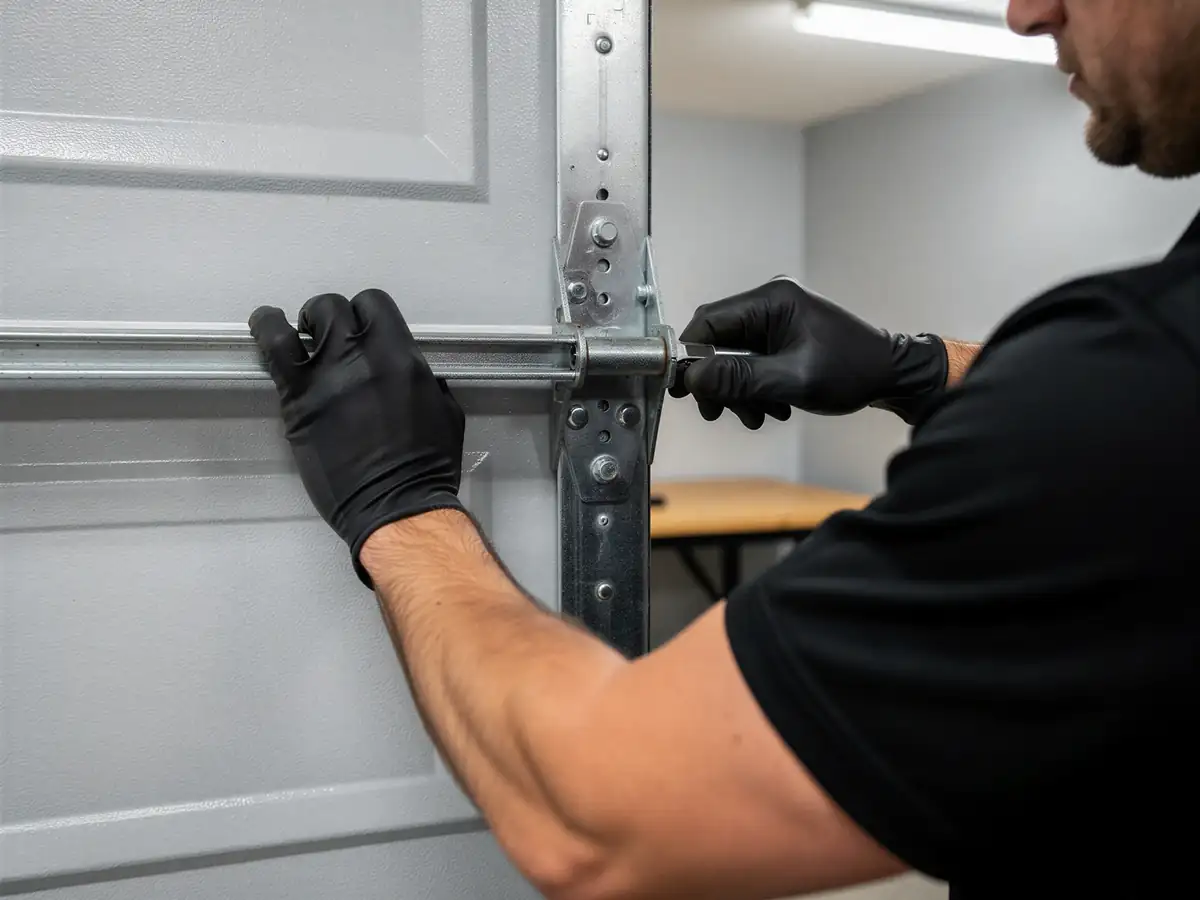
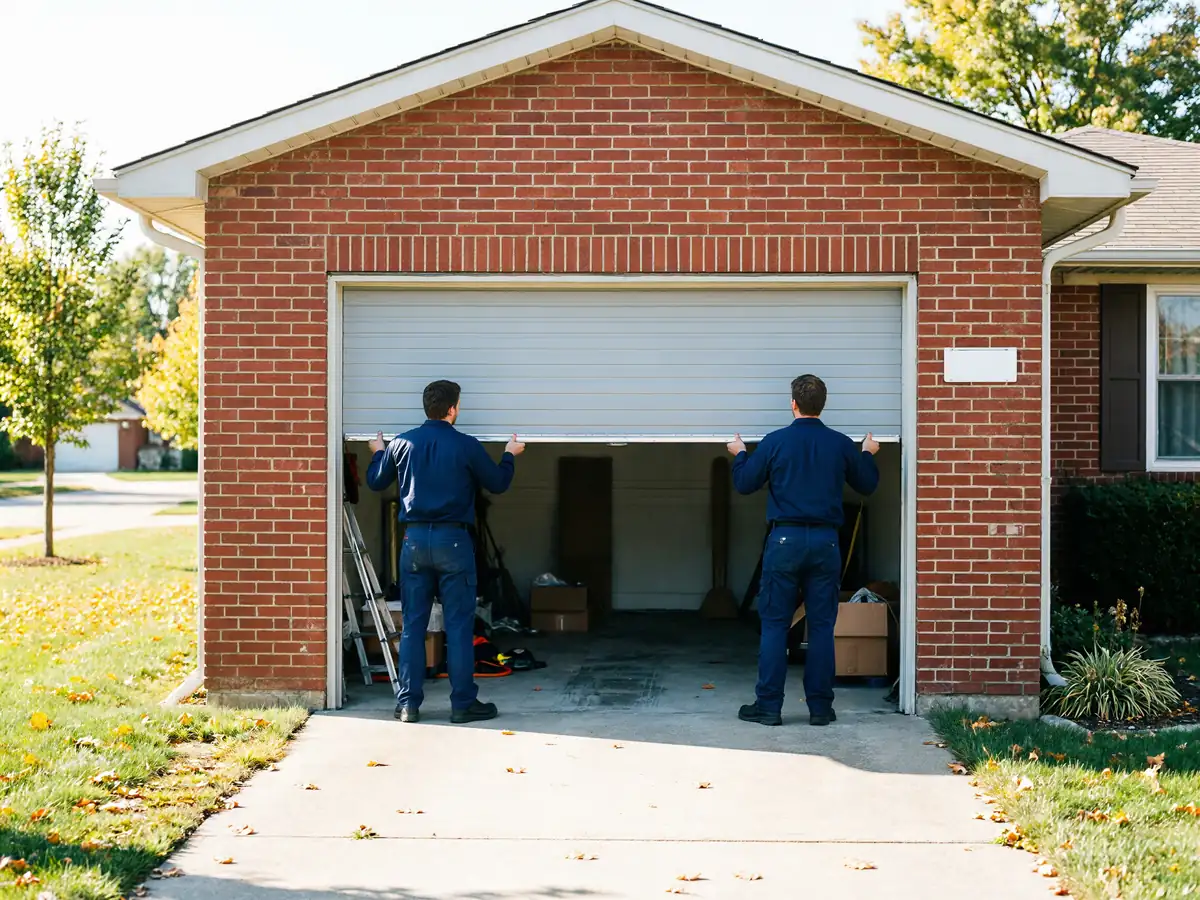
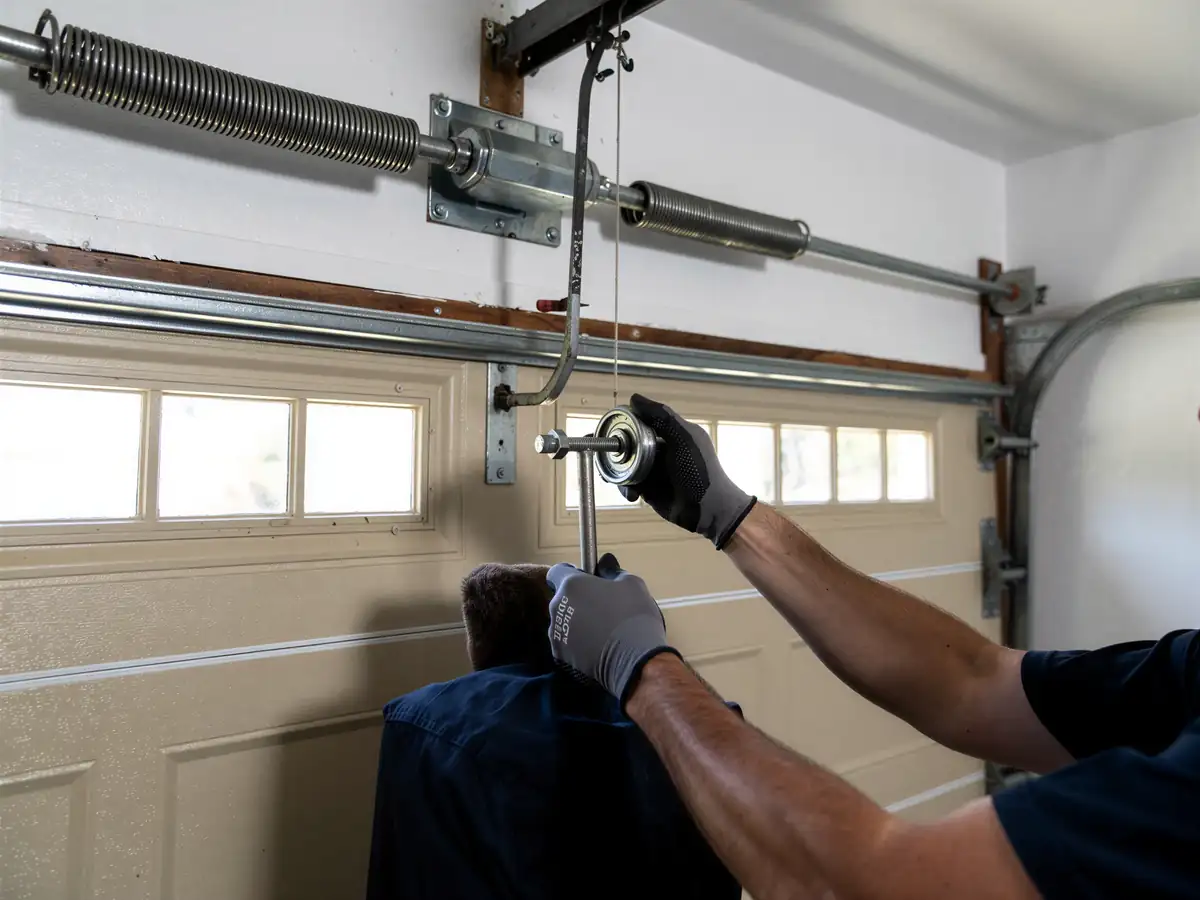
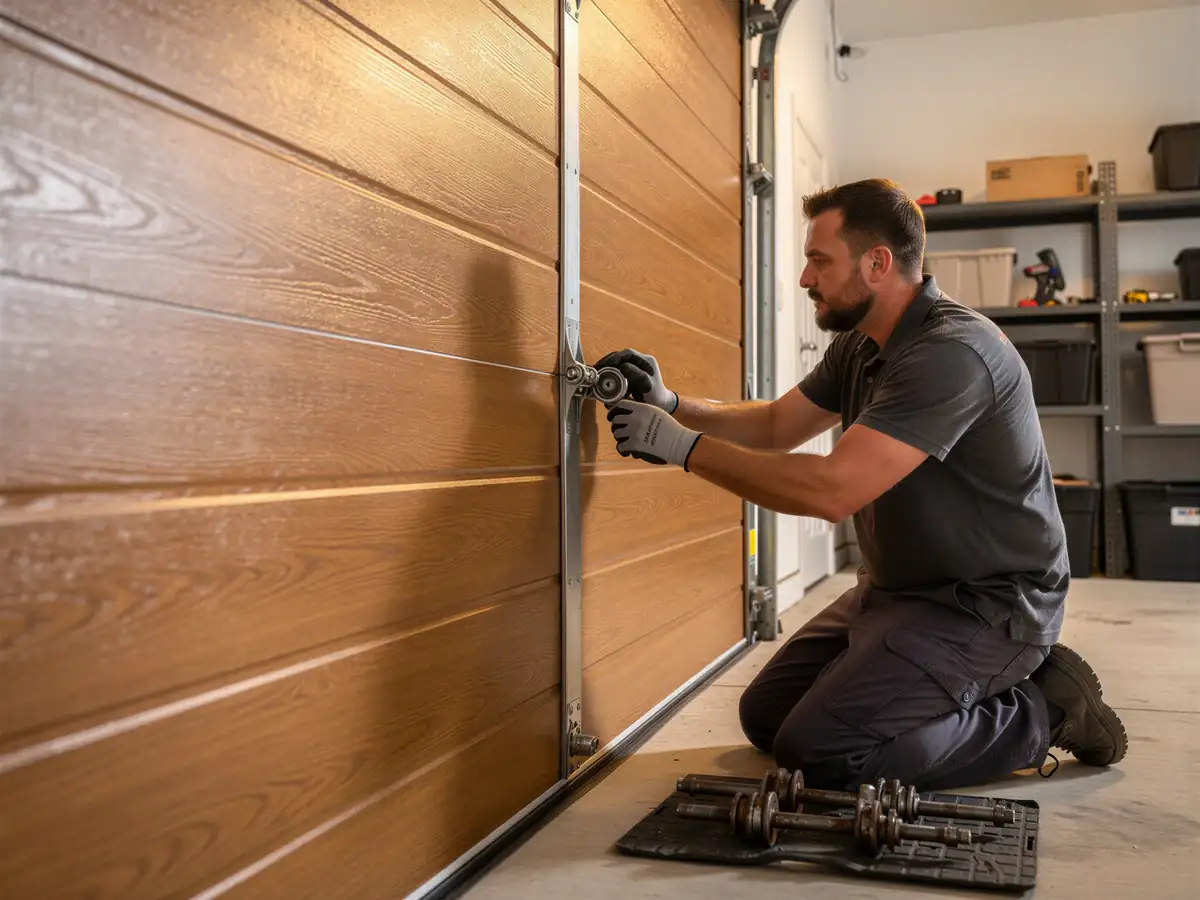
A single-panel swap on a standard 1990s-era sectional door usually runs a couple hours once we're on site, start to finish, including re-aligning the track if the dent pulled the roller out of line. Multi-panel jobs or ones where the section is a discontinued width take longer, mostly because we're fitting rather than just bolting in a stock piece. We come from Champaign, about 4 miles out, so travel isn't the bottleneck - matching the exact panel profile sometimes is.
Stocked Parts
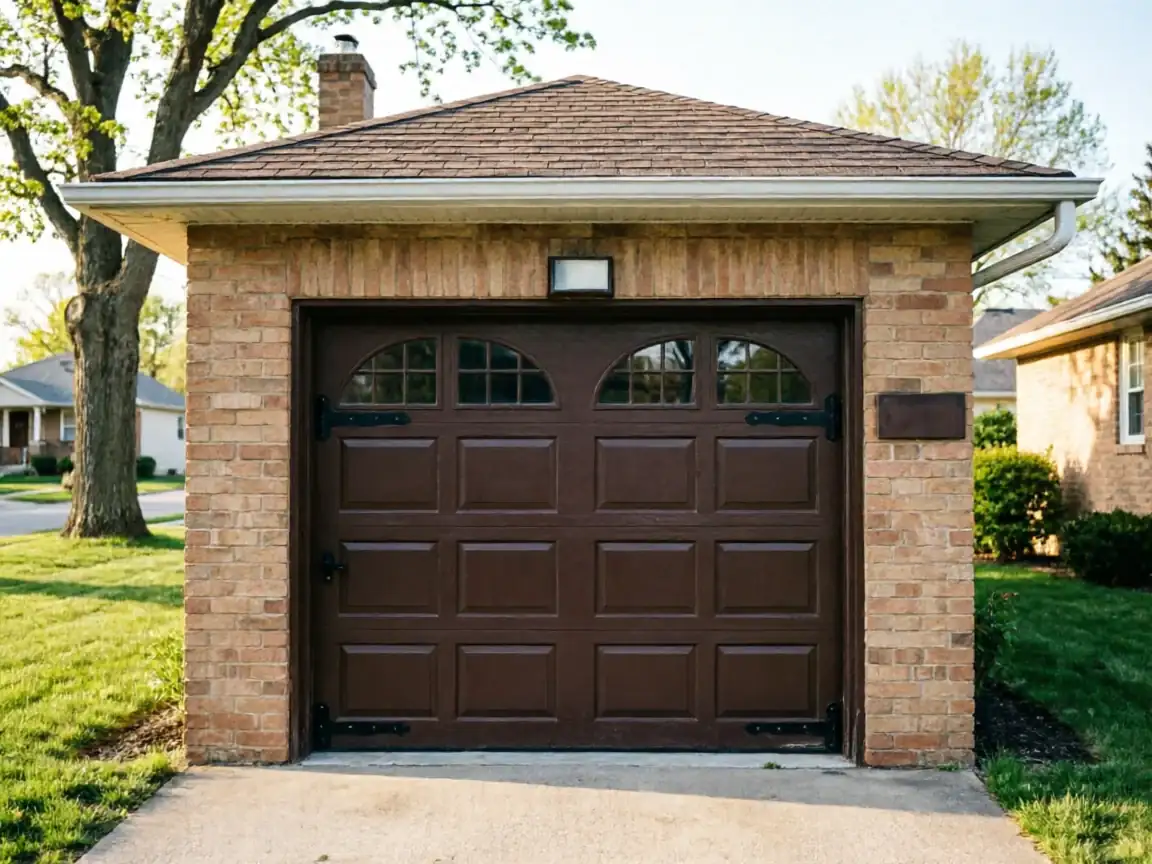
Because Savoy's housing stock clusters tightly around a 1995 median build, we carry panel sections and matching hardware sized for the standard 9x7 and 16x7 steel sectional doors that dominate here - the same builder-grade lines that went into most of the subdivisions in this part of the county. Rollers, hinges, and end stiles for those common widths ride on the truck. What we don't stock is anything custom - carriage-style overlay doors, odd widths, or discontinued color-matched panels from brands that stopped production years ago. Those get ordered, and lead time depends on the manufacturer.
The Symptom
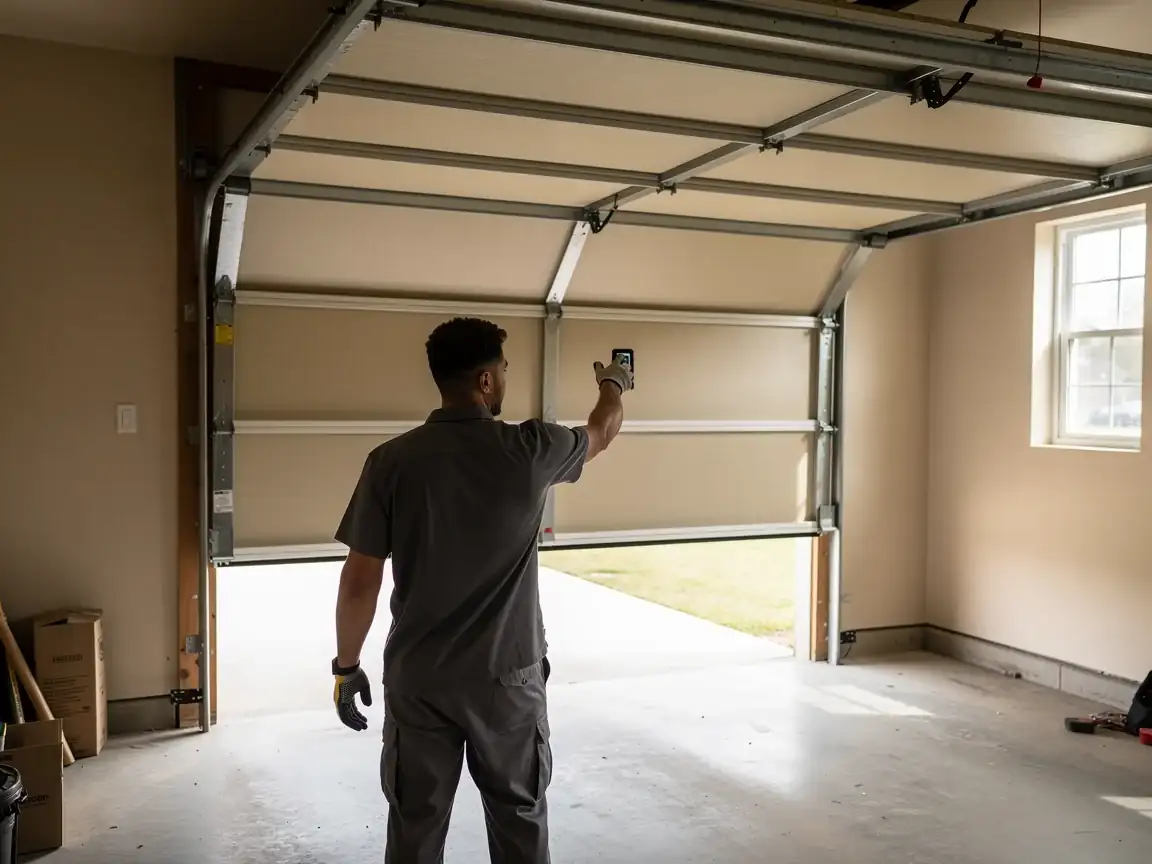
The giveaway on a 1990s steel sectional door is usually visual first: a panel that's visibly bowed, a seam where the foam core shows through a crack in the skin, or a section that rattles more than the ones around it when the door runs. You'll sometimes notice the door binding or jerking right at that panel because the roller bracket bolted to it has shifted out of true. If only one section is affected and the rest of the door still tracks straight, that's a strong sign a panel swap will fix it without touching the opener or the rest of the hardware.