What Can Go Wrong
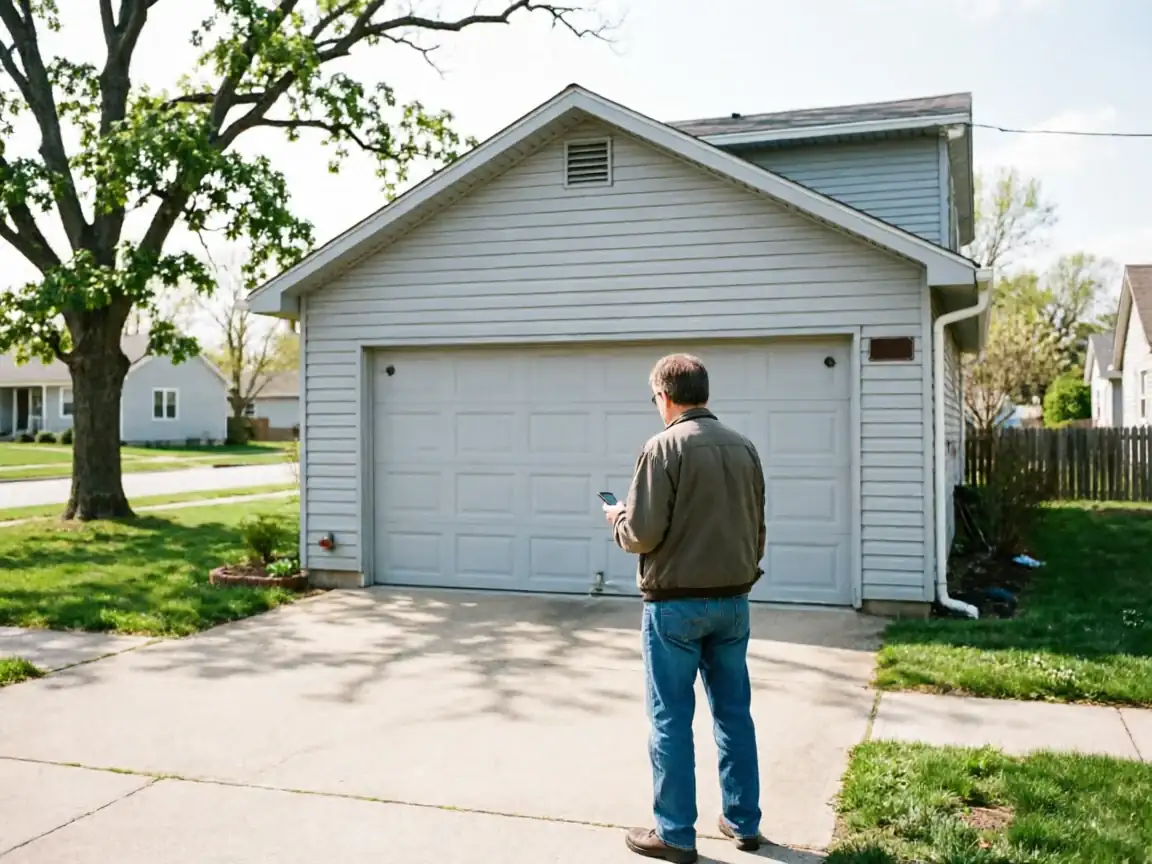
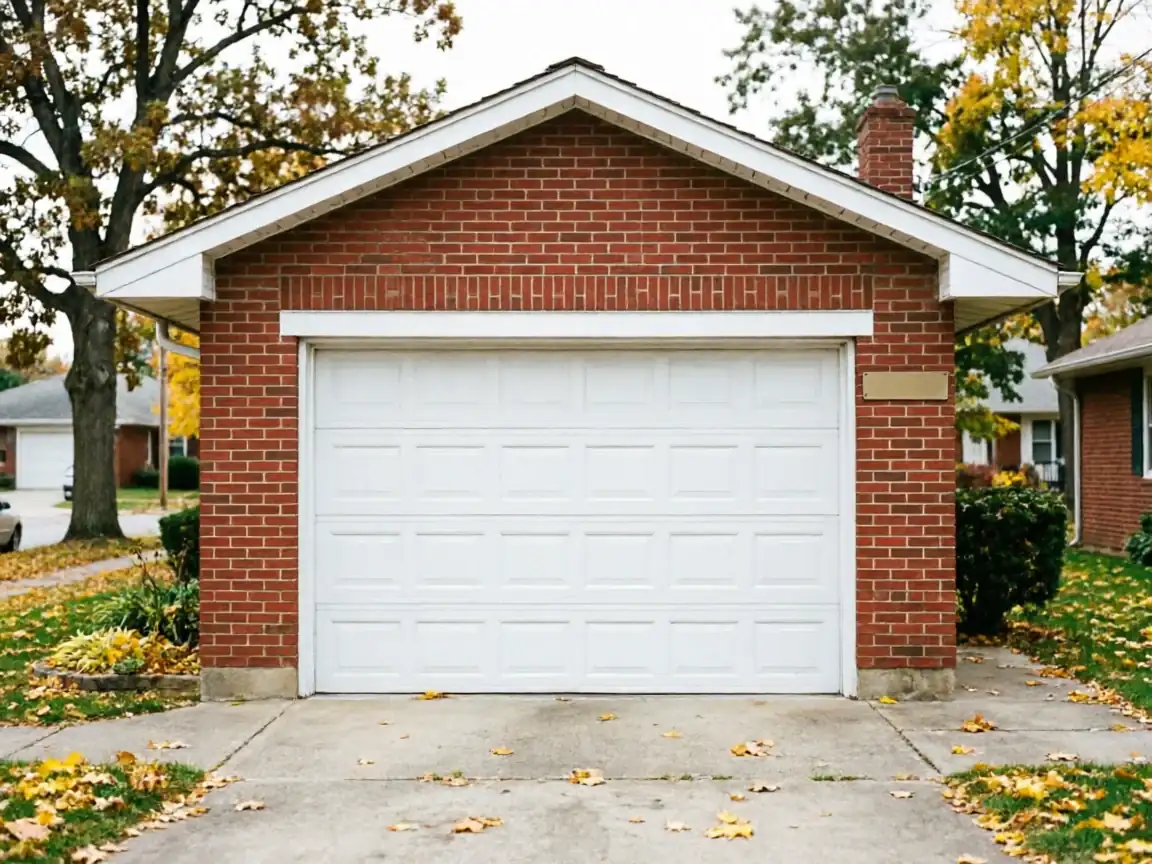
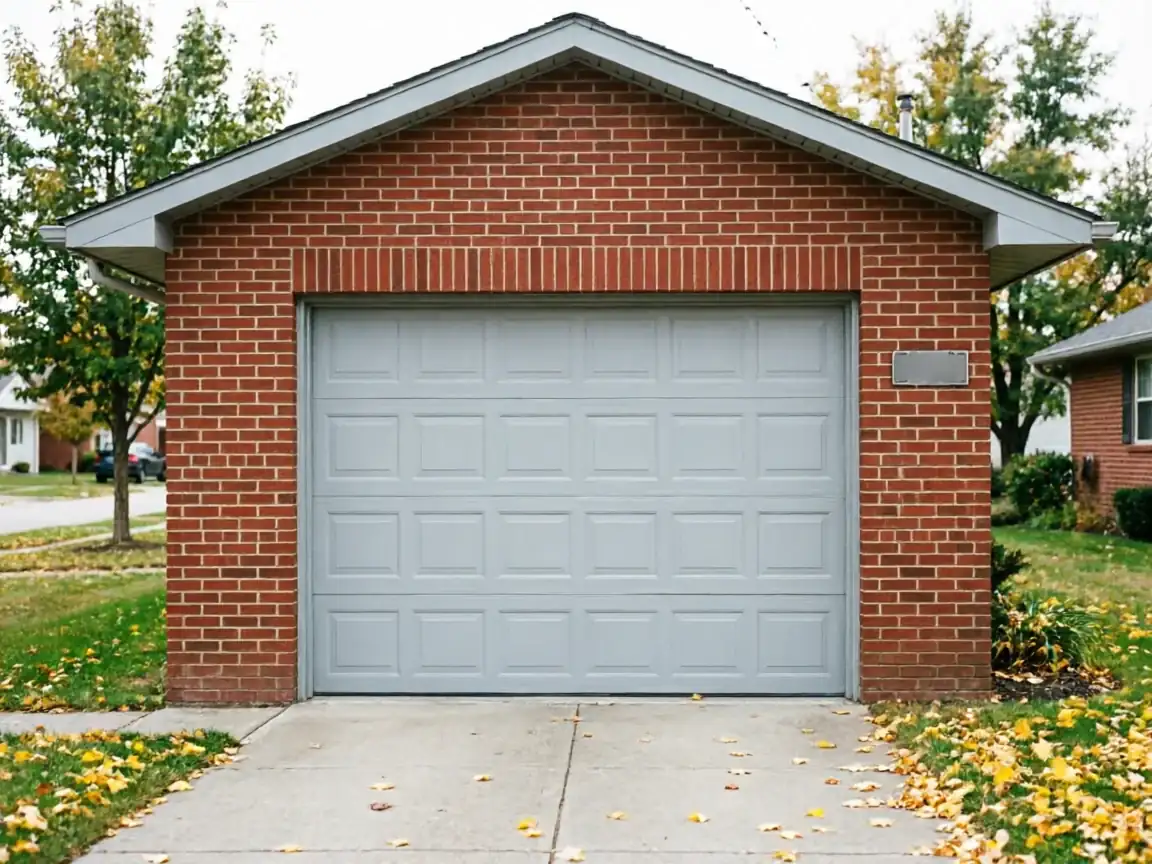
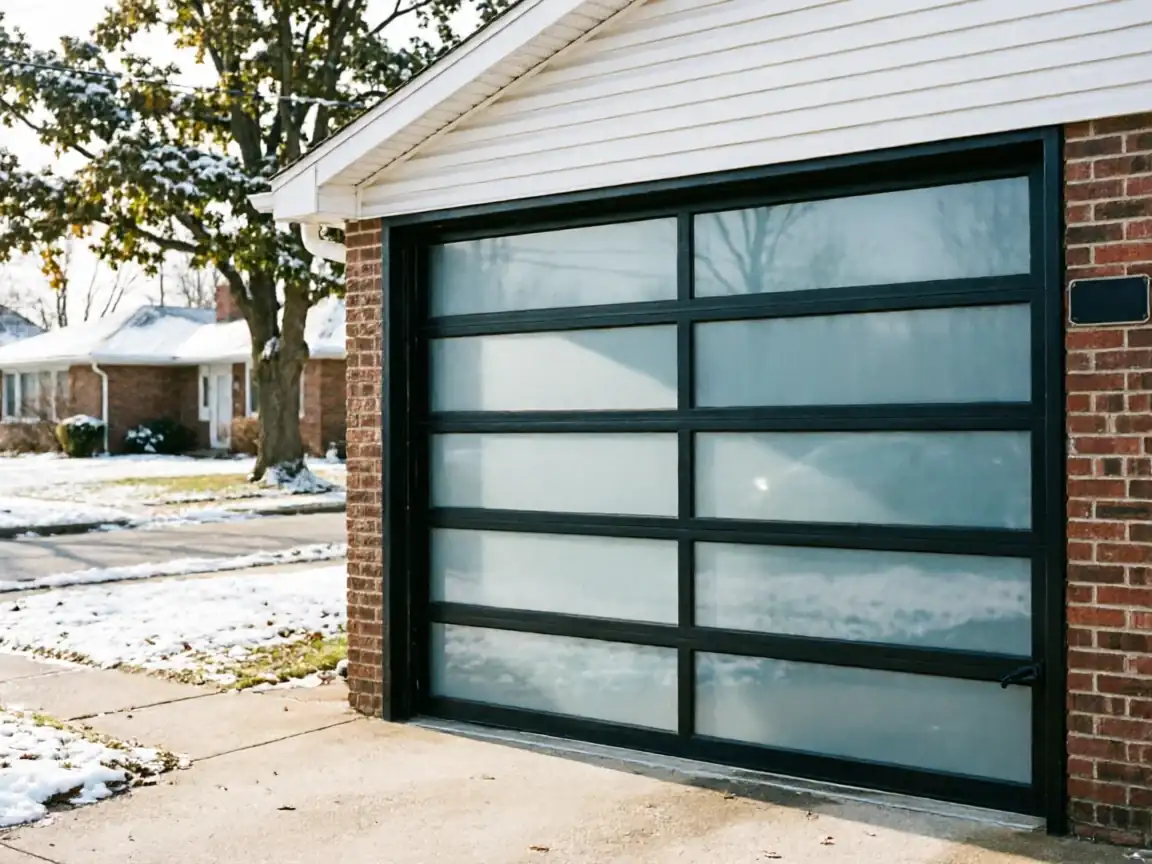
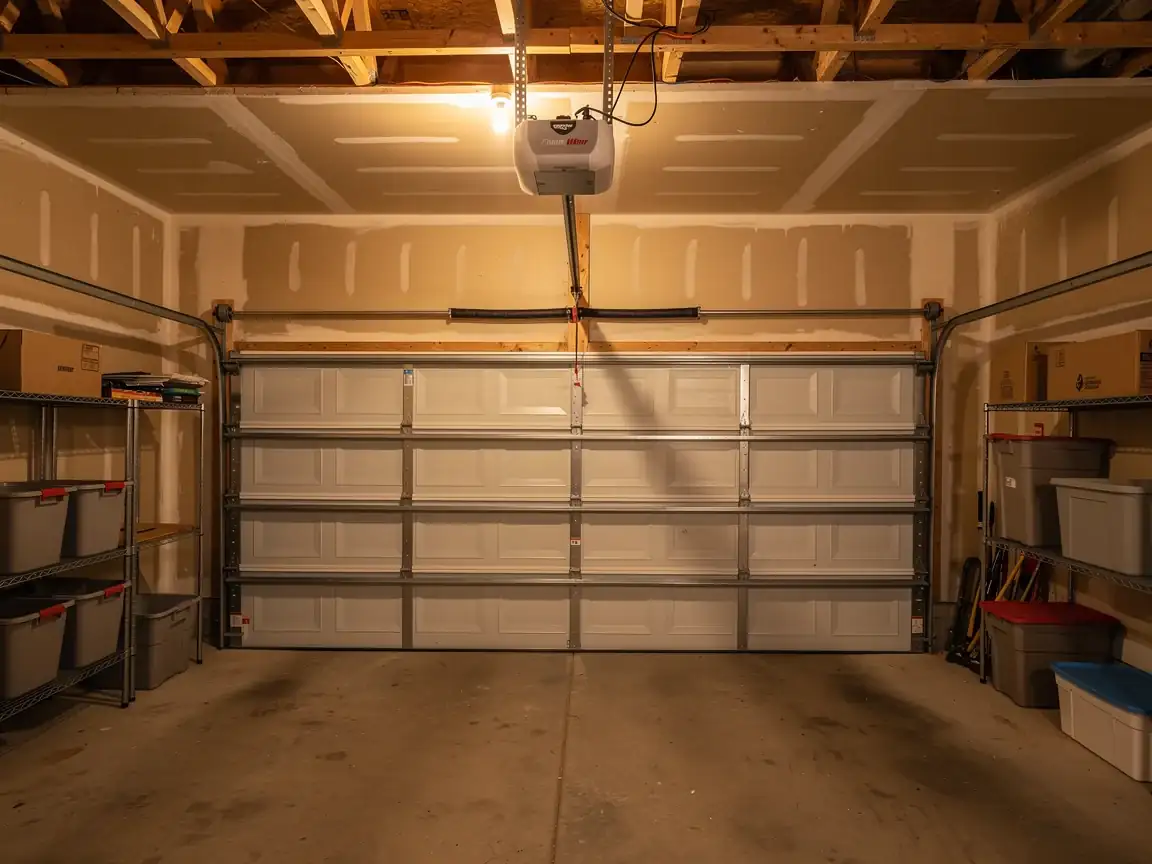
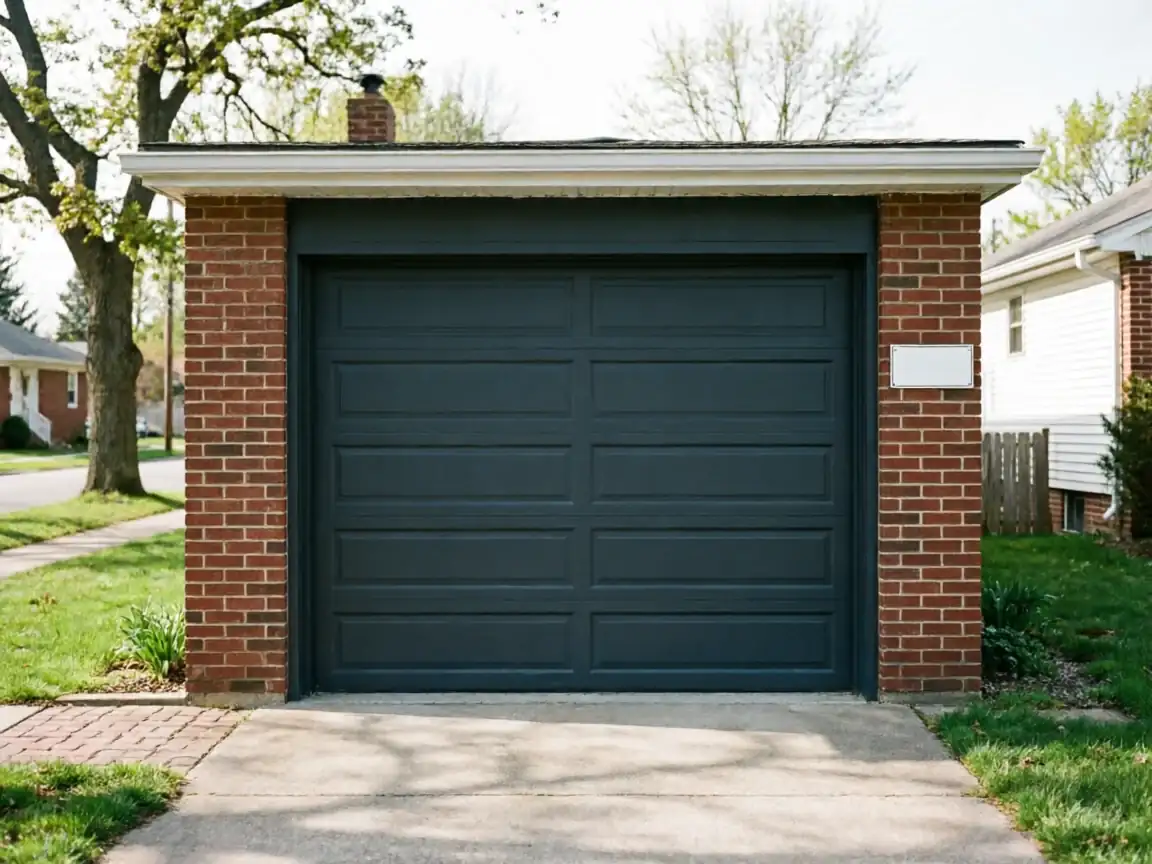
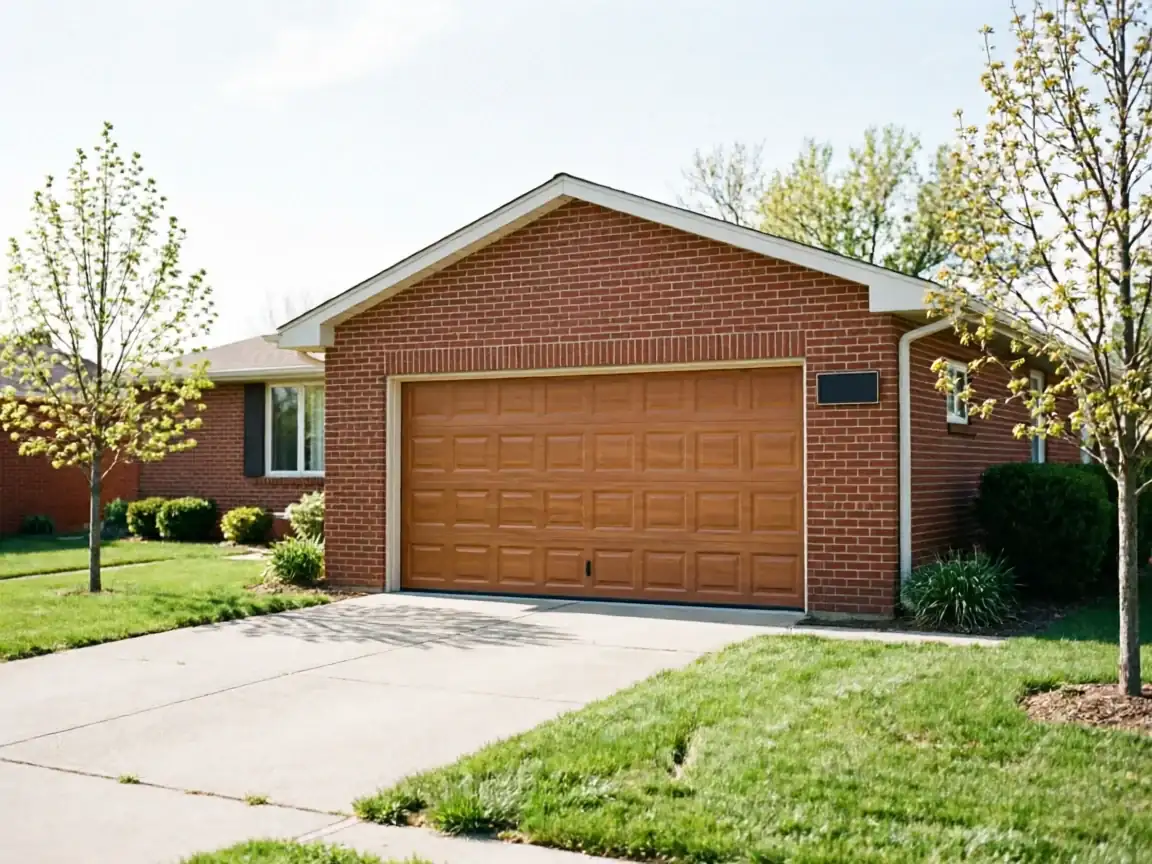
Most houses in Savoy went up around 1995, which puts the openers in a lot of these garages at 25 to 30 years old if nobody's swapped them yet. That's not ancient for a door opener, but it's old enough that the logic board is starting to go. You'll see it as an opener that runs the motor but won't reverse on the safety sensors, or one that only responds to the wall button and has quit talking to the remote. Across the wider Champaign area the housing stock runs 1956 to 2000 with a median around 1978, so Savoy sits on the newer end of that range - which means fewer of the oddball low-headroom setups from the 1960s builds and more standard 7-foot openings that take a normal rail length without an extension kit. The fault we see most in this kind of house isn't a stripped gear on an old chain drive, it's a circuit board that's finally quit holding rolling codes, or a safety sensor pair that's drifted out of alignment after one too many basketballs. Cold snaps make board failures show up faster, since a marginal board that limps through summer often won't restart after a hard freeze.
Time on the Job
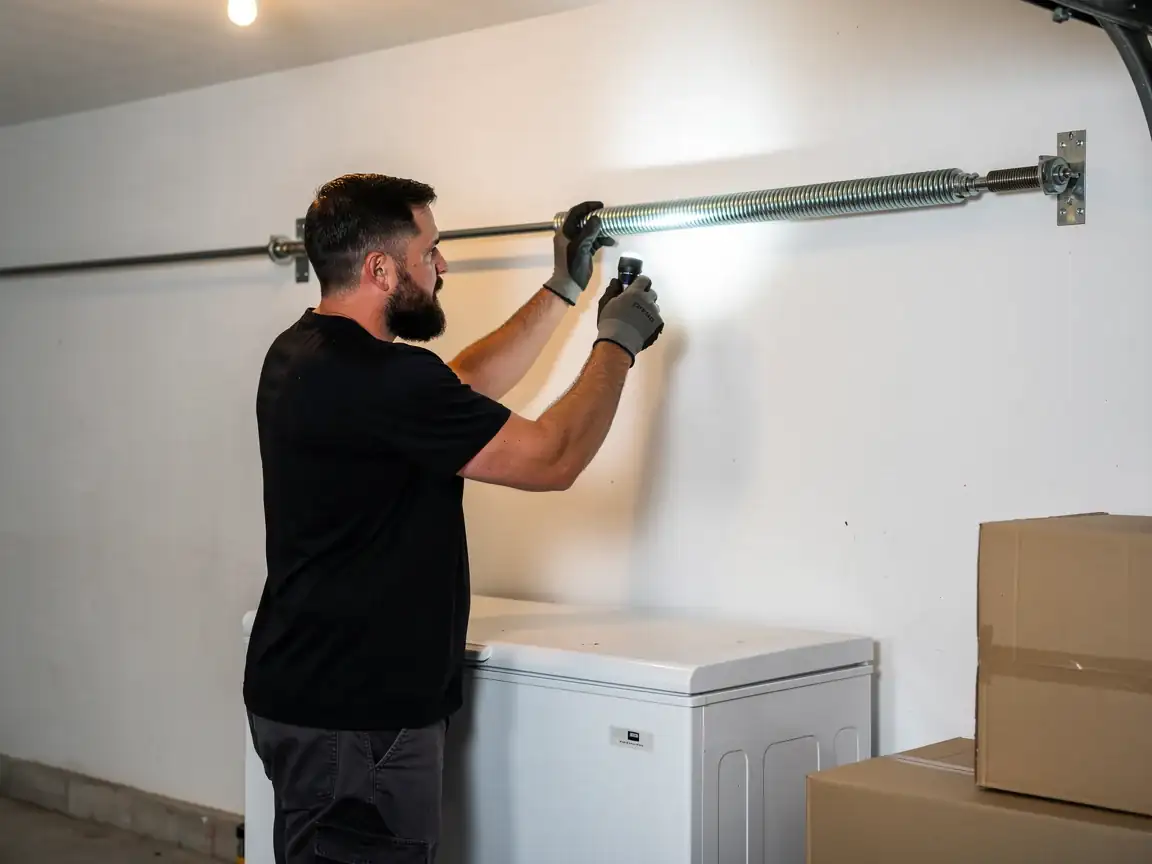
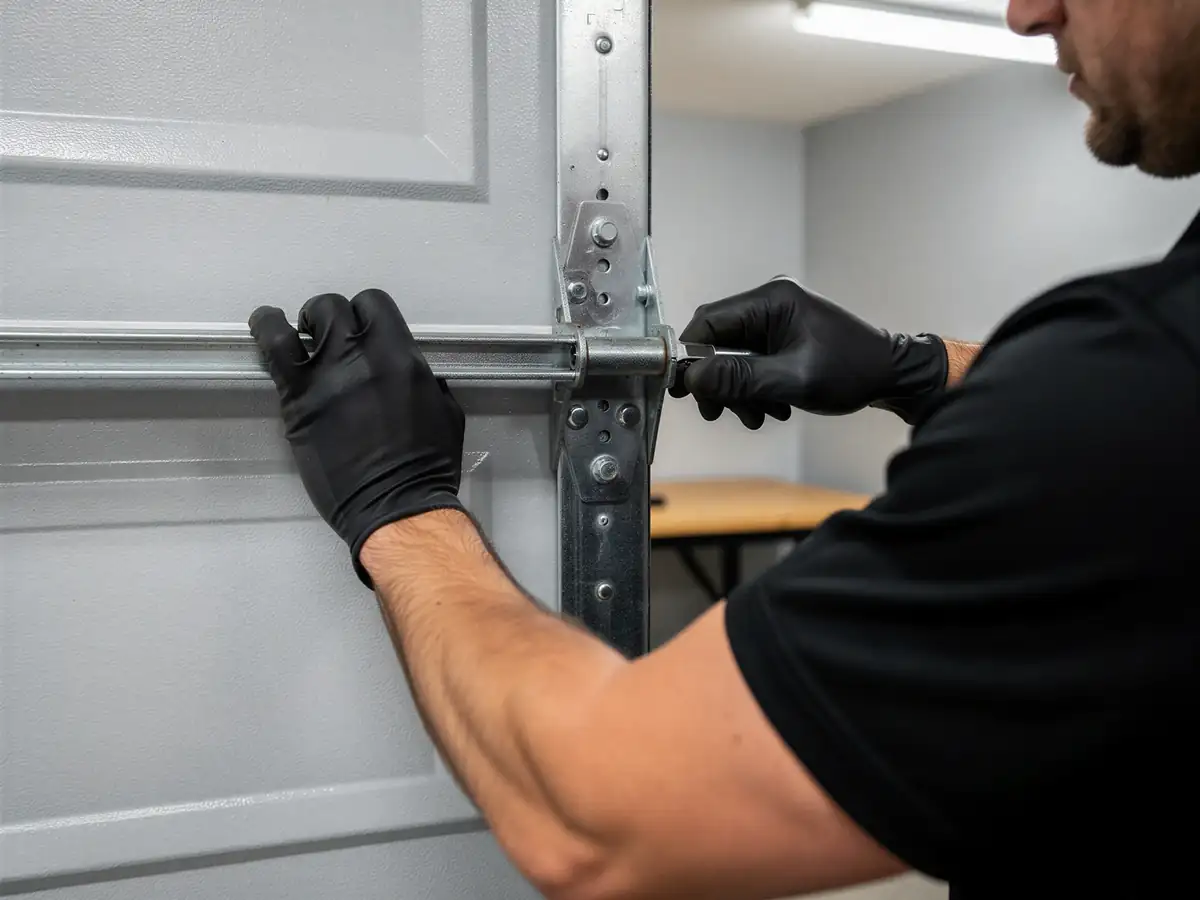
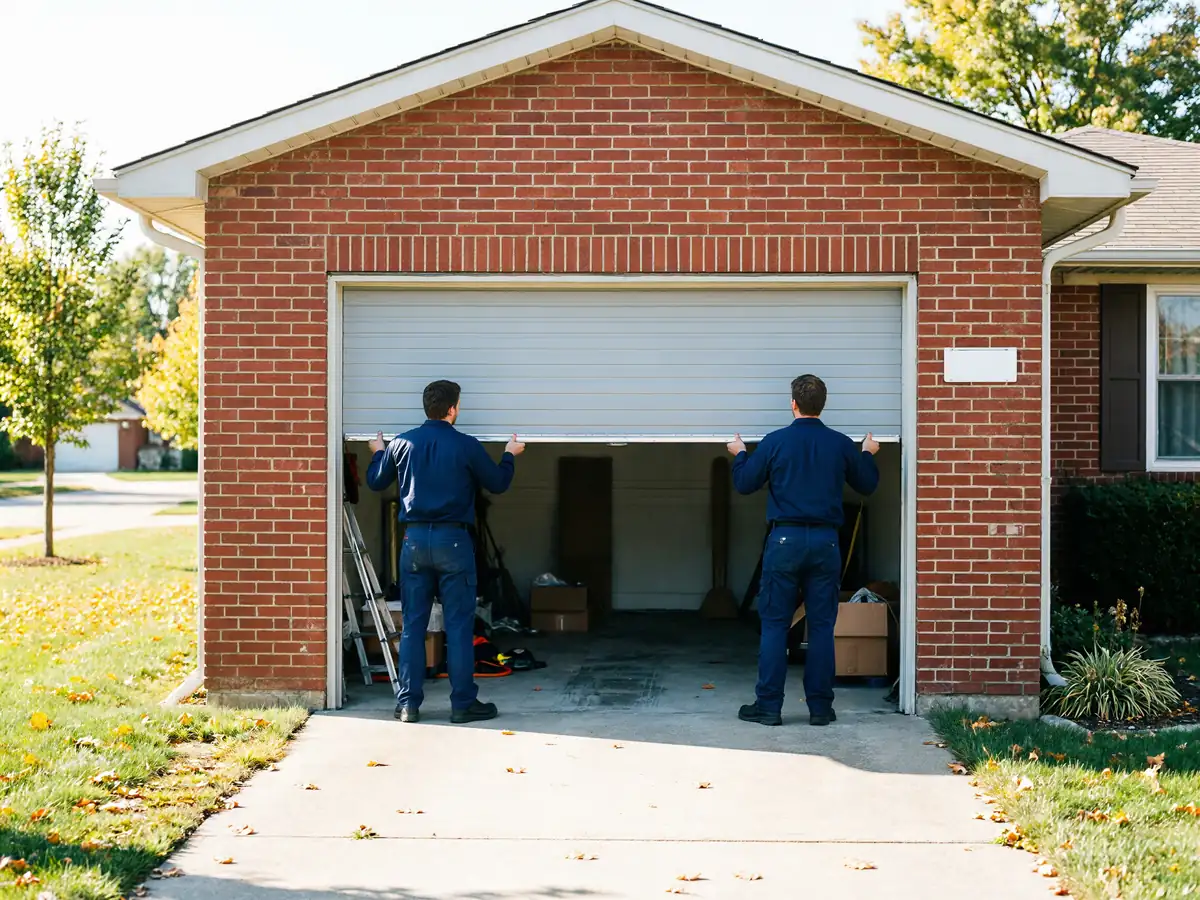
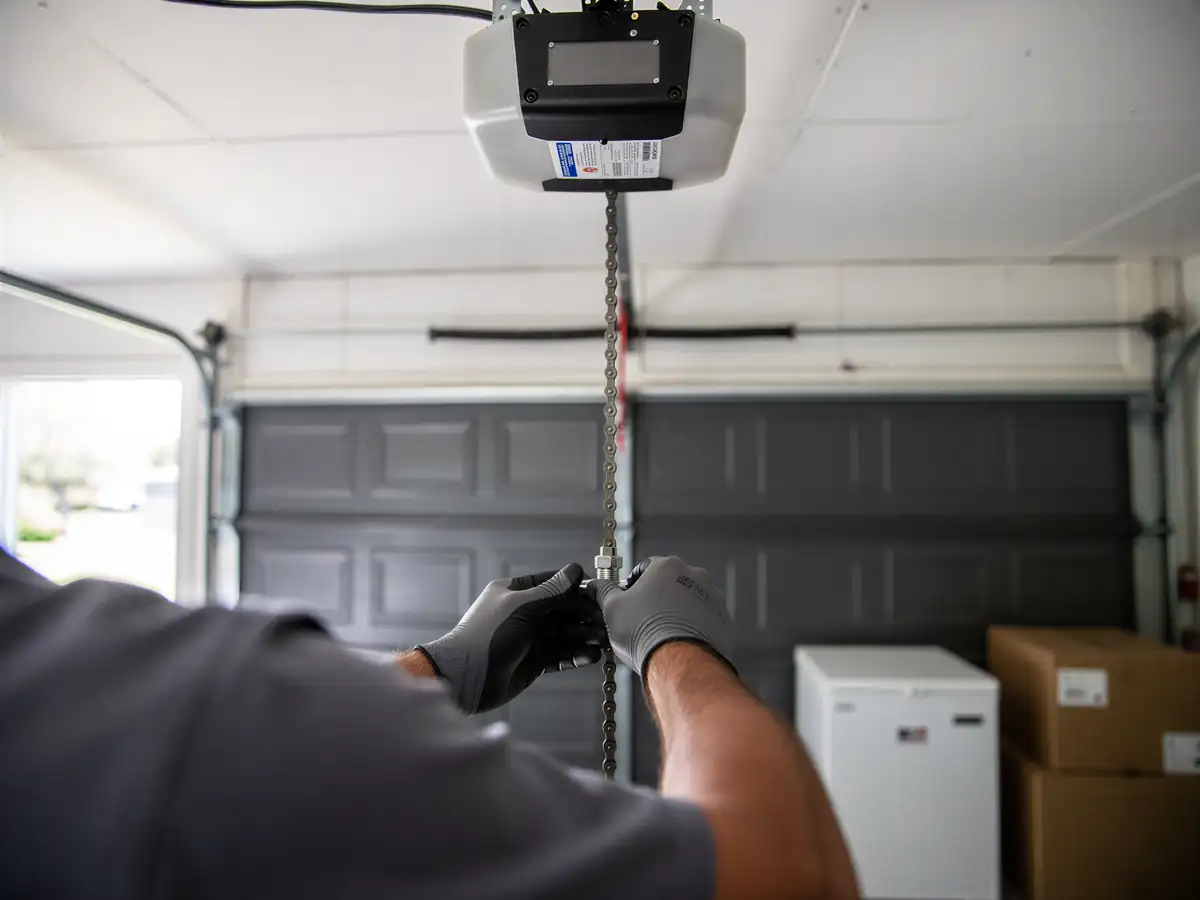
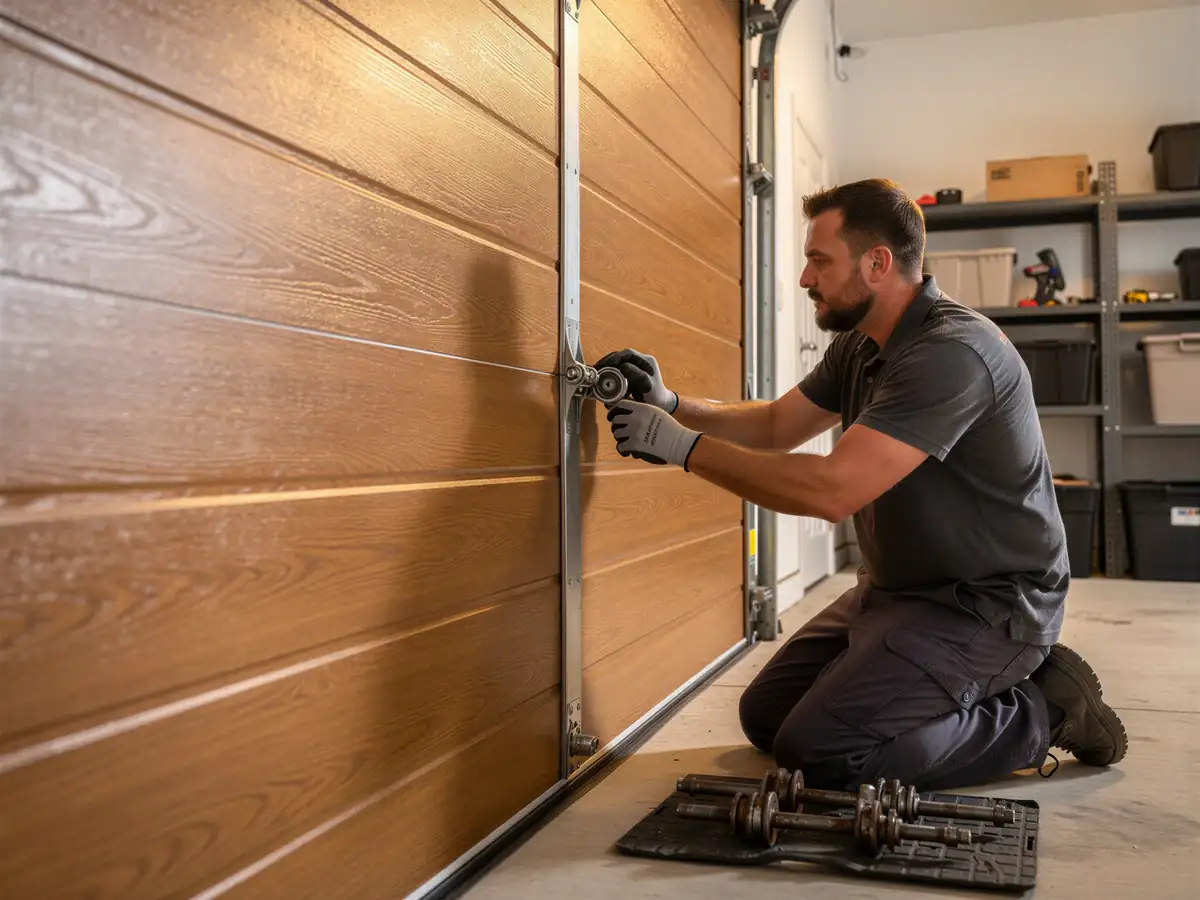
A straight swap - old opener out, new one in on the same rail and same header bracket - usually runs under half a day once we're on site. We're coming from Champaign, about 4 miles, so travel isn't the bottleneck; the header bracket and the rail alignment are. On a 1995-era build the ceiling framing is usually standard enough that we're not improvising a mounting plate, which saves time compared to some of the older stock elsewhere in the service area. If the existing bracket is cracked or the rail is bent, that adds time we'll quote before we start, not after.
Stocked Parts
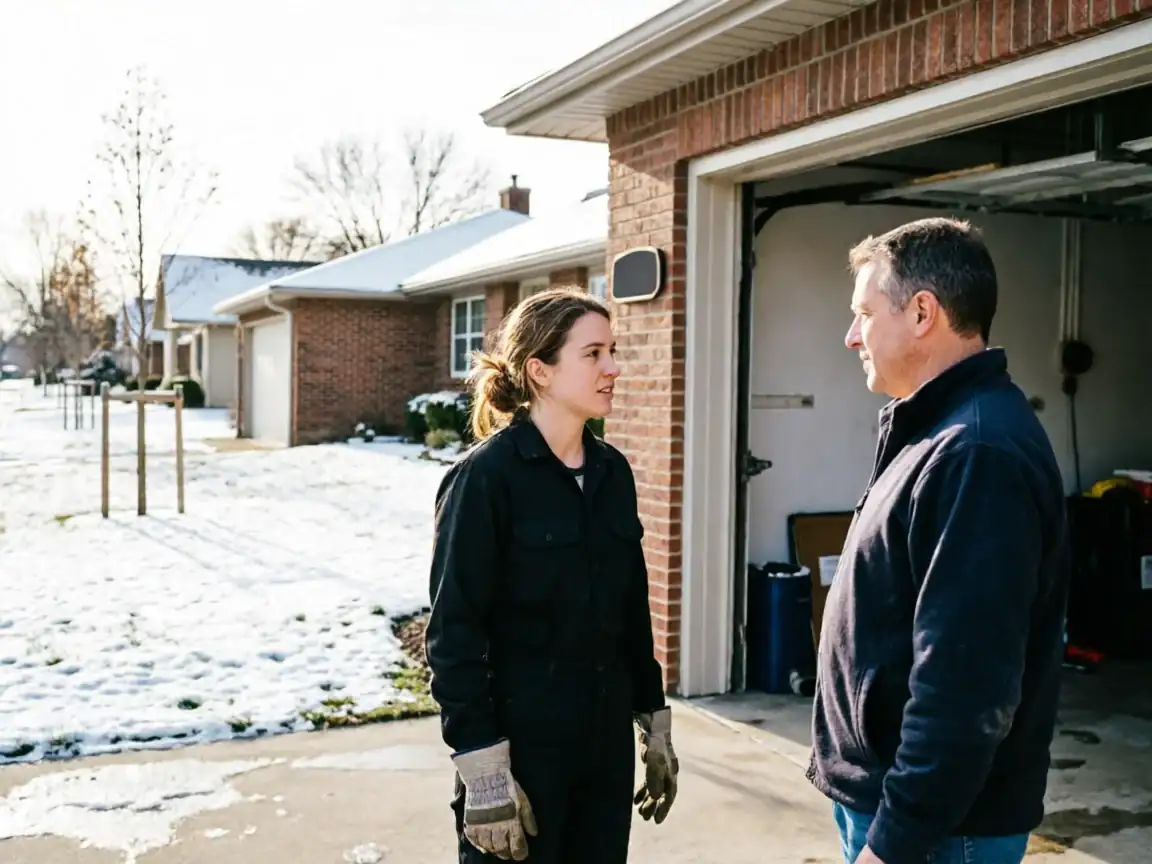
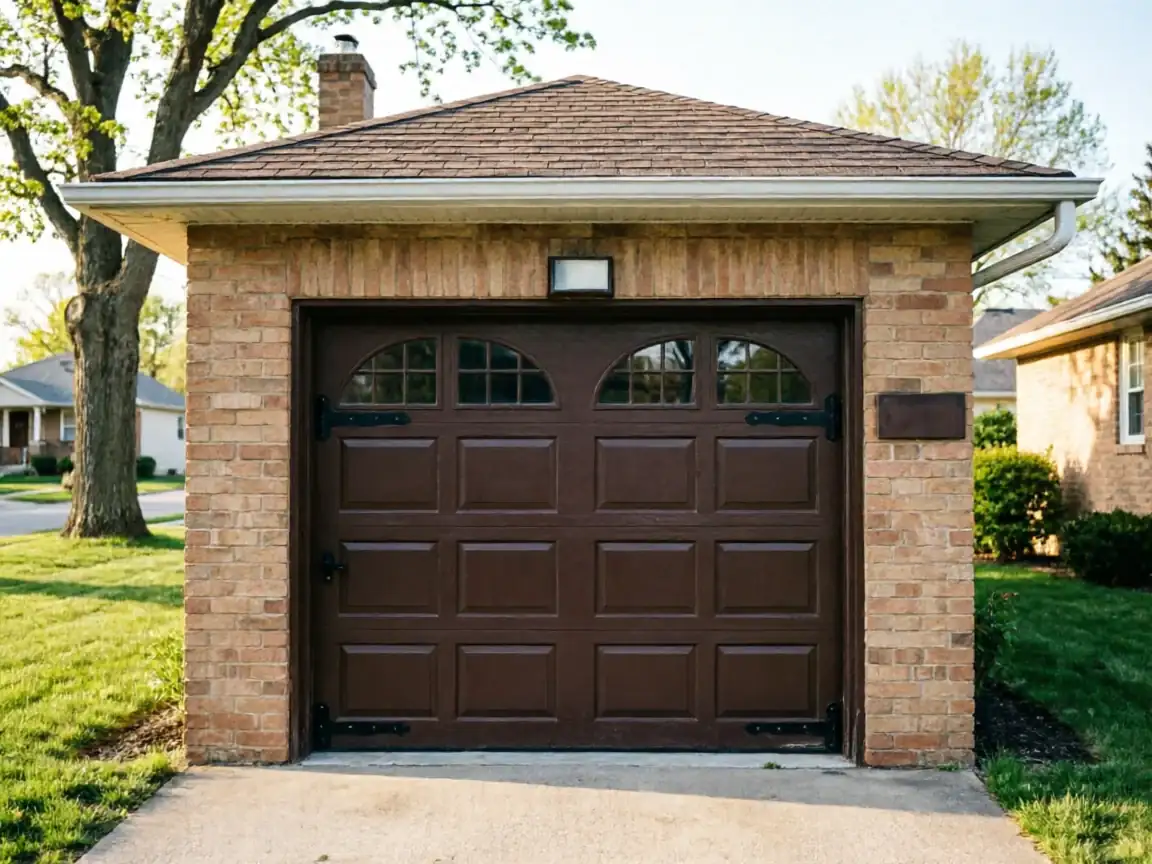
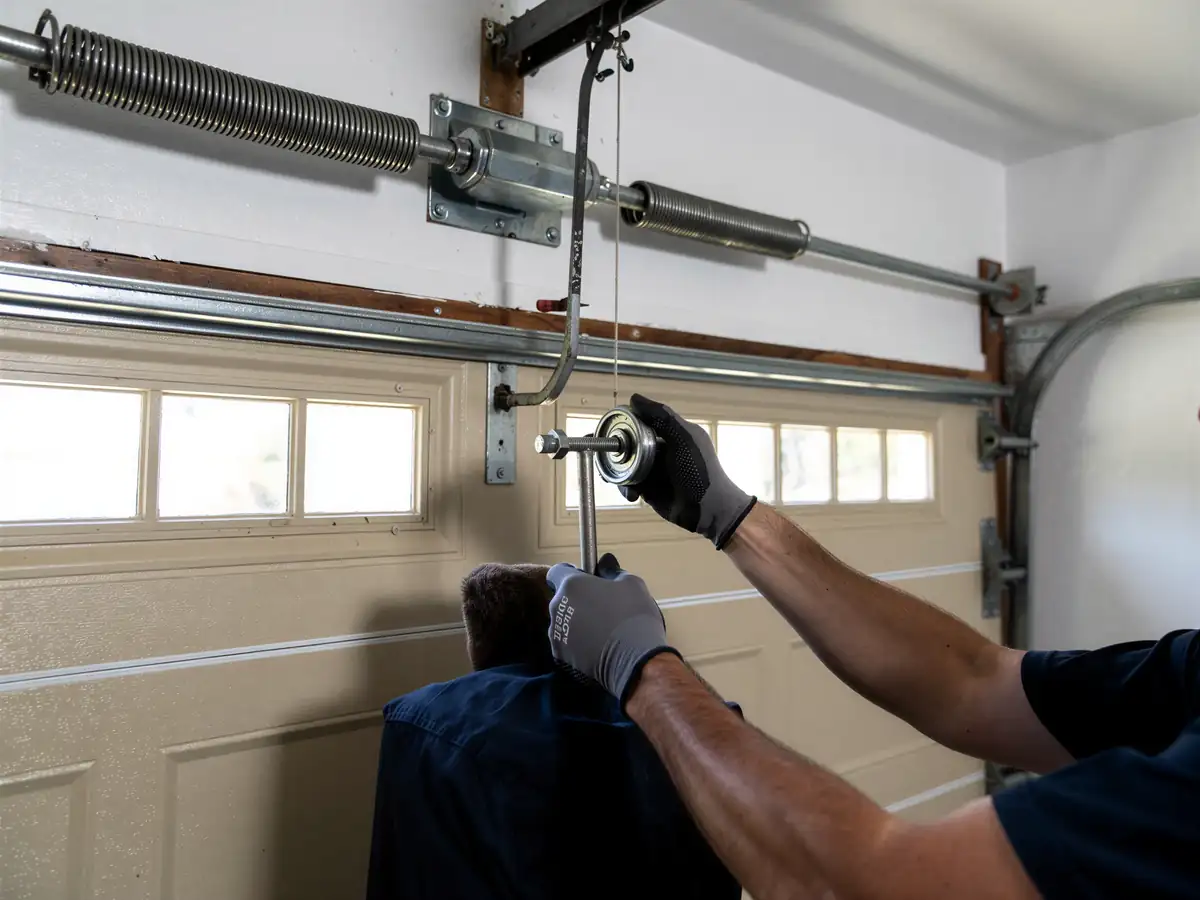
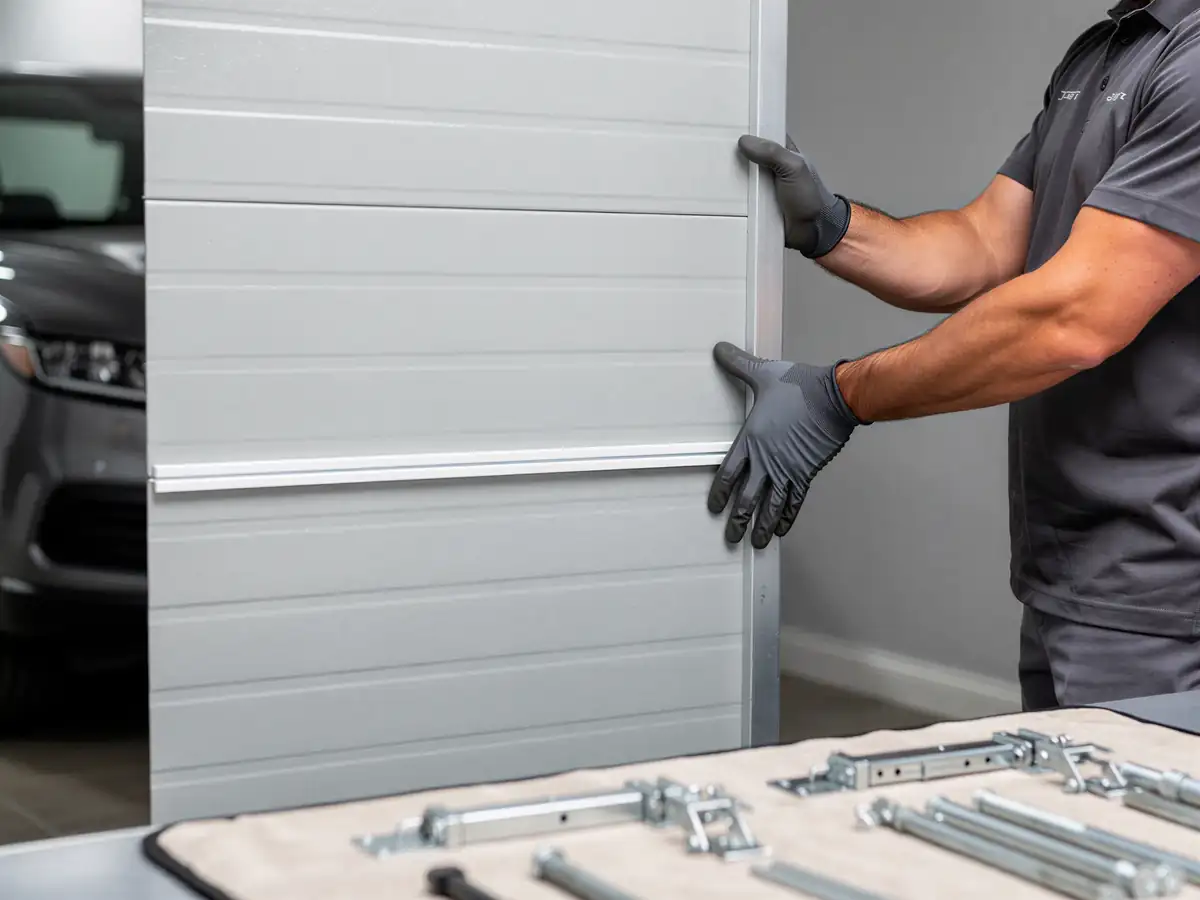
We carry the common belt and chain drive openers on the truck along with standard rail kits sized for a typical 7-foot residential opening, which covers most of what we run into on newer construction like Savoy's. What we don't carry on the truck is anything built for an oversized or custom opening - those get ordered, and we'll tell you the lead time before you commit to the job, not after. If your existing opener has a proprietary remote system tied to a defunct manufacturer, replacing the whole unit is usually cheaper than chasing a matching part, and we'll say so instead of trying to patch it.
The Symptom
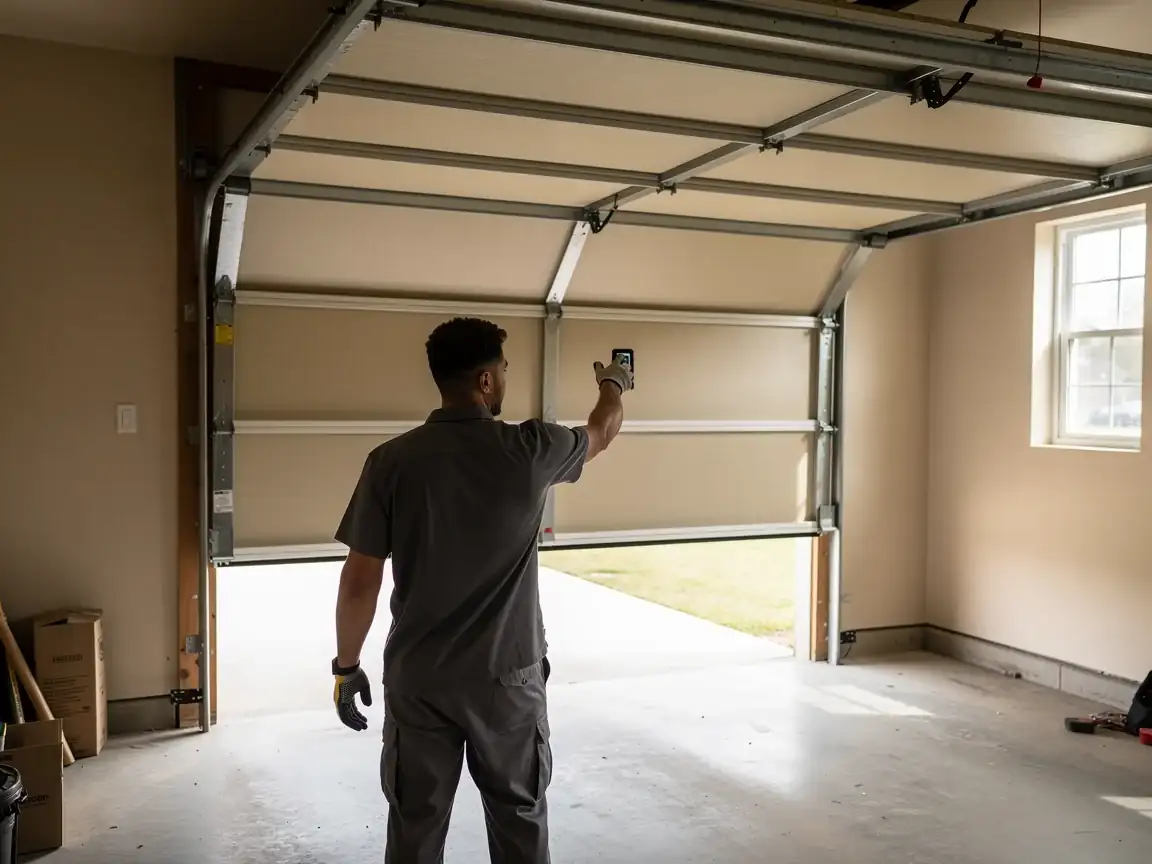
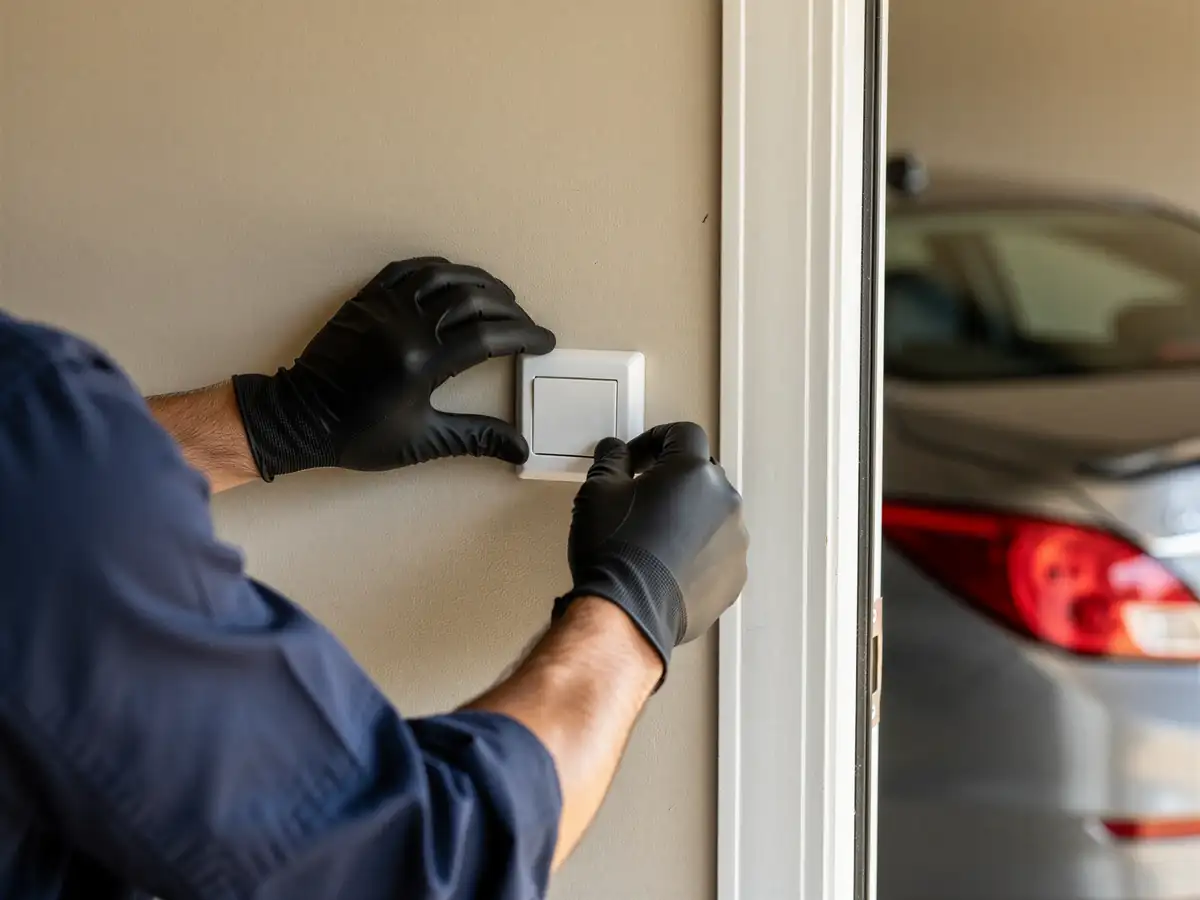
The one we hear most from this part of the service area is "it opens fine but won't close unless I hold the button." That's almost always a safety sensor out of alignment or blocked, not a motor problem, and it's a five-minute fix if that's all it is. The second most common call is an opener that's gone completely silent - no light, no hum, nothing - which on a unit installed when these houses were built points to a dead board or a tripped breaker, in that order. We check the breaker first because it costs nothing to rule out.